Best Tackle Box Organization System
There's nothing quite as frustrating as stepping out onto the boat or settling into your favorite spot on the riverbank, ready for a peaceful day of fishing, only to open your tackle box and find a chaotic mess. Hooks are tangled, lures are a jumbled heap, and that one special bait you know you need is buried under a pile of forgotten soft plastics. It's enough to make you sigh before you even cast a line. This guide is all about helping you reclaim your tackle box, turning that jumbled mess into a lean, mean, fish-catching machine through smart organization.
The Frustration of Disorganized Tackle and Why Organization is Key
We've all been there, right? You're on the water, the bite is hot, and you need to switch lures fast. But instead of a quick change, you're fumbling through a bird's nest of line, rusty hooks, and broken jig heads. Minutes tick by, and by the time you've untangled what you need, the feeding frenzy might be over. It’s not just about losing fishing time; it's about the sheer mental frustration of dealing with disorder when you're supposed to be relaxing and enjoying nature.
Imagine this scenario: you’re at Rathbun Lake, the crappie are schooling, and your buddy just caught three in a row on a tiny chartreuse jig. You know you have one, but where is it? Is it in the bottom of your main box, tangled in a spinnerbait, or maybe still in that old coat pocket from last year? That moment of panic, the frantic searching, the whispered curses – that’s the real cost of a disorganized tackle box. It robs you of efficiency and peace of mind, two things every angler craves.
Proper tackle organization isn't just about neatness; it's about efficiency, extending the life of your gear, and enhancing your safety. When hooks are properly stored, they're less likely to rust prematurely, and those expensive crankbaits won't get chipped or bent from banging against each other. Plus, keeping sharp objects like hooks and treble hooks neatly tucked away in their own compartments significantly reduces the risk of accidental pokes or cuts, especially important when you're out on the water. A little effort upfront can save you a lot of headache, and even money, down the line.
Ultimately, a well-organized tackle system allows you to adapt to changing conditions quickly, whether it's switching from a topwater lure for bass to a deep-diving crankbait for walleye, or simply finding the right sinker weight for the current. It puts you in control, letting you focus on the fish and the experience, rather than wrestling with your gear. It’s a foundational step to becoming a more effective and enjoyable angler in Iowa's diverse waters.
Choosing the Right Tackle Storage for Your Iowa Fishing Adventures
When it comes to tackle storage, there’s no one-size-fits-all solution, especially when you consider the wide variety of fishing experiences Iowa offers. From tranquil farm ponds to the mighty Mississippi River, your storage needs will shift. Understanding the different types of tackle boxes and bags available is the first step in creating a system that truly works for you.
Traditional Hard-Sided Tackle Boxes
Let's start with the old faithful: the hard-sided tackle box. Many of us grew up with these, often the classic cantilever style that opens up like a set of stairs, revealing multiple trays. These are fantastic for visibility – you can usually see most of your gear at a glance, which is great for general-purpose fishing, like a casual day targeting panfish at a local lake. The simplicity is appealing, but they do have their drawbacks. Items can shift around during transport, leading to tangles, and they aren't always the most efficient use of space. However, for sheer nostalgia and ease of seeing your most-used items, they still hold a special place.
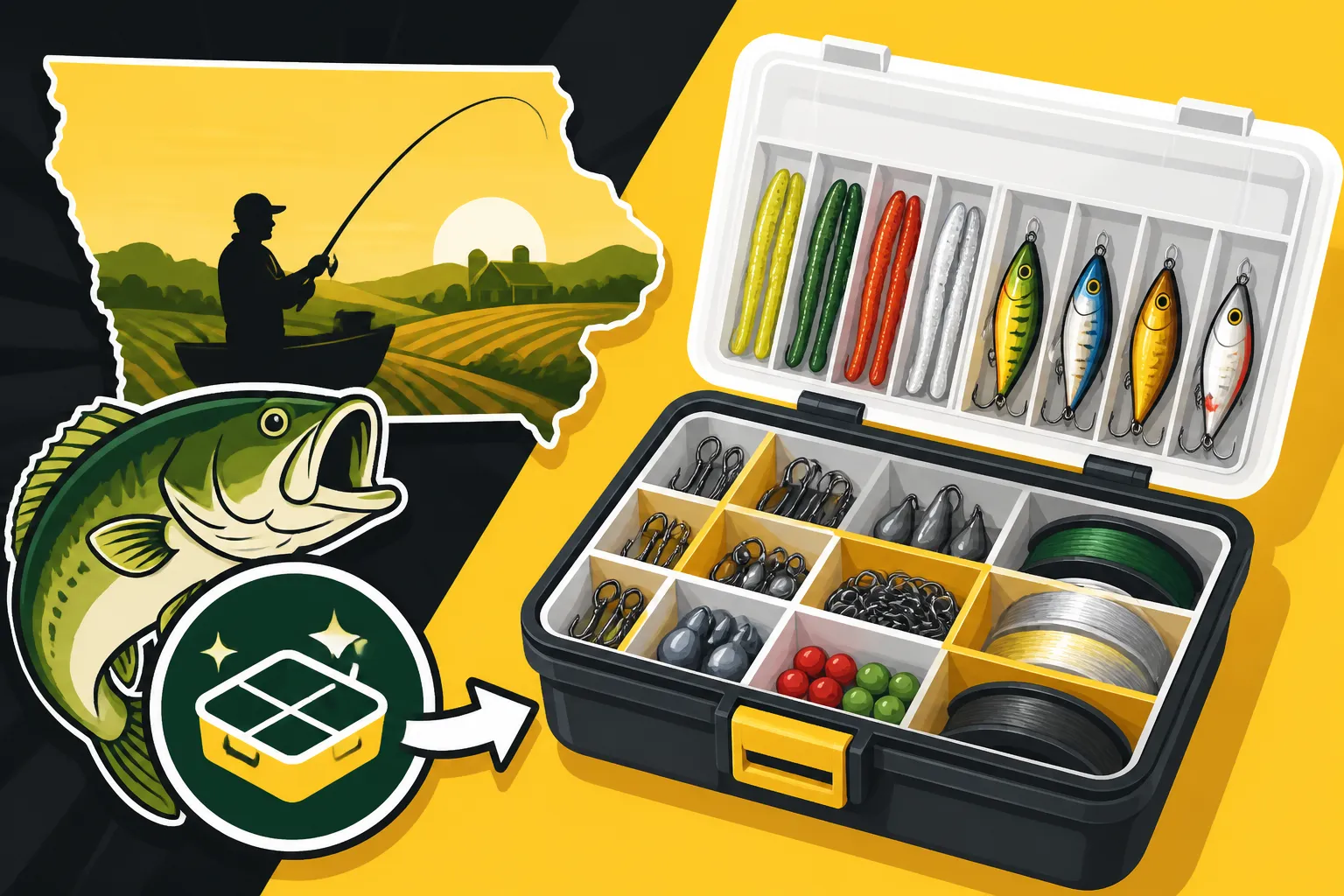
Moving beyond the cantilever, modern hard-sided tackle boxes often revolve around the utility box concept. These are typically clear, rectangular plastic boxes with adjustable dividers, allowing you to customize compartments for different lure sizes or types. Many anglers swear by these for their versatility and durability. They come in various depths and footprints, making them perfect for sorting everything from small trout jigs to large muskie crankbaits. You can stack them in a larger storage bin or slip them into a soft-sided bag. Brands like Plano and Flambeau offer a huge array of these utility boxes, and you can find them readily at Bass Pro Shops or through online retailers like Amazon. These are especially useful for keeping specific lure types separate, ensuring your expensive jerkbaits don't get scratched by your heavier jigs.
Soft-Sided Tackle Bags and Backpacks
For the angler on the go, soft-sided tackle bags and backpacks are a game-changer. If you find yourself frequently bank fishing, wading the trout streams of Northeast Iowa, or exploring remote spots with your kayak, these are your best friends. The main advantage here is mobility and comfort. A tackle backpack, for instance, allows you to carry your gear hands-free, leaving your arms free for navigating tricky terrain or carrying your rods. These bags are often designed to hold multiple utility boxes, keeping your organized compartments within a portable shell.
Beyond portability, soft-sided bags often offer better protection for your gear. Many models feature padded compartments, external pockets for tools, and some even come with waterproof or water-resistant materials, which is crucial for protecting electronics or delicate lures from the elements. They also tend to be lighter than their hard-sided counterparts when empty. For anyone doing a lot of hiking to reach a fishing spot or for kayakers who need their gear secure and easily accessible, a good soft-sided bag is invaluable. Check out our guide on Kayak Fishing Gear Guide for Iowa Rivers for more specific recommendations on mobile setups.
Specialty Storage Solutions
Beyond the main categories, there's a whole world of specialized tackle storage designed to solve particular organizational dilemmas. Take worm binders, for example – these are essentially ring binders with clear, resealable plastic pages, perfect for keeping soft plastic baits separated by color, type, or size. This prevents different plastic formulations from melting into each other, a common frustration for bass anglers. Similarly, jig wallets and spinnerbait wraps offer compact ways to store these specific lure types without tangles or damaged skirts.
For boat owners, built-in storage compartments are a luxury, but even then, utility boxes and dedicated bins help keep things tidy. Large plastic tubs or milk crates can be used to hold multiple utility boxes, especially useful if you carry a lot of gear for different species or trips. The key with specialty storage is to identify specific pain points in your current system and find a tailored solution. Don't be afraid to mix and match; a combination of a large soft-sided bag holding several species-specific utility boxes, plus a separate jig wallet, might be the perfect setup for your multi-species Iowa adventures.
Strategies for Organizing Your Iowa Tackle Systematically
Once you've got your chosen storage solutions, the real fun begins: actually putting your tackle in order. This isn't just about cramming everything into a box; it's about developing a system that makes sense for how you fish in Iowa. Thinking systematically can dramatically cut down on frustration and improve your time on the water.
Organize by Species or Target Fish
One of the most effective ways to organize your tackle, especially if you target a variety of fish, is to create dedicated boxes or sections for specific species. Think about it: the lures and gear you use for How to Catch Walleye in Iowa are often very different from what you'd use for How to Catch Bass in Iowa.
- Walleye Box: This box might contain an assortment of jigs (e.g., lead heads, hair jigs), crankbaits (both shallow and deep divers), bottom bouncers, snell rigs, and appropriate leaders. You'd likely group these by size or color within the box.
- Bass Box: For bass, you might have sections for soft plastics (worms, creature baits, flukes), spinnerbaits, chatterbaits, topwater lures, and various hooks (worm hooks, weighted swimbait hooks). You could even subdivide your soft plastics by color or action.
- Panfish Box: This would be dedicated to smaller jigs, tiny spoons, small bobbers, and micro soft plastics, perhaps sorted by body of water like for Clear Lake or specific farm ponds.
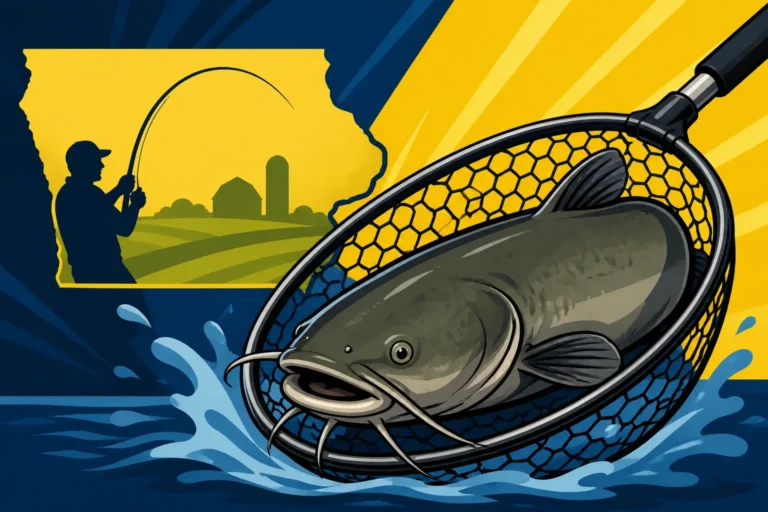
This method means you can grab the "Walleye Box" for a trip to Spirit Lake, or the "Catfish Box" when you're heading to the Des Moines River. This drastically reduces the amount of gear you haul if you only plan to target one or two species. For specific gear recommendations, be sure to check out our Catfish Gear Guide for Iowa Rivers.
Organize by Lure Type and Size
Another popular method is to organize your tackle by the type of lure or gear, regardless of the target species. This works well for anglers who might be casting for multiple species in the same outing but want quick access to a particular presentation.
- Crankbait Box: All your crankbaits, from tiny shallow runners to huge deep divers, would reside here. You could further sort them by depth rating, color, or even specific brands. Using clear utility boxes makes it easy to spot the one you need without opening every compartment. Many anglers find great deals on these organizational tools at Amazon.
- Jig Box: This box would hold all your jigs – flipping jigs, football jigs, swim jigs, ice fishing jigs – perhaps sorted by weight or skirt color. Keeping them separate prevents tangles and ensures their skirts stay in good condition.
- Soft Plastics Binders/Boxes: As mentioned earlier, binders or dedicated soft plastic boxes are excellent for keeping these baits organized by type (worms, tubes, grubs) and color. This prevents color bleed and ensures your baits remain fresh and ready to fish.
Within these categories, you can use adjustable dividers to separate lures by size, weight, or even specific application. The goal is to create a logical flow that allows you to quickly locate any given lure type, regardless of what you're fishing for.
Organize by Water Body or Season
Iowa's diverse fishing environments often demand different tackle setups. Organizing your gear by the specific body of water you frequent or by the fishing season can be incredibly efficient.
- Mississippi River Box: Fishing the Mississippi often requires heavier weights, specific current-cutting lures, and robust gear for powerful river fish. Your "Mississippi River Box" might have heavy jigs, large crankbaits, bottom bouncers, and specialized catfishing rigs. Understanding Iowa Fishing Regulations on the Mississippi River Border might influence what tackle you carry as well.
- Iowa Great Lakes Box: For the deep, clear waters of the Iowa Great Lakes, you might have different deep-diving crankbaits, trolling gear, and specific walleye and muskie setups. Fishing the Iowa Great Lakes often involves different techniques than river fishing.
- Ice Fishing Box: When winter rolls around, a dedicated ice fishing tackle box is essential. This would contain small jigs, tungsten ice lures, tip-ups, and specialized ice fishing line. You certainly wouldn't want these mixed in with your summer bass gear! Consult our Ice Fishing Gear Guide for Iowa for more details.
Creating seasonal boxes can also be helpful. Your "Spring Walleye Run" box would have different baits than your "Summer Catfish" box, reflecting the changing patterns and preferences of the fish throughout the year. This method allows you to grab a pre-packed, ready-to-go kit tailored to a specific outing, saving you precious time.
| Organization Method | Pros | Cons | Best For |
|---|---|---|---|
| By Species | Highly targeted, grab-and-go for specific trips | Requires more overall boxes if you fish many species | Anglers who focus on one or two species per trip |
| By Lure Type | Easy to find specific lure styles, good for multi-species | Can be cumbersome if you need multiple lure types for one fish | Anglers who switch lure types frequently but fish diverse species |
| By Water Body | Tailored to specific fishing environments | Less flexible if you switch locations often | Anglers with favorite, distinct fishing locations |
| By Season | Ready for seasonal patterns | Needs significant re-organization twice a year | Anglers who follow seasonal fish movements |
Tips for Maintaining and Optimizing Your Organized Tackle
Getting your tackle organized is a huge step, but the work doesn't stop there. Just like maintaining your fishing reels or boat, keeping your tackle system in top shape requires a little ongoing effort. A well-maintained system will serve you better and longer, ensuring your gear is always ready for action.
Regular Maintenance and Cleaning
After every fishing trip, especially if you've been in wet or muddy conditions, it's crucial to give your tackle a quick once-over. Lures that have been in the water should be dried thoroughly before being put back into their compartments. This simple step can prevent rust from forming on hooks, split rings, and swivels. If you notice any rust starting, address it immediately by replacing the affected component. Investing in quality rust-inhibiting products, often found in a good Iowa Fishing Gear Guide, can also go a long way in protecting your metal parts.
Beyond drying, occasionally wipe down the inside of your tackle boxes or bags. Sand, dirt, and fish slime can build up, becoming a breeding ground for mildew or causing abrasive damage to your lures. A simple wipe with a damp cloth and then drying will keep things clean and functional. Before storing your gear for the longer off-season, especially during the colder Iowa winters, a thorough cleaning of every lure and box is highly recommended. This prevents any long-term corrosion or damage that can occur when wet or dirty tackle sits idle for months.
Labeling and Inventory
This might sound like homework, but trust me, labeling your utility boxes can be a lifesaver. Imagine having a stack of identical clear boxes. Without labels, you're still playing the "open and check" game. Simple labels like "Walleye Jigs – Fall," "Bass Soft Plastics – Green Pumpkin," or "Crappie Spoons – Spring" save immense time. You can use a permanent marker, adhesive labels, or even masking tape. The clearer and more specific your labels, the faster you'll find what you need.
Keeping an inventory, even a mental one, helps you know what you have and what you need. This is especially true for consumable items like hooks, soft plastics, or specific weights. Before a big trip, a quick glance at your labeled boxes will tell you if you're running low on those critical chartreuse crappie jigs or your favorite black and blue bass worm. This proactive approach saves you from those last-minute, panicked runs to Bass Pro Shops or urgent Amazon orders, ensuring you're always fully stocked and ready to fish.
Customization and Adaptability
Your tackle organization system should never be set in stone. As you evolve as an angler, try new techniques, or discover new favorite fishing spots, your gear and therefore your organization needs will change. Don't be afraid to tweak your system, re-label boxes, or even completely overhaul a section if it's no longer serving you efficiently. The best system is one that works for you right now, not one you set up five years ago and never touched again.
Maybe you've started fly fishing for trout in Iowa's streams, which requires an entirely different setup, or perhaps you've gotten into muskie fishing on Clear Lake, demanding much larger lures. Your tackle organization needs to adapt. Experiment with different divider configurations, try a new soft-sided bag, or integrate a specialty solution like a dedicated jig binder. The goal is continuous improvement, always striving for that perfect balance of accessibility, protection, and efficiency that enhances your time on the beautiful waters of Iowa. For those just starting out, a good place to begin thinking about what to organize is by exploring the Best Tackle for a Starter Tackle Box.
Disclaimer
This article is for general informational purposes only and does not constitute professional advice. Laws, prices and regulations vary by location and change over time. Consult a qualified professional for guidance on your specific situation.