Best Boats for Iowa Fishing
Choosing the right boat for fishing in Iowa can feel like navigating a maze, with so many options out there, each claiming to be the best. You're not just buying a boat; you're investing in countless memories on the water, whether it's chasing walleye on the Mississippi or casting for bass in a quiet farm pond. This comprehensive guide will break down the various types of fishing boats perfect for Iowa's diverse waterways, helping you cut through the confusion and confidently select the vessel that best suits your angling adventures.
Understanding Iowa's Diverse Waters and Your Fishing Needs
Before you even start looking at boat models, it's absolutely crucial to think about where you'll be fishing most often and what kind of fishing you love to do. Iowa isn't just one type of water; we've got everything from vast reservoirs and the mighty Mississippi River to serene natural lakes and countless smaller ponds and streams. Each body of water presents its own challenges and opportunities, and the "perfect" boat for one might be completely impractical for another. Getting clear on your primary fishing grounds and style will save you a lot of headache (and money) down the line.
Rivers vs. Lakes vs. Ponds: Different Boats for Different Folks
Let's be real, you wouldn't take a delicate fly-fishing drift boat out into the whitecaps of a large reservoir, just like you wouldn't try to navigate a shallow trout stream in a deep-V bass boat. Iowa's rivers, like the Des Moines or the Cedar, often have strong currents, snags, and varying depths, making maneuverability and shallow draft key. Lakes and reservoirs, on the other hand, can be wide open, requiring a boat capable of handling choppy water, covering distance, and offering stable platforms for casting. Ponds are a whole different ballgame, often demanding smaller, more portable vessels that can be launched with minimal effort.
Consider the Best Fishing Spots in Iowa and what kind of vessel makes the most sense for those locations. Are you primarily targeting the slow, winding oxbows of the Mississippi for catfish, or are you dreaming of trolling the vast expanses of the Iowa Great Lakes for walleye? Your fishing style plays a huge role too. If you're a serious tournament bass angler, your needs will differ dramatically from someone who just wants to take their grandkids out for bluegill on a local pond.
Solo Angler vs. Family Outings: Capacity and Comfort
Another big piece of the puzzle is who you'll be sharing your boat with. Are you a lone wolf, preferring the peace and quiet of a solo fishing trip where you can focus entirely on the bite? Or are your fishing excursions more about making memories with family and friends, packing a cooler, and enjoying a day on the water? The number of people you typically bring along will directly influence the size and layout of the boat you need.
A solo angler might be perfectly happy with a nimble kayak or a small Jon boat, easy to manage and launch by themselves. However, if you're planning on bringing two kids, a spouse, and all their gear, that small boat suddenly feels incredibly cramped. Larger boats offer more seating, storage, and often more stability, which is a huge plus when you have kids moving around. Think about comfort features like padded seats, a bimini top for shade on sunny days, or even a livewell big enough to keep a good catch for the family fish fry.
Jon Boats: The Workhorses of Iowa Waters
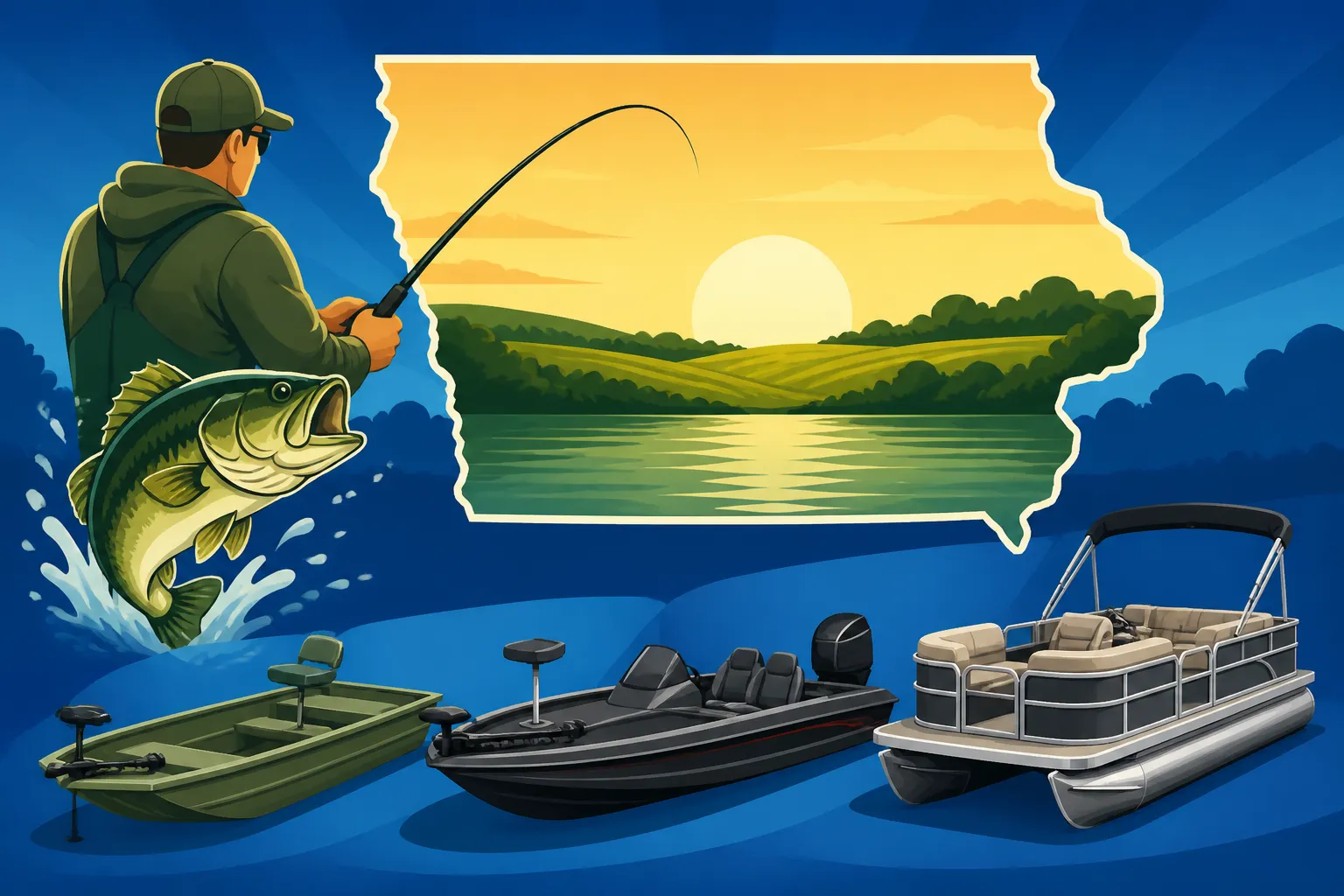
When you think about a versatile, no-nonsense fishing boat for Iowa, the Jon boat often comes to mind. These flat-bottomed, aluminum vessels are like the pickup trucks of the fishing world – dependable, tough, and capable of handling a wide array of tasks. They might not be the flashiest boats on the water, but their practicality and adaptability make them a favorite among many Iowa anglers.
Why Jon Boats Excel in Rivers and Shallow Backwaters
Jon boats truly shine in the shallower, more unpredictable waters that characterize many of Iowa's rivers and backwater areas. Their flat bottom design allows them to float in remarkably little water, making those skinny water fishing spots accessible where deeper-hulled boats would get stuck. Imagine easing into a hidden slough off the Mississippi, where the catfish are waiting, or navigating the timber-filled sections of the Des Moines River without constantly worrying about your prop.
This shallow draft also makes them incredibly stable, which is a huge plus when you're standing up to cast, whether it's for bass in a lily pad field or jigging for walleye on a river current. The open layout of most Jon boats means you have plenty of room to customize them with gear, seats, and electronics. You can find everything from basic models to more outfitted versions at places like Bass Pro Shops, or even simpler, more budget-friendly options that can be accessorized to your liking from online retailers like Amazon. Their aluminum construction is also incredibly durable, shrugging off bumps against logs and rocks that might damage fiberglass boats.
Size, Portability, and Customization for Iowa Anglers
Jon boats come in a range of sizes, typically from 10 to 20 feet. Smaller Jon boats are incredibly portable, often light enough to be cartopped or easily trailered by almost any vehicle. This makes them ideal for reaching those out-of-the-way public access points or launching in smaller private ponds where a full-sized ramp isn't available. A 12-to-14-foot Jon boat with a small outboard motor can be an absolute blast for exploring hidden gems.
Larger Jon boats, in the 16-to-20-foot range, offer more space, stability, and capability for bigger rivers like the Mississippi. They can handle a bit more chop and accommodate larger motors, making covering longer distances more comfortable. Many anglers love to customize their Jon boats, adding casting decks, swivel seats, trolling motors, and even fish finders. The bare-bones nature of a Jon boat means you can truly make it your own, tailored precisely to your fishing habits and budget. If you're pondering "Jon Boat vs Bass Boat for River Fishing", the Jon boat often wins for sheer practicality in many Iowa river scenarios.
Bass Boats: Speed, Power, and Precision for Dedicated Anglers
If your heart beats for competitive angling or the thrill of chasing trophy bass, a dedicated bass boat is likely calling your name. These sleek, powerful machines are engineered for speed, quick maneuvering, and providing the ultimate casting platform. While they might seem like overkill for a casual day on the water, for the serious bass or walleye angler on Iowa's larger lakes and reservoirs, they are an undeniable advantage.
Designed for Speed and Tournament Fishing
Bass boats are built for one thing primarily: getting you to your spot fast and efficiently. With powerful outboard motors, they can cut across large lakes like Rathbun or Saylorville in no time, crucial when you're trying to hit multiple spots during a short bite window or in a tournament setting. Their low profile and wide beam offer incredible stability for standing and casting, even at speed or in moderate chop. The open deck design provides unobstructed casting angles, letting you precisely place your lure into tight cover or across broad flats.
These boats are also packed with features designed specifically for the serious angler. Multiple livewells with aerators keep your catch healthy, while spacious rod lockers protect your expensive gear. Built-in tackle storage keeps everything organized and accessible. While they might not be as forgiving in shallow, snag-filled rivers as a Jon boat, on open water, their performance is unmatched. You'll often see these boats competing in tournaments across the state, a testament to their specialized design.
Advanced Features: Trolling Motors, Electronics, and Livewells
Modern bass boats are essentially floating fishing stations, equipped with cutting-edge technology. High-thrust electric trolling motors, often with GPS Spot-Lock capabilities, allow you to hold your position precisely, even in wind or current, without having to drop an anchor. This is invaluable when you've found a school of fish on a submerged hump or are working a subtle weed line. You can practically creep along, casting as you go.
Advanced fish finders and chartplotters, often with side-imaging and down-imaging sonar, give you an unprecedented view of the underwater world, helping you locate structure, baitfish, and the target species. Integrated shallow water anchors can silently pin your boat in place with the touch of a button, perfect for working docks or submerged timber without spooking fish. The sophisticated livewell systems ensure your fish stay oxygenated and stress-free, vital for catch-and-release tournaments or simply keeping your dinner fresh. These boats represent a significant investment, but for those serious about their fishing, the features pay dividends.
Multi-Species Boats: The Best of Both Worlds for Versatile Anglers
For many Iowa anglers, limiting themselves to just one type of fish or one fishing environment simply isn't an option. Maybe you love chasing walleye on the Iowa Great Lakes one weekend and then switching gears to hunt bass on a river the next. This is where multi-species boats truly shine, offering a fantastic blend of features that allow you to effectively target a wider variety of fish in diverse conditions.
Handling Lakes and Rivers with Equal Prowess
Multi-species boats, often recognized by their deeper V-hulls and higher freeboard, are built to tackle a broader range of water conditions than their specialized counterparts. That deeper V-hull cuts through chop more effectively than a flat-bottomed Jon boat, making rides across wind-swept lakes far more comfortable and safe. This means less pounding and a drier ride when the weather kicks up.
Yet, many multi-species designs also incorporate a more moderate V towards the transom, allowing them to still navigate relatively shallow waters without issue, unlike some deep-V bass boats that might struggle. This adaptability makes them perfect for Iowa's transition zones, like the lower reaches of rivers that flow into large reservoirs or fishing the main channel of the Mississippi while also venturing into its side channels. They generally offer a good balance of open deck space for casting and comfortable seating for cruising.
Family-Friendly Features and Adaptable Layouts
One of the big advantages of multi-species boats is their family-friendliness. With more substantial seating, higher gunwales for safety, and often a more spacious layout, they can comfortably accommodate a family outing for fishing, tubing, or just cruising. You can have multiple people casting without feeling too cramped, and the added freeboard provides a greater sense of security, especially with kids on board.
These boats typically come equipped with versatile storage solutions, including rod lockers that can handle various lengths of rods, spacious storage compartments for tackle and gear, and often a livewell that can serve both bait and fish. Many also feature convertible casting decks, allowing you to quickly transform a seating area into a larger platform for standing and fishing. This flexibility means you don't have to choose between a serious fishing vessel and a boat that everyone can enjoy. For those who want to experience all that Iowa fishing has to offer, from walleye to crappie to bass, a multi-species boat is often the smart choice.
Kayaks and Canoes: Paddle Power for Quiet Waters
For anglers who prefer a more intimate connection with the water, or who seek out the tranquility of hard-to-reach spots, kayaks and canoes are unbeatable. These paddle-powered vessels offer a unique fishing experience, blending stealth, portability, and excellent access to waters where larger boats simply can't go. In Iowa, with our numerous small lakes, quiet river stretches, and secluded ponds, they open up a whole new world of angling possibilities.
Stealth and Access to Secluded Fishing Grounds
The primary advantage of kayaks and canoes is their stealth. Propelled silently by paddle, you can sneak up on wary fish in shallow coves, along overgrown shorelines, or deep within lily pad fields without making a sound. This often translates to more bites and less pressured fish, a huge win for any angler. Imagine effortlessly gliding into a quiet backwater, only the sound of your paddle dipping into the water, and casting to a bass that hasn't seen a boat all week.
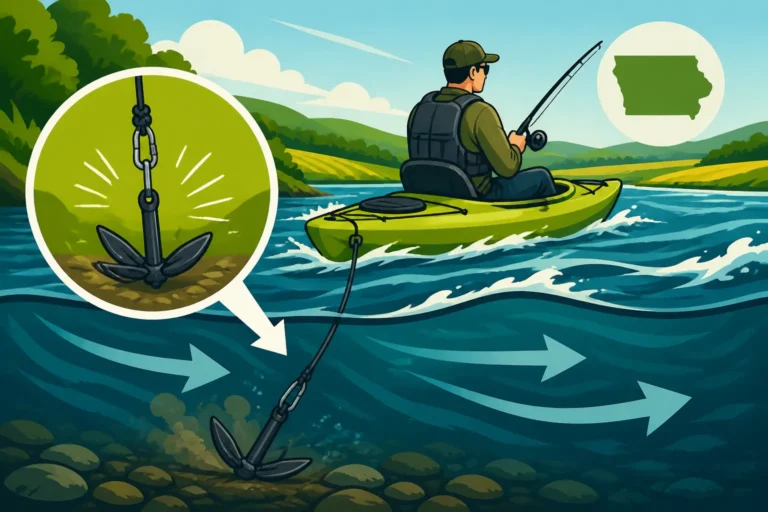
Their narrow profiles and shallow drafts also grant access to areas that are completely off-limits to motorboats. This could be tight channels, small creeks, or designated no-wake zones where the fish often get a break from fishing pressure. If you're looking for an adventure and aren't afraid of a little paddle power, a kayak or canoe can unlock some truly incredible, untouched fishing spots. They're also much simpler to maintain and store than motorized boats, and often require less stringent Iowa Boat Registration Requirements for smaller models.
Fishing Kayaks vs. Traditional Canoes: Pros and Cons
While both offer paddle power, fishing kayaks and canoes have distinct characteristics. Fishing kayaks are specifically designed with anglers in mind. They often feature wider hulls for enhanced stability (crucial for standing and casting), built-in rod holders, storage for tackle, and sometimes even pedal drives for hands-free propulsion. Options like sit-on-top kayaks are popular for fishing due to their open deck, ease of getting in and out, and scupper holes that allow water to drain. They are generally solo vessels, though tandem options exist. For a deeper dive, check out a Kayak Fishing Gear Guide for Iowa Rivers.
Canoes, on the other hand, typically offer more carrying capacity, making them great for multi-day trips or bringing along more gear (or a fishing buddy). They are often more stable side-to-side than many kayaks (though less stable front-to-back if standing) and provide ample open space. Canoes are fantastic for slowly drifting down a river, quietly exploring coves, or reaching a remote campsite. However, they can be more susceptible to wind and current, and their higher profile makes them less stealthy than a low-lying kayak. For those looking for a versatile, portable option, stores like Bass Pro Shops offer a range of kayaks and canoes, and you can often find great deals on accessories or even used boats on platforms like Amazon.
Inflatable Boats and Pontoons: Fun, Flexibility, and Relaxation
Beyond the more traditional fishing vessels, inflatable boats and pontoons offer unique advantages for specific types of Iowa fishing, as well as providing a fantastic platform for general recreation. While they might seem like niche options, their benefits in terms of portability, stability, and sheer comfort make them worth considering for many anglers.
Inflatables for Portability and Smaller Waters
Inflatable boats, ranging from small, packable rafts to more robust, rigid-inflatable boats (RIBs) with solid floors and transoms for outboard motors, are incredibly versatile. Their standout feature is portability. A smaller inflatable can be deflated, packed into a duffel bag, and easily transported in a car trunk, making it perfect for accessing those hike-in ponds or remote sections of a river where launching a traditional boat is impossible. They often require minimal boat registration depending on size and motor.
Despite their inflatable nature, modern designs are surprisingly durable, often made from heavy-duty PVC or Hypalon. They offer excellent stability on the water due to their wide footprint and buoyancy. While they might not be built for speed or navigating heavy chop, they are fantastic for still waters, slow rivers, or as a tender to a larger vessel. They're also often very affordable, making them a great entry point for new anglers or those with limited storage space. Imagine packing your inflatable, hiking to a pristine pond, and having a boat to fish from when everyone else is stuck on shore!
Pontoons for Comfort, Stability, and Social Fishing
Pontoons are the quintessential "party barges" of the lake, but don't let their recreational reputation fool you – they can be excellent fishing platforms, especially for family outings or group trips. Their wide, flat deck, supported by two or more pontoons (tubes), provides unparalleled stability. You can walk around, cast from any angle, and even have several people fighting fish simultaneously without feeling cramped or unstable.
This stability is a huge advantage when you have children or less experienced anglers on board. Pontoons offer ample space for coolers, gear, and comfortable seating, making long days on large Iowa lakes like Okoboji or Clear Lake a true pleasure. They're not built for speed, but their smooth ride and spaciousness make them ideal for trolling, anchor fishing, or simply relaxing on the water with lines in the water. Many pontoon models come with dedicated fishing packages, including swivel seats, livewells, and rod holders, blending comfort with angling functionality. They're also a great option for those who want a boat that doubles as a recreational platform for swimming and entertaining.
Specialized Boats for Unique Iowa Fishing Adventures
Beyond the mainstream options, there are a few specialized boat types that cater to particular fishing styles or environmental conditions found in Iowa. While not for everyone, these vessels can offer distinct advantages for dedicated anglers pursuing specific species or experiences.
Drift Boats and River Skiffs for Trout Streams and Small Rivers
If your passion lies in fly fishing or light tackle angling for trout in Iowa's beautiful northeast streams, or for smallmouth bass on our clearer, smaller rivers, a drift boat or river skiff might be your ideal vessel. These boats are designed for controlled drifting in river currents, allowing you to present your lure or fly precisely to fish holding in eddies, runs, and riffles.
Drift boats, often with a unique rocker bottom and flared sides, are incredibly maneuverable, allowing an experienced oarsman to hold position, pivot, and navigate rapids with precision. River skiffs are generally shallower and more streamlined, often designed for specific types of river fishing, such as running trotlines or navigating very shallow gravel bars. They prioritize stability, ease of rowing, and silent approach. While they might not be suited for big reservoirs, they unlock some of Iowa's most scenic and productive stream fishing. Imagine floating down a trout stream, effortlessly casting to rising fish, an experience unmatched by motorboats.
Airboats for Shallow, Weedy Backwaters
While less common for conventional rod-and-reel fishing, airboats are the undisputed kings of extremely shallow, heavily vegetated backwaters, particularly on the Mississippi River system. These specialized vessels, propelled by an aircraft-style propeller, can operate in inches of water and glide over vegetation that would instantly foul a traditional prop.
For anglers targeting species like carp or rough fish in vast, inaccessible marshy areas, or those involved in conservation efforts, an airboat offers unparalleled access. They are not quiet, nor are they designed for open water, but for navigating dense weed beds, shallow mud flats, and flooded timber, they are incredibly effective. This is a very niche category for most anglers, but it's an example of how specialized equipment can open up truly unique fishing opportunities in Iowa's most challenging environments.
Choosing Your Ideal Fishing Boat: Key Considerations
With so many options, how do you make the right choice? It really boils down to balancing your personal fishing goals with practical considerations like budget, storage, and maintenance. There's no single "best boat" for everyone; there's only the best boat for you.
| Boat Type | Primary Use Case in Iowa | Pros | Cons | Ideal Angler Type |
|---|---|---|---|---|
| Jon Boat | Rivers, shallow backwaters, small ponds | Affordable, durable, shallow draft, highly customizable, portable | Limited open-water capability, basic comfort, can be wet in chop | River anglers, pond explorers, DIY enthusiasts |
| Bass Boat | Large lakes, reservoirs, competitive fishing | Speed, precise control, specialized features (livewells, rod lockers, advanced electronics), stable | Expensive, limited shallow water access, less versatile for other activities, requires larger tow vehicle | Tournament anglers, serious bass/walleye fishermen |
| Multi-Species | Large lakes, reservoirs, larger rivers | Versatile for different fish/waters, good ride in chop, family-friendly, comfortable | More expensive than Jon boats, not as specialized as bass boats, heavier | Versatile anglers, families, those wanting a balance |
| Fishing Kayak | Small lakes, quiet rivers, ponds, stealthy access | Extremely portable, stealthy, excellent access to shallow/tight spots, affordable entry point | Limited capacity, slower, exposed to elements, can require practice for stability | Solo anglers, adventurers, those seeking quiet waters |
| Canoe | Quiet rivers, small lakes, multi-day trips | High capacity, can be very stable, relatively affordable, quiet, easy to paddle with others | Less stable for standing, wind-affected, exposed to elements, not ideal for rough water | Campers, family paddlers, multi-day trip enthusiasts |
| Inflatable | Small ponds, remote access, as a tender, calm waters | Highly portable, easy storage, affordable, surprisingly stable | Not for rough water, susceptible to punctures, slower, often smaller motor capacity | Beginners, those with limited space, remote spot anglers |
| Pontoon | Large lakes, social fishing, family recreation, trolling | Excellent stability, spacious, comfortable, high capacity, good for trolling | Slow, not designed for rough water or tight spots, less maneuverable, requires larger lake access | Families, social anglers, those prioritizing comfort |
| Drift Boat/Skiff | Trout streams, smaller rivers, specific current fishing | Highly maneuverable in current, precise lure presentation, shallow draft, stealthy (drift) | Specialized use, not for open water, requires rowing skill, limited capacity | Fly fishermen, dedicated river anglers |
Budget, Storage, and Maintenance: The Practical Realities
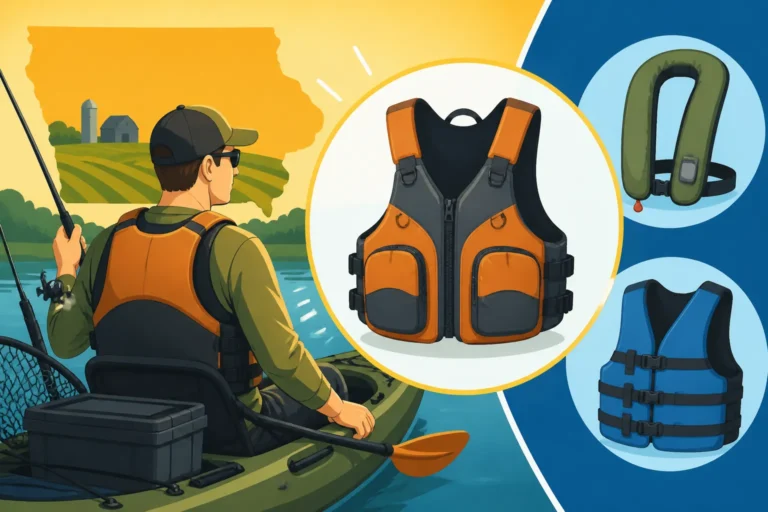
Let's talk money, because that's often the biggest factor. Boats can range from a few hundred dollars for a basic kayak or small inflatable to tens of thousands for a fully loaded bass boat or multi-species rig. Don't forget to factor in the cost of a motor, trailer, Iowa Boat Registration Cost, insurance, and essential safety equipment like life jackets (which are legally required on Iowa boats). Places like Bass Pro Shops and other marine dealers often have financing options, and looking for used boats on online marketplaces like Amazon or local classifieds can also be a way to stretch your budget.
Storage is another big one. Do you have space in your garage or driveway for a trailer? Or will you need to pay for storage at a marina? Smaller boats like kayaks, canoes, and inflatables are far easier to store, often fitting in a shed or even a closet. Think about how much effort you're willing to put into maintenance. A simple Jon boat or kayak requires minimal upkeep, while a complex boat with a large outboard, livewell systems, and advanced electronics will demand more time and attention. How Long an Iowa Boat Registration Lasts is another key thing to understand for ongoing costs.
What to Look for When Buying New or Used
Whether you're buying new or used, do your homework. For new boats, research different brands and models, read reviews, and talk to experienced anglers. Don't be afraid to ask for a test drive if possible. For used boats, a thorough inspection is critical. Check the hull for cracks or damage, inspect the transom for rot (on fiberglass boats), and test all electrical components. Have a qualified mechanic check the motor, especially if it's an older one. Ask about the boat's history, how it was stored, and how often it was maintained. A good deal isn't a good deal if it turns into a money pit. Checking a guide like Documents Needed to Register a Boat will also help you prepare for the paperwork side of things.
Ultimately, the best boat for your Iowa fishing adventures is one that fits your lifestyle, your budget, and gets you out on the water chasing the fish you love, safely and comfortably. Tight lines!
Disclaimer
This article is for general informational purposes only and does not constitute professional advice. Laws, prices and regulations vary by location and change over time. Consult a qualified professional for guidance on your specific situation.