Do You Need Different Rods for Different Fish?
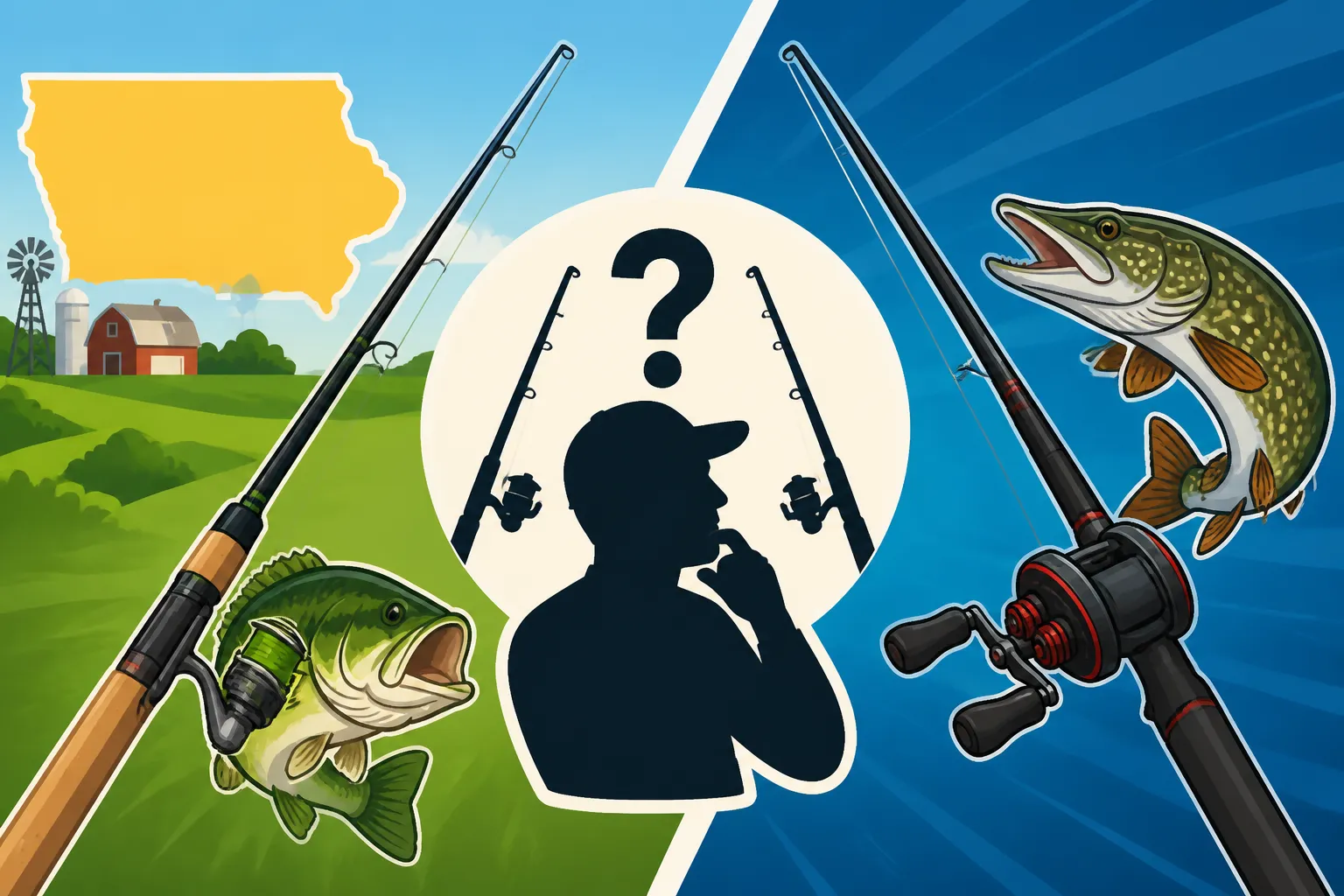
It's a question every angler, especially those just starting out or looking to streamline their gear, grapples with: do you really need a separate fishing rod for every single species you hope to catch? The simple answer is no, not strictly. You can absolutely catch a variety of fish with a single, versatile rod. However, as many of us have learned the hard way through snapped lines, missed bites, and exhausted arms, having the right tool for the job makes a world of difference. This guide will dive deep into when one rod might suffice, and why specializing your rod selection can dramatically improve your success and enjoyment on Iowa's diverse waters.
The All-Purpose Rod: When One Can Do the Trick
Let's be honest, not everyone has the budget or the space to haul around a dozen different rods and reels. For many casual anglers or those just getting into the sport, the idea of a "one-rod wonder" is incredibly appealing. And for certain situations, it's absolutely viable.
The General Purpose Setup
A medium-power, fast-action spinning rod, typically in the 6'6" to 7' range, is often considered the most versatile setup an angler can own. This type of rod offers a good balance of sensitivity for detecting subtle bites and enough backbone to handle a decent-sized fish. Paired with a spinning reel spooled with 8-10 pound test monofilament or fluorocarbon, you can comfortably tackle a wide array of Iowa's popular species.
Think about a pleasant afternoon on a local pond or a smaller lake. With this setup, you could realistically catch bluegill and crappie on small jigs, switch to a spinnerbait for largemouth bass, or even cast a live nightcrawler for a channel catfish. It's a fantastic starting point, especially for youngsters or those who only fish a few times a year. It minimizes complexity and investment, allowing you to simply get out there and enjoy the experience. You can find excellent general-purpose combos at places like Bass Pro Shops or even online at Amazon, offering a solid entry point without breaking the bank. For beginners, a setup like this is perfect for figuring out what kind of fishing really excites you.
Limitations of a Single Rod
While versatile, the "one-rod wonder" does come with its trade-offs. You might find yourself underpowered for larger, hard-fighting species, risking a broken rod or lost fish. Conversely, for ultra-light presentations needed for finicky panfish or trout in clear streams, that medium rod might feel clunky, making it hard to cast tiny lures or detect those delicate nibbles.
For instance, trying to land a trophy flathead catfish on the same rod you use for bluegill is generally a recipe for disaster. The rod won't have the strength to turn the fish, and the reel won't have the drag capacity. Similarly, using a heavy catfish rod to cast a 1/32 oz trout magnet in a stream like those found in Trout Streams in Northeast Iowa would be an exercise in frustration; you'd barely be able to feel the lure, let alone a trout bite. This is where the advantages of specialized gear truly start to shine.
Why Specialization Makes a Difference: The Advantages of Multiple Rods
When you start to get more serious about fishing, or if you have specific target species in mind, you'll quickly realize that having a few specialized rods isn't a luxury – it's a strategic advantage. It's about optimizing your setup for the particular demands of the fish and the techniques you're using.
Enhanced Performance and Feel
Specialized rods are designed with specific purposes in mind, meaning they excel in certain areas where an all-purpose rod might just "get by." Consider a rod designed for bass fishing, particularly one optimized for pitching jigs into heavy cover. It will have a stiffer backbone (more power) to pull fish out of snags and a faster tip (action) for precise casting and quick hook sets. This is a far cry from a sensitive, flexible rod built for finesse crappie fishing.
When you're using the right rod, you'll feel more confident in your cast, more connected to your lure, and more capable of handling the fight. This translates directly to more fish landed and a more enjoyable day on the water. It's the difference between trying to hammer a nail with a wrench versus using an actual hammer – both might work, but one is clearly more effective and efficient. This enhanced feel is crucial for detecting subtle strikes, especially with species like walleye that often bite very lightly. If you're serious about your Walleye Fishing in Iowa, you'll appreciate a rod designed for that purpose.
Increased Efficiency and Versatility (of Your Overall System)
While a single rod is limited in its versatility, a collection of specialized rods offers immense versatility. You can quickly switch between techniques and target species without re-tying or compromising performance. Heading out to Fishing Rathbun Lake in Iowa? You might have one medium-heavy rod rigged for casting crankbaits for walleye, another medium-light rod for vertical jigging crappie in brush piles, and perhaps a heavy-action rod set up for catfishing off the bank.
This approach means you're always prepared for what the fish are doing or what the conditions demand. If the bass aren't biting topwater, you can pick up a different rod rigged with a Texas-rigged worm for flipping into weeds, rather than spending valuable time re-tying and re-adjusting. This maximizes your time fishing and minimizes downtime, a crucial factor when you only have a few hours on the water. For more information on different setups, check out our Fishing Rod and Reel Guide for Iowa Anglers.
Protecting Your Investment (and Your Catch)
Using an improperly matched rod can be tough on your gear. Trying to muscle a large fish with an undersized rod can put undue stress on the blank, guides, and reel seat, potentially leading to breakage. Similarly, overpowering a delicate lure with a heavy rod can lead to poor casting distance or even losing the lure mid-cast.
More importantly, it can also lead to lost fish. A rod that's too stiff might rip a hook out of a soft-mouthed fish like a crappie, while a rod that's too flexible might not have the power to drive a hook into a bony-mouthed walleye. Having the correct rod ensures you have the right amount of flex, sensitivity, and power to land your catch effectively, respecting the fish and your effort. This is especially true for strong fighters. Our How to Catch Catfish in Iowa guide talks more about the gear needed for those powerful fish.
Understanding Rod Characteristics: Power, Action, and More
To truly appreciate why different rods exist, it helps to understand the fundamental characteristics that define them. These aren't just fancy marketing terms; they directly influence how a rod performs.
Rod Power (Weight)
Rod power, often referred to as rod weight, describes how much force it takes to bend the rod. It's essentially the rod's lifting strength or backbone.
- Ultra-light: Very flexible, designed for tiny lures and small fish like panfish or trout. Great for feeling every twitch.
- Light: A bit more backbone than ultra-light, still very sensitive. Good for smaller bass, crappie, and larger panfish.
- Medium-light: A popular choice for a bit more versatility, handling slightly larger lures and fish, good for walleye, smaller bass.
- Medium: The classic all-around rod, capable of handling a good range of lures and medium-sized fish like bass, walleye, and smaller catfish.
- Medium-heavy: Significant backbone, ideal for heavier lures, larger bass, pike, and moderate-sized catfish. Excellent for pulling fish out of cover.
- Heavy/Extra-heavy: Designed for large, powerful fish and heavy lures or live bait. Think muskie, large catfish, or saltwater species.
Choosing the right power ensures you can cast your chosen lure effectively and have the necessary leverage to fight the fish without over-stressing the rod. For instance, if you're trying to cast a large, heavy muskie lure, a heavy or extra-heavy rod is absolutely essential, as discussed in our Muskie Fishing Techniques for Iowa Waters guide.
Rod Action
Rod action refers to where along the blank the rod bends when pressure is applied to the tip. It dictates how quickly the rod reaches its full power and how it casts and handles a fish.
- Fast Action: The rod bends mostly in the top third or quarter of the blank. This provides excellent sensitivity, quick hook sets, and precise casting. Ideal for single-hook lures, jigging, and detecting subtle bites from species like walleye.
- Moderate-Fast Action: The rod bends in the upper half of the blank. A good compromise, offering a balance of sensitivity and a bit more parabolic bend for casting longer distances with larger lures and handling a broader range of fish.
- Moderate Action (or Medium Action): The rod bends from the middle down towards the butt. This action loads up well for longer casts, particularly with treble-hook lures (like crankbaits), as it provides a softer presentation and helps keep fish pinned during the fight.
- Slow Action: The rod bends throughout its entire length, almost like a noodle. Excellent for casting very light lures, delicate presentations, and absorbing the shock of strong runs, often used for small panfish or specific fly fishing applications.
The action impacts how well you can cast a certain lure type and how effectively you can set the hook. A fast action helps penetrate bone in a bass's mouth, while a moderate action keeps treble hooks from tearing out of a walleye's softer mouth.
Rod Length and Material
Beyond power and action, rod length and material play significant roles:
-
Rod Length:
- Shorter Rods (under 6 feet): Offer greater accuracy for casting in tight quarters (e.g., small streams, heavy cover) and often feel more powerful for close-quarters combat.
- Medium Rods (6 to 7.5 feet): The most common and versatile range, offering a good balance of casting distance, accuracy, and fighting power.
- Longer Rods (over 7.5 feet): Provide maximum casting distance, excel at mending line (keeping line off the water), and offer more leverage for fighting large fish or handling strong current. These are often favored for trolling or specific surf fishing applications.
-
Rod Material:
- Graphite (Carbon Fiber): Lightweight, sensitive, and powerful. Most modern rods are graphite, offering excellent feel for subtle bites. The higher the modulus (rating), generally the lighter and more sensitive, but also more brittle.
- Fiberglass: Heavier, more durable, and more flexible. Fiberglass rods are excellent for crankbaits and other lures where a softer, more parabolic bend is desirable, as they absorb shock well and prevent hooks from pulling out.
- Composites: A blend of graphite and fiberglass, aiming to combine the sensitivity of graphite with the durability and flexibility of fiberglass. These offer a good middle ground for anglers seeking versatility.
Understanding these characteristics helps you see why a rod specialized for How to Catch Crappie in Iowa will be vastly different from a rod specialized for Muskie Season and Bag Limit.
Matching Rods to Iowa's Popular Species
Now, let's tie it all together by looking at common Iowa game fish and the ideal rod characteristics for each.
Walleye
Walleye often have a subtle bite, especially in colder water, making sensitivity key. They also have relatively soft mouths, so a rod with a bit of forgiveness helps keep them hooked.
- Ideal Rod: A medium-light to medium power rod with a fast or moderate-fast action, typically 6'6" to 7'6" in length. Graphite is often preferred for its sensitivity.
- Why it works: The fast action helps detect light bites and provides a quick hook set. The medium power gives you enough backbone to fight a walleye without overpowering their mouth, preventing hooks from tearing out. Longer rods are beneficial for casting crankbaits or snap jigging over structure.
- Example Technique: Using a 7-foot medium-fast graphite spinning rod for vertical jigging on a lake like Clear Lake Walleye Fishing or for casting swimbaits on the Mississippi River.
Largemouth Bass
Largemouth bass are structure-oriented, often requiring precise casts into heavy cover and enough power to extract them quickly.
- Ideal Rod: Depending on the technique, you'll want medium-heavy to heavy power with fast action. Lengths typically range from 6'8" to 7'6". Graphite is common, but composite or fiberglass might be used for specific crankbait applications.
- Why it works: The fast action allows for accurate presentations and powerful hook sets, necessary to penetrate a bass's bony mouth. Medium-heavy to heavy power gives you the muscle to pull bass away from weeds or timber before they can get tangled. Different techniques call for different specifics; for example, a longer, heavier rod for flipping and pitching jigs, and a shorter, medium-heavy rod for topwater frogs.
- Example Technique: A 7'3" medium-heavy fast-action baitcasting rod for pitching a Texas-rigged worm into lily pads in a farm pond or on Rathbun Lake Crappie Hotspots (where bass are also abundant). Read more in How to Catch Bass in Iowa.
Channel Catfish
Catfish, especially larger ones, are brute fighters that require substantial power and durability.
- Ideal Rod: Medium-heavy to heavy power with a moderate or moderate-fast action. Lengths can vary from 7 to 9 feet or even longer for specific situations like trotlining. Fiberglass or composite rods are popular for their durability and forgiving action.
- Why it works: The heavy power is crucial for handling large, strong catfish and for casting heavy baits and sinkers. A moderate action helps absorb their powerful runs and keeps hooks from tearing out during the fight. Longer rods aid in casting distance and keeping line clear of obstacles.
- Example Technique: An 8-foot medium-heavy power, moderate-action fiberglass rod paired with a baitcasting reel for setting cut bait on the bottom of the Des Moines River Catfish Spots. Our Catfish Gear Guide for Iowa Rivers goes into more detail.
Crappie and Bluegill (Panfish)
Panfish are smaller, have delicate mouths, and require lighter tackle to detect their subtle bites and present small lures.
- Ideal Rod: Ultra-light to light power with a fast or moderate-fast action. Lengths typically range from 5 to 6'6". Sensitive graphite rods are preferred.
- Why it works: Ultra-light power allows for casting tiny jigs and baits, while the sensitive tip helps detect those barely-there bites. A fast action aids in quick, gentle hook sets without ripping the hook out of their soft mouths.
- Example Technique: A 5'6" ultra-light fast-action spinning rod with a tiny jig for fishing under a bobber for bluegill in a quiet cove or vertically jigging for crappie in brush piles on Clear Lake Panfish and Crappie Spots. For more specific techniques, check out Crappie Jig Fishing Techniques.
Trout
Trout fishing in Iowa's coldwater streams often involves delicate presentations with light line and small lures or flies.
- Ideal Rod: Ultra-light to light power with a moderate to fast action. Lengths are often shorter, 5 to 6'6", for navigating brushy stream banks. Graphite is excellent for sensitivity.
- Why it works: Light power and sensitive action are essential for casting tiny spinners, spoons, or live bait and for detecting the subtle takes of trout. A moderate action can also be beneficial for protecting light lines.
- Example Technique: A 6-foot light power, moderate-action spinning rod for casting a small spinner into a riffle in one of Trout Streams Near Decorah. If fly fishing, a dedicated fly rod, like a 3 or 4-weight, would be used. Learn more in our Trout Fishing Techniques for Iowa Streams guide.
Here's a quick comparison table:
| Fish Species | Recommended Rod Power | Recommended Rod Action | Typical Length Range | Primary Material (Often) | Key Benefit |
|---|---|---|---|---|---|
| Walleye | Medium-Light to Medium | Fast/Moderate-Fast | 6'6" – 7'6" | Graphite | Sensitivity for light bites, good hooksets |
| Largemouth Bass | Medium-Heavy to Heavy | Fast | 6'8" – 7'6" | Graphite (or Composite) | Power for cover, strong hooksets, accurate casts |
| Channel Catfish | Medium-Heavy to Heavy | Moderate/Moderate-Fast | 7' – 9'+ | Fiberglass/Composite | Durability, power for big fish, absorbs runs |
| Crappie/Bluegill | Ultra-light to Light | Fast/Moderate-Fast | 5' – 6'6" | Graphite | Sensitivity for small bites, casting tiny lures |
| Trout | Ultra-light to Light | Moderate/Fast | 5' – 6'6" | Graphite | Delicate presentation, light line protection |
Ultimately, while you can make do with one rod for diverse fishing in Iowa, investing in a few specialized rods tailored to your preferred species and techniques will undoubtedly elevate your fishing experience. It's not about being a gearhead; it's about being prepared and maximizing your chances for success and enjoyment on the water.
Disclaimer
This article is for general informational purposes only and does not constitute professional advice. Laws, prices and regulations vary by location and change over time. Consult a qualified professional for guidance on your specific situation.