Ice Fishing Gear Guide for Iowa
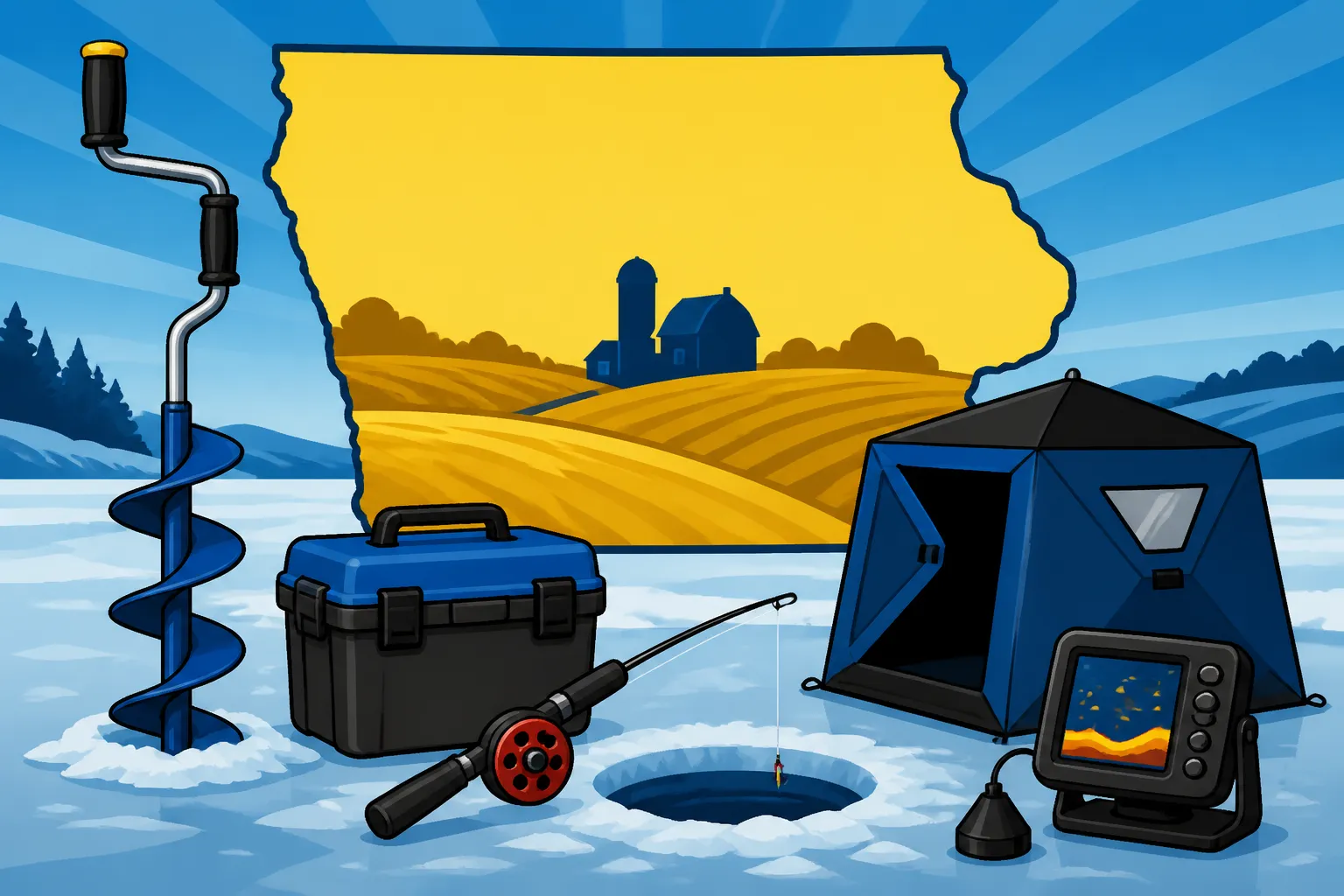
Stepping out onto a frozen Iowa lake can be an exhilarating experience, but it quickly loses its charm if you're not prepared for the biting cold and unpredictable conditions. Many anglers get discouraged after a few chilly trips because they simply don't have the right gear to stay comfortable and safe. This guide is here to ensure your ice fishing adventures in Iowa are filled with memorable catches, not shivers and worries, by breaking down every piece of essential equipment you'll need.
The Absolute Essentials: Staying Warm and Safe on the Ice
Iowa winters can be brutal, and being out on the ice only amplifies that chill. Your top priority, even before thinking about catching fish, needs to be personal safety and staying warm. It’s not just about comfort; it's about making sure you can focus on fishing without succumbing to hypothermia or facing an unexpected emergency. Ignoring these fundamentals can turn a fun day into a miserable, or even dangerous, ordeal.
Layering for Iowa's Winter Conditions
Layering is the golden rule for ice fishing. You’re going to be active, drilling holes, setting up shelters, and then sitting relatively still, so your body temperature will fluctuate. A good layering system allows you to add or remove clothing as needed to regulate your warmth and prevent sweating, which can actually make you colder in the long run. Think of it as your personal climate control system against the Iowa elements.
Start with a moisture-wicking base layer. This is crucial because it pulls sweat away from your skin, keeping you dry. Merino wool or synthetic materials are excellent choices, far superior to cotton, which absorbs moisture and holds it against your body. Many serious ice anglers will tell you that the right base layer is the unsung hero of a comfortable day on the ice. You can find high-quality options at outdoor retailers or even major online platforms like Amazon.
Next comes your mid-layer, which provides insulation. Fleece jackets, down vests, or even a second, thicker merino layer work well here. The key is to trap air, which acts as an insulator. Depending on how cold it truly is and how much wind you're facing, you might even double up on mid-layers. Remember, the goal isn't just to be warm, but to be able to adjust your warmth. You'll thank yourself when the sun peeks out or the activity level picks up. For more on this, check out our guide on Best Cold Weather Clothing for Ice Fishing.
Finally, your outer layer is your shield against wind, snow, and slush. This should be waterproof and windproof, but also breathable enough to allow some moisture escape from your inner layers. Specialized ice fishing suits are designed with flotation assistance and extra insulation, offering an unparalleled level of safety and warmth. Brands like Clam, Eskimo, and Striker are popular among Iowa ice anglers, and you can often find a good selection at Bass Pro Shops. These suits, though an investment, can truly make or break your ice fishing experience, especially on those truly blustery days on large, exposed lakes.
Footwear and Hand Protection
Your feet and hands are often the first parts of your body to get cold, and once they're cold, it's a battle to get warm again. Proper footwear is absolutely non-negotiable for ice fishing. You need insulated, waterproof boots that are rated for extreme cold. Look for boots with thick soles to prevent the cold from seeping up from the ice and ample insulation, like Thinsulate or similar technologies. Make sure they're comfortable and allow room for thick wool socks, again avoiding cotton.
When it comes to hands, flexibility and warmth are key. You’ll want a system that allows you to handle small lures, tie knots, and bait hooks without exposing your bare skin to the elements for too long. Many anglers opt for a layered approach here too: thin, sensitive gloves for dexterity, covered by heavier, waterproof mittens or convertible mitts when not actively fishing. Those fingerless gloves with a fold-over mitten flap are a popular choice for their versatility.
Consider hand warmers, too! They’re a small luxury that can make a huge difference, especially if you’re prone to cold hands or spending extended periods in freezing temperatures. Keep a few packets in your pockets, and even a couple inside your mittens for quick relief. Remember, frostbite is a real concern in Iowa's winter, and protecting your extremities is paramount.
Ice Safety Equipment No Angler Should Be Without
Safety on the ice isn't a suggestion; it's a requirement. The thickness and integrity of ice can vary wildly, even on the same body of water, and conditions can change rapidly. Never assume ice is safe just because others are out there. Always start with the mindset that ice can be unpredictable, and equip yourself accordingly. Our guide on Ice Fishing Safety on Iowa Lakes delves deeper into these critical aspects.
Ice picks are a non-negotiable item. These are two sharp, spiked handles connected by a rope, worn around your neck. If you break through the ice, they give you purchase to pull yourself out. They're inexpensive and can be the difference between a scary story and a tragedy. You might not think you'll ever need them, but the one time you do, they're priceless.
A spud bar or an ice chisel is another essential tool for checking ice thickness as you venture out. You use it to strike the ice ahead of you, listening for solid thuds versus weak cracks. It’s your first line of defense in assessing conditions, especially if you’re fishing an unfamiliar area or early/late in the season. Combine this with a simple tape measure to verify actual ice thickness, and always remember the minimum safe ice thickness guidelines.
Finally, a flotation suit, as mentioned earlier, doubles as a critical safety device. These suits are designed to provide buoyancy if you do go through the ice, giving you precious minutes to self-rescue or await help. While they are an investment, the peace of mind they offer is invaluable. Beyond personal gear, always inform someone of your fishing plans, including your location and expected return time. It’s a simple step that can save lives.
Accessing the Ice: Augers and Their Importance
So, you're dressed for success and armed with safety gear. Now, how do you get your line in the water? You need to drill holes, and that's where a good auger comes in. The right auger can make your day either a smooth, efficient operation or a frustrating, sweat-inducing chore. In Iowa, with ice often reaching significant thicknesses, having a reliable and effective auger is key to unlocking those hidden fish havens.
Manual vs. Power Augers
The choice between a manual and a power auger really comes down to your fishing style, budget, and the typical ice conditions you encounter. Manual augers, often called hand augers, are lightweight, quiet, and inexpensive. They're perfect for anglers who fish smaller lakes, don't drill a lot of holes, or prefer a minimalist approach. They require good old-fashioned elbow grease, which can be a great workout, but quickly becomes tiring if the ice is thick or you're trying to cut many holes. For new anglers or those targeting panfish in shallower waters, a quality hand auger from brands like Strikemaster or Eskimo can be a fantastic starting point.
Power augers, on the other hand, are the workhorses of serious ice fishing. They come in several varieties: gas-powered, propane-powered, and electric (battery-powered). Gas augers are incredibly powerful and can cut through thick ice quickly, but they're noisy, produce fumes, and require fuel mixing and maintenance. Propane augers offer similar power without the gas-mixing hassle, burning cleaner. Electric augers have really taken off in popularity recently. They are quiet, emission-free, lightweight, and incredibly efficient, especially with modern lithium-ion battery technology. They are fantastic for running and gunning, drilling multiple holes without effort. While often more expensive upfront, the convenience and performance of an electric auger are hard to beat, particularly if you're frequently moving around or facing substantial ice thicknesses. For a detailed comparison, check out our guide on Best Ice Fishing Auger Types.
When choosing, consider how many holes you typically drill in a day and how thick the ice usually gets. If you're targeting roaming walleye and need to drill dozens of holes to stay on top of the school, a power auger is almost a necessity. If you're setting up a permanent shack for the day and only need a few holes, a manual auger might suffice. Don't forget the diameter of the auger either; a 6-inch auger is perfect for panfish, while an 8-inch or 10-inch is better for larger species like walleye or northern pike.
Auger Blade Maintenance and Care
No matter what type of auger you choose, its performance hinges on one thing: sharp blades. Dull blades make drilling an agonizing chore, regardless of whether it's powered by gas or your own arm. Over time, blades can become dull from hitting sand, grit, or even just regular use. You’ll know your blades are dull when the auger struggles to cut, pushes through the ice rather than slices, or you see more crushed ice chips than clean shavings.
Proper maintenance starts with protecting your blades when not in use. Always use a blade guard. These covers prevent damage during transport and storage, and also protect you from the incredibly sharp edges. If you're walking across rocky ground or tossing your auger in the back of a truck, that blade guard is your best friend. Many ice anglers will purchase an extra set of blades to keep on hand, especially for those longer trips to remote spots.
If your blades do become dull or damaged, attempting to sharpen them yourself can be tricky and sometimes unsafe. It's often best to replace them. Most manufacturers offer replacement blade kits that are relatively easy to install. Keep your blades dry after each outing to prevent rust, which can quickly ruin their edge. A quick wipe-down before storing can add years to their life and keep your auger cutting like new, making sure you're always ready to get through that stubborn Iowa ice.
Shelter from the Storm: Ice Shacks and Windbreaks
Once you've drilled your holes, you'll quickly realize that sitting exposed to the elements for hours on end, even with the best clothing, can be tiresome. This is where ice shacks and windbreaks come into play, transforming a chilly outing into a comfortable and extended fishing session. They offer protection from the relentless Iowa wind and biting cold, allowing you to focus on the bite.
Portable Ice Shelters for Mobility
Portable ice shelters are incredibly popular in Iowa, and for good reason. They offer the perfect balance of protection and mobility, catering to anglers who like to move around to find the fish. These shelters come in two main styles: flip-over shelters and hub-style shelters. Flip-over shelters are often integrated with a sled base, which also serves as storage and a seat. They set up in seconds; you just "flip" the top over, and you're ready to fish. They are fantastic for running and gunning, allowing you to quickly move to a new spot if the fish aren't biting. Brands like Clam, Eskimo, and Otter are leaders in this space, and you can often find a good selection at Bass Pro Shops or even on Amazon.
Hub-style shelters, on the other hand, resemble a tent. They have collapsible poles that "hub" out to create a roomy, enclosed space. They typically offer more interior space for the footprint and are lighter to transport than many flip-overs. These are great for families or groups of friends, or for solo anglers who want extra space for gear and comfort. While they take a little longer to set up than a flip-over, the added space and often lighter weight make them a strong contender. They usually require ice anchors to secure them against the wind, which are easy to screw into the ice. When considering a portable shelter, think about how many people you typically fish with, how much gear you bring, and how important mobility is to your fishing strategy.
Many portable shelters are insulated, which makes a huge difference in keeping warm and reducing propane consumption if you’re using a heater. They also block out light, making it easier to see fish on a flasher or underwater camera. A good portable shelter can extend your fishing day by hours, turning a quick outing into an all-day affair, regardless of what the weather throws at you. For a deeper dive into choices, see our guide on Best Ice Shelter for Iowa Winters.
Permanent Shacks and Their Advantages
While portable shelters offer flexibility, some Iowa anglers prefer the comfort and convenience of a permanent ice shack. These are typically larger, more robust structures, often built on skids or runners that can be towed onto the ice. They resemble miniature cabins, complete with insulated walls, floors, and roofs, offering unparalleled protection from the elements. Think of them as your cozy fishing cabin on ice.
The main advantage of a permanent shack is superior comfort. You can equip them with built-in benches, beds, cooking areas, and even small wood-burning stoves or larger propane heaters. They provide ample space for multiple anglers and all their gear, making for a truly luxurious ice fishing experience. Once set up, they serve as a base camp for the entire season, allowing anglers to return to a pre-warmed, ready-to-fish environment without the daily setup and tear-down. This is particularly appealing on large, consistent bodies of water where fish patterns don't change drastically over short periods, or for those who plan to spend multiple days on the ice.
However, permanent shacks come with their own set of considerations. They are much heavier and require a snowmobile or ATV to move. They also require more significant maintenance and adherence to specific regulations regarding placement, removal dates, and identification. Iowa's DNR has clear rules about when shacks must be removed from the ice to prevent them from becoming submerged hazards during thaw. While a substantial investment in time and money, a well-built permanent shack can be a cherished part of an ice angler's winter tradition, offering a comfortable retreat on even the coldest Iowa days.
Rods, Reels, and Line: Specialized Ice Fishing Tackle
You might be thinking, "Can't I just use my regular fishing rod?" Well, yes, you could, but you'd be missing out on a world of efficiency and sensitivity designed specifically for ice fishing. Ice fishing tackle is engineered to handle cold temperatures, the unique vertical presentation, and the subtle bites that often characterize hardwater angling. Using the right tools will significantly increase your success and enjoyment.
Ice Fishing Rod Selection
Ice fishing rods are noticeably different from open-water rods – they're much shorter, typically ranging from 24 to 36 inches. This shorter length is practical for fishing inside a shelter and allows for easier jigging directly over a hole. Don't let their size fool you, though; these rods are incredibly sensitive and durable. They are designed to transmit even the slightest tap from a fish up the line to your hand, which is crucial when fish are lethargic and bites are light.
The power and action of ice rods vary greatly, just like open-water rods. You'll find ultra-light rods for delicate panfish presentations, medium-light for crappie and perch, medium for walleye, and even heavy-power rods for targeting big northern pike or muskie. The "action" refers to where the rod bends. A fast-action rod bends mostly at the tip, offering excellent sensitivity and quick hook sets. A moderate-action rod bends further down the blank, providing more give and cushioning for powerful runs. Having a selection of rods allows you to match your tackle to your target species and preferred lure size. For example, a delicate spring bobber on an ultra-light rod is perfect for tiny tungsten jigs and finicky bluegill, while a stiffer rod is better for ripping larger spoons for walleye. Our Best Ice Fishing Rod Length guide can help you choose.
Consider the handle material too. Cork or EVA foam handles are popular because they remain comfortable even in freezing temperatures, unlike some materials that can become icy to the touch. The reel seat should securely hold your reel without freezing up or becoming difficult to adjust with gloved hands. Many anglers will set up multiple rods with different lures or baits, ready to go, so they can quickly switch presentations without having to re-tie every time the bite changes.
Reel Types for Hardwater Angling
While you can technically use any spinning reel for ice fishing, certain types are better suited for the cold and specific techniques. Small, lightweight spinning reels (typically 500 to 1000 size) are the most common choice. They balance well with short ice rods and handle thin lines perfectly. Look for reels with smooth drags that won't freeze up in sub-zero temperatures. A good drag system is essential for fighting fish effectively, especially when using lighter lines. Many manufacturers, including Shimano and Daiwa, make excellent small spinning reels that perform well in cold conditions.
Another popular option, especially for panfish, are inline reels. These reels are designed to eliminate line twist, which can be a major headache when fishing tiny jigs on light line. The line comes off the spool directly in line with the rod, preventing the lure from spinning unnaturally underwater. They often feature a "free spool" button, allowing your lure to drop straight down with no resistance, which can be critical for detecting light bites on the fall. Brands like Clam and 13 Fishing offer high-quality inline reels that are quickly gaining favor among dedicated ice anglers.
Regardless of the reel type, make sure it’s properly lubricated with cold-weather grease to prevent internal components from seizing up. The extreme cold can be tough on mechanical parts, so a little preventative maintenance goes a long way. Keeping your reels clean and dry after each trip will also extend their life and ensure they’re ready for your next adventure.
Choosing the Right Line for Ice Fishing
The line you spool onto your ice fishing reel is just as important as the rod and reel itself. Cold water can affect line performance, and the clear water often found under ice demands specific characteristics. Generally, you’ll be using lighter pound-test lines than for open-water fishing, primarily because fish can be finicky, and visibility is often high.
Monofilament line is a classic choice for ice fishing. It’s affordable, has some stretch, which can act as a shock absorber, and is relatively easy to handle in the cold. Its stretch can also be an advantage when dealing with powerful runs from larger fish on light tackle. Fluorocarbon line is another excellent option. It’s virtually invisible underwater, which is a huge benefit in clear ice water conditions, and it’s very sensitive, transmitting even the lightest bites. Fluorocarbon also absorbs less water than mono, making it less prone to freezing and stiffening. However, it tends to be a bit stiffer and can be more prone to memory, coiling off the spool.
Braided line has gained popularity for ice fishing, particularly for deeper water or for species like walleye. It offers incredible strength-to-diameter ratio and zero stretch, providing maximum sensitivity for detecting subtle bites. The main drawback is that it can absorb water and freeze, making it stiff and difficult to manage. To combat this, many anglers will tie a fluorocarbon or monofilament leader (often 3-6 feet long) to their braided mainline. This gives them the sensitivity of braid with the invisibility and less freezing properties of a mono/fluoro leader. Our guide on Best Ice Fishing Line Weight offers more detailed recommendations for different species. Always choose a line that is fresh and designed for cold weather to avoid frustrating line breaks or performance issues when the temperature drops.
Lures and Bait: What Gets Bites Under the Ice
Okay, you're warm, safe, have your holes drilled, and your rod in hand. Now comes the exciting part: enticing those fish to bite! Ice fishing lures and baits are specialized, designed to be presented vertically and to tempt fish that are often less aggressive in cold water. Having a diverse selection in your tackle box is key to adapting to different species and conditions in Iowa.
Essential Ice Fishing Lures
When it comes to lures for ice fishing, it's all about attraction and presentation in a confined space. Jigs are arguably the most versatile and popular ice fishing lures. They come in countless shapes, sizes, and colors, often tipped with live bait or soft plastics. Tungsten jigs have become incredibly popular because tungsten is much denser than lead, allowing for a smaller profile lure that still sinks quickly. This is a huge advantage for getting down to fish fast and for making subtle presentations. You'll use tiny tungsten jigs for panfish like bluegill and crappie, and larger ones for perch and walleye.
Spoons are another ice fishing staple. They flutter and flash as they fall, mimicking injured baitfish, which can trigger aggressive strikes. Spoons also come in various sizes, from small "tear drop" spoons for panfish to heavy jigging spoons for walleye and northern pike. Often, tipping a spoon with a minnow head or a maggot can increase its effectiveness. Blade baits, like Johnson ThinFisher or Berkley Vibrato, are also excellent for aggressive fish, creating a lot of vibration and flash. They can be jigged aggressively to call in fish or subtly twitched for finicky eaters.
Rattling baits and swimming lures, such as Rapala Ice Jigs or Jigging Raps, are fantastic for covering the water column and attracting fish from a distance. Their erratic swimming action mimics a struggling baitfish, and the built-in rattles create noise that can draw in curious predators. Having a variety of these lures, in different sizes and colors, will ensure you're prepared for whatever species you're targeting and whatever mood the fish are in. For specific advice on panfish, see How to Ice Fish for Panfish, and for walleye, How to Jig for Walleye Through the Ice.
Live Bait and Scented Options
Sometimes, fish just want the real thing, especially in cold water when their metabolism slows down. Live bait can be incredibly effective for ice fishing, offering natural scent, movement, and taste that artificial lures sometimes can't replicate. Minnows are king for many species, particularly walleye, northern pike, and larger crappie. Small fathead minnows are great for tipping jigs or using on a plain hook under a bobber. Larger shiner minnows or chub minnows are excellent for targeting bigger predatory fish. Always check local Iowa regulations on baitfish use and transportation.
Grubs and worms are also highly effective, especially for panfish. Waxworms, spikes (maggots), and mealworms are readily available at most bait shops and are perfect for tipping tiny jigs or small hooks. They provide natural scent and subtle wiggling action that bluegill, perch, and crappie find irresistible. Red worms or even pieces of nightcrawlers can also work well. The natural scent trail created by live bait is often enough to draw in tentative fish, especially when they are hugging the bottom or suspended in the water column.
Beyond live bait, many anglers enhance their artificial lures with scented soft plastics or scent attractants. PowerBait, Gulp!, and similar products offer soft plastic baits that are infused with fish-attracting scents. Adding a small piece of these to a jig can significantly increase your strike rate. Scent gels and sprays can also be applied directly to lures. The added scent can trigger a bite from a curious fish that might otherwise ignore an artificial presentation, making it a valuable addition to your ice fishing arsenal, especially on tough days.
Electronics and Gadgets: Seeing Beneath the Surface
Gone are the days when ice fishing was purely a game of guesswork. Modern electronics have revolutionized the sport, allowing anglers to "see" what's happening beneath their hole. These gadgets provide invaluable information about fish presence, depth, structure, and even how fish are reacting to your lure, transforming your fishing experience from blind luck to informed strategy.
Flashers, Sonar, and Underwater Cameras
The most common electronic device for ice fishing is the flasher. A flasher provides a real-time, instantaneous display of what's directly beneath your ice hole. It shows the bottom, your lure, and any fish that swim into the sonar cone in vibrant, easy-to-interpret colors. The beauty of a flasher is its immediacy; you can see a fish approach your lure, how it reacts to your jigging motion, and even watch it strike. This immediate feedback allows you to adjust your presentation on the fly, making you a much more effective angler. Brands like Vexilar, Marcum, and Humminbird are industry leaders, offering a range of models for every budget and skill level.
Portable sonar units, often called fish finders, offer a more traditional graphic display, similar to what you'd use in open water, but scaled down and optimized for ice fishing. They provide a scrolling history of the water column, allowing you to see trends and pinpoint depths where fish are holding. Many modern units combine flasher and sonar displays, giving you the best of both worlds. They also often come with GPS capabilities, allowing you to mark productive spots and navigate back to them easily, which is incredibly useful on a vast, featureless expanse of ice.
Underwater cameras have also become popular, offering a direct visual of the underwater world. While they don't provide the wide-area coverage of sonar, they allow you to identify fish species, see how they're reacting to your bait, and even observe underwater structure. This can be fascinating and highly educational, helping you understand fish behavior better. Some cameras even have recording capabilities, allowing you to review your fishing sessions later. The combination of a flasher for quick target acquisition and a camera for detailed observation can be a deadly duo on the ice.
Portable Power for Your Electronics
All these fantastic electronics need power, and on the ice, that means portable power. Most flashers and fish finders run on 12-volt lead-acid or, increasingly, lithium-ion batteries. Lithium-ion batteries are a game-changer for ice fishing because they are significantly lighter, hold a charge longer, and perform better in cold temperatures compared to traditional lead-acid batteries. While they represent a higher upfront cost, their benefits often outweigh it for serious anglers.
You’ll want to make sure you have enough battery life for your entire fishing day, and then some. A spare battery is always a good idea, especially if you’re running multiple devices or planning an extended trip. Portable power stations, which combine a battery with multiple charging ports (USB, 12V), are also becoming popular. These can power your fish finder, charge your phone, and even run small LED lights in your shelter.
Don't forget the charging system! A good quality smart charger will ensure your batteries are properly maintained and ready for action. Keeping your batteries charged and stored in a warm, dry place when not in use will maximize their lifespan. With reliable portable power, your electronics will keep you informed and productive throughout your ice fishing adventure, helping you locate and catch more fish.
Comfort and Convenience: Making Your Day Enjoyable
Beyond the absolute necessities, there are many items that fall under the "comfort and convenience" category that can dramatically improve your ice fishing experience. Iowa winters are no joke, and being truly comfortable on the ice allows you to focus on the fishing, rather than the chill or logistical frustrations.
Seating, Lighting, and Heaters
Sitting on a bucket for hours might sound authentic, but it gets old fast. A comfortable, insulated seat is a game-changer. Many portable shelters come with built-in swivel seats, which are fantastic. If not, consider a portable folding chair with a backrest or even an insulated bucket seat cover. Having a comfortable place to sit will save your back and posterior, allowing you to stay out longer and enjoy the day.
When it comes to lighting, especially for those early morning starts or late evening finishes, or for fishing into the night, good illumination in your shack is essential. LED lighting strips or battery-powered lanterns are perfect. Many modern shelters come with integrated LED lights, but if yours doesn't, a simple battery-operated lantern or even a headlamp can provide plenty of light for tying knots, rigging baits, and keeping an eye on your rod tips. For example, a reliable headlamp from Amazon can be invaluable for navigating in the dark. Don't forget, extended periods of darkness are common when chasing crappie or walleye during low-light conditions.
And then there are heaters. Oh, the heaters! A portable propane heater is, for many, the ultimate comfort item in an ice shack. They transform a frigid shelter into a warm, cozy space. Mr. Heater is a widely popular brand, offering safe, efficient propane heaters suitable for various-sized shelters. Always ensure proper ventilation when using any propane heater to prevent carbon monoxide buildup. Most heaters designed for indoor use in shacks have oxygen depletion sensors for safety. A heater can make the difference between packing up early due to cold and staying out all day, even in sub-zero temperatures.
Transporting Your Gear Across the Ice
Hauling all this gear across a snow-covered, often slushy, or bumpy lake can be a real workout. Efficient gear transport is crucial, especially if you're fishing far from your vehicle or plan to move frequently. A sturdy ice fishing sled is often the backbone of an ice angler's transport system. These heavy-duty plastic sleds can be pulled by hand with a rope and harness, or towed behind a snowmobile or ATV. They keep your gear dry and organized, protecting it from snow and slush.
Many flip-over shelters are built on their own sled bases, which makes them incredibly convenient. For hub-style shelters and other gear, a dedicated utility sled (like those from Otter or Clam) can hold your auger, buckets, tackle, heater, and more. Consider adding a cover for your sled to keep snow and moisture out during transport. For those long hauls or deeper snow, a tow bar that attaches your sled to an ATV or snowmobile makes life much easier than a simple rope.
If you're hiking into remote areas, a good fishing backpack can be invaluable, allowing you to carry essential items comfortably. The goal is to minimize trips back and forth to your vehicle and to make the journey to your fishing spot as effortless as possible. A well-organized sled or backpack ensures that your energy is saved for fishing, not for lugging heavy equipment.
The "Must-Have" Checklist: Preparing for Your Trip
Getting ready for an ice fishing trip in Iowa isn't just about grabbing your rod and heading out the door. It requires careful planning and a thorough checklist to ensure you have everything you need for a safe, comfortable, and successful day. Overlooking even one small item can lead to frustration or, worse, a dangerous situation.
Pre-Trip Planning and Packing
Before you even start packing, do a little research. Check the weather forecast for your chosen lake, paying close attention to temperature, wind chill, and precipitation. This will inform your clothing choices and help you decide if a portable shelter is needed. Also, check ice conditions reports if available, or plan to spud your way out carefully. Know your target species and what baits and lures are typically effective for them in the specific body of water you'll be fishing. Familiarize yourself with Iowa Fishing Regulations Explained for your specific location and species, especially concerning daily bag limits and size restrictions.
When it's time to pack, work from a checklist. It's easy to forget something when you're excited to hit the ice. Here’s a basic table to get you started:
| Category | Essential Items | Optional (but Recommended) Items |
|---|---|---|
| Personal Safety | Ice picks, Spud bar, Whistle, First-aid kit, Phone | Flotation suit, Rope, GPS device |
| Warmth & Comfort | Layered clothing (base, mid, outer), Insulated boots, Waterproof gloves/mittens, Wool socks, Hand warmers | Portable heater, Insulated seat, Headlamp/Lantern, Sunglasses |
| Hole Drilling | Auger (manual or power), Auger blade guard | Extra auger blades, Spare battery for electric auger, Fuel/Oil mix |
| Shelter | Portable ice shelter (flip-over or hub-style) | Ice anchors, Sled cover, Permanent shack (if applicable) |
| Rods & Reels | Ice fishing rods (2-3), Ice fishing reels | Rod holders, Spring bobbers |
| Tackle | Jigs (tungsten/lead), Spoons, Blade baits, Lure box | Live bait (minnows, waxworms), Scent attractants |
| Electronics | Flasher/Sonar unit, Charged battery, Transducer | Underwater camera, Spare battery, Portable power bank |
| Miscellaneous | Landing net, Pliers, Fillet knife, Ruler, Bucket | Snacks, Drinks (thermos), Sunscreen/lip balm, Map of lake |
This checklist isn't exhaustive, but it covers the core items that will ensure you're prepared for most ice fishing scenarios in Iowa. Consider packing your items in an organized way within your sled or backpack, making sure that critical safety items are easily accessible.
Post-Fishing Gear Care
Your ice fishing adventure doesn't end when you leave the ice; proper gear care afterward is crucial for longevity and readiness for your next trip. Always take the time to clean and dry your gear. Wet clothing should be hung to air dry thoroughly to prevent mildew and unpleasant odors. Your shelter, especially if it's been wet or in slush, should be set up at home or in a garage to dry completely before packing away. Even a small amount of moisture can lead to mold, mildew, or even ice damage to zippers and fabric.
Your auger blades should be wiped clean and dry, and then the blade guard immediately replaced. Store any power augers according to manufacturer instructions; for gas augers, this might mean treating the fuel or running it dry. Electronics should be wiped down, and batteries should be charged and stored in a cool, dry place. A smart charger can help maintain battery health during the off-season.
Cleaning your rods, reels, and tackle box is also important. Wipe down rods and reels, dry them thoroughly, and store reels with their drags loosened to prevent spring compression. Sort through your tackle, removing any rusty hooks or damaged lures. This post-trip ritual not only maintains your equipment in top condition but also gives you a chance to reflect on your trip, learn from your experiences, and start planning for the next time you hit the hard water. By taking care of your gear, you ensure that every future ice fishing trip in Iowa is as enjoyable and successful as possible.
Disclaimer
This article is for general informational purposes only and does not constitute professional advice. Laws, prices and regulations vary by location and change over time. Consult a qualified professional for guidance on your specific situation.