Fishing the Iowa Great Lakes
The Iowa Great Lakes region is an absolute gem for anglers, but let's be honest, trying to figure out where to start, what to use, and when to go can feel like navigating a maze. With multiple distinct lakes, each with its own personality and prime fishing spots, it's easy to get overwhelmed by conflicting advice or outdated information. This comprehensive guide is designed to cut through the noise, offering you the detailed, practical insights you need to confidently tackle fishing the Iowa Great Lakes, whether you're a seasoned local or planning your first trip.
Welcome to the Iowa Great Lakes: An Angler's Paradise
Nestled in Northwest Iowa, the Iowa Great Lakes region is a crown jewel for outdoor enthusiasts, particularly those of us who live for the thrill of the catch. This isn't just one big lake; it's a chain of beautiful, diverse waterways, each with its own character and opportunities for incredible fishing. From the deep, clear waters of West Okoboji to the sprawling expanse of Spirit Lake, these lakes offer a richness and variety that can genuinely make any angler's heart sing. But that very diversity can also be a little daunting, right? Knowing which lake to focus on for your target species, or even just where to drop a line, can be the difference between a memorable day and a frustrating one.
Understanding the Unique Character of Each Lake
The trio of Spirit Lake, West Okoboji Lake, and East Okoboji Lake form the core of this incredible fishery, and understanding their individual nuances is key to unlocking their full potential. Each has distinct characteristics that attract different fish species and call for varying approaches. West Okoboji, for example, is Iowa's deepest natural lake, reaching depths over 130 feet. Its clear, cold waters are a haven for species like walleye, smallmouth bass, and even impressive muskie. This depth and clarity mean fishing strategies often involve deeper presentations and a keen eye for structure.
In contrast, East Okoboji is shallower and tends to warm up faster, making it a fantastic destination for panfish like crappie and bluegill, as well as largemouth bass. Its numerous bays and weed beds provide excellent cover and feeding grounds. Spirit Lake, the largest natural lake in Iowa, offers a blend of features, with varying depths and a reputation for producing some truly big walleye, northern pike, and yellow bass. It's a vast body of water, and understanding its contours, submerged islands, and classic "walleye flats" is crucial. Knowing these differences helps you tailor your approach, ensuring you're fishing the right water for the right fish, at the right time.
The Ecosystem That Sustains the Fisheries
What makes the Iowa Great Lakes such a robust and vibrant fishery isn't just their size or depth; it's the complex, thriving ecosystem beneath the surface. These lakes are fed by springs and connected by a series of channels, creating a dynamic flow that supports a rich food web. From microscopic plankton to schools of baitfish like yellow perch, shiners, and gizzard shad, there's an abundance of forage that allows game fish to grow to impressive sizes. This natural productivity is carefully managed by the Iowa Department of Natural Resources (DNR) through stocking programs and habitat restoration efforts, ensuring the health and sustainability of these valuable resources for generations to come.
Understanding this ecosystem can give you a significant advantage. For instance, knowing where baitfish are congregating due to temperature or current can lead you directly to hungry predators. Similarly, identifying areas with healthy weed growth or submerged timber signals prime habitat for bass and panfish. The natural cycles of these lakes, including seasonal turnovers and spawning migrations, dictate fish behavior, and a savvy angler pays close attention to these cues. It's not just about casting a line; it's about connecting with the living pulse of the water.
Prime Targets: What Fish Species Call These Waters Home
The Iowa Great Lakes are a multi-species angler's dream. Seriously, if you can't find something you enjoy chasing here, you might be looking in the wrong place! From the highly sought-after walleye to acrobatic bass and the ever-present panfish, there's a target for every skill level and preference. What's fantastic about this region is the sheer diversity; you can spend a morning targeting one species and easily switch gears in the afternoon to pursue another, often without moving far. This makes it a perfect destination for family trips or mixed groups where everyone has different fishing goals.
Walleye: The Golden Prize of the Lakes
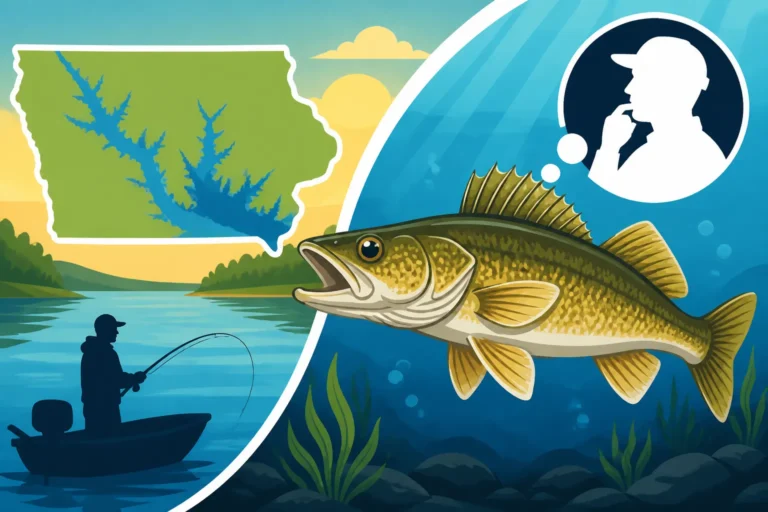
Ah, the walleye. For many Iowa anglers, this is the ultimate prize, and the Great Lakes are renowned for their healthy walleye populations. Spirit Lake and West Okoboji, in particular, are legendary for producing good numbers of eater-sized walleye, with plenty of opportunities for true trophy fish over 25 inches. What makes walleye so desirable isn't just their challenging nature, but also their delectable flavor on the dinner table. They're often found hugging structure, such as rock piles, humps, or the deep edges of weed lines, especially during low light conditions or at night.
Targeting walleye here often involves a combination of techniques. In spring and fall, trolling with crankbaits or live bait rigs (like a How to Rig a Crawler Harness for Walleye) along breaklines or over main lake humps can be incredibly effective. During the summer, many anglers shift to vertical jigging or drifting with live bait presentations, particularly over deep structure. In winter, ice fishing for walleye is a major draw, with anglers bundling up to fish tip-ups and jigs over classic walleye haunts. Understanding the unique walleye season and size limits for Iowa is critical to ensure you're fishing legally and sustainably, helping to protect these valuable populations.
Bass Largemouth & Smallmouth: Action-Packed Pursuits
If you crave a fight, the bass fishing in the Iowa Great Lakes will not disappoint. You've got both largemouth and smallmouth bass thriving in these waters, offering distinct challenges and thrills. Largemouth bass tend to prefer the shallower, weedy bays and docks of East Okoboji and parts of Spirit Lake, where they can ambush prey from cover. Think lily pads, submerged brush, and thick weed beds – classic largemouth habitat. Topwater lures, spinnerbaits, and soft plastics fished around these areas can lead to explosive strikes.
Smallmouth bass, on the other hand, are the kings of the clear, rocky waters of West Okoboji and the deeper, rockier sections of Spirit Lake. These bronze beauties are absolute bruisers, known for their powerful runs and aerial acrobatics. They often relate to rock piles, steep drop-offs, and points, where they feed on crayfish and baitfish. Techniques like drop-shotting, throwing tube jigs, or using small crankbaits can be incredibly effective for these hard-fighting fish. The Bass Season and Size Limits are important to remember, especially if you're targeting those bigger fish.
Panfish Perfection: Crappie, Bluegill, and Perch
Sometimes, you just want to catch a lot of fish, and the panfish populations in the Iowa Great Lakes are more than happy to oblige! Crappie, bluegill, and yellow perch are abundant, making them fantastic targets for beginners, kids, or anyone looking for consistent action and a tasty meal. East Okoboji and the shallower bays of Spirit Lake are typically excellent for crappie and bluegill, which often congregate around submerged brush, docks, and weed edges. Small jigs, live minnows, or wax worms under a bobber are usually all it takes to get them biting.
Yellow perch are particularly popular in Spirit Lake and West Okoboji, especially during the colder months. These schooling fish provide fast action, whether you're fishing from a boat or through the ice. Small jigs tipped with minnow heads or wax worms are often the go-to baits. These smaller fish are a great way to introduce someone new to fishing, and they offer a delightful experience for anglers of all ages. Just make sure you're aware of the Crappie and Sunfish Limits in Iowa to help maintain healthy populations.
The Mighty Muskie: A True Test of Skill
For those who live for the pursuit of a true freshwater leviathan, the Iowa Great Lakes offer a shot at the elusive muskie. West Okoboji and Spirit Lake are regularly stocked with these "fish of 10,000 casts," and they grow to impressive sizes here, often exceeding 40 or even 50 inches. Muskie fishing is not for the faint of heart; it requires specialized heavy tackle, immense patience, and a dedicated mindset. These apex predators ambush prey, and strikes can be incredibly violent and unexpected.
Anglers typically target muskie by casting large bucktails, crankbaits, or topwater lures over weed beds, along prominent drop-offs, or near submerged structure. Trolling large baits is also a popular and effective method. Catching a muskie is often considered the pinnacle of freshwater fishing, and while they are primarily a catch-and-release species here, the thrill of boating one of these magnificent fish is an unforgettable experience. If you're going after muskie, ensure you know the Muskie Season and Bag Limit and are prepared with the proper release tools to ensure the fish's survival.
Navigating the Seasons: When to Fish the Great Lakes
Fishing the Iowa Great Lakes is a year-round affair, with each season offering its own unique challenges and incredible rewards. The fish behavior changes dramatically with water temperature, light conditions, and available forage, meaning that techniques that worked in spring might be useless in summer, and vice versa. Understanding these seasonal shifts is fundamental to consistent success and planning your trips strategically. It's not just about the weather outside; it's about what's happening under the surface.
Spring: The Awakening Bite
Spring is a time of renewed hope and often some of the hottest fishing action in the Iowa Great Lakes. As the ice melts and water temperatures begin to rise, fish become incredibly active, shaking off their winter lethargy and moving into shallower waters to feed and eventually spawn. This is a prime time for targeting walleye, which often stage in transition areas near spawning grounds. Anglers will often find success casting jigs and plastics or slow-trolling crankbaits along the first breaklines and points.
Bass also become very active during the spring pre-spawn period. Largemouth will move into shallow, warming bays, while smallmouth will start to cruise rocky points and flats. Panfish, too, make their presence known, congregating in shallow weed beds and around docks as they prepare for their own spawning rituals. The key in spring is often to focus on warmer water and areas with emerging weed growth, as these spots offer both food and shelter for active fish. Be mindful that during spawning periods, some species may have special regulations or protected areas, so checking the Iowa DNR guidelines, like those outlined in the Iowa Fishing Season Dates and Limits, is always a smart move.
Summer: Warm Water Challenges and Opportunities
Summer fishing on the Iowa Great Lakes brings warmer water, increased boat traffic, and often a shift in fish behavior. Many species move deeper to find cooler temperatures and stable oxygen levels, or they become more active during low-light periods like dawn, dusk, or even at night. This can be a challenging time for anglers who stick to shallow, daytime fishing, but it also presents fantastic opportunities for those willing to adapt. Night fishing for walleye, especially on Spirit Lake, becomes incredibly popular, with anglers trolling crankbaits over flats or jigging on deep humps.
Largemouth bass often retreat to heavy cover in the heat of the day, but they can be caught early and late using topwater lures or by punching through thick weeds. Smallmouth bass will relate to deep rock structure and can be caught with drop-shots or jigs. Panfish might be scattered, but they can be found schooled up around submerged brush piles or deeper weed lines. While the summer sun might send you reaching for a cooler, remember that adapting your approach to deeper water or low-light conditions can lead to some incredible summer catches.
Fall: Trophy Time and Cooling Waters
For many serious anglers, fall is the undisputed champion season for fishing the Iowa Great Lakes. As water temperatures begin to drop, many fish species enter a pre-winter feeding frenzy, bulking up on forage before the ice sets in. This period often yields some of the largest fish of the year, particularly for walleye and muskie. Walleye will aggressively chase bait, making trolling large crankbaits over deeper breaks or casting jerkbaits incredibly effective. It's an excellent time to target those trophy-sized fish.
Muskie anglers also flock to the lakes in fall, knowing that these giants are actively feeding and more susceptible to large lures. Casting big bucktails, glide baits, and soft plastics can produce heart-stopping strikes. Bass fishing can also be fantastic, especially smallmouth, as they school up on deep structure before moving to their wintering grounds. Crappie and perch gather in large schools, making them easier to locate and providing fast action. Fall fishing demands durable gear and warm clothing, but the potential for a personal best makes it all worthwhile.
Winter: The Ice Fishing Extravaganza
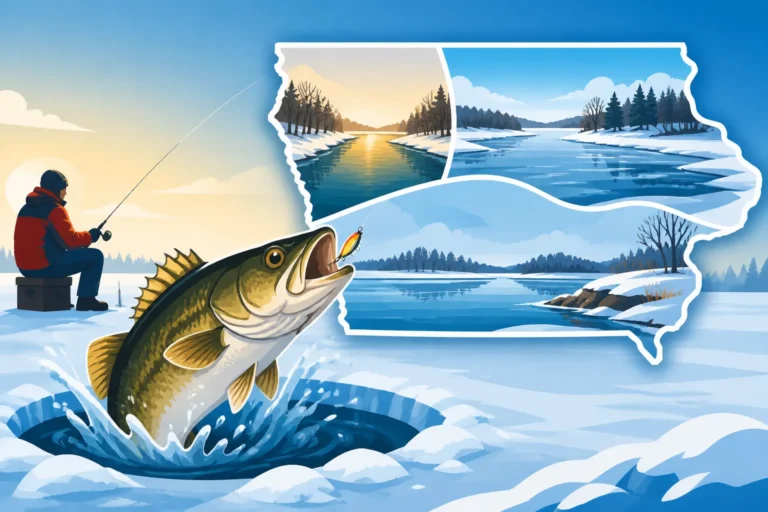
When the lakes freeze over, the fishing doesn't stop; it just moves to the ice! Ice fishing is a cherished tradition in the Iowa Great Lakes, attracting thousands of anglers who brave the cold for fantastic winter action. From tip-ups targeting walleye and northern pike to jigging for slab crappies and jumbo perch, the frozen lakes offer a unique and social fishing experience. Early and late ice periods are often the most productive, but consistent fishing can be found throughout the season, provided you prioritize safety and know where to look. For a deeper dive into staying safe and successful, check out our guide on Ice Fishing in Iowa.
Anglers often use specialized gear, including ice fishing rods, augers, and portable shelters, to stay warm and comfortable. Sonar units and underwater cameras are invaluable for locating fish and observing their behavior beneath the ice. Spirit Lake is particularly famous for its winter walleye and yellow perch bite, while East and West Okoboji also offer excellent opportunities for a variety of species. Remember to always check ice conditions before venturing out, and respect local safety guidelines.
Tried-and-True Techniques for Success
Successful fishing in the Iowa Great Lakes isn't just about showing up; it's about understanding and applying the right techniques for the conditions and the fish you're targeting. The diverse nature of these lakes means you'll need a versatile toolkit of approaches, from covering vast expanses by boat to stealthy shore presentations, and even adapting to the unique world of ice fishing. Don't be afraid to experiment, but having a solid foundation in proven methods will give you a significant edge.
Boat-Based Strategies: Trolling, Jigging, and Drifting
For most serious anglers hitting the Iowa Great Lakes, a boat is an essential piece of equipment, opening up vast areas of water and allowing for a range of effective techniques. Trolling, for example, is incredibly popular for covering water and finding active walleye or muskie, especially on Spirit Lake and West Okoboji. Depending on the depth and species, anglers will use crankbaits, spinner rigs, or large plugs, varying their speed and depth to entice strikes. Understanding how to use your electronics to identify baitfish schools and structure while trolling is a game-changer.
Jigging is another cornerstone technique, particularly effective for walleye, crappie, and perch. Whether vertical jigging over deep humps, pitching jigs to shallow cover, or working blade baits along breaklines, the precise presentation of a jig can trigger bites when other methods fail. Drifting with live bait – often a Lindy Rig or a plain hook with a minnow or leech – is a subtle yet deadly method, especially for wary walleye or when fish are scattered. It allows your bait to move naturally with the current or wind, presenting a tempting meal without much resistance. These boat-based strategies, combined with good boat control, are fundamental to maximizing your success.
Shore and Pier Fishing: Accessible Angling
Even without a boat, the Iowa Great Lakes offer fantastic opportunities for shore and pier anglers. Many of the state parks and public access areas around the lakes provide excellent bank access and well-maintained fishing piers, often extending into deeper water or near productive weed lines. These spots are perfect for families, beginners, or anyone looking for a relaxing day of fishing without the hassle of launching a boat. You can find many great options by checking out the Best Fishing Piers in Iowa State Parks.
For shore fishing, simple setups often work best. A spinning rod with a bobber and live bait (like worms or minnows) is incredibly effective for panfish, especially crappie and bluegill around docks and brush piles. Casting small jigs or crankbaits can also yield surprising results for bass and even smaller walleye, particularly during cooler weather or low light conditions. The key is to look for areas with cover, drop-offs, or current, which attract fish even in close proximity to shore. Don't underestimate the power of a well-placed cast from the bank!
Ice Fishing Innovations and Essentials
Once the lakes transform into a winter wonderland, ice fishing takes center stage. This unique discipline requires its own set of techniques and specialized gear. Jigging remains paramount, but instead of from a boat, you're jigging through a hole in the ice, often with tiny lures tipped with bait. Small spoons, tungsten jigs, and plastic "micro" baits are all deadly for panfish, while larger spoons, jigging raps, and live minnows on tip-ups are the go-to for walleye and northern pike.
Modern technology has revolutionized ice fishing, with portable sonar units (like Garmin Striker or Humminbird Helix models) becoming almost mandatory for locating fish and understanding depth and structure. Underwater cameras also provide a fascinating view of what's happening beneath the ice, allowing you to observe fish reactions to your lure. Staying mobile, drilling multiple holes, and understanding the nuances of ice thickness for safety are all crucial aspects of a successful and enjoyable ice fishing trip. For a complete overview of what you need, refer to a comprehensive Ice Fishing Gear Guide for Iowa.
Essential Gear and Local Know-How
Having the right gear is undoubtedly important, but true success on the Iowa Great Lakes often comes down to combining that gear with local knowledge and understanding the unique features of these specific waters. What works on one lake might not be as effective on another, and knowing the subtleties can make all the difference. This isn't just about having the latest and greatest tackle; it's about having the right tackle for the job and knowing how to use it effectively in this environment.
Rods, Reels, and Line: Matching Your Quarry
The diverse range of fish in the Iowa Great Lakes means you'll likely want a few different rod and reel setups. For walleye and light bass fishing, a medium-light to medium power spinning rod (6'6" to 7'0") paired with a 2500 or 3000 series spinning reel spooled with 8-10 lb braided line and a fluorocarbon leader is a versatile choice. This setup offers sensitivity for feeling subtle bites and enough backbone for handling larger fish.
For heavier bass fishing, especially if you're throwing bigger lures or working heavy cover, a medium-heavy baitcasting rod (6'8" to 7'4") with a matching baitcaster reel and 12-17 lb fluorocarbon or braided line will provide the power and accuracy you need. Panfish anglers can get by with ultra-light or light spinning rods (5'6" to 6'6") and small reels spooled with 4-6 lb monofilament or light braided line. For muskie, you'll need specialized heavy-action rods, robust baitcasting reels, and 80-100 lb braided line to handle those massive lures and powerful fish. Choosing the right Fishing Rod and Reel Guide for Iowa Anglers can save you a lot of headaches and lost fish.
Baits and Lures: What the Fish Are Hitting
The bait and lure selection for the Iowa Great Lakes is as varied as the fish species themselves. Live bait is always a strong contender, particularly for walleye and panfish. Minnows (shiners, fatheads), leeches, and nightcrawlers are staples that consistently produce bites. Always check local regulations on live bait use and transport to avoid any issues.
When it comes to artificial lures, the options are vast. For walleye, popular choices include deep-diving crankbaits (Rapala, Berkley, Salmo), jigging spoons (Northland, Johnson), blade baits, and soft plastic swimbaits rigged on jig heads. Bass anglers will find success with spinnerbaits, chatterbaits, crankbaits, jerkbaits, and a wide array of soft plastics like worms, creature baits, and tubes. For crappie and bluegill, tiny jigs (1/32 to 1/16 oz) tipped with plastic bodies or small soft plastics are deadly. And for muskie, think big: bucktails, swimbaits, large crankbaits, and topwater lures that create a commotion. Staying informed about current conditions and local fishing reports can give you clues about what colors and sizes are working best.
Understanding Lake Structure and Navigation
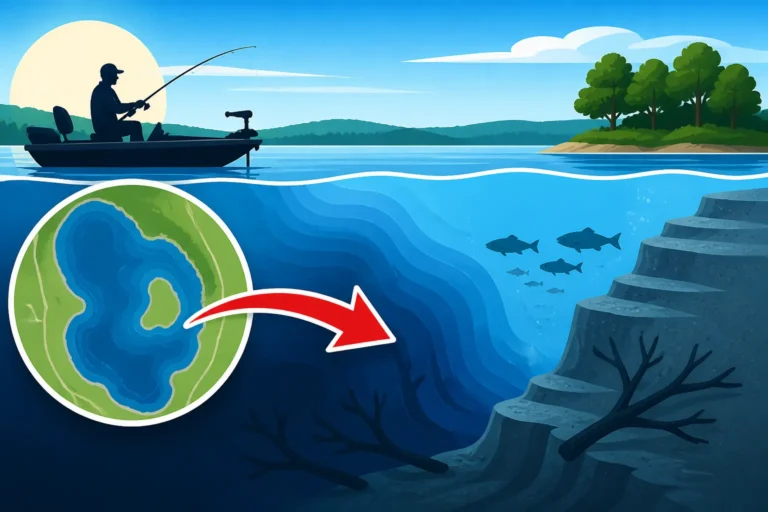
Knowing the layout of the lakes, particularly the underwater structure, is arguably more important than any single piece of gear. Fish are creatures of habit and will relate to specific features like drop-offs, points, humps, weed lines, rock piles, and submerged timber. Utilizing detailed lake maps (paper or digital on your electronics) is essential for identifying these key areas. Modern fish finders and GPS units are invaluable tools for marking waypoints, tracking depth contours, and spotting fish and bait.
On West Okoboji, understanding the deep channels and offshore humps is crucial. On Spirit Lake, locating the extensive weed lines and subtle depth changes can be the key to finding walleye schools. East Okoboji's shallower, weedy bays require a different approach, often focusing on visible cover. Whether you're using a top-of-the-line Humminbird HELIX or simply observing the shoreline topography, developing an eye for structure and how fish relate to it will dramatically increase your catch rates. Remember to be mindful of prop wash and noise, especially in shallower waters, as fish can be easily spooked.
Planning Your Trip: Logistics and Local Resources
A successful fishing trip to the Iowa Great Lakes isn't just about what happens on the water; it's also about solid planning beforehand. From understanding where you can launch your boat to making sure you're compliant with all state regulations, a little homework goes a long way. Iowa's commitment to its angling community means there are plenty of resources available to help you make the most of your time on these beautiful waters.
Public Access and Boat Ramps
The Iowa Great Lakes region is well-equipped with numerous public access points and boat ramps, making it easy for anglers to get their boats in the water. Spirit Lake, West Okoboji, and East Okoboji all have multiple ramps, ranging from large, concrete facilities perfect for bigger boats to smaller, more rustic launches suitable for kayaks or smaller craft. Finding the right ramp for your vessel and your target fishing area can save you valuable time and hassle. For instance, the public boat ramps on the Iowa Great Lakes are generally well-maintained. On West Okoboji, you might find options like the ramps at Arnolds Park City Park or Emerson Bay State Recreation Area, offering good access to different parts of the lake. Spirit Lake has popular ramps such as the one at Templar Park or near the Triboji Beach area.
Many of these access points also offer parking, restroom facilities, and sometimes even cleaning stations. Before you head out, it's a good idea to scout the ramps online or check with local bait shops to see if there are any temporary closures or specific usage guidelines. Keep in mind that during peak season or popular fishing events, ramps can get quite busy, so planning to arrive early can make a big difference.
Licenses, Regulations, and Safety
Before you even think about casting a line, securing the proper Iowa fishing license is non-negotiable. Whether you're an Iowa resident or an out-of-state angler, everyone over a certain age needs a valid license. You can easily purchase your Iowa Fishing License Guide online through the Iowa DNR website, at most bait shops, or even on the GoOutdoors Iowa mobile app. Don't forget to check if you need any additional stamps or permits, like the trout fee, although the Great Lakes typically don't require it unless you're targeting specific stocked species or designated trout waters elsewhere.
Beyond the license, it's crucial to be familiar with the Iowa Fishing Regulations Explained. These cover everything from daily bag limits and length limits for various species (which can sometimes vary by lake) to restrictions on certain types of gear or bait. Ignorance of the law is never an excuse, and game wardens patrol these popular waters regularly. Finally, always prioritize safety on the water. This includes wearing appropriate life jackets, especially for children, having all required boat safety equipment (fire extinguisher, whistle/horn, navigation lights), and being aware of weather conditions. The Iowa DNR website is your best friend for up-to-date regulations and safety information.
Connecting with Local Expertise and Guides
Sometimes, the best way to jumpstart your success on unfamiliar waters, or to simply learn new techniques, is to connect with local experts. Bait shops are often incredible hubs of information, with staff who live and breathe fishing in the Great Lakes. They can tell you what's biting, what baits are working, and even point you toward specific areas. Don't be shy about asking for advice – most anglers love to share their passion!
For an even more in-depth experience, consider hiring a local fishing guide. A professional guide will have years of experience on these specific lakes, intimate knowledge of current patterns, and access to all the necessary gear. They can put you directly on fish, teach you advanced techniques, and significantly shorten your learning curve. Websites like FishingBooker are excellent resources for finding and booking reputable fishing guides in the Iowa Great Lakes region. Whether you're targeting walleye, bass, or muskie, a guide found through FishingBooker can provide an invaluable experience, especially if you're visiting for the first time or hoping to land a specific species. Many guides listed on FishingBooker offer specialized trips, ensuring you get the most out of your time on the water. Utilizing a service like FishingBooker also allows you to read reviews and compare offerings, helping you find the perfect match for your angling adventure.
Beyond the Catch: Enjoying the Iowa Great Lakes Experience
While the thrill of fishing is undoubtedly a major draw, the Iowa Great Lakes offer so much more than just what's beneath the surface. This entire region is designed for outdoor enjoyment, making it a fantastic destination for a complete getaway. Integrating fishing with other activities not only ensures everyone in your group has a great time but also helps you appreciate the broader beauty and recreational opportunities that this area provides.
Family Fun and Additional Activities
The Iowa Great Lakes are a premier family vacation destination, and fishing can easily be combined with a host of other activities. For instance, the vibrant resort town of Arnolds Park, located on West Okoboji, boasts the historic Arnolds Park Amusement Park, offering classic rides and entertainment that have delighted generations. Spirit Lake, the largest town in the region, provides a range of dining and shopping options.
Beyond the towns, the lakes themselves are perfect for swimming, boating, paddleboarding, and kayaking. Numerous public beaches and parks offer picnic areas, playgrounds, and scenic views. There are miles of paved trails for biking and walking, providing a different way to experience the natural beauty of the area. Even if some members of your party aren't avid anglers, they'll find plenty to do, making a fishing trip to the Great Lakes a truly well-rounded vacation for everyone.
Conservation and Responsible Angling
As anglers, we have a responsibility to be stewards of the waters we enjoy. The health and vitality of the Iowa Great Lakes fisheries depend on all of us practicing responsible angling and conservation. This means adhering strictly to all fishing regulations, including bag and length limits, which are carefully set by the DNR to ensure sustainable populations. It also means properly disposing of all trash and fishing line, never leaving anything behind that could harm wildlife or pollute the environment.
For those practicing catch-and-release, especially for sensitive species like muskie or larger breeding fish, it's vital to handle fish gently, minimize their time out of water, and use proper release techniques to maximize their survival rate. Consider using barbless hooks for easier release. Educating ourselves and others about invasive species prevention, such as "clean, drain, dry" protocols for boats and gear, is also crucial to protect these precious ecosystems from external threats. By being mindful and respectful, we can all contribute to keeping the Iowa Great Lakes a fantastic fishing destination for years to come.
Disclaimer
The information provided in this guide is for general informational purposes only and is subject to change. Fishing regulations, season dates, and license requirements are set by the Iowa Department of Natural Resources (DNR) and can be updated annually. Always consult the official Iowa DNR fishing regulations manual or website before heading out to fish. Fishing conditions, including fish populations and biting patterns, can vary greatly based on weather, time of year, and other environmental factors. Always prioritize personal safety when on or near the water.