Catfish Gear Guide for Iowa Rivers
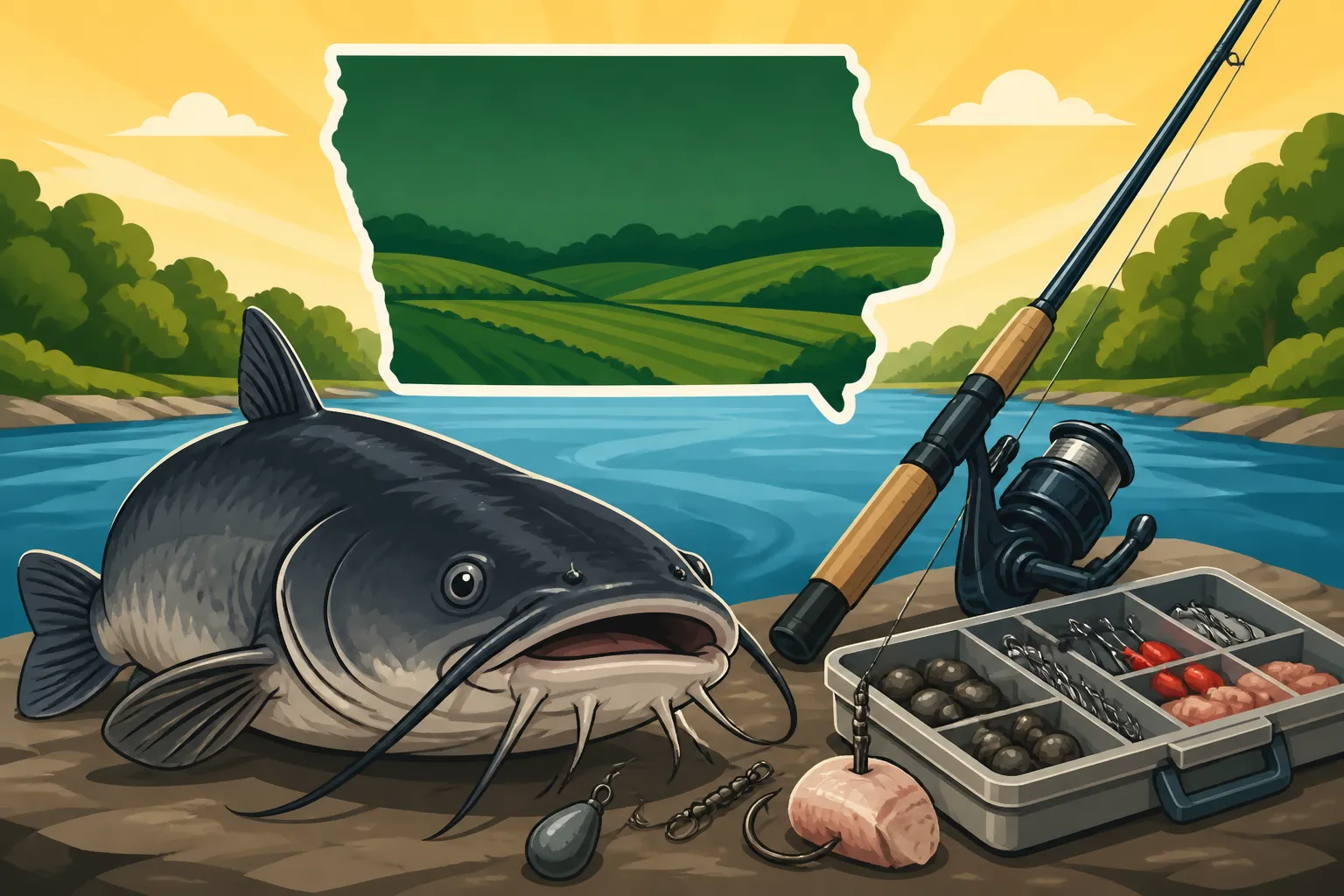
Chasing big catfish on Iowa's mighty rivers can be one of the most rewarding angling experiences, but it's also incredibly challenging. The powerful currents, submerged snags, and sheer size of these whiskered giants demand more than just a basic rod and reel. If you've ever felt the heartbreaking snap of a line against a submerged log or watched a trophy fish spit a tiny hook, you know the frustration. This guide is all about equipping you with the right knowledge and gear to confidently tackle Iowa's river catfish, from the tenacious Channel Cats to the elusive Flatheads, ensuring you're prepared for whatever the river throws your way.
Understanding Iowa River Catfish and Their Habitat
Before you even think about what gear to buy, it's absolutely crucial to understand the fish you're targeting and the environment they call home. Iowa's rivers are dynamic, ever-changing systems, and the catfish that inhabit them are perfectly adapted to these conditions. Knowing your quarry and its preferred haunts will directly influence every gear choice you make, from rod power to hook size.
Channel Catfish vs. Flathead Catfish in Rivers
Iowa's rivers are teeming with both Channel Catfish and Flathead Catfish, and while they share the "catfish" name, they're quite different in behavior and preferred diet, which means your gear choices might need to adjust. Channel cats are the more common of the two, known for their distinctive forked tail and scattered black spots. They're opportunistic feeders, happy to devour anything from cut bait and stink bait to worms and even small lures. You'll find them almost anywhere in the river, from slow pools to moderate currents, often schooling up. They’re excellent fighters, especially in strong current, and a blast to catch.
Flatheads, on the other hand, are a different beast entirely. They are solitary, ambush predators that prefer live bait – think bluegill, shad, or suckers. You'll recognize them by their broad, flattened head, dark mottled coloration, and a slightly rounded tail. These fish are powerful, often much larger than Channel Cats, and they gravitate towards heavy cover like log jams, rock piles, and deep holes where they can lie in wait for an unsuspecting meal. Targeting Flatheads often requires heavier gear and a more patient approach, fishing close to structure where smaller, weaker gear simply won't cut it. Understanding these differences right from the start will guide you in building a versatile catfish arsenal. For more on these incredible fish, check out our guide on Channel Catfish Fishing in Iowa and Flathead Catfish Habitat and Behavior.
Prime River Habitats for Catfish
Iowa's rivers, whether it's the Des Moines, Cedar, or the mighty Mississippi, offer a diverse array of habitats that attract catfish. For Channel Cats, look for areas with moderate current, such as outside bends, seams where fast water meets slow water, and around any kind of cover like submerged timber or brush piles. They also frequent deeper holes and scour marks downstream of current breaks, where food tends to accumulate. Often, finding one Channel Cat means finding a whole school.
Flatheads, as mentioned, are much more structure-oriented. They crave heavy cover – massive log jams, deep undercut banks, and large rock formations. These aren't just places for them to hide; they're ambush points where they can surprise prey. When targeting Flatheads, you often need to literally get your bait into the cover, which is why snagging is a constant battle. Bridges, dam outflows (be mindful of regulations and safety!), and deep river channels with adjacent structure are also prime real estate. Understanding how to read the river and identify these features, even from the bank, will significantly increase your chances.
The Impact of River Conditions on Gear Choices
River conditions in Iowa can change drastically throughout the year, and even day to day, based on rainfall and dam releases. High, muddy water after a heavy rain will scatter fish and require heavier sinkers to hold bottom. Clear, low water, on the other hand, might make fish warier, necessitating lighter line or more natural presentations. The current itself is a massive factor; stronger currents demand heavier weights, more robust tackle, and potentially heavier rods to handle the strain.
Think about the substrate too. Sandy or silty bottoms are forgiving, but rocky bottoms or areas with abundant snags will chew through lighter lines in no time. Your gear needs to be tough enough to handle abrasive conditions. Furthermore, water temperature plays a role. In colder water, catfish might be sluggish and prefer a bait presented right on their nose, while in warmer water, they're more active and might chase a bait slightly. Being able to adapt your gear to these ever-changing river dynamics is a hallmark of a successful Iowa river catfisherman.
The Essential Rod and Reel Setup for River Catfish
When it comes to battling powerful catfish in swift river currents, your rod and reel are your primary weapons. This isn't the time for flimsy ultralight gear; you need equipment that can take a beating and give you the leverage to land big fish. Choosing the right combination will make all the difference between a successful catch and a broken heart.
Rod Power, Action, and Length for River Battles
For river catfishing in Iowa, you'll generally want a rod with medium-heavy to heavy power. This refers to the rod's ability to lift weight. A medium-heavy rod is a good all-around choice for Channel Cats and smaller Flatheads, offering enough backbone to set the hook and fight fish in current. If you're specifically targeting trophy Flatheads in heavy cover, a heavy power rod is almost non-negotiable. This power allows you to exert maximum pressure, pull fish away from snags, and cast heavy weights.
Rod action describes where the rod bends. A moderate-fast to fast action is typically preferred for catfishing. A fast action rod bends mostly in the tip, providing excellent sensitivity for detecting subtle bites and quick hook sets. A moderate-fast action bends a bit further down, offering a good balance of sensitivity and a more forgiving bend that helps prevent hooks from tearing out when a big cat thrashes. For more on what to look for, consult Best Rod for Catfish Fishing.
When it comes to length, rods between 7 and 9 feet are popular for river catfishing. Longer rods (8-9 feet) excel at casting heavy baits and sinkers a long distance, which is often needed in wider rivers or when fishing from shore. They also provide better leverage for fighting fish and keeping your line clear of submerged obstacles. Shorter rods (7-7.5 feet) can be good for boat fishing in tighter spots or when you need more immediate control close to the boat. A common choice for many Iowa river anglers might be an 8-foot medium-heavy, moderate-fast action rod, offering a great balance of power and versatility.
Reel Types: Spinning vs. Baitcasting for Catfish
The choice between a spinning reel and a baitcasting reel often comes down to personal preference and the specific fishing scenario. Both have their place in Iowa river catfishing.
Spinning reels are typically easier for beginners to learn, less prone to backlashing, and excellent for casting lighter baits or when you need to quickly pick up slack line. For smaller to medium Channel Cats, especially when fishing with lighter rigs or prepared baits, a sturdy spinning reel in the 4000-6000 size range (or equivalent, depending on brand) paired with a medium-heavy rod works wonderfully. Look for models with a strong drag system, a durable retrieve, and enough line capacity to handle long runs. They are often a great choice for casual bank fishing and offer good versatility.
Baitcasting reels are the workhorses for serious river catfishermen, particularly when targeting large Flatheads or fishing with heavy baits and sinkers. They offer superior power, torque, and casting accuracy for heavier setups. Look for models with a low gear ratio (e.g., 4.1:1 or 5.1:1) for maximum cranking power, a robust all-metal frame, and a smooth, powerful drag. The larger, heavier line that's often used for catfishing also spools better on a baitcaster. When you hook into a giant cat in heavy current, a baitcaster gives you the brute force to turn its head and keep it out of snags. For optimal performance, a heavy-duty baitcasting reel in the 300-400 size range (or equivalent) is typically paired with a heavy power baitcasting rod.
Matching Rod and Reel for Optimal Performance
The key to a truly effective catfish setup is balance. Your rod and reel need to complement each other, not fight each other. A heavy power rod paired with a tiny spinning reel will feel awkward and underperform, just as a huge baitcaster on a flimsy ultralight rod would. The reel should feel secure in the rod seat, and the entire setup should feel comfortable and balanced in your hands.
When assembling your gear, consider the type of fishing you’ll be doing most. If you're primarily targeting eating-size Channel Cats from the bank, a reliable medium-heavy spinning combo might be perfect. If you're dedicating your efforts to monster Flatheads around timber from a boat, then a heavy baitcasting setup is essential. Don't be afraid to visit a local tackle shop or a major retailer like Bass Pro Shops to physically hold different combinations. Feel how they balance, check the reel seat for stability, and imagine casting and fighting a fish with it. This hands-on approach ensures you create a setup that feels right and performs optimally for your specific Iowa river catfishing adventures.
Choosing the Right Fishing Line for Iowa River Catfish
Your fishing line is the critical link between you and that hard-fighting catfish. In the abrasive, snag-filled environment of Iowa rivers, a strong, durable, and appropriate line choice is paramount. Skimping on line can lead to heartbreaking break-offs and lost fish, especially when you're battling a true river monster.
Monofilament, Braided, and Fluorocarbon Options
Each type of fishing line offers distinct advantages and disadvantages for river catfishing:
Monofilament line (mono) is a traditional favorite and still widely used. It's affordable, easy to tie, and has a good amount of stretch, which acts as a shock absorber when a big fish hits or surges. This stretch can also be forgiving if your drag isn't perfectly set. Mono is also less visible in the water than braided line, which can be an advantage in clearer conditions. However, it has lower abrasion resistance compared to braided line, can develop "memory" (coiling), and its stretch can make it harder to detect subtle bites at long distances or in heavy current. For many Channel Cat situations, especially where budget is a concern or where you prefer a little stretch, mono in the 20-30 pound test range is a solid choice.
Braided line is incredibly strong for its diameter, has virtually no stretch, and boasts excellent abrasion resistance – a huge plus in snag-filled rivers. The lack of stretch provides superior sensitivity, allowing you to feel every bump, nibble, and subtle change in the bottom. This sensitivity is a game-changer for detecting the light bites of wary Flatheads or when fishing at long distances. Its thin diameter also allows for longer casts and cuts through current more efficiently. The downsides? It's generally more expensive, can be more visible in clear water, and requires a heavier rod for shock absorption or a fluorocarbon leader to prevent hook pulls due to its unforgiving nature. For serious river catfishing, especially for Flatheads, braided line in the 50-80 pound test range is a popular choice.
Fluorocarbon line is best known for its near-invisibility underwater and excellent abrasion resistance. It has less stretch than mono but more than braid, offering a good balance. While not typically used as a main line for heavy catfishing (due to cost and stiffness in heavier tests), it makes an outstanding leader material. Tying a 2-4 foot fluorocarbon leader (e.g., 30-50 lb test) to your braided mainline can provide the invisibility you need in clear water while still offering superior abrasion resistance against rocks and logs. This is a common setup for many experienced catfishermen.
Line Strength and Abrasion Resistance
For Iowa river catfishing, line strength is directly related to the species you're targeting and the conditions you're fishing in. For general Channel Catfishing, a 20-30 pound test monofilament or 30-50 pound test braided line will typically suffice. These strengths provide a good balance of castability and stopping power.
However, when you're going after those giant Flatheads or fishing in areas with dense cover and strong currents, you need to step up your game. For these situations, 40-50 pound test monofilament or 65-80 pound test braided line is more appropriate. Many trophy Flathead anglers even opt for 100+ pound test braided line, especially when fishing directly in heavy timber or around bridge pilings. The sheer power of these fish, combined with the current, can put incredible strain on your line, so choosing a line that won't give up is crucial.
Abrasion resistance goes hand-in-hand with strength. River bottoms are often littered with sharp rocks, clam shells, submerged logs, and other debris that can fray or cut your line. Braided line generally offers superior abrasion resistance, but a good quality monofilament or fluorocarbon leader can also stand up to a surprising amount of abuse. Regularly inspect your line for nicks or frayed spots, especially after fishing around snags, and re-tie as needed. It's a small precaution that can save you a trophy fish.
When to Use Different Line Types
Deciding which line type to use depends heavily on your specific fishing scenario and target species:
- For general Channel Catfishing in open areas: A good quality 20-30 lb test monofilament is often sufficient. It’s forgiving, affordable, and easy to manage. It's also a great option for fishing with slip bobbers or lighter baits where some stretch can be beneficial.
- For targeting larger Channel Cats or medium Flatheads, especially around light to moderate cover: A 30-50 lb test braided mainline offers better sensitivity and strength. Consider adding a 20-30 lb fluorocarbon leader if the water is clear or if you're concerned about visibility.
- For trophy Flathead fishing in heavy cover and strong currents: This is where heavy braided line truly shines. Use 65-80 lb test braid, sometimes even heavier, as your main line. Pair this with a 50-80 lb fluorocarbon leader for maximum abrasion resistance and to add a slight amount of invisibility near the bait. Some anglers will even use heavy monofilament leaders for a bit more stretch and to help prevent the braid from digging into itself on the spool.
Remember, line choice isn't just about strength; it's about matching your line to your rod, reel, and the conditions. A perfectly balanced system allows you to feel more, fight harder, and land more fish. You can find a wide array of lines, from basic monofilament to advanced braids, at reputable stores like Amazon, allowing you to choose exactly what fits your river catfishing needs. For more on line choices, consider reading Best Pound Test Line for Catfish Fishing on Iowa Rivers.
Terminal Tackle: Hooks, Sinkers, and Swivels
Once you've got your rod, reel, and line sorted, it's time to focus on the "business end" of your setup – the terminal tackle. These small but mighty components are what connect your line to the bait and ultimately, to the fish. Choosing the right hooks, sinkers, and swivels for Iowa's river conditions is absolutely vital for success, preventing break-offs and ensuring your bait stays put.
Hook Styles and Sizes for Catfish Baits
When it comes to catfish hooks, two main styles dominate: the circle hook and the J-hook. Each has its advantages:
-
Circle Hooks: These are a game-changer for catfishing, especially if you plan on catch and release, or if you're letting your rod sit in a holder. The design of a true circle hook means the point is turned inward towards the shank. When a fish swallows the bait, the hook typically slides out of its throat during the retrieve and catches in the corner of its mouth. This results in far fewer gut-hooked fish, increasing survivability. With circle hooks, you don't need to set the hook with a violent sweep; simply reeling in when you feel a steady pull is usually enough. For catfish in Iowa rivers, circle hooks in sizes 4/0 to 8/0 are excellent for Channel Cats, while 8/0 to 12/0 (or even larger) are preferred for Flatheads and bigger baits.
-
J-Hooks: The traditional J-hook is what most anglers are familiar with. It requires a firm hook set from the angler to embed the point. While effective, J-hooks have a higher tendency to gut-hook fish if they swallow the bait deeply, making them less ideal for catch and release. However, some anglers prefer them for specific presentations or when they want to ensure an aggressive hook set. Sizes similar to circle hooks (4/0 to 12/0) would apply, depending on the bait and target species.
Regardless of style, always choose strong, sharp hooks. Catfish have tough, bony mouths, and a dull or flimsy hook will often fail you. Chemically sharpened hooks are a great investment.
Sinker Weights and Types for River Currents
Holding your bait in the strike zone in a river current is often the biggest challenge, and that's where sinkers come in. The weight and style of sinker you choose will depend on the current speed and the type of bottom you're fishing.
- Pyramid Sinkers: These are a staple for river fishing. Their pyramid shape digs into the bottom, making them excellent at holding stationary in strong currents. They're ideal when you want your bait to stay exactly where you cast it. Weights from 1 oz up to 6 oz or more might be needed, depending on the river flow.
- No-Roll or Flat Bank Sinkers: As the name suggests, these sinkers have a flatter profile that prevents them from rolling along the bottom in current. They are very effective at holding position and are a good alternative to pyramid sinkers, especially on harder bottoms.
- Egg Sinkers: These oval-shaped sinkers are often used for slip-sinker rigs, where the line runs freely through the sinker. This allows a biting fish to pick up the bait and run without feeling the weight of the sinker, making for more natural presentations. However, in strong current, they tend to roll, making them less suitable for holding a specific spot. They are better for lighter currents or drift fishing applications.
- Breakaway or Sputnik Sinkers: These specialized sinkers have wire arms that spread out and dig into the bottom, providing incredible holding power. They're fantastic for extremely heavy currents or surf fishing but can be overkill and prone to snagging in some river environments.
Always carry a variety of sinker weights and types. What works in one stretch of river might not work just downstream. A good rule of thumb is to use the lightest sinker that will effectively hold your bait on the bottom in the current you're fishing. Heavier sinkers mean less natural presentation and more effort for you.
Swivels and Leaders for Complete Rigs
Swivels and leaders are often overlooked but are crucial for a well-functioning catfish rig.
-
Swivels: These small pieces of hardware prevent line twist, which can weaken your line and cause tangles. Barrel swivels and ball bearing swivels are the most common. Ball bearing swivels offer superior anti-twist properties but are generally more expensive. When using cut bait that might spin in the current or when reeling in a struggling fish, a good swivel is essential. Always choose a swivel with a breaking strength equal to or greater than your mainline. They are often used in conjunction with a three-way swivel for specific rig setups like the popular Santee Cooper rig or dropper rigs, allowing you to present your bait off the bottom.
-
Leaders: A leader is a section of line tied between your mainline and your hook. For river catfishing, leaders serve several purposes:
- Abrasion Resistance: If you're using braided mainline, a monofilament or fluorocarbon leader (e.g., 30-80 lb test) provides an extra layer of protection against abrasive river structures.
- Invisibility: Fluorocarbon leaders are nearly invisible underwater, which can be beneficial in clear water or for wary fish.
- Sacrificial Component: In snaggy areas, you can use a leader slightly lighter than your mainline. If you get snagged, the leader breaks first, allowing you to recover most of your mainline and potentially your sinker.
- Rigging Versatility: Leaders are fundamental to creating various catfish rigs, such as a Carolina rig (slip sinker, bead, swivel, leader, hook) or a Santee Cooper rig (three-way swivel, leader to sinker, leader to hook).
Always ensure your knots are strong and properly tied, as these connections are the weak links in your entire system. Many anglers prefer a strong Palomar knot for tying braid to swivels or hooks, and an Albright or uni-to-uni knot for connecting braid to a mono/fluoro leader.
Effective Baits and Bait Presentation for Iowa River Catfish
Having the best gear won't matter much if you're not offering catfish what they want to eat, presented in a way that entices them. Catfish are generally not picky eaters, but understanding their preferences and how to present your bait effectively in a river environment can dramatically improve your success rate.
Best Natural Baits for Channel and Flathead Catfish
Natural baits are often the most effective for Iowa river catfish, but their preferences can differ slightly between Channel and Flathead cats.
For Channel Catfish:
- Cut Bait: This is a top choice for Channel Cats. Fresh cut bait from oily fish like shad, skipjack herring, or even local rough fish like carp or drum works wonders. The scent trail it puts out is irresistible. Cut fish into chunks or strips; the size depends on the size of catfish you're targeting.
- Worms: Nightcrawlers or large chunks of red wigglers are classic catfish bait. They're easy to find and handle, and nearly all catfish will eat them. Thread them onto your hook to create a tempting, squiggly presentation.
- Prepared Baits (Stink Baits/Dough Baits): These pungent baits are specifically formulated to attract Channel Cats with their strong odors. They come in various forms – dip baits (used with a sponge or worm holder), punch baits (used with a treble hook), and dough balls. Brands like Danny King's Catfish Bait or Sonny's Super Sticky are popular. While less effective for Flatheads, they are incredibly convenient and effective for Channel Cats.
- Chicken Livers/Gizzards: The strong scent and soft texture of chicken livers make them a potent Channel Cat bait, though they can be messy and hard to keep on the hook. Gizzards are tougher and stay on the hook better.
For Flathead Catfish:
- Live Bait: This is the undisputed king for Flatheads. They are predators and prefer a living, struggling meal. Small to medium-sized sunfish (bluegill, green sunfish), shad, suckers, or creek chubs are excellent choices. Make sure to check Iowa Fishing Regulations Explained for any rules regarding the use and transport of live baitfish. Hook your live bait through the back, above the lateral line, or through the lips to keep it alive and active.
- Large Cut Bait: While live bait is preferred, large chunks of fresh cut bait (like half a shad or a large chunk of carp) can sometimes entice a Flathead, especially if presented very close to their known lairs.
Prepared and Artificial Baits for River Catfish
While natural baits rule, there's still a place for prepared and artificial options, especially when convenience or specific presentations are key.
Prepared Baits: As mentioned, stink baits and punch baits are highly effective for Channel Catfish. They are designed to disperse a strong scent in the water, attracting catfish from a distance. Dip baits require a small piece of sponge, plastic worm, or a bait holder to soak up the concoction and keep it on the hook. Punch baits are denser and can be "punched" onto a treble hook directly from the jar. These are often easier to use than keeping a variety of natural baits, and can be purchased readily from stores like Bass Pro Shops or online through Amazon.
Artificial Baits: Artificial lures are less common for traditional catfishing, but certain situations can call for them, especially for actively feeding Channel Cats or smaller Flatheads.
- Jigs with Scented Plastics: A jig tipped with a plastic grub or worm, especially if infused with a strong scent like garlic or anise, can sometimes tempt Channel Cats. This is more common in current breaks or slower pools where fish might be ambushing smaller prey.
- Spinnerbaits/Buzzbaits: While primarily bass lures, very aggressive Channel Cats, especially around shallow, murky water, have been known to strike these. This is more of a novelty or accidental catch rather than a targeted technique.
- Large Crankbaits: Very occasionally, a Flathead might strike a large crankbait meant for Muskie or oversized bass, especially if it resembles a large baitfish. Again, this is not a primary Flathead technique, but it can happen!
The bottom line for river catfishing: stick to natural baits, with live bait being king for Flatheads and cut bait or prepared baits shining for Channel Cats.
Rigging Techniques for Different Baits
How you rig your bait is just as important as the bait itself, ensuring it's presented effectively and stays on the hook.
For Bottom Fishing (most common):
- Carolina Rig (Slip Sinker Rig): This is a versatile and popular rig. Your main line goes through an egg sinker (or no-roll sinker), then a bead (to protect the knot), and then is tied to a barrel swivel. A 1-3 foot fluorocarbon or monofilament leader is tied from the other end of the swivel to your hook. This allows the fish to pick up the bait without feeling the weight of the sinker, leading to more confident bites. It's excellent for presenting cut bait or live bait on the bottom.
- Santee Cooper Rig: A variation of the Carolina rig, this setup uses a peg or float on the leader between the swivel and the hook. This small float lifts the bait slightly off the bottom, keeping it visible and away from crabs or debris. It's especially effective in slightly muddier water or when fishing over a soft, silty bottom.
- Three-Way Swivel Rig (Dropper Rig): Your main line ties to one eye of a three-way swivel. A short line (6-12 inches) with a sinker is tied to the second eye, and a longer leader (1-3 feet) with your hook is tied to the third eye. This rig keeps your bait off the bottom and is great for presenting live bait or cut bait. It's also suitable for Drift Fishing the Mississippi River.
For Live Bait:
- Through the Back: For live baitfish, hook them lightly through the dorsal fin area, just above the lateral line, avoiding the spine. This allows them to swim naturally and stay alive longer.
- Through the Lips: Alternatively, hook live bait through both lips (bottom to top). This is good for casting and helps keep the bait in place against current, though it might restrict swimming slightly.
No matter the rig, ensure your knots are strong and your hook is exposed enough to get a solid hook set. Regularly check your bait to make sure it's still on the hook and presenting naturally.
Essential Accessories for a Successful Catfish Trip
Beyond the core rod, reel, line, and terminal tackle, there's a host of accessories that can make your Iowa river catfishing trips safer, more comfortable, and ultimately more successful. Don't underestimate the value of these items; they can truly make or break your day on the water.
Landing Gear: Nets and Grippers
When you've battled a powerful river cat and finally brought it alongside the boat or to the bank, the last thing you want is to lose it at the final moment. Proper landing gear is essential.
- Landing Net: A sturdy, large-hooped landing net is paramount. For big river catfish, you'll want a net with a wide opening (at least 25-30 inches across) and a deep, rubberized or tangle-free mesh bag. Rubberized mesh is gentler on fish, reducing slime loss and preventing hooks from getting hopelessly tangled – a huge time-saver. A long, extendable handle is also a plus, especially when fishing from a boat or a steep bank. Using a net like this allows you to safely scoop up even the largest Channel Cat or Flathead without injuring yourself or the fish. For more on this, check out Best Landing Net for Catfish.
- Fish Grippers: For handling catfish once landed, a good pair of fish grippers (like a Boga Grip or similar style) can be invaluable. Catfish have sharp pectoral and dorsal fins that can deliver a painful "poke" if you're not careful. Grippers allow you to safely hold the fish by its lower jaw, minimizing contact with fins and giving you control for hook removal or photos. They are especially useful for Flatheads with their wider heads.
- Gloves: Heavy-duty gloves, such as those made for cleaning fish or even garden gloves, can provide protection from sharp fins, gill plates, and teeth (though catfish generally don't have sharp teeth, they can have abrasive pads). They also help with grip on slimy fish.
Storage and Organization: Tackle Boxes and Bags
Keeping your terminal tackle, tools, and baits organized is not just about neatness; it's about efficiency and readiness. Fumbling for a hook or sinker when the bite is hot can cost you precious fishing time.
- Tackle Box/Bag: Depending on your preference, a good tackle storage system is key. Traditional hard-sided tackle boxes are durable and offer rigid compartments, while soft-sided tackle bags with utility boxes (like those from Plano or similar brands) offer more flexibility and portability. Look for models with plenty of compartments to separate different hook sizes, sinker weights, swivels, and tools. Being able to quickly access the right gear means less frustration on the water.
- Specialty Bait Holders: If you're using prepared baits, small, airtight containers for stink baits or punch baits are essential to contain their pungent odor and prevent spills. For live bait, a good bait bucket with an aerator will keep your baitfish lively and healthy throughout your trip, especially important for Flathead fishing.
- Tool Kit: A small kit of essential tools should always be with you. This includes strong fishing pliers (for crimping weights, cutting wire, and removing hooks), line clippers or scissors, a hook sharpener, and perhaps a small multi-tool. Having these readily accessible means you can quickly re-rig or deal with snags.
Comfort and Safety Gear for River Anglers
Fishing on Iowa's rivers means dealing with sun, insects, and potentially changing weather, as well as being around water. Prioritizing comfort and safety is paramount.
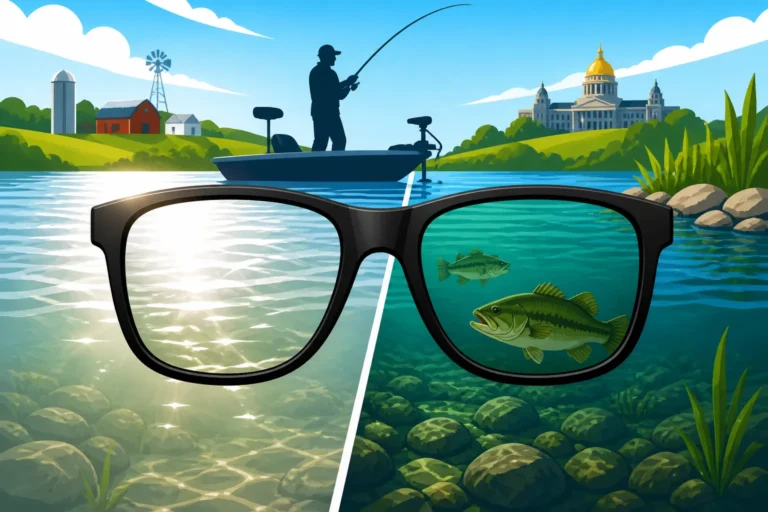
- Sun Protection: A wide-brimmed hat, polarized sunglasses, and sunscreen are absolute musts. The sun's glare off the water can be intense, and prolonged exposure is harmful. Polarized sunglasses not only protect your eyes but also help cut through the glare, allowing you to see submerged structure or even fish.
- Insect Repellent: Depending on the season, mosquitoes, gnats, and other biting insects can be relentless, especially in riparian areas. A good insect repellent will save you a lot of discomfort.
- Rain Gear: Iowa weather can be unpredictable. A lightweight, waterproof rain jacket and pants can save a trip from being cut short by an unexpected downpour.
- First-Aid Kit: A basic first-aid kit with bandages, antiseptic wipes, pain relievers, and any personal medications should always be on hand for minor cuts, scrapes, or stings.
- Life Vest (PFD): If you're fishing from a boat, kayak, or even wading in strong currents, a properly fitting personal flotation device is non-negotiable. Safety first!
- Water and Snacks: Stay hydrated, especially on hot summer days. Pack plenty of water and some easy-to-eat snacks to keep your energy up.
- Cooler: A sturdy cooler, like one from Igloo or Coleman, is great for keeping your drinks and snacks cool, but also essential for keeping any fish you plan to harvest fresh. For tips on keeping your catch, see Best Cooler for Keeping Fish Fresh.
Boat and Bank Fishing Considerations for River Catfish
Whether you prefer the mobility of a boat or the simplicity of fishing from shore, river catfishing in Iowa offers opportunities for both. However, each approach comes with its own set of gear considerations and techniques that can help maximize your success.
Gear for Boat-Based Catfishing on Rivers
Fishing from a boat on an Iowa river opens up a world of possibilities, allowing you to access prime fishing spots that are otherwise unreachable. But it also means you need additional gear to make your trip effective and safe.
- Rod Holders: When fishing multiple rods (which is common for catfishing, within legal limits!), high-quality rod holders are a must. They allow you to keep your rods securely in place while waiting for a bite, or when tending to other rods. Look for sturdy, adjustable models that can be mounted to your boat's gunwales. Best Rod Holders for Boat Fishing delves deeper into these options.
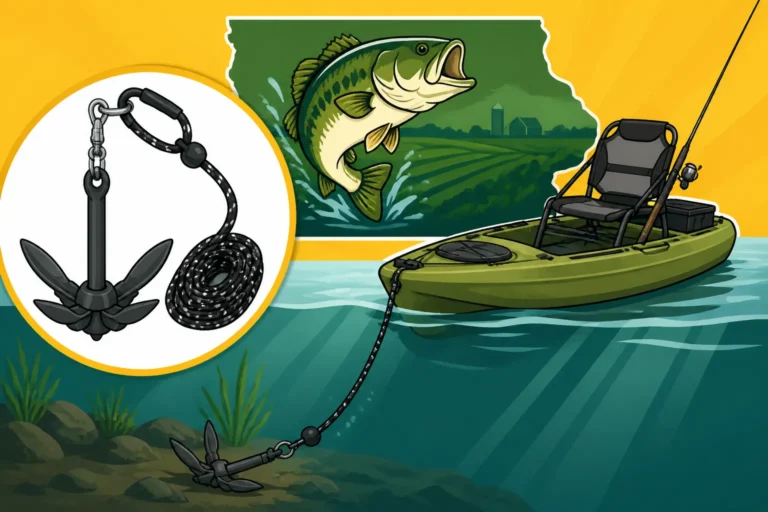
- Anchoring System: Holding your position in river current is critical. A robust anchoring system, including a heavy anchor (river anchors are often heavier than lake anchors, like a large grappling hook or traditional mushroom style), plenty of anchor rope, and a cleat or anchor winch, is essential. Consider a two-anchor system (one off the bow, one off the stern) for precise boat positioning, especially when trying to hold directly over a specific piece of structure. Knowing How to Anchor Above a Wing Dam is a key skill for river anglers.
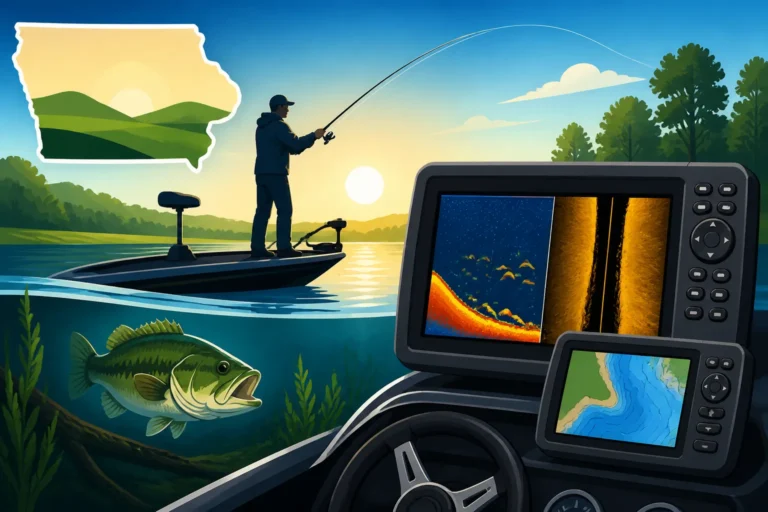
- Electronics (Fish Finder/GPS): A good fish finder with GPS capabilities can be a game-changer. It helps you identify deep holes, submerged structure (like log jams or rock piles), and even mark baitfish or schools of catfish. GPS allows you to mark productive spots and navigate safely, especially on large rivers like the Mississippi.
- Landing Net: As discussed, a large, sturdy landing net is even more critical in a boat, where you might be battling a big fish at arm's length.
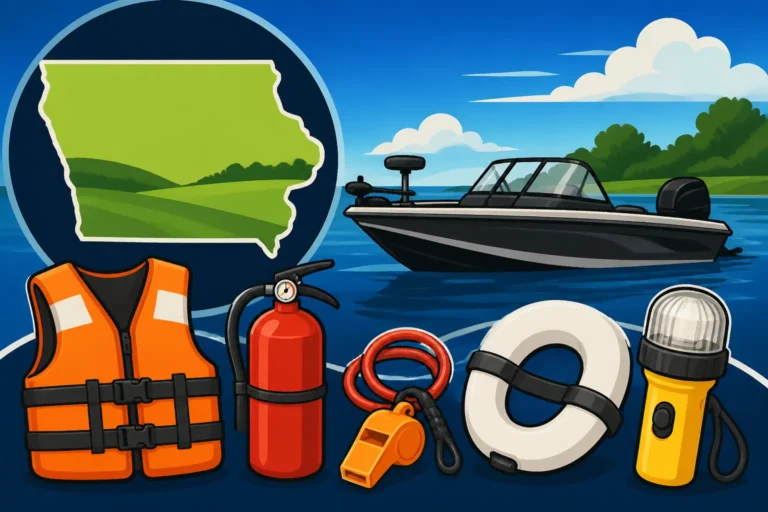
- Safety Gear: Beyond the mandatory life vests, ensure your boat is equipped with all required safety gear: throwable flotation device, horn or whistle, navigation lights (if fishing at dawn/dusk or at night), and a fire extinguisher.
Shore Fishing Specific Gear and Techniques
Bank fishing for catfish on Iowa rivers is accessible, rewarding, and often a great way to enjoy a day outdoors without the complexities of a boat. While some gear overlaps, there are specific items and techniques that cater to shore-bound anglers.
- Longer Rods: Since you can't position yourself directly over a spot, longer rods (8-10 feet) are particularly advantageous for shore fishing. They provide extra casting distance to reach deeper channels or opposite banks, and help keep your line above shoreline vegetation.
- Rod Holders (Bank Sticks/Spikes): Instead of boat-mounted holders, bank anglers use sturdy rod holders that can be firmly pushed or driven into the ground. These keep your rod tips elevated and prevent them from being pulled into the water by a powerful strike.
- Backpack/Tackle Bag: A comfortable backpack or tackle bag designed for fishing is excellent for carrying your gear, bait, snacks, and water when you're hiking to different access points.
- Rolling Cooler: A small cooler on wheels can make transporting your harvested fish or a larger supply of bait much easier from the car to your fishing spot.
- Waders: Depending on the bank access, a good pair of waders might allow you to step out into shallower water, extending your casting range or getting around minor obstacles. Always exercise extreme caution when wading in river currents.
- Targeting Access Points: From shore, focus on publicly accessible areas like parks, boat ramps, bridges (check local regulations for fishing from bridges), or marked public access points. Look for natural current breaks, deep pockets near drop-offs, or any visible cover from your vantage point. You can often find great spots at Shore Fishing Access Near Des Moines or other urban areas.
Rod Holders and Anchoring Systems for River Fishing
Whether from boat or bank, these systems help you fish multiple rods efficiently and effectively.
For Boat Anglers: The type of rod holder you choose should match your boat's construction and your fishing style. Clamp-on holders are versatile for many small boats, while permanent flush-mount or rail-mount holders offer maximum security for larger vessels. Look for holders with adjustable angles, so you can point your rod tips towards the sky to keep more line out of the water or angle them down during fierce bites. Consider models designed for heavy-duty catfishing, as lighter holders can snap under the strain of a big fish.
For Bank Anglers: Bank stick rod holders, typically made of metal, simply push into the ground. Some have a single spike, while others have a wider base for more stability. Ensure they are strong enough to withstand the pull of a large catfish. Many experienced bank anglers use multiple rod holders spaced along the bank to cover more water or present different baits simultaneously. Some even use alarm systems that clip onto the rod to alert them of a bite, which is especially useful when night fishing.
Anchoring for Boats: As mentioned, a well-planned anchoring strategy is critical. A single anchor might work in light currents, but a dual-anchor system provides unmatched stability and precision. You can also use a "drift sock" or "drift anchor" in slower current to slow your boat's drift, which can be effective for covering a wider area while still presenting bait naturally.
By understanding the unique demands of boat versus bank fishing and equipping yourself accordingly, you can significantly enhance your chances of success on Iowa's challenging yet rewarding rivers.
Maintaining Your Catfish Gear
Your catfish gear is an investment, and like any good investment, it needs care and maintenance to ensure it performs reliably trip after trip. The harsh environments of Iowa's rivers – mud, sand, water, and big, powerful fish – can take a toll on your equipment. Proper maintenance not only extends the life of your gear but also prevents frustrating failures when you're battling a trophy.
Rod and Reel Care After River Use
After every river catfishing trip, especially if you've been in muddy or sandy conditions, it's crucial to give your rod and reel some attention.
- Rods: Wipe down your rod blanks with a damp cloth to remove any dirt, mud, or slime. Pay special attention to the rod guides and reel seat. Use a cotton swab or soft brush to clean any grit out of the guides. Inspect the guides for any cracks or damage, as a damaged guide can fray or cut your line. Check the reel seat for corrosion and ensure it's clean and tight. Store rods properly, either in a rod rack or a rod bag, to prevent damage.
- Reels: This is where meticulous care is most important. Gently rinse your reels with freshwater without spraying directly into any openings. A light spray or wipe with a damp cloth is usually sufficient to remove river water and debris. Never submerge your reels. Let them air dry completely before storing. Once dry, apply a very light coat of reel oil to any exposed metal parts (like the handle shaft or line roller on spinning reels) and reel grease to the gears if you're doing a deeper cleaning. Check your drag system for smoothness and ensure there's no grit under the drag knob. For baitcasting reels, check the level wind mechanism. Periodically, (perhaps once or twice a season depending on use), a more thorough cleaning and lubrication by a professional or experienced angler can extend the reel's life significantly.
Proper care prevents corrosion, keeps moving parts smooth, and ensures your drag system is ready for that next big run.
Tackle Box Organization and Inventory
A well-organized tackle box or bag isn't just about being neat; it's about being efficient on the water and knowing what you have (and what you need to replenish).
- Sort and Separate: After each trip, take the time to sort your terminal tackle. Separate hooks by size and style, sinkers by weight, and swivels by type. Utility boxes with adjustable dividers, readily available at Bass Pro Shops or on Amazon, are perfect for this. This prevents hooks from rusting together, lines from tangling, and makes finding the right piece of tackle quick and easy.
- Clean and Dry: Ensure all terminal tackle is dry before putting it away. A single wet hook can rust and contaminate an entire compartment, leading to rusty hooks and corroded weights. If you've used any prepared baits, ensure their containers are sealed tightly and stored separately to prevent odors from permeating other gear.
- Inventory Check: As you organize, take stock of what you've used. Are you running low on your favorite circle hooks? Do you need more 3 oz pyramid sinkers? Make a list so you can restock before your next outing. This proactive approach ensures you're never caught unprepared on the water.
- Discard Damaged Items: Any hooks that are bent, dull beyond sharpening, or severely rusted should be discarded. Similarly, any swivels that feel stiff or corroded should be replaced. Don't risk a trophy fish on faulty tackle.
Seasonal Gear Checks and Storage
Beyond post-trip maintenance, performing a thorough seasonal check of all your gear will ensure everything is in top condition for the upcoming fishing season or stored correctly for the off-season.
- Pre-Season Check: Before the start of prime catfishing season, pull out all your gear. Give your rods a thorough inspection, checking every guide for cracks or loose inserts. Test the reel seats. Inspect your reels, ensure they spin freely, and the drag is smooth. Re-spool your reels with fresh line – line can weaken over time due to UV exposure, abrasion, and just sitting on the spool. Check all your tackle boxes, replenish any missing items, and ensure all containers are clean and dry.
- Off-Season Storage: When the catfishing season winds down, proper storage is crucial.
- Rods: Store rods upright or horizontally on a rack, away from direct sunlight and extreme temperatures.
- Reels: Loosen the drag completely to prevent compression of the drag washers. Store reels in a padded case or reel cover to protect them from dust and dings.
- Tackle: Store tackle boxes in a cool, dry place. Consider adding desiccant packs to larger boxes to absorb any moisture.
- Live Bait Containers: Thoroughly clean and dry all bait buckets and aerators before storing to prevent mildew and odors.
- Boat: If you have a boat, ensure it's winterized according to manufacturer recommendations if applicable to your climate.
By making gear maintenance a regular part of your fishing routine, you're not only protecting your investment but also ensuring that when that monster Iowa river catfish finally bites, your gear will be ready to meet the challenge.
Disclaimer
This article is for general informational purposes only and does not constitute professional advice. Laws, prices and regulations vary by location and change over time. Consult a qualified professional for guidance on your specific situation.