Best Tackle for Bank Fishing on Iowa Rivers
Standing on the bank of a bustling Iowa river, rod in hand, can be one of life's simplest pleasures. But let's be real, it can also be incredibly frustrating when your gear isn't quite right for the unique challenges these flowing waters present. Between the currents trying to rip your bait away, hidden snags eager to claim your tackle, and the diverse range of fish lurking beneath, standard lake setups just won't cut it. This guide is all about helping you understand and choose the best tackle specifically for bank fishing on Iowa rivers, ensuring you spend less time re-tying and more time reeling in that next catch.
Understanding the Unique Challenges of River Bank Fishing
Bank fishing on a river isn't like casting into a calm pond or a sprawling lake. Rivers are dynamic environments with constant movement and hidden dangers that demand specific tackle choices. Ignoring these factors can lead to a lot of lost gear, frustration, and ultimately, fewer fish. Let's dive into what makes river bank fishing its own beast.
Dealing with Current and Snags
The most obvious difference when fishing a river is the current. It's always there, pulling at your line, making your bait drift, and demanding more from your weights and rigs. A light sinker that works fine in a lake will simply be swept downstream in a river, dragging your bait away from the strike zone. You need tackle that can stand up to this constant force, holding your bait in place or allowing for a controlled drift. Think heavier weights, more robust line, and rigs designed to minimize drag.
Beyond the current, rivers are notorious for snags. Fallen trees, submerged branches, rocks, old tires – you name it, a river probably has it. These hidden obstacles are tackle magnets, and if your line or hooks aren't strong enough, you'll be re-tying constantly. This is where the choice of line material, hook strength, and even how you rig your bait becomes critical. Losing a rig every few casts isn't just annoying; it's expensive. A lot of anglers shy away from rivers for this very reason, but with the right approach, you can significantly reduce tackle loss.
Variable Depths and Structure
Iowa rivers aren't uniform. You might have a shallow riffle upstream, a deep hole around a bend, or a slow-moving backwater pocket, all within a short stretch of bank access. The depth can change dramatically, sometimes within just a few feet from shore. This means your tackle needs to be adaptable. A rig perfect for a deep scour hole might be completely ineffective, or even get snagged immediately, in a shallow, rocky section. Understanding these variations and having a versatile tackle box is key.
Furthermore, river structure is often complex and concealed. You have current seams where fast and slow water meet, eddies behind obstacles, and drop-offs along the bank. Fish often relate directly to these structures for shelter, ambush points, and feeding lanes. Your tackle, from the type of lure to the way you present your bait, needs to allow you to effectively target these areas. Whether it's a jigging presentation near a submerged log or a bottom rig in a deep channel, having the right tools for the job makes all the difference. It's not just about getting your bait in the water, but getting it to the fish effectively.
Species Diversity
Iowa rivers are home to an incredible variety of fish. You could be targeting a hefty channel catfish one minute, then a feisty smallmouth bass, or even a sleek walleye, all from the same stretch of riverbank. This diversity is fantastic for anglers, but it means your tackle choices can't be one-size-fits-all. A light panfish rig isn't going to cut it for a hard-fighting catfish, and a heavy catfish setup might be too clunky to entice a wary smallmouth.
You need a tackle strategy that allows you to pursue different species, often interchangeably. This might mean having a couple of different rod setups, or at least a versatile main setup with interchangeable terminal tackle. For instance, if you're primarily after Channel Catfish Fishing in Iowa, you'll lean towards heavier gear, but if you're hoping for Walleye Fishing in Iowa in a different spot, you might need a more finesse approach. The best bank anglers on Iowa rivers are prepared for whatever swims their way, and their tackle boxes reflect that readiness.
Essential Rods and Reels for River Bank Anglers
When you're planted on the bank of an Iowa river, you need gear that can handle the grit and grind. Your rod and reel aren't just tools; they're your primary connection to the underwater world, and they need to be robust, reliable, and appropriate for the conditions.
Versatile Spinning Combos
For many bank anglers on Iowa rivers, a medium to medium-heavy spinning rod and reel combo is the true workhorse. Why spinning? They excel at casting lighter baits and lures, which is often crucial when fishing from shore where you might need to cover a lot of water or make precise casts into eddies or around structure. The open-face design also makes them less prone to backlashing, a common frustration for beginners with baitcasting reels, especially when dealing with wind or current.
A good length for a versatile river bank spinning rod is typically between 6 feet 6 inches and 7 feet 6 inches. This length provides enough leverage for casting longer distances from the bank, helping you reach those deeper channels or opposite current seams that might hold fish. It also offers enough backbone to handle a decent-sized fish in current, while still maintaining sensitivity for detecting subtle bites. Pair this with a 2500-4000 series spinning reel spooled with 10-20 lb test line, and you've got a fantastic all-around setup. This kind of combo allows you to throw a wide variety of baits, from jigs and spinners for bass and walleye to medium-sized cut bait for smaller catfish. Many anglers find quality, durable spinning combos at retailers like Bass Pro Shops that stand up to tough river conditions.
Heavy-Duty Setup for Catfish and Larger Species
While a versatile spinning combo is great, sometimes you just need more muscle. If your primary target is a big flathead catfish, or you're specifically targeting larger river walleye and northern pike, a dedicated heavy-duty setup is indispensable. These powerful fish, especially when fighting in strong river currents, will quickly overpower lighter gear, leading to broken lines and missed opportunities.
For a heavy-duty river setup, consider a medium-heavy to heavy power spinning or baitcasting rod, typically 7 to 9 feet long. The extra length aids in casting heavier weights and baits, and provides additional leverage for fighting larger fish. When looking for Best Rod for Catfish Fishing, you'll want something with a strong backbone and a more moderate action to absorb the powerful runs of a big cat. Pair this with a robust spinning reel in the 4000-6000 series, or a stout baitcasting reel capable of holding a lot of heavy line. Spool this setup with 20-40 lb test line, and you'll be ready for serious river battles. This kind of gear is built to withstand the brute force of powerful river dwellers and the constant abuse of fishing in snag-filled environments. Don't skimp on this setup if trophy fish are your goal; it's an investment that pays off when that monster bites.
Line Choices That Hold Up to River Conditions
Your fishing line is the literal link between you and the fish, and nowhere is its strength, durability, and performance more critical than on a river. The relentless current, abrasive structure, and powerful fish demand specific characteristics from your line.
Monofilament vs. Braided Line for Rivers
This is a classic debate, and both monofilament and braided lines have their place in river bank fishing. Monofilament line, often simply called "mono," is a single strand of nylon. It's generally less expensive, has a good amount of stretch (which can be a pro or a con), and is relatively easy to tie knots with. The stretch in mono can be beneficial when a fish makes a sudden run, acting as a shock absorber and preventing hooks from pulling out. However, its abrasion resistance isn't as high as braided, and in strong currents, its thicker diameter can create more drag, making it harder to keep your bait on the bottom.
Braided line, on the other hand, is made of multiple strands woven together, giving it incredible strength for its diameter and virtually no stretch. This no-stretch property provides superior sensitivity, allowing you to feel every bump, rock, and subtle bite, even in current or at long distances. Its thin diameter also cuts through current better, helping your weights sink faster and stay put. However, braided line is more expensive, can be trickier to tie certain knots, and its lack of stretch offers no forgiveness during sudden strikes or heavy headshakes. It's also highly visible in clear water. Many anglers will spool their main reel with braided line for its strength and sensitivity, then add a fluorocarbon leader (which we'll discuss next) for stealth and abrasion resistance. When considering Best Pound Test Line for Catfish Fishing on Iowa Rivers, braided line in the 30-50 lb range is often a top choice for its sheer power.
Leader Materials for Abrasion Resistance
Given the snag-filled nature of Iowa rivers, a leader is often a non-negotiable part of your river fishing setup. Even if you're using braided line on your main spool, adding a leader of a different material can significantly improve your success and reduce line breaks. The two main leader materials are fluorocarbon and heavy monofilament.
Fluorocarbon is nearly invisible underwater, which is a huge advantage in clear river sections, especially for wary fish like walleye or smallmouth bass. It also offers excellent abrasion resistance, much better than standard monofilament, which is crucial when your line is rubbing against rocks, logs, or mussel beds. However, it's less supple than mono and can be a bit stiffer. Heavy monofilament, often in 20-50 lb test, is another great option for leaders, particularly when targeting catfish. While not as invisible as fluorocarbon, its thickness provides incredible abrasion resistance against rough structure and the sandpaper-like mouths of big cats. It's also more affordable. Attaching a leader to your main line typically involves a strong knot like a uni-to-uni or an Albright knot. The length of your leader can vary, but usually, 18-36 inches is a good starting point to provide that critical buffer between your main line and the rough river bottom.
Sinkers and Floats: Mastering Weight and Presentation
Controlling the depth and drift of your bait is paramount in river fishing. Without the right sinkers and floats, your bait is either swept away by the current or completely missed by passing fish. These unassuming pieces of terminal tackle are actually central to your success.
Selecting the Right Sinker Weight and Style
Rivers demand weight, and often, more weight than you'd use in still water. The amount of weight you need depends entirely on the current speed and depth. A good rule of thumb is to use the lightest sinker possible that still allows your bait to reach and hold the bottom in the desired location. Too light, and you drift; too heavy, and you lose sensitivity and get snagged more often.
There are several styles of sinkers, each with its advantages. Pyramid sinkers are great for holding bottom in strong currents because their shape digs into the substrate. Bell sinkers, or dipsey sinkers, are also popular and work well for still-fishing in moderate currents. Egg sinkers are often used in slip-sinker rigs, allowing the line to run freely through them, which is excellent for catfish that like to mouth the bait before committing. Split shot sinkers are smaller, crimp-on weights perfect for light finesse rigs or adding just a touch of extra weight to a bobber setup. Having a variety of weights, from 1/4 ounce up to 2-3 ounces or even more for truly heavy current, is crucial for bank fishing on diverse Iowa rivers. You can easily find an extensive range of sinker weights and styles at online retailers like Amazon, making it simple to stock your tackle box for any river condition.
Here's a quick guide to common sinker types for river fishing:
| Sinker Type | Best Use Cases | Ideal River Conditions | Pros | Cons |
|---|---|---|---|---|
| Pyramid | Holding bottom in strong currents, still-fishing. | Strong current, sandy/muddy bottom | Digs in well, resists rolling | Can snag on rocky bottoms |
| Bell (Dipsey) | General purpose, still-fishing, moderate current. | Moderate to strong current, varied bottom | Good all-rounder, readily available | Can roll in very strong current |
| Egg | Slip-sinker rigs for catfish, finesse bottom fishing. | Moderate current, patient bites | Line slides through, less fish resistance | Rolls easily in strong current |
| Bank | General bottom fishing, light current. | Light to moderate current, varied bottom | Simple, effective for many situations | Less aerodynamic for casting |
| Bullet (Worm) | Texas rigging soft plastics for bass. | Lighter current, weed beds | Snag-resistant, good for cover | Not ideal for heavy current |
| Split Shot | Adding light weight to bobber rigs, balancing lures. | Light current, shallow water | Adjustable, discreet | Limited weight, can damage line |
Bobber Fishing for River Panfish and Smaller Species
While sinkers dominate heavy current fishing, floats (or bobbers) still have a vital role, especially when targeting panfish, crappie, or even smaller bass and walleye in slower moving sections of Iowa rivers. Bobbers allow you to present your bait at a specific depth above the bottom, keeping it out of snags and in the strike zone of suspended fish. They also provide a clear visual indicator of a bite.
In rivers, slip bobbers are often more versatile than fixed bobbers. A slip bobber allows your line to slide freely through it, stopped by a small bobber stop knot at your desired depth. This means you can cast further without having a long leader dangling, and then the bait will sink to the set depth once it hits the water. This is particularly effective in areas with current breaks, eddies, or slower pools where fish might be holding just off the main flow. When fishing for Crappie Fishing in Iowa or bluegill from the bank, a small slip bobber rig with a light jig or a piece of bait can be incredibly effective. Just make sure your bobber is large enough to support the weight of your bait and any small split shot you add, but not so large that it creates excessive drag in the current.
Hooks and Baits: Matching the Hatch and the Bite
Having the right rod, reel, and line is essential, but it's the hooks and baits that ultimately connect you with the fish. Choosing these elements wisely for river conditions is where many bank anglers either succeed or struggle.
All-Purpose Hook Styles and Sizes
When fishing Iowa rivers from the bank, you'll want a selection of hooks that can handle various baits and fish species. Generally, you'll need hooks that are strong enough to withstand the pull of a river fish and resist bending, especially when trying to dislodge them from snags.
For bait fishing, particularly for channel catfish, a popular choice is the circle hook. Circle hooks are designed to hook fish in the corner of the mouth, which is healthier for the fish if you plan to release it, and also reduces the chance of gut hooking. Sizes typically range from 1/0 to 5/0, depending on the size of your bait and target fish. For species like crappie or bluegill, smaller Aberdeen or snelled hooks (size 6-10) are ideal for presenting worms or small minnows. These hooks are often lighter wire, allowing the bait to move more naturally. When specifically looking at Best Hook Size for Channel Catfish, a 3/0 to 5/0 circle hook or a strong J-hook will serve you well. Always carry a variety; you never know what the fish will be biting or what size bait you'll need to use.
Live and Prepared Baits for River Success
Rivers offer a smorgasbord of natural food sources, and imitating these or offering universally appealing prepared baits is a surefire way to get bites. Live bait is often king on rivers. Worms, such as nightcrawlers and red wigglers, are always a reliable choice for nearly any river species, from panfish to catfish. Minnows are excellent for attracting predatory fish like walleye, crappie, and even larger bass. Always check Iowa Fishing Regulations Explained for rules on using and transporting live bait. Cut bait, typically made from oily fish like shad, skipjack, or even rough fish like carp, is incredibly effective for catfish due to its strong scent trail.
Prepared baits, especially stink baits, punch baits, or dough baits, are also extremely popular and effective for channel catfish. These baits are designed to leach scent into the current, drawing fish from a distance. The choice often comes down to personal preference and what the fish are biting on a given day. How to Catch Catfish From the Bank often involves using a variety of baits until you find what's working best. Remember, presentation matters: ensure your bait is rigged in a way that looks natural in the current, whether it's slowly drifting or sitting firmly on the bottom.
Artificial Lures for Active River Fish
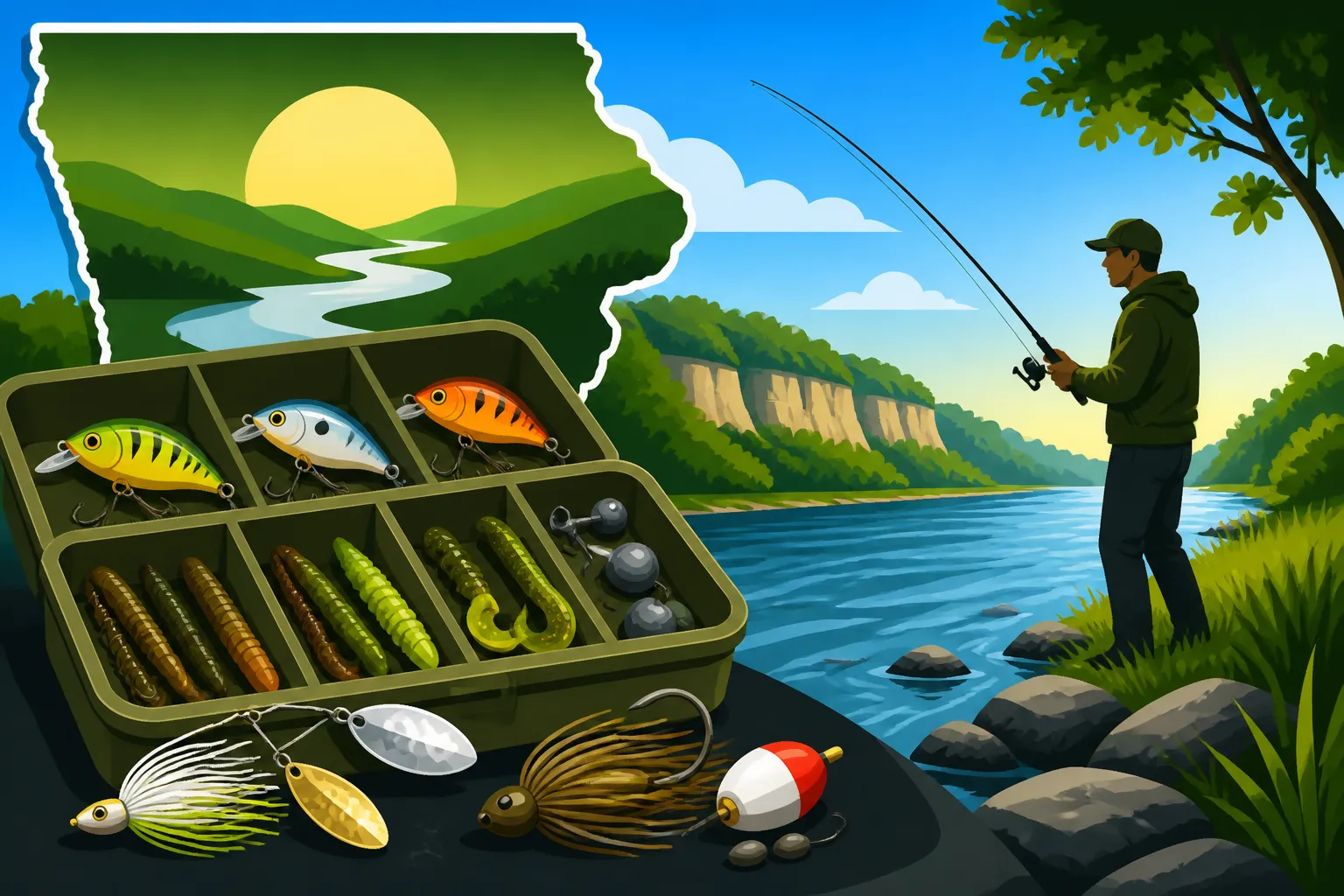
While bait fishing is highly effective, artificial lures can be incredibly exciting and productive for actively feeding river fish. They allow you to cover more water, probe different depths, and target specific predatory species. Jigs are arguably one of the most versatile lures for river bank fishing. From small 1/16 oz jigs tipped with a grub for crappie to 1/2 oz or heavier jigs with soft plastic trailers for walleye and bass, they can be cast, bounced along the bottom, or swum through the current. Jig colors often depend on water clarity and light conditions, but chartreuse, white, black, and natural greens/browns are good starting points.
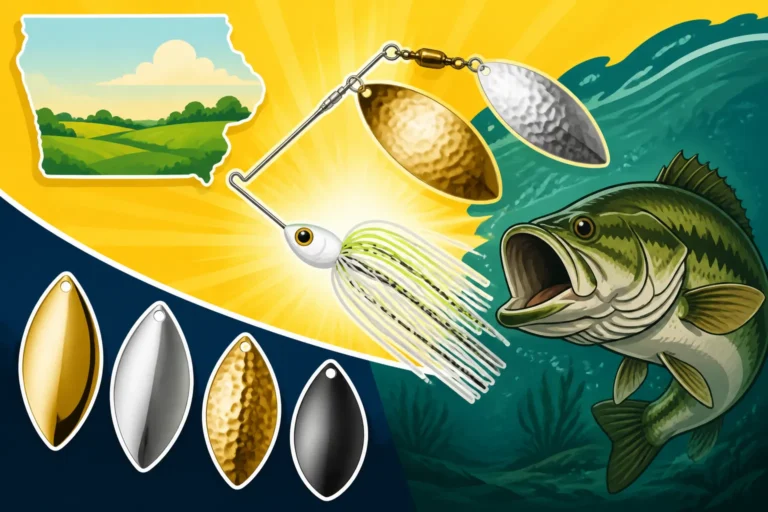
Crankbaits are fantastic for covering water and eliciting aggressive strikes from bass and walleye. Choose shallow-diving models for shallower areas or faster retrieves, and deeper-diving ones for targeting deeper channels or drop-offs. Spinnerbaits and chatterbaits are excellent for fishing around submerged cover like logs and weeds, as their wire frames are relatively snag-resistant. They create flash and vibration that can attract fish even in murky water. For bass, learning How to Fish a Spinnerbait for Bass can greatly increase your success. Always have a variety of lures in different sizes, colors, and diving depths to adapt to the ever-changing conditions of Iowa's rivers.
Essential Accessories for the River Bank Angler
Beyond the primary fishing tackle, a few key accessories can significantly enhance your river bank fishing experience, making it safer, more comfortable, and more productive. Don't underestimate the importance of these often-overlooked items.
The Importance of a Good Tackle Bag and Holders
When you're bank fishing, you're often moving along the shoreline, scouting new spots, or needing to quickly change your setup. A cumbersome tackle box can be a real pain. That's where a well-designed tackle bag or backpack comes in handy. Look for one that's comfortable to carry, durable enough to handle rough terrain, and offers good organization for your diverse river tackle. Multiple compartments, utility boxes, and external pockets are ideal for keeping sinkers, hooks, lures, and tools neatly separated and easily accessible. A waterproof or water-resistant material is a huge plus, as river banks can often be damp or muddy.
Rod holders are another essential, especially if you plan to still-fish for catfish or leave a rod unattended while you rig another. Simple spike-style rod holders that push into the bank allow you to set your rod down securely, keeping your reel out of the dirt and preventing your rod from being pulled into the water by a hard-striking fish. Some anglers even bring a small, foldable chair or bucket to sit on, making long waits more comfortable. These small comforts and organizational tools, easily found at sporting goods stores or through online retailers, dramatically improve the bank fishing experience.
Landing Nets, Pliers, and Other Must-Haves
Successfully hooking a fish is only half the battle, especially on a river where strong currents can make landing a fish tricky. A reliable landing net is crucial, particularly for larger species like catfish or walleye. Look for a net with a long handle to help you reach fish from the bank, and a rubberized or knotless mesh to protect the fish's slime coat if you plan on releasing it. A good set of fishing pliers is also indispensable. You'll need them for cutting line, crimping split shot, and most importantly, safely removing hooks from fish. Long-nose pliers are often best for reaching deep-set hooks.
Other must-have items include a sharp fillet knife (if you plan to keep your catch), a small first-aid kit for minor cuts or hook punctures, insect repellent, sunscreen, and plenty of water. A headlamp or flashlight is also critical if you plan on night fishing, which is often prime time for catfish. Always dress in layers, as river conditions can change quickly, and wear sturdy, waterproof footwear. These aren't just conveniences; they're essential for a safe, enjoyable, and productive day on the river. Remember to always be aware of your surroundings and adhere to Iowa Fishing Regulations Explained.
Disclaimer
This article is for general informational purposes only and does not constitute professional advice. Laws, prices and regulations vary by location and change over time. Consult a qualified professional for guidance on your specific situation.