How to Catch Bass in Iowa
Trying to figure out how to consistently catch bass in Iowa can feel like chasing a ghost sometimes, especially when you hear about someone else's incredible day on the water while you're struggling to get a bite. Between navigating the different species, understanding their seasonal movements, and picking the right gear for diverse Iowa waters, it’s easy to get overwhelmed. This guide is here to break down everything you need to know, from the types of bass you'll encounter to advanced techniques for putting more fish in your boat or on the bank.
Understanding Iowa's Bass Species and Their Habits
Iowa is home to two main bass species that anglers love to target: largemouth and smallmouth. While they both share the "bass" moniker, they have distinct preferences for habitat, diet, and behavior that are crucial to understand if you want to be successful. Getting to know these differences will help you select the right fishing spots and techniques.
Largemouth Bass: The Greenbacks of Iowa Ponds and Lakes
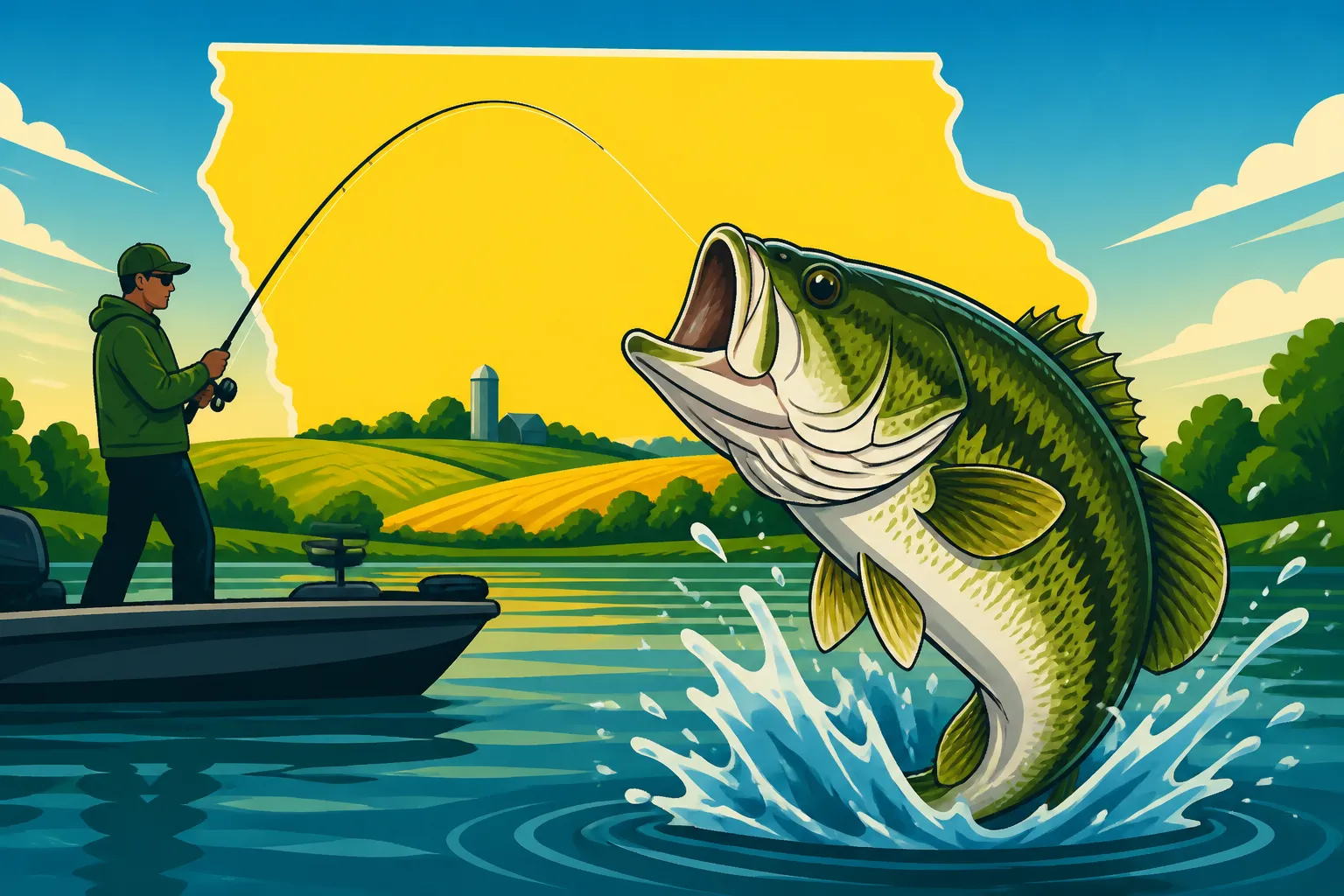
The largemouth bass, often called "bucketmouths" or "greenbacks," are perhaps the most popular sportfish in Iowa. They're recognized by their dark green bodies with a prominent lateral line and a jaw that extends beyond their eye when closed. These opportunistic predators are primarily visual feeders, meaning they rely heavily on their eyesight to hunt for prey.
You'll typically find largemouth bass in warmer, shallower waters with abundant vegetation, submerged timber, and other forms of cover. Think lily pads, weed lines, sunken logs, dock pilings, and brush piles. These areas provide excellent ambush points for them to surprise unsuspecting baitfish, frogs, or even small ducks. In Iowa, many of our public and private lakes, reservoirs, and farm ponds are prime Largemouth Bass Fishing in Iowa habitat. They thrive in places like Lake Macbride, Big Creek Lake, and the numerous small impoundments scattered across the state, often reaching impressive sizes if the forage base is good.
Smallmouth Bass: River Fighters and Clear Water Dwellers
Smallmouth bass, on the other hand, are a different beast entirely. Known for their bronze-brown coloration and vertical bars, they have a smaller mouth that doesn't extend beyond their eye. These hard-fighting fish are often revered for their aggressive strikes and powerful runs, making them a favorite among river anglers.
Unlike their largemouth cousins, smallmouth bass prefer cooler, clearer, rocky waters with good current. They thrive in rivers and streams, where they'll hide behind current breaks, boulders, logjams, and riffles, waiting for crayfish, minnows, and aquatic insects to drift by. The upper Mississippi River, the Cedar River, and many of Iowa's smaller, rockier streams offer fantastic Smallmouth Bass Fishing in Iowa opportunities. They are also present in some of the larger, deeper natural lakes, particularly in the Iowa Great Lakes region where rocky shorelines and clear water provide ideal conditions. Understanding the current and structure in these riverine environments is key to consistently finding these elusive fighters.
Key Seasons and Their Impact on Bass Behavior
Just like us, bass change their habits throughout the year, largely influenced by water temperature and their biological drive to spawn and feed. Tailoring your approach to the season is paramount for success, as a technique that slays in spring might yield nothing in summer.
Spring: Pre-Spawn and Spawn Frenzy
Spring in Iowa is arguably the most exciting time to target bass. As the ice melts and water temperatures begin to climb, bass start to shake off their winter sluggishness and move into shallower waters. The period before they spawn, known as the pre-spawn, is when bass are most aggressively feeding to build up energy for reproduction. This typically occurs when water temperatures are between 50 and 60 degrees Fahrenheit.
During pre-spawn, you'll find bass staging in transition areas – places where deeper channels meet shallower flats, or near points and humps. They're looking for easy meals and are less finicky about presentation. This is an excellent time to use moving baits like crankbaits, spinnerbaits, and chatterbaits to cover water and locate active fish. As temperatures rise into the mid-60s, the Bass Season and Size Limits open up and bass begin to move onto their beds to spawn. Largemouth will seek out protected, shallow pockets, often near docks or submerged brush, while smallmouth prefer gravelly bottoms or rocky areas in clearer water. While fishing directly for bedding bass is a debated topic, targeting adjacent staging areas or post-spawn recuperation zones can still be highly effective. For more insights, check out this guide on Pre-Spawn Bass Patterns in Iowa.
Summer: Deep Water and Early Morning Bites
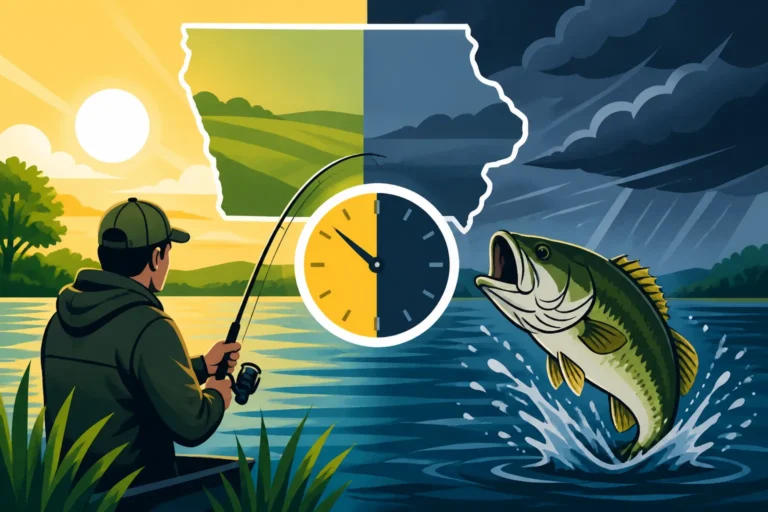
Once the spawn is over and water temperatures really heat up, bass behavior shifts dramatically. In the scorching Iowa summer, bass often retreat from the oppressive shallow heat to deeper, cooler waters, seeking refuge near thermoclines or dense cover. This can be a frustrating time for anglers who stick to spring tactics. The mid-day bite can be especially tough.
Your best bet for summer bass fishing is during the low-light hours of early morning, late evening, or even at night. During these times, bass will move shallower to feed. During the day, you'll need to focus on structure in deeper water – think submerged humps, ledges, brush piles in 15-25 feet of water, or the deep edges of weed beds. Slower, more precise presentations like Texas-rigged worms, shaky heads, jigs, or drop shots excel here. For largemouth in farm ponds or smaller lakes, punching through dense mats of vegetation with heavy jigs can also produce monster bites.
Fall: Feeding Fervor Before Winter
As summer gives way to fall, water temperatures start to drop, signaling another shift in bass behavior. This is often a "second spring" for bass fishing, as fish once again become highly active, feeding aggressively to fatten up for the long, lean winter months. This period, from late September through November, can offer some of the most consistent and exciting fishing of the year.
Bass will follow baitfish into shallower pockets and coves, often congregating in large schools. They'll also patrol main lake points and steeper banks. Many of the same tactics that worked in spring will be effective again, but often with a slight tweak. Crankbaits, jerkbaits, and spinnerbaits are excellent for covering water and finding these active schools. As the water cools further, bass may move to deeper ledges and humps, but they’ll still be feeding. Pay attention to changes in the weather; a warming trend after a cold snap can really turn the bite on. This time of year often allows for some truly memorable fishing trips before the lakes freeze over. You can find more detail on general seasonal patterns in our Iowa Fishing Seasons Explained guide.
Essential Gear for Iowa Bass Anglers
Having the right tools for the job makes all the difference, and bass fishing is no exception. You don't need to break the bank, but understanding what each piece of gear does and when to use it will significantly improve your catch rates.
Rods, Reels, and Line: Matching Your Presentation
The backbone of any bass fishing setup is your rod and reel combo, paired with the appropriate fishing line. The choices can seem endless, but it boils down to matching the gear to the technique you'll be using most often.
For most Iowa bass fishing scenarios, you'll want to have both a spinning rod setup and a baitcasting rod setup. Spinning gear is generally easier for beginners and excellent for lighter lures, finesse techniques, and casting into the wind. A good all-around spinning combo for bass would be a 6'6" to 7' medium-light to medium power rod with a fast action tip, paired with a 2500 or 3000 size spinning reel. Spool it with 8-10 pound monofilament or fluorocarbon, or 15-20 pound braided line with a fluorocarbon leader. This setup is perfect for small jigs, shaky heads, senkos, and light topwater baits. For heavier baits and more powerful fish, baitcasting gear offers more control and power. A 7' medium-heavy to heavy power baitcasting rod with a fast action, matched with a reel that has a good retrieve ratio (around 6.1:1 to 7.1:1), is ideal. For the line, 12-20 pound fluorocarbon or 30-50 pound braided line is standard. This setup shines when throwing spinnerbaits, crankbaits, jigs, and punching through heavy cover. Remember, matching your rod and reel to the presentation ensures optimal casting, sensitivity, and fish-fighting power.
Lures and Baits: What Bass Can't Resist
The sheer variety of bass lures available can be overwhelming, but a few staples will get you started and catching fish in Iowa. Building a versatile tackle box is crucial.
Soft Plastics: These are incredibly effective and come in countless shapes, sizes, and colors. Worms (like the popular Senko), creature baits, swimbaits, and flukes are all fantastic. Texas-rigging them is a common method for fishing in cover, while wacky rigging a Senko can be deadly in open water. Colors often depend on water clarity; natural greens and browns work well in clear water, while black, blue, or chartreuse might be better in murky conditions.
Crankbaits: These lipped lures dive to various depths and imitate baitfish. Shallow-diving crankbaits are great for covering flats and targeting active fish in spring and fall. Mid-to-deep diving crankbaits are essential for probing ledges and humps in deeper water during summer. Experiment with different sizes and colors to match the local forage.
Spinnerbaits and Chatterbaits: These are "reaction strike" lures, meaning they provoke a bite due to their flash and vibration rather than imitating a specific prey item perfectly. They're excellent for covering water quickly, especially around emergent vegetation, submerged timber, or in stained water. The flash of the blades and vibration often draws bass out of cover. For tips on choosing your initial arsenal, check out our guide on the Best Lures for a Starter Tackle Box.
Topwater Lures: Few things are as exciting as a bass blowing up on a topwater lure. Poppers, walk-the-dog baits (like Heddon Super Spook), and frog lures are fantastic, especially during low-light conditions or over heavy cover. Bass often key in on these during the summer months when they’re looking for an easy meal on the surface. You can learn more about these thrilling techniques in our Topwater Bass Fishing Tips article. You can find a wide array of these lures from various brands on Amazon, making it easy to stock up for your next trip.
Top Techniques for Different Iowa Waters
Iowa offers a diverse range of fishing environments, and successful bass anglers know how to adapt their techniques to each unique setting. What works wonders on a large reservoir might fall flat on a small farm pond, and vice versa.
Fishing Iowa Lakes and Reservoirs for Largemouth
When you're out on larger Iowa lakes and reservoirs like Rathbun Lake, Saylorville Reservoir, or Coralville Reservoir, you're primarily targeting largemouth bass. These bigger bodies of water offer a vast array of structure and cover, and finding the fish often involves covering a lot of ground.
Start by focusing on primary points, which are land features extending into the main lake or reservoir. These act as highways for bass moving from deeper water to shallower feeding areas. Use crankbaits or spinnerbaits to cover these points quickly. Next, target the edges of weed lines and submerged vegetation. Bass love to ambush prey from these hidden spots. Pitching jigs or Texas-rigged worms into holes in the weeds or along the edges can be very productive. Don't overlook boat docks, especially those with brush piles or submerged structure underneath; these can be bass magnets. During summer, when bass go deep, use your fish finder to locate humps, ledges, and creek channels, then present drop-shot rigs, deep-diving crankbaits, or heavy jigs precisely to those depths. Learning to read your electronics is crucial for deeper water success.
River Fishing Strategies for Smallmouth Bass
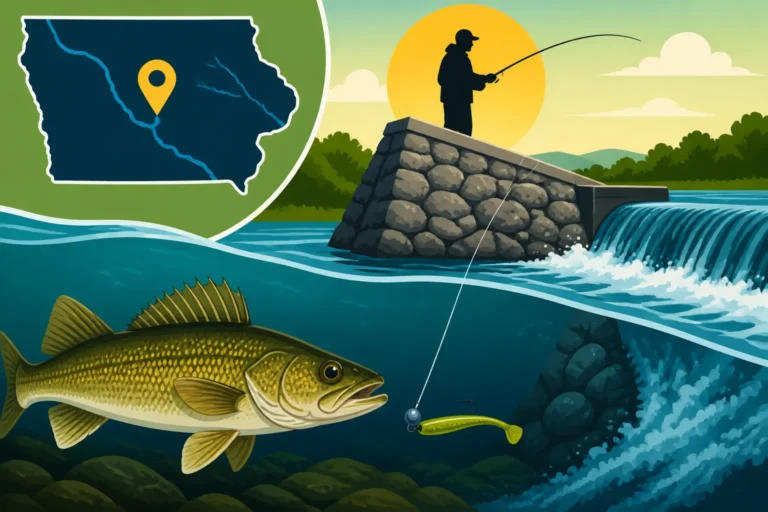
River fishing for smallmouth in Iowa, such as on the Des Moines River or the Iowa River, is a completely different ballgame. Here, current is king, and smallmouth bass are experts at using it to their advantage. They will position themselves behind anything that breaks the current, creating a calm "eddy" where they can rest and ambush prey with minimal effort.
Look for current seams, which are the lines where fast-moving water meets slower water. These are often found behind large boulders, fallen trees, bridge pilings, or even subtle changes in the river bottom. Casting small crankbaits, tube jigs, or soft plastic swimbaits upstream and allowing them to drift naturally with the current into these ambush points is a highly effective strategy. Smallmouth also love rocky bottoms, riffles, and gravel beds, especially during the spawn. If you're wading, pay attention to subtle depth changes and submerged rock piles. For a natural presentation, consider using a lighter spinning setup spooled with fluorocarbon line to minimize visibility. The key is to present your lure in a way that looks like an easy meal being carried by the current.
Farm Pond Tactics for Consistent Bass Action
Iowa is dotted with countless farm ponds, and these often overlooked gems can provide some of the most consistent and exciting bass fishing, especially for largemouth. They’re fantastic for beginners or experienced anglers looking for a quick fix.
The beauty of farm ponds is their simplicity. Most ponds have predictable bass holding areas: dam walls, spillways, areas with submerged timber or brush, and any significant weed growth. In spring and fall, bass will often be cruising the shallower edges of the entire pond, making them susceptible to spinnerbaits, shallow crankbaits, and even topwater lures. During summer, the bass will retreat to the deepest parts of the pond or into the densest cover available, such as thick lily pads or fallen trees. Pitching jigs, Texas-rigged worms, or weedless frogs into these heavy cover areas can yield big bites. One of the best tactics for farm ponds is simply walking the banks, casting to every piece of visible cover, and thoroughly working each area before moving on. Don't be afraid to experiment with different retrieves and lure colors; sometimes a subtle change can make all the difference. Many of the Best Farm Ponds for Bass Fishing are privately owned, so always ask permission before fishing.
Reading the Water: Locating Bass Structure and Cover
Understanding where bass live is half the battle. Bass are highly structure-oriented fish, meaning they relate to specific features in their environment that provide food, cover, or ideal water conditions. Learning to "read the water" is a skill that takes time, but it's invaluable for consistently finding fish.
Understanding Depths, Drop-offs, and Weed Lines
Bass don't just swim around aimlessly; they hang out in places that offer them an advantage. When you're on a new body of water, start by observing the topography. Depths and drop-offs are crucial. A drop-off is a sudden change in depth, often from a shallow flat to a deeper channel. These are prime feeding zones because bass can hold in the deeper, cooler water and quickly move up to ambush prey moving along the shallower edge. Use your fish finder to locate these transitions, or if fishing from shore, look for areas where the bank steepens quickly.
Weed lines, whether emergent (like lily pads) or submerged (like hydrilla or milfoil), are absolute magnets for bass. They provide cover from predators, shade from the sun, and a buffet of baitfish and insects. The key is to fish the edges of these weed lines, or even to find "holes" or "pockets" within them. Bass will often patrol these perimeters. Pitching a jig or a Texas-rigged soft plastic into these ambush points is a classic and effective method. Pay attention to the type of weeds, too; some, like coontail or milfoil, are softer and easier for bass to hide in, while denser, harder weeds might require more specialized punching tactics.
Current Breaks, Rock Piles, and Submerged Timber
In river systems and even windy lakes, current breaks are critical. A current break is anything that disrupts the flow of water, creating an area of slower current or slack water. This could be a large boulder, a fallen tree, a bridge support, or even a subtle indentation in the riverbank. Bass conserve energy by resting in these calmer zones, darting out into the current to snatch passing food. When you're fishing a river, always cast to the downstream side of these current breaks.
Rock piles, whether natural or man-made, are also fantastic bass habitat, especially for smallmouth bass. Rocks attract crawfish and minnows, which are primary food sources for bass. Look for areas with scattered rock or riprap along shorelines, points, or humps. Jigs, shaky heads, and crankbaits that mimic crawfish are highly effective here. Submerged timber – fallen trees, brush piles, old stumps – provides both cover and ambush points. Fishing these areas requires a bit more finesse to avoid snags, but the reward can be big fish. Use weedless presentations like Texas-rigged worms or weedless jigs. If you're on a boat, a good fish finder can help you locate these hidden treasures, giving you a significant advantage. This type of detailed understanding of underwater topography will elevate your fishing game, helping you find those elusive trophy bass.
Advanced Tips and Troubleshooting Common Challenges
Even the most experienced anglers face tough days on the water. Bass can be finicky, and conditions can change rapidly. Knowing how to adapt and troubleshoot common issues is what separates a good angler from a great one.
Adjusting to Weather Changes and Water Conditions
Iowa's weather can be notoriously unpredictable, and these changes directly impact bass behavior. A sudden cold front, for instance, can shut down a hot bite almost instantly. When a cold front hits, bass often become lethargic and move deeper or bury themselves in cover. Your best bet is to slow down your presentation, downsize your lures, and fish deeper, more secluded spots. Finesse techniques like drop-shotting, Neko rigs, or small jigs become much more effective.
Conversely, a warming trend after a period of cold weather can kick-start the bite, especially in spring and fall. Bass will become more active and move shallower to feed. In these situations, covering water with faster-moving baits like spinnerbaits, chatterbaits, or lipless crankbaits can help you locate active fish quickly. Water clarity is another major factor. In clear water, bass rely more on sight, so natural colors and smaller baits with less commotion are often best. In muddy or stained water, brighter colors (like chartreuse or black and blue) and lures with more vibration and sound (like rattling crankbaits or spinnerbaits with large thumping blades) can help bass find your offering. Always have a variety of colors and lure types ready for changing conditions.
Overcoming Tough Bites and Fishing Pressure
There are days when it seems like the bass have lockjaw, no matter what you throw at them. This can be incredibly frustrating, especially on heavily fished public waters. When you encounter a tough bite, it's time to get creative and think outside the box.
First, consider fishing outside of peak hours. While sunrise and sunset are often prime, mid-day on a cloudy, rainy day can sometimes surprisingly turn on a bite when others have gone home. Similarly, night fishing for bass can be incredibly productive, especially for larger fish that are more wary during the day. Bass feed by vibration at night, so dark-colored topwater lures or jigs with rattles can be effective. Second, try fishing less obvious spots. While main lake points and visible cover get pounded, bass often retreat to secondary points, isolated patches of cover, or subtle contours that most anglers overlook. This might require more diligent use of your electronics or simply a willingness to explore. Third, experiment with different lure sizes, colors, and retrieve speeds. If they're not hitting a large crankbait, try a smaller one. If a fast retrieve isn't working, try slowing it down to a crawl. Sometimes a subtle difference can make all the difference. Remember the saying: "Fish slow when they're slow, fish fast when they're fast." Finally, don't be afraid to try a completely different presentation. If you've been throwing power baits all day, switch to a shaky head or a weightless worm. Persistence and adaptability are your best friends when the fishing gets tough. You can find many fishing electronics on Amazon to help locate those elusive fish.
| Bass Species | Preferred Habitat | Typical Forage | Best Lure Types | Key Fishing Seasons |
|---|---|---|---|---|
| Largemouth Bass | Warm, shallow lakes, ponds, reservoirs; heavy vegetation, timber, docks | Baitfish (shad, bluegill), frogs, crayfish, insects | Soft plastics (worms, creature baits), jigs, spinnerbaits, crankbaits, topwater frogs | Spring, Fall, Summer (early/late, deep) |
| Smallmouth Bass | Cooler, clear rivers, rocky lakes; current breaks, rock piles, ledges | Crayfish, minnows, insects | Tube jigs, small crankbaits, jerkbaits, hair jigs, topwater poppers | Spring, Summer, Fall |
Disclaimer
Fishing inherently involves risks. Always prioritize your safety, understand and follow all Iowa fishing regulations, and be aware of weather and water conditions. This guide is for informational purposes only and does not guarantee fishing success or personal safety. Regulations can change, so it's always wise to check the latest Iowa DNR guidelines before heading out on the water.