Iowa Fishing Gear Guide
Oh, the sheer joy – and sometimes, the sheer frustration – that comes with assembling your fishing gear! You've got visions of tranquil Iowa lakes or rushing rivers, but then you're staring at a wall of rods, reels, and tackle at the store (or endlessly scrolling online), wondering what on earth you actually need. It feels like there's a different piece of equipment for every fish, every season, and every type of water, and it can be downright overwhelming to figure out how to best equip yourself for a successful and enjoyable day out. Well, my fellow angler, take a deep breath. This comprehensive guide is here to untangle that tackle box of confusion and walk you through everything you need to know about Iowa fishing gear, from the absolute essentials to those specialized items that make all the difference.
The Foundation: Rods, Reels, and Lines for Iowa Anglers
Before you even think about what lure to tie on, you've got to get the core components right. Your rod, reel, and line are the triumvirate of your fishing setup, and choosing them wisely will set the stage for your entire fishing experience in Iowa's diverse waters. It's not about having the most expensive gear, but the right gear for what you're trying to catch and where you're casting.
Choosing the Right Rod for Your Target Species
Think of your fishing rod as an extension of your arm – it transmits every twitch, every subtle bite, and every powerful lunge from the fish directly to you. But not all rods are created equal, and what works for a feisty bluegill simply won't cut it for a monster flathead catfish. In Iowa, we have such a variety of fish that it’s worth considering a few rod types.
For the panfish enthusiast, chasing after crappie or bluegill in a quiet farm pond or a serene lake like Clear Lake, a light-action or ultralight spinning rod is your best friend. These rods are incredibly sensitive, allowing you to feel the most delicate takes, and their flexibility prevents those tiny hooks from tearing out of a panfish's soft mouth. They’re also a blast when even a small fish feels like a trophy! Moving up the ladder, if you're targeting largemouth or smallmouth bass, or perhaps walleye on the Mississippi River or the Iowa Great Lakes, a medium to medium-heavy action rod is generally preferred. This gives you enough backbone to cast heavier lures, set the hook firmly, and battle stronger fish without feeling under-gunned. For the serious catfish angler, especially when you're dreaming of those big channel cats or flatheads in the Des Moines River, a heavy-action rod is non-negotiable. These rods are built for power, designed to absorb the shock of a hard-pulling fish and give you the leverage needed to bring it to shore or boat.
Beyond the "action," which refers to how much the rod bends and where it bends, consider the rod's length. Shorter rods (around 5 to 6 feet) offer more control and accuracy for close-quarters casting, like when you're skipping a lure under docks for bass. Longer rods (7 to 8 feet or more) excel at casting farther, which is often crucial when fishing from shore or trying to cover vast open water. For river fishing, a longer rod can also help with line control in current. Lastly, the material matters. Fiberglass rods are durable and affordable, often preferred for catfish or situations where you need a bit more "give." Graphite rods, while generally more delicate, offer superior sensitivity and are lighter, making them ideal for feeling subtle bites from finicky walleye or when you’re casting all day. Many anglers opt for composite rods that blend the best qualities of both.
Selecting the Perfect Reel for Balance and Performance
Just like rods, reels come in a delightful (or daunting) array of options. The key is to find one that balances well with your chosen rod and suits your fishing style. For most Iowa anglers, especially beginners or those who enjoy a wide variety of species, a spinning reel is often the go-to. They are incredibly versatile, easy to cast, and handle lighter lines and baits beautifully, making them perfect for everything from panfish to smaller muskie. They’re a fantastic starting point for almost any kind of fishing you'll do here.
Baitcasting reels, on the other hand, are the choice for those seeking more power, accuracy, and control, particularly when using heavier lures for species like bass, northern pike, or muskie. They demand a bit more practice to master – a beginner's "bird's nest" is a rite of passage! – but once you get the hang of it, they offer incredible precision for casting into tight spots. Spincasting reels, those closed-face models, are often favored by beginners or young anglers because of their simplicity and ease of use. While they might lack the finesse or power of spinning or baitcasting reels, they are rugged and dependable for catching a good mess of bluegills.
When looking at reels, also consider the gear ratio, which tells you how many times the spool rotates with one turn of the handle. A higher gear ratio (e.g., 7.1:1) means a faster retrieve, great for quickly working topwater lures or bringing in line after a missed strike. A lower gear ratio (e.g., 5.1:1) offers more cranking power, ideal for battling big fish or pulling in deep-diving crankbaits. Don't forget the drag system – this is perhaps the most crucial part of your reel! A smooth, consistent drag will prevent your line from breaking when a big fish makes a powerful run. Many reels, from entry-level to high-end, can be found at local stores or online retailers like Bass Pro Shops or Amazon, so you can often compare features and prices easily.
Understanding Fishing Lines: Monofilament, Fluorocarbon, and Braided
Your fishing line is the direct link between you and the fish, so understanding the different types and when to use them is paramount. There are three main categories, each with its own strengths and weaknesses.
Monofilament line, often just called "mono," is a fantastic all-around choice, especially for beginners. It's affordable, has a good amount of stretch (which acts as a shock absorber against sudden runs), and is relatively easy to tie knots with. It floats, making it ideal for topwater lures or fishing with bobbers for crappie or bluegill. However, mono can have more memory (coiling off the spool) and is more visible in the water than other types. For general lake or pond fishing for a variety of species, Iowa Resident Annual Fishing License holders often start with a good quality monofilament line in 6-10 lb test.
Fluorocarbon line has a lot less stretch than mono and is virtually invisible underwater due to its light-refracting properties, making it an excellent choice for finicky fish like walleye or bass in clear water. It sinks, which can be an advantage when you want your bait to get down quickly or stay deep. However, fluorocarbon can be a bit stiffer, harder to tie knots with if you’re not used to it, and is generally more expensive. Many anglers use fluorocarbon as a leader material – a short section tied to the end of a braided main line – to get the best of both worlds.
Braided line is incredibly strong for its diameter, has virtually no stretch (offering incredible sensitivity for feeling bites), and casts exceptionally well. It's fantastic for punching through heavy cover for bass, or for deep-water jigging for walleye where you need to feel every tap. The downside is that it's highly visible underwater, can be expensive, and requires specific knots. Its lack of stretch can also lead to hooks tearing out of a fish's mouth if you're not careful with your drag. Often, anglers will pair braided line with a fluorocarbon leader for optimal performance, getting the strength and sensitivity of braid while maintaining a stealthy presentation. When choosing line, always consider the pound test, ensuring it matches the strength of the fish you're after and the breaking strength of your rod and reel.
Tackle Box Essentials: Lures, Hooks, and Terminal Tackle
Once your rod, reel, and line are sorted, it’s time to fill that tackle box! This is where the real fun (and often, the real obsession) begins. Having the right array of lures, baits, and terminal tackle is crucial for adapting to different conditions and enticing various species found across Iowa.
Essential Lures for Iowa's Most Popular Fish
Iowa's waters teem with popular game fish, and each has its preferred menu. Stocking your tackle box with species-specific lures will dramatically increase your chances of success.
For walleye, the elusive "eye" that many Iowa anglers obsess over, jigs are absolutely king, especially when paired with a minnow, a half nightcrawler, or a soft plastic grub. Whether you're vertical jigging over structure on Rathbun Lake or drifting the Mississippi River, a range of jig weights and colors will serve you well. Crankbaits, especially those that dive to different depths, are also incredibly effective for trolling or casting to cover water quickly. Look for natural baitfish patterns and some brighter options for stained water. And don't forget the classic spinner rigs or crawler harnesses – tipped with a juicy nightcrawler, these are deadly for walleye suspended over flats or cruising along breaklines. Consider when the Walleye Season and Size Limits are in effect to plan your trips.
When it comes to bass, both largemouth and smallmouth, the options are seemingly endless, but some stand out. Soft plastics, in various forms like worms, creature baits, and senkos, are incredibly versatile and can be fished weightless, Texas-rigged, or Carolina-rigged. Spinnerbaits and chatterbaits are excellent for covering water and triggering reaction strikes, especially around weeds or wood. For those thrilling topwater explosions, poppers, walk-the-dog lures, and frog imitations are a must-have, particularly during low-light conditions. Crankbaits and jerkbaits also earn their keep, especially for mimicking baitfish. If you're chasing smallmouth in the rocky stretches of the Mississippi or Des Moines rivers, smallmouth bass often aggressively hit tubes, grubs, and small crankbaits. For more tips on catching these, check out How to Catch Bass in Iowa.
Catfish anglers, rejoice! While prepared baits and cut bait are often supreme, some artificial lures can certainly tempt a whiskered warrior. Large jigs tipped with cut bait can work, but most catfish gear revolves around presenting natural offerings effectively. For panfish like crappie and bluegill, keep it simple and small. Tiny jigs (1/32 to 1/16 ounce) tipped with a small plastic grub, a live minnow, or a wax worm under a bobber are unbeatable. Small spoons and micro crankbaits can also be surprisingly effective for crappie, especially when they're aggressive.
Hooks, Sinkers, and Swivels: The Small but Mighty Components
These often-overlooked items are the unsung heroes of your tackle box. Without the right hooks, sinkers, and swivels, even the most expensive rod and reel combo won't do you much good.
Let's talk hooks. You'll need an assortment. J-hooks are traditional and widely used for many species, but learning to size them correctly for your bait and target fish is key. Circle hooks, however, have gained immense popularity, especially for catfish and live bait fishing. Their design is genius: they are much more likely to hook a fish in the corner of the mouth, reducing gut-hooking and making for easier, healthier releases – a huge plus when you're adhering to Iowa Fishing Daily Bag Limits Guide. Treble hooks are standard on most artificial lures, but you might want to carry some spares in different sizes to replace dull or damaged ones. Always ensure your hooks are sharp! A dull hook is a missed fish, plain and simple.
Sinkers are all about getting your bait to the right depth and holding it in place, especially in current. Split shot sinkers are tiny, easy to crimp on, and perfect for adding just a little weight to a bobber rig or small jig. Egg sinkers are often used for Carolina rigs or slip-sinker rigs for catfish, allowing the line to run freely through them so the fish doesn't feel resistance. Bullet weights are essential for Texas-rigging soft plastics for bass, sliding through cover smoothly. Bank sinkers or pyramid sinkers are the heavy artillery, designed to hold bottom in strong currents, which is vital when river fishing for catfish or walleye. Have a range of weights to adapt to different conditions and water depths.
Finally, swivels. These little wonders prevent line twist, which can be a major headache, especially with spinning gear or when trolling. Barrel swivels are standard, while snap swivels allow for quick lure changes, saving you precious fishing time. Some swivels also incorporate a snap for even faster adjustments. Always match the strength of your swivel to your line and target fish. Using a good quality swivel means less frustration and more time with your line in the water. For more information on what lures and terminal tackle to buy, check out a local Bass Pro Shops, or read reviews on Amazon to see what other Iowa anglers are using.
Live Bait and Prepared Baits: What Works Best in Iowa
While artificial lures are exciting, sometimes nothing beats the real thing. Live bait is often incredibly effective, especially for certain species or when fish are finicky.
For panfish, a container of lively wax worms or red worms is often all you need. Crappie and bluegill simply can't resist them. Small minnows, hooked lightly through the lip or back, are also phenomenal for crappie and especially for walleye. Fathead minnows are a common sight in Iowa bait shops and are a versatile choice. Nightcrawlers (earthworms) are the universal bait, catching nearly everything that swims in Iowa, from trout to catfish to bass. Leeches are another fantastic live bait, particularly for walleye and bass, offering a slow, undulating movement that can be irresistible. Remember, when using live bait, check Iowa Fishing Regulations Explained for any rules regarding bait fish transport or use, as these can vary.
When it comes to catfish, prepared baits and cut bait reign supreme. Prepared baits, often called "stink baits" or "dough baits," come in various pungent formulas designed to attract channel catfish with their powerful sense of smell. You'll find a dizzying array of options, from dips to pre-formed balls. Cut bait, however, is often king for larger channel cats and especially flatheads. Pieces of fresh shad, carp, or even bluegill (where legal) are incredibly effective. Flathead catfish prefer fresh, live bait, so a lively bluegill or chub hooked through the back can be irresistible to a lurking leviathan. Always ensure your bait is fresh and kept cool to maximize its effectiveness.
Boats and Watercraft: Navigating Iowa's Lakes and Rivers
Iowa's diverse waterways, from the vast expanses of the Iowa Great Lakes to the winding currents of the Mississippi and Des Moines rivers, offer incredible fishing opportunities. But to truly access many of these spots, you'll need some form of watercraft.
Choosing the Right Boat for Iowa's Diverse Waters
Deciding on the perfect boat for Iowa fishing is a bit like choosing a car – it really depends on what you plan to do most often, where you'll store it, and your budget. There's no single "best" boat, but there's definitely a best boat for you.
For those who primarily fish smaller lakes, farm ponds, or quiet stretches of river, a smaller, more maneuverable craft might be ideal. Jon boats are incredibly popular for river fishing in Iowa. Their flat bottoms make them stable in shallow water, and they can be easily launched and retrieved, even from unimproved ramps. They’re also relatively inexpensive and easy to maintain. If you're a dedicated bass angler looking to cover water quickly on lakes like Saylorville Reservoir or Coralville Reservoir, a bass boat is designed for speed, casting decks, and specialized storage. However, they come with a higher price tag and require more substantial towing and storage. Pontoon boats, while often seen as leisure craft, can actually make fantastic fishing platforms, especially for families or groups. Their stability, ample deck space, and comfortable seating are perfect for a relaxed day of crappie or walleye fishing on larger lakes. You can often find great deals on these at Bass Pro Shops or similar marine retailers.
Then there's the growing world of kayak fishing. Kayaks offer unparalleled stealth and access to shallow, hard-to-reach areas that larger boats can't get to. They're also relatively affordable to buy and operate, and you don't need a boat ramp – many can be launched from almost anywhere. Whether you're exploring smallmouth bass hot spots on the Cedar River or trying to get into those backwaters on the Mississippi, a fishing kayak can open up a whole new world. Canoes are a similar option, offering great portability and stealth for quieter waters. Just remember, no matter the vessel, you'll need to understand Iowa Boat Registration Requirements for anything motorized or over a certain length.
Motors and Propulsion: Getting Around on the Water
Once you've picked your vessel, you need a way to move it! This usually means considering outboard motors or electric trolling motors.
Outboard motors, powered by gasoline, are your workhorses for covering long distances quickly on larger lakes and rivers. They come in various horsepower ratings, and the size you need will depend on your boat's transom rating and how much speed you desire. For recreational fishing, a reliable four-stroke outboard is a common choice due to its fuel efficiency and quieter operation. When selecting an outboard, consider the weight, as this can affect smaller boats, and ensure it's regularly maintained for peak performance.
Electric trolling motors are incredibly popular for precise boat positioning, stealthy approaches, and slow trolling. They run on battery power and are essential for working shorelines for bass, holding over a crappie brush pile, or slipping quietly into a weed bed. You can mount them on the bow or transom, and many come with advanced features like GPS-guided spot-lock technology, which will hold your boat in place even in wind or current – a true game-changer! The thrust (measured in pounds) needed depends on your boat's weight and length, as well as the conditions you typically fish in. Remember to factor in battery life; you don't want to run out of juice miles from the ramp! Always have a good marine battery and perhaps a spare if you plan on long days on the water.
Of course, for smaller craft like kayaks and canoes, or even as a backup for any boat, a good set of oars or paddles is absolutely essential. Not only are they critical safety equipment, but they also allow for silent maneuvering in sensitive areas where fish might be spooked by a motor.
Essential Boat Accessories for a Productive Day
Once you've got your boat and motor, a few key accessories will make your day on the water much more enjoyable and productive. Don't overlook these details!
First up are anchors. A reliable anchor system is crucial for holding your position over a prime fishing spot, whether it's a rocky point for walleye or a submerged tree for catfish. Different types of anchors are better suited for different bottoms – a fluke anchor for sand/mud, a grappling hook anchor for rocky areas, or a river anchor for current. Always carry enough anchor rope for the depths you typically fish, and then some, as a general rule is to have a 7:1 scope (7 feet of rope for every 1 foot of depth) for good holding power.
Rod holders are another game-changer, especially for trolling or when you're fishing with multiple lines, which is often permitted under How Many Fishing Poles You Can Use in Iowa. They keep your rods secure, organized, and at the perfect angle for detecting bites or running baits at specific depths. You can find flush-mount, clamp-on, or rail-mount versions to suit your boat. Livewells or good coolers are also high on the list. A livewell keeps your catch healthy if you plan to release them later or participate in a tournament. If you're keeping fish for dinner, a well-insulated cooler with plenty of ice is critical for maintaining freshness, especially on warm Iowa summer days.
Beyond these, consider navigation lights if you'll be on the water at dawn, dusk, or night (which is often when the best bite happens!). A clear safety flag is also important for small boats, especially kayaks, to increase visibility to larger vessels. Comfortable fishing seats, especially swivel seats, can make a long day much more bearable. Lastly, don't underestimate the power of good storage solutions, like watertight compartments or tackle organizers that fit neatly into your boat, keeping your gear dry and accessible.
Electronics and Accessories: Enhancing Your Fishing Experience
In modern fishing, electronics aren't just for pros anymore. They've become incredibly accessible and can dramatically improve your success by helping you find fish and navigate safely across Iowa's varied waters.
Fish Finders and Sonar: Seeing What's Beneath the Surface
Imagine being able to "see" the underwater world – structure, changes in depth, and even the fish themselves. That's what a fish finder, or sonar unit, allows you to do. For anglers fishing Iowa's lakes and larger rivers, a fish finder is often considered an essential tool.
Basic fish finders will give you a traditional 2D sonar view, showing you the bottom contour, any submerged objects (like old trees or rock piles), and arches or symbols representing fish. These are fantastic for understanding the general layout of a fishing spot and identifying potential holding areas for species like walleye or crappie. As you move up, more advanced units offer technologies like Down Imaging (or DownVu/DownScan), which provides a picture-like view directly beneath your boat, and Side Imaging (or SideVu/SideScan), which lets you scan wide areas to the left and right, revealing structure and fish far from your boat. This is incredibly helpful for quickly locating brush piles, weed lines, or subtle changes in depth that might be holding fish on a lake like West Okoboji Lake.
Many modern fish finders also integrate GPS functionality. This means you can mark waypoints of productive fishing spots, submerged structure, or even hazards to avoid. You can save your favorite "hot spots" for future trips, making it easier to return to success. While you certainly don't need a fish finder to catch fish in Iowa, having one can turn a day of aimless casting into a targeted and productive outing, especially on unfamiliar waters. There are excellent options available for every budget, from simple portable units ideal for small boats or kayaks to large, networked displays for serious tournament anglers.
GPS and Mapping: Navigating Iowa's Waters with Confidence
Beyond finding fish, knowing where you are and where you're going is paramount for both safety and consistent success, especially on Iowa's larger reservoirs and winding river systems. GPS and mapping technology are invaluable for this.
Even if your fish finder doesn't have built-in GPS, a handheld GPS device or a reliable smartphone app with mapping capabilities can be a lifesaver. These tools allow you to pinpoint your exact location, track your movement, and navigate back to the boat ramp or a specific fishing spot with accuracy. Many apps and devices come pre-loaded with detailed lake maps, showing depth contours, navigation channels, and points of interest. This information is gold for anglers, helping you identify drop-offs, humps, and submerged structure that might be invisible from the surface. For example, knowing the contours of Rathbun Lake can help you locate walleye during different seasons.
Using GPS, you can create custom maps by marking your own waypoints – perhaps a productive rock pile, a secret crappie brush pile, or a shallow sandbar to avoid. This personal "fishing diary" on your GPS can become an incredible asset over time. More importantly, it contributes significantly to safety. In fog, darkness, or unfamiliar waters, knowing your precise location and having a clear path back to safety can prevent dangerous situations. Always consider having a backup power source for any electronic devices, especially your phone, when out on the water.
Essential Hand Tools and Gadgets for Anglers
Sometimes it's the little things that make the biggest difference in your fishing experience. A few essential hand tools and gadgets can prevent frustration and keep your day running smoothly.
A good pair of fishing pliers is non-negotiable. Look for multi-purpose pliers that can cut line (braid especially), crimp split shot, and, most importantly, safely remove hooks from fish. Investing in a pair made from corrosion-resistant material like stainless steel or aluminum will ensure they last, especially when exposed to water. Related to pliers, a dedicated line cutter or small, sharp scissors designed for fishing line (especially braid) can be incredibly handy for quick and clean cuts. Nothing is more frustrating than fumbling with a dull knife or your teeth when you need to re-tie quickly!
For those who enjoy keeping their catch, a fish scale and measuring tape are essential for adhering to Iowa Fishing Daily Bag Limits Guide and Iowa Fishing Season Dates and Limits. Knowing the length and weight of your fish allows you to compare it to state records, track your progress, or simply brag a little! Digital scales are accurate and easy to read. Lastly, a headlamp is a must-have for any angler who fishes early mornings, late evenings, or ventures out for some night fishing for catfish. It keeps your hands free for tying knots, baiting hooks, or navigating your gear in the dark, and greatly enhances safety around the boat or shore. Consider one with a red light option, as it's less disruptive to night vision and less likely to spook fish.
Seasonal Gear: Adapting for Iowa's Changing Conditions
Iowa is a state of four distinct seasons, and savvy anglers know that adapting their gear to match the weather and water conditions is critical for year-round success. What works in July certainly won't work in January!
Ice Fishing Gear: Braving Iowa's Winters
When the lakes and ponds across Iowa freeze solid, a whole new world of fishing opens up: ice fishing! But tackling hard water requires a specialized set of gear to stay safe, warm, and productive.
First and foremost, you'll need an ice auger to drill holes through the ice. Manual augers are great for portability and lighter ice, but for thicker Iowa ice, a gas or electric auger will save you a lot of effort and time. Electric augers, powered by rechargeable batteries, have become increasingly popular for their quiet operation and lack of fumes, making them ideal for use inside ice shelters. Next, an ice shelter is crucial for protection from the biting Iowa winds and frigid temperatures. Portable "shanty" style shelters fold up easily for transport, while larger, more permanent shacks offer maximum comfort for extended trips. Many ice shelters offer room for heaters, chairs, and all your gear.
Speaking of heaters, a small, portable propane heater can make a world of difference in your comfort levels inside a shelter, allowing you to focus on fishing rather than shivering. Specialized short ice fishing rods and reels are designed for fishing through a hole, offering incredible sensitivity for detecting light bites. Don't forget an ice fishing flasher or fish finder. These units provide real-time sonar feedback, showing you your bait, the fish, and how they react, which is incredibly addictive and effective. For more on this, check out Ice Fishing in Iowa. And always prioritize safety: check ice thickness, go with a buddy, and carry ice picks and a throw rope.
Warm Weather Apparel and Protection
Iowa summers are glorious for fishing, but they also bring intense sun, heat, and sometimes, pesky insects. Dressing appropriately isn't just about comfort; it's about protecting yourself.
UV protective clothing is a game-changer. Long-sleeved shirts, pants, and neck gaiters made from lightweight, breathable, sun-blocking fabrics will protect your skin from harmful UV rays, preventing sunburn and long-term damage. Look for UPF (Ultraviolet Protection Factor) ratings of 30 or higher. A wide-brimmed hat is also essential for shading your face, neck, and ears. Don't forget polarized sunglasses – they not only protect your eyes but also cut glare off the water, allowing you to see deeper into the water and spot fish or structure that you'd otherwise miss.
Sunscreen, even when wearing protective clothing, is still vital for exposed skin. Apply it liberally and reapply throughout the day. Insect repellent is another must-have, especially during dawn and dusk or when fishing near standing water, where mosquitoes and other biting insects can be a nuisance. Keep some rain gear, like a lightweight waterproof jacket and pants, in your boat or tackle bag. Iowa weather can change rapidly, and a sudden summer storm can drench you in minutes. Staying dry is key to staying comfortable and safe on the water.
Cold Weather Clothing and Comfort
When the air gets crisp and the water temperatures drop, Iowa fishing can still be fantastic, but you need to dress for success. Layering is the name of the game.
Start with a good base layer. This should be made of moisture-wicking material (not cotton, which holds moisture and chills you) to pull sweat away from your skin, keeping you dry. Next, add a mid-layer for insulation. Fleece jackets or insulated vests work well here, providing warmth without excessive bulk. Your outer layer should be waterproof and windproof to protect you from the elements. A good quality fishing jacket and bibs or pants will seal out the cold, wind, and rain or snow, keeping you toasty even when the mercury plummets.
Insulated boots are critical for keeping your feet warm and dry, as cold feet can quickly ruin a day on the water. Waterproof gloves or mittens are also essential, especially if you're handling fish or getting your hands wet. And don't forget a warm hat that covers your ears, as a significant amount of body heat can be lost through your head. Investing in quality cold-weather gear means you can extend your fishing season well into the late fall and early winter, when some of the best fishing for walleye and crappie can happen. Remember, comfort on the water translates directly into more enjoyable and productive fishing time.
Safety First: Essential Equipment for Every Angler
No matter how experienced you are or how calm the water looks, safety should always be your top priority when fishing in Iowa. Having the right safety gear isn't just about following regulations; it's about protecting yourself and those you care about.
Personal Flotation Devices PFDs
Personal Flotation Devices, or PFDs (often called life jackets), are arguably the most crucial piece of safety equipment you can have on any boat or watercraft. They are designed to keep you afloat if you accidentally fall overboard or if your boat capsizes, buying you precious time until help arrives.
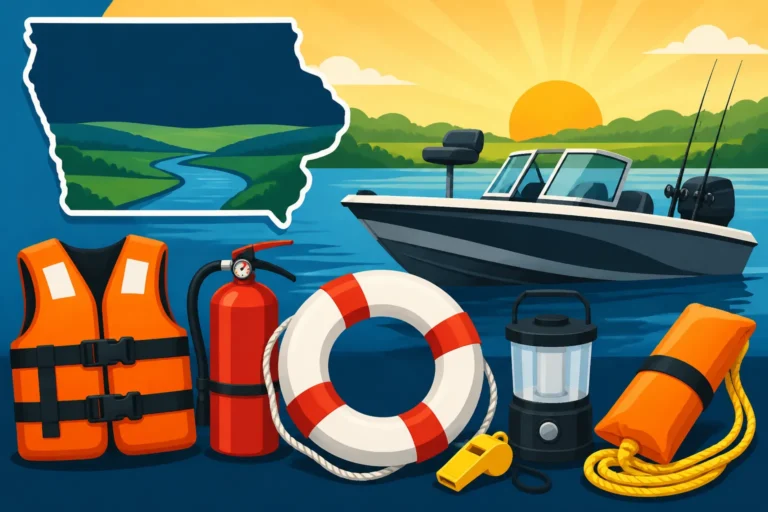
In Iowa, PFD requirements are strict for good reason. All vessels must carry at least one wearable PFD for each person on board. Children under a certain age (check Iowa Fishing License Rules for Kids Under 16 or the latest regulations) are often required to wear a PFD at all times while on a vessel. Beyond the legalities, wearing a PFD yourself is simply smart. Modern PFDs are much more comfortable and less bulky than the old orange "horse collars." You can find inflatable PFDs that are sleek and light, only inflating when needed, or comfortable fishing vests with plenty of pockets for tackle. The most important thing is that it fits properly and is readily accessible (or better yet, worn) the entire time you're on the water. A PFD that's stowed away in a compartment won't help you in an unexpected emergency.
First Aid and Emergency Supplies
Even on the most pleasant fishing trip, minor injuries can happen – a hook in the finger, a scrape, or a cut. Having a well-stocked first aid kit can quickly address these issues and prevent them from becoming bigger problems.
Your basic fishing first aid kit should include bandages, antiseptic wipes, pain relievers, allergy medication, and any personal medications you might need. Don't forget specialized items like a hook remover (forceps or similar) to safely extract embedded hooks, and a small pair of scissors. Beyond medical supplies, carry other emergency essentials. A loud whistle can attract attention if you're in distress, while a signal mirror can be used to signal aircraft or distant boats. A reliable, waterproof flashlight or headlamp (even if you have one for fishing) is crucial for navigating in the dark if your primary light fails. And always ensure you have a fully charged cell phone in a waterproof case, or even consider a marine radio for communication in areas with poor cell service. Let someone know where you're going and when you expect to return, especially if you're fishing alone or exploring remote areas.
Navigational Aids and Weather Preparedness
Iowa's weather can be unpredictable, and knowing how to navigate safely, even without advanced electronics, is a fundamental safety skill.
Even with GPS on your fish finder, carrying a traditional compass and paper charts of the waters you're fishing is a smart backup. Batteries die, and electronics can fail. Knowing how to read a compass and navigate by landmarks can be invaluable. Before every trip, check the weather forecast – not just the temperature, but wind speed and direction, potential for storms, and water conditions. Wind can turn a calm lake into a dangerous expanse of whitecaps very quickly, making small boats particularly vulnerable. Iowa Boat Registration Requirements and boater education courses will often cover understanding marine weather and navigation basics.
Be aware of local hazards, especially on rivers like the Mississippi or the Des Moines, which can have strong currents, submerged wing dams, or logjams. If you're unfamiliar with an area, stick to marked channels and exercise extreme caution. Understanding Reciprocal Fishing Rules on the Mississippi River Border also means understanding the navigation differences. Always be prepared for sudden changes in conditions, have an exit plan, and know your limits, especially when it comes to boating in adverse weather. It's always better to be safe on shore than sorry on the water.
Beyond the Basics: Specialized Gear for Specific Species
While a general-purpose setup can catch a lot of fish in Iowa, some species truly benefit from specialized gear designed for their unique habits and fighting styles. Investing in these items can significantly boost your success when targeting specific fish.
Trout Fishing Specifics for Iowa's Coldwater Streams
Iowa might not be famous for its trout fishing, but the coldwater streams of Northeast Iowa offer some surprisingly fantastic opportunities, especially for rainbow and brown trout. If you're heading to these beautiful, often spring-fed streams, some specialized gear will make your experience much more effective and enjoyable.
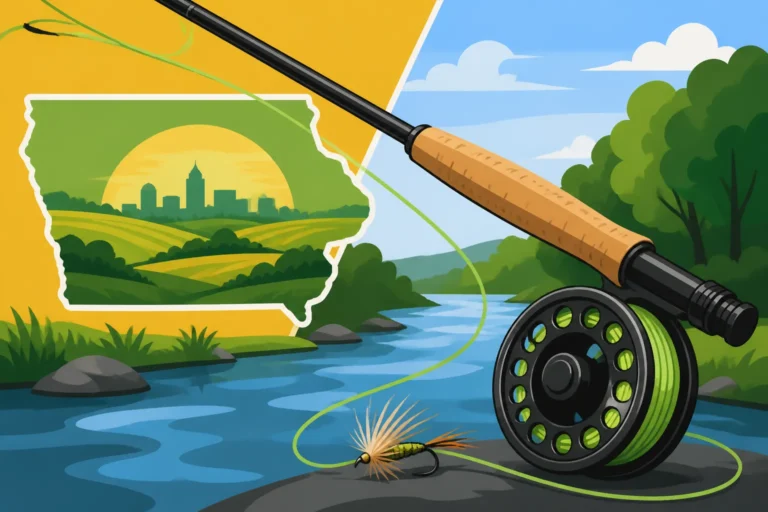
Firstly, you'll want light-action spinning gear – a rod around 6 to 7 feet, paired with a small spinning reel spooled with 4-6 lb test line. This setup allows for delicate presentations of small spinners, spoons, or live bait like worms or corn. Fly fishing, however, is often the preferred method for many trout enthusiasts. A 3 to 5 weight fly rod, paired with a matching reel and floating fly line, is a versatile setup for presenting dry flies, nymphs, and small streamers. Getting into fly fishing can be a rewarding journey, and there are many resources and local clubs to help you get started.
Critically, you'll need waders and wading boots. These streams are often shallow, rocky, and require you to get in the water to access the best fishing spots. Breathable chest waders are comfortable for warmer weather, while neoprene waders offer more insulation for colder days. Sturdy wading boots with felt or rubber soles provide grip on slick stream beds, preventing slips and falls. Don't forget a Iowa Trout Fishing Fee and Stamp Guide – it's a separate requirement on top of your standard fishing license. For more on methods, check out Trout Fishing Techniques for Iowa Streams.
Muskie Gear: Tools for the Esox Hunter
Muskie, the "fish of 10,000 casts," are the apex predators in Iowa's waters, found in lakes like Clear Lake and the Iowa Great Lakes. If you're serious about chasing these toothy giants, your gear needs to be up to the challenge.
Muskie fishing demands heavy-duty equipment. You'll need a stout, long muskie rod, typically 8 to 9 feet or even longer, capable of handling huge lures and powerful fish. Pair this with a robust baitcasting reel designed for muskie, featuring a strong drag system and high line capacity, spooled with 65-100 lb braided line. This heavy line is crucial not only for fighting the fish but also for casting massive lures without fear of breaking off.
And those lures! Muskie lures are generally large – think bucktails, crankbaits, jerkbaits, and soft plastics that can measure 8 inches to over a foot long. These require specialized tackle to cast and retrieve effectively. Beyond the rod and reel, a few other items are essential. A large, rubberized landing net is vital for safely netting and handling these big fish without damaging their delicate slime coat or fins. Long-nosed pliers or hook removal tools are a must for safely extracting hooks from a muskie's formidable jaws. And always have heavy-duty, cut-resistant gloves for handling a muskie; their gill plates and teeth are incredibly sharp. Remember, muskie fishing in Iowa is largely a catch-and-release pursuit, so responsible handling is key to the future of the fishery.
Catfish Rigs and Heavy-Duty Tackle
Catfish are arguably one of Iowa's most popular sport fish, with impressive numbers of channel, flathead, and blue catfish calling our rivers and lakes home. While you can catch them on various setups, dedicated catfish gear will elevate your success, especially for the larger specimens.
For serious catfishing, you'll want sturdy, heavy-action rods, often 7 to 10 feet long, capable of handling heavy weights and powerful fish. Pair these with baitcasting reels (often round reels) or large spinning reels that have plenty of line capacity and a strong, smooth drag. Spool these with 20-50 lb monofilament or braided line, depending on the size of the cats you're targeting and the amount of snags in the area. Strong line is crucial, as a big flathead can put immense pressure on your gear.
You'll also need large, stout hooks – often 5/0 to 10/0 circle hooks are preferred for their effectiveness and reduced deep-hooking. Heavy sinkers, from 1 to 8 ounces or more, are essential for holding your bait on the bottom in strong river currents or deep lakes. Many catfish anglers use specialized rigs, like a Santee Cooper rig or a slip-sinker rig, which allow the fish to take the bait without feeling immediate resistance. A sturdy rod holder, either a bank stick for shore fishing or a rail-mounted holder for boat fishing, is also a good investment, allowing you to set your rod down and wait for that telltale bend. For more on techniques, check out How to Catch Catfish in Iowa.
Organizing Your Haul: Storage and Maintenance Tips
You’ve invested in all this great Iowa fishing gear – now what? Keeping your equipment organized, clean, and well-maintained is crucial for its longevity, performance, and your overall enjoyment on the water.
Tackle Boxes and Bags: Keeping Your Gear Orderly
A messy tackle box is a frustrating tackle box, especially when the bite is hot and you can't find that one lure you need. Having a good storage system will save you headaches and keep your gear in top shape.
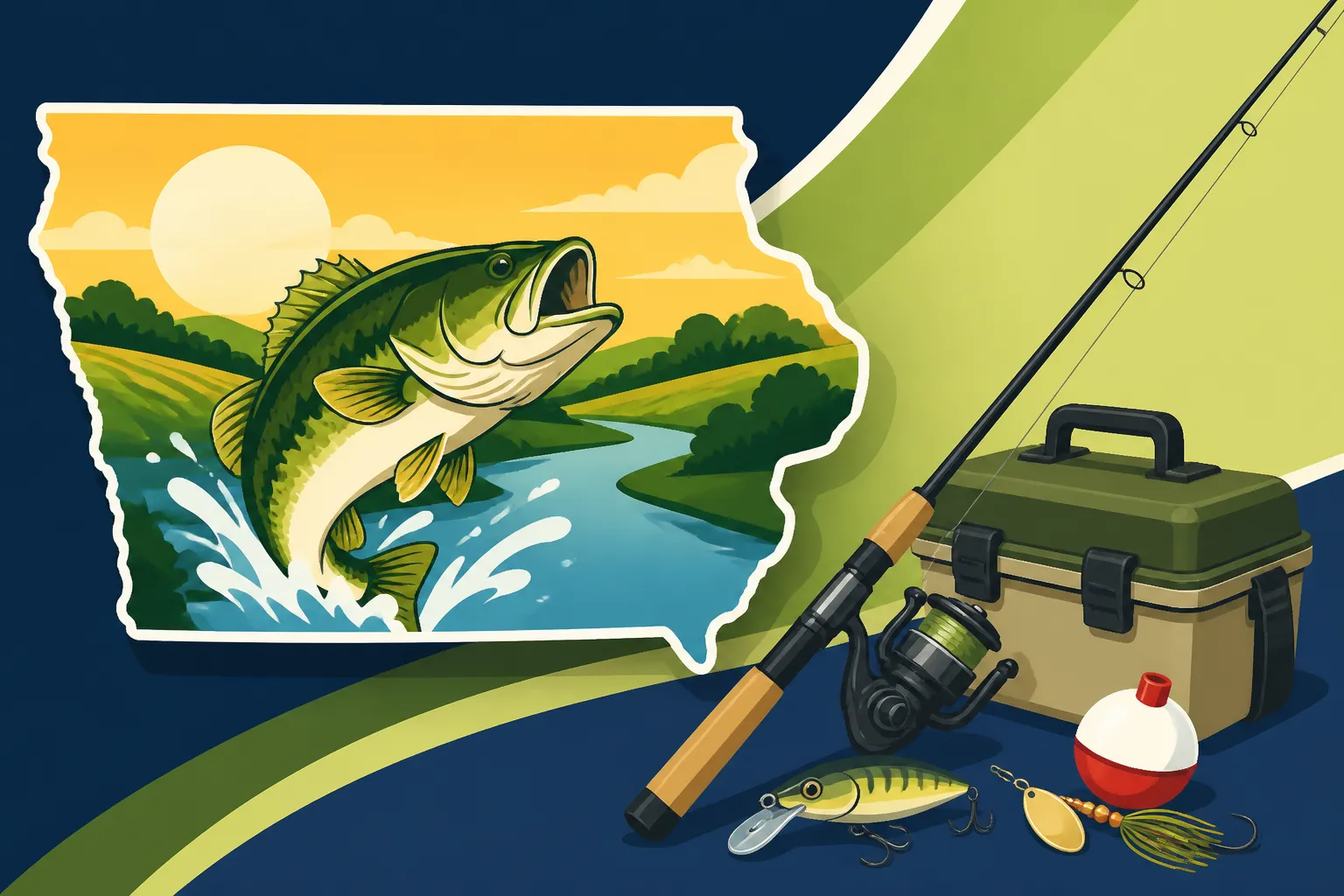
Traditional hard-shell tackle boxes with multiple trays are great for keeping different lure types separated and protected. They offer robust protection and are easy to clean. However, many anglers today prefer soft-sided tackle bags that hold multiple plastic utility boxes (like those from Plano or similar brands). These bags are often lighter, more portable, and allow you to swap out boxes filled with lures for specific species or fishing styles. For example, you could have one box dedicated to walleye jigs, another for bass soft plastics, and another for catfish rigs. This modularity is fantastic.
Regardless of your choice, look for good compartmentalization. Clear plastic boxes allow you to see their contents at a glance, which is a huge time-saver. Consider waterproof options or at least water-resistant materials for bags to protect your valuable lures from rust and corrosion. Many bags also feature exterior pockets for pliers, line cutters, and other frequently used tools, keeping them easily accessible. A well-organized tackle setup from Bass Pro Shops or Amazon makes a world of difference when you're on the water.
Rod and Reel Care: Extending the Life of Your Equipment
Your rods and reels are precision instruments, and a little care goes a long way in ensuring they perform optimally for years to come. Neglect them, and you'll quickly find yourself dealing with sticky drags, gritty reels, or warped rods.
After every fishing trip, especially if you've been in dirty or muddy water, take a few minutes to rinse your rods and reels with fresh water. A gentle spray from a hose is usually sufficient. Pay particular attention to the reel and rod guides, as dirt and grit can build up and abrade your line. Allow everything to air dry thoroughly before storing. Never store wet gear! Periodically, you'll want to lubricate your reels. This doesn't mean dousing them in oil; a tiny drop of specialized reel oil on moving parts and a thin layer of grease on gears can keep them spinning smoothly. Consult your reel's manufacturer for specific lubrication points and recommended products.
Pay attention to your drag system. A sticky or uneven drag can quickly lead to broken lines and lost fish. Ensure your drag is loosened before storing your reels for extended periods to prevent the washers from compressing and sticking. Store rods upright or horizontally on a rack, away from direct sunlight or extreme temperatures, which can warp blanks. Never lean a rod against a wall for long periods, as this can cause it to develop a permanent bend. With proper care, your quality rods and reels will be reliable partners on countless Iowa fishing adventures.
Post-Trip Clean-Up and Storage
The fishing trip isn't truly over until your gear is clean, put away, and ready for the next outing. This final step is often overlooked but is crucial for maximizing your enjoyment and minimizing future headaches.
If you've kept fish, the first order of business is to clean them promptly. Get them filleted or prepared for cooking, and dispose of any fish waste responsibly and legally. Never dump fish guts near a boat ramp or public access point. Next, clean any wet gear. Waders should be thoroughly rinsed, then hung upside down to drain and dry completely, inside and out, to prevent mildew. Life jackets should also be air-dried before being stored in a well-ventilated area. Any wet clothing or towels should be laundered.
For your boat or kayak, give it a good rinse, especially if it's been in dirty or silty water. Check for any weeds or debris that might be clinging to the hull or trailer, and remove them to prevent the spread of invasive species. For seasonal storage, especially during Iowa's harsh winters, boats should be properly winterized, which might involve fuel stabilizers, engine fogging, and battery maintenance. Larger equipment like ice fishing shelters should be dried out, folded correctly, and stored in a dry place. By taking these few extra steps after each trip, you're ensuring your gear is always ready for the next big bite, whether you're targeting Walleye Fishing in Iowa, Largemouth Bass Fishing in Iowa, or Channel Catfish Fishing in Iowa!
Disclaimer
This article is for general informational purposes only and does not constitute professional advice. Laws, prices and regulations vary by location and change over time. Consult a qualified professional for guidance on your specific situation.