Best Crankbaits for Smallmouth Bass
If you've spent any time chasing smallmouth bass in Iowa, you know how frustrating it can be when they seem to vanish, or when they just won't commit to a bite. These feisty, hard-fighting fish are notoriously moody, and trying to consistently hook into them can feel like a guessing game. This guide is all about demystifying one of the most effective lures for smallmouth bass – the crankbait – and helping you choose the right ones, understand how they work, and master the techniques to get those bronze bombers to strike, whether you're on a big river or a deep lake.
Understanding Smallmouth Bass Behavior for Crankbait Selection
Before you even think about tying on a crankbait, it helps to get inside the head of a smallmouth bass. Knowing their preferences and habits is half the battle when it comes to lure selection and presentation. These aren't just any bass; they're unique creatures with specific tastes and hangout spots in Iowa's diverse waterways.
Habitat Preferences and Foraging Habits
Smallmouth bass are structure junkies, plain and simple. They absolutely love areas that offer current breaks, ambush points, and plenty of cover. Think rocky bottoms, submerged timber, riprap, ledges, and drop-offs. In Iowa, this often means focusing your efforts on rivers like the Mississippi, Des Moines, or Cedar, where current is a major factor, or in the rocky, clear water lakes of the Iowa Great Lakes region. They're often found patrolling these areas, waiting for an unsuspecting meal to drift by.
Their diet is pretty varied, but two main food sources stand out: crayfish and baitfish. Crayfish, with their scurrying, bottom-dwelling movements, are a huge part of a smallmouth's diet, especially in rocky environments. When a crankbait mimics a crayfish darting across the bottom or trying to escape, it's often irresistible. Baitfish, like shad, minnows, or smaller perch and bluegill, are also high on the menu, particularly in more open water or around schooling prey. A crankbait that flashes and wiggles like an injured baitfish can be incredibly effective. The key is to select a crankbait that not only looks like one of these forage types but also behaves like it in the water column you're fishing.
Seasonal Changes and Their Impact on Crankbait Choice
Iowa's seasons play a massive role in where smallmouth bass are, what they're eating, and how aggressive they are. Adapting your crankbait selection to these seasonal patterns is crucial for consistent success. It's not a one-size-fits-all situation; what works in spring might be completely ignored in summer.
In the spring, especially during the pre-spawn period, smallmouth are often shallower, looking to feed up before the rigors of spawning. They might be a bit lethargic in cooler water, so slower retrieves with medium-diving crankbaits that mimic a baitfish or a slow-moving crayfish can be deadly. As the water warms, they become more active, and you can start to incorporate more aggressive retrieves.
Summer sees smallmouth moving to deeper, cooler water, often relating to main lake points, offshore humps, or deep river ledges. This is when deeper-diving crankbaits come into their own, allowing you to reach fish holding in 10-20 feet of water. They're typically more aggressive in the summer heat, so faster retrieves and baits with a more pronounced wobble can trigger strikes. You might be targeting fish that are chasing schools of baitfish in open water, or those hunkered down in deep structure.
By fall, smallmouth are in full-on feeding mode, trying to pack on weight for the upcoming winter. They'll often move back shallower during the day, following baitfish schools. This is a great time for bigger profile crankbaits, faster retrieves, and experimenting with both deep and shallow divers as fish transition between depths. They're less finicky and more likely to chase down a meal. Understanding these seasonal shifts is fundamental to choosing the right tool for the job. You can learn more about general patterns in our Iowa Fishing Seasons Explained guide.
Types of Crankbaits That Excel for Iowa Smallmouth
Crankbaits come in a dazzling array of shapes, sizes, and diving capabilities, and each type has its sweet spot for catching smallmouth bass. Knowing the nuances of each can help you pick the perfect lure for the conditions you're facing on any given day.
Diving Depths: Shallow, Medium, and Deep Divers
One of the primary characteristics of a crankbait is its diving depth, which is largely determined by the size and angle of its lip or bill. Matching this depth to where the smallmouth are holding is absolutely critical.
-
Shallow-diving crankbaits typically run 0-5 feet deep. These often have a short, blunt lip or a square bill. They're fantastic for fishing shallow rocky banks, sparse cover, or areas with submerged stumps in rivers and lakes. Their ability to "deflect" off obstacles without snagging is a huge advantage, as this deflection often triggers a reaction strike from a nearby smallmouth. They're also excellent for fishing topwater to a few feet down in situations where fish are looking up. For instance, when fishing shallow stretches of the Mississippi River with its numerous rock piles and wing dams, a square bill can be incredibly effective.
-
Medium-diving crankbaits are your workhorses, generally reaching depths of 5-12 feet. They have a more elongated, angled lip compared to shallow divers. These are versatile baits, perfect for targeting smallmouth holding on main lake points, ledges, submerged roadbeds, or river channel swings. They allow you to cover that mid-range depth where smallmouth frequently suspend or relate to structure, especially when they're not quite shallow and not quite deep. Many anglers find these to be a great starting point when they're unsure of the exact depth the fish are at.
-
Deep-diving crankbaits are easily identifiable by their very long, often steeply angled lips, designed to get them down to 12 feet or more, some even reaching 20+ feet. These are essential for offshore fishing in Iowa's deeper lakes like West Okoboji or Rathbun, where smallmouth might be congregating on deep humps, extensive rock piles, or along steep drop-offs. They require specialized retrieve techniques and often heavier gear to get them down and keep them there, but they can unlock incredible deep-water bites during the summer and fall.
Body Styles and Actions: From Tight Wiggle to Wide Wobble
Beyond depth, the body style of a crankbait dictates its action in the water, and this action can be a huge differentiator in enticing a bite. Smallmouth can be finicky, and sometimes a slight change in wiggle can make all the difference.
-
Round or Plump-bodied crankbaits generally have a wider, more aggressive wobble. This creates more water displacement and vibration, making them excellent choices for stained or murky water conditions, or when you want to attract aggressive smallmouth from a distance. The strong vibration and wide side-to-side action can be easily detected by fish in low visibility. These are often great for covering water quickly and locating active fish.
-
Flat-sided crankbaits, as the name suggests, have a flatter profile. This design results in a tighter, more subtle wiggle and a pronounced "flash" as the bait wobbles and reflects light. They shine in clear water conditions or when smallmouth are pressured and less aggressive. The more natural, less intrusive action can fool wary fish that might shy away from a more erratic presentation. These are particularly effective in clear, cool waters where fish have excellent visibility and might be more particular.
-
Lipless crankbaits are a category all their own, lacking a distinct diving lip. Instead, they have a flat face where the line ties, and they rely on their weighted bodies and internal rattles to create a tight, vibrating action on the retrieve. These are incredibly versatile, capable of being fished at virtually any depth by simply adjusting retrieve speed and counting them down. They cast like a bullet, making them ideal for covering vast expanses of water quickly. They can be burned quickly over grass, ripped off the bottom, or even jigged vertically through schools of fish. They produce a distinct sound and vibration, making them excellent search baits for active smallmouth.
Rattling vs. Silent Crankbaits
The sound a crankbait makes (or doesn't make) can significantly influence its effectiveness, especially when targeting smallmouth bass. This seemingly small detail can be the difference between a loaded livewell and an empty boat.
-
Rattling crankbaits contain small BBs or other materials inside their body that create noise and vibration as they move through the water. This sound can be a major draw for smallmouth, especially in stained or muddy water where visibility is low. The noise helps fish locate the lure, acting like a dinner bell. They're also excellent in low-light conditions, like dawn, dusk, or overcast days, when fish might be relying more on their lateral line to detect prey. When smallmouth are aggressive, the added commotion of a rattle can sometimes infuriate them into striking. Many popular crankbaits come in rattling versions, and you can find a huge selection at places like Bass Pro Shops, where you can even shake them to hear the different rattles.
-
Silent crankbaits, as you might guess, contain no internal rattles. They rely solely on their visual appeal and hydrodynamic action to attract fish. These are often the secret weapon for fishing in extremely clear water or when targeting highly pressured smallmouth that have become accustomed to the noise of rattling lures. In crystal-clear lakes or rivers, excessive noise can sometimes spook wary fish. A silent crankbait offers a more stealthy approach, mimicking a natural, unassuming baitfish or crayfish. It forces the fish to commit purely based on sight and the subtle vibration it generates. Sometimes, a lack of sound is precisely what's needed to trigger a strike from a cautious smallmouth.
Top Crankbait Colors and Patterns for Iowa Smallmouth Success
Choosing the right color crankbait is almost as important as picking the right diving depth and action. Smallmouth bass are visual predators, and matching your lure to their environment and forage can drastically increase your catch rates. It's not just about what looks good to us; it's about what looks natural or enticing to the fish.
Natural Imitations: Crayfish and Baitfish Patterns
When in doubt, go natural. Smallmouth bass are opportunistic feeders, but they primarily key in on the forage that's most abundant in their immediate environment. Replicating these natural food sources is often the most consistent way to trigger bites.
-
Crayfish patterns are absolutely essential for smallmouth anglers in Iowa, especially when fishing rocky rivers and lakes. Colors like browns, oranges, greens, and even reds (especially during crayfish molting periods) can be incredibly effective. A crankbait with a mottled brown or orange back and a lighter belly, resembling a real crayfish scurrying along the bottom, can be deadly. When the water cools in the fall, or when smallmouth are relating tightly to rocky structure, a crayfish-colored crankbait is often the first thing I tie on. Imagine a smallmouth seeing that lure clacking off rocks, just like a real crayfish trying to escape – it's a strike waiting to happen.
-
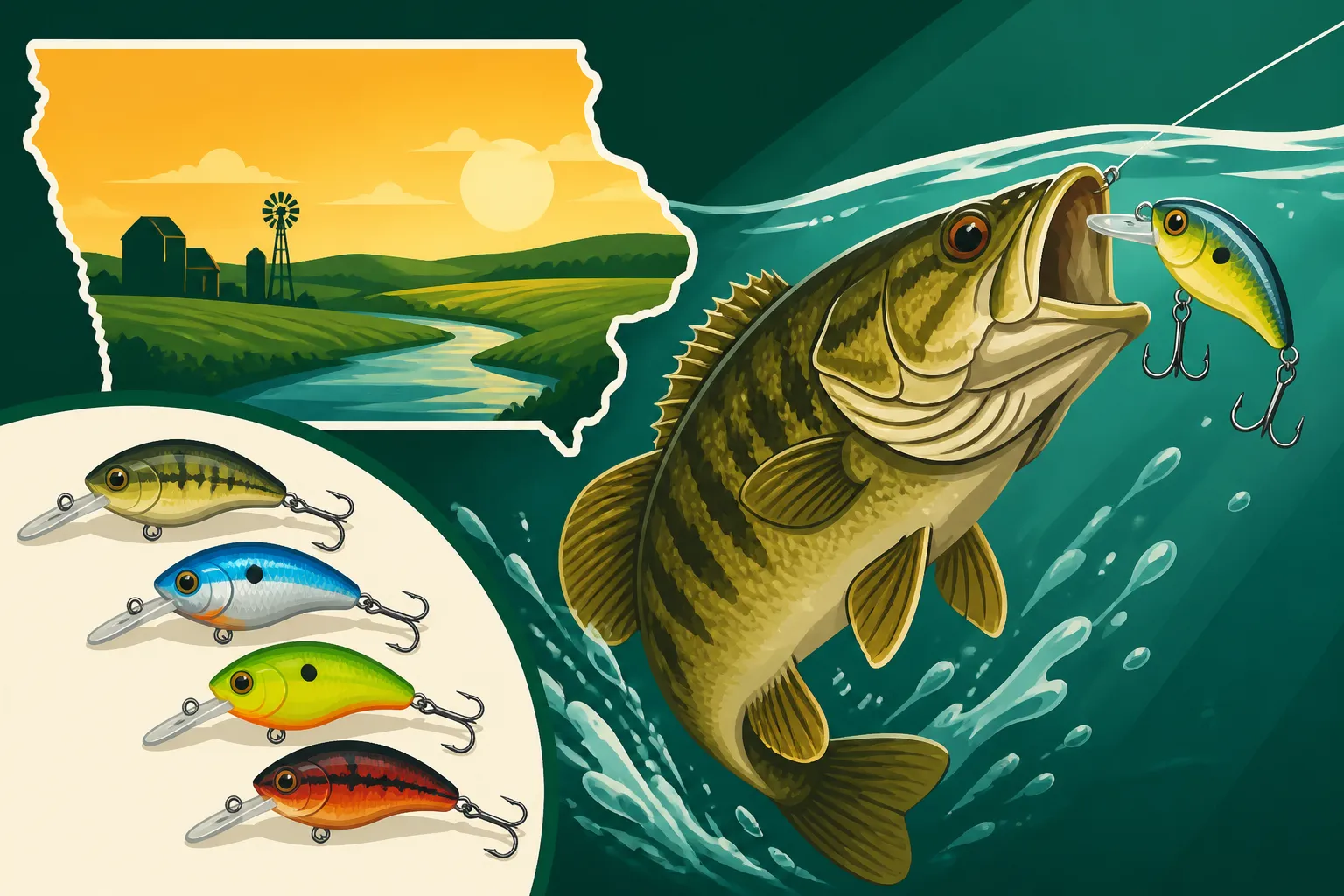
Baitfish patterns are equally vital, particularly in open water or areas where smallmouth are chasing schools of minnows. Classic patterns like silver, chrome, natural shad, perch, bluegill, or even subtle greens and blues are fantastic choices. These colors mimic the reflective scales and general appearance of the various baitfish species that smallmouth prey upon. The idea is to make your crankbait look like an easy meal. When you're fishing a clear lake and you see schools of baitfish flickering on your electronics, a matching baitfish pattern crankbait retrieved through that school can be incredibly effective. For instance, a silver-sided crankbait with a black back, resembling a general minnow profile, is a staple in many anglers' tackle boxes.
Reaction Colors for Aggressive Strikes
While natural patterns are often the most consistent, sometimes you need something to just tick off a smallmouth and provoke a reaction strike, even if they're not actively feeding. This is where "reaction" colors come into play.
These bright, often unnatural colors are designed to stand out, even in challenging conditions, and trigger an impulse bite. Chartreuse, firetiger (a mix of bright green, yellow, and orange with tiger stripes), and vibrant oranges or hot pinks are common reaction colors. They don't necessarily mimic anything specific in nature, but their sheer visibility and contrast can make a smallmouth strike out of aggression or curiosity.
Reaction colors are particularly effective in dirty or muddy water, where fish have a harder time seeing natural hues. The bright colors provide a strong visual target. They can also work wonders on active, aggressive smallmouth that are willing to chase anything that looks out of place. Think of a late fall day on a river like the Cedar, where the water might have a bit of stain, and smallmouth are feeding heavily. A firetiger crankbait retrieved quickly might just be the ticket to get them to commit. Don't be afraid to experiment with these bolder choices, especially when your natural patterns aren't producing. You can find more specific advice in our guide to Best Lure Color for Muddy Water.
Matching the Hatch and Water Clarity
The concept of "matching the hatch" is incredibly important when choosing crankbait colors, and water clarity is often the biggest factor in deciding how literally you should interpret it.
-
Clear Water: In clear bodies of water like parts of the Iowa Great Lakes, smallmouth have excellent visibility. This means they can be pickier. Here, subtle, natural patterns are usually best. Think translucent greens, light browns, clear with a touch of sparkle, or realistic shad and perch patterns. You want your crankbait to blend in and look as natural as possible, mimicking the local forage precisely. Too much flash or an unnatural color can spook wary fish.
-
Stained or Muddy Water: When the water is murky from rain or heavy current, visibility drops significantly. This is when you want your crankbait to create a strong visual presence. Bright, contrasting colors like chartreuse, firetiger, or those with bold black stripes on a reflective background work well. The goal is to maximize visibility and also use rattling baits to help fish locate the lure by sound. The fish aren't seeing fine details; they're reacting to a general shape and a vibrant color that stands out. Imagine fishing a stretch of the Des Moines River after a heavy rain. A firetiger crankbait might be spotted by smallmouth far more easily than a subtle natural shad pattern.
Here's a quick reference table for choosing crankbait colors based on water clarity:
| Water Clarity | Preferred Colors/Patterns | Rattle Preference | Best Action |
|---|---|---|---|
| Clear | Natural Shad, Perch, Bluegill | Silent | Tight Wiggle, Subtle Flash |
| Transparent Greens/Browns | |||
| Stained | Chartreuse, Firetiger, Orange | Rattling | Wide Wobble, Strong Vibe |
| Bright Blues/Greens | |||
| Muddy | Black/Chartreuse, Solid Orange | Strong Rattling | Wide Wobble, Max Water Disp. |
| Hot Pink, Fluorescent Colors |
Techniques for Fishing Crankbaits for Smallmouth in Iowa
Having the right crankbait is only half the battle; knowing how to present it effectively is the other. Smallmouth bass often react to specific retrieves and how the lure interacts with its environment. Mastering these techniques will significantly boost your success. Iowa Fishing Techniques Guide is a great resource for overall strategy.
Retrieve Speeds and Pauses
There's no single "right" way to retrieve a crankbait, and smallmouth often tell you what they prefer on any given day. Experimentation is key! Sometimes they want a slow, methodical crawl, while other times they want it burned back to the boat.
- Steady Retrieve: A simple, consistent retrieve is often a great starting point. Vary your speed from a slow crawl to a medium pace. This works well with most crankbaits, allowing them to achieve their designed action and depth.
- Stop-and-Go: This retrieve involves reeling for a few seconds, then pausing completely, letting the crankbait float up or suspend, and then resuming the retrieve. This sudden change in motion often triggers strikes from fish that are following but hesitant to commit.
- Rip and Pause: Particularly effective with lipless crankbaits, this involves a sharp, upward rip of the rod, followed by letting the bait fall on a slack line. This mimics a struggling baitfish or a crayfish trying to escape. Many strikes occur on the fall.
- Burning: A very fast retrieve, often used with lipless or shallow square-bill crankbaits, to cover water quickly and provoke reaction strikes from highly aggressive smallmouth. This is especially useful when fish are actively chasing bait.
The retrieve speed also needs to consider the water temperature. In colder spring water, a slower retrieve is usually more productive, as fish are more sluggish. In warmer summer and fall waters, faster, more erratic retrieves can be incredibly effective.
Contacting Structure and Deflection
This is, arguably, the most crucial aspect of crankbait fishing for smallmouth bass. Smallmouth relate to structure, and getting your crankbait to hit that structure often triggers a violent strike.
- The "Grind": When using shallow-diving square bills or medium divers, actively try to make the crankbait crash into rocks, stumps, or other submerged objects. The sudden, erratic deflection off the obstacle often makes the lure look like a wounded or fleeing baitfish, triggering a predatory response. Don't be afraid to feel your crankbait bouncing and scraping along the bottom or off cover. This is exactly what you want!
- Bottom Bouncing: For deeper-diving crankbaits, getting them down to periodically tick the bottom, especially over rocky ledges or gravel flats, can be highly effective. The kicking up of sediment and the contact with the bottom can mimic a crayfish or a bottom-feeding baitfish.
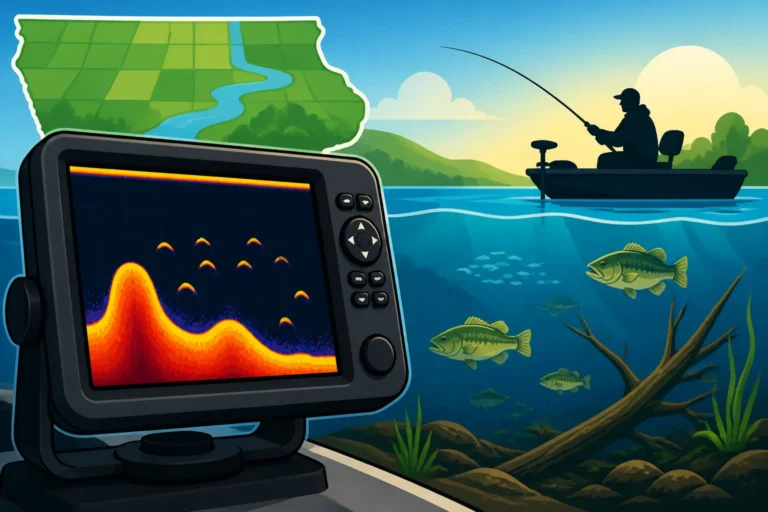
- Reading the Water: Understanding what lies beneath the surface is paramount. Use your electronics to identify humps, drop-offs, rock piles, and submerged timber. On rivers, look for current seams, eddies behind rocks, and wing dams. Casting your crankbait to intersect with these areas and actively making contact is key. How to Read Water for Structure Fishing can offer more insights. When you cast out, visualize where your lure is in relation to the structure you're targeting.
Rod, Reel, and Line Setup for Optimal Crankbait Performance
Your gear setup can make a significant difference in how effectively you fish crankbaits and how many smallmouth you land. It’s about balance, sensitivity, and the ability to handle the fight.
- Rods: For most crankbait fishing for smallmouth, a medium-heavy (MH) power rod with a moderate or moderate-fast action is ideal. The "moderate" action allows the rod to bend further down the blank, which is crucial for a few reasons: it helps load up for longer casts, acts as a shock absorber to prevent hooks from tearing out during head shakes, and allows the fish to eat the lure more completely before you set the hook. A rod length between 6'6" and 7'6" is versatile, with longer rods generally better for casting distance and shorter rods offering more precise casting in tighter spots. You might find some good cross-over advice in our Best Rod Length for Iowa River Walleye Fishing article.
- Reels: A baitcasting reel is generally preferred for crankbaits due to its casting distance and torque. For shallow and medium-diving crankbaits, a gear ratio in the 6.1:1 to 7.1:1 range is versatile, allowing for both fast retrieves and slower presentations. For deep-diving crankbaits, a slower gear ratio (e.g., 5.1:1 or 5.4:1) can be beneficial. It provides more winching power, making it easier to retrieve those high-resistance deep divers, and helps prevent you from reeling too fast, which can be a common mistake.
- Line: The choice of fishing line significantly impacts a crankbait's performance.
- Fluorocarbon: A favorite for many crankbait anglers. It's nearly invisible underwater, extremely sensitive, and has low stretch, allowing you to feel every bump and subtle bite. Its sinking nature also helps crankbaits dive deeper.
- Monofilament: A classic choice. It has more stretch, which can be advantageous when smallmouth hit hard, acting as an extra shock absorber. Its buoyancy can also allow shallow-diving crankbaits to run slightly shallower or suspend better.
- Braided Line: While less common for direct tie-on with crankbaits due to its visibility and lack of stretch, it can be used with a fluorocarbon or monofilament leader. Its incredible sensitivity and casting distance can be an advantage in certain situations. For a deeper dive into line choices, check out Braided Line vs Monofilament for Walleye as many principles apply.
Specific Crankbait Recommendations and Where to Find Them
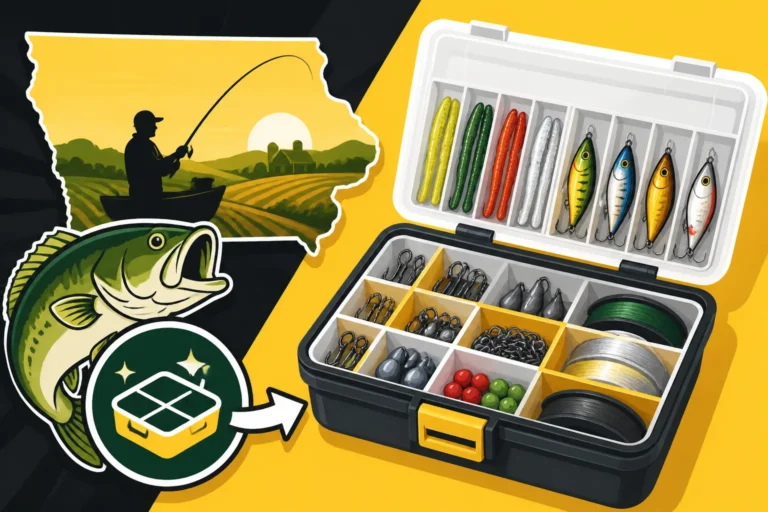
With so many crankbaits on the market, it can be overwhelming to choose. Let's talk about some general types that consistently produce for smallmouth in Iowa and how to go about stocking your tackle box. For a general overview of useful tackle, look at Best Tackle for Iowa Fishing.
Go-To Crankbaits for Different Iowa Scenarios
Instead of listing specific brands (which can change models and availability), let's focus on the characteristics of crankbaits that you'll want to have on hand for different situations in Iowa.
- For Iowa's Rocky Rivers (e.g., Mississippi, Cedar): You'll want shallow-diving square bills that are incredibly durable. These are designed to bash into rocks and timber without hanging up, deflecting off cover to trigger strikes. Look for crayfish patterns (brown/orange) and natural baitfish patterns (shad, silver/black) in 0-5 foot diving ranges. Their stout bills can withstand the abuse of river fishing, making them ideal for areas like the wing dams and riprap on the Mississippi River.
- For Clear, Deep Lakes (e.g., Iowa Great Lakes): Focus on medium and deep-diving crankbaits with a tighter wiggle and more natural finishes. When smallmouth are holding on deep rock piles or points in places like West Okoboji, a deep diver mimicking perch, bluegill, or a silver shad is key. Silent versions can be particularly effective in these clear, pressured waters. You'll also want to experiment with flat-sided crankbaits that offer that subtle flash and wiggle for finicky fish.
- For Stained or Muddy Water Conditions (e.g., after rain on a river, certain reservoirs): This is where rattling, wide-wobble crankbaits in reaction colors really shine. Firetiger, chartreuse, or bright orange patterns will give smallmouth the visual and auditory cues they need to find your lure. Lipless crankbaits, especially those with aggressive rattles, are also excellent for covering water and creating a strong presence in reduced visibility.
- For Targeting Specific Forage: If you know the smallmouth are heavily feeding on crayfish, make sure you have a good selection of brown and orange crankbaits that run at the depth you're fishing. If they're busting schools of shad on the surface, have some shallow-running shad-patterned baits ready to go. Observing what's in the water or what fish are spitting up can give you valuable clues. This is particularly relevant to Crankbait Fishing for Iowa Smallmouth Bass.
Shopping for Crankbaits Online and In-Store
Building a versatile crankbait collection means knowing where to look. Both online and physical stores offer distinct advantages.
- In-Store Shopping (e.g., Bass Pro Shops): Walking into a physical store like Bass Pro Shops is a fantastic experience for crankbait selection. You can physically hold the baits, examine their bills, shake them to hear their rattles (or lack thereof), and see the colors and patterns up close. More importantly, you can talk to experienced staff who often have local knowledge about what's working on Iowa's specific waterways. They can offer advice on local hotspots and current trends, which is invaluable. Plus, it's a great way to handle the lures and get a feel for their size and weight.
- Online Shopping (e.g., Amazon): Online retailers like Amazon offer an unparalleled selection of crankbaits from countless brands, often at competitive prices. You can browse through hundreds of options, read reviews from other anglers, and compare features without leaving your home. It's particularly useful for finding obscure patterns or specific models that might not be stocked locally. However, you miss out on the tactile experience and personalized advice. It's often a good idea to research online and then, if possible, see a similar bait in person at a store to ensure it's exactly what you're looking for.
Budget-Friendly Options vs. Premium Picks
You don't need to break the bank to start catching smallmouth on crankbaits. There are excellent options at every price point, and sometimes, a budget-friendly bait can outperform a premium one on a given day.
- Budget-Friendly Options: Many reputable tackle companies offer crankbaits that perform exceptionally well without a hefty price tag. These are great for beginners or for fishing in snaggy areas where you might lose a few lures. They might not have the hyper-realistic finishes or the internal balancing systems of their premium counterparts, but they still have the right action and dive effectively. Starting with a few affordable options in key depths and colors allows you to experiment without worrying too much about losing a $20 lure.
- Premium Picks: Higher-end crankbaits often boast superior components, more detailed finishes, incredibly consistent actions, and advanced internal weighting systems that enhance casting and running true. While they cost more, they can sometimes make a difference when fish are finicky or when you need a lure that performs perfectly under specific conditions. They might also hold up better to the abuse of hitting rocks or fighting toothy fish. Over time, as you gain experience, you might find yourself investing in a few premium crankbaits for your most confidence-inspiring situations. The important thing is that both can catch fish, and confidence in your lure is often the most important factor.
Common Mistakes and How to Avoid Them When Crankbait Fishing
Even with the best crankbaits, it's easy to fall into traps that can lead to frustration rather than fish. Being aware of these common pitfalls can help you refine your approach and put more smallmouth in the boat.
Using the Wrong Diving Depth
One of the most frequent mistakes anglers make is simply not getting their crankbait to the correct depth where the fish are holding. You might be fishing a beautiful crankbait that mimics the perfect forage, but if it's running 5 feet above the fish, they'll never see it.
- Not Hitting Structure: If you're targeting smallmouth relating to bottom structure like rocks or ledges, and your crankbait isn't periodically bumping, grinding, or deflecting off that cover, you're missing out on key strike triggers. The deflection often mimics a fleeing or injured baitfish, which is irresistible to a predatory smallmouth.
- Getting Snagged Too Much: Conversely, if your crankbait is constantly getting hung up on the bottom or in heavy cover, it's likely running too deep for the area you're fishing. While contact is good, constant snags mean you're spending more time retrieving lures than catching fish.
- The Solution: Pay close attention to your retrieve. If you're not feeling contact with the bottom or cover in areas where you expect fish, switch to a deeper-diving bait. If you're getting hung up too much, go shallower. Use a fish finder to determine the depth of the structure you're fishing, and choose a crankbait rated to run just slightly deeper than that structure. You want it to tick and deflect, not bury itself. Looking at charts for Best Fishing Spots in Iowa will often give you clues about depths and structure.
Ignoring Water Clarity and Weather Conditions
Sticking to the same crankbait color and style regardless of the day's conditions is another common mistake. Smallmouth bass's preferences can change dramatically with water clarity, sunlight, and weather.
- Mismatching Color to Clarity: As we discussed, a natural shad pattern might be phenomenal in clear water but invisible in muddy conditions. Similarly, a bright firetiger might be overkill and even spook fish in crystal-clear water. Failing to adjust your colors to the water clarity means you're often not giving the fish the best chance to see or react to your lure.
- Overlooking Light Conditions: Bright, sunny days might call for more subtle, reflective finishes, or sometimes bright colors that create strong silhouettes. Overcast days or low-light situations (dawn/dusk) often benefit from rattling baits and more vibrant colors that stand out. Even the Walleye Season Opening Strategies emphasize adapting to conditions, and smallmouth are no different.
- The Solution: Always consider the prevailing conditions. Is the water clear, stained, or muddy? Is it sunny and bright, or overcast and dim? These factors should be your immediate cues to adjust your crankbait color and whether you opt for rattling or silent versions. Don't be afraid to change lures often until you find what the smallmouth are responding to.
Improper Gear Setup
Using the wrong rod, reel, or line for crankbait fishing is like trying to hammer a nail with a screwdriver – you might get the job done eventually, but it won't be easy or efficient.
- Using a Stiff Rod: A common mistake is using a fast-action, heavy power rod designed for jigs or Texas rigs. While great for feeling subtle bites and setting hooks quickly, a stiff rod lacks the give needed for crankbaits. It can lead to poor casting distance, hooks tearing out during the fight, and fish throwing the lure because there's no shock absorption.
- Wrong Reel Gear Ratio: Trying to retrieve a deep-diving crankbait with a super-fast gear ratio reel (like 8.1:1) can be exhausting and cause you to overwork the bait. Conversely, trying to burn a lipless crankbait with a very slow reel might not generate the desired reaction.
- Inappropriate Line: Using too heavy of a line can restrict a crankbait's action and prevent it from diving to its maximum depth. Too light a line can lead to break-offs when the lure snags or when a big smallmouth makes a powerful run.
- The Solution: Invest in a dedicated crankbait rod (medium-heavy, moderate action) if you fish them often. Match your reel's gear ratio to the type of crankbait you're throwing. For deep divers, a slower ratio is better; for shallow or lipless, a faster ratio works well. Choose a line that balances sensitivity, abrasion resistance, and optimal diving depth, such as 10-15 lb fluorocarbon, or 12-17 lb monofilament. This thoughtful approach to your gear will significantly enhance your crankbait fishing experience for smallmouth bass.
Disclaimer
This article is for general informational purposes only and does not constitute professional advice. Laws, prices and regulations vary by location and change over time. Consult a qualified professional for guidance on your specific situation.