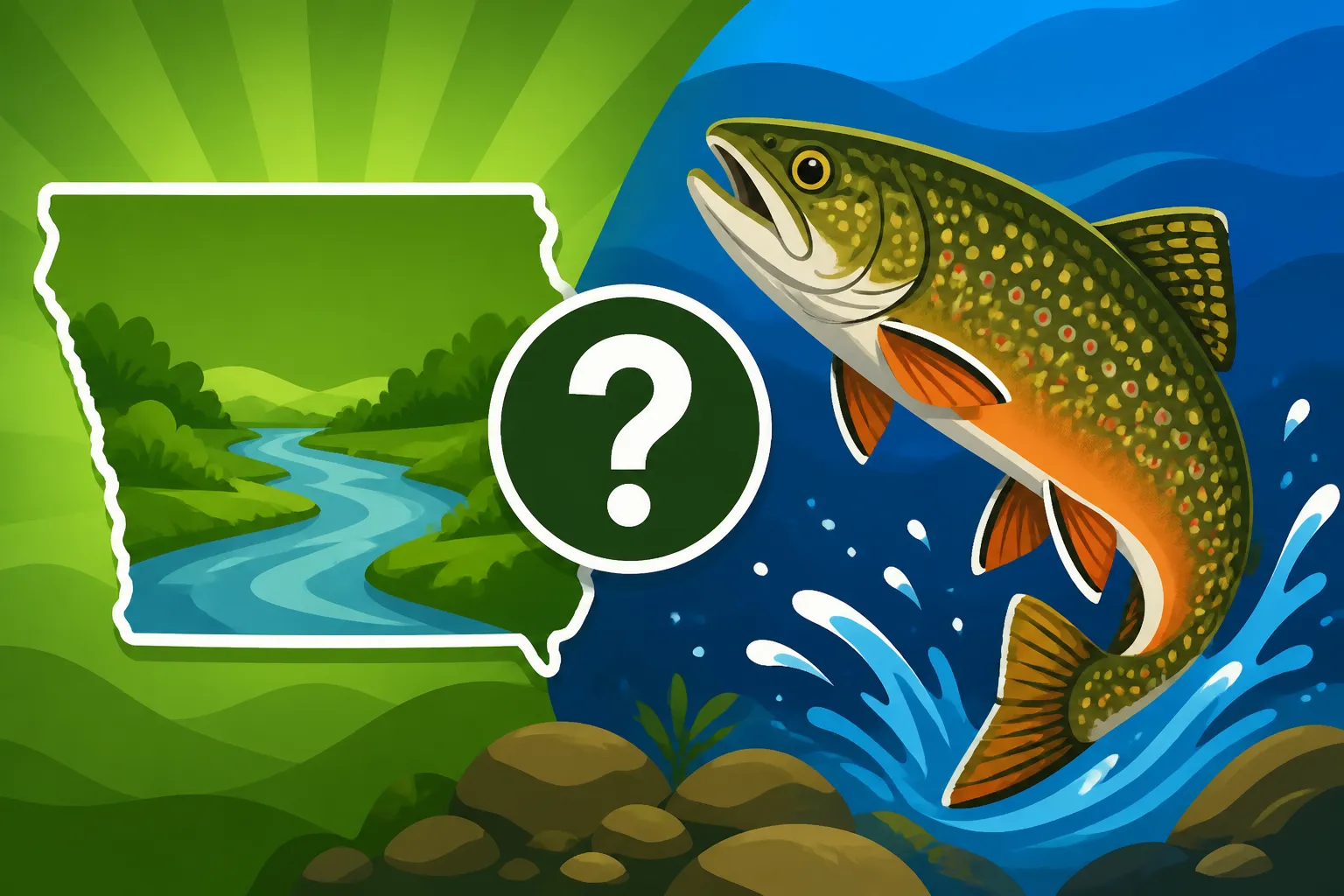
Are There Brook Trout in Iowa?
It's a question many of us Iowa anglers have pondered, especially when we dream of pristine, clear streams flowing through mountains, teeming with those beautiful, native brook trout. You've heard the legends, seen the pictures, and maybe even caught them out of state, and it's natural to wonder, "Are there brook trout in Iowa?" The simple answer, the one that can be a little disappointing, is not really – at least, not in the widespread, naturally reproducing sense you might imagine. Iowa's waters, while diverse and fantastic for many species, aren't typically ideal for this particular cold-water gem, and understanding why means diving into a bit of history and habitat science.
This guide is going to clear up the confusion about brook trout in the Hawkeye State. We'll explore why Iowa isn't a native brook trout haven, where you might encounter them (if you're lucky and well-informed!), and how to distinguish them from their more common cousins, the rainbow and brown trout. Most importantly, we'll talk about embracing the incredible trout fishing opportunities we do have, and how we can all be better stewards of our precious coldwater resources.
The Elusive Native: Are Brook Trout Truly Indigenous to Iowa?
When we talk about "native" fish, we're talking about species that were here before European settlement, evolving with the landscape and perfectly adapted to the natural conditions of our waters. For brook trout in Iowa, this is a topic that carries a good deal of nuance and historical perspective.
A Glimpse into Iowa's Past Waters
Historically, brook trout ( Salvelinus fontinalis) were indeed native to parts of Iowa, specifically the cold, spring-fed streams of our northeastern corner. Imagine Iowa centuries ago: vast prairies, dense forests, and countless small, crystal-clear streams bubbling up from underground springs. These springs provided the consistent, cold water temperatures that brook trout absolutely need to survive and reproduce. They were part of a pristine ecosystem, thriving in these isolated pockets. These native brook trout were smaller, intensely colored, and perfectly adapted to their specific microhabitats.
However, over the last 150-200 years, Iowa's landscape underwent massive changes. Widespread deforestation for agriculture, prairie plowing, and the channeling of streams drastically altered the hydrology and temperature of many waterways. The protective canopy of trees that shaded streams was removed, leading to increased water temperatures. Runoff from agricultural fields introduced sediment and pollutants, further degrading water quality and stream beds where brook trout would lay their eggs. These environmental shifts systematically eroded the specialized habitat that native brook trout required, leading to their decline and, in many areas, their extirpation.
Why Brook Trout Aren't Widespread Here
The primary reason brook trout aren't widespread in Iowa today boils down to one critical factor: habitat. These fish are true cold-water specialists. They need water temperatures that rarely exceed the mid-60s Fahrenheit, even in summer, and ideally stay much colder for optimal health and reproduction. They also need very clean, well-oxygenated water, stable gravel beds for spawning, and plenty of cover from predators and strong currents.
Most Iowa streams, even in the "driftless area" of northeast Iowa known for its trout fishing, simply don't meet these stringent requirements across their entire length or throughout the year. While springs might feed cold water into a section of a stream, further downstream, the water often warms up too much, especially during our hot Iowa summers. This makes long-term survival and natural reproduction very challenging for brook trout outside of extremely specific, isolated spring-fed headwaters.
It's a sad truth, but the agricultural transformation of our state, while vital for feeding the nation, fundamentally reshaped the natural world, including the delicate ecosystems that once supported native brook trout. This is why when you check the Iowa Fishing Regulations Explained or look up species, you'll find a strong focus on other trout species.
Where You Might Find Brook Trout in Iowa
Despite the challenges, the story isn't entirely without hope! While not widespread, there are indeed pockets where brook trout persist or have been carefully reintroduced, offering a rare and special angling experience.
The Niche Habitats
The key to finding brook trout in Iowa lies in understanding their absolute need for cold, consistent water. This means you're generally looking for very specific, spring-fed stream sections, usually high up in the watershed. These are typically small, intimate streams, often heavily canopied by trees, where underground springs maintain a steady, chilly flow even on the hottest days.
Conservation efforts have focused on identifying and protecting these remaining prime habitats. In some cases, small, targeted stocking programs of brook trout (often from strains genetically close to the original native populations) have been undertaken in these specific spring-fed areas, with the hope of re-establishing self-sustaining populations. These streams are often part of larger conservation projects aimed at restoring stream health and riparian buffers. If you're fortunate enough to find yourself on one of these rare streams, it's usually in the remote reaches of the Trout Fishing Streams in Northeast Iowa, perhaps in areas managed specifically for wild or re-introduced trout. Anglers visiting these special places must practice extreme care and adhere to catch-and-release practices to protect these fragile populations.
Identifying Iowa's Trout Species
So, you're fishing a cold stream in Iowa, and you hook a trout. How do you know if it's that elusive brook trout or one of the more commonly stocked species? It's important to know your fish, not just for bragging rights, but also because regulations can sometimes differ.
Here's a quick guide to help you tell them apart:
| Feature | Brook Trout (Salvelinus fontinalis) | Rainbow Trout (Oncorhynchus mykiss) | Brown Trout (Salmo trutta) |
|---|---|---|---|
| Body Color | Dark green to brown, marbled pattern on back & fins. | Silver to olive-green, pinkish stripe along sides. | Golden-brown to olive, often with darker back. |
| Spotting | Small, light spots (yellow, red with blue halos) on a dark background. | Numerous small, black spots on body, head, and fins. | Large dark spots (often with light halos), sometimes red/orange spots. |
| Tail Fin | Square to slightly forked. | Slightly forked to square. | Square to slightly forked. |
| Leading Fin Edges | White leading edge on lower fins (pectoral, pelvic, anal). | No prominent white leading edges. | No prominent white leading edges. |
| Habitat | Very cold, clear, spring-fed streams; often highest in watershed. | Tolerates slightly warmer water; common in streams & lakes. | More tolerant of warmer water and less oxygen than rainbows; adaptable. |
| Status in Iowa | Very limited, rare native/re-introduced populations in specific streams. | Widely stocked across Iowa's trout program. | Commonly stocked in Iowa's trout program. |
That distinctive white leading edge on the lower fins is often the dead giveaway for a brook trout! Knowing these differences is part of being a savvy Iowa angler. If you're looking for a good field guide to help with identification on the water, you can often find excellent, waterproof options on Amazon that fit right into your tackle bag. Understanding the fish you're targeting is crucial for adhering to Iowa Fishing Regulations Explained and promoting sustainable fishing practices.
The Reality for Iowa Anglers: Focusing on What We Have
While the dream of widespread native brook trout might be just that—a dream—Iowa offers fantastic trout fishing opportunities if you know where to look and what to expect. Don't let the rarity of brook trout deter you from enjoying our coldwater fisheries!
Our Stocked Trout Program
Iowa's Department of Natural Resources (DNR) runs an impressive trout stocking program that makes trout fishing accessible to thousands of anglers each year. This program primarily focuses on Rainbow Trout Stocking Program in Iowa and Brown Trout in Iowa Streams. These species are more tolerant of Iowa's varying stream conditions and can thrive in a wider range of the coldwater streams we have available.
They regularly stock dozens of streams, mainly in northeast Iowa, but also a few community ponds across the state, even during winter months for ice fishing! This means you can find excellent fishing for beautiful, hard-fighting trout throughout much of the year. The DNR works hard to ensure these streams are accessible and provide a quality angling experience.
When you purchase your Iowa Fishing License Guide and the required Iowa Trout Fishing Fee and Stamp Guide, you're directly contributing to the funding of these stocking programs and the ongoing conservation of our coldwater resources. It's a fantastic way to ensure future generations can also experience the thrill of trout fishing in Iowa. Many anglers find specific Trout Fishing Techniques for Iowa Streams to be highly effective, from small spinners and spoons to traditional fly-fishing setups.
Embracing Other Iowa Fishing Opportunities
While trout fishing is a blast, remember that Iowa is a state rich in diverse fishing opportunities beyond just trout. If you're passionate about fishing, our waters offer something for everyone:
- Warmwater Fisheries: Think about the incredible bass fishing in our farm ponds and larger lakes. Largemouth Bass Fishing in Iowa is a popular pursuit, and many anglers swear by the thrill of catching these aggressive fighters.
- Catfish Havens: The Mississippi River, Des Moines River, and many other Iowa waterways are legendary for their Channel Catfish Fishing in Iowa and even flatheads. Nothing beats the fight of a big Iowa cat!
- Panfish Galore: Bluegill, crappie, and yellow bass provide endless fun, especially for families and new anglers. They're abundant, relatively easy to catch, and delicious. Look for Crappie Fishing in Iowa and Bluegill Fishing in Iowa in almost any pond or lake. You can find some great starter kits for panfishing on Amazon, perfect for beginners.
The point is, even without widespread native brook trout, Iowa still offers a vibrant and exciting fishing scene. The key is to understand what species thrive where and to tailor your expectations and techniques accordingly. Checking the Iowa Fish Species Guide will give you a broader picture of what's available.
Responsible Angling and Conservation
Regardless of what you're fishing for, responsible angling and conservation are paramount. Our natural resources are precious, and it's up to us to protect them.
Catch and Release for Rare Species
When it comes to those rare brook trout populations in Iowa, or indeed any fragile fishery, catch and release is not just a recommendation; it's a vital practice. These small populations are often delicately balanced, and removing even a few fish can have a significant impact on their ability to reproduce and sustain themselves.
If you are lucky enough to hook an Iowa brook trout:
- Handle with Care: Minimize handling. Keep the fish in the water as much as possible. Wet your hands before touching it to protect its slime coat.
- Quick Release: Remove the hook quickly and gently. Barbless hooks are highly recommended, especially when targeting trout. A good pair of long-nose pliers from Amazon can make hook removal much easier and safer for the fish.
- Avoid Stress: Don't fight the fish to exhaustion. If it's really tired, hold it gently facing upstream in the current until it regains its strength and swims away on its own.
- Know the Regulations: Always check the current Iowa Fishing Regulations Explained before you go. Specific streams might have special rules, size limits, or even be designated catch-and-release only for certain species.
Supporting Iowa's Coldwater Fisheries
Every angler plays a role in the health of our fisheries. Supporting conservation goes beyond just proper catch-and-release techniques.
- Purchase Your Licenses: Your fishing license and trout stamp are direct investments in habitat restoration, stocking programs, and enforcement.
- Report Violations: If you see illegal activity, like poaching or pollution, don't hesitate to report a fishing violation in Iowa. It's protecting our fishing heritage.
- Be a Steward: Participate in stream cleanups, support organizations working on coldwater habitat restoration, and educate others about the importance of clean water and healthy ecosystems. Things like ensuring proper erosion control on your own property or advocating for responsible land use practices can have a ripple effect on stream health.
- Learn More: Staying informed about stream conditions, Iowa Fishing Season Dates and Limits, and new conservation initiatives helps you be a more effective advocate and angler. The more we understand, the better equipped we are to make a positive impact.
By focusing on responsible practices and celebrating the incredible diversity of fish we do have, we can all contribute to making Iowa an even better place to cast a line, even if our brook trout remain a rare and cherished sight.
Disclaimer
This article is for general informational purposes only and does not constitute professional advice. Laws, prices and regulations vary by location and change over time. Consult a qualified professional for guidance on your specific situation.