Can You Catch Sturgeon in the Mississippi River?
It's an age-old dream for many anglers: hooking into a fish that feels like it swam straight out of the prehistoric era. For those of us who love chasing big fish on Iowa's legendary Mississippi River, the idea of catching a sturgeon is incredibly alluring. But there's often a ton of confusion about whether you can actually catch and, more importantly, keep these magnificent creatures. This guide is here to untangle all that uncertainty, so you know exactly which sturgeon species grace our waters, what the rules are for fishing them, and how you can responsibly pursue this unique angling experience on the mighty Mississippi.
Understanding Sturgeon Species in Iowa's Mississippi River
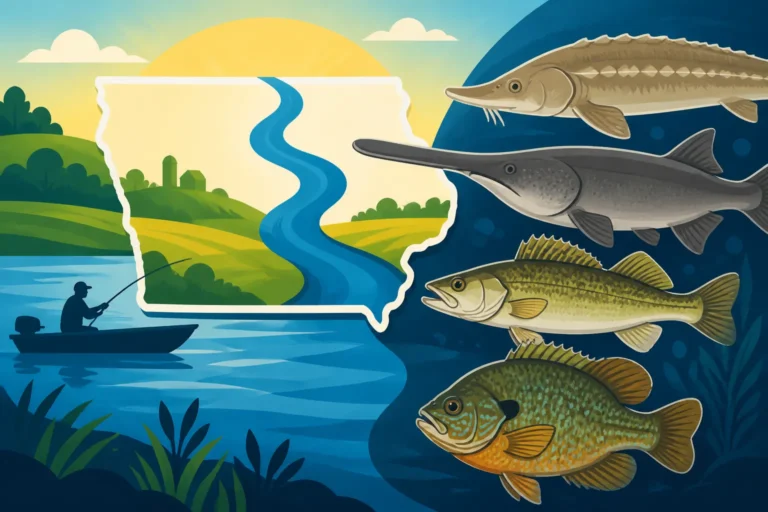
When we talk about sturgeon in the Mississippi River along Iowa's border, we're primarily looking at two main species: the Lake Sturgeon and the Shovelnose Sturgeon. They might look somewhat similar to the untrained eye, but their conservation status and the rules surrounding them are vastly different. Knowing the difference isn't just a matter of good angling; it's a legal and ethical responsibility.
The Protected Gentle Giant: Lake Sturgeon
Imagine reeling in a fish that can grow over six feet long and weigh more than 200 pounds, a true freshwater behemoth that's been swimming these waters since the time of dinosaurs. That's the Lake Sturgeon, and while they are present in the Mississippi River that borders Iowa, they are critically endangered and fully protected. This means if you are incredibly lucky enough to hook into one, you absolutely cannot keep it. It's a strict catch-and-release situation.
The frustration is real when you encounter such a majestic creature and have to let it go. You've fought a monumental battle, and your arms are probably aching, but the law and conservation efforts are clear. Lake Sturgeon populations have faced severe decline due to overfishing in the past, habitat loss, and pollution. Efforts are constantly underway to restore their numbers, and every angler plays a crucial role in their recovery by practicing immediate, careful release. These fish are relatively easy to identify by their smooth, conical snout and four prominent barbels that hang closer to the tip of their snout, almost halfway between the tip and their mouth, which is located on the underside of their head. They also lack the bony plates on their belly that their Shovelnose cousins possess. If you accidentally catch one, handle it gently, keep it in the water as much as possible, and unhook it quickly. Knowing the Sturgeon Fishing Rules on Iowa Waters is paramount for any angler hoping to encounter these ancient fish.
The Legal Catch: Shovelnose Sturgeon
Now, for the good news! While their larger cousins are off-limits, the Shovelnose Sturgeon is a species that anglers can legally target and keep, within specific regulations. These fascinating fish are much smaller than Lake Sturgeon, typically reaching lengths of 20 to 30 inches and weighing a few pounds, though larger specimens are certainly caught. They're often called the "little guys" of the sturgeon family, but don't let their size fool you; they're still powerful fighters and a blast to catch.
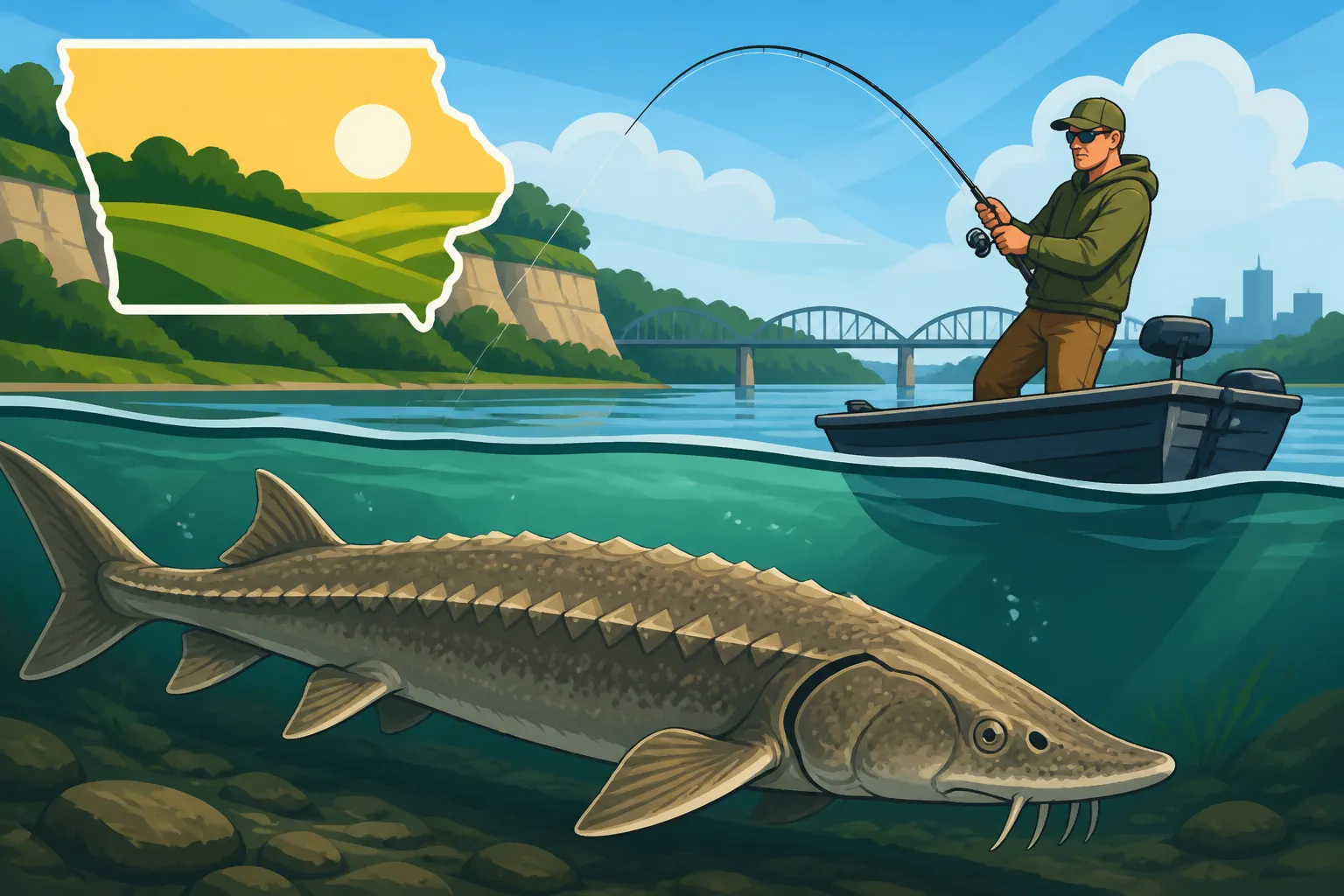
Shovelnose Sturgeon are bottom-feeders, using their distinctive, flattened, shovel-like snout to root around in the riverbed for insects, larvae, and small fish. You'll find them predominantly in the main channels of the Mississippi, often in faster-moving currents and deeper areas where there's plenty of sand and gravel for them to forage. Their physical characteristics help differentiate them from the protected Lake Sturgeon. Look for their distinctively wide, flat snout, the four barbels located closer to their mouth (not the tip of the snout), and a fully scaled belly, meaning they have bony plates covering their underside. They also have a very long, thin tail filament, though this can sometimes be broken off. Understanding these differences is key to staying on the right side of the law and ensuring the continued health of both sturgeon populations. For more specific details on what you can take home, check out the Shovelnose Sturgeon Season and Limits.
Regulations and Responsible Angling for Sturgeon
Fishing for any species in the Mississippi River means understanding a specific set of rules, and sturgeon are no exception. Given the protected status of Lake Sturgeon, it’s even more critical to be informed. Always remember that regulations can change, so a quick check of the Iowa Department of Natural Resources (DNR) website before heading out is always a good idea.
Navigating Iowa's Shovelnose Sturgeon Regulations
For Shovelnose Sturgeon, Iowa has specific regulations in place to ensure sustainable fishing. These typically include daily bag limits and sometimes length limits. For example, you might be allowed to keep a certain number of Shovelnose Sturgeon per day, and they might need to be within a specific size range. These rules are designed to protect younger fish and ensure enough breeding stock remains to keep populations healthy for future generations of anglers.
It’s crucial to understand that these regulations apply to the Iowa portion of the Mississippi River, including border waters. This means that if you're fishing near the Illinois, Wisconsin, or Missouri border, you need to be aware of the reciprocal agreements and ensure you are compliant with Iowa's rules. Ignorance of the law is never an excuse, and game wardens are vigilant about protecting these unique fish. Always consult the official Iowa Fishing Regulations Explained booklet or online resources. This will also give you insights into the Iowa Fishing Daily Bag Limits Guide for various species, helping you plan your fishing trip responsibly. If you're an out-of-state angler, there might be additional considerations, so be sure to review Iowa Fishing Rules for Out-of-State Anglers as well.
Essential Catch-and-Release Practices for All Sturgeon
Whether you've caught a protected Lake Sturgeon or simply decided to release a Shovelnose (perhaps you've already met your limit or prefer catch-and-release), proper handling is absolutely vital. Sturgeon are hardy fish, but they can be easily harmed if not handled correctly.
Here's how to ensure a successful release:
- Minimize Fight Time: Use tackle heavy enough to land the fish relatively quickly, reducing exhaustion.
- Keep Them Wet: Try to unhook the fish while it's still in the water, especially larger specimens. If you must bring it aboard for a quick photo, do so gently and quickly.
- Support Their Weight: If lifting, support the fish horizontally, especially around the belly. Avoid holding them vertically by the tail or gill plates, as this can damage their internal organs.
- Use Proper Tools: Have long-nose pliers, hook removers, or de-hookers readily available to quickly remove hooks. You can find excellent, durable sets on Amazon that are essential for any responsible angler. Sometimes, cutting the line as close to the hook as possible is the best option if the hook is deeply embedded, as hooks will eventually rust out.
- Revive Gently: If the fish seems stressed, hold it upright in the water, facing into the current, until it regains strength and can swim away on its own.
Practicing these techniques not only ensures the survival of the fish but also upholds the integrity of our fishing traditions.
Targeting Shovelnose Sturgeon on the Mississippi
Now that you're well-versed in the regulations, let's talk about the exciting part: actually trying to catch a Shovelnose Sturgeon! While they aren't as prevalent as, say, catfish, they are certainly catchable if you know where and how to look.
Prime Locations and Habitats
Shovelnose Sturgeon are true river dwellers, preferring the main channels of the Mississippi River where the current is strong and the bottom is sandy or gravelly. They're bottom feeders, so you'll rarely find them in shallow, slack water. Instead, focus your efforts on:
- Deep Holes and Channels: These are natural gathering points for sturgeon as they follow the contours of the riverbed, seeking food and refuge from the strongest currents. Using a good fish finder can help identify these deeper troughs.
- Below Wing Dams: Wing dams are man-made structures extending from the riverbank, designed to maintain the main channel. The areas immediately downstream from these dams often create scour holes and current breaks, concentrating baitfish and, consequently, hungry sturgeon. This is prime territory for many river species, including sturgeon and walleye. For more insight into these structures, consult Wing Dam Fishing on the Mississippi River.
- Confluence Areas: Where smaller rivers or creeks meet the Mississippi, the change in current and availability of different food sources can attract sturgeon.
- Pools and Locks: While the navigation locks are primarily for boats, the pools between locks, especially in areas like Mississippi River Pool 9 Fishing or Mississippi River Pool 10 Fishing, offer varied depths and current patterns that can hold sturgeon. The tailwaters below the dams can be particularly productive due to the aerated water and concentrated food sources.
Always remember that these fish are active throughout the season, but spring and fall can be particularly productive as water temperatures are favorable.
Effective Baits and Techniques
When it comes to baits and techniques for Shovelnose Sturgeon, think "catfish gear with a touch more finesse." They're not particularly picky, but presenting the bait correctly in current is key.
-
Bait of Choice:
- Cut Bait: Small pieces of shad, skipjack, or even bluegill are excellent. The scent trail they leave is irresistible to bottom feeders.
- Worms: Good old nightcrawlers, either whole or in chunks, are a consistent producer. They're readily available and easy to rig.
- Shrimp: Fresh or frozen shrimp, cut into small pieces, can also be very effective, especially if other baits aren't producing.
- For more ideas on what tempts river dwellers, you might find useful tips in our Catfish Bait Guide for Iowa Anglers.
-
Rigs and Tackle:
- Bottom Rigging: A basic slip-sinker rig or a three-way swivel rig works well. You'll need enough weight (1-4 ounces, or more depending on current) to hold your bait on the bottom.
- Heavy-Duty Rod and Reel: A medium-heavy to heavy action rod, around 7-8 feet long, paired with a stout baitcasting or spinning reel, is ideal. You'll need the backbone to handle the strong currents and the powerful runs of a sturgeon. Many anglers use similar setups for trophy catfish, so exploring the Best Rod for Catfish Fishing might give you some ideas.
- Strong Line: Monofilament in the 15-25 lb test range is a good all-around choice. For even more sensitivity and power, braided line in similar test strengths can be effective, allowing you to feel subtle bites even in strong current.
- You can find a fantastic array of suitable rods, reels, and lines on Amazon, often with reviews from other river anglers, which can be super helpful in making your choice.
The key to success is patience and presenting your bait directly on the bottom in known sturgeon haunts. Cast upstream and let your rig drift naturally into the target zone, allowing the current to spread the scent. Once you feel that distinct "thump-thump," give it a moment, then set the hook with authority!
Lake Sturgeon vs. Shovelnose Sturgeon: A Quick Comparison
To help you quickly differentiate between these two fascinating species, here's a handy table summarizing their key characteristics and legal status in Iowa's Mississippi River.
| Feature | Lake Sturgeon | Shovelnose Sturgeon |
|---|---|---|
| Legal Status (Iowa) | Fully Protected (Catch & Release ONLY) | Legal to Harvest (with specific limits) |
| Average Size | Large (3-6+ feet, 50-200+ lbs) | Smaller (1.5-2.5 feet, 1-5 lbs) |
| Snout | Conical, somewhat blunt | Broad, flattened, shovel-like |
| Barbels | Closer to tip of snout, midway to mouth | Closer to mouth, often fringed |
| Belly Plates | Mostly scaleless/smooth | Fully covered with bony plates (scutes) |
| Tail Filament | Often absent or very short | Usually long, thin, and whip-like (can be broken off) |
| Habitat Preference | Deeper lakes, large rivers, tributaries | Main channels of large, turbid rivers, strong currents |
Remember, if there's any doubt about which species you've caught, always err on the side of caution and release the fish immediately and unharmed.
The Broader Picture: Conservation and Enjoyment
Angling for sturgeon on the Mississippi River isn't just about the thrill of the catch; it's about connecting with a piece of natural history and participating in its preservation. These fish, with their ancient lineage, remind us of the incredible biodiversity in our waterways.
Why Conservation Matters
The story of the Lake Sturgeon is a powerful testament to the impact humans can have on a species, both negatively and, hopefully, positively through dedicated conservation efforts. Every time an angler carefully releases a Lake Sturgeon, they're contributing directly to its potential recovery. By adhering to the Iowa Fishing Daily Bag Limits Guide and other regulations, we ensure that fish populations remain healthy and robust, providing enjoyable fishing experiences for generations to come. It's a shared responsibility to protect these unique creatures and their habitats.
Enjoying the Mississippi's Unique Fishery
The Mississippi River offers an incredibly diverse and rewarding fishing experience, far beyond just sturgeon. From battling powerful channel catfish to chasing elusive walleye or casting for crappie in the backwaters, there's always something to keep an angler engaged. Encountering a sturgeon, whether it's a protected Lake Sturgeon or a keeper Shovelnose, adds an extra layer of excitement and wonder to an already fantastic day on the water.
So, head out to the river, maybe explore some of the fantastic spots around Mississippi River Pool 10 Fishing, pack your heavy tackle, and enjoy the adventure. Just make sure you know your sturgeon, respect the regulations, and practice responsible angling. The rewards are well worth the effort!
Disclaimer
This article is for general informational purposes only and does not constitute professional advice. Laws, prices and regulations vary by location and change over time. Consult a qualified professional for guidance on your specific situation.