Rainbow Trout Stocking Program in Iowa
It can be incredibly frustrating to hear whispers of fantastic trout fishing in Iowa, only to wonder where these elusive fish come from in a state not typically known for its mountainous, cold-water streams. Many anglers feel a bit lost, assuming trout are only found far away. But here's the exciting truth: Iowa has a vibrant and successful Rainbow Trout Stocking Program that brings these beautiful fish right to us, creating amazing fishing opportunities across the state. This guide will demystify the program, showing you exactly how it works, where to find these stocked beauties, and how you can get in on the action.
Understanding Iowa's Rainbow Trout Stocking Program
Iowa might conjure images of rolling cornfields and slow-moving rivers, not pristine trout streams. This is precisely why the Iowa Department of Natural Resources (DNR) developed its Rainbow Trout Stocking Program – to create and maintain a viable trout fishery where natural populations simply can't sustain themselves. It’s a testament to dedication, transforming certain waters into genuine cold-water havens for anglers. For many Iowans, this program means that the thrill of catching a trout isn't just a vacation dream; it's a real possibility right in their backyard or a short drive away.
The History and Goals of Trout Stocking in Iowa
The concept of stocking trout isn't new, but Iowa's program has evolved significantly over the years. Historically, attempts were made to establish self-sustaining populations, especially in the unique cold-water spring-fed streams of Northeast Iowa. While some native brook trout populations exist, rainbow trout, being more adaptable to a wider range of conditions and faster-growing, became the focus for a robust put-and-take fishery. The primary goal of the program today is to provide diverse angling opportunities, particularly for those who might not have access to natural trout fisheries. It's about recreational access and getting more people outdoors, enjoying the tranquility and challenge of trout fishing. Without this deliberate effort, the sheer joy of pulling a vibrant rainbow from an Iowa stream or pond would be largely nonexistent for many.
Types of Trout Stocked in Iowa Waters
While the program is primarily focused on Rainbow Trout, sometimes other species like Brown Trout or Brook Trout are stocked for specific management goals or in very particular cold-water streams that mimic their natural habitat more closely. However, it's the rainbow trout that are the workhorses of the program. They are raised in state-run hatcheries, carefully nurtured from tiny fingerlings to catchable-size fish. These fish are bred to thrive in the stocked environments and to provide a good fight and a delicious meal for those who choose to harvest them. Their distinctive iridescent stripe and strong fighting spirit make them a favorite among anglers, and the program ensures there's a steady supply. This commitment to stocking a resilient, popular species really underpins the success and broad appeal of the program.
The Mechanics of the Stocking Program
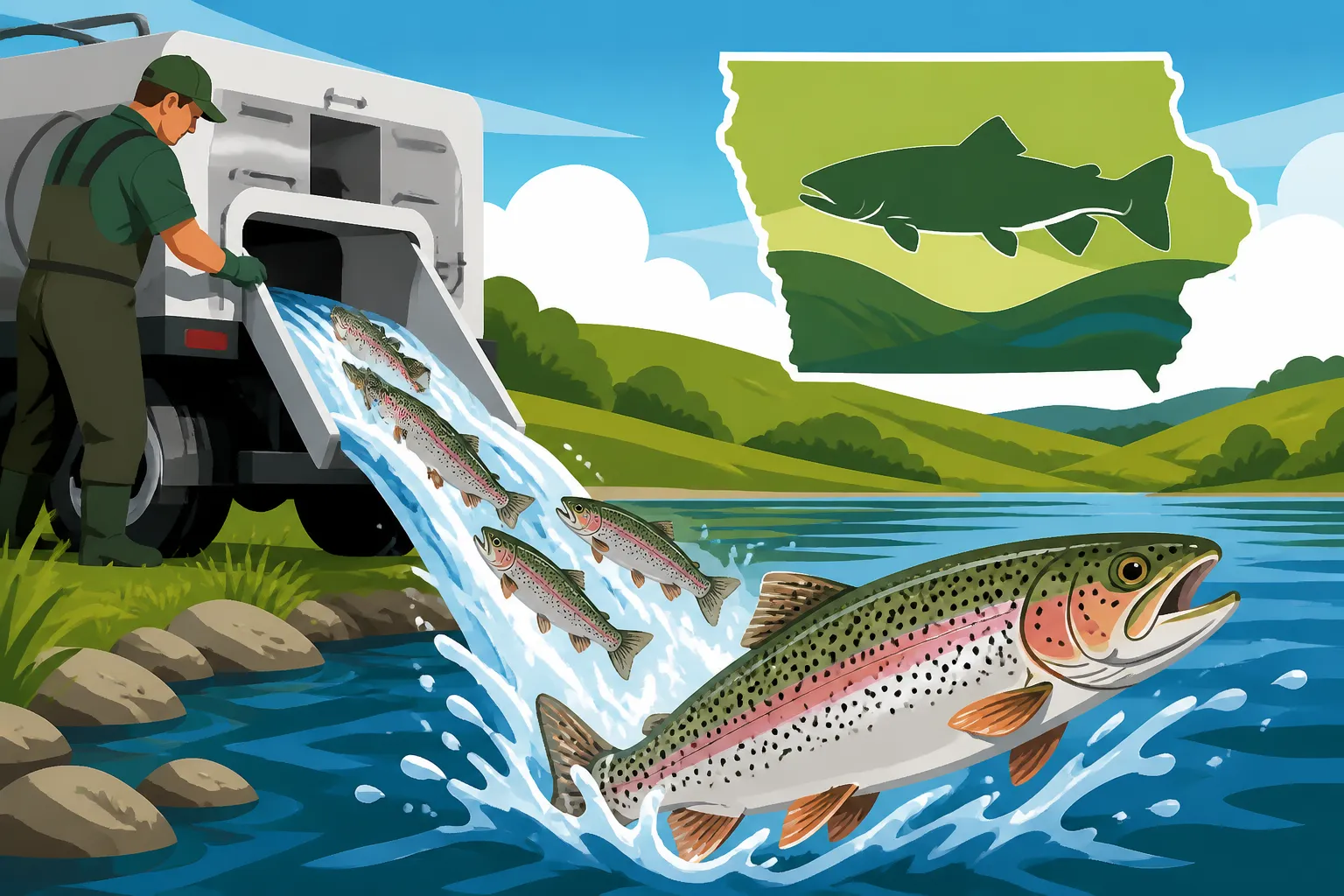
Ever wonder how all those trout actually get into the water, ready for your line? It’s not magic, but it feels pretty close sometimes! The Iowa DNR manages a sophisticated system, from the meticulous care at hatcheries to the strategic release into public waters. This isn't just about dumping fish; it's a carefully planned operation designed to maximize angler success and maintain healthy fish populations. Knowing a little about this process can even help you predict where and when the best fishing might be.
Iowa's Trout Hatchery Operations
The heart of Iowa's stocking program lies within its state-of-the-art trout hatcheries, such as the Manchester Trout Hatchery, Decorah Trout Hatchery, and Big Springs Hatchery. These facilities are incredible examples of aquaculture, where millions of trout eggs are carefully incubated, hatched, and raised. It's a year-round job, with staff monitoring water quality, feeding regimens, and fish health to ensure a strong, viable stock. They utilize carefully selected broodstock to produce robust fish that can handle the transition from hatchery tanks to diverse natural environments. From the moment they hatch, these fish are on a journey to become a memorable catch for an Iowa angler. This intensive care ensures that when they are released, they are healthy, strong, and ready to challenge anglers.
Stocking Schedules and Locations
One of the most exciting parts of the program is the predictable—yet sometimes surprising—stocking schedule. The Iowa DNR keeps anglers informed, often posting schedules on their website and through social media. Trout are stocked throughout the year, with heavy periods in spring and fall, and even special winter stockings in urban ponds. Northeast Iowa's cold-water streams, fed by natural springs, are prime candidates for regular stockings. However, the program extends beyond these traditional areas, with community trout ponds and designated lakes receiving winter stockings. This ensures that even anglers far from the trout stream region can experience the joy of trout fishing. To be a successful trout angler in Iowa, it pays to keep an eye on these announcements and plan your trips around fresh stockings. It's a bit like timing the arrival of a favorite author's new book; you want to be there right when it drops!
A good way to keep track of these schedules is to visit the Iowa DNR's official fishing pages or sign up for their newsletters. Many dedicated anglers even use online forums to share real-time updates on recent stockings. When planning your trip, you'll find that many of the smaller, easily accessible streams are stocked weekly or bi-weekly during peak seasons, making them excellent spots for consistent action. For larger water bodies or the specialized winter programs, stockings might be less frequent but involve a greater number of fish. You can find detailed information, including maps and specific stream names, on the DNR's fishing atlas.
Where to Find Stocked Rainbow Trout in Iowa
Knowing that trout are stocked is one thing, but knowing where to find them is the key to a successful fishing trip. Iowa's stocking program strategically places rainbow trout in various types of waters, each offering a unique angling experience. Whether you prefer the solitude of a winding stream or the convenience of an urban pond, there's likely a trout-fishing spot waiting for you.
Northeast Iowa's Spring-Fed Trout Streams
The undisputed heart of Iowa's trout fishery lies in the rolling hills and deep valleys of Northeast Iowa. This region is blessed with numerous spring-fed streams that maintain consistently cold water temperatures, even during the summer months, making them ideal for trout. Streams like French Creek, Spring Branch, and Waterloo Creek are just a few examples of the dozens of designated trout streams here. These streams are typically picturesque, with clear, fast-flowing water, rocky bottoms, and overhanging vegetation, creating perfect habitat for stocked trout to disperse and thrive for a time. Fishing these streams can feel like stepping into a completely different state, a refreshing escape from the typical Iowa landscape. If you're looking for an authentic stream trout experience, this is where you'll want to focus your efforts. For more details on these specific areas, check out Trout Fishing Streams in Northeast Iowa.
These streams offer a classic trout fishing experience, often requiring wading and careful stealth. The fish, though stocked, quickly learn to be wary, especially in areas with consistent fishing pressure. You'll find a mix of open stretches and tight, brush-lined bends, presenting diverse challenges. Many of these streams flow through public easements, providing good access, but it's always wise to be respectful of private property boundaries. Remember to wear appropriate wading gear, as stream bottoms can be slippery, and a sturdy pair of wading boots (available on Amazon) can make all the difference.
Community Trout Ponds
For anglers outside the immediate Northeast Iowa region, or those looking for a more accessible, family-friendly experience, the Iowa DNR has developed a fantastic program of stocking "community trout ponds." These are typically smaller, urban, or semi-urban impoundments that are stocked during the colder months, generally from late fall through early spring. Because these ponds often warm too much for trout to survive through the summer, they operate as true "put-and-take" fisheries, meaning anglers are encouraged to harvest their catch. This provides a wonderful opportunity for beginners, children, and those with limited mobility to enjoy trout fishing without extensive travel or specialized gear. These ponds are often easily accessible, sometimes even with fishing piers, making them perfect for a quick outing. For more information on locations, you might want to read Community Trout Ponds Near Des Moines.
The appeal of community trout ponds is their convenience. They bring the trout to you, rather than requiring a long drive. These ponds are usually stocked with catchable-size rainbow trout, offering immediate gratification. While the fish in these ponds might not be as wild as those in the streams, they still provide a fun challenge, especially for kids. It's an excellent way to introduce new anglers to the sport. Many of these ponds are located within city parks, offering amenities like restrooms and picnic areas, making them ideal for a family day trip. Just be sure to check the specific regulations for each pond, as some may have unique rules regarding bait or tackle.
Winter Trout Lakes
Expanding on the idea of community ponds, the Iowa DNR also utilizes certain larger lakes for winter trout stockings. Similar to the community ponds, these lakes are stocked when water temperatures are consistently cold enough to support trout, typically from December through February. These larger bodies of water, often popular for ice fishing, become hotspots for trout during the winter months. This offers a unique dimension to Iowa's ice fishing scene, allowing anglers to target trout alongside traditional winter species like bluegill and crappie. When the ice is safe, the thrill of reeling in a strong rainbow trout through a small hole can be an unforgettable experience.
These winter trout lakes provide a distinct advantage for ice anglers, adding another species to their target list. The trout stocked in these lakes are often larger than those found in community ponds, offering a more substantial fight. Popular spots might include specific coves or deeper sections of larger reservoirs. The DNR usually announces these stockings, and savvy anglers will watch these announcements closely. For ice fishing, specialized gear like shorter rods, small jigs, and a reliable ice auger (which you can find a wide selection of on Amazon) are essential. Always prioritize safety and check ice thickness before venturing out.
Fishing Techniques for Stocked Rainbow Trout
Catching stocked rainbow trout can be incredibly rewarding, but it often requires a bit of finesse and understanding of their behavior. These fish, while hatchery-raised, quickly adapt to their new environment and can become surprisingly wary. Whether you prefer traditional methods or the art of fly fishing, there are effective strategies to entice these beautiful fish.
Bait and Lure Fishing Strategies
For many anglers, especially beginners or those in community ponds, bait and lure fishing are the most straightforward and effective methods. Trout have a keen sense of smell, making natural baits very appealing. Common choices include corn, salmon eggs, nightcrawlers (especially smaller pieces), and various power baits or synthetic trout doughs. Presenting these baits on a small hook (size 10-14) under a bobber or on a light bottom rig can be incredibly effective. For lures, small inline spinners (like Mepps or Rooster Tail) in silver, gold, or brass, and tiny spoons or jigs, are often irresistible to stocked trout. The key is to use light line (2-4 lb test) and a sensitive rod to detect subtle bites. Varying your retrieve speed and depth until you find what the fish prefer on a given day is crucial.
When fishing with bait, try to make your presentation as natural as possible. A single salmon egg or a small kernel of corn on a tiny hook, allowed to drift naturally in a stream, can be deadly. In ponds, a suspended bobber rig allows the bait to hover enticingly. For lures, think about mimicking small baitfish or insects. A steady retrieve with an occasional twitch or pause can trigger a strike. Don't be afraid to experiment with different colors and sizes. Often, a bright color might work best in murky water, while natural tones excel in clear conditions. A good tackle box (many options on Amazon) with a variety of small baits and lures will serve you well.
The Art of Fly Fishing for Iowa Trout
For those who enjoy a more classic and challenging approach, fly fishing for Iowa's stocked trout can be a deeply rewarding experience. While stream fishing in Northeast Iowa is prime fly-fishing territory, you can also find success in ponds, especially when trout are actively feeding on insects near the surface. The key to fly fishing is matching the hatch – presenting a fly that closely imitates the insects the trout are currently feeding on. This might mean tiny dry flies for surface feeding, nymphs for subsurface insects, or streamers that mimic baitfish. A lightweight fly rod (typically 3-5 weight) with a matching reel and floating line is usually sufficient for Iowa's trout. Patience, observation, and a delicate presentation are paramount. You can find excellent advice on this topic in Fly Fishing for Trout in Iowa Streams and Nymphing Techniques for Iowa Trout Streams.
Fly fishing demands a different kind of engagement with the water. Reading the water to identify currents, seams, and holding lies is essential. Observing what insects are present, either flying around or floating on the surface, provides clues about what the trout are eating. Often, trout in these streams become accustomed to hatchery pellets, so sometimes a "worm" pattern or even a tiny bead head pheasant tail nymph can be highly effective. The learning curve for fly casting can seem daunting, but even a basic roll cast can allow you to present a fly effectively in many of Iowa's smaller streams. It's a journey of continuous learning, and every landed trout on a fly feels like a true accomplishment.
Seasonal Considerations for Trout Fishing
The best time to fish for stocked rainbow trout in Iowa largely depends on the type of water you're targeting.
- Spring: This is a prime time, especially in Northeast Iowa's streams. Water levels are usually good, and trout are actively feeding after winter. Spring stockings are frequent, ensuring a fresh supply of fish. The cool, stable temperatures make for ideal trout habitat.
- Summer: Stream fishing can still be good in Northeast Iowa, but focus on early mornings or late evenings when water temperatures are cooler. Seek out shady, spring-fed stretches. Warmer water can stress trout, so consider catch-and-release carefully during this time.
- Fall: Another excellent season for stream fishing. Cooler temperatures re-energize the trout, and fall stockings are common. The vibrant autumn foliage adds to the beauty of the experience. Check out Iowa Fall Trout Stocking Strategy.
- Winter: This is when the community trout ponds and winter trout lakes truly shine. As mentioned, these waters are specifically stocked for cold-weather and ice fishing opportunities. While traditional stream fishing might slow down or become inaccessible due to ice, these dedicated winter programs keep the trout fishing going.
Understanding these seasonal patterns will greatly improve your chances of success and help you decide which locations to target throughout the year. For detailed seasonal information, be sure to consult Iowa Fishing Seasons Explained.
Regulations and Responsible Angling
Being a successful angler isn't just about catching fish; it's also about understanding and respecting the rules and contributing to the sustainability of the resource. Iowa has specific regulations for trout fishing, and adhering to them ensures that the stocking program can continue to provide fantastic opportunities for everyone.
License Requirements and the Trout Fee
Before you even think about casting a line for trout in Iowa, you need to make sure you're properly licensed. All anglers 16 years and older are required to possess an Iowa fishing license. But for trout fishing, there's an additional requirement: the Iowa Trout Fee. This annual fee is crucial as it directly funds the trout stocking program, supporting hatchery operations and the transportation of fish to stocking locations. It's a small investment that makes a huge difference in maintaining this unique fishery. Without both the general fishing license and the trout fee, you're not legally equipped to fish for trout in Iowa. You can learn more about this by reading Iowa Fishing License Guide and Iowa Trout Fishing Fee and Stamp Guide.
It’s a common point of confusion for new anglers: "Do I need both the license and the trout fee?" The answer, unequivocally, is yes, if you plan to fish for trout and are over the age of 16. Think of the trout fee as a specialized stamp that grants you access to the trout program. The revenue generated by this fee goes directly back into the hatcheries and stocking efforts, ensuring that those vibrant rainbow trout are there for you to catch. This direct link between your participation and the health of the program is what makes it so successful. Remember, ignoring these requirements can lead to fines, so it’s always best to be prepared. For clarification on age requirements, see Do Kids Need a Fishing License in Iowa?.
Daily Limits and Size Restrictions
Like most fisheries, Iowa's trout program has specific daily bag limits and sometimes size restrictions to manage the resource responsibly. While the primary goal of the stocking program is often "put-and-take," especially in community ponds and winter lakes, there are still limits on how many fish you can keep per day. These limits vary slightly depending on the specific water body and whether it's a designated "catch and release" stream, but a general daily limit for trout is usually five fish. Size restrictions are less common for stocked rainbow trout in Iowa, as they are often stocked at catchable size, but it's always wise to check the current Iowa Fishing Regulations booklet, which is easily accessible online or at license vendors. Staying informed about these limits is essential to prevent overharvesting and ensure that the program remains sustainable. Penalties for exceeding these limits can be substantial, so it's always better to be safe than sorry.
These limits are in place for a good reason. Even though trout are stocked, unregulated harvesting could quickly deplete the available fish, diminishing the experience for others. In "put-and-take" fisheries, the fish are intended to be kept and eaten, so catching your limit and enjoying a delicious meal is encouraged! However, if you plan to spend multiple days fishing, remember the daily limit applies per calendar day, not per trip. Always have a way to accurately count your fish if you plan to harvest.
Catch and Release vs. Harvest Best Practices
The decision to catch and release or harvest your trout often depends on the specific location and your personal angling philosophy. In community ponds and winter lakes, where trout cannot survive year-round, harvesting your catch is often encouraged. These are true "put-and-take" fisheries. However, in Northeast Iowa's colder streams, especially those with special regulations, catch and release is sometimes mandated or highly recommended to maintain a quality fishery, particularly for larger or wilder trout. If you are practicing catch and release, handle the fish as little as possible, keep it in the water, and use a de-hooking tool to minimize stress. Barbless hooks can also significantly improve a fish's chances of survival. If you plan to harvest, humanely dispatch the fish quickly and keep it on ice to preserve its freshness.
- For Harvesting: If you intend to take fish home, ensure you have a cooler with ice readily available. Quickly dispatching the fish and placing it on ice is crucial for quality.
- For Catch and Release:
- Use barbless hooks, or pinch down barbs with pliers.
- Minimize air exposure; keep the fish in the water as much as possible.
- Handle fish gently with wet hands.
- Use a net with soft, knotless mesh.
- Revive the fish by holding it gently in the current until it swims away on its own.
Responsible angling means making informed decisions that benefit both the fish and fellow anglers. It's about preserving the enjoyment for everyone, ensuring Iowa's trout program remains a vibrant and cherished resource.
The Broader Impact of Iowa's Trout Stocking Program
Iowa's Rainbow Trout Stocking Program is far more than just putting fish in water; it's a vital component of the state's recreational economy, conservation efforts, and outdoor culture. Its impact ripples through local communities, supporting businesses and fostering a love for the natural world.
Economic Benefits for Local Communities
The presence of a robust trout fishery, especially in Northeast Iowa, draws anglers from across the state and even neighboring states. These anglers spend money on fishing licenses and trout fees, gear (rods, reels, flies, waders, which can be found in a huge assortment on Amazon), bait, fuel, food, and lodging. This influx of visitors provides a significant boost to the economies of small towns like Decorah, Manchester, and Elkader. Local bait shops, diners, gas stations, and motels all see increased business thanks to the allure of trout fishing. It's a classic example of how investing in outdoor recreation can yield tangible economic returns, helping to sustain rural communities.
Consider a typical weekend during peak stocking season. Carloads of anglers arrive, stopping for breakfast at a local cafe, picking up last-minute supplies at a small-town hardware store that also sells tackle, and perhaps staying in a local bed and breakfast. Each dollar spent circulates within these communities, supporting jobs and services that might otherwise struggle. This economic ripple effect is a powerful argument for the continued funding and expansion of the trout program. The "trout stamp" fee anglers pay isn't just for fish; it's an investment in local economies.
Conservation Aspects and Habitat Improvement
While stocking relies on hatchery-raised fish, the program is deeply intertwined with broader conservation efforts. To support trout, the DNR and its partners work tirelessly to protect and improve the cold-water stream habitats. This includes stream bank stabilization, planting riparian vegetation to provide shade and reduce erosion, and in-stream habitat structures like lunker structures and rock weirs that create deeper pools and cover for fish. These habitat improvements benefit not only the stocked trout but also other native aquatic species, improving the overall ecological health of these unique ecosystems. The program also raises public awareness about the importance of cold-water conservation and the delicate balance required to maintain these pristine environments.
The effort extends beyond just the streams themselves. Protecting the spring sources that feed these streams from agricultural runoff and other pollutants is a constant battle. The DNR works with landowners to implement conservation practices that minimize impact on water quality. Without healthy habitat, even the most robust stocking program would be unsustainable in the long run. The trout act as a "canary in the coal mine," signaling the health of these vital waterways. Anglers, through their trout fee, become direct contributors to these ongoing conservation projects.
Challenges and Future of the Program
Despite its successes, Iowa's Rainbow Trout Stocking Program faces ongoing challenges. Climate change, with its potential for warmer summers and altered precipitation patterns, poses a threat to the delicate cold-water habitats. Maintaining water quality in an agricultural state is a constant battle, requiring vigilance against runoff and pollution. Funding, while generally stable due to the trout fee, always needs advocates to ensure it keeps pace with rising costs and new initiatives.
Looking to the future, the program aims to continue adapting and innovating. This might involve exploring new stocking locations, refining hatchery practices to produce even hardier fish, or leveraging technology to better inform anglers about stocking events and conditions. The goal is to ensure that Iowa's unique trout fishing opportunities remain vibrant and accessible for generations to come, continuing to inspire new anglers and provide solace to seasoned veterans. The dedication of the Iowa DNR, combined with the passion of its anglers, will be key to navigating these challenges and securing a bright future for trout fishing in the Hawkeye State.
Iowa Trout Stocking Program Snapshot
To give you a quick overview of the key aspects of Iowa's Rainbow Trout Stocking Program, here's a handy table summarizing the different types of fisheries and their characteristics.
| Feature | Northeast Iowa Streams | Community Trout Ponds | Winter Trout Lakes |
|---|---|---|---|
| Primary Goal | Quality stream experience | Convenient urban access | Winter ice/open water fishing |
| Seasonality | Year-round, best Spring/Fall | Late Fall – Early Spring | Winter (Dec-Feb) |
| Water Type | Spring-fed, cold-water streams | Small urban/county impoundments | Larger lakes/reservoirs |
| Trout Species | Rainbow (primarily), Brown | Rainbow | Rainbow |
| Harvest | Varies, often catch-and-release encouraged, check regulations | Encouraged ("put-and-take") | Encouraged ("put-and-take") |
| Accessibility | Moderate (wading, hiking) | High (often piers, easy bank) | High (ice fishing access points) |
| Key Gear | Waders, light tackle, flies | Light spinning tackle, bait | Ice fishing gear, jigs, bait |
| Cost | License + Trout Fee | License + Trout Fee | License + Trout Fee |
This table highlights the diverse opportunities the program offers, catering to different angler preferences and skill levels. Whether you're seeking the challenge of a wild stream or the simplicity of a pond, Iowa's trout program has something for everyone.
Disclaimer
This article is for general informational purposes only and does not constitute professional advice. Laws, prices and regulations vary by location and change over time. Consult a qualified professional for guidance on your specific situation.