Iowa Trout Fishing Fee and Stamp Guide
It's a common point of confusion for so many anglers in Iowa, especially when you're just trying to enjoy a peaceful day on the water. You've got your fishing license, you've checked the daily limits, but then you hear whispers about a "trout fee" or a "trout stamp," and suddenly you're wondering if you've missed something crucial. This guide is here to clear up all that mystery, walking you through everything you need to know about the Iowa trout fishing fee so you can hit those beautiful coldwater streams with confidence and without a worry.
Decoding the Iowa Trout Fishing Fee: What It Actually Is
Before we dive into the nitty-gritty, let's understand what this "trout fee" really is and why it's a part of our Iowa fishing landscape. Many states, including Iowa, have specific requirements beyond a general fishing license when targeting certain species, especially those that require significant management and stocking efforts. Trout, being a non-native species to much of Iowa and thriving only in very specific, coldwater habitats, fall squarely into this category.
The Purpose Behind the Trout Fee
Think of the trout fee as your direct contribution to keeping Iowa's trout fishing robust and accessible. These funds aren't just thrown into a general pot; they are specifically earmarked to support the Iowa Department of Natural Resources (DNR)'s trout program. This program is a vital part of maintaining the high-quality trout fishing experiences we cherish in places like northeast Iowa's Driftless Area. Without these dedicated funds, the extensive stocking operations and crucial habitat improvements needed to sustain trout populations simply wouldn't be possible. When you purchase that trout fee, you're investing directly in future generations of anglers enjoying the thrill of a wild brown or a freshly stocked rainbow trout.
Trout Fee vs. Fishing License: Clarifying the Difference
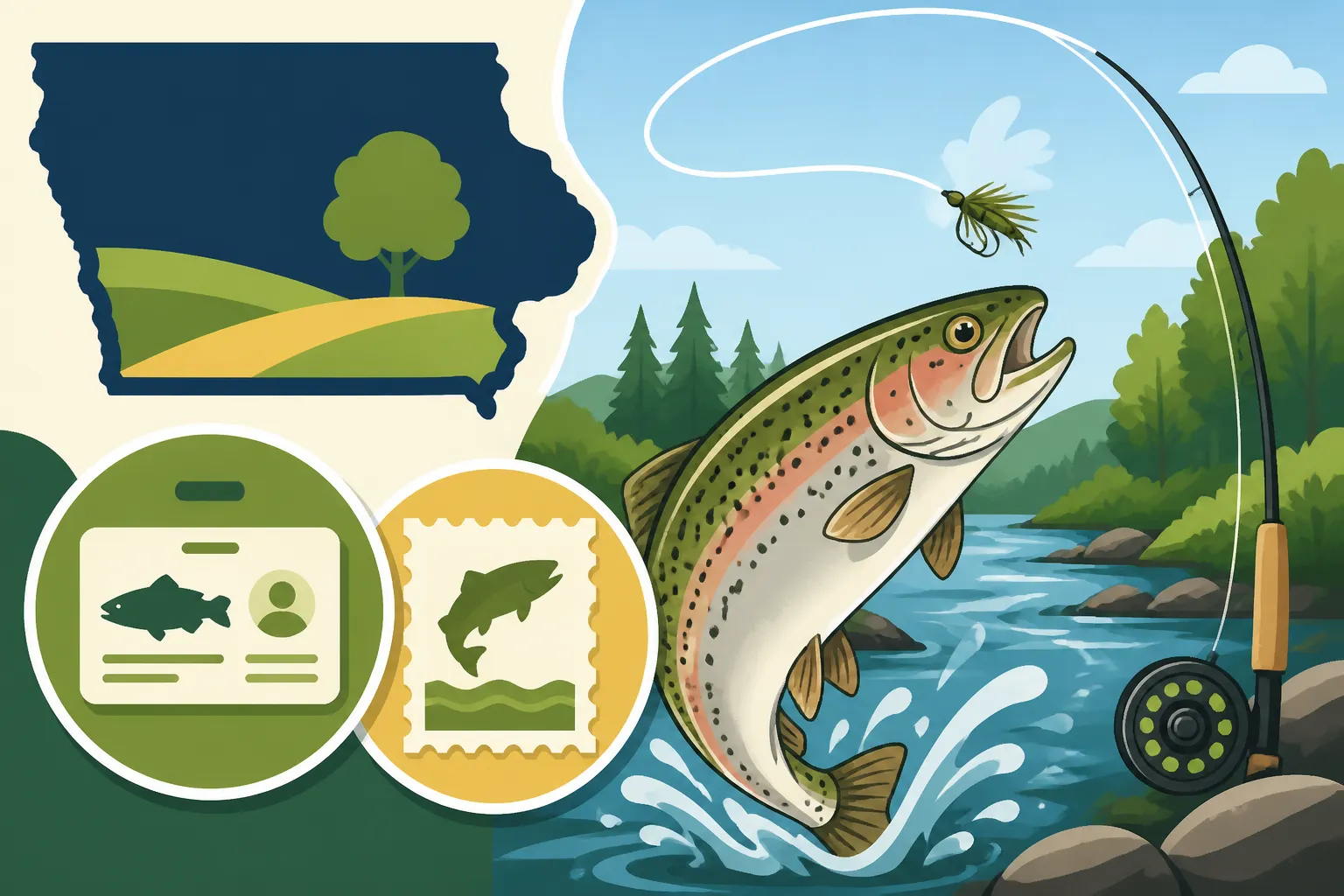
This is arguably the most frequent question anglers have, and it's completely understandable why it causes confusion. Let's make it crystal clear: the Iowa trout fee is not your fishing license. It's an additional privilege you must purchase if you intend to fish for or possess trout in Iowa's designated trout waters. You absolutely still need a valid Iowa Fishing License Guide to fish for any species in Iowa, including trout. The trout fee simply grants you permission to specifically pursue trout.
Imagine it like this: your general fishing license is your entry ticket to the amusement park. It lets you walk around and enjoy the atmosphere. But if you want to go on the big roller coaster (in this case, fish for trout), you need to buy a separate ride ticket – that's your trout fee. Both are necessary if you want to experience the full thrill of trout fishing in Iowa. It's a system designed to ensure that those who directly benefit from the trout program are also directly funding it, helping to keep our trout streams vibrant and full of activity.
Who Needs to Pay the Iowa Trout Fee and Who Gets a Pass
The rules around who needs to pay the trout fee can sometimes feel like a maze, but let's break it down into understandable categories. Generally, if you're an adult planning to fish for trout in Iowa, you'll need both your fishing license and the trout fee. However, there are some important age-related exemptions and special considerations for certain groups.
Age Requirements and Youth Exemptions
Good news for our younger anglers! Iowa has a fantastic policy that encourages kids to get out and enjoy fishing. Children under the age of 16 do not need to purchase a trout fee to fish for or possess trout. In fact, they don't even need a general fishing license. This means families can introduce their kids to the joys of trout fishing without the added cost, making it much more accessible. This exemption is a wonderful way to foster a love for fishing from a young age, and it removes a financial barrier that might otherwise deter families from heading to those beautiful northeast Iowa streams. It’s important for adults fishing with children to ensure they themselves have the necessary licenses and fees, even if the kids don't. While the kids are exempt, the adults are still fully responsible for their own compliance with all Iowa Fishing Regulations Explained.
Resident vs. Non-Resident Considerations
Whether you're an Iowa resident or visiting from out of state, the trout fee applies to you if you plan to fish for trout. The critical difference, however, lies in the cost of the underlying general fishing license, which often varies between residents and non-residents. Once you have that base license, the trout fee itself is generally the same price for both residents and non-residents. So, if you're an out-of-state angler excited to explore the Trout Fishing Streams in Northeast Iowa, you'll first need your Iowa Nonresident Annual Fishing License (or a shorter-term option like the Iowa Three-Day Nonresident Fishing License), and then you'll add the trout fee on top of that. For residents, it's their Iowa Resident Annual Fishing License plus the trout fee. The idea is to ensure that everyone who enjoys the benefits of the trout program contributes equally to its upkeep, regardless of where they call home.
Special Exemptions for Veterans and Disabled Anglers
Iowa offers a few thoughtful exemptions that can make trout fishing more accessible for certain individuals who have given so much. Disabled Iowa residents who hold a free fishing license due to their disability are typically exempt from needing to purchase the trout fee. Similarly, a lifetime trout license is available for disabled veterans, waiving the annual trout fee for those who qualify. These are important programs designed to honor and assist those who have served or are facing challenges. To qualify for these specific exemptions, individuals often need to apply through the Iowa DNR and meet certain criteria, which might include specific disability ratings or veteran status. It's always best to check the most current regulations on the Iowa DNR website or contact them directly for precise details on how to apply for a Free Fishing License for Disabled Iowa Residents or learn about the Lifetime Trout License for Disabled Veterans. These special provisions highlight Iowa's commitment to ensuring that fishing remains a joy for as many people as possible.
The Cost of Your Iowa Trout Fee: Breaking Down the Price Tag
Let's talk dollars and cents. Understanding the actual cost of the Iowa trout fee is essential for budgeting your fishing trips. Thankfully, it's a relatively modest investment that goes a long way in supporting Iowa's unique coldwater fisheries.
Current Pricing for Residents and Non-Residents
As of the latest information, the Iowa trout fee generally costs a flat rate for both residents and non-residents. This makes it straightforward, as you don't have to worry about different tiers for the fee itself, only for your base fishing license. For the current fishing year (which typically aligns with the license year), the Iowa trout fee is usually around $14.50. This small amount, when collected from thousands of passionate trout anglers, adds up to a substantial fund dedicated solely to the trout program. While this price is subject to change with legislative updates or DNR adjustments, it has remained quite consistent over recent years. It's always a good habit to verify the most up-to-date pricing directly from the Iowa DNR website or when you purchase your license. You can find more specific details on the exact How Much the Iowa Trout Fee Costs there.
Understanding the Annual Renewal Cycle
Just like your general fishing license, the Iowa trout fee operates on an annual renewal cycle. For Iowa, the license year typically runs from January 1st through December 31st. This means that if you purchase your trout fee in, say, June, it will still expire on December 31st of that same year, not 12 months from your purchase date. This is a crucial detail that often catches new anglers off guard. So, if you're planning on fishing trout across multiple calendar years, you'll need to purchase a new trout fee (and a new general fishing license) at the start of each new year.
For example, if you bought your license and trout fee in March 2024, they would be valid through December 31, 2024. If you then wanted to fish for trout in January 2025, you'd need to renew both for the 2025 season. This annual cycle ensures a consistent flow of funds for the DNR's ongoing trout management efforts and aligns with the broader state recreational licensing system. Planning ahead for this renewal ensures you're never caught off guard when those prime spring or fall trout bites come around.
Where and How to Purchase Your Iowa Trout Fee
Getting your Iowa trout fee is a straightforward process, designed to be as convenient as possible for anglers. You have several options, whether you prefer the ease of online transactions or the personal touch of a local vendor.
Buying Online Through the Go Outdoors Iowa System
In today's digital age, purchasing your fishing license and trout fee online is often the quickest and most hassle-free method. The Iowa Department of Natural Resources utilizes the "Go Outdoors Iowa" licensing system, which allows you to purchase all necessary permits from the comfort of your home. You simply navigate to the Go Outdoors Iowa website, select your desired licenses and fees (including the trout fee), and complete the transaction. The system is user-friendly and walks you through each step.
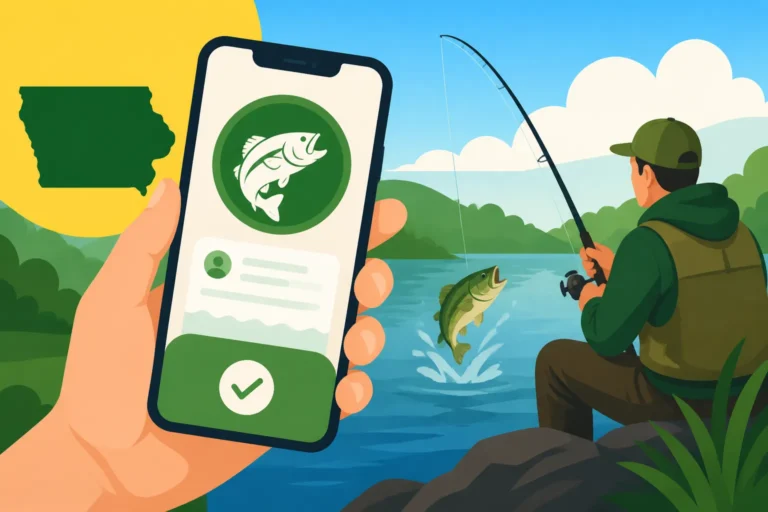
Once purchased, you'll typically receive an email confirmation that serves as your temporary license, and you can usually print a physical copy or save a digital version to your smartphone. This digital convenience means you don't have to worry about losing a physical card, and you can always access your license information on the go. Many anglers prefer this method for its speed and accessibility, especially if you suddenly decide on a last-minute trout fishing adventure. For a detailed walkthrough, you can consult our guide on Buying an Iowa Fishing License on the GoOutdoors App.
In-Person Retailers and DNR Offices
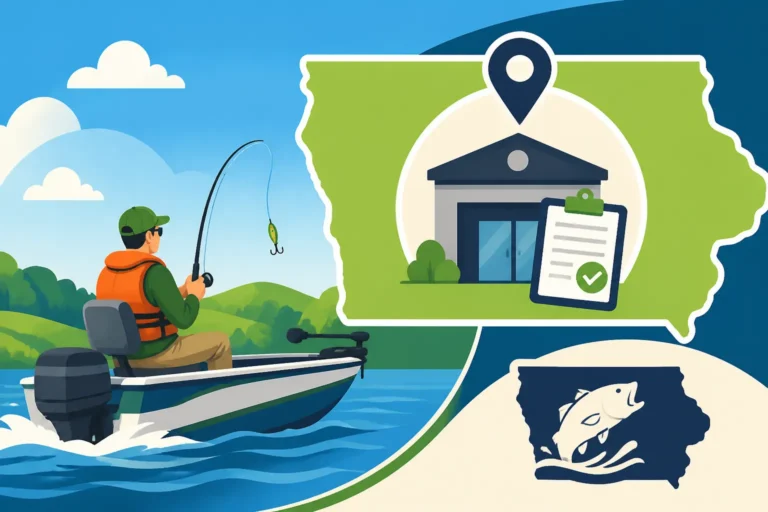
For those who prefer a more traditional approach or need to ask questions, you can still purchase your Iowa fishing license and trout fee in person. Many sporting goods stores, bait shops, and even some county recorders' offices across Iowa are authorized vendors for DNR licenses. These locations usually have staff who can assist you directly, answer questions, and help ensure you get all the correct permits for your planned fishing activities. This can be especially helpful if you're new to fishing or just want to double-check everything.
You can also purchase licenses and fees at Iowa DNR offices, though these locations might have more limited hours or be less conveniently located depending on where you live. When buying in person, remember to bring any necessary identification (like a driver's license for proof of residency) and payment. A quick call to your local bait shop or sporting goods store like a Cabela's or an independent shop can confirm their hours and services before you make the trip. Finding a local spot to buy your license is often highlighted in resources like Where to Buy a Fishing License in Iowa.
Digital vs. Physical Proof: What to Carry
Once you've made your purchase, the question often arises: what do I need to carry with me when I'm actually fishing? The good news is that Iowa's system is quite flexible. You can carry either a physical copy of your license and trout fee or have a digital version readily accessible on your smartphone.
If you choose the digital route, make sure your phone is charged, and you know how to quickly access the proof of purchase. Some anglers even take a screenshot of their license to avoid connectivity issues in remote areas. For those who prefer physical documentation, printing your license at home is usually an option after an online purchase, or you'll be given a physical card when you buy in person. Regardless of which method you choose, the key is to have proof of your valid fishing license and trout fee instantly available if a conservation officer requests to see it. It's about demonstrating compliance, not about the format itself. An often overlooked benefit of digital proof is that it’s harder to lose than a paper copy, which can sometimes slip out of a wallet or tackle box. If you're someone who often finds things vanishing into the depths of your fishing vest, relying on a digital license might be a perfect solution, assuming your phone battery holds up! Just be sure to always have it charged, especially if you're out in areas with spotty cell service. This convenience allows you to be prepared even if you just grab some last-minute gear from Amazon for your trip.
Putting Your Trout Fee to Work: How Funds Support Iowa's Streams
It's natural to wonder where your money goes when you pay for a specific fee. With the Iowa trout fee, you can rest assured that your contribution directly impacts the quality and sustainability of trout fishing in the state. These funds are vital for maintaining the special ecosystems where trout thrive.
The Iowa DNR Trout Program: Stocking and Habitat
The vast majority of the trout fee revenue is channeled directly into the Iowa DNR's comprehensive trout program. This program has two main pillars: stocking and habitat improvement. Many of Iowa's trout streams, particularly those in the picturesque northeast, wouldn't support wild trout populations year-round without regular stocking. The DNR operates hatcheries, raising hundreds of thousands of rainbow, brown, and brook trout that are then released into designated streams and community ponds. This ensures that anglers have a consistent opportunity to catch fish.
Beyond stocking, the funds are also critical for habitat work. Trout need cold, clean, oxygen-rich water to survive. This often means investing in stream bank stabilization projects to prevent erosion, planting trees and shrubs to provide shade and reduce water temperatures, and creating in-stream structures like riffles and pools that offer cover and foraging areas for trout. These efforts are continuous and require significant resources, making your trout fee an indispensable part of keeping Iowa's trout fishing vibrant. For more insights into these efforts, look into topics such as Iowa Spring Trout Stocking Strategy or Iowa Fall Trout Stocking Strategy.
Conservation Efforts and Stream Management
Beyond just stocking, the trout fee supports broader conservation and management strategies for Iowa's coldwater resources. This includes research into trout populations, water quality monitoring, and educational outreach programs that teach anglers about responsible fishing practices and stream stewardship. It's not just about putting fish in the water; it's about protecting the entire aquatic environment that sustains them.
For example, a portion of the funds might go towards studying the success rates of different stocking methods, understanding the impact of environmental changes on trout health, or investigating ways to naturally enhance trout reproduction in certain streams. The DNR also uses these funds to educate the public about the importance of protecting these delicate ecosystems, from preventing pollution to promoting catch-and-release practices in certain areas. This holistic approach to stream management ensures that Iowa's trout fishing isn't just a fleeting pleasure but a sustainable resource for years to come. The effort to maintain these unique coldwater fisheries means that the Which Waters Require the Iowa Trout Fee are carefully managed.
Navigating Iowa's Trout Waters with Your Fee in Hand
Once you've got your valid fishing license and trout fee, you're ready to hit the water! But knowing where to go and understanding any additional rules specific to trout fishing will make your experience even better.
Identifying Designated Trout Streams and Ponds
Not every stream or pond in Iowa holds trout, or at least not trout that you're allowed to keep without the fee. The Iowa DNR specifically designates certain waterways as "trout streams" or "community trout ponds." These are the waters where trout are regularly stocked and where the trout fee is required if you intend to fish for them. These designated areas are predominantly found in the beautiful, rugged terrain of northeast Iowa, known for its cold, spring-fed streams. However, there are also community trout ponds in other parts of the state that receive winter or spring stockings, bringing trout fishing closer to urban areas.
The DNR provides maps and lists of these designated trout waters on their website and in their annual fishing regulations booklet. Familiarizing yourself with these resources is crucial to ensure you're fishing legally and in the right spots. You wouldn't want to get to a beautiful stream, only to realize it's not a designated trout water and your fee isn't even applicable there! Checking ahead of time can save you a lot of guesswork. A fantastic resource to explore these locations is the Iowa DNR's Trout Fishing Streams in Northeast Iowa guide.
Combining Your Trout Fee with Other Iowa Fishing Regulations
Having your trout fee is just one piece of the puzzle. You still need to abide by all other Iowa fishing regulations, which can sometimes have specific nuances for trout. This includes daily bag limits, possession limits, and sometimes even length limits for certain species or in particular streams. For example, some trout streams might have special regulations for artificial lures only, or catch-and-release only sections.
It's vital to read the current Iowa Fishing Regulations booklet thoroughly before each season, or even before heading to a new trout stream. These regulations are updated annually and are designed to protect fish populations and ensure fair fishing opportunities for everyone. Ignorance of the law is not an excuse, and a conservation officer will expect you to know and follow all rules. So, while your trout fee gets you into the game, understanding the local rules helps you play it right. For specific details on other rules, you can consult resources like the Iowa Fishing Season Dates and Limits or the Iowa Fishing Daily Bag Limits Guide. Remember, a well-prepared angler is a successful and legal angler. Even grabbing a small, waterproof fishing regulation booklet from Amazon to keep in your tackle box could be a smart move for quick reference on the water.
Consequences of Fishing for Trout Without the Required Fee
Nobody wants to get into trouble while enjoying a relaxing day of fishing. Understanding the potential penalties for fishing without the proper trout fee is crucial, not just to avoid legal issues, but to reinforce the importance of contributing to conservation efforts.
Potential Fines and Penalties
Fishing for trout in designated Iowa trout waters without a valid trout fee (and a general fishing license) is considered a violation of state law. The penalties can range from significant fines to, in some cases, the confiscation of your fishing gear. Fines for such violations can easily run into hundreds of dollars, far exceeding the modest cost of the trout fee itself. Additionally, repeat offenses or more serious infractions could lead to suspension of your fishing privileges.
A conservation officer has the authority to check for proper licensing and fees at any time while you are actively fishing or possessing fish. They are often out on the streams specifically looking for compliance, as it's directly tied to the funding for the program they work to protect. Getting caught without the fee is a surefire way to turn a pleasant day into a costly and frustrating experience. It's simply not worth the risk, especially when the fee is so affordable and easy to obtain. If you're wondering What Happens If You Fish Without a License in Iowa, the trout fee falls under similar enforcement.
Reporting Violations and Upholding Fair Play
If you witness someone fishing for trout in designated waters without what appears to be a valid license and trout fee, you have the option to report it. The Iowa DNR relies on the public's help to ensure fair play and to protect the resources that all anglers enjoy. Reporting a suspected violation can be done confidentially through the DNR's Turn In Poachers (TIP) program or by contacting a local conservation officer directly.
While it might feel uncomfortable to report someone, it's about upholding the integrity of the fishing regulations and ensuring that everyone contributes their fair share to the conservation efforts. Every angler who pays the fee helps maintain the quality of Iowa's trout streams, and those who don't are essentially freeloading on the contributions of others. By doing your part, whether by purchasing your own fee or reporting violations, you're helping to ensure that Iowa's trout fishing legacy continues to thrive for everyone. Information on How to Report Someone Fishing Without a License is easily accessible through the DNR.
Common Questions and Misconceptions About the Iowa Trout Fee
Even with all the information out there, certain questions and misconceptions about the Iowa trout fee tend to pop up repeatedly. Let's tackle some of the most frequent ones to ensure you're fully informed.
"Do I need a trout fee if I'm just targeting other species but happen to catch a trout?"
This is a really common scenario, especially in rivers that might hold both trout and smallmouth bass, or areas where trout are stocked in ponds with panfish. The general rule of thumb in Iowa is that if you are fishing for or possessing trout in designated trout waters, you need the trout fee.
Let's break this down:
- Accidental Catch and Release: If you're legitimately targeting bass, and you accidentally hook a trout in a designated trout stream, and you immediately release it unharmed, then typically you would not be in violation for not having a trout fee. The key here is "immediately release" and "legitimately targeting other species." If a conservation officer observes you repeatedly catching and releasing trout without the fee, they might view that as actively targeting them.
- Accidental Catch and Keep: If you accidentally catch a trout in a designated trout stream and decide to keep it, you must have the trout fee. Possession is the key. You cannot possess a trout from designated waters without the appropriate fee.
- Non-Designated Waters: If you catch a trout in a non-designated trout water (which is rare but possible, perhaps in private waters or areas not actively managed for trout), the trout fee might not apply. However, almost all waters where trout are regularly found or stocked are designated.
To avoid any ambiguity or potential issues, if there's any chance you might catch and want to keep a trout in an area known to have them, it's always safest and most responsible to simply purchase the trout fee. It’s a small price for peace of mind and full compliance.
"Does my general fishing license automatically include the trout fee?"
No, this is a definite misconception, and it's where many anglers get tripped up. As we discussed earlier, your general Iowa Fishing License Guide allows you to fish for most species in Iowa, but it does not automatically include the trout fee. The trout fee is an entirely separate purchase, an "add-on" that grants you the specific privilege of targeting and possessing trout in designated waters.
Think of it like buying a base cable TV package. You get a lot of channels, but if you want the premium sports package, you have to pay extra for that specific content. The trout fee is the premium package for trout fishing. You must select and pay for it in addition to your annual or short-term fishing license. This distinction is clearly made during the online purchase process on Go Outdoors Iowa, and vendors in physical stores will also prompt you about it if you mention trout fishing. Always double-check your receipt or license details to ensure "Trout Fee" is explicitly listed if you plan to fish for these beautiful fish. This is why the question "Do You Need Both a License and Trout Fee to Fish Streams?" is so important to answer directly.
"Can I get a refund if I buy the trout fee but don't end up going trout fishing?"
Generally speaking, no. Fishing licenses and fees, including the Iowa trout fee, are typically non-refundable once purchased. They are valid for the current license year (January 1st to December 31st) regardless of when you buy them or how much you actually use them. The DNR budgets and allocates these funds based on sales, and processing refunds for individual changes of plans would create a significant administrative burden and complicate their conservation funding.
Therefore, it's wise to be reasonably certain of your plans before purchasing the trout fee. However, given its relatively low cost and the fantastic trout fishing opportunities Iowa offers, many anglers simply consider it a worthwhile investment for the entire year, even if they only get out a few times. It ensures they're always prepared for that spur-of-the-moment decision to head to a trout stream. Plus, knowing your contribution is supporting the health of Iowa's waterways makes it an investment in the state's natural beauty, not just a personal expenditure. You won't find specific details on Can You Get an Iowa Fishing License Refund for this reason.
Disclaimer
The information provided in this guide is intended for general informational purposes only and is subject to change. While we strive to provide accurate and up-to-date content, fishing regulations, fees, and exemptions can be updated by the Iowa Department of Natural Resources (DNR). It is always the angler's responsibility to consult the official Iowa DNR website or the most current Iowa Fishing Regulations booklet for the exact and latest rules and requirements before engaging in any fishing activities. Compliance with all state and local laws is essential.