What a Brown Trout Is
Many anglers in Iowa are familiar with the vibrant rainbow trout, a common resident of our coldwater streams, but there's another, often more elusive, beauty that calls these chilly waters home: the brown trout. These fish present a unique challenge and a deeply rewarding experience for those willing to learn their ways. Understanding what makes these fish unique, where to find them, and how to tempt them can transform a casual fishing trip into a dedicated pursuit. This comprehensive guide will dive deep into the world of brown trout, helping you appreciate their distinct characteristics and discover the joy of targeting them in Iowa's beautiful waterways.
Understanding Brown Trout: A Comprehensive Overview
Brown trout ( Salmo trutta) are truly fascinating fish, renowned globally for their wariness, fighting spirit, and stunning coloration. While often overshadowed by their rainbow cousins in Iowa, they hold a special place in the hearts of dedicated trout anglers. They are a species with a rich history and a reputation for being a challenging, yet highly rewarding, quarry.
Origins and Global Distribution
Brown trout aren't native to North America; their roots trace back to Europe and parts of Asia, where they've thrived for centuries. Think of streams flowing through the Scottish Highlands, the rivers of Germany, or the chalkstreams of England – that's their ancestral home. They were introduced to North American waters in the late 19th century, specifically brought over from Germany, to provide a new sport fish for anglers. They adapted incredibly well to many coldwater environments across the United States, including our own Iowa trout streams.
Their widespread success is a testament to their adaptability, but it also means they've had to compete with native species in some areas. In Iowa, their introduction was part of a broader effort to establish a diverse and thriving trout fishery in the unique spring-fed streams of our northeastern corner. They've found niches in these waters, coexisting with rainbows and, in rare instances, even native brook trout.
Physical Characteristics and Identification
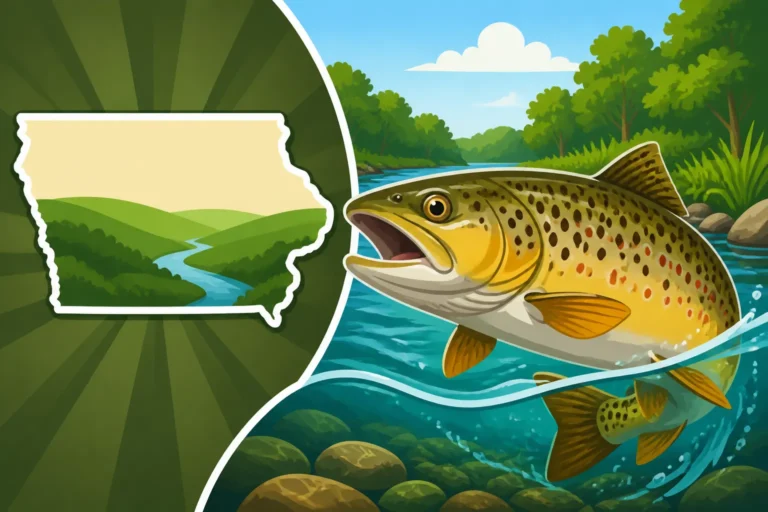
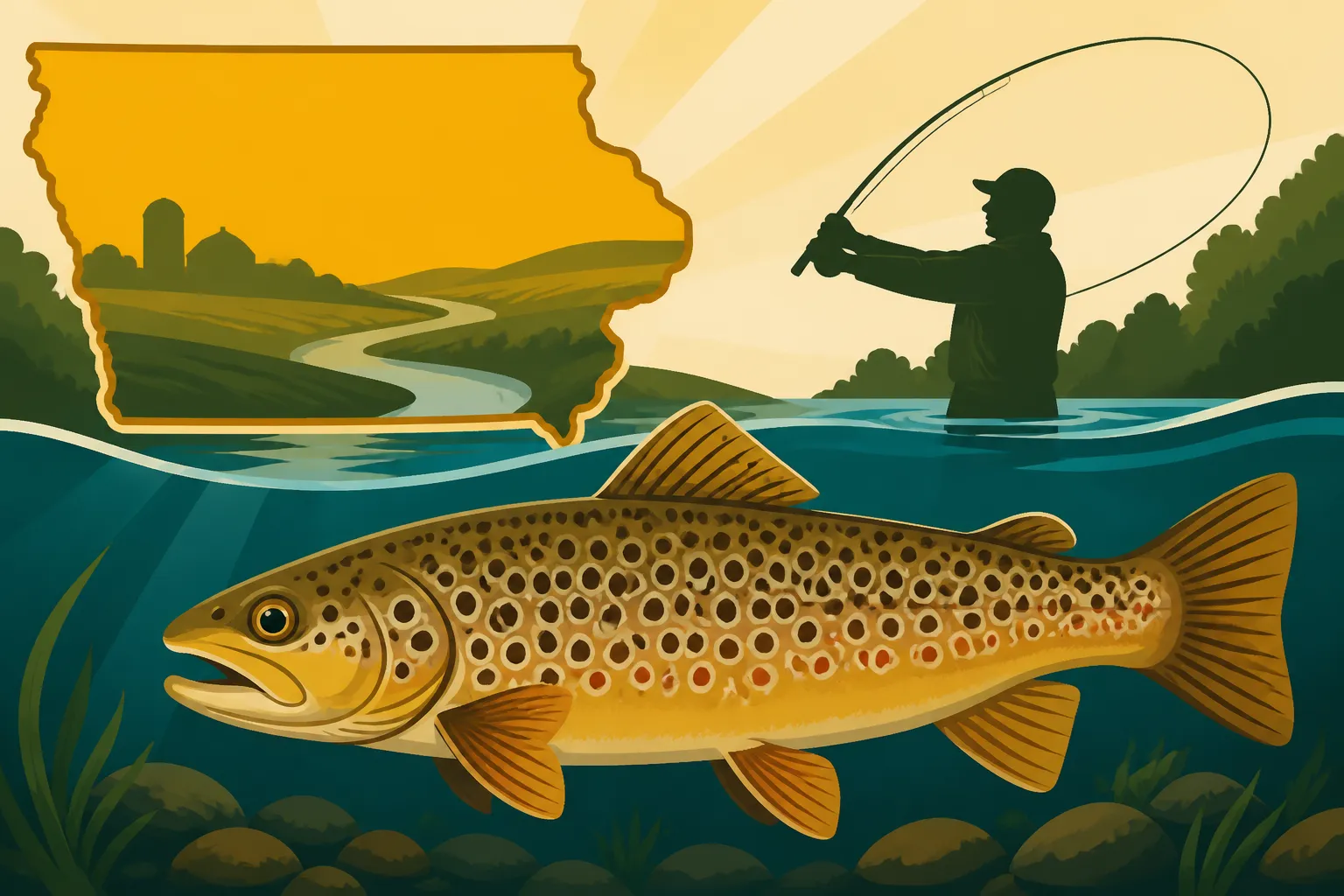
Identifying a brown trout can be a treat, as their appearance is often quite striking. They typically boast a golden-brown to olive-brown coloration along their back, fading to silvery flanks and a creamy or yellowish belly. What truly sets them apart are the distinctive dark spots, often with pale halos, scattered across their sides and gill covers. You'll also notice reddish-orange spots, sometimes with a bluish halo, particularly along their flanks. This spot pattern is a key identifier.
Their fins often have a yellowish tint, and unlike rainbow trout, they typically have a square or slightly forked tail. The adipose fin, a small fleshy fin between the dorsal and tail fin, is a characteristic common to all trout species. However, the specific patterning of spots, particularly the reddish-orange ones, and their overall brownish hue are what really give away a brown trout. They are stout-bodied fish, built for strong currents and powerful dives.
Habitat Preferences in Iowa
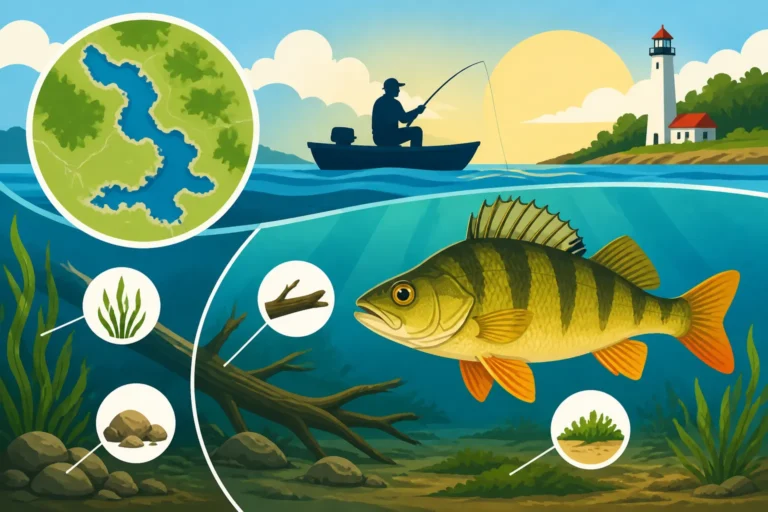
In Iowa, brown trout seek out very specific conditions. They are true coldwater specialists, preferring water temperatures that rarely exceed the mid-60s Fahrenheit. This is why you'll primarily find them in the spring-fed streams of Northeast Iowa, where natural groundwater keeps temperatures stable and cool year-round. They absolutely thrive in environments with plenty of cover – we're talking undercut banks, submerged logs, overhanging vegetation, and deep pools. These features provide them with security from predators and ambush points for their prey.
They also appreciate a good mix of riffles (shallow, fast-moving water) for feeding and deeper, calmer pools for resting and escaping danger. Substrate matters too; they favor rocky or gravel bottoms for spawning and where aquatic insects can flourish. The clear, oxygen-rich waters of these small streams are vital for their survival and health. If you're looking for brown trout, you're looking for pristine, natural-looking trout water with plenty of structure and consistent cold temperatures.
Brown Trout in Iowa: A Unique Challenge for Anglers
Targeting brown trout in Iowa offers a different kind of angling experience compared to the often more cooperative rainbow trout. Their inherent wariness and specific behavioral patterns make them a true sport fish, demanding patience, skill, and a deep understanding of their environment.
Stocked vs. Wild Populations in Iowa
It's important to differentiate between stocked and wild brown trout in Iowa. The Iowa Department of Natural Resources (DNR) does stock brown trout in some streams, often as fingerlings, giving them a chance to grow into larger, more natural fish. These stocked fish contribute to the overall fishery and can provide excellent angling opportunities. However, the true prize for many anglers is finding wild brown trout.
Wild brown trout are fish that have successfully spawned and reproduced naturally in Iowa's streams, without human intervention. These fish are generally much warier, more territorial, and tend to be harder to catch, but also exhibit stronger fighting characteristics. Identifying them can be tricky, but wild fish often show more vibrant, intense coloration and healthier fin structure compared to hatchery-raised fish. While Rainbow Trout Stocking Program in Iowa focuses on a different species, the principles of stocking and subsequent wild reproduction are similar for brown trout in suitable waters. The presence of wild brown trout is a testament to the health and quality of a particular stream ecosystem.
Behavior and Feeding Habits
Brown trout are notoriously elusive. Unlike rainbow trout, which can sometimes be quite aggressive and opportunistic feeders, brown trout are often more solitary and cautious. They are primarily carnivorous, and their diet changes as they grow. Younger browns will feast on aquatic insects like mayflies, caddisflies, and stoneflies, along with terrestrial insects that fall into the water. As they get larger, they become increasingly piscivorous, meaning they eat other fish. Minnows, sculpins, and even smaller trout become staple prey items.
They are often more active feeders during low light conditions – dawn, dusk, and even at night, especially for the larger specimens. During the day, they'll typically hug tight to cover, conserving energy and waiting for an opportune moment to ambush prey. This behavior dictates your approach: stealth, careful presentations, and targeting prime holding lies are critical.
Seasonal Movements and Best Times to Target
Brown trout in Iowa exhibit seasonal movements driven by factors like water temperature, spawning, and food availability. In spring, as water temperatures rise slightly, they become more active, feeding heavily after the colder winter months. This is often an excellent time to target them, as they're eager to replenish energy. You can learn more about general trout seasons in How Long Iowa's Trout Season Lasts.
Summer can be challenging. As stream temperatures creep up, brown trout will seek out the coldest water available, often congregating near spring seeps or in deep, oxygenated pools. Fishing during the cooler parts of the day, like early morning or late evening, becomes essential. Fall, however, is a prime time for brown trout, especially for those seeking larger fish. This is when they prepare for their spawning run, and males develop striking hooked jaws (kypes). They become more aggressive and territorial, making them more susceptible to larger streamer patterns or minnow imitations. Winter fishing, while requiring specialized gear, can also be productive on milder days, as the stable cold temperatures can keep them active.
Gear and Techniques for Pursuing Iowa Brown Trout
Successfully catching brown trout in Iowa's challenging streams requires a thoughtful approach to gear and a refined set of techniques. These fish are not easily fooled, and a little extra preparation goes a long way.
Recommended Tackle and Lures
For spin fishermen, a lightweight spinning rod (6-7 feet long) with a fast action is ideal. Pair it with a small spinning reel spooled with 4-6 lb test monofilament or fluorocarbon line. The lighter line helps with casting small lures and offers better presentation. You can find quality gear at various sporting goods stores or even browse a wide selection of Best Budget Spinning Combo for Panfish on Amazon, many of which are perfectly suitable for trout.
When it comes to lures, small inline spinners (like Mepps or Panther Martins), tiny spoons, and small crankbaits that imitate minnows are often very effective. Color choice can vary, but natural patterns like silver, gold, or brown are good starting points. Best Lure Color for Muddy Water might be different from the clear, cold trout stream conditions you'll typically encounter with brown trout. For bait, worms, corn, or even live minnows (check regulations for specific streams) can be successful, particularly in larger pools.
Fly Fishing vs. Spin Fishing Strategies
Both fly fishing and spin fishing can be highly effective for brown trout, but each demands a slightly different approach.
Fly Fishing: This is often considered the purest form of trout fishing and can be incredibly rewarding for brown trout. A 3- or 4-weight fly rod, about 7.5 to 9 feet long, is usually perfect for Iowa's smaller trout streams. You'll want to use a weight-forward floating fly line, matched to your rod, and a tapered leader ending in a fine tippet (4x to 6x) to present flies naturally. Many anglers love to browse for Best Fly Rod Setup for Trout online. For fly patterns, consider:
- Nymphs: Pheasant Tail, Hare's Ear, Prince Nymph – these imitate the immature aquatic insects that make up a large part of a trout's diet. Nymphing Techniques for Iowa Trout Streams are incredibly effective.
- Dry Flies: Adams, Elk Hair Caddis, Parachute Adams – used when trout are actively feeding on insects hatching off the surface.
- Streamers: Woolly Bugger, SculpZilla, Clouser Minnow – effective for larger, piscivorous brown trout, especially in fall or during high water. You can often find a great selection of these on Amazon.
Spin Fishing: For spin fishermen, precision casting and retrieves are paramount. Cast upstream and retrieve with the current, allowing your lure to drift naturally. Focus on hitting pockets of slower water behind rocks, along undercut banks, or at the head and tail of pools. Vary your retrieve speed and depth until you find what triggers a bite.
Importance of Stealth and Presentation
This cannot be overstated: brown trout are incredibly spooky. Heavy footsteps on the bank, a silhouette against the sky, or a clumsy cast can send them darting for cover. Approach the stream quietly and slowly, using available bankside vegetation for cover. Wear drab clothing to blend in with your surroundings.
Your presentation needs to be impeccable. Whether you're casting a fly or a spinner, aim for a soft landing that doesn't spook the fish. For fly anglers, achieving a "drag-free" drift – where your fly moves at the same speed as the current, mimicking natural insect movement – is critical. For spin fishermen, minimizing splash and controlling your retrieve to match the current is key. Think like a predator, but move like a ghost. Patience and observation will be your best allies.
Conservation and Responsible Angling Practices
Iowa's trout streams are precious resources, and responsible angling is crucial to ensure their health and the future of brown trout fishing for generations to come. Every angler has a role to play in protecting these unique ecosystems.
Catch and Release for Brown Trout
While it's legal to harvest brown trout within the daily bag limits (which you can review in Iowa Fishing Daily Bag Limits Guide), many dedicated brown trout anglers practice catch and release, especially for larger, wild specimens. These bigger fish are often the prime spawners and contribute significantly to the genetic health of the population. They are also the wariest and hardest to catch, making them prized sport fish worthy of release.
If you choose to practice catch and release, handle the fish as little as possible. Keep them in the water, use a rubberized net to minimize slime coat damage, and remove hooks quickly with forceps or pliers. Avoid squeezing the fish, especially around the gills or belly. If a fish is deeply hooked or bleeding heavily, it's often best to keep it if legal, rather than releasing it only for it to die. Think about the impact of your actions on the future of the fishery.
Understanding Regulations and Limits
Fishing without understanding the rules can quickly lead to trouble. Iowa has specific regulations for trout fishing, including license requirements, special fees (like the Iowa Trout Fishing Fee and Stamp Guide), daily bag limits, and sometimes even special length limits or gear restrictions on certain streams. For example, some streams may have "catch and release only" sections or limits on bait types.
It's your responsibility to know the rules for the specific stream you are fishing. Always carry a valid Iowa fishing license and your trout stamp (if applicable). You can find the most up-to-date information through the Iowa DNR's official sources. Ignorance of the law is never an excuse. Always consult Iowa Fishing Regulations Explained before you head out.
Supporting Iowa's Trout Program
The existence of a thriving trout fishery in Iowa, including the challenging brown trout, is thanks to dedicated conservation efforts and the funding provided by anglers. When you purchase an Iowa fishing license and a trout fee, a portion of that money goes directly back into stocking programs, habitat improvement projects, and stream access initiatives.
Beyond financial contributions, you can support the program by practicing ethical angling, picking up trash on the streams, and reporting any observed violations to the Iowa DNR. Consider joining local conservation groups or volunteering for stream clean-up events. Every little bit helps ensure that these beautiful coldwater havens and their elusive brown trout continue to thrive for years to come. Your passion for brown trout fishing is part of a larger community effort to protect Iowa's natural beauty.
| Feature | Brown Trout (Salmo trutta) | Rainbow Trout (Oncorhynchus mykiss) |
|---|---|---|
| Native Range | Europe, Western Asia | North Pacific Ocean (Western North America, Eastern Asia) |
| Coloration | Golden-brown to olive, silvery flanks, creamy belly | Silvery with iridescent pink/red stripe on flanks |
| Spots | Dark spots (often with pale halos), some red/orange spots | Small, dark spots spread uniformly on body and fins |
| Tail Fin | Square or slightly forked | Slightly forked |
| Feeding Habits | More solitary, often nocturnal for larger fish, piscivorous | More opportunistic, active throughout the day, insectivorous |
| Temperament | Wary, challenging, often aggressive when larger | Generally more aggressive and easier to catch, especially stocked |
| Habitat Pref. | Cold, clear, oxygenated water; prefers structure, undercut banks | Cold, clear, oxygenated water; adapts to various stream types |
Disclaimer
This article is for general informational purposes only and does not constitute professional advice. Laws, prices and regulations vary by location and change over time. Consult a qualified professional for guidance on your specific situation.