Iowa Fishing Season Dates and Limits
It's incredibly frustrating, isn't it? You're packed, geared up, and ready to hit your favorite Iowa fishing hole, only to suddenly question if it's even the right time of year for what you're hoping to catch, or if that lunker you just landed is actually legal to keep. Understanding Iowa's ever-evolving fishing season dates and strict daily and length limits can feel like trying to decipher an ancient code. This comprehensive guide is here to untangle that complexity, ensuring you spend less time worrying about regulations and more time enjoying the beautiful waters of our state.
Understanding Iowa's Fishing Seasons and Why They Matter
Navigating the world of fishing regulations can sometimes feel like a full-time job. You just want to relax and cast a line, but the nagging thought of inadvertently breaking a rule can really put a damper on your day. Iowa, like every state, has carefully crafted fishing seasons and limits, and these aren't just arbitrary rules designed to make your life harder. They are the backbone of sustainable fisheries management, ensuring that the incredible fishing opportunities we enjoy today will still be here for generations to come. It’s all about balance – letting fish reproduce, protecting vulnerable populations, and still giving us ample opportunity to experience the thrill of the catch.
The Iowa Department of Natural Resources IDNR Role
When you talk about Iowa fishing, you're really talking about the tireless work of the Iowa Department of Natural Resources, or IDNR. These are the folks who dedicate their careers to studying fish populations, monitoring water quality, and, yes, setting those crucial fishing regulations we all need to follow. They don't just pull numbers out of a hat; their decisions are based on scientific data, angler feedback, and a deep understanding of Iowa's diverse aquatic ecosystems. The IDNR’s biologists are constantly assessing everything from spawning success rates to habitat health to ensure that the rules truly reflect the needs of the fish and the environment. You can find a lot of essential information, including how to purchase your fishing license, through official IDNR channels. It’s their stewardship that allows us to have such a vibrant fishing scene across the state.
Why Fishing Seasons and Limits Are Essential
Imagine a world without any fishing limits. Everyone would keep every fish they caught, regardless of size or species, and the immediate result would be a rapid decline in fish populations. That's why seasons and limits are so vitally important. They serve multiple critical functions. First and foremost, they protect fish during vulnerable periods, particularly during spawning season. By restricting fishing during these times, we allow fish to reproduce successfully, replenishing stocks and ensuring future generations of anglers have fish to catch. Secondly, length limits help protect juvenile fish, allowing them to grow to maturity and contribute to the breeding population, while also sometimes protecting the largest, most productive breeders. Daily bag limits, on the other hand, prevent overharvesting, spreading the catch among more anglers and maintaining a healthy overall population size. Without these regulations, our beloved Iowa lakes and rivers would quickly become barren, turning a cherished pastime into a distant memory. This careful management is a big part of why we have such diverse opportunities, from chasing trophy walleye to enjoying panfish fries.
General Statewide Fishing Season Rules
One of the most common questions I hear from new anglers, or even seasoned folks visiting from out of state, is "When can I fish in Iowa?" And the answer, for a surprising number of species, is often "pretty much anytime!" Unlike some states with very specific opening and closing dates for every single species, Iowa offers a more lenient approach for many common fish. However, "lenient" doesn't mean "non-existent," and it’s always crucial to know the specifics, especially when it comes to popular game fish or specialized programs like trout fishing. Most major bodies of water, from the tranquil farm ponds to the bustling Mississippi River, are open for business for much of the year.
Open Seasons for Most Panfish and Catfish
For many of us who grew up fishing, a lot of our initial experiences involved chasing bluegill, crappie, or the mighty channel catfish. And the good news is, for these species and many others often categorized as "panfish," the season is generally open all year long across most of Iowa’s inland waters. This means you can pursue your favorite panfish any day of the year, from the dog days of summer to the chill of ice fishing season. It’s a real blessing, offering flexibility for anglers who just want to get out and wet a line. Whether you're targeting a mess of bluegill for a family fish fry or looking to battle a big flathead catfish, you'll usually find the season is open. However, remember that while the season might be continuous, daily bag limits and length restrictions still apply, and these are often specific to the water body. Always double-check the current Iowa Fishing Daily Bag Limits Guide to ensure you're in compliance.
Special Considerations for Border Waters
Iowa isn't an island, and its borders with neighboring states like Wisconsin, Illinois, and Missouri include significant stretches of the mighty Mississippi River. Then there's the Missouri River to the west, bordering Nebraska. Fishing these shared waters can add a layer of complexity because reciprocal agreements and unique regulations sometimes come into play. While Iowa's general rules often apply to its portion of these rivers, there are specific variations for species like walleye, sauger, and panfish that cross state lines. For instance, the Mississippi River often has a different set of size and daily bag limits, especially for certain species, compared to inland Iowa lakes. It’s not uncommon to see slightly adjusted limits or even different opening and closing dates that are harmonized between the bordering states to ensure consistent management across the shared fishery. If you're planning a trip to fish the Mississippi River Pool 10 Fishing area or any other border water, it’s imperative to consult the specific regulations for that section of the river, as they might differ from what you’re used to on an inland Iowa lake. Ignorance of these unique rules is still no excuse, and wardens patrol these areas diligently.
Key Game Fish Seasons and Specific Limits
While panfish and catfish offer year-round fun, the pursuit of Iowa’s premier game fish often comes with more stringent rules. These species—walleye, bass, muskie, and northern pike—are managed with precision to ensure healthy populations, protect trophy potential, and provide exciting angling experiences. It's in these categories that you'll find the most specific opening and closing dates, as well as strict length and daily bag limits designed to achieve specific biological goals. For many anglers, these are the fish that define their passion for Iowa's waters, making it all the more important to understand the nuances of their regulations. Imagine finally hooking that dream walleye or muskie, only to realize it's out of season or too small (or too large, in some cases) to keep – it's a gut punch, and easily avoidable with a bit of research.
Walleye Season Dates and Size Limits
Walleye are arguably the most sought-after game fish in Iowa, and for good reason—they’re delicious and put up a great fight. Their management is therefore a top priority for the IDNR. Generally, across most of Iowa's inland waters, the walleye season is open year-round. This is fantastic news for anglers who want to target them throughout the seasons. However, the critical part comes with the length limits and daily bag limits. Typically, there's a minimum length limit, often 15 inches, meaning any walleye shorter than that must be immediately released. The daily bag limit is commonly five walleye per angler.
Now, here’s where it gets a little trickier and where reading the official regulations becomes paramount: the Iowa Great Lakes region, including West Okoboji, East Okoboji, and Spirit Lake, often has special walleye regulations that can differ significantly from statewide rules. These might include protected slot limits (where fish within a certain size range must be released, like 17-22 inches), or even different daily bag limits. For example, during certain times, you might only be allowed to keep one walleye over a specific size, or the daily limit might be reduced. These special rules are in place because the Great Lakes are trophy walleye fisheries and require more specific management to maintain their status. Always consult the Fishing Regulations at the Iowa Great Lakes guide before heading out. Overharvesting even a few fish can have a significant impact on these delicate ecosystems.
Largemouth and Smallmouth Bass Seasons and Limits
Both largemouth and smallmouth bass are incredibly popular sport fish, celebrated for their aggressive strikes and powerful fights. Similar to walleye, the season for both species is largely open year-round across most Iowa waters. However, just like with walleye, it's the specific length and daily bag limits that anglers must pay close attention to, as these can vary widely depending on the body of water you’re fishing.
For largemouth bass in most public lakes and ponds, you'll often find a 15-inch minimum length limit and a daily bag limit of three fish. However, many smaller lakes or specific management areas might have different rules, sometimes even allowing for a higher daily limit if the population is abundant or if the IDNR is trying to manage for smaller fish. Smallmouth bass, often found in rivers and some clear, rocky lakes, also usually have a 15-inch minimum and a daily limit of three. But again, these are not universal. Certain trophy lakes or river stretches might implement catch-and-release only regulations for smallmouth bass for specific periods or even year-round to foster larger fish. For detailed information, especially regarding specific lakes, it's always wise to check the Bass Season and Size Limits as published by the IDNR. Understanding these nuances is key to enjoying bass fishing responsibly and legally.
Muskie and Northern Pike Seasons and Size Requirements
Muskie and northern pike are the apex predators of Iowa's freshwater systems, renowned for their voracious appetites and thrilling, explosive strikes. Catching one of these toothy titans is often a once-in-a-lifetime experience for many anglers, and their regulations reflect their status as trophy fish. For both muskie and northern pike, the season is generally open year-round in Iowa. However, the emphasis for these species is heavily skewed towards conservation and the creation of trophy fisheries, which means very strict length limits are in place.
For muskie, the minimum length limit is substantial, usually 40 inches. This means almost all muskie caught are immediately released, allowing them to grow to truly massive sizes. The daily bag limit is typically just one fish, underscoring their trophy status. Northern pike also have a generous minimum length limit, often 25 inches, with a daily bag limit of three. These high length limits are crucial because both muskie and pike grow slowly and require many years to reach impressive sizes. Many anglers specifically target muskie as a catch-and-release sport, cherishing the experience of the fight more than the harvest. It’s also important to be prepared with the right tools – like long-nosed pliers or jaw spreaders – to safely unhook these fish and ensure their survival after release. Amazon is a great place to find specialized muskie tackle and handling tools. Always remember, the goal with these species is often to manage for quality, not quantity, making compliance with these specific size requirements absolutely non-negotiable.
Trout Fishing Seasons and Special Regulations
Iowa might not be known as a quintessential "trout state" like some mountainous regions, but our Northeast Iowa driftless area offers some truly exceptional trout fishing opportunities, complete with picturesque spring-fed streams. The IDNR’s robust trout stocking program ensures these cold-water species thrive, providing a unique angling experience in the Hawkeye State. However, trout fishing comes with its own set of distinct rules and requirements that differ significantly from general warm-water fishing. Understanding these specific regulations is vital for anyone planning to cast a line in Iowa’s beautiful trout streams. It’s a specialized fishery that demands specialized knowledge, but the reward of a wild brown trout or a freshly stocked rainbow is well worth the effort.
Year-Round Trout Fishing in Stocked Streams
Here’s some fantastic news for trout enthusiasts: for most of Iowa's designated trout streams, fishing is permitted year-round! This continuous season allows anglers to enjoy the beauty and challenge of trout fishing in every season, from the vibrant colors of spring to the quiet serenity of winter. The IDNR works hard to maintain these fisheries through regular stocking, primarily with rainbow trout, but also some brown trout and occasionally brook trout in certain areas. These streams, often found winding through scenic valleys and shaded by towering bluffs, offer some of the most tranquil fishing experiences in the state.
While the season is open continuously, remember that daily bag limits still apply. Typically, the daily limit for trout is five fish, with no minimum length limit for most stocked streams. This allows anglers to keep a few fish for the table if they choose, which is a popular option given the excellent flavor of fresh trout. However, there are occasionally special regulation stretches on some streams that might have different limits, such as catch-and-release only or higher minimum length limits for wilder populations. Always check the specific regulations for the stream you plan to visit, perhaps by looking up Trout Stream Regulations in Northeast Iowa before you go, to ensure you're aware of any localized rules.
The Mandatory Trout Fee and Its Purpose
Beyond your standard Iowa fishing license, there's a crucial additional requirement if you plan to fish for trout in Iowa's designated trout waters: the Iowa Trout Fishing Fee and Stamp. This isn't just another charge; it's a dedicated fee that directly funds the IDNR's extensive trout management and stocking programs. Without this fee, the fantastic trout fishing opportunities we enjoy in Iowa simply wouldn't exist. It helps cover the costs of raising trout in state hatcheries, transporting them to streams, and managing the delicate stream ecosystems to support these cold-water species.
So, how does it work? If you're 16 years of age or older and intend to fish for or possess trout, you must have this valid trout fee in addition to your regular fishing license. It's often referred to as a "trout stamp" because it used to be a physical stamp you’d affix to your license, though now it's typically an endorsement noted on your digital or printed license. Children under 16 do not need a trout fee, nor do they need a general fishing license, but they are subject to the same daily bag limits. The funds generated from this fee are invaluable, supporting not only stocking efforts but also habitat improvements and public access along trout streams. You can find detailed information on the costs and requirements in the Iowa Trout Fishing Fee and Stamp Guide.
Panfish and Other Popular Species Limits
Beyond the headline-grabbing game fish, Iowa's waters teem with abundant panfish and other species that provide endless hours of angling enjoyment, especially for families and those looking for consistent action. Crappie, bluegill, perch, and yellow bass are often the target of choice, offering delicious table fare and plenty of bites. While these species generally enjoy year-round open seasons, they are still subject to important daily bag limits that help maintain healthy populations and ensure everyone has a chance at a good catch. Understanding these limits is critical for responsible harvesting.
Crappie and Bluegill Daily Bag Limits
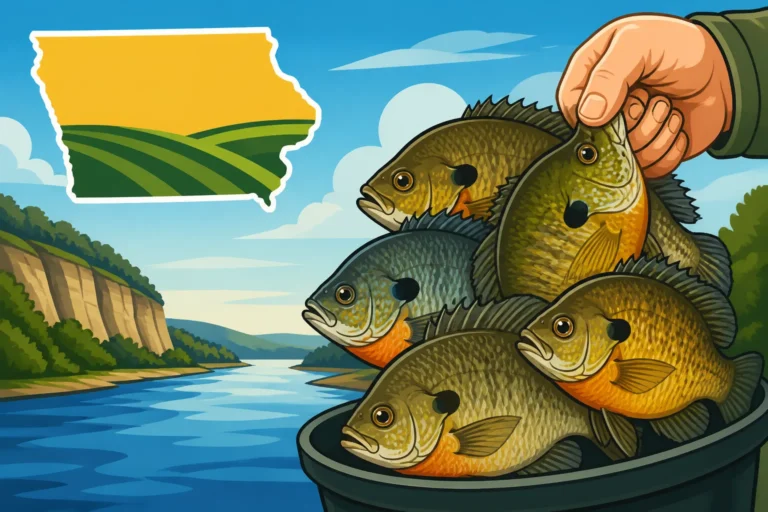
Crappie and bluegill are perhaps the most popular panfish in Iowa, cherished for their feisty nature and excellent taste. For these widespread species, the season is typically open year-round across most of Iowa's public waters. However, it's the daily bag limit that anglers need to be most mindful of. Often, there is a combined daily bag limit for crappie and bluegill (and other sunfish species), meaning the total number of all these fish you can keep in a single day adds up. This combined limit is commonly 25 fish, but like all regulations, it’s subject to change and can have specific exceptions.
For example, certain lakes under special management might have reduced limits or even length restrictions for crappie to promote larger fish. Imagine you're fishing a popular lake known for its slab crappies, like Rathbun Lake; the IDNR might implement a 10-inch minimum length limit or a lower daily bag limit to cultivate a trophy fishery. Similarly, while bluegill are generally abundant, some smaller urban ponds might have specific guidelines to manage their populations. Always, always check the current Crappie and Sunfish Limits in Iowa booklet or online regulations for the specific body of water you intend to fish. It’s better to be safe than sorry and release an extra fish than face a violation.
Yellow Bass and Perch Regulations
Yellow bass and perch are another pair of popular panfish, especially in certain Iowa lakes where they thrive. For these species, too, the season is generally open year-round, offering anglers consistent opportunities. However, their daily bag limits can sometimes be quite generous compared to crappie and bluegill, particularly in specific fisheries.
Yellow bass are famously abundant in places like Clear Lake, where they can be caught in staggering numbers. Due to their prolific nature and the IDNR's management strategies, the daily bag limit for yellow bass can be very high, sometimes as much as 50 fish per angler, with no length limit. This allows for excellent harvesting opportunities and can make for a fantastic day of fishing. Similarly, perch populations, particularly in the Iowa Great Lakes region (Spirit Lake, West Okoboji, East Okoboji), are often managed with a daily bag limit of 25 fish, again usually without a minimum length.
These more generous limits reflect the health and abundance of these particular fish populations in specific waters. However, it's crucial to remember that these are not blanket rules for all waters. A different lake might have different limits if its perch or yellow bass population dynamics are different. As always, verifying the most current regulations for the specific lake, such as Yellow Bass Limit at Clear Lake or Perch Limit at the Iowa Great Lakes, is the best practice. You can often find these detailed regulations in the annual Iowa Fishing Regulations booklet, which is available both in print at local retailers and online.
Unique and Protected Species Regulations
While most of our angling attention naturally gravitates toward common sport fish, Iowa's waters are home to a fascinating array of other aquatic life, some of which are protected, uniquely managed, or even invasive. These species have their own distinct sets of regulations that anglers must be aware of, not just for compliance, but for the ecological health of our waterways. Encountering a shovelnose sturgeon, catching a paddlefish during its snagging season, or, unfortunately, dealing with invasive Asian carp all come with specific rules designed to protect ecosystems and manage populations. This section dives into these less common but equally important regulations.
Sturgeon Fishing Rules and Protections
Sturgeon are ancient, magnificent fish that grace Iowa's larger rivers, particularly the Mississippi and Missouri. Their protection is paramount due to their long lifespans, slow reproductive rates, and historical overharvesting. In Iowa, there are primarily two species to be aware of: Shovelnose Sturgeon and the highly protected Lake Sturgeon.
Shovelnose Sturgeon can be legally fished for in certain areas, particularly the Mississippi and Missouri Rivers. They often have a specific season, and strict daily bag and length limits. For example, on the Mississippi River, you might find a daily limit of one shovelnose sturgeon, and there are often minimum and maximum length limits (a protected slot) to ensure both juveniles and the largest breeding adults are released. It’s critical to know the specific dates of the open season for shovelnose sturgeon, as they are not open year-round everywhere.
Lake Sturgeon, on the other hand, are an endangered species in Iowa and are strictly protected. If you accidentally catch a Lake Sturgeon (which is identifiable by its conical snout and five rows of bony scutes, distinct from the shovelnose's flattened snout), it must be immediately released unharmed. Fishing for Lake Sturgeon is entirely prohibited. Understanding the difference between these two species is crucial for any angler on our large rivers. The IDNR website provides excellent identification guides. For more detailed rules, especially on identification and handling, consult the Sturgeon Fishing Rules on Iowa Waters guide.
Paddlefish Snagging Season
Paddlefish, with their distinctive long, paddle-shaped snouts, are another unique and fascinating species found in Iowa's larger rivers. Unlike other fish, paddlefish are filter feeders and are not typically caught with traditional hook and line. Instead, they are harvested through a specific method called "snagging" during a very limited and tightly regulated season. This snagging season is usually quite short, often only a few weeks in late spring, and takes place on designated stretches of the Missouri and Big Sioux Rivers, as well as their tributaries.
To participate in the paddlefish snagging season, anglers must possess a valid Iowa fishing license and a special paddlefish tag, which must be purchased in advance and is limited in quantity. The daily bag limit is usually one paddlefish per person, and once you possess a paddlefish, your snagging season is effectively over for that day. It is also required that any paddlefish caught must be immediately tagged. These strict regulations are in place to manage a unique and historically important fishery sustainably. Accidental snagging of a paddlefish outside of the designated season or without the proper tag can lead to significant penalties, so it's a fishery where knowing the rules is absolutely non-negotiable.
Invasive Species: Asian Carp and Others
Iowa's waters, unfortunately, are not immune to the threats of invasive species, with Asian carp being among the most problematic. These include Bighead Carp, Silver Carp, Grass Carp, and Black Carp. These non-native species compete with native fish for food, disrupt ecosystems, and in the case of Silver Carp, famously jump out of the water when startled by boat noise, posing a danger to boaters and anglers.
The good news for anglers is that when it comes to Asian carp, there are generally no season or length limits. In fact, the IDNR encourages anglers to harvest and remove them whenever possible. If you catch an Asian carp, you are legally allowed to keep it, and many anglers even find them quite good to eat, though they are bony. There are also no restrictions on the method of taking for Asian carp, beyond what is generally legal for fishing. However, it's vital to correctly identify Asian carp and not mistake them for native species like buffalo or common carp, which do have regulations.
Other invasive species, such as zebra mussels and rusty crayfish, are not fish, but they also pose significant threats. Regulations related to these species focus on preventing their spread, often involving requirements to clean, drain, and dry boats and gear before moving between water bodies. This practice is crucial for protecting all of Iowa's precious aquatic resources from further infestation. Information on identifying and managing these species can often be found on the IDNR website or in the annual regulations booklet. Staying informed about these issues helps protect the future of Iowa fishing.
Finding the Most Up-to-Date Iowa Fishing Regulations
Alright, so we've covered a lot of ground, and by now, you probably realize that Iowa fishing regulations, while generally straightforward for many species, can have specific nuances and exceptions. This isn't a "set it and forget it" kind of situation. Regulations are dynamic; they can and do change from year to year, and sometimes even within a season, depending on biological factors, environmental conditions, or new management strategies. Relying on an old rulebook or outdated information could land you in hot water (or, more accurately, in trouble with the fish and game warden). So, the absolute best defense against unintentional violations is knowing where and how to access the most current, official information.
Official IDNR Resources and Online Tools
When it comes to Iowa fishing regulations, there's one undeniable authority: the Iowa Department of Natural Resources (IDNR). Their resources are the gold standard for accurate, up-to-date information. The absolute best place to start is the official IDNR website. They host a dedicated fishing regulations page where you can typically download the current year's fishing regulations booklet in PDF format. This digital booklet is identical to the physical one you'd pick up at a bait shop or sporting goods store, meaning it contains all the season dates, daily bag limits, length limits, and special regulations for all species and specific water bodies across the state.
Beyond the full booklet, the IDNR website often features interactive maps or searchable databases that allow you to look up regulations specific to a particular lake, river, or species. This is incredibly handy if you're planning a trip to a new spot and just need to quickly verify local rules. Many anglers also appreciate the IDNR's "Go Outdoors Iowa" app, available on both Apple and Android devices. This app not only allows you to purchase and carry your fishing license digitally but also provides quick access to regulations. Having the rules literally in your pocket, especially if you buy your license using the Buying an Iowa Fishing License on the GoOutdoors App, is an invaluable tool for any responsible angler.
Important Annual Changes to Be Aware Of
Just when you think you’ve got all the rules memorized, things can shift. The IDNR conducts annual reviews of its fishing regulations, and while major overhauls aren't an everyday occurrence, subtle but significant changes do happen. These changes are often driven by new scientific data on fish populations, environmental changes, or public input. For example, a particularly harsh winter or a successful spawning season might prompt a temporary adjustment to a daily bag limit for a specific species in a particular lake. New protected slot limits might be introduced for bass or walleye in a specific fishery to enhance trophy potential, or perhaps the season length for paddlefish snagging could be altered.
Because of this potential for change, it is paramount that every angler makes it a habit to review the most current regulations at least once a year before the fishing season really kicks into gear. Don't rely on what you remember from last year, or what a buddy told you. Take the time to download the new regulations booklet or visit the IDNR website. You can usually find information on major regulation changes highlighted at the beginning of the annual booklet. Keeping yourself informed is not just about avoiding fines; it's about being a responsible steward of Iowa's fisheries and contributing to the long-term health and abundance of the fish we all love to pursue. You might even find some useful fishing guides or tackle boxes on Amazon to help you stay organized and compliant with all your new knowledge!
Here's a quick reference guide for some common Iowa fish:
| Species | General Statewide Season | General Daily Bag Limit | General Length Limit | Key Exceptions/Notes |
|---|---|---|---|---|
| Walleye | Year-round | 5 | 15" minimum | Iowa Great Lakes often have special slot limits (e.g., 17-22" protected) or reduced limits. Mississippi River varies. |
| Largemouth Bass | Year-round | 3 | 15" minimum | Some lakes may have different limits or catch-and-release only. |
| Smallmouth Bass | Year-round | 3 | 15" minimum | River sections, especially, might be catch-and-release or have specific limits. |
| Channel Catfish | Year-round | 15 | None | Some specific lakes (e.g., Rathbun, Saylorville) have higher possession limits. |
| Crappie | Year-round | 25 (combined sunfish) | None (unless specified) | Specific lakes may have reduced bag limits or minimum length limits (e.g., 10"). |
| Bluegill | Year-round | 25 (combined sunfish) | None | Combined with crappie and other sunfish. |
| Muskie | Year-round | 1 | 40" minimum | Primarily trophy, catch-and-release focus. |
| Northern Pike | Year-round | 3 | 25" minimum | |
| Rainbow Trout | Year-round (stocked streams) | 5 | None | Requires a separate Iowa Trout Fee (for ages 16+). Special regulations on certain streams. |
| Yellow Bass | Year-round | 50 | None | Especially abundant in Clear Lake. |
| Perch | Year-round | 25 | None | Common in the Iowa Great Lakes. |
| Shovelnose Sturgeon | Specific season | Varies (e.g., 1) | Specific min/max length | Lake Sturgeon are PROTECTED – MUST be immediately released. |
| Paddlefish | Specific snagging season | 1 | Tagging required | Requires special paddlefish tag and specific snagging season on designated river sections. |
| Asian Carp (Bighead, Silver, Grass) | Year-round | No Limit | No Limit | Harvest encouraged, no restrictions on taking beyond general fishing laws. |
Disclaimer
Please remember that fishing regulations are subject to change. While this guide provides comprehensive information, it is crucial to consult the official Iowa Department of Natural Resources (IDNR) website or the current year's Iowa Fishing Regulations booklet for the most accurate and up-to-date rules before you head out on the water. This article is for informational purposes only and does not supersede official IDNR publications.