Bluegill Fishing in Iowa
There’s something truly special about bluegill fishing in Iowa, isn't there? Whether you’re a seasoned angler chasing that next wall-hanger or a parent hoping to create lasting memories with your kids, these feisty little panfish offer an accessible, rewarding experience. They're often the first fish we ever catch, sparking a lifelong love for the water. But don't let their commonality fool you; there's a real art to consistently finding and catching bigger bluegill. This comprehensive guide is here to help you unlock the secrets to successful bluegill fishing across the Hawkeye State, from understanding their habits to mastering the best techniques and finding the hottest spots.
Understanding Iowa Bluegill: Species & Habitat
Bluegill might be common, but truly understanding them is the first step to becoming a more successful angler. They're more than just a "beginner's fish"; they're intelligent, responsive, and incredibly fun to catch once you learn their ways.
Bluegill vs. Other Panfish
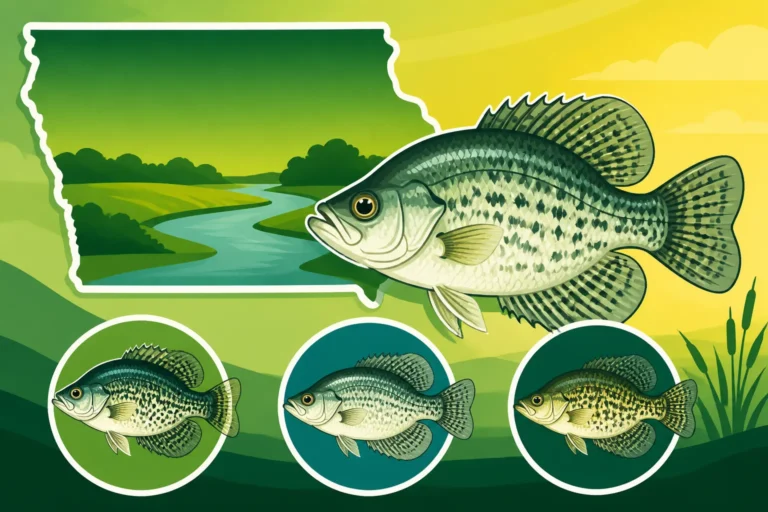
It’s easy to group all small, roundish fish into the "panfish" category, but bluegill have distinct characteristics that set them apart. Many anglers, especially those new to the sport, might confuse them with other sunfish species or even small crappie. Knowing the subtle differences not only helps you identify your catch accurately but also ensures you're adhering to specific regulations that might vary by species.
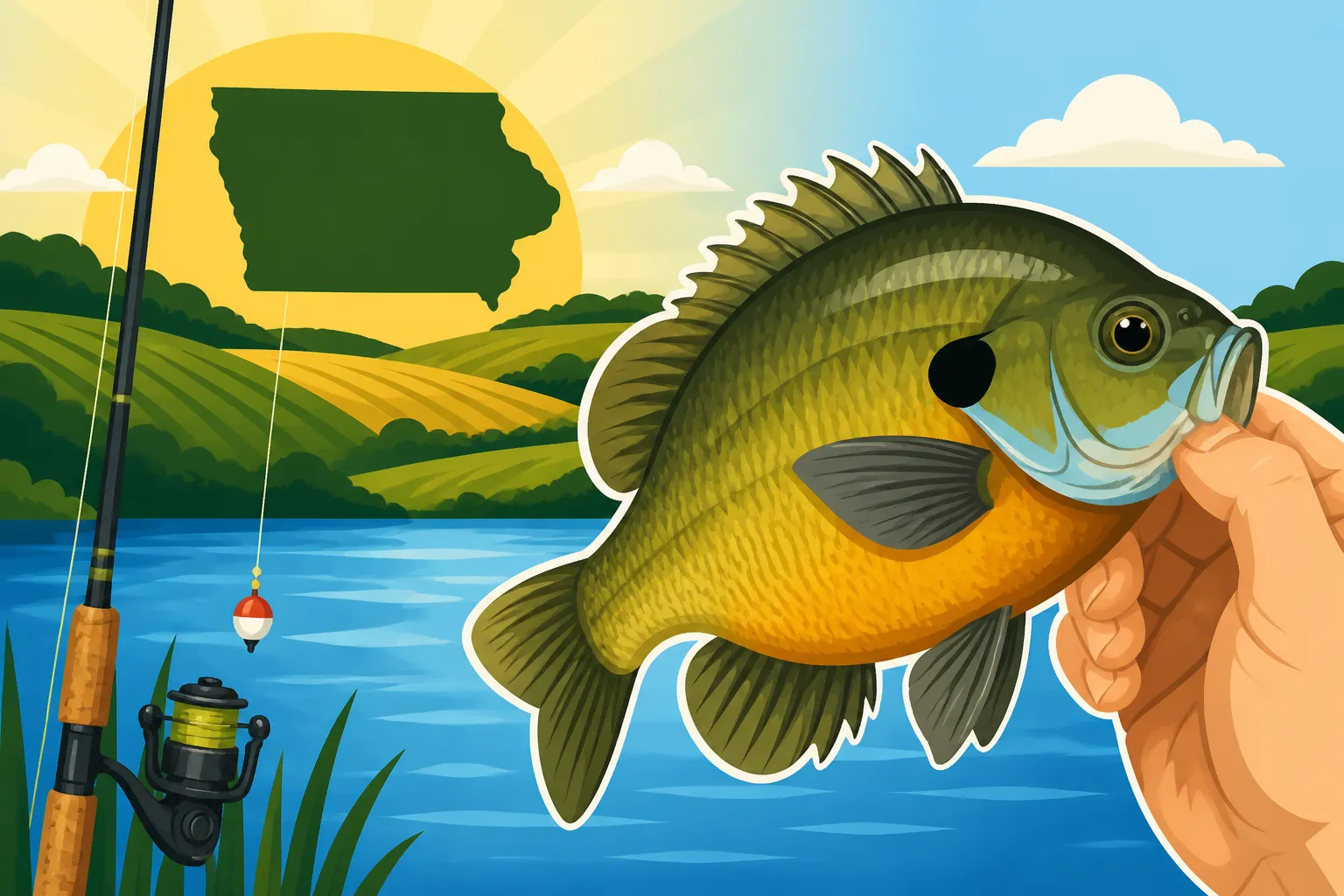
A true bluegill, Lepomis macrochirus, is typically identifiable by a few key features. Look for that prominent, dark spot on the posterior edge of its gill flap – it's often a solid, deep black and lacks any fringe or reddish-orange trim, unlike some of its cousins. Their bodies are usually a deeper, more compressed oval shape, often with several faint, vertical bars running down their sides. These bars can be quite pronounced in some individuals, especially those from clear water, or almost entirely absent in others. The mouth of a bluegill is relatively small; if you can fit your thumb easily into its mouth, it's likely not a bluegill, but perhaps a green sunfish or a bass. Their pectoral fins are long and pointed, extending well past the eye when folded forward. While their overall coloration can vary wildly from dark olive green in tannic waters to bright blue and orange in clear lakes, that dark gill flap is usually the most consistent identifier.
Other common panfish in Iowa that might be confused with bluegill include green sunfish, redear sunfish, and various hybrid sunfish. Green sunfish often have a larger mouth, a prominent iridescent blue margin on their gill flap, and typically a more robust, less compressed body. Redear sunfish, as their name suggests, have a reddish-orange margin on their gill flaps, a feature bluegill completely lack. Hybrid sunfish, often stocked in ponds, can display a mix of traits, making identification trickier, but generally, they will still differ in gill flap coloration or mouth size. Knowing these differences helps ensure you're compliant with regulations, especially in waters with specific size or bag limits for certain panfish. You can dive deeper into these distinctions by reading Bluegill and Sunfish Species Identification.
Where Bluegill Live in Iowa
Bluegill are incredibly adaptable, thriving in a wide range of aquatic environments across Iowa. From small farm ponds to massive reservoirs and even the tranquil backwaters of the Mississippi River, you’ll find them wherever there’s suitable cover and food. Understanding their preferred habitat helps you narrow down your search and spend more time fishing in productive areas.
Their ideal home usually consists of warm, relatively clear water with an abundance of submerged vegetation, fallen timber, or other forms of structure. These elements provide essential cover from predators like bass and northern pike, as well as ambush points for their own feeding. In natural lakes and larger reservoirs, you’ll often find bluegill congregating around weed lines – the edges where aquatic plants transition into open water. These weed beds, whether they are coontail, milfoil, or lily pads, offer both protection and a buffet of insects and small aquatic creatures. Submerged timber, brush piles, old dock pilings, and even man-made fish attractors are also prime locations. These structures create vertical habitat, allowing bluegill to move up and down in the water column as light conditions or water temperatures change. Look for areas with a mix of these elements, especially where there's a slight depth change nearby.
In smaller farm ponds and community lakes, bluegill habitat might be less complex but equally productive. Often, the entire shoreline periphery can hold fish, especially if there are overhanging trees, cattails, or areas where fallen branches have accumulated. Don’t overlook the shady sides of docks or the areas around public fishing piers – these spots often concentrate baitfish and, consequently, bluegill. For those fishing rivers, bluegill typically shy away from strong currents. Instead, they seek out calmer backwaters, oxbows, sloughs, and protected coves where the water is still or very slow-moving. Here, they'll hold tight to submerged logs, root wads, and any available vegetation. The key takeaway is that bluegill love cover and will almost always be found near it, regardless of the body of water. To get specific on locations, check out Best Fishing Spots in Iowa.
Bluegill Behavior and Seasonal Patterns
Bluegill behavior is heavily influenced by the changing seasons and water temperatures. What works in spring won't necessarily work in mid-summer, and understanding these shifts is crucial for year-round success.
Springtime sees bluegill becoming increasingly active as water temperatures rise into the 50s and 60s Fahrenheit. This is the pre-spawn period, and fish will often move into shallower areas to feed heavily in preparation for spawning. They become more aggressive, making them easier to catch. As water temperatures climb into the high 60s to low 70s, the bluegill spawn begins. They become extremely territorial, with males fanning out saucer-shaped nests in shallow, sunny areas, often in colonies. During this period, they are highly protective and will strike at anything that approaches their beds. This is often when anglers find some of the largest, most vibrant bluegill. To learn more about this exciting time, read Spring Spawn Timing for Iowa Bluegill.
As summer progresses and water temperatures become consistently warm, bluegill tend to move off the shallow spawning beds. While some smaller individuals might remain shallow, the larger fish often retreat to deeper, cooler water. They'll seek out the cooler sections of weed lines, descend into brush piles, or relate to submerged humps and points, especially during the hottest parts of the day. Early morning and late evening can bring them back shallower to feed. In fall, as water temperatures begin to drop again, bluegill often school up more tightly and move to deeper water where they'll stay throughout the colder months. They feed actively in preparation for winter but aren't as aggressive as during the spawn.
During winter, especially when the lakes and ponds freeze over, bluegill become somewhat lethargic. Their metabolism slows down significantly, and they conserve energy. They will still feed, but often subtly, requiring different tactics from anglers. They typically congregate in deeper holes, around submerged structures, or along the deepest weed lines that still have oxygen. Understanding these seasonal movements and behavioral shifts allows you to adapt your approach, target the right depths, and select the most effective techniques and baits.
Essential Gear for Iowa Bluegill Fishing
One of the great things about bluegill fishing is that you don't need a boatload of expensive, specialized gear. In fact, many successful bluegill anglers use very simple setups. However, a few key pieces of equipment can greatly enhance your experience and increase your catch rates.
Rods, Reels, and Line Choices
When it comes to rods and reels for bluegill, less is often more. Ultralight or light spinning tackle is the undisputed champion. It allows you to feel the subtle bites of bluegill, cast tiny lures or baits, and still provides plenty of fight from even modest-sized fish.
An ideal bluegill rod is typically between 5 and 6.5 feet long, with an ultralight or light power rating and a fast or moderate-fast action. The "power" refers to how much force it takes to bend the rod, while "action" describes where the rod bends. An ultralight power means the rod is very sensitive and bends easily, perfect for detecting light bites. A fast action means the rod primarily bends in the tip section, offering excellent sensitivity and quick hook-setting power. A moderate-fast action will bend a bit further down the blank, providing a bit more forgiveness and a softer presentation, which can be great for casting very light baits. Pair this with a small spinning reel, often a 500 or 1000 series, which is designed for light line and has a smooth drag system. Brands like Shimano, Daiwa, and Pflueger offer excellent ultralight reels suitable for bluegill, many of which you can find on Amazon. If you're looking for recommendations, check out Best Spinning Reels for Panfish.
For line, you have a few options, each with its pros and cons. Monofilament fishing line is a classic choice for bluegill. It’s inexpensive, has good knot strength, and its inherent stretch acts as a shock absorber, preventing hooks from tearing out of a bluegill's soft mouth. Opt for very light strengths, typically 2 to 4-pound test. Fluorocarbon line has less stretch and is nearly invisible underwater, which can be an advantage in clear water or when fish are spooky. However, it can be stiffer and more expensive. Braided line, while incredibly sensitive and strong for its diameter, can be overkill for bluegill and its lack of stretch can sometimes pull hooks. Many anglers who use braid for other species will tie a short leader of monofilament or fluorocarbon to their braided main line when targeting bluegill, offering a balance of sensitivity and forgiveness. The key is to keep the line light; thin line casts small baits better and is less visible to cautious bluegill.
Hooks, Sinkers, and Bobbers
The smaller the fish, the smaller the tackle, and nowhere is this truer than with hooks, sinkers, and bobbers for bluegill. Over-sized gear will drastically reduce your catch rate.
When selecting hooks, think tiny. Size 8, 10, or even 12 Aberdeens are excellent choices. Aberdeen hooks have a long shank, which makes them easier to remove from a bluegill's mouth and less likely to be swallowed deep. Their thin wire construction also means they penetrate easily. Crappie hooks, often small and sharp, also work well. For truly tiny baits or finicky fish, a small jig hook (like those used for ice fishing) can be incredibly effective. The goal is to match the hook size to the bait – you want the hook to be almost entirely hidden within the bait, presenting a natural offering.
Sinker choices are equally minimalist. Split shot weights are perfect for bluegill fishing. They're easy to pinch onto your line and come in various small sizes. You only need enough weight to get your bait down to the desired depth and to aid in casting. Often, one or two small split shots (BB or #7 size) placed a foot or so above your hook is all that's necessary. Too much weight will make your presentation look unnatural and can dampen the fight of these small fish.
Bobbers are an iconic part of bluegill fishing, and for good reason. They provide visual indication of a bite and keep your bait at a consistent depth. Traditional clip-on red and white bobbers work fine, but experienced bluegill anglers often opt for more sensitive models. A slender slip bobber, which slides freely on your line and is stopped by a small bobber stop, allows you to fish at any depth, from inches to many feet deep, with easy casting. This is invaluable when bluegill are holding deeper. Alternatively, a small, sensitive fixed bobber (like a spring-loaded waggler or a simple quill bobber) can be extremely effective in shallow water, offering minimal resistance to a biting fish. Regardless of type, choose the smallest bobber that can still keep your bait suspended; large bobbers create too much resistance and bluegill will often drop the bait if they feel it. To learn more about selecting the right bobber, check out Best Bobber Style for Panfish.
Best Baits for Iowa Bluegill
Bluegill are opportunistic feeders with a fairly diverse diet, which is great news for anglers because it means a variety of baits will work. However, some stand out as consistent producers.
Natural Baits:
- Worms: The humble worm, especially a small piece of a nightcrawler or a full red worm (also known as a "wiggle worm"), is perhaps the most universally effective bluegill bait. Bluegill absolutely adore them. Thread a small piece onto a tiny hook, ensuring the point is exposed, and present it under a bobber. The natural scent and movement are irresistible.
- Maggots/Grubs: These tiny, protein-packed morsels are bluegill magnets, particularly effective in colder water or when fish are finicky. Waxworms, mealworms, and even small spikes (maggots) are fantastic. They are small enough to fit on tiny hooks and often elicit a quick bite. You can purchase these at most bait shops or even order them online through retailers like Amazon.
- Crickets/Grasshoppers: During warmer months, especially in areas with overhanging vegetation, crickets and small grasshoppers are natural bluegill forage. Rigged just under a bobber, their struggles on the surface or just below can trigger aggressive strikes.
Artificial Baits:
- Small Jigs: Tiny jigs, often 1/64, 1/32, or 1/16 ounce, are incredibly versatile. They can be tipped with a small piece of live bait (a "sweetener") or fished alone with small plastic trailers. Jig heads come in various colors, but chartreuse, white, pink, and black are common producers.
- Panfish Plastics: The world of micro-plastics has exploded, offering countless options specifically designed for panfish. Tiny tubes, grubs, curly-tail worms, and even miniature creature baits in sizes from 1 to 2 inches are highly effective. These are often fished on those same small jig heads. The key is to match the hatch – sometimes a subtle, natural color works best, while other times a bright, aggressive color will trigger strikes.
- Small Spinners: Tiny inline spinners, like those made by Roostertail or Mepps, can be deadly for active bluegill, especially when retrieved slowly along weed lines or around cover. The flash and vibration mimic small baitfish or fleeing insects.
- Tiny Spoons: For ice fishing, small vertical jigging spoons tipped with a waxworm or a maggot are incredibly effective. The flash attracts fish, and the bait provides the scent and taste.
The best bait often depends on the season, water clarity, and the mood of the fish. Always carry a variety and be willing to experiment! For a deeper dive into lures, check out Best Lures for Panfish.
Prime Bluegill Fishing Techniques in Iowa
While bluegill might not be the most challenging fish to catch, employing the right techniques will dramatically increase your success, especially if you're targeting larger specimens or fishing in pressured waters.
Simple Bobber Fishing
For many, bobber fishing is synonymous with bluegill. It’s a classic, effective, and incredibly relaxing way to fish, perfect for anglers of all ages and skill levels. It's especially good for shore fishing and still waters.
The setup is straightforward: attach your small hook, crimp on one or two tiny split shot weights about 6-12 inches above the hook, and then attach your bobber. Adjust the bobber's position on your line to set the depth of your bait. A good starting point is usually 2-4 feet deep, but you'll want to adjust based on the water depth you're fishing and where the bluegill are holding. If you're fishing near the surface, set it shallow; if you're over deeper water or near drop-offs, try deeper. Once your bait is on the hook (a small piece of worm is a great choice), simply cast your line out near cover – a weed line, a fallen tree, or a dock. The key is to cast gently to avoid spooking the fish or having your bait fly off.
Once your bait is in the water, watch your bobber intently. Bluegill bites can range from a subtle dip or wiggle to the bobber rapidly disappearing beneath the surface. Resist the urge to set the hook at the first twitch. Often, the fish is just mouthing the bait. Wait until the bobber goes fully under and begins to move horizontally before making a gentle, upward sweep of your rod to set the hook. Since bluegill have soft mouths, a hard, violent hookset can easily tear the hook free. This method excels at keeping your bait suspended at a consistent depth, making it an easy target for bluegill cruising for food. It's particularly effective when bluegill are shallow or when you're introducing kids to fishing, as the visual aspect of the bobber is very exciting. Learn more about this technique in How to Catch Panfish With a Bobber.
Jigging and Finesse Techniques
While bobber fishing is excellent, active jigging and finesse techniques can often out-produce it, especially when targeting larger bluegill or when fish are holding deeper or are less aggressive. These methods give you more control over your presentation and allow you to cover water more efficiently.
One common technique involves casting a small jig (1/64 to 1/16 ounce) tipped with a small plastic grub, tube, or a piece of live bait (like a waxworm or a small piece of nightcrawler). Cast it out near promising cover, let it sink to the desired depth, and then impart a slow, subtle retrieve. This often involves a slow reeling motion combined with very slight twitches of the rod tip. The goal is to make the jig "swim" or "dance" through the water, mimicking an insect or a small minnow. Vary your retrieve speed and depth until you find what the fish are responding to. Sometimes a slow, steady retrieve is best, other times a stop-and-go retrieve with pauses is what triggers a bite.
Vertical jigging is another highly effective finesse technique, particularly when fishing from a boat, kayak, or off a pier directly over cover. Drop your small jig (again, tipped with bait or plastic) straight down to the depth where you believe the bluegill are holding. Once at depth, simply lift and drop your rod tip a few inches, making the jig "hop" or "dance" in place. Experiment with the height and speed of your jigging motion. A very subtle quiver can sometimes be more effective than aggressive movements. This technique is fantastic for pinpointing fish in brush piles or suspended under docks. The key to both casting and vertical jigging is to use your ultralight gear to feel for those incredibly subtle taps and bumps that indicate a bluegill bite. These fish don't always hit hard, so paying close attention to your line and rod tip is paramount.
Fly Fishing for Bluegill
For anglers seeking a more engaging and sporting challenge, fly fishing for bluegill is an incredibly rewarding experience. These feisty panfish put a surprising bend in a light fly rod and are often eager to strike a well-presented fly.
A typical setup for bluegill fly fishing involves a light fly rod, usually a 2, 3, or 4-weight, paired with a matching fly reel and floating fly line. The lighter rod makes even a small bluegill feel like a trophy, and a floating line allows you to present a wide range of flies on or just under the surface. You'll also need a leader (a tapered monofilament or fluorocarbon line) of about 7-9 feet, tapering down to a light tippet of 4x to 6x.
During the warmer months, especially in late spring and summer, bluegill will eagerly hit topwater flies. Small poppers, foam spiders, or even tiny deer hair bugs can be incredibly effective. Cast these flies near lily pads, weed edges, or overhanging cover. Let the fly sit for a moment after it lands, then give it a very subtle twitch, just enough to create a ripple. Wait for the rings to disappear, then twitch it again. Bluegill will often charge from below and create a delightful splash as they engulf the fly. Watching a bluegill smash a surface bug is one of fly fishing's greatest joys.
When bluegill are holding deeper or aren't responding to topwater, subsurface flies come into play. Small nymphs (like a Pheasant Tail or Hare's Ear), wet flies (such as a Gnat or a small Woolly Bugger), or even tiny panfish jigs fished on a fly rod can be deadly. These can be fished under a small strike indicator (like a bobber for spin fishing, but lighter and more sensitive) or stripped slowly through the water. Cast your nymph or wet fly and let it sink, then retrieve it with short, slow strips, pausing occasionally. This mimics an insect larva or a small aquatic creature. Fly fishing offers a truly interactive experience, allowing you to appreciate the visual spectacle of the strike and the delicate fight of a bluegill on light tackle.
Top Bluegill Fishing Spots in Iowa
Iowa might be known for its cornfields, but beneath the surface, it holds a fantastic array of waters teeming with bluegill. From tranquil farm ponds to sprawling reservoirs and historic rivers, there's a bluegill hotspot for every type of angler.
Iowa's Public Ponds and Community Lakes
For sheer accessibility and consistent action, Iowa's public ponds and smaller community lakes are often goldmines for bluegill. These waters are frequently managed by the Iowa Department of Natural Resources (DNR) or local municipalities, making them easily accessible for shore anglers, families, and those with small boats or kayaks.
Many of these ponds, often found in county parks or city limits, are specifically managed for panfish populations, sometimes receiving regular stockings. They tend to be relatively shallow, warm up quickly in the spring, and often have abundant aquatic vegetation or submerged structures that provide ideal bluegill habitat. You'll find these spots are perfect for introducing kids to fishing, as the action can be fast and furious. Think about places like Banner Lakes near Indianola, Blue Heron Lake in the Des Moines metro area, or any number of smaller lakes managed within state parks. Often, these lakes will have easy bank access, fishing piers, and amenities like picnic areas, making for a perfect family outing.
The key to fishing these smaller waters is often to target the edges. Look for areas with cattails, lily pads, fallen trees, or shaded banks. During the spring spawn, you'll often find bluegill beds clustered together in shallow, sunny areas. A simple bobber and worm rig is often all you need here. Don't underestimate these smaller waters; while they might not produce trophy bass or walleye, they consistently offer excellent bluegill fishing and are fantastic resources for local anglers. Many of these waters are highlighted in resources like the Iowa Fishing Atlas. For more details on specific locations, a great resource to explore is Best Bluegill Ponds in Iowa.
Larger Reservoirs and Natural Lakes
Iowa's larger reservoirs and natural lakes offer a different bluegill fishing experience, often requiring a bit more exploration but capable of producing some truly impressive "gills." Lakes like Saylorville, Rathbun, Clear Lake, and the Iowa Great Lakes (Okoboji, Spirit Lake) hold substantial bluegill populations.
In these larger bodies of water, bluegill still seek out cover and structure, but their specific locations can be more spread out and depth-dependent. During spring and early summer, you'll often find them in relatively shallow bays and coves with extensive weed growth or submerged brush. As summer progresses and water temperatures rise, the larger bluegill tend to move to deeper weed lines, brush piles, submerged humps, and points, often in 10-20 feet of water or more. They will relate to any distinct change in bottom contour or cover. Electronic fish finders can be invaluable here, helping you locate schools of fish or suitable structures that might not be visible from the surface.
Targeting these deeper bluegill often requires finesse techniques like vertical jigging with small jigs or using slip bobbers to present baits precisely at depth. Look for creek channels, old roadbeds, and submerged timber, which are often overlooked but can hold significant numbers of fish. In the Iowa Great Lakes, for example, bluegill will relate to the clear weed lines and the myriad of docks and boat lifts, particularly during the early and late hours. Fishing these larger waters often means sharing the lake with other boaters, but the rewards of finding a large school of quality bluegill are well worth the effort. For a broader overview of spots, you can delve into Fishing the Iowa Great Lakes or Fishing Rathbun Lake in Iowa.
River Backwaters and Quiet Tributaries
While bluegill generally prefer still water, don't overlook the incredible opportunities found in the backwaters of Iowa's larger rivers, particularly the Mississippi River, and in the calmer stretches of its numerous tributaries.
The Mississippi River is a dynamic system, but its many backwaters, oxbow lakes, sloughs, and protected coves offer sanctuary for bluegill away from the main current. These areas are often rich in submerged vegetation, fallen trees, and shallow-water habitat. During high water periods, bluegill might move into flooded timber or shallow depressions off the main channel. During normal or low water, they'll congregate in the deeper pockets and around any available cover in these backwater systems. Access can sometimes be challenging, requiring a boat, canoe, or kayak to reach the most productive spots, but the solitude and quality of fishing can be outstanding.
Smaller tributaries and rivers, such as the Cedar, Iowa, or Des Moines, also have stretches with calmer pools, oxbows, and protected banks that harbor bluegill. Look for areas downstream of riffles, where the current slows down, or in bends where deep pools have formed. Overhanging trees, fallen logs, and brush piles are key indicators of bluegill presence. Here, shore anglers can often find success by casting a simple bobber rig into the calmer water near cover. The bluegill in these riverine environments tend to be robust and healthy, accustomed to a more varied diet. Always be mindful of currents and fluctuating water levels when fishing rivers.
Seasonal Strategies for Iowa Bluegill
Bluegill fishing isn't a one-size-fits-all affair. Your approach needs to shift with the seasons, adapting to changes in water temperature, bluegill metabolism, and their preferred locations. Understanding these seasonal patterns is key to year-round success.
Springtime Bluegill Bonanza (Pre-Spawn & Spawn)
Spring is arguably the most exciting time to target bluegill in Iowa. As ice melts and water temperatures begin to climb, bluegill emerge from their winter lethargy and become incredibly active, setting the stage for a true bluegill bonanza.
The pre-spawn period typically begins when water temperatures reach the upper 40s and low 50s Fahrenheit. During this time, bluegill move from their deeper wintering grounds into shallower bays, coves, and flats that receive ample sunlight and warm up fastest. They are driven by hunger, feeding aggressively to build up energy reserves for the upcoming spawn. Look for them in 2-6 feet of water, often near the first emerging weed growth, submerged brush, or transition areas between shallow and deeper water. A small jig tipped with a waxworm, retrieved slowly, or a traditional bobber rig with a piece of red worm, are both highly effective. This is a great time to cover water, as bluegill might be spread out but are eager to bite.
The true spawn kicks off when water temperatures consistently hold in the high 60s to low 70s Fahrenheit, usually from late May through June, though it can extend into July in some areas. During the spawn, male bluegill fan out shallow, saucer-shaped nests, often in large colonies, in sunny areas with firm bottoms. They become incredibly territorial and aggressive, striking at anything that invades their spawning beds. This is when some of the largest, most colorful bluegill are caught, often within inches or a few feet of the shoreline. Sight fishing for these spawning fish can be incredibly exciting. Use small jigs, worms under a bobber, or even tiny poppers on a fly rod. While it's tempting to keep every fish from a bed, consider practicing selective harvest to ensure strong populations for future years. Taking a few males for the frying pan is fine, but releasing some of the larger, healthier males helps maintain genetic diversity and protect future spawns. To get the details on this specific timing, check out Spring Spawn Timing for Iowa Bluegill.
Summer Bluegill Tactics
As Iowa's summer heat sets in, bluegill fishing requires a shift in strategy. While smaller bluegill might remain shallow throughout the summer, the larger, more desirable "bull" bluegill often retreat to deeper, cooler water, especially during the brightest parts of the day.
Your primary focus should now be on finding cooler water and deep cover. Look for bluegill along the outside edges of extensive weed beds, particularly where the weeds drop off into deeper water. Brush piles, submerged timber, rock piles, and artificial fish attractors in 8-20 feet of water can be absolute hotspots. Shade also becomes incredibly important; bluegill will often stack up under docks, pontoons, or overhanging trees. The early morning and late evening hours often offer the best shallow-water bites as bluegill move up to feed when the sun is lower and water temperatures are a bit more comfortable. During midday, you’ll typically need to go deeper.
Techniques for summer bluegill include using slip bobbers to present live bait (worms, crickets, grubs) precisely at depth over structure, or vertical jigging small plastics and jigs directly into brush piles or along deep weed edges. A fish finder can be invaluable for locating these deeper schools and structures. If you're fishing from shore or a kayak, focus on any available shade, deep pockets near drop-offs, or areas with thick vegetation. Don't be afraid to experiment with different depths until you find where the fish are holding. Remember that bluegill in summer can be a bit more finicky, so a slow, subtle presentation is often more effective than aggressive retrieves.
Fall and Winter Bluegill Fishing
As autumn colors paint the Iowa landscape and water temperatures begin their slow descent, bluegill shift their behavior once again, and dedicated anglers can find excellent action during fall and through the hardwater season.
In fall, as water temperatures drop into the 60s and 50s, bluegill begin to school up more tightly. They feed actively to pack on calories for the lean winter months. They will often move from the very deepest summer haunts into slightly shallower but still substantial depth ranges, often along major break lines, submerged points, or deep weed edges. Look for schools suspended over deep water or hugging the bottom near structure. Small jigs, grubs, and worms presented slowly are effective. This can be a great time for boat anglers to use electronics to pinpoint schools before dropping baits on them. The bites might be more subtle than in spring, but the fish are often larger and healthier.
When winter arrives and lakes and ponds freeze over, ice fishing for bluegill becomes a popular pastime in Iowa. Bluegill metabolism slows considerably, and they tend to congregate in deeper areas where food is still available and oxygen levels are stable. Look for them in 15-30 feet of water, often near the remnants of summer weed beds, brush piles, or along deep basin edges. A portable fish finder (flasher) is a game-changer for ice fishing, allowing you to see your lure and any fish that approach it in real-time.
For ice fishing, tiny jigs (1/32 to 1/100 ounce) tipped with a single maggot, waxworm, or a small piece of plastic are the go-to baits. Use a very sensitive ice rod and light line (1-2 pound test monofilament or fluorocarbon). The bites can be incredibly light, often just a slight "lift" of the line or a barely perceptible twitch of your rod tip. Patience and finesse are key. Drill a series of holes to locate schools, and once you find them, you can often catch several fish from the same spot. Always prioritize safety when ice fishing, ensuring the ice is thick enough. You can learn more about staying safe and productive during the cold months by reading How to Ice Fish for Panfish.
Regulations, Conservation, and Best Practices
Being a responsible angler goes beyond just catching fish; it involves understanding and adhering to regulations, practicing ethical harvesting, and contributing to the health of Iowa's fisheries.
Understanding Iowa Bluegill Regulations
Every state has specific fishing regulations designed to protect fish populations and ensure sustainable fishing for future generations. Iowa is no exception, and it's your responsibility as an angler to know and follow these rules.
For bluegill and other panfish (like crappie and sunfish), Iowa typically has daily bag limits and, in some cases, length limits for specific bodies of water. A common statewide daily bag limit applies to panfish, meaning you can only keep a certain number of fish per day. These limits are in place to prevent overharvest and allow fish populations to remain healthy. It's important to remember that these limits usually apply to a combined total of certain panfish species, rather than individually for bluegill. For example, the regulation might state a combined limit for "crappie, bluegill, and other sunfish." So, if you catch 10 bluegill and 15 crappie, you must ensure your total falls within the combined limit. To understand the specifics, read Crappie and Sunfish Limits in Iowa.
Beyond statewide rules, some specific lakes or reservoirs might have special regulations in place. These could include reduced daily bag limits, minimum or maximum length limits (e.g., "no fish between X and Y inches may be kept"), or even catch-and-release only rules for certain species or during specific times. These special rules are often implemented for experimental management purposes or to protect unique fisheries. It's crucial to consult the current Iowa Fishing Regulations booklet, available online through the Iowa DNR website or at local bait shops, before each fishing trip. Regulations can change annually, so relying on outdated information can lead to unintentional violations. Ignorance of the law is not an excuse, and penalties for violations can include fines, loss of fishing privileges, and even confiscation of gear. Ensure you always have your valid Iowa Fishing License Guide when fishing public waters.
Catch and Release vs. Keeping Your Catch
The decision to keep or release a bluegill is a personal one, but it should be informed by a commitment to conservation and healthy fisheries. There are valid reasons for both approaches.
Catch and release is a valuable practice, especially when targeting larger, older bluegill. These "bull" bluegill are often the most prolific spawners, contributing significantly to the next generation. Releasing them ensures they can continue to pass on their genes. Additionally, in waters where bluegill populations are struggling or are being managed for quality (larger fish), releasing all or most of your catch helps the population recover. When practicing catch and release, handle fish gently:
- Use wet hands to minimize damage to their protective slime coat.
- Remove hooks quickly and carefully with forceps or a dehooking tool.
- Avoid touching their gills or eyes.
- If the fish has swallowed the hook deeply, it's often best to cut the line as close to the hook as possible rather than trying to rip it out.
- Return the fish to the water immediately, allowing it to swim off on its own power.
Keeping your catch is also a legitimate and enjoyable part of fishing, especially with bluegill. They are renowned for their delicious, flaky white meat, making them a fantastic table fare. In many Iowa ponds and lakes, bluegill populations can become "stunted" if there are too many small fish competing for limited resources. In these cases, selectively harvesting a good number of smaller-to-medium-sized bluegill (often those in the 6-8 inch range) can actually benefit the fishery by reducing competition and allowing the remaining fish to grow larger. This is known as selective harvest and is a management tool used by biologists. If you plan to keep fish, keep them alive on a stringer or in a livewell until you are ready to clean them, or immediately place them on ice to preserve their freshness and quality. Be mindful of your daily bag limit and only take what you will consume.
Contributing to Healthy Bluegill Fisheries
As anglers, we have a responsibility to be stewards of our natural resources. Our actions on and off the water can have a direct impact on the health of Iowa's bluegill fisheries and the overall aquatic ecosystem.
One of the most fundamental contributions is simply following all regulations – not just daily limits, but also rules about bait usage, private property, and boat registration if applicable. These rules are designed to protect the resource, and by adhering to them, you ensure that everyone has a chance to enjoy Iowa fishing. Speaking of regulations, understanding Iowa Fishing Regulations Explained is a good first step.
Reducing your environmental impact is another critical aspect. This includes packing out all your trash, no matter how small, and avoiding littering. Old fishing line, discarded bait containers, and other debris can harm wildlife and pollute the water. If you use live bait, ensure you don't release any unused baitfish into the water body you are fishing, as this can introduce invasive species or diseases that can devastate native populations. If you’re visiting different water bodies, clean your boat, trailer, and fishing gear thoroughly between trips to prevent the spread of aquatic invasive species like zebra mussels or Eurasian watermilfoil.
Respecting private property is also essential. Many prime bluegill fishing spots in Iowa are on or near private land. Always ask for permission before accessing private property, and be courteous and respectful of landowners' rights. Leaving gates as you found them and avoiding damage to fences or crops goes a long way in maintaining positive relationships between anglers and landowners.
Finally, consider becoming involved in conservation efforts. This could mean volunteering for local lake cleanups, participating in fish habitat improvement projects (like building brush piles for bluegill cover), or supporting organizations dedicated to fisheries conservation. If you witness a fishing violation, such as someone exceeding their bag limit or fishing without a license, report it to the Iowa DNR. They have dedicated wardens who rely on public assistance to enforce the rules and protect our resources. By taking an active role, you help ensure that bluegill fishing in Iowa remains fantastic for generations to come.
Common Panfish Identification in Iowa
To help clarify the differences between common panfish species you might encounter while bluegill fishing in Iowa, here's a handy table summarizing key identification features.
| Feature | Bluegill | Green Sunfish | Black Crappie | White Crappie |
|---|---|---|---|---|
| Body Shape | Deep, compressed, rounded oval | More robust, stockier, elongated | Deep, very compressed, silvery-olive | More elongated, slender, silvery-white |
| Mouth Size | Very small, upper lip not past front of eye | Large, upper lip extends past middle of eye | Large, extends past middle of eye | Large, extends past middle of eye |
| Dorsal Spines | 10-12 hard, stiff spines | 9-11 hard, stiff spines | 7-8 hard, stiff spines | 5-6 hard, stiff spines |
| Gill Flap | Solid black spot, no colored margin | Black spot with iridescent blue margin | Black spot often present, not distinct | Faint black spot often present |
| Body Markings | Often 5-7 faint vertical bars | Irregular rows of black spots, blue streaks on cheek | Irregular black speckles/mottling | 7-9 distinct vertical black bars |
| Pectoral Fin | Long, pointed, past eye when folded | Shorter, rounded | Long, pointed | Long, pointed |
| Overall Size | Typically 6-10 inches | Typically 4-7 inches | Typically 8-12 inches | Typically 8-12 inches |
This table highlights the primary differences, but remember that individual fish can vary in coloration and marking intensity. The best practice is to learn these key features and cross-reference with official Iowa DNR identification guides if unsure.
Disclaimer
This article is for general informational purposes only and does not constitute professional advice. Laws, prices and regulations vary by location and change over time. Consult a qualified professional for guidance on your specific situation.