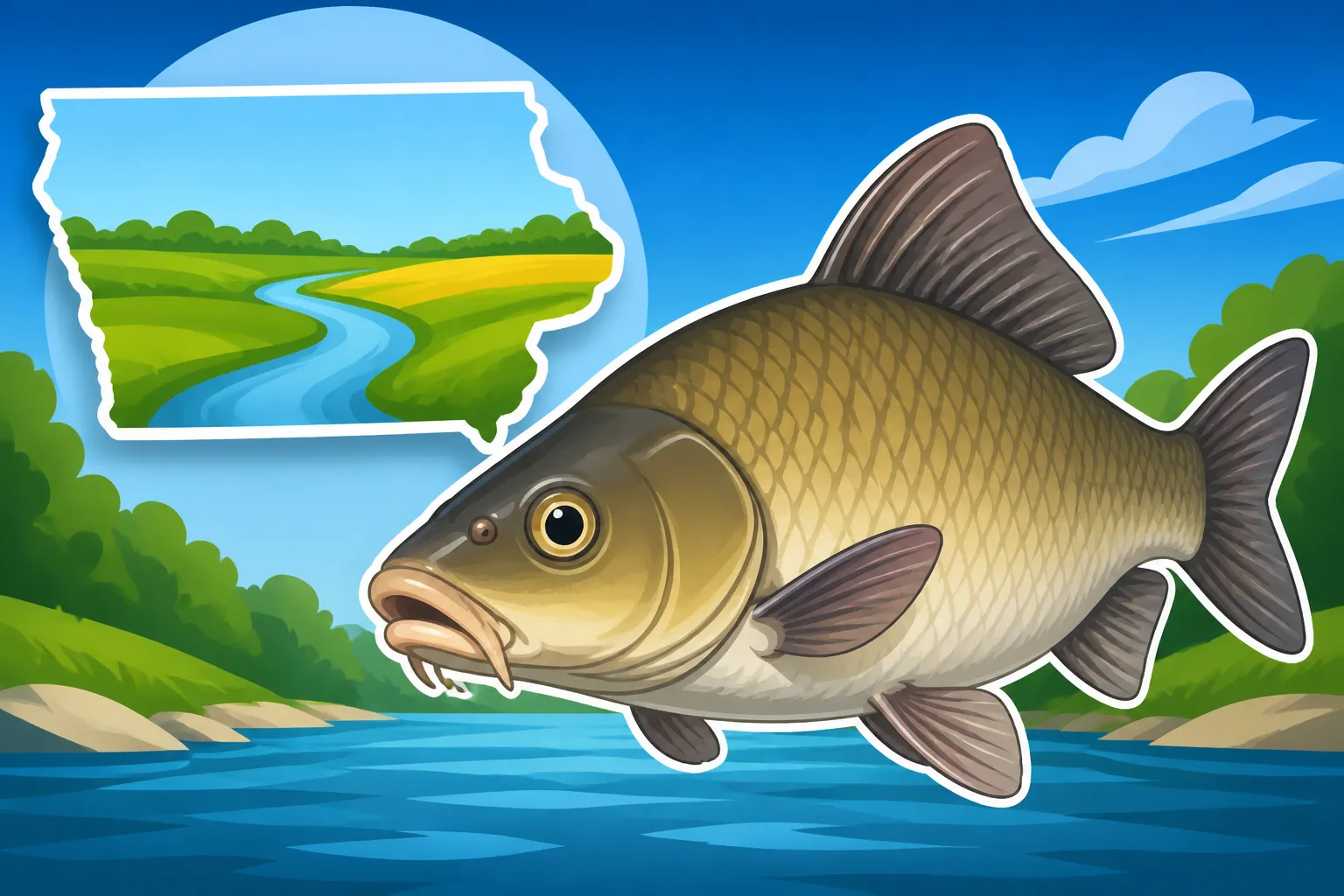
What a Buffalo Fish Is
For many Iowa anglers, the sight of a large, deep-bodied fish breaking the surface or tugging hard on the line can sometimes lead to confusion. You might wonder, "Is that a carp? A giant shiner?" But often, especially in our bigger rivers and reservoirs, you've encountered a true Iowa native: the mighty buffalo fish. This guide is here to clear up the mystery, introduce you to these fascinating fish, and hopefully inspire you to appreciate them for more than just their size.
Understanding Buffalo Fish: Not Your Average Carp
Let's be honest, buffalo fish sometimes get a bad rap, lumped in with other "rough fish" and often mistaken for carp. But they're entirely different, with their own unique characteristics and an important role in Iowa's aquatic environments. These aren't just big, bland fish; they're strong fighters and, dare I say, quite tasty when given a chance.
The Distinctive Look of an Iowa Buffalo
When you pull a buffalo fish from the water, you'll immediately notice some key differences from the common carp. For starters, buffalo fish have a much deeper, more compressed body. Think of them as having a bit of a hump on their back, making them look very robust. Their mouths are also quite different; buffalo have small, down-turned mouths, designed for sucking up food from the bottom or straining plankton from the water. They lack the barbels (whiskers) that are a hallmark of carp, which is a dead giveaway. Their scales are large and often have a brassy or olive-green hue, fading to a lighter belly.
Many times, especially for newer anglers, these fish cause a moment of "what in the world did I just catch?" because they can grow to impressive sizes, easily surpassing twenty pounds, and fight with a surprising amount of power. It's easy to assume any large, non-game fish from a river is a carp, but taking a closer look at the mouth and the absence of barbels will tell you otherwise. Don't fall into the trap of misidentification; knowing your fish species is part of being a well-rounded angler in Iowa.
Three Main Species: Bigmouth, Smallmouth, and Black Buffalo
Iowa waters are home to three distinct species of buffalo fish, each with its own preferred diet and slight variations in appearance. While they all share that deep-bodied, large-scaled look, a closer inspection can help you tell them apart.
The Bigmouth Buffalo (Ictiobus cyprinellus) is, as its name suggests, known for its large, terminal mouth, meaning it's positioned at the very front of its head, slightly upward-pointing. This mouth is perfectly adapted for filter-feeding on zooplankton in the water column. They tend to be found in larger, open water bodies and can grow quite massive. Many of the truly enormous buffalo caught in Iowa are bigmouths.
Next, we have the Smallmouth Buffalo (Ictiobus bubalus), which is the most common and widespread of the three in Iowa. They have a smaller, subterminal (down-turned) mouth, making them bottom feeders, much like a vacuum cleaner for the riverbed. They munch on insect larvae, algae, and detritus. You'll find them in a wider variety of habitats, from large rivers to smaller streams and lakes. They also grow to impressive sizes, though generally not quite as large as their bigmouth cousins.
Finally, the Black Buffalo (Ictiobus niger) is a bit rarer to encounter for most anglers, preferring deeper, slower waters and backwater areas of large rivers. They have a relatively small, downward-pointing mouth, similar to the smallmouth buffalo, and their body tends to be a bit darker and heavier-set. While not as common, they also contribute to the diversity of our native fish populations.
Understanding these differences can make your time on the water even more interesting. It's not just "a buffalo fish," it's a specific species with its own ecological niche.
| Feature | Bigmouth Buffalo | Smallmouth Buffalo | Black Buffalo |
|---|---|---|---|
| Mouth Position | Large, terminal (at front), upward-pointing | Small, subterminal (down-turned) | Small, subterminal (down-turned) |
| Diet Preference | Primarily zooplankton (filter feeder) | Insect larvae, algae, detritus (bottom feeder) | Benthic invertebrates, detritus (bottom feeder) |
| Body Shape | Deep-bodied, slightly more streamlined | Deep-bodied, generally most common | Deep-bodied, often darker, heavier-set |
| Habitat | Larger, open water bodies, main channels | Widespread: rivers, lakes, streams | Deeper, slower areas of large rivers, backwaters |
| Commonality | Less common than smallmouth | Most common and widespread in Iowa | Rarest of the three for anglers |
Where Do Buffalo Fish Live in Iowa? Their Natural Habitat
Iowa's diverse waterways provide a perfect home for buffalo fish, especially our larger river systems and expansive reservoirs. These fish are true survivors, adapting well to various conditions, and they play a vital role in keeping our aquatic environments healthy.
River and Reservoir Dwellers
You'll primarily find buffalo fish, particularly the abundant smallmouth buffalo, in the vast stretches of the Mississippi River. They thrive in the slower currents, backwaters, and deep pools that characterize this iconic waterway. Similarly, the Des Moines River and the Missouri River, with their extensive systems and fertile bottoms, are prime buffalo habitats. These rivers offer the abundant food sources and varied structures these fish need to grow large.
But it's not just our grand rivers. Many of Iowa's large flood control reservoirs, like Saylorville Reservoir and Coralville Reservoir, also host thriving buffalo populations. In these expansive impoundments, they can roam wide areas, sifting through the bottom for food or, in the case of bigmouth buffalo, filtering plankton from the open water. These locations provide the deep water and stable environments that allow them to flourish.
They're typically found near the bottom, often in areas with softer substrates where they can easily root around for their next meal. You might encounter them in deeper channels, along submerged ledges, or in quiet backwater bays where currents are minimal. This is quite different from many game fish that might prefer rocky structures or dense weed beds. If you're targeting fish like channel catfish, there's a good chance you're fishing in similar areas where buffalo fish are also present, as they often share these rich, bottom-dwelling habitats.
The Role of Buffalo Fish in Iowa's Ecosystem
Buffalo fish are often overlooked, but their ecological importance in Iowa cannot be overstated. As native species, they are a crucial part of the natural balance of our waterways. Think of them as the unsung heroes of water quality.
Firstly, they are excellent "cleanup crew" members. Smallmouth and black buffalo spend their lives sifting through sediments, consuming detritus, algae, and insect larvae. This bottom-feeding action helps to process organic matter and can contribute to better water clarity. Bigmouth buffalo, as filter feeders, consume vast quantities of microscopic zooplankton, helping to control algae blooms indirectly by reducing the food source for algae. This natural filtration is a huge benefit to the overall health of the aquatic environment.
Secondly, these large, energy-rich fish provide a substantial food source for other predators in the ecosystem. While adult buffalo are too large for most fish-eating birds or smaller game fish, their young provide forage for many species. Their presence signifies a healthy and productive aquatic system capable of supporting a diverse array of life. They are a testament to the richness of Iowa's freshwater ecosystems and deserve our respect for the role they play. Many anglers don't realize that How Many Fish Species Live in Iowa is a pretty impressive number, and native rough fish like the buffalo contribute significantly to that biodiversity.
Fishing for Buffalo Fish: Techniques and Considerations
So, you're out there, fishing our beautiful Iowa waters, and you want to try your hand at catching one of these impressive native fish? It's definitely doable, and it can be a surprisingly fun challenge! Don't let their "rough fish" label deter you; they put up a serious fight.
Best Baits and Rigging for Buffalo
When it comes to bait, buffalo fish are often less picky than some of our more sought-after game fish, but they do have preferences that align with their feeding habits. Since they are primarily bottom feeders (especially smallmouth and black buffalo), you'll want to present your bait right on the bottom.
Dough balls or prepared "stink baits" (often associated with catfish, but buffalo will take them too) are incredibly effective. You can buy these at most bait shops, or even make your own simple dough bait using flour, cornmeal, and some flavoring. Canned corn is another classic bait that buffalo fish find irresistible; its sweet scent and bright color can attract them from a distance. Simple nightcrawlers or pieces of worm can also work. For the filter-feeding bigmouth buffalo, smaller baits like corn or even very small jigs presented in the water column can sometimes entice a bite, though they are generally harder to target with traditional hook-and-line methods.
For rigging, simplicity is key. A basic bottom rig works wonders. I usually go with a standard slip sinker rig: slide a small egg sinker onto your main line, tie on a swivel, then attach a monofilament leader (around 12-18 inches) with a hook at the end. Hook sizes ranging from 4 to 1/0 are usually appropriate, depending on the bait size. You want a strong hook because these fish have tough mouths and fight hard. Use enough weight to hold your bait firmly on the bottom, especially in river currents. This setup is very similar to what you might use for Catfish Bait Guide for Iowa Anglers, making it versatile for many bottom-dwelling species.
Patience is a virtue when fishing for buffalo. Their bites can be subtle at times, a slow pull or a gentle tap rather than an aggressive strike. Keep a close eye on your rod tip or use a sensitive bobber if you're fishing still waters. When you do hook into one, be ready for a solid battle; they'll often make powerful runs and dig hard for the bottom, testing your tackle.
Handling and Regulations for Buffalo Fish in Iowa
Once you've managed to land a big buffalo, you'll want to handle it properly. These fish are strong and can be quite heavy, so a good landing net is essential, especially for bigger specimens. A Best Landing Net for Catfish will serve you well for buffalo too. Their mouths are relatively small and soft, so they're not prone to biting, but their sheer size can make them a handful.
Generally speaking, buffalo fish fall under the category of "rough fish" or "non-game fish" in Iowa. This usually means there are very few, if any, specific regulations regarding their season, size, or daily bag limits. Unlike walleye or bass, which have strict rules, you typically don't have to worry about specific length restrictions or daily possession limits for buffalo. However, it's always a good idea to double-check the latest Iowa Fishing Regulations Explained booklet or the Iowa DNR website for any updates or specific rules for the body of water you're fishing. Even if there aren't specific rules, responsible angling practices still apply.
If you plan on releasing the fish, handle it gently and quickly. Hold it horizontally, supporting its weight, and return it to the water ensuring it swims off strongly. If you decide to keep it for the table (which I highly encourage you to try!), dispatch it humanely and place it on ice immediately to preserve its quality.
Are Buffalo Fish Good to Eat? Dispelling Myths
This is where the biggest misconception about buffalo fish truly lies. Many anglers, unfortunately, dismiss them as inedible "trash fish" or believe they taste muddy and unpleasant. I'm here to tell you that this simply isn't true when they are properly handled and prepared. It's time to open your mind and your palate!
The Truth About Buffalo Fish on the Dinner Plate
The idea that buffalo fish are not good to eat often stems from an old-school mentality or a lack of proper preparation. When cleaned correctly, buffalo fish offer flaky, white meat with a mild, sometimes slightly sweet flavor. It's surprisingly good! The key here, as with many freshwater fish, is the cleaning process.
Buffalo fish, like carp, have a "mud vein" or lateral line that can impart an off-flavor if not removed. This dark strip of meat runs along both sides of the fillet. After filleting your buffalo, simply cut this dark strip away before cooking. This simple step makes a world of difference. Additionally, the meat from fish caught in cleaner, flowing waters (like our major rivers) generally tastes better than fish from stagnant, muddy ponds. But even from muddier areas, proper cleaning and cooking can yield a delicious meal.
Don't let preconceived notions or what "everyone says" about rough fish deter you. Just like some folks might wonder Is Catfish Good to Eat?, the answer for buffalo is a resounding yes, if you give them a fair shake. Many cultural traditions, especially in the southern United States, hold buffalo fish in high culinary regard, and for good reason.
Popular Ways to Prepare Buffalo Fish
Once you've got those clean, white fillets, the possibilities are endless! One of the most popular ways to enjoy buffalo fish is to simply fry them. Dredge the fillets in your favorite seasoned cornmeal or breading mix, and deep-fry or pan-fry until golden brown and flaky. The mild flavor of the fish pairs perfectly with crispy breading.
Smoking buffalo fish is another fantastic option, especially for larger fillets. The smoking process infuses the meat with a rich, savory flavor and results in a tender, moist texture that's incredible flaked into dips or eaten on its own. It's a method that really highlights the quality of the meat.
You can also use buffalo fish to make delicious fish patties or cakes. Simply cook the fish, flake the meat, and mix it with breadcrumbs, egg, and your favorite seasonings (think dill, lemon, onion). Form into patties and pan-fry or bake. This is a great way to use up fish and introduce it to people who might be hesitant to try a "rough fish."
My advice? The next time you land a buffalo fish, especially a nice, healthy one from a clean river or lake, don't just throw it back out of habit. Take it home, clean it carefully, and prepare it with an open mind. You might just discover a new favorite for your dinner table and gain a newfound appreciation for one of Iowa's powerful, native fish.
Disclaimer
This article is for general informational purposes only and does not constitute professional advice. Laws, prices and regulations vary by location and change over time. Consult a qualified professional for guidance on your specific situation.