Channel Catfish Fishing in Iowa
For many Iowa anglers, the pursuit of channel catfish isn't just a hobby; it's a deep-seated tradition, a chance to connect with nature, and a battle against a true freshwater bruiser. But knowing where to find these whiskered warriors and what tricks to employ can be baffling, especially with Iowa's diverse waterways. This comprehensive guide will unravel the mysteries of channel catfishing in the Hawkeye State, equipping you with the knowledge to land more of these hard-fighting and delicious fish.
Why Channel Catfish Hold a Special Place in Iowa Fishing
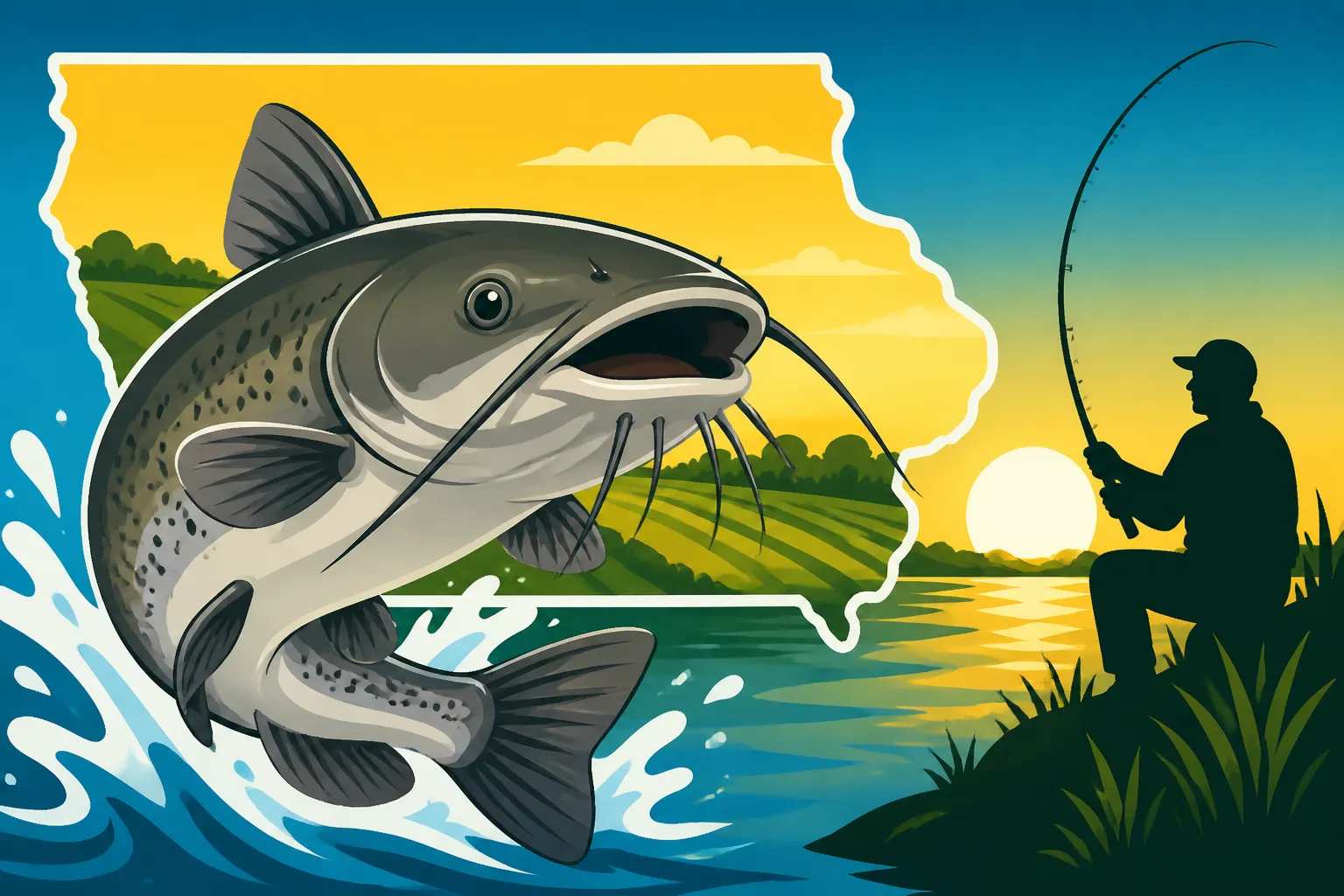
Channel catfish are often the first "big" fish many Iowans catch, etching themselves into fishing memories with their distinctive whiskers, powerful runs, and undeniable appeal. They're a cornerstone of the state's recreational fishing scene, providing excitement for anglers of all skill levels. Their widespread presence and aggressive feeding habits make them an accessible and rewarding target.
Their Abundance Across the State
One of the biggest reasons for the channel catfish's popularity in Iowa is simply how ubiquitous they are. You'd be hard-pressed to find a public waterway in Iowa that doesn't hold a healthy population of channel cats. From the mighty Mississippi River in Iowa that forms our eastern border to the winding tributaries and major interior rivers like the Des Moines and Cedar, these fish thrive. They're equally at home in our numerous public lakes and reservoirs, such as Saylorville Reservoir in Iowa and Rathbun Lake in Iowa, and even many farm ponds scattered across the landscape. This sheer abundance means that regardless of where you call home in Iowa, a productive channel catfish spot is likely just a short drive away, making it easy to enjoy a spontaneous fishing trip.
The Iowa Department of Natural Resources (DNR) actively manages catfish populations, ensuring sustained numbers through habitat work and stocking efforts where needed. This commitment helps maintain a robust fishery for everyone. It's not uncommon for anglers to catch multiple catfish in a single outing, especially during peak feeding times, which adds to the excitement and satisfaction of targeting this species. This consistent action is a huge draw, particularly for families introducing children to fishing, as it increases the chances of a successful and memorable day on the water.
The Fight They Offer
Don't let their bottom-dwelling reputation fool you; channel catfish are formidable fighters. When you hook into a decent-sized channel cat, prepare for a battle. They're known for their strong, steady pulls and surprising bursts of speed, often trying to dive into cover or use the current to their advantage. This makes for an exhilarating experience, often requiring a bit of finesse and strong tackle to bring them to the net. Many anglers specifically target channel catfish because of this thrilling fight, often preferring it over other species.
The fight isn't always about brute strength, though. A cunning channel cat might try to wrap your line around submerged logs, rock piles, or even boat anchors, testing your angling skills and your tackle's durability. Landing a larger channel catfish, especially one weighing several pounds, is a true accomplishment that leaves you with aching arms and a satisfying grin. This challenge is precisely what keeps so many anglers coming back for more, year after year, eager to test their mettle against these powerful adversaries.
Excellent Table Fare
Beyond the fight and the thrill, channel catfish are also highly regarded for their delicious, flaky white meat. They are widely considered one of the best-eating freshwater fish in Iowa, making them a popular choice for those who enjoy taking home their catch for a fresh meal. Whether fried, baked, grilled, or smoked, properly cleaned channel catfish are a culinary delight that rivals many commercially available fish.
The key to great-tasting catfish is proper handling and cleaning immediately after the catch. Many anglers will keep their catfish alive in a livewell or on a stringer until they are ready to be cleaned, which helps preserve the quality of the meat. There are countless recipes and preparation methods that Iowa anglers swear by, from simple cornmeal breading and deep frying to more elaborate blackened or lemon-herb baked dishes. Sharing a fresh catfish dinner with family and friends after a successful day on the water is a cherished tradition, reinforcing why these fish are so beloved. Is Catfish Good to Eat? is a common question, and the answer is a resounding yes!
Understanding Channel Catfish Habitat in Iowa
To consistently catch channel catfish, you need to think like a catfish. Understanding their preferred habitats and how they relate to the structure and flow of Iowa's waterways is crucial. Channel cats are adaptable, but they have distinct preferences that, once understood, can drastically improve your success.
River Systems and Their Structure
Iowa's river systems are a prime habitat for channel catfish. These fish thrive in moving water, often congregating around areas that offer a combination of current breaks, deeper holes, and submerged cover. Look for them in slower stretches of rivers, especially downstream of riffles or rapids where food gets washed down and settles. Deep scour holes created by current around outside bends are classic catfish hangouts. These spots offer refuge from strong currents while providing ambush points for unsuspecting prey.
Beyond the main channel, focus on areas with significant structural features. Wing dams, riprap banks, log jams, and bridge pilings are all magnetic to channel catfish. Wing dams, in particular, on rivers like the Mississippi, create current seams and eddies where catfish can rest and feed. The calmer water behind these structures, or the deeper pools they create, are often teeming with fish. When fishing rivers, understanding the Iowa Fishing Techniques Guide related to current and structure is paramount. These fish use these features for cover from predators, a place to rest from the current, and excellent feeding zones where food gets funneled right to them.
Lake and Reservoir Preferences
While rivers are iconic, Iowa's lakes and reservoirs also boast incredible channel catfish fishing. In these stiller waters, catfish still seek out structure and depth transitions. Look for submerged creek channels, old roadbeds, and points that extend into deeper water. During the day, particularly in bright conditions, channel cats will often retreat to deeper, cooler water, especially near areas of cover like standing timber or brush piles. They might be less active during these times but will move shallower to feed during low light conditions or at night.
Areas with a softer bottom, often characterized by mud or silt, can also be prime catfish territory, as these areas tend to hold a lot of their natural forage like invertebrates and small baitfish. Inlet and outlet areas, where streams feed into or out of a lake, can be hotspots, as these areas provide both current and a constant supply of food. Large reservoirs like Saylorville, Rathbun, and Coralville Reservoir in Iowa offer vast amounts of catfish habitat, making them excellent destinations for anglers. Often, finding a good drop-off near a flats area can be key to locating active fish.
Farm Ponds and Smaller Water Bodies
Don't overlook the humble farm pond! Many private and even some public smaller ponds across Iowa are absolutely loaded with channel catfish. These smaller, often shallower bodies of water can warm up quickly, making them ideal feeding grounds for catfish. In ponds, channel cats will often patrol the entire perimeter, but they'll gravitate towards any available structure. This includes brush piles, rock piles, areas of aquatic vegetation, and deeper holes that might exist.
The beauty of pond fishing is its simplicity and accessibility. You don't necessarily need a boat or specialized electronics; bank fishing can be incredibly productive. Focus on fishing near any obvious cover or where the pond deepens. Even a small culvert feeding water into the pond can be a major draw for catfish, especially after a rain. Because these ponds are often less pressured, the catfish can be quite aggressive, offering fantastic action for anglers looking for a convenient and productive outing. Remember, always get permission before fishing on private property.
Essential Gear for Channel Catfish in Iowa
Having the right gear makes all the difference when targeting channel catfish. You don't need to break the bank, but investing in appropriate rods, reels, line, and terminal tackle will increase your success and enjoyment. Catfish are powerful, so your equipment needs to be up to the task.
Rods, Reels, and Line Selection
When it comes to rods for channel catfishing, you'll want something with a medium-heavy to heavy action and a good backbone. This provides the power needed to cast heavier baits and sinkers, set the hook firmly, and battle strong fish in current or around snags. A rod length between 7 to 9 feet is often ideal, offering good casting distance from the bank and enough leverage from a boat. Ugly Stik rods are popular choices among catfishermen due to their legendary durability, often available at local tackle shops or online at Amazon.
For reels, both baitcasting and spinning reels can work. Baitcasting reels, especially those with a bait clicker feature, are often preferred for their power, line capacity, and ability to handle heavy lines and weights. A reel in the 4000-6000 size range for spinning, or a 50-60 size for baitcasting, is a good starting point. Pairing your reel with a strong, abrasion-resistant line is critical. Monofilament line in the 15-30 pound test range is a classic choice, offering stretch and knot strength. Braided line, in similar breaking strengths, has become increasingly popular for its sensitivity and incredible strength-to-diameter ratio, allowing for more line capacity and greater feel for subtle bites. Best Rod for Catfish Fishing offers more specific recommendations for various situations.
Terminal Tackle Hooks, Sinkers, Swivels
Your terminal tackle is where the business happens, and it needs to be robust for channel cats. For hooks, circle hooks are almost universally recommended by experienced catfishermen. They are designed to hook fish in the corner of the mouth, minimizing deep hooking and making catch-and-release much safer for the fish. Sizes ranging from 2/0 to 8/0 are common, depending on your bait size and target fish size. Brands like Gamakatsu and Eagle Claw offer excellent options that can be found easily on Amazon or at local bait shops.
Sinkers will depend on the current and depth you're fishing. Egg sinkers are popular for slip-sinker rigs, allowing the line to run freely through them without alerting a finicky catfish. No-roll sinkers or pyramid sinkers are great for strong currents as they dig into the bottom and stay put. Have a variety of weights, from 1/2 ounce to several ounces, on hand. Finally, quality barrel swivels or ball-bearing swivels are essential to prevent line twist, especially when using cut bait or fishing in current. A strong snap swivel can also be handy for quickly changing out leaders or weights.
Essential Accessories Nets, Pliers, Lights
Don't head out without these critical accessories. A sturdy landing net with a long handle and a large hoop is indispensable for safely landing larger channel catfish. Trying to hoist a thrashing 10-pound catfish by the line is a recipe for disaster. Look for nets with knotless, rubberized mesh to protect the fish's slime coat and prevent hooks from getting tangled.
Long-nosed pliers or hook removers are crucial for safely extracting hooks, especially with powerful fish that can thrash. Catfish also have sharp spines on their dorsal and pectoral fins, which can deliver a painful poke, so handling them carefully is important. A good pair of cutting pliers is also handy for cutting tough braided line or snipping hooks if needed. For night fishing, a reliable headlamp or a powerful lantern is an absolute must. Catfish are often most active after dark, and navigating your gear, baiting hooks, and safely unhooking fish in the dark requires ample illumination. You'll find a wide selection of these useful items when you search for fishing accessories on Amazon. A cooler filled with ice is also essential if you plan to keep your catch, ensuring the fish remain fresh until you can clean them. Best Landing Net Size for Catfish will help you choose wisely.
Best Baits and How to Rig Them
One of the most exciting aspects of channel catfishing is the incredible variety of baits you can use. Channel cats are opportunistic feeders, meaning they'll eat just about anything that looks, smells, or feels like a meal. Experimentation is key, but some baits are consistently more effective than others in Iowa waters.
Natural Baits Cut Bait, Worms, Live Bait
- Cut Bait: This is arguably the king of channel catfish baits. Fresh cut bait, typically from oily fish like shad, carp, or even small pieces of bluegill or panfish (check regulations for using game fish as bait), works wonders. The scent trail it leaves in the water is irresistible to catfish. Cut the fish into chunks or strips, ensuring each piece has some skin to help it stay on the hook. The fresher the cut bait, the better, as the oils and blood seep into the water, drawing catfish from a distance. You can often buy frozen cut bait, but freshly caught bait is usually superior.
- Worms: Good old nightcrawlers and earthworms are always a reliable option, especially for smaller channel cats or when fishing ponds. They're easy to get, simple to rig, and universally appealing to many fish species, including catfish. Thread several worms onto a hook to create a tempting cluster. While not as strong-scented as cut bait, the wiggling action can entice bites.
- Live Bait: Small live baitfish like minnows or shad can also be effective, especially if you're looking for larger channel cats that might prefer a more substantial meal. Hook them lightly through the back or lips to keep them alive and swimming naturally. Ensure your Iowa Fishing Regulations Explained allow for the use of live baitfish from a specific water body to prevent the spread of aquatic invasive species. Best Cut Bait for Channel Catfish dives deeper into selecting and preparing this popular bait.
Prepared Baits and Stink Baits
- Prepared Baits: The market is flooded with commercially prepared catfish baits, often referred to as "stink baits" or "dip baits." These concoctions are designed to be extremely smelly, mimicking the decaying organic matter that catfish naturally feed on. They come in various forms, including dough balls, dip baits that you apply to a sponge or worm, and punch baits that adhere to your hook. Popular brands often have their own secret recipes, and anglers swear by particular scents. It's worth trying a few different types to see what the catfish in your specific area prefer.
- Chicken Liver: A classic and highly effective bait, chicken liver is readily available at any grocery store. It's extremely soft, so it requires careful rigging, often with a treble hook or by wrapping it with a small amount of thread or elastic bait holders to keep it on the hook during casting. The blood and strong scent make it very attractive to channel catfish. The messiness is a small price to pay for its effectiveness. You can often find great deals on these in bulk on Amazon.
- Shrimp: Both raw and cooked shrimp can be excellent catfish baits. Raw shrimp, especially those that are slightly older and have developed a stronger odor, can be particularly effective. Cut them into chunks or use whole smaller shrimp. The natural scent and texture appeal to catfish.
Common Rigs for Catfish Carolina, Santee Cooper, Slip Sinker
- Slip Sinker Rig (Carolina Rig for Catfish): This is one of the most versatile and widely used rigs for channel catfish. It consists of an egg sinker (or similar weight that allows the line to pass through freely) threaded onto your main line, followed by a bead (to protect the knot), and then a swivel. A leader of about 12-24 inches is tied to the other end of the swivel, with your hook at the end of the leader. The beauty of this rig is that the fish can pick up the bait and run without feeling the weight of the sinker, giving you a better chance to set the hook. This rig is fantastic for both still and flowing water.
- Santee Cooper Rig: This is a variation of the slip sinker rig, particularly popular for drifting in lakes or slow-moving rivers. It uses a float on the leader between the swivel and the hook. This float lifts your bait slightly off the bottom, presenting it above snags and making it more visible to cruising catfish. The length of the leader and the size of the float can be adjusted based on depth and how far off the bottom you want your bait.
- Three-Way Swivel Rig: This rig is excellent for fishing in current or when you want to present your bait in a specific zone. A three-way swivel is tied to your main line. One eye of the swivel has a short leader (6-12 inches) tied to a sinker, allowing it to rest on the bottom. The second eye has a longer leader (18-36 inches) tied to your hook and bait, which then drifts naturally in the current above the sinker. This is a very effective way to keep your bait in the strike zone without it getting constantly snagged on the bottom. When considering Catfish Bait Guide for Iowa Anglers, these rigs are foundational.
| Bait Type | Scent Profile | Rigging Method | Ideal Conditions | Target Fish Size |
|---|---|---|---|---|
| Fresh Cut Bait | Strong, Oily | Slip Sinker, Santee Cooper, Three-Way Swivel | Rivers, Lakes, Current | Medium to Large |
| Chicken Liver | Strong, Bloody | Treble Hook, Bait Holder | Rivers, Ponds, Slack Water | Small to Medium |
| Nightcrawlers | Earthy | Threaded on Hook, Multiple Worms | Ponds, Lakes, Light Current | Small to Medium |
| Prepared Stink Bait | Pungent, Chemical | Dip Worm, Sponge, Punch Bait | Lakes, Ponds, Slow Rivers | Small to Medium |
| Live Minnows | Natural, Wiggling | Hooked through back or lip | Lakes, Rivers, Deeper Water | Medium to Large |
Effective Techniques for Catching Iowa Channel Catfish
While bait and location are crucial, how you present your bait and work an area can greatly influence your success. Channel catfish respond well to a variety of techniques, whether you're casting from shore or navigating Iowa's expansive waters in a boat.
Bank Fishing Strategies
Bank fishing is how many Iowans first experience channel catfishing, and it remains incredibly productive. When fishing from the bank, your primary goal is to cast your bait into promising areas without spooking the fish. Look for visible signs of structure like submerged trees, brush piles, or rock formations near the bank. Also, pay attention to current breaks, especially in rivers, where the water slows down. These are natural congregation points for catfish.
Often, success from the bank comes down to patience and scent. Cast your slip-sinker or three-way rig bait into a good spot and let it sit. Channel catfish rely heavily on their sense of smell, so giving your bait time to disperse its scent is key. Periodically checking your bait to ensure it's still fresh and properly presented is also important. If after 20-30 minutes you haven't had a bite, consider reeling in and recasting to a slightly different spot or trying a different bait. A sturdy rod holder, easily found on Amazon, can make bank fishing much more comfortable, allowing you to relax while waiting for a bite. Shore Fishing Access Near Des Moines and other public access points provide fantastic opportunities for bank anglers.
Boat Fishing Tactics Drifting, Anchoring
For those with access to a boat, a whole new world of channel catfishing opens up.
- Drifting: This technique involves letting your boat and baits drift naturally with the current in a river or with the wind in a lake or reservoir. Drifting allows you to cover a lot of water and present your bait to a wider area of fish. It's particularly effective when catfish are scattered or when you're trying to locate schools of active fish. Use a controlled drift, adjusting your boat speed with a trolling motor or a drift sock to keep your bait moving at a natural pace. Multiple lines with different baits or rigs can be deployed to see what the fish prefer on any given day. This method is often very productive on large reservoirs or bigger river stretches.
- Anchoring: When you've located a prime piece of structure – a deep hole, a log jam, a submerged roadbed, or a particularly promising wing dam on the Mississippi – anchoring is the way to go. Position your boat strategically upstream of the structure in rivers, or directly over it in lakes, and cast your baits into the target zone. Anchoring allows you to thoroughly work a specific area, concentrating your scent trail and keeping your baits precisely where you believe the fish are holding. Always use a strong anchor and adequate rope, especially in current. Consider using a buoyed anchor system so if a large fish pulls you towards structure, you can quickly release and retrieve your anchor later. Kayak Fishing Techniques in Iowa also often employ similar drifting and anchoring principles for smaller craft.
Night Fishing for Catfish
If you're serious about catching big channel catfish, night fishing is almost mandatory. Catfish are primarily nocturnal feeders, becoming much more active and aggressive once the sun goes down. The cover of darkness often makes them bolder, moving into shallower waters to feed where they might be hesitant during the day. Their excellent sense of smell and touch (via their barbels) gives them an advantage in low-light conditions.
When Night Fishing Techniques for Catfish, prioritize safety. Tell someone where you're going and when you expect to return. Bring plenty of light sources, extra batteries, and insect repellent. Fishing the same spots you'd fish during the day, but after dark, can yield incredible results. The quiet solitude of night fishing, broken only by the splash of a surfacing fish or the scream of your reel, is an experience every Iowa angler should try. Many of the techniques and baits remain the same, but the timing is everything.
Optimal Seasons and Times to Target Channel Catfish
Understanding the seasonal movements and feeding patterns of channel catfish in Iowa is paramount for consistent success. While you can catch them year-round, certain seasons offer peak opportunities due to their biological cycles and environmental factors.
Spring Pre-Spawn and Spawn Period
Spring, particularly from April through June, is a fantastic time to target channel catfish. As water temperatures rise into the 60s Fahrenheit, catfish become increasingly active, moving out of their deep wintering holes and into shallower areas to feed heavily in preparation for spawning. This "pre-spawn" bite is often aggressive, as fish are trying to pack on weight. They'll be found near incoming creeks, warming flats, and areas with new green growth, all of which attract baitfish and other forage.
The actual spawn occurs when water temperatures reach the upper 60s to low 70s. During this time, male catfish become highly territorial, guarding their nests in hollow logs, undercut banks, or rock crevices. The bite can slow down a bit during the peak of the spawn as fish are focused on reproduction. However, immediately after the spawn, catfish become extremely hungry again, leading to another strong feeding period as they recover their energy. This post-spawn bite can be just as, if not more, productive than the pre-spawn. Always check Iowa Fishing Season Dates and Limits for any specific regulations or changes during this vital time.
Summer Feeding Frenzy
Summer is prime time for channel catfish. From late June through August, warm water temperatures keep catfish metabolism high, meaning they need to eat frequently. This is when you'll find them active throughout the day, particularly during low-light conditions like dawn, dusk, and throughout the night. During the brighter, hotter parts of the day, they'll often retreat to deeper, cooler water or seek out dense cover, only to emerge when conditions are more favorable.
During summer, focus on the deeper holes in rivers, the thermocline in lakes, and areas with strong current or inflow that provide oxygen and food. Summer Catfish Techniques on the Mississippi River often involve fishing at night or during cooler periods of the day. Using strong-scented baits and fishing multiple lines can be very effective, especially if you're on a boat. This is the season when many anglers catch their biggest channel cats, as the fish are actively feeding and at their heaviest.
Fall Patterns
As water temperatures begin to cool in September and October, channel catfish enter another excellent feeding period. They recognize the approaching winter and begin to gorge themselves, building up fat reserves to sustain them through the colder months. This "fall bite" can be incredibly strong, with fish actively chasing down bait. They might move into shallower areas during the day to feed on baitfish that are also preparing for winter.
As fall progresses and water temperatures continue to drop, catfish will gradually move into their deeper wintering holes. They become less active but can still be caught by presenting baits slowly and directly to them in these deep refuges. The fall bite can be a bit more challenging to pinpoint than summer, but when you find an active school of feeding catfish, the action can be fast and furious. The question Is There a Closed Season for Catfish? is often asked, and generally, for channel catfish, the answer is no, allowing for year-round fishing opportunities, though success varies greatly by season.
Iowa Regulations for Channel Catfish
Understanding and adhering to Iowa's fishing regulations is not just a legal requirement, it's crucial for preserving our cherished fisheries for future generations. Channel catfish are well-managed, but knowing the rules regarding limits and licenses is essential before you cast a line.
Daily Bag and Possession Limits
The Iowa Department of Natural Resources (DNR) sets specific daily bag limits and possession limits for channel catfish to ensure sustainable populations. A "daily bag limit" refers to the maximum number of fish of a particular species you can keep in a single day. A "possession limit" is the maximum number of fish you can have in your possession at any given time, which often refers to fish kept at home in a freezer in addition to your daily catch.
For channel catfish in most Iowa waters, the daily bag limit is typically generous, allowing anglers to take home a good number for the dinner table. However, it's always critical to consult the most current Iowa Fishing Regulations booklet or the DNR website, as limits can vary slightly by specific water body or change from year to year. For example, Catfish Limit on Rathbun Lake or Catfish Limit on Saylorville Reservoir might have specific nuances. The standard limit is 15 channel catfish per day, with a possession limit of 30. This ensures plenty of opportunities for harvest while protecting the population.
License Requirements
Almost all anglers over the age of 16 in Iowa are required to possess a valid fishing license. This includes residents and nonresidents alike. Funds generated from license sales are vital for supporting the Iowa DNR's conservation efforts, including fish stocking, habitat restoration, and enforcement. Different types of licenses are available, such as annual resident, nonresident, or shorter-term options like a Iowa One-Day Fishing License or Iowa Three-Day Nonresident Fishing License.
Specific exemptions do exist, such as during Iowa's Iowa Free Fishing Weekend Guide or for certain age groups or individuals with disabilities. However, for the vast majority of anglers, purchasing a license is a simple and necessary step before fishing. You can purchase your license online through the Go Outdoors Iowa system, at numerous bait shops and retail stores across the state, or even through the GoOutdoors app on your smartphone. Always carry your license with you when fishing, as wardens may ask to see it. Iowa Fishing License Guide provides a comprehensive overview of all requirements.
Special Rules for Trotlines and Setlines
While most channel catfishing in Iowa is done with rod and reel, some anglers utilize alternative methods like trotlines and setlines. These methods involve using multiple baited hooks on a single line that is set in the water and left unattended for a period. Due to their nature, trotlines and setlines are subject to much stricter regulations than rod and reel fishing.
There are usually specific requirements regarding the number of hooks allowed, how the lines must be marked (often with your name and address or DNR customer ID), where they can be set, and how frequently they must be checked. Certain areas, like state park lakes, may prohibit their use entirely. It's imperative to understand and follow these rules to avoid violations and ensure responsible angling. Misuse of trotlines can lead to significant fines and penalties. Always consult the detailed "Commercial Fishing" or "Special Regulations" sections of the Iowa Fishing Regulations booklet if you plan to use these methods. How Many Fishing Poles You Can Use in Iowa also highlights regulations around the number of lines an individual angler can actively fish with.
Cleaning and Cooking Your Iowa Channel Catfish
Bringing home a fresh catch of Iowa channel catfish is only half the fun. Knowing how to properly clean and prepare them ensures that the delicious white meat makes it to your plate. With a little practice, filleting a catfish becomes quick and easy, unlocking its full culinary potential.
Safe Handling and Filleting Techniques
The first step to a great meal is proper handling immediately after the catch. If you plan to keep your catfish, place them directly into a cooler of ice or a well-aerated livewell. Keeping them cold and alive until cleaning helps preserve the quality and flavor of the meat. When it's time to clean, handle catfish with care due to their sharp pectoral and dorsal spines. Many anglers use a glove on their non-dominant hand or hold the fish firmly from the top, avoiding the spines.
Filleting a channel catfish is a bit different than other fish due to their thick skin and lack of scales. You'll need a sharp fillet knife, ideally one with a bit of flexibility. Start by making a cut behind the pectoral fin, down to the backbone. Then, cut along the top of the fish, following the backbone, all the way to the tail. Once you have the fillet removed, the next step is to skin it. Many prefer to use pliers to grip the skin at the tail end, then carefully run the knife between the skin and the meat. Alternatively, you can use a technique where you nail the tail to a board and pull the skin off with pliers. This leaves you with clean, skinless fillets ready for cooking. Ensure your knife is always sharp for safety and efficiency, and consider using a cutting board specifically for fish.
Popular Cooking Methods
Channel catfish are incredibly versatile in the kitchen, lending themselves well to a variety of cooking methods.
- Frying: This is, without a doubt, the most iconic way to prepare catfish. Dredging fillets in a seasoned cornmeal mixture and deep-frying them until golden brown creates a crispy exterior and a tender, flaky interior. Many Iowa anglers have their secret family recipes for the perfect breading. It's quick, easy, and always a crowd-pleaser.
- Baking/Grilling: For a healthier option, baking or grilling catfish fillets is excellent. Marinate them in lemon juice, herbs, and spices, then bake them in foil or grill them over medium heat until cooked through. The subtle flavor of the catfish shines through with these methods, and they pair wonderfully with fresh vegetables.
- Blackening: A popular technique, blackening involves coating the fillets in a blend of spices and then cooking them quickly in a screaming hot, cast-iron skillet with a small amount of oil or butter. This creates a dark, flavorful crust while keeping the inside moist. It’s important to do this in a well-ventilated area due to the smoke!
- Smoking: For a unique flavor profile, smoking catfish fillets is an option. A light brine followed by a low-and-slow smoke with fruitwoods like apple or cherry can produce incredibly tender and flavorful smoked fish that's perfect on its own or flaked into dips and salads.
Storage Tips
If you've caught more catfish than you can eat fresh, proper storage is key to maintaining quality. Fresh fillets can be stored in the refrigerator for 1-2 days. For longer storage, freezing is the best option. To prevent freezer burn and preserve flavor, package your fillets correctly.
One popular method is to vacuum seal the fillets if you have a vacuum sealer. This removes all air, which is the enemy of frozen fish. If you don't have a vacuum sealer, you can place fillets in freezer bags and press out as much air as possible before sealing. Another excellent technique for catfish is to "ice glaze" them: place fillets in a freezer-safe container, cover them completely with water, and freeze. The ice block protects the fish from air exposure. Properly frozen catfish can maintain quality for several months. Always label your packages with the date to ensure you use them within a reasonable timeframe.
Disclaimer
This article is for general informational purposes only and does not constitute professional advice. Laws, prices and regulations vary by location and change over time. Consult a qualified professional for guidance on your specific situation.