How Many Fish Species Live in Iowa
It's a fantastic question, and one many Iowa anglers ponder: exactly how many different kinds of fish swim in our state's diverse waters? It's easy to think of Iowa as just cornfields and hogs, but beneath the surface of our rivers, lakes, and streams lies a truly remarkable aquatic world, home to a surprising array of finned creatures. If you're curious about the sheer biological wealth of Iowa's fishing scene, you're in the right place, because this guide will dive deep into the incredible number of fish species that call our beautiful state home.
The Big Picture: Counting Iowa's Aquatic Residents
When we talk about the number of fish species living in Iowa, it's more than just a simple count; it's a testament to the state's varied ecosystems and ongoing conservation efforts. For many, Iowa might conjure images of tranquil farm ponds or slow-moving rivers, but our waters host a rich tapestry of aquatic life.
Historically, Iowa has been home to a significant number of native fish species, and through careful management and stocking programs, that number has actually grown with introduced species thriving alongside our indigenous populations. While the exact figure can fluctuate due to environmental changes, stocking efforts, and even new discoveries, the generally accepted number of fish species found in Iowa's public waters hovers well over 150. That's right – over 150 distinct species! This includes everything from the smallest minnows and darters to massive catfish, elusive muskie, and the beloved walleye. It's a diversity that often surprises those who don't spend much time exploring our waterways, proving that Iowa fishing is far richer than a casual glance might suggest.
This impressive count isn't just about native species. It also includes species that have been successfully introduced over time, many of which now contribute significantly to our recreational fishing opportunities. These introductions are carefully managed by the Iowa Department of Natural Resources (DNR) to enhance fisheries and ensure ecological balance. When we speak of "species," we're talking about distinct biological populations, each with its own preferred habitats, diets, and behaviors, creating a complex and fascinating underwater world right here in the heartland.
Factors Contributing to Iowa's Fish Diversity
You might be wondering how a state like Iowa, often perceived as landlocked, can harbor such a vast number of fish species. The answer lies in a wonderful combination of geography, hydrology, and dedicated conservation efforts. Our state is far from being a single, uniform aquatic environment; instead, it boasts an incredible variety of water bodies, each supporting its own unique community of fish.
Geographical Location and Hydrology
Iowa's position within the continental United States is key. We are bordered by two of North America's most significant river systems: the Mississippi River to the east and the Missouri River to the west. These massive rivers act as biological superhighways, bringing a wealth of species into and through our state. The sheer volume and diverse habitats of these border rivers contribute immensely to Iowa's overall fish count. For example, areas like Mississippi River Pool 9 Fishing offer a different fishing experience and host distinct species compared to inland lakes. The numerous tributaries that feed into these major rivers – like the Des Moines, Cedar, Iowa, and Skunk rivers – also provide critical spawning grounds and migration routes, further enriching the diversity within the state's interior. These flowing waters offer a wide range of conditions, from swift currents and rocky bottoms to slow-moving backwaters and deep pools, each attracting different types of fish.
Beyond the major rivers, Iowa's interior is crisscrossed by countless smaller streams, creeks, and drainage ditches. While some of these might seem insignificant, they are vital connectors in the aquatic network, allowing fish to disperse and find new habitats, especially during periods of high water. This intricate web of flowing water creates countless micro-habitats, each supporting specific organisms and adding to the overall biodiversity.
Diverse Habitat Types Across the State
It's not just the rivers; Iowa is blessed with a wide array of static water bodies too. We have ancient glacial lakes, known as the Iowa Great Lakes, which include deep, clear waters like West Okoboji and the sprawling expanses of Spirit Lake. These natural lakes have distinct characteristics that support different fish populations compared to the man-made reservoirs like Saylorville, Rathbun, Red Rock, and Coralville. Reservoirs, often built on river systems, combine aspects of both river and lake environments, creating unique opportunities for various species to thrive. For instance, Clear Lake Walleye Fishing highlights how specific lakes are renowned for certain species due to their unique habitat features. Anglers exploring these waters often appreciate the specific challenges and rewards each type of habitat presents.
And let's not forget the multitude of smaller public impoundments, county park ponds, and private farm ponds that dot the landscape. These smaller waters, while less grand than the major lakes or rivers, are often teeming with panfish and bass, serving as crucial breeding grounds and accessible fishing spots for local communities. Each pond, lake, and reservoir, whether deep or shallow, clear or turbid, vegetated or rocky, provides a distinct niche.
Then there are Iowa's unique coldwater trout streams, primarily nestled in the picturesque driftless region of Northeast Iowa. These spring-fed streams offer the frigid, oxygen-rich waters essential for trout survival and are home to species like rainbow and brown trout. Trout Fishing Streams in Northeast Iowa offer a truly different angling experience from chasing walleye on a large lake. This specialized habitat adds a whole new dimension to Iowa's fish diversity.
Strategic Stocking and Management Programs
The Iowa Department of Natural Resources (DNR) plays a pivotal role in maintaining and enhancing this diversity through active management. Their extensive fish stocking programs introduce and maintain populations of popular game fish in waters where natural reproduction might be limited or nonexistent. For example, many of our major lakes and reservoirs receive regular stockings of walleye, northern pike, and muskie to ensure healthy populations for anglers. Trout are a prime example, with thousands of Rainbow Trout Stocking Program in Iowa fish being introduced into suitable streams and community ponds throughout the year, even during winter months as outlined in the Iowa Spring Trout Stocking Strategy.
Beyond stocking, the DNR implements a range of management strategies including habitat improvement projects, regulating Iowa Fishing Regulations Explained and Iowa Fishing Daily Bag Limits Guide, and conducting scientific research to monitor fish populations and aquatic health. These efforts are crucial not only for ensuring good fishing but also for protecting the delicate balance of Iowa's aquatic ecosystems, safeguarding this incredible diversity for generations to come.
A Closer Look at Iowa's Major Fish Families
With over 150 species, it's impossible to list every single one, but we can certainly highlight the major families and some of the stars of Iowa's aquatic show. From the revered game fish to the abundant panfish and the often-misunderstood "rough" fish, each plays a vital role in our state's waterways.
The Sport Fishing Favorites
These are the species that often draw anglers to the water, known for their fighting spirit and delicious table fare.
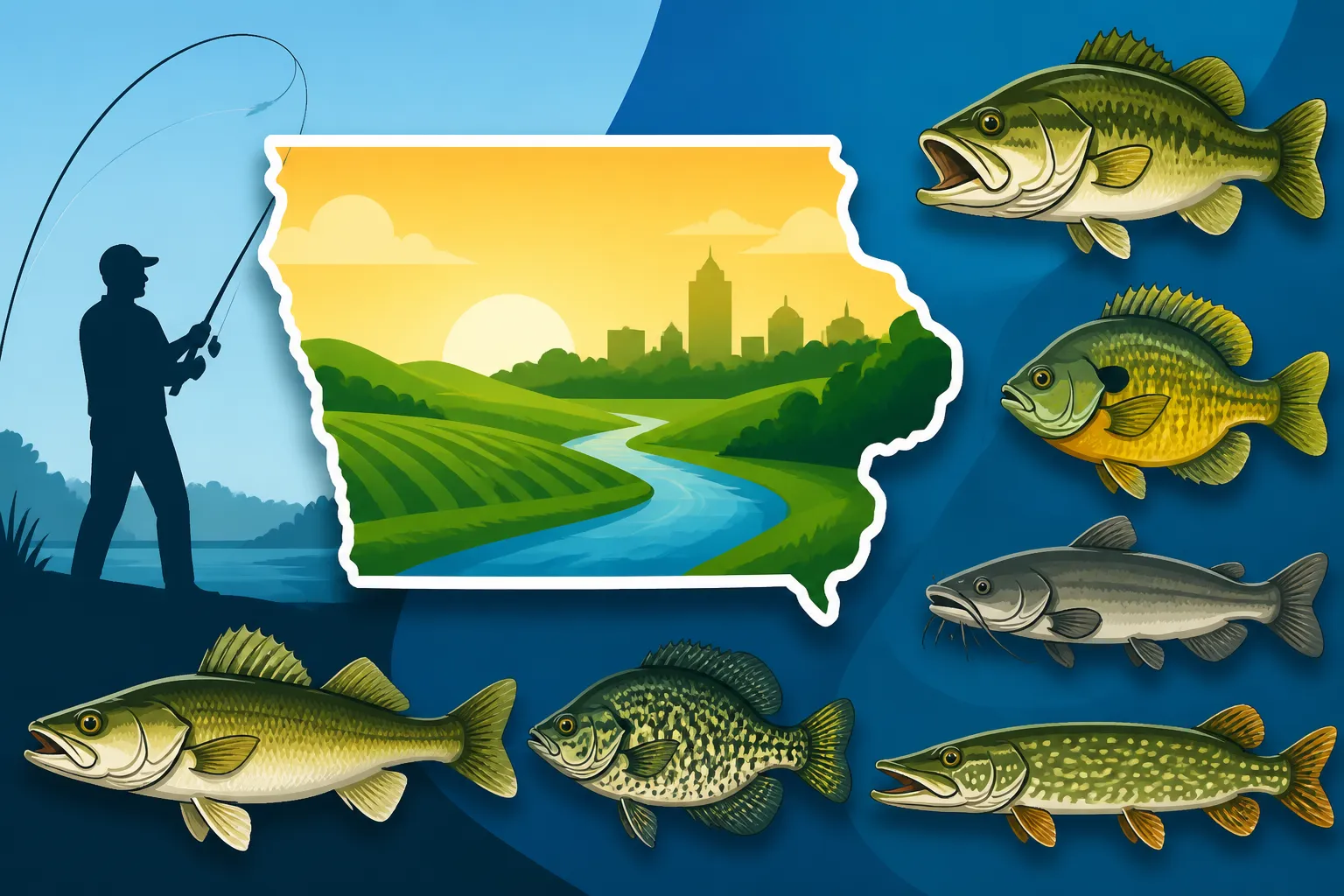
- Walleye and Sauger: The undisputed kings for many Iowa anglers, walleye are highly sought after for their delicate white meat and challenging bite. They thrive in large lakes, reservoirs, and major rivers. Their close cousins, the sauger, are primarily found in the Mississippi and Missouri Rivers. Understanding Walleye Fishing in Iowa is a rite of passage for many Iowans.
- Bass (Largemouth & Smallmouth): Our state boasts both species, offering different angling experiences. Largemouth bass are typically found in shallower, weedier waters of lakes and ponds, providing explosive topwater action. Largemouth Bass Fishing in Iowa is a popular pastime in farm ponds and public lakes. Smallmouth bass, on the other hand, prefer clearer, rockier rivers and lakes, offering a tenacious fight on lighter tackle.
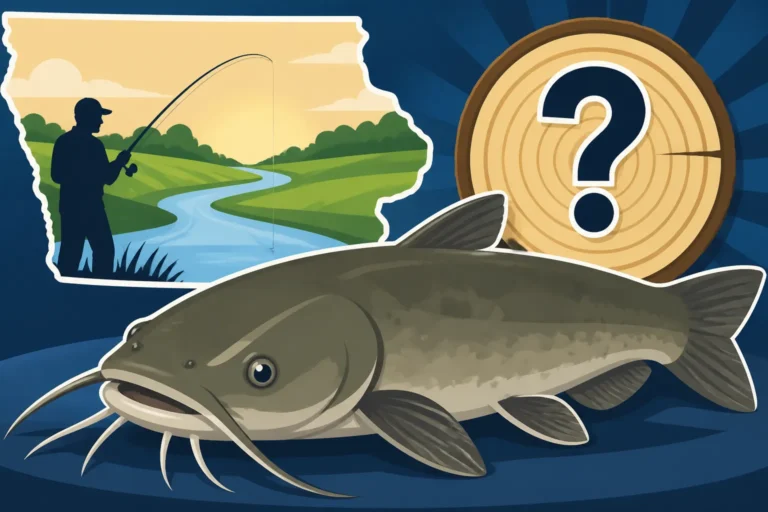
- Catfish (Channel & Flathead): Iowa is a true paradise for catfish anglers. Channel catfish are incredibly widespread, found in almost every river, stream, and lake, making Channel Catfish Fishing in Iowa accessible to everyone. Flathead catfish are the true river monsters, preferring deep holes and timber snags in larger rivers, growing to impressive sizes.
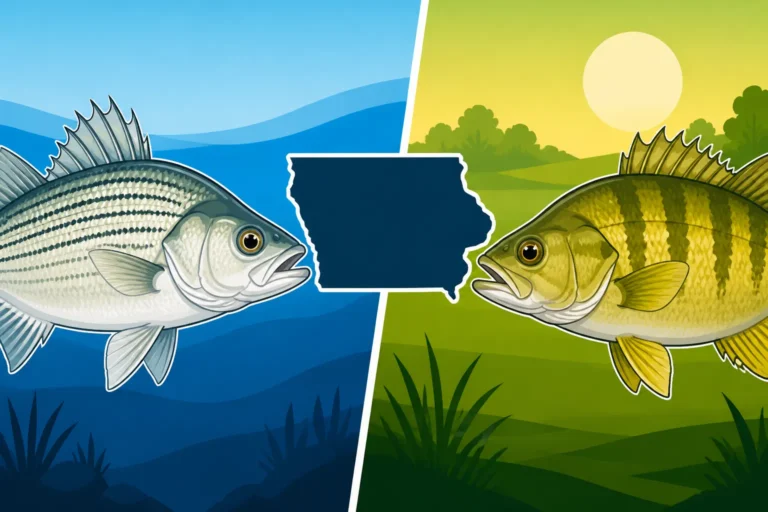
- Panfish (Crappie, Bluegill, Perch, Sunfish): These are the bread and butter of family fishing trips. Crappie, both black and white, are popular for their schooling behavior and delicate meat, with Crappie Fishing in Iowa being particularly strong in early spring. Bluegill and other sunfish varieties are ubiquitous and eager biters, perfect for introducing kids to fishing. Yellow perch thrive in certain natural lakes, offering a tasty winter ice fishing target. Bluegill Fishing in Iowa is a nostalgic pursuit for many.
- Trout (Rainbow, Brown): Exclusively found in the cold, clear streams of Northeast Iowa, rainbow and brown trout are stocked regularly, providing a unique coldwater fishery. Rainbow Trout Fishing in Iowa often involves special techniques like fly fishing, while naturally reproducing Brown Trout in Iowa Streams offer an added challenge.
- Pike & Muskie: These are the toothy predators that demand heavy tackle and patience. Northern pike are found in many of Iowa's larger lakes and rivers, offering aggressive strikes. Northern Pike Fishing in Iowa can be an exciting, albeit sometimes frustrating, pursuit. Muskie, the "fish of 10,000 casts," are present in a select few waters, including the Iowa Great Lakes and parts of the Mississippi River, offering the ultimate trophy fishing experience. Muskie Fishing in Iowa requires dedication and specialized gear.
Less Common but Ecologically Important Species
Beyond the popular game fish, Iowa's waters are home to a myriad of other species crucial to the ecosystem's health. This includes numerous species of suckers, minnows, darters, and various carp species. While not often targeted by recreational anglers, these fish form the base of the food chain, provide forage for predators, and play vital roles in nutrient cycling.
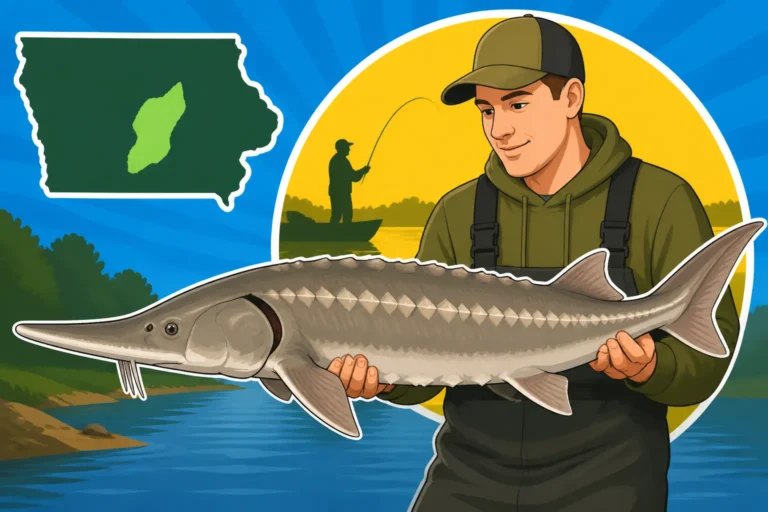
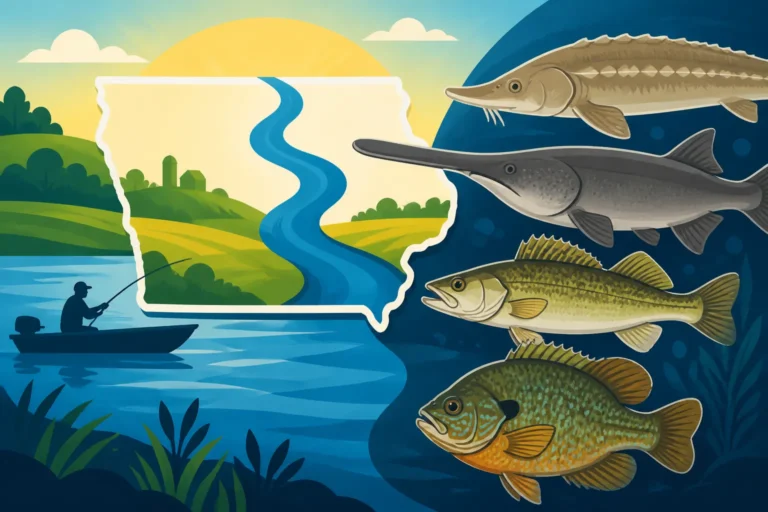
Some, like the freshwater drum (sheepshead), are common and offer a surprisingly fun fight, often overlooked for their eating qualities. Others, such as the shovelnose sturgeon, are native inhabitants of our larger rivers and are protected by strict regulations. Shovelnose Sturgeon in Iowa Rivers are a unique part of our river ecosystems. The magnificent Lake Sturgeon Protection in Iowa ensures that these ancient fish, once nearly extirpated, have a chance to recover.
Invasive Species: A Growing Concern
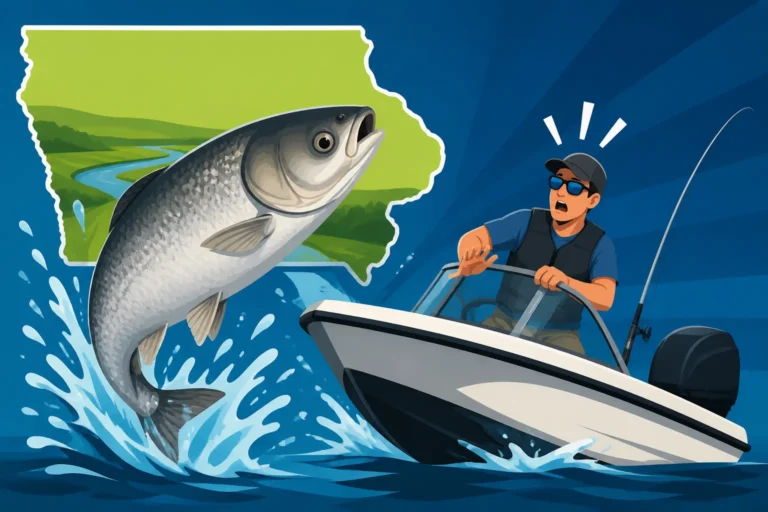
Part of understanding the total fish count also involves acknowledging the presence of non-native, or invasive, species. While some introduced species (like rainbow trout) are beneficial to our fisheries, others can cause significant ecological problems. Invasive Fish Species in Iowa Waters include various types of carp, such as common carp, and more recently, species like bighead and silver carp (often collectively called Asian Carp Identification and Rules). These species can outcompete native fish for food and habitat, altering the aquatic environment. Managing invasive species is an ongoing challenge for the DNR and highlights the dynamic nature of Iowa's fish populations.
| Category | Example Species | Typical Size Range | Key Characteristics |
|---|---|---|---|
| Game Fish | Walleye, Largemouth Bass, Smallmouth Bass, Muskie | 12 inches to over 40 inches | Popular for sport & eating; often predators. |
| Panfish | Bluegill, Crappie, Yellow Perch, Sunfish | 6 inches to 14 inches | Abundant, easy to catch, excellent eating. |
| Catfish | Channel Catfish, Flathead Catfish, Bullheads | 10 inches to over 50 inches | Bottom dwellers, strong fighters, often nocturnal. |
| Trout | Rainbow Trout, Brown Trout | 10 inches to 20+ inches | Coldwater species, stocked, prized for beauty & fight. |
| Rough Fish | Common Carp, Freshwater Drum, Buffalo, Gar | 15 inches to over 40 inches | Diverse group; some are edible, ecologically important. |
| Protected | Lake Sturgeon, Paddlefish | Varies widely, can be very large | Special regulations or catch-and-release only. |
Conservation and the Future of Iowa's Fish Populations
Understanding how many fish species live in Iowa isn't just a fun fact; it underscores the importance of ongoing conservation efforts. The incredible diversity we enjoy today is not accidental; it's the result of strategic management and the commitment of countless individuals and organizations.
The Iowa DNR works tirelessly to maintain healthy fish populations and habitats across the state. This involves more than just stocking fish. It includes complex habitat improvement projects, such as creating fish habitat structures in lakes, restoring riparian zones along rivers, and managing water levels in reservoirs. They also enforce fishing regulations, including size limits, bag limits, and season dates, which are crucial for preventing overfishing and ensuring sustainable populations. Without careful regulation and scientific monitoring, even the most abundant species can face challenges.
As anglers, we all play a vital role in this conservation story. By adhering to Iowa Fishing Regulations Explained and practicing responsible angling, we contribute directly to the health of our fisheries. This includes respecting Iowa Fishing Daily Bag Limits Guide, properly releasing fish we don't intend to keep, and being mindful of our impact on the environment. Protecting water quality, preventing the spread of aquatic invasive species, and supporting conservation initiatives are all ways we can ensure that Iowa's diverse fish populations continue to thrive for future generations.
The sheer number of fish species in Iowa is a vibrant indicator of the health and richness of our aquatic environments. From the smallest creek to the mighty Mississippi, each body of water contributes to a larger, dynamic ecosystem. So, the next time you cast a line, take a moment to appreciate the immense variety of life swimming beneath the surface – it's a testament to Iowa's hidden natural treasures.
Disclaimer
This article is for general informational purposes only and does not constitute professional advice. Laws, prices and regulations vary by location and change over time. Consult a qualified professional for guidance on your specific situation.