Clear Lake Walleye Fishing
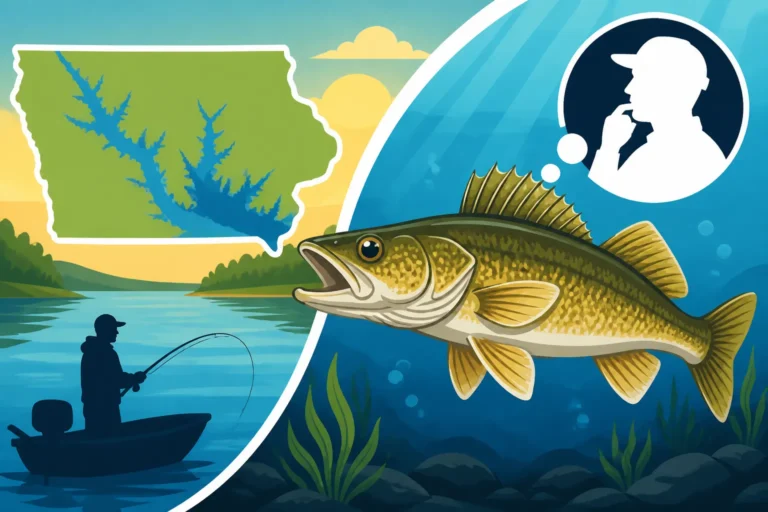
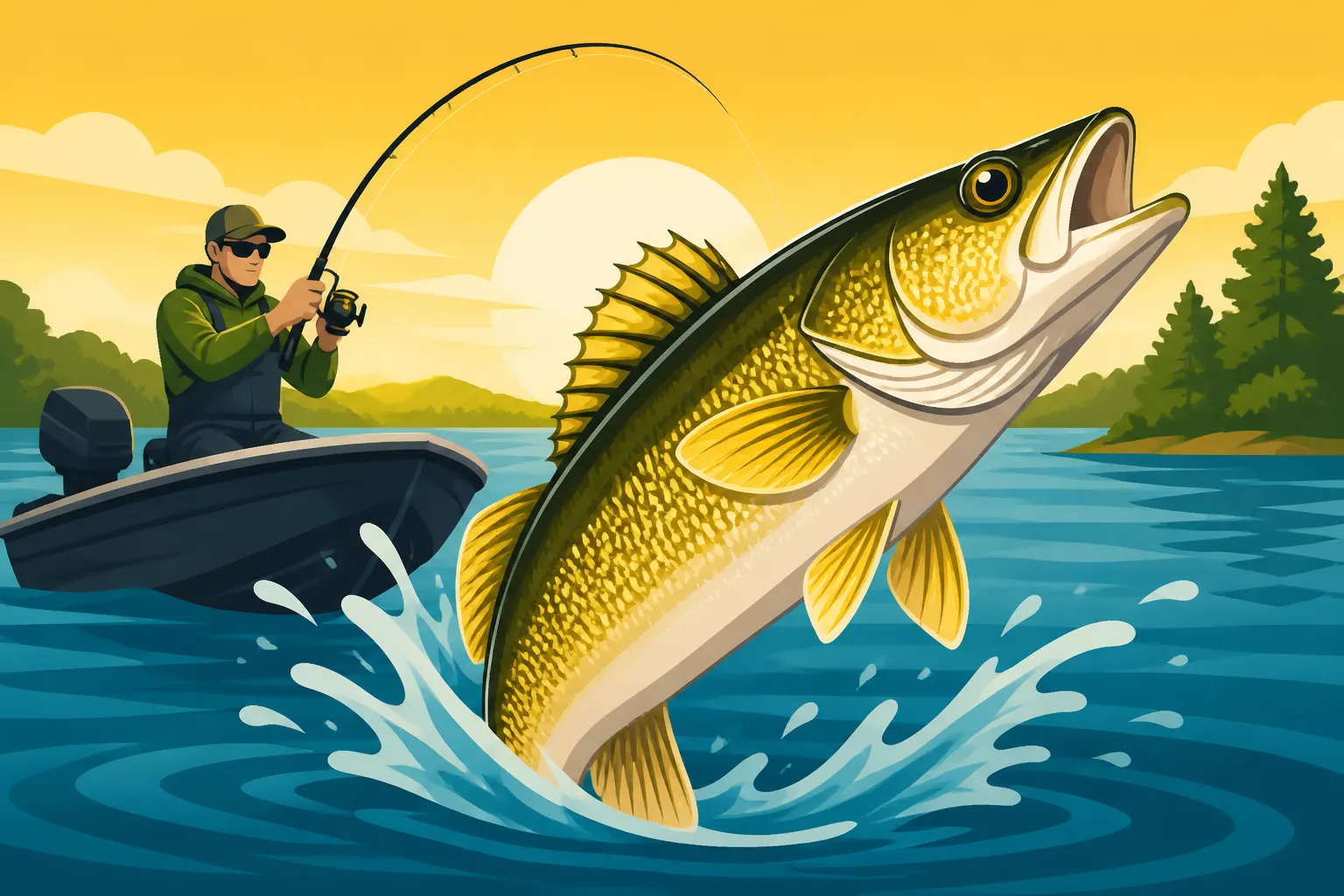
Trying to crack the code on Clear Lake walleye fishing can feel like chasing a phantom, especially when the bite gets tough or conditions change. It's a phenomenal fishery, but those elusive 'eyes' demand a specific approach, patience, and a good understanding of their habits in this unique Iowa lake. This comprehensive guide is here to cut through the confusion, offering proven strategies, local insights, and practical advice to help you consistently put walleye in your net on Clear Lake.
Understanding Clear Lake's Walleye Fishery
Clear Lake, nestled in north-central Iowa, is a gem for walleye enthusiasts, boasting a robust population and the potential for true trophy fish. It's not just a beautiful lake; it's a dynamic ecosystem that keeps anglers on their toes. Understanding its nuances is the first step to consistent success.
Clear Lake's Unique Walleye Ecosystem
Clear Lake is a relatively shallow, natural lake, spanning approximately 3,600 acres. Its maximum depth is around 20-22 feet, but much of its area is shallower, particularly the large flats and expansive weed beds. This shallow, fertile nature means abundant forage for walleye, from yellow perch and shiners to various minnows and young panfish. Unlike deeper, colder lakes, Clear Lake's walleye are highly influenced by wind, light penetration, and water temperature fluctuations. They often relate to subtle depth changes, weed lines, and the lake's sparse rock reefs. The clarity of the water can vary throughout the season, also impacting walleye behavior and feeding patterns.
Despite its shallower profile, Clear Lake offers a diverse range of habitats, from the open main basin to protected bays and channels. The walleye here are well-adapted to these conditions, often staging on the edges of weed beds in lower light conditions or moving to deeper structure during bright daylight. Anglers who take the time to study a good bathymetric map and understand how these features relate to current weather conditions will find themselves at a distinct advantage. It's not about finding the deepest hole, but often about finding the right depth contour or weed edge that offers both ambush points and access to food.
Stocking Efforts and Population Health
The Iowa Department of Natural Resources (DNR) actively manages Clear Lake's walleye population through consistent stocking programs. Each year, millions of walleye fry and thousands of larger fingerlings are introduced into the lake to supplement natural reproduction and ensure a healthy, thriving fishery. These stocking efforts are critical, as natural reproduction can be inconsistent due to environmental factors like water levels and spring weather. This proactive management means that anglers typically have a good population of various year classes to target, from smaller eater-sized fish to larger, older individuals.
The health of the walleye population is monitored closely, with surveys providing valuable data on growth rates, abundance, and angler catch rates. This information helps the DNR fine-tune its stocking strategies and adjust regulations when necessary. As a result, Clear Lake has become one of Iowa's premier walleye destinations. It’s comforting to know that the efforts put into maintaining this fishery are significant, which often translates into good fishing opportunities for those willing to learn the lake. If you're planning a trip and need a local expert, many excellent guides who know Clear Lake inside and out can be found through services like FishingBooker, offering personalized insights into current conditions and optimal techniques.
Common Challenges for Anglers
While Clear Lake is fantastic, it's not without its challenges. One of the biggest hurdles is the weather, especially the wind. Being a large, relatively shallow lake, strong winds can quickly whip up significant waves, making boat control difficult and muddying up large sections of the lake. This can push walleye into more protected areas or force them deeper, altering their feeding patterns dramatically. Another common frustration for anglers is adapting to the lake's changing conditions; a spot that was hot yesterday might be completely barren today due to shifts in barometric pressure, light levels, or water temperature.
Furthermore, Clear Lake's walleye can be notoriously finicky, especially during periods of high boat traffic or bright sun. They are often light-sensitive, preferring lower light conditions at dawn, dusk, or on overcast days. During sunny periods, they tend to move to deeper water, dense weed beds, or beneath boat docks and shady structures, making them harder to locate. Patient observation, a willingness to experiment with different presentations, and understanding when to shift tactics are crucial for overcoming these common challenges and consistently catching fish.
Prime Walleye Seasons and Times to Fish Clear Lake
Walleye fishing on Clear Lake is a year-round pursuit, but each season presents its own unique opportunities and challenges. Knowing when and where to focus your efforts can drastically improve your catch rates and overall enjoyment.
Spring Walleye Run: Ice-Out to Early Summer
Spring is arguably the most anticipated time for walleye anglers on Clear Lake. As the ice melts and water temperatures begin to rise, walleye become highly active, moving into shallower areas to spawn. The exact timing of the spawn can vary but generally occurs when water temperatures are in the 40s to low 50s Fahrenheit. During this period, pre-spawn walleye will stage in areas adjacent to spawning grounds, such as rock reefs, sandy flats, and protected shorelines. Many anglers keenly watch for the When Iowa Walleye Season Opens to hit the water, eager for the first signs of activity.
Post-spawn, walleye remain active in shallower water, often along emerging weed lines and gravelly points, as they recover and begin to feed aggressively. This early spring period is prime for casting jigs tipped with minnows or soft plastics, as well as slowly trolling shallow-running crankbaits. The key is to fish slowly and methodically, as the water is still cold, and the fish may not be willing to chase fast-moving lures. Don't forget to check the specific Walleye Season and Size Limits for Clear Lake, as regulations might have slight variations from statewide rules to protect this important fishery during vulnerable times.
Summer Deep-Water Tactics and Night Fishing
As summer progresses and water temperatures climb, Clear Lake walleye often transition to deeper haunts during the day to escape the bright sun and warmer surface temperatures. While the lake is relatively shallow, areas around the main basin's deeper edges, subtle humps, and the edges of expansive weed beds become prime targets. Trolling is a highly effective tactic during the summer months. Anglers often use planer boards to spread out their lines, presenting an array of crankbaits or How to Rig a Crawler Harness for Walleye at various depths to locate active fish.
Summer also brings some of the best night fishing opportunities for walleye on Clear Lake. Under the cover of darkness, walleye move shallower to feed, often coming right up to shorelines, shallow flats, and around lighted docks. Trolling shallow crankbaits, casting stickbaits, or even vertical jigging around dock lights can be incredibly productive after sunset. The stillness of the night and the reduced boat traffic can make for a serene yet exciting fishing experience, often yielding some of the largest walleye of the season. Remember to dress appropriately and bring good lighting for safety.
Fall Feeding Frenzy and Pre-Ice Bite
Autumn on Clear Lake is another fantastic time for walleye, often characterized by a "feeding frenzy" as the fish bulk up for winter. As water temperatures cool, walleye become more active throughout the day, often moving back into shallower depths, particularly around weed edges, rock piles, and points where baitfish are abundant. Trolling crankbaits, jigging with minnows or shiner-imitating soft plastics, and casting blade baits can be highly effective. The cooler water also means less boat traffic and often more comfortable fishing conditions.
The action continues right up until the lake freezes over. The pre-ice bite, especially in late fall, can be phenomenal as walleye gorge themselves. Anglers will often target transition areas where deeper water meets shallow flats or distinct structural features. Understanding How Water Temperature Affects the Walleye Bite is crucial during this period, as even small temperature drops can signal a change in walleye behavior. For comprehensive information on how to tackle these conditions, check out our guide on Walleye Fishing Techniques for Iowa Lakes.
Here's a quick overview of seasonal approaches:
| Season | Primary Depths & Habitat | Recommended Techniques | Best Baits & Lures | Notes |
|---|---|---|---|---|
| Spring | Shallow flats, rock reefs, spawning areas | Jigging, slow trolling, casting | Minnows, jigs, stickbaits, shallow crankbaits | Post-spawn recovery, focus on emerging weed lines. |
| Summer | Deeper edges of main basin, weed lines | Trolling, vertical jigging, night fishing | Crankbaits (deep/shallow), crawler harnesses, jigs | Walleye move shallow at night; daytime deep-water structure. |
| Fall | Weed edges, rock piles, points | Trolling, jigging, casting | Crankbaits, minnows, jigs, blade baits | Aggressive feeding, fish are active throughout the day. |
| Winter | Main basin humps, structural transitions | Ice fishing (jigging, tip-ups) | Minnows, small jigs, spoons | Requires specific ice fishing gear and safety precautions. |
Top Techniques for Catching Walleye on Clear Lake
Clear Lake walleye aren't always easy, but with the right techniques, you can stack the odds in your favor. A versatile angler who can adapt to changing conditions and fish different depths will find the most success.
Trolling with Crankbaits and Crawler Harnesses
Trolling is undeniably one of the most effective ways to cover water and locate active walleye on Clear Lake, especially during the summer and fall. Crankbaits are a staple in any walleye angler's tackle box. Different models dive to various depths, allowing you to target fish holding anywhere from 5 to 20 feet deep. Experiment with colors, but natural baitfish patterns, perch, and firetiger are often productive. The key to successful trolling is maintaining a consistent speed (typically 1.0 to 2.5 mph) and making subtle turns to vary the lure's action, which can often trigger a strike. Pay close attention to your electronics to find baitfish schools or structural changes, as walleye are often nearby.
Crawler harnesses, also known as Lindy Rigs, are another lethal trolling presentation, particularly when walleye are scattered or finicky. These rigs consist of a weight (bottom bouncer or in-line sinker), a leader, and a snelled hook often adorned with beads or a small spinner blade, tipped with a live nightcrawler. The spinner adds flash and vibration, while the crawler provides natural scent and action. Trolling crawler harnesses at slower speeds (0.5 to 1.5 mph) along weed edges, subtle breaks, or over hard-bottom areas can be incredibly effective. Don't be afraid to experiment with blade colors and sizes, as different conditions might call for different presentations.
Jigging and Slip Bobber Presentations
When walleye are concentrated in specific areas, such as rock piles, deep holes, or dense weed beds, vertical jigging can be incredibly productive. Jigs tipped with live minnows, shiners, or soft plastics like paddle tails and grub bodies are deadly. The weight of the jig should match the depth and current conditions; lighter jigs in shallower, calm water, and heavier jigs in deeper water or strong winds. The retrieve is crucial: a sharp snap followed by a controlled fall, allowing the jig to flutter and entice a strike on the drop. Many strikes are subtle, feeling like a light "thump" or just added weight, so staying focused is essential. For more detailed advice, our How to Catch Walleye in Iowa guide offers in-depth strategies.
Slip bobbers offer a fantastic way to present live bait (minnows, leeches, or crawlers) at a precise depth, especially when walleye are suspended or holding tightly to cover. The adjustable bobber stop allows you to fish just above the weed tops, off the edge of a rock pile, or at a specific depth in open water. This technique is often effective when walleye are less aggressive, as it presents a natural, subtle offering that they can easily take. It's particularly useful in spring and fall when fish are often shallower but might be hesitant to chase moving baits. The natural presentation is hard to beat when the bite is tough.
Live Bait Strategies
While artificial lures are powerful, never underestimate the effectiveness of live bait for Clear Lake walleye. Minnows, particularly shiners and fatheads, are perhaps the most popular choice. They can be used effectively on jigs, under slip bobbers, or on a simple hook and sinker rig. When choosing minnows, opt for lively ones; their natural action is what attracts walleye. Leeches are another excellent option, especially during the warmer summer months. They are remarkably hardy and can be presented under a bobber, on a jig, or even slowly trolled.
Nightcrawlers, as mentioned with crawler harnesses, are also highly versatile. Beyond trolling, they can be fished on a bare hook with a sinker, drifted, or presented under a bobber. The natural scent and wriggling action of a live nightcrawler can be irresistible to walleye, particularly when they are foraging on the bottom. When using live bait, remember that presentation is key. Ensure your bait is lively and presented naturally to maximize your chances of enticing a strike from a wary walleye.
Navigating Clear Lake: Access, Structure, and Hotspots
Knowing the prime locations on Clear Lake is as important as knowing the techniques. From public access points to hidden structures, understanding the lake's geography is paramount for walleye success.
Public Access Points and Boat Ramps
Clear Lake offers several excellent public access points and boat ramps, making it relatively easy for anglers to launch their vessels. On the north shore, McIntosh Woods State Park provides a well-maintained ramp and ample parking, offering convenient access to the central and western parts of the lake. On the south side, the City of Clear Lake's public boat ramp near the downtown area is another popular option, putting you close to the eastern basin and the Clear Lake Yacht Club area.
For those without a boat, there are several fishing piers and shoreline access points, particularly in the city parks along the south shore. While pier fishing can be productive for walleye, especially during low-light conditions or after dark, it limits your ability to explore the vastness of the lake. For serious walleye fishing, a boat is almost essential to effectively target the various structures and depths where these fish congregate. If you're planning a trip and considering a guided experience, many reputable guides found on platforms like FishingBooker operate from these public access points, providing a seamless start to your fishing adventure.
Key Structural Elements and Depth Contours
Clear Lake, though relatively shallow, holds vital structural elements that attract walleye. The most prominent are the extensive weed beds, which offer crucial cover, ambush points, and forage for walleye throughout much of the year. Walleye often patrol the deeper edges of these weed lines, especially where they meet a sharp break or deeper flat. Hard-bottom areas, including rock piles and gravelly points, are also key. These areas tend to hold heat and attract baitfish, making them prime walleye staging and feeding zones. Pay particular attention to transitions where rock meets sand, or where dense weeds thin out.
Subtle depth changes, even just a few feet, can be significant. Walleye will often use these contours as travel lanes or holding areas. A good fish finder is invaluable for identifying these subtle humps, depressions, and sharp breaks that aren't visible from the surface. Look for areas with a combination of these features: a hard bottom transitioning into a weed line, adjacent to a slightly deeper flat. These "sweet spots" often concentrate both baitfish and predatory walleye. Investing time in mapping out these features with your electronics before you even cast a line can significantly improve your success.
Renowned Walleye Hotspots
Clear Lake has its legendary walleye hotspots that consistently produce fish year after year. The "Little Lake" area, connected to the main lake by a channel, is a classic spring and fall location, offering shallower, warmer water and good cover. The rock reefs, often marked by buoys, in the central and western basins are also renowned walleye magnets, particularly during periods of low light or when fish are holding deeper. Consider areas like the "Pillars" or "Ventura Flats" for consistent action.
The expansive south shore weed lines, extending from the city of Clear Lake towards Ventura, also hold significant numbers of walleye, especially during summer and fall. These areas provide excellent cover and ample forage. Night fishing is particularly good around the numerous boat docks and lighted areas along the south shore. While these spots are widely known, the key is to fish them effectively and at the right time. Don't be afraid to explore, as walleye can be found almost anywhere there's bait and suitable cover. Our guide on Best Fishing Spots in Iowa highlights Clear Lake as a top destination, offering broader context for its fishing appeal.
Essential Gear for Clear Lake Walleye Anglers
Having the right equipment can make all the difference between a frustrating day and a successful outing on Clear Lake. Tailoring your gear to the specific techniques you'll be using is a smart strategy.
Rods, Reels, and Line Choices
For walleye fishing on Clear Lake, a versatile medium-light to medium power spinning rod, typically 6'6" to 7' in length, is a great all-around choice. This setup offers the sensitivity needed for jigging and slip bobber presentations, yet still has enough backbone for trolling lighter crankbaits and handling larger fish. Pair it with a reliable 2000 or 2500 size spinning reel spooled with 6-10 lb test monofilament or fluorocarbon. Monofilament offers good knot strength and stretch, which can be forgiving for walleye's often subtle bites, while fluorocarbon offers excellent sensitivity and low visibility.
Many experienced walleye anglers also utilize baitcasting setups for trolling heavier crankbaits or bottom bouncers with crawler harnesses. A medium-heavy, 7-8 foot baitcasting rod with a reel spooled with 10-14 lb test braided line (and a fluorocarbon leader) is ideal for this. Braided line offers superior sensitivity and strength with virtually no stretch, allowing for better hooksets at long distances. Whatever your preference, having a balanced setup that feels comfortable and responsive will enhance your fishing experience. For more on selecting the right tools, our Fishing Rod and Reel Guide for Iowa Anglers provides excellent insights.
Must-Have Lures and Baits
A diverse selection of lures and baits is crucial for Clear Lake walleye. For casting and jigging, an assortment of 1/8 to 1/4 ounce jigs in various colors (chartreuse, white, black, pumpkinseed) is a must. Tip these with live minnows, plastic grubs, or paddle tails. Blade baits, like Johnson Thinfish or Heddon Sonar, are also excellent for vertical jigging or casting, especially in cooler water. When it comes to crankbaits for trolling, have a range of diving depths and colors. Shad Raps, Flicker Shads, and Wally Divers are perennial favorites. Natural patterns, firetiger, and perch colors are usually reliable, but also include some brighter options for stained water or aggressive fish.
Live bait, as discussed earlier, is indispensable. Always have a good supply of lively minnows (shiners or fatheads), nightcrawlers, and leeches (during warmer months). Make sure you have the necessary equipment to keep your live bait healthy, such as an aerated minnow bucket or a worm cooler. The ability to switch between artificials and live bait, and to vary your presentation, will be key to unlocking Clear Lake's walleye.
Electronics for Success
In modern walleye fishing, reliable electronics are not just a luxury but a necessity, especially on a lake like Clear Lake with its subtle structures. A quality fish finder with GPS and mapping capabilities will dramatically increase your efficiency. Look for models with side imaging or down imaging, which provide incredibly detailed views of the bottom structure, weed lines, and suspended fish. This allows you to quickly identify contours, rock piles, and submerged weed beds where walleye might be hiding. Being able to mark waypoints on a GPS map means you can return to productive spots with precision.
Beyond finding fish, electronics help you stay on them. Modern units can display water temperature, depth, and even speed, all critical factors in walleye location and behavior. Understanding How to Read a Fish Finder for Walleye is a skill that takes time, but it's an investment that pays huge dividends. Whether you're trolling, jigging, or searching for new spots, your fish finder will be your most valuable tool for deciphering Clear Lake's underwater world.
Rules and Regulations for Walleye Fishing on Clear Lake
Navigating fishing regulations can sometimes feel like a puzzle, but adhering to them is crucial for preserving Clear Lake's fantastic walleye fishery. It's always best to be informed before you head out.
Current Walleye Size and Bag Limits
Clear Lake has specific walleye regulations that are vital for anglers to know. These regulations are often tailored to protect the lake's unique population dynamics and ensure sustainable fishing for years to come. Generally, the daily bag limit for walleye on Clear Lake is a specific number, and there is often a minimum length limit. For instance, in many years, there has been a 15-inch minimum length limit for walleye at Clear Lake, with a daily bag limit of five. However, it's not uncommon for special protected slot limits to be implemented to protect key spawning or breeder fish. For example, some years have seen regulations like "no more than one walleye over 22 inches."
These regulations are put in place by the Iowa DNR based on population assessments and angler feedback. Ignoring these rules can lead to significant fines and penalties. It's not enough to know the statewide regulations; you must specifically check for Clear Lake. You can find the most up-to-date information by consulting the annual Iowa Fishing Regulations Explained booklet, available online or at licensed bait shops. Always double-check before your trip, as regulations can change from year to year.
Special Regulations and Considerations
Beyond the standard size and bag limits, Clear Lake may have other specific rules or considerations that anglers should be aware of. For instance, there might be regulations regarding the use of certain types of bait, like gizzard shad, or restrictions on night fishing in certain areas. While these are less common for walleye, it's always wise to review the full regulation guide. Additionally, boating regulations, such as no-wake zones or speed limits, are important to observe, especially during busy periods or in certain areas of the lake. These are designed to ensure safety for all lake users.
Another consideration is invasive species. Clear Lake, like many Iowa waters, faces challenges from invasive species. Always inspect your boat, trailer, and fishing gear, and remove any aquatic vegetation or mud before leaving the launch ramp. Drain all water from your livewell, bilge, and engine before transporting to another body of water. These small steps are critical to prevent the spread of harmful organisms and protect the lake's ecosystem. Respecting these environmental guidelines is part of being a responsible angler.
Importance of Staying Informed
The Iowa DNR updates its fishing regulations annually, and sometimes even within a season if emergent issues arise. Relying on old information or hearsay is a common mistake that can lead to unintentional violations. The best practice is to always consult the current Iowa Fishing Regulations booklet or the official DNR website before each fishing season. This ensures you have the most accurate and up-to-date information on Iowa Fishing Season Dates and Limits, specific lake regulations, and any changes to licensing requirements.
Furthermore, being informed isn't just about avoiding fines; it's about being a good steward of the resource. Understanding why certain regulations are in place (e.g., slot limits to protect breeder fish, length limits to allow fish to mature) helps reinforce their importance. By respecting these rules and staying informed, we all contribute to maintaining Clear Lake as a fantastic walleye fishery for future generations of anglers to enjoy. Don't forget, a valid Iowa Fishing License Guide is always required for anyone 16 years or older.
Disclaimer
Please note that fishing regulations, conditions, and fish populations can change. Always consult the most current Iowa Department of Natural Resources (DNR) regulations and local advisories before engaging in any fishing activities. This guide is for informational purposes only and should not replace official sources.