Can You Keep Asian Carp in Iowa?
One of the most pressing questions for Iowa anglers encountering a certain jumping, splashing, and often startling fish is, "What do I do with it?" We're talking about Asian carp, a group of invasive species that have found a comfortable home in many of Iowa's waterways. This guide will walk you through everything you need to know about these fish, especially if you're wondering about the rules for keeping them once you've reeled one in.
Understanding Asian Carp in Iowa Waters
Asian carp are more than just another fish in the water; they represent a significant ecological challenge and a unique opportunity for anglers. Knowing what they are and why they're here is the first step in understanding how we, as a fishing community, can help.
What Exactly Are Asian Carp?
When we talk about "Asian carp," we're actually referring to a group of several species, each with its own quirks and impacts. The most commonly encountered in Iowa are Bighead Carp, Silver Carp, and Grass Carp, with Black Carp also being a concern, though less widespread. These fish were originally imported from Asia in the 1970s to help control aquatic vegetation and plankton in aquaculture facilities and wastewater treatment ponds in the southern United States. Unfortunately, flood events allowed them to escape into the Mississippi River basin, and from there, they made their way into many of our Midwestern rivers and connected lakes, including those right here in Iowa.
Bighead Carp, as their name suggests, have a massive head compared to their body, and their eyes are set low on their head. They're filter feeders, consuming vast amounts of plankton, which is the base of the food web for many native fish species like paddlefish, bigmouth buffalo, and even larval sportfish. Silver Carp are perhaps the most notorious; they're also plankton feeders, but they have a distinct silver coloration and, most famously, a tendency to jump spectacularly out of the water when startled by boat engines. This can be more than just a surprise; it can be dangerous, leading to injuries for boaters. Grass Carp are torpedo-shaped and feed primarily on aquatic vegetation, sometimes stripping entire areas bare, which destroys important habitat for other fish and waterfowl. Black Carp, though rarer, are a significant threat because they feed on mollusks, putting native mussel populations at risk. Recognizing these differences is crucial, but for many anglers, the overarching concern is simply identifying them as an "Asian carp."
Why Are Asian Carp a Concern in Iowa?
The proliferation of Asian carp in Iowa's rivers and lakes presents a serious ecological threat. Their feeding habits, particularly those of Bighead and Silver Carp, put them in direct competition with native filter-feeding fish and the juvenile stages of many sportfish. Imagine a large school of Bighead Carp moving through a prime walleye spawning area, consuming all the microscopic food that young walleye depend on to survive. This competition can severely impact native fish populations, throwing entire aquatic ecosystems out of balance.
Beyond the direct competition for food, Silver Carp pose a unique physical threat. Their tendency to leap high out of the water, sometimes several feet, when startled by boat noise, has led to numerous reports of injuries to boaters, kayakers, and even jet skiers. These fish can weigh upwards of 20 pounds, and being struck by one at speed can cause concussions, broken bones, or worse. It's not just a nuisance; it's a legitimate safety hazard that can make recreation on certain stretches of river incredibly tense. Furthermore, Grass Carp, with their voracious appetite for aquatic plants, can decimate submerged vegetation beds. These beds are critical nurseries for young fish, provide shelter from predators, and are a food source for many waterfowl. When these habitats are destroyed, the entire local ecosystem suffers, affecting everything from bluegill populations to duck nesting success. Understanding these impacts helps us see why managing Asian carp isn't just about conservation; it's about protecting our natural resources and recreational safety.
The Legality of Keeping Asian Carp in Iowa
This is where things get interesting, and refreshingly, a little simpler than for native species. If you catch an Asian carp in Iowa, the general rule is clear: you can, and often should, keep it.
General Regulations for Asian Carp Harvest
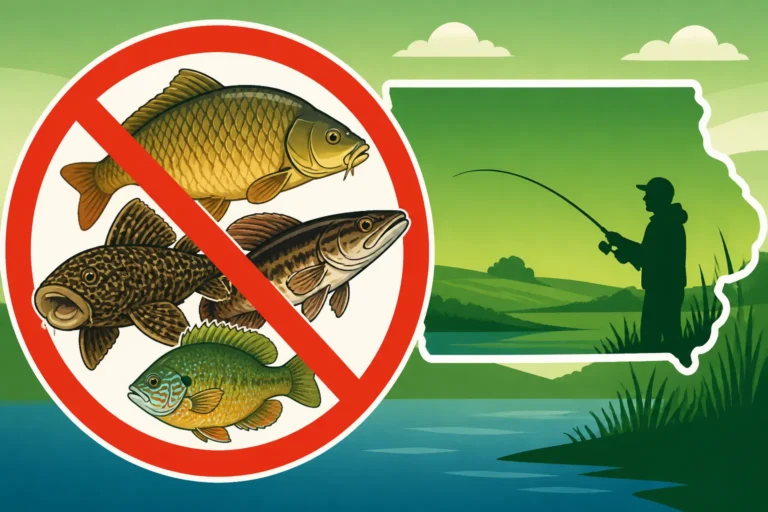
Unlike most native game fish for which there are strict length and bag limits, the regulations surrounding Asian carp are largely aimed at removal. In Iowa, if you catch a Bighead, Silver, or Grass Carp (and certainly a Black Carp, though rare), you are generally not only allowed to keep it but are often encouraged to do so. There are typically no daily bag limits or size restrictions on these invasive species. The reason is simple: these fish are considered detrimental to Iowa's ecosystems, and any individual removed from the water is seen as a positive step in managing their populations.
However, there's a crucial caveat: once you've caught an Asian carp, it is illegal to return it to the water alive. This regulation is in place to prevent the intentional or unintentional spread of these invasive species. Releasing a live Asian carp back into a body of water, even the same one you caught it from, defeats the purpose of managing their population and could even lead to legal consequences. This policy is a cornerstone of invasive species management across many states, and Iowa is no exception. So, if you're not planning on keeping it for consumption or other uses, ensure it's deceased before you dispose of it. Anglers play a vital role in this effort, acting as frontline defenders against further ecological damage. For more on this, you might find Iowa Fishing Regulations Explained helpful, as it covers general rules for all species.
Specific Rules for Different Asian Carp Species
While the overarching rule is to remove them, it's worth noting if any nuances exist between the different species of Asian carp, especially given their varied impacts. For Bighead and Silver Carp, the "catch and do not release alive" rule is universally applied. These two species are widespread and their plankton-feeding habits are highly disruptive to native food webs. Anglers are highly encouraged to harvest them.
Grass Carp can sometimes have a slightly different context, although the general rule of not releasing them alive still applies. Some Grass Carp are sterile (triploid) and have been intentionally stocked in certain private ponds or specific water bodies under strict permits to control excessive aquatic vegetation. If you catch a Grass Carp, it's highly unlikely it's one of these intentionally stocked sterile fish, and you should still treat it as an invasive species to be removed. The key is that once you catch it in public waters, the intent is removal. Black Carp are considered especially dangerous due to their threat to native mussels, and their removal is also strongly encouraged. The best approach is to operate under the assumption that if it's an Asian carp species, it's an invasive one, and you should not release it alive. Always double-check the latest Iowa Fishing Regulations Explained booklet or online resources, as regulations, while stable for Asian carp, can change for other species.
| Asian Carp Species | Can You Keep It? | Do Not Release Alive | Primary Threat/Impact |
|---|---|---|---|
| Bighead Carp | Yes, encouraged | Yes | Consumes plankton, competes with native species |
| Silver Carp | Yes, encouraged | Yes | Consumes plankton, jumps dangerously from water |
| Grass Carp | Yes, encouraged | Yes | Devours aquatic vegetation, destroys habitat |
| Black Carp | Yes, encouraged | Yes | Eats mussels and snails, threatens native mollusk populations |
Ethical Considerations and Best Practices for Anglers
Being a responsible angler goes beyond just knowing the rules; it involves understanding your role in the ecosystem and acting ethically. When it comes to Asian carp, our collective actions can make a real difference.
The Role of Anglers in Invasive Species Management
Anglers are often the first line of defense in monitoring and managing invasive species. By removing Asian carp from Iowa's waters, you're not just fishing; you're actively participating in conservation efforts. Every Bighead Carp or Silver Carp that doesn't return to the water means less competition for plankton for our native fish. Every Grass Carp removed means preserving valuable aquatic plant habitat. This contribution, while seemingly small on an individual basis, adds up when a large number of anglers participate. It's a proactive way to give back to the environment and ensure healthier fisheries for generations to come.
It's also about awareness. If you see unusual activity, such as large numbers of Silver Carp jumping, or suspect the presence of other invasive species, reporting it to the Iowa Department of Natural Resources (DNR) is a crucial step. Many states have specific hotlines or online forms for reporting invasive species sightings. This vigilance helps wildlife managers track their spread and develop more effective control strategies. Your observations from being out on the water are invaluable, as you're often in places that biologists can't regularly monitor.
Safely Handling and Transporting Asian Carp
Handling Asian carp, especially Silver Carp, requires a bit of caution. If you're out on the water and one of these powerful, jumping fish leaps into your boat, it can be quite a shock. They are strong and can flop violently, potentially causing injury or damage. It’s always a good idea to have a sturdy net or even a blunt object in the boat to quickly dispatch any that end up onboard. For Bighead and Grass Carp caught on a line, simply landing them and ensuring they are deceased is typically enough.
When transporting your catch, remember the cardinal rule: do not transport them alive. If you plan to take them home for consumption or disposal, ensure they are dead before leaving the waterbody. A quick blow to the head or severing a gill arch can quickly and humanely dispatch them. Placing them in a cooler with ice is not only good for preserving the meat but also ensures they stay deceased during transport. Transporting live fish, especially invasive species, between water bodies is a huge no-no and can lead to serious fines. Always think about preventing the spread, even accidentally, by securing your catch properly. This diligence helps contain the problem and prevents new infestations in previously unaffected waters. You can find more information about responsible handling in general fishing ethics guides or by looking up Rules for Transporting Live Fish.
Utilizing Your Catch: From Table to Garden
So, you've caught an Asian carp and followed the rules to dispatch it. Now what? Many anglers are surprised to learn that Bighead and Silver Carp, in particular, are actually quite edible. In fact, in many parts of the world, they are prized as a food source. The meat is white, firm, and flaky, with a mild flavor, often compared to cod or tilapia. The main challenge is that they are notoriously bony, especially the Silver Carp, which can make filleting a bit tricky. However, there are many online tutorials and recipes that teach how to process them for cooking, often suggesting methods like scoring the fillets or grinding the meat for patties. Searching on a platform like Amazon might even yield some specialized fillet knives or guides for processing bony fish.
Beyond the dinner plate, Asian carp can serve other useful purposes. Their high nitrogen content makes them excellent organic fertilizer for gardens. You can bury whole fish (ensuring they are deeply buried to prevent attracting scavengers) or compost them. This turns a problematic invasive species into a beneficial resource, enriching your soil naturally. Some also use them as animal feed for livestock, though this often requires specific processing to ensure safety and palatability. By utilizing these fish, you're not just removing an invasive species; you're contributing to a more sustainable cycle, turning a pest into a valuable resource. It's a win-win for both the environment and your backyard.
Where and How to Target Asian Carp in Iowa
If you're looking to actively participate in Asian carp removal, knowing where they congregate and what methods are effective is key. They're often found in specific areas and respond to different techniques than traditional sportfish.
Prime Locations for Asian Carp Fishing
In Iowa, Asian carp are most prevalent in our larger river systems, particularly the Mississippi River and the Missouri River. These expansive waterways, with their interconnected backwaters, tributaries, and oxbows, provide ideal habitat for these adaptable fish. You'll often find them in slower-moving currents, deep holes, or areas with abundant plankton blooms, especially for Bighead and Silver Carp. Reservoirs and large lakes connected to these river systems, such as Saylorville Reservoir or Rathbun Lake, can also hold significant populations. During warmer months, you might even see Silver Carp leaping out of the water in these areas, indicating their presence.
For anglers interested in targeting them, focusing on the main channel or larger side channels of these rivers is a good starting point. Areas below dams or locks on the Mississippi River can also be hotspots, as fish are often concentrated there. Fishing the Mississippi River in Iowa can give you an idea of specific stretches. Shore access can be challenging in some river areas, but public boat ramps along these rivers provide opportunities for boat-based angling or bowfishing. Look for calm, warm stretches of water, especially where plankton is likely to accumulate, like bays or behind wing dams.
Recommended Gear and Techniques
Catching Asian carp, especially the Bighead and Silver varieties, with traditional rod and reel can be a challenge because of their filter-feeding nature. They don't typically strike lures or baits like predator fish. However, for Grass Carp, you can have some success using dough balls, bread, or even corn on a hook, fished near areas with dense aquatic vegetation. For Bighead and Silver Carp, techniques often involve more specialized approaches.
Bowfishing is by far the most popular and effective method for removing large numbers of Bighead and Silver Carp. This involves using a bow and arrow with a specialized reel and line to shoot fish. It's an active and exciting way to target these fish, especially the jumping Silver Carp, and many anglers enjoy the challenge. You'll need specific bowfishing gear, which can be found at outdoor retailers or on platforms like Amazon. For rod-and-reel anglers, "snagging" (intentionally hooking the fish externally) is sometimes legal for Asian carp in specific areas, but check Iowa Fishing Regulations Explained very carefully for local rules on snagging, as it's often prohibited for other species. Some dedicated anglers also use large cast nets or even gill nets (with proper permits, which are generally not available to recreational anglers) in efforts to remove them, but again, always consult the latest Iowa fishing regulations to ensure compliance, especially for methods that are typically restricted for game fish. For general fishing gear, check out our Iowa Fishing Gear Guide.
Disclaimer
This article is for general informational purposes only and does not constitute professional advice. Laws, prices and regulations vary by location and change over time. Consult a qualified professional for guidance on your specific situation.