Rainbow Trout Fishing in Iowa
It's easy to assume that Iowa, with its vast cornfields and rolling plains, isn't exactly a trout fishing mecca. Many folks are surprised to learn that our state actually harbors a thriving coldwater fishery, especially in the picturesque northeast. But if you've ever dreamed of battling a feisty rainbow trout in a clear, spring-fed stream, you've come to the right place. This comprehensive guide will dispel those myths and show you exactly how to find, hook, and respectfully release (or keep!) these beautiful fish right here in the Hawkeye State.
The Allure of Iowa's Rainbow Trout Streams
There's something uniquely captivating about trout fishing. It’s not just about catching fish; it’s about the pristine environments, the challenge of the chase, and the quiet beauty of a flowing stream. In Iowa, this experience often comes as a delightful surprise to those who haven't explored our hidden gems, particularly in the rugged, timbered hills of the Driftless Area.
Why Rainbow Trout Thrive in Iowa
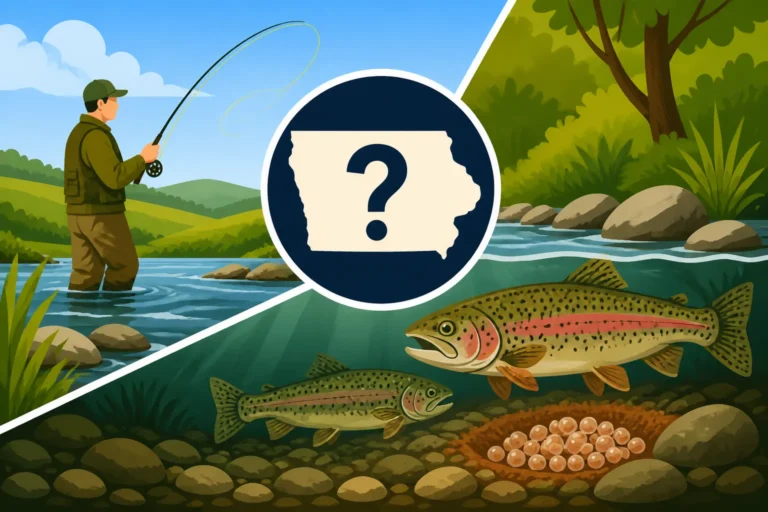
Rainbow trout, known for their iridescent stripe and spirited fight, are not native to Iowa's waters. However, they thrive here thanks to dedicated conservation efforts and the specific geological features of northeast Iowa. This region is dotted with numerous spring-fed streams that maintain consistently cool water temperatures year-round, which is absolutely critical for trout survival. These natural springs provide the cold, oxygen-rich environment that rainbows demand, even when the summer heat would make other Iowa waters too warm for them. It's this unique hydrological landscape that allows the Iowa Department of Natural Resources (DNR) to create and sustain a fantastic trout fishery, making what seems impossible a reality for Iowa anglers.
The bedrock geology of the Driftless Area plays a huge role in this phenomenon. Limestone layers act like sponges, absorbing rainfall and snowmelt, then slowly releasing it through countless cold springs. These springs feed into small creeks and rivers, creating the perfect habitat for trout. Without these natural coldwater sources, our trout program simply wouldn't be possible, and the vibrant angling opportunities we enjoy would disappear. It’s a testament to nature's quiet power and careful management that these finicky fish can call Iowa home.
The Unique Ecosystems of Northeast Iowa
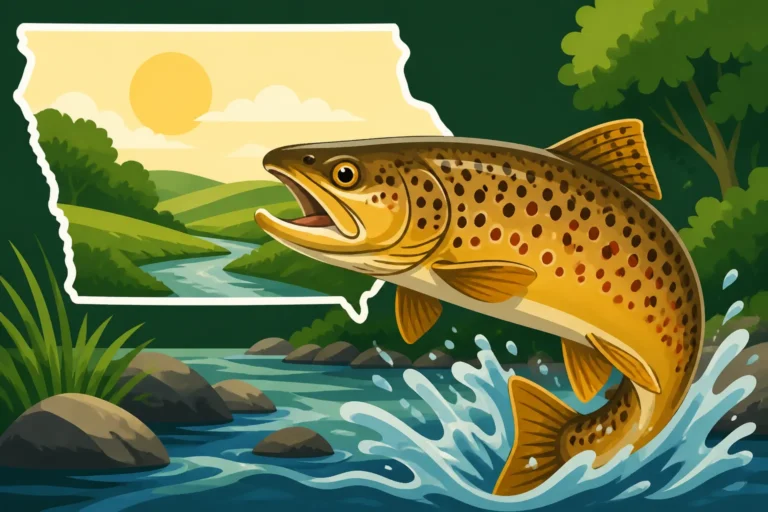
The streams where rainbow trout thrive in Iowa are part of a truly special ecosystem. Unlike the muddy, slow-moving rivers often associated with our state, these trout streams are typically clear, fast-flowing, and rich in aquatic insects – the natural diet of trout. They wind through steep valleys, shaded by mature forests that help keep water temperatures down and provide vital cover for the fish. This combination of cold, clear water, ample food sources, and protective overhead cover creates an ideal habitat, mimicking the mountain streams where rainbow trout naturally originate.
Fishing these streams isn't just about the catch; it’s an immersive experience in nature. You'll often find yourself wading through crystal-clear water, surrounded by towering bluffs and dense woods, listening to the gentle gurgle of the stream. The biodiversity in these areas is incredible, with various bird species, deer, and other wildlife frequently encountered. It’s a chance to disconnect from the hustle and bustle and reconnect with the wild, discovering a side of Iowa you might never have known existed. Many of these streams are part of public lands, ensuring access for all to enjoy this unique natural heritage. You can find more details about accessing these spots in our guide on Trout Fishing Streams in Northeast Iowa.
A Year-Round Pursuit for Anglers
One of the most appealing aspects of rainbow trout fishing in Iowa is that it can be enjoyed throughout the year. While some species have strict seasonal closures, trout fishing remains open, offering different challenges and rewards depending on the time of year. Each season presents its own unique conditions, from the invigorating cold of winter ice fishing on community ponds to the lush green beauty of summer stream fishing. This allows passionate anglers to keep their skills sharp and enjoy the pursuit of trout no matter the calendar date.
Spring sees a flurry of activity with fresh stockings, providing excellent opportunities for easy catches. Summer requires a bit more finesse, as trout seek deeper, cooler pockets of water. Fall brings stunning foliage and aggressive feeding as trout prepare for winter, often some of the best fishing of the year. Even in winter, dedicated anglers can find success, either ice fishing on stocked ponds or braving the cold for a crisp day of stream fishing when the waters are at their clearest. This year-round access truly sets Iowa's trout fishery apart and ensures there's always an adventure waiting.
Understanding Iowa's Rainbow Trout Stocking Program
Since rainbow trout aren't native to Iowa, the entire fishery relies heavily on a robust and carefully managed stocking program by the Iowa Department of Natural Resources (DNR). This program is the backbone of trout fishing opportunities across the state, ensuring there are plenty of fish for anglers to pursue.
How the Iowa DNR Sustains Trout Populations
The Iowa DNR operates several trout hatcheries, primarily in Decorah, which are responsible for raising hundreds of thousands of rainbow trout each year. These fish are bred and grown to catchable size before being released into designated trout streams and community ponds. This "put-and-take" system ensures that even though natural reproduction for rainbow trout is limited in many Iowa waters, anglers still have a consistent supply of fish to target. The DNR carefully monitors water quality, habitat conditions, and angler success rates to fine-tune their stocking schedules and locations. This detailed approach is what allows Iowa, despite its landlocked status, to offer a legitimate trout fishing experience. For more information on this, check out our piece on the Rainbow Trout Stocking Program in Iowa.
Beyond just stocking, the DNR also engages in habitat improvement projects in various streams. This includes bank stabilization, creating in-stream structures, and planting riparian vegetation to provide shade and reduce erosion. These efforts help to create more favorable conditions for the stocked trout, improving their survival rates and providing better holding lies for anglers to target. It's a continuous cycle of stocking and habitat enhancement that keeps Iowa's trout streams vibrant and productive, demonstrating a significant investment in recreational fishing.
Locating Stocked Trout Streams and Ponds
Finding where the trout are in Iowa is made much easier thanks to the DNR's transparency. They regularly publish stocking schedules and lists of designated trout waters, making it simple for anglers to plan their trips. Northeast Iowa is undoubtedly the heart of stream trout fishing, with numerous creeks and small rivers specifically managed for trout. Beyond these traditional streams, the DNR also stocks many community ponds across the state, especially during the cooler months, to provide urban and easily accessible fishing opportunities. These ponds are particularly popular for families and those new to trout fishing.
The Go Outdoors Iowa app and the DNR website are your best friends for up-to-date information. These resources will tell you which streams have been recently stocked, what species were released (rainbow, brown, or brook trout), and sometimes even the size of the fish. Planning your trip around a recent stocking can significantly increase your chances of success, especially if you're targeting those eager, freshly introduced fish. Always double-check these resources before heading out, as stocking schedules can sometimes change due to weather or water conditions.
The "Put-and-Take" vs. "Catch-and-Release" Mentality
Iowa's trout fishery largely operates on a "put-and-take" model, especially for rainbow trout. This means that many of the stocked fish are intended to be harvested by anglers. The DNR raises them to a catchable size, releases them, and expects a significant portion to be caught and taken home for the dinner table. This is a perfectly acceptable and encouraged practice, providing a direct recreational and culinary benefit to anglers. It’s a pragmatic approach that aligns with the realities of managing a non-native species in a somewhat marginal habitat.
However, many dedicated trout anglers, particularly those who practice fly fishing or are focused on larger, wilder-strain fish (where available), also embrace a strong catch-and-release ethic. This is particularly true for brown trout, which do exhibit some natural reproduction in certain Iowa streams, and for any larger, more mature rainbow trout that may have survived multiple seasons. Releasing these fish helps sustain the population and allows them to grow larger, contributing to a more diverse and challenging fishery. Ultimately, the choice to keep or release often comes down to personal preference, local regulations for specific streams (some areas are designated catch-and-release only), and the health of the fish. Always handle fish carefully if you intend to release them, minimizing their time out of water.
Essential Gear for Iowa Rainbow Trout Fishing
Heading out for rainbow trout in Iowa requires a bit of preparation when it comes to gear. While you don't need a massive investment to get started, having the right tools for the job can make a world of difference in your success and enjoyment. From the rod in your hand to the waders on your legs, each piece plays a role in the overall experience.
Rods, Reels, and Lines for Trout
For spin fishing, a lightweight rod and reel combination is usually best. An ultralight or light action spinning rod, typically 5 to 6.5 feet long, paired with a small spinning reel (size 1000 or 2000), is ideal. This setup allows for delicate presentations of small lures and baits, which trout often prefer, and provides a thrilling fight even from a modest-sized fish. The light action also helps protect lighter lines from breaking when a feisty trout makes a sudden run. You want something sensitive enough to feel those subtle bites but with enough backbone to cast accurately.
When it comes to line, a 4- to 6-pound test monofilament or fluorocarbon line is usually perfect. Monofilament is forgiving and offers good knot strength, while fluorocarbon is nearly invisible underwater and has less stretch, which can help detect subtle bites. For those venturing into fly fishing, a 3- to 5-weight fly rod, about 7.5 to 9 feet long, with a matching reel and weight-forward floating fly line, is a versatile setup for Iowa's smaller streams. Finding reliable gear, whether for spin or fly fishing, is easier than ever, with many anglers turning to online retailers like Amazon for a wide selection of rods, reels, and specialized lines for trout. Remember, presentation is key with trout, so lighter lines and well-balanced outfits are crucial for success.
Lures, Baits, and Flies That Get Bites
Rainbow trout can be caught on a variety of offerings, and understanding what they're likely to strike can greatly improve your chances. For spin fishermen, small inline spinners like Rooster Tails or Panther Martins are perennial favorites. Their flashing blades and vibrating action mimic small baitfish or insects, triggering aggressive strikes. Small spoons, such as Kastmasters or Little Cleos, also work well, especially in larger pools or when trout are feeding on minnows. Miniature crankbaits, mimicking small minnows, can also be incredibly effective, particularly when fish are actively feeding.
Natural baits are often irresistible to stocked rainbows. PowerBait, in its various colors and forms (dough or nuggets), is a staple for many trout anglers, often fished off the bottom with a small hook and sinker. Live bait like worms (nightcrawlers or garden worms), corn, or even mealworms can also be highly effective. For fly anglers, a diverse fly box is essential. Wet flies and nymphs like Hare's Ears, Prince Nymphs, and Pheasant Tails imitate submerged insects, while dry flies such as Adams and Caddis patterns are deadly when trout are rising to surface hatches. Streamer patterns, mimicking baitfish, can also entice larger, more aggressive trout. Being prepared with a variety of these options means you can adapt to what the trout are feeding on any given day.
Waders, Vests, and Stream-Side Comfort
To truly access Iowa's trout streams and stay comfortable, a good pair of waders is almost a necessity. Chest waders are generally preferred over hip waders, especially when you encounter deeper pools or need to cross the stream. Look for breathable waders, especially if you plan to fish during warmer months, as they prevent overheating. Neoprene waders are excellent for cold weather fishing, providing superior insulation. Pairing your waders with sturdy wading boots that have good traction is crucial for navigating slippery rocks and uneven stream bottoms. Many anglers find durable and comfortable wading boots on Amazon, ensuring their feet stay secure and dry. This gear is an investment in your comfort and safety, allowing you to focus on the fishing experience itself.
Beyond waders, a fishing vest or a small sling pack is incredibly useful for keeping your essential gear organized and easily accessible. These should have multiple pockets for tackle boxes, extra spools of line, nippers, forceps, and a measuring tape. A good hat and polarized sunglasses are also vital; the hat protects you from the sun, and polarized sunglasses cut through the glare on the water, allowing you to spot fish or submerged structure. Don't forget bug spray, especially during spring and summer, and a small first-aid kit. Being prepared for the elements and having your tools at hand ensures a much more enjoyable and productive day on the water. Check out our guide on Best Waders for Iowa Trout Stream Fishing for more in-depth information.
Mastering Techniques for Iowa Rainbow Trout
Catching rainbow trout in Iowa, especially in our smaller streams, often requires a nuanced approach. These fish can be surprisingly wary, even when freshly stocked, and understanding how to present your offering effectively is key to success. Whether you prefer the simplicity of spin fishing or the artistry of fly casting, there are specific techniques that will yield better results.
Spin Fishing for Stocked Trout
Spin fishing for stocked rainbow trout in Iowa typically involves casting small lures or natural baits into likely holding water. When using inline spinners or small spoons, focus on casting upstream and retrieving them just fast enough to get the blade spinning or the spoon wobbling, letting the current do some of the work. Trout often hold in calmer water adjacent to currents, so casting into riffles or runs and letting your lure swing into deeper pools can be highly effective. Vary your retrieve speed and depth until you find what the fish are reacting to. These stocked fish are often eager biters, but they can become educated quickly if spooked.
If you're using natural bait like PowerBait or worms, a popular method is to use a small split shot or two a foot or so above a small hook, allowing your bait to drift naturally along the bottom. Cast upstream and let the current carry your bait downstream, covering different pockets and eddies. Watching your line for any twitch or hesitation is critical, as trout often pick up bait very gently. Many anglers also use a small bobber, especially in community ponds or slower-moving sections of streams, to suspend their bait at a specific depth and make bites more visible. The simplicity and effectiveness of spin fishing make it an excellent choice for beginners and experienced anglers alike when targeting Iowa's rainbows.
Fly Fishing for Iowa Rainbows
Fly fishing for rainbow trout in Iowa's streams is a truly rewarding experience, offering a blend of challenge and natural beauty. The key to success often lies in "matching the hatch" – selecting a fly pattern that imitates the aquatic insects currently available to the fish. Nymphing, which involves fishing subsurface flies that imitate larval insects, is often the most productive technique in Iowa's trout streams, as trout feed primarily below the surface. A simple indicator rig, with a strike indicator positioned on your leader to detect subtle bites, is a common and effective setup. Drifting your nymphs naturally through riffles and runs, minimizing drag, is paramount.
When trout are actively feeding on the surface, known as "rising," switching to dry flies can be exhilarating. Presenting a dry fly delicately upstream of a rising fish and letting it drift naturally with the current requires precision and patience. The moment a trout sips your fly from the surface is an unforgettable sight. Streamer fishing, using larger flies that imitate baitfish, can also be effective, especially for larger, more aggressive trout or when water levels are higher. For a deep dive into how to approach this, our Trout Fishing Techniques for Iowa Streams guide provides even more insights. Regardless of the specific technique, good casting, accurate presentations, and a keen eye for subtle takes are the hallmarks of successful fly fishing for Iowa rainbows. For the ideal setup, you might consult our article on Best Fly Rod Setup for Trout.
Reading the Water: Where Trout Hide
Understanding where trout prefer to hold in a stream is perhaps the most crucial skill for consistent success. Trout are constantly seeking three things: food, cover, and comfortable water temperature/oxygen levels. Look for natural structures and features in the stream that provide these elements. Deeper pools, especially those with undercut banks, fallen logs, or large rocks, are prime hiding spots, offering protection from predators and a place to rest out of the main current. These spots also often collect food that drifts downstream.
Riffles and runs, the faster-moving, shallower sections of the stream, are often feeding lanes where trout will position themselves to ambush insects being carried by the current. The transition zones between a fast riffle and a slow pool are particularly productive. Also, pay attention to current seams – where faster water meets slower water. Trout will often sit in the slower water, expending less energy, while still being able to dart into the faster current to grab food. Overhanging vegetation or shaded areas are also excellent spots, providing both cover and cooler water. By carefully observing the water and recognizing these key features, you can significantly increase your chances of finding and catching rainbow trout.
Navigating Regulations and Ethical Angling
Fishing for rainbow trout in Iowa isn't just about the thrill of the catch; it's also about understanding and respecting the rules that protect our fisheries. Adhering to regulations and practicing ethical angling ensures that these opportunities remain viable for future generations of Iowans and visitors alike.
License and Trout Fee Requirements
Before you even wet a line, it's essential to ensure you have the proper licenses and fees. In Iowa, any resident or non-resident 16 years of age or older needs a valid fishing license. This is your basic entry ticket to all public fishing waters in the state. However, for trout fishing specifically, you also need to purchase an Iowa Trout Fee. This is a special stamp or endorsement that funds the DNR's trout program, covering the costs of raising and stocking the fish. Many anglers forget this crucial step, so it's worth double-checking your license before heading out.
The cost of these licenses and fees is quite reasonable, especially when you consider the quality of the fishing experience they provide. You can purchase them online through the Go Outdoors Iowa system, at authorized vendors like sporting goods stores, or even by phone. Always carry proof of your license and trout fee with you while fishing, as conservation officers do check regularly. Failure to have the proper documentation can result in a fine, which no one wants after a relaxing day on the stream. Our Iowa Fishing License Guide and Iowa Trout Fishing Fee and Stamp Guide offer complete details on how to get yourself squared away.
Daily Limits and Size Restrictions
Iowa has specific daily bag limits and length limits for rainbow trout, which are in place to manage the fishery sustainably. For rainbow and brook trout, the general daily bag limit is five fish, with a possession limit of 10. Brown trout often have slightly different regulations, sometimes with a minimum length limit and a smaller daily bag, reflecting their potential for natural reproduction. These limits are designed to allow for reasonable harvest while preventing overfishing of the stocked populations. It's crucial to know these numbers for the specific stream or pond you're fishing, as some waters may have special regulations that differ from the statewide standard.
Some trout streams or sections of streams are designated as "catch-and-release" only, or may have artificial lures only restrictions. These special regulations are often implemented to protect wilder strains of trout, encourage larger fish, or manage particularly fragile ecosystems. Always consult the current Iowa Fishing Regulations booklet or the DNR website before your trip to verify the rules for your chosen location. Ignorance of the law is never an excuse, and violating these limits or special restrictions can lead to significant penalties. By respecting these rules, you contribute directly to the health and longevity of Iowa's unique trout fishery. Our Iowa Fishing Daily Bag Limits Guide and Iowa Fishing Season Dates and Limits are excellent resources.
Practicing Responsible Catch-and-Release
For anglers who choose to release their catch, practicing responsible catch-and-release is vital to ensure the fish's survival. Trout are delicate creatures, especially when caught in warmer water, and improper handling can cause unnecessary stress and mortality. Always try to land the fish quickly, minimizing its fight time, which reduces exhaustion. Use a net with rubberized mesh, if possible, as it's gentler on the fish's slime coat and fins than traditional nylon nets. If you plan to release, try to keep the fish in the water as much as possible.
When handling the fish, wet your hands thoroughly before touching it. Avoid squeezing the fish, especially around its belly or gills. If the hook is easily accessible, remove it gently with forceps or needle-nose pliers while the fish is still in the water. If the hook is deeply embedded or the fish is severely injured, it's often best to simply cut the line as close to the hook as possible; the hook will often rust out. Allow the fish time to recover in the water, holding it gently upright in a calm current until it swims away under its own power. Practicing these techniques contributes to a healthier fishery and ensures that released fish can live to fight another day, offering continued enjoyment for all anglers.
Top Rainbow Trout Fishing Destinations in Iowa
Iowa might not have hundreds of trout streams, but the ones we do have are real treasures. Knowing where to go is half the battle, and the good news is that the best spots are generally well-maintained and accessible, particularly in the state's northeastern corner.
Northeast Iowa's Premier Trout Streams
When people talk about trout fishing in Iowa, they're almost always referring to the streams of the Driftless Area in northeast Iowa. This region, characterized by its deep valleys, limestone bluffs, and countless cold-water springs, is where the vast majority of our trout streams are located. Streams like Spring Branch Creek, Bloody Run Creek, French Creek, and Yellow River are legendary among Iowa trout anglers. These waters are regularly stocked with rainbow and brown trout, and some even hold naturally reproducing brown trout populations, offering a more challenging and rewarding experience. Each stream has its own unique character, from wide, accessible stretches to narrow, brush-lined channels that require precise casting.
Fishing these streams often involves wading, so proper gear is essential. You'll find a mix of public access points, including state-owned land, county parks, and designated public fishing easements on private property. It's always a good idea to consult the Iowa DNR's trout stream maps to identify these access points and understand the specific regulations for each stream, as they can vary. The beauty of these areas is undeniable, making every trip a scenic adventure, regardless of the size of your catch. Many dedicated anglers spend years exploring these individual streams, discovering new runs and pools that hold trout, making each outing a fresh experience. For a deep dive into these locations, explore our Trout Fishing Streams in Northeast Iowa guide.
Community Trout Ponds for Accessible Fishing
While the streams of northeast Iowa are fantastic, not everyone can make the drive, or perhaps they're looking for an easier, more family-friendly experience. That's where Iowa's community trout ponds come in. These ponds, often located in urban or suburban parks across the state, are regularly stocked with rainbow trout, particularly during the cooler months of spring and fall. They provide an excellent opportunity for beginners, children, and anglers with limited mobility to enjoy trout fishing without the challenges of navigating a flowing stream.
These ponds are typically stocked with catchable-sized trout, making them ideal for "put-and-take" fishing. Methods like still-fishing with PowerBait or worms on the bottom, or using a bobber to suspend bait, are highly effective here. Because they are often in parks, amenities like restrooms, picnic areas, and paved walking paths are common, enhancing the family experience. Popular examples include ponds in Des Moines, Cedar Rapids, and Sioux City areas, bringing trout fishing closer to home for many Iowans. While they may lack the wild allure of a stream, community ponds offer a fantastic, accessible gateway to the joy of trout fishing. You can learn more about specific locations in our Community Trout Ponds Near Des Moines article.
Seasonal Considerations for Different Locations
The best time to fish different trout destinations in Iowa can vary significantly by season. In the spring, following initial stockings, both streams and community ponds offer excellent action. The fish are often aggressive and less wary, making for some of the easiest fishing of the year. As summer approaches, the smaller, shallower community ponds can become too warm for trout, leading to cessation of stocking or even fish mortality. During these warmer months, the spring-fed streams of northeast Iowa become the primary focus, as their cold water remains suitable for trout. Anglers should target deeper pools and shaded areas within these streams.
Fall brings a resurgence of activity, with cooler air and water temperatures making all trout waters productive again. The fish often feed aggressively in preparation for winter, and the vibrant autumn foliage adds a spectacular backdrop to your fishing trip. Winter offers unique opportunities: ice fishing on community ponds (when ice is safe) or braving the cold for stream fishing in northeast Iowa, where the water often remains open. Understanding these seasonal shifts and matching your destination to the time of year is crucial for consistent success and helps ensure you're fishing where the trout are most active and comfortable.
Seasonal Strategies for Rainbow Trout Success
Trout fishing in Iowa is a year-round affair, but your tactics need to change with the seasons. What works wonders in April might fall flat in August. Adapting your approach to the prevailing conditions is key to consistent success.
Spring Fishing: Post-Stocking Frenzy
Spring is arguably the easiest time to catch rainbow trout in Iowa, primarily due to the fresh stockings by the DNR. After being released into streams and ponds, these fish are often disoriented and eager to feed, making them less wary than their wild counterparts. The initial weeks following a stocking event can provide incredible action. During this time, standard baits like PowerBait (especially bright colors like chartreuse or rainbow), corn, and worms are highly effective. Small inline spinners retrieved at a steady pace also work wonders. The fish are often found throughout the stream or pond, making them relatively easy to locate.
Water temperatures in spring are typically cool and oxygen-rich, which makes the trout very active. However, spring weather can be unpredictable, with sudden temperature drops or heavy rains causing water levels to rise and become murky. If the water is off-color, brighter lures and baits with strong scents can help the fish find your offering. Focus on slower-moving eddies and areas where the current is broken, as trout will seek refuge from strong flows. Keep an eye on the DNR's stocking schedule, as timing your trip shortly after a fresh release can significantly increase your catch rates.
Summer Fishing: Seeking Cooler Waters
As Iowa summers heat up, rainbow trout fishing becomes more challenging, but by no means impossible. The critical factor is water temperature. Rainbow trout are cold-water fish, and prolonged exposure to water above 70 degrees Fahrenheit can be lethal. In streams, this means trout will retreat to the coldest available water. This typically includes spring-fed pools, deep pockets, and areas with significant overhead cover from trees and banks, which keep the sun off the water. Fishing early in the morning or late in the evening when ambient temperatures are cooler can also improve your chances.
For community ponds, summer often means that stocking stops entirely, as the water can become too warm to sustain trout. If you're fishing streams, focus on stealth and finesse. Use lighter lines, smaller baits or flies, and make accurate presentations. Trout become much warier in clear, low-flow summer conditions. Natural baits like small worms or salmon eggs can still be effective, as can subtle nymph patterns for fly anglers. Respect the trout's vulnerability in warm water; if a fish appears sluggish or stressed upon landing, it's best to release it quickly and with the utmost care, or consider keeping it rather than risking delayed mortality.
Fall and Winter: Persistent Pursuits
Fall fishing for rainbow trout in Iowa is a favorite among many experienced anglers. As air and water temperatures drop, trout become more active and aggressive, feeding heavily in preparation for the colder months ahead. The crisp weather and vibrant fall foliage make for incredibly scenic fishing trips. During this season, trout will often spread out more within the streams, as the entire water column becomes comfortable. Spinners, spoons, and a variety of fly patterns (both nymphs and streamers) can be highly effective. The cooler water also means trout are more resilient, making catch-and-release practices safer for the fish.
Winter offers a unique, tranquil trout fishing experience. Many community ponds, if they freeze sufficiently, become ice fishing destinations for trout. Jigging small ice jigs tipped with a grub or waxworm is a common tactic. For stream anglers, winter trout fishing can be fantastic on open water sections of northeast Iowa streams. The water is often crystal clear, and while trout may be less active, they are still catchable. Slow, deliberate presentations with small nymphs or subtle baits are often best. Dress warmly, wear appropriate footwear, and always prioritize safety, especially when on ice. The tranquility of a winter trout stream, often with snow-dusted banks, offers a peaceful contrast to the busier seasons.
Beyond the Catch: Enjoying the Iowa Trout Experience
While the thrill of hooking a rainbow trout is undoubtedly a highlight, the overall Iowa trout fishing experience is so much more than just the fish in your net. It's about connecting with nature, exploring unique landscapes, and making memories.
The Scenery and Serenity of Trout Country
One of the most appealing aspects of rainbow trout fishing in Iowa is the stunning natural beauty of the areas where these fish thrive. The Driftless Area of northeast Iowa is a geological marvel, with steep, wooded bluffs, deep valleys, and spring-fed streams that tumble over rocky beds. These landscapes are a stark contrast to the common perception of Iowa and offer a truly immersive outdoor experience. Anglers often find themselves surrounded by ancient forests, the calls of birds, and the gentle sounds of flowing water, providing a peaceful escape from daily life.
The serenity of a trout stream is unmatched. Away from the noise and distractions of modern living, you can truly unplug and focus on the rhythm of the water and the subtle nuances of the natural world. Whether you're carefully wading upstream, casting a fly, or patiently waiting for a bite, the experience is meditative. Many anglers cherish these moments of solitude and connection with nature as much as, if not more than, the actual act of catching fish. It's an opportunity to breathe deep, clear your mind, and appreciate the hidden gems of Iowa's wilderness.
Pairing Your Trip with Local Iowa Adventures
A trout fishing trip to northeast Iowa can easily be transformed into a broader adventure, offering something for everyone in your family or group. The towns nestled in trout country, like Decorah, Lanesboro, and Marquette, are charming destinations with a rich history and vibrant local culture. You can explore historic downtowns, visit local breweries or wineries, or enjoy delicious farm-to-table dining experiences. Many areas offer hiking and biking trails that showcase the rugged beauty of the Driftless Area, providing additional opportunities for outdoor recreation.
Consider turning your fishing trip into a weekend getaway. There are numerous cabins, campgrounds, and bed-and-breakfasts that cater to visitors, offering comfortable accommodations after a long day on the stream. Kayaking or canoeing on larger rivers in the region, like the Upper Iowa River, is another popular activity. Some local shops, often found near trout streams, not only sell fishing supplies but also feature local crafts and produce, allowing you to bring a piece of Iowa home with you. Integrating fishing with these other local attractions creates a well-rounded and unforgettable Iowa experience for all involved.
Preparing Your Catch: From Stream to Table
While catch-and-release is a cherished ethic for many trout anglers, there's also immense satisfaction in taking a few pan-sized rainbows home for a meal. Freshly caught rainbow trout are delicious, offering a delicate, flaky texture and a mild flavor that can be prepared in countless ways. Cleaning trout stream-side or shortly after returning home is essential to maintain their quality. Many anglers will gut the fish quickly and keep them on ice to preserve freshness until they can be properly prepared.
Simple preparations often highlight the trout's natural flavor best. Pan-frying with a light coating of cornmeal or flour, butter, and a squeeze of lemon is a classic. Grilling whole trout stuffed with herbs and lemon slices is another fantastic option. For a more adventurous culinary experience, try smoking them or baking them in parchment paper with vegetables. The experience of catching your own food, and then preparing and sharing it with loved ones, is a primal joy that connects us deeply to the land and water. It's the ultimate culmination of a successful fishing trip, turning your angling efforts into a memorable feast.
Iowa Trout Stocking and Management Table
To help you visualize the various aspects of Iowa's trout program, here's a quick overview of key characteristics and management considerations.
| Feature | Description | Management Approach | Angler Considerations |
|---|---|---|---|
| Rainbow Trout | Most commonly stocked trout species. Fast-growing, eager biters, iconic iridescent stripe. | High-volume "put-and-take" stocking in streams and community ponds. | Excellent for beginners; good harvest opportunity. Check stocking schedules. |
| Brown Trout | Hardier, more elusive. Exhibit some natural reproduction in specific streams. Known for aggressive strikes on larger lures. | Stocked for diversity; management often focuses on habitat for natural reproduction. Some minimum length limits. | More challenging; rewarding for experienced anglers. Practice catch-and-release for larger fish. |
| Brook Trout | Iowa's only native trout species (though rare). Smaller, vibrant colors. Limited stocking in specific conservation areas. | Very limited, highly targeted stocking in specific conservation waters. Strict catch-and-release often enforced. | Seek specific regulation details. Usually catch-and-release only. |
| Trout Streams | Located primarily in NE Iowa's Driftless Area. Spring-fed, cold, clear, flowing water. | Regular stocking, habitat improvement (bank stabilization, in-stream structures). | Wading often required. Stealth and precise presentations are key. Research public access points. |
| Community Ponds | Stocked ponds in urban/suburban parks across the state. Accessible, still water. | Stocked primarily in cooler months (spring/fall) when water temps are favorable. | Easy access for families/beginners. Bait fishing is very effective. Less suitable in summer heat. |
| Trout Fee | Mandatory endorsement required in addition to a general fishing license for anyone 16+. Funds the entire trout program. | Direct funding for hatchery operations, stocking, and stream habitat projects. | Must be purchased annually. Crucial for sustaining the fishery. |
| Regulations | Daily bag limits, possession limits, sometimes length limits or artificial-lures-only sections. | Designed to manage harvest, protect sensitive populations, and ensure sustainable angling. | Always check current regulations for specific locations, as they can vary greatly. |
| Ethical Angling | Responsible handling of fish, proper waste disposal, respect for private property (even with public easements). | Promoted through education and enforcement. | Minimize fish handling, wet hands for catch-and-release. Leave no trace. |
This article is for general informational purposes only and does not constitute professional advice. Laws, prices and regulations vary by location and change over time. Consult a qualified professional for guidance on your specific situation.