Iowa Spring Trout Stocking Strategy
For many of us who love chasing trout in Iowa, that first breath of spring air signals one thing: it’s almost time for the fresh stockings! While the idea of newly stocked streams is exciting, showing up unprepared or without a solid strategy can quickly turn anticipation into frustration. This comprehensive guide is here to walk you through everything you need to know about Iowa's spring trout stocking program, helping you maximize your chances of success on those beautiful, cold-water streams.
Understanding Iowa's Spring Trout Stocking Program
Iowa might not be the first state that comes to mind for trout fishing, but thanks to the dedicated efforts of the Iowa Department of Natural Resources (DNR), we have some fantastic opportunities, especially in the spring. These stockings are a lifeline for anglers, providing consistent access to trout in streams that might not otherwise support a robust, self-sustaining population. It's a unique chance to experience trout fishing without traveling to far-off mountain ranges.
The Why and How of Spring Stocking
The primary reason for Iowa's extensive trout stocking program, particularly in the spring, is quite simple: most of our state's waterways aren't cold enough year-round to support wild trout populations. Trout, especially species like rainbow and brook trout, need consistently cold, oxygen-rich water to thrive and reproduce. While some exceptional northeast Iowa streams do harbor native brook trout or self-sustaining brown trout, the majority of the popular trout fishing destinations rely heavily on stocking to provide a quality angling experience. The Iowa DNR raises these fish in state hatcheries, like the Manchester Trout Hatchery, and then releases them into designated trout streams and even some urban community ponds. These spring releases are often the first major injection of fish into the system after winter, making them a highly anticipated event.
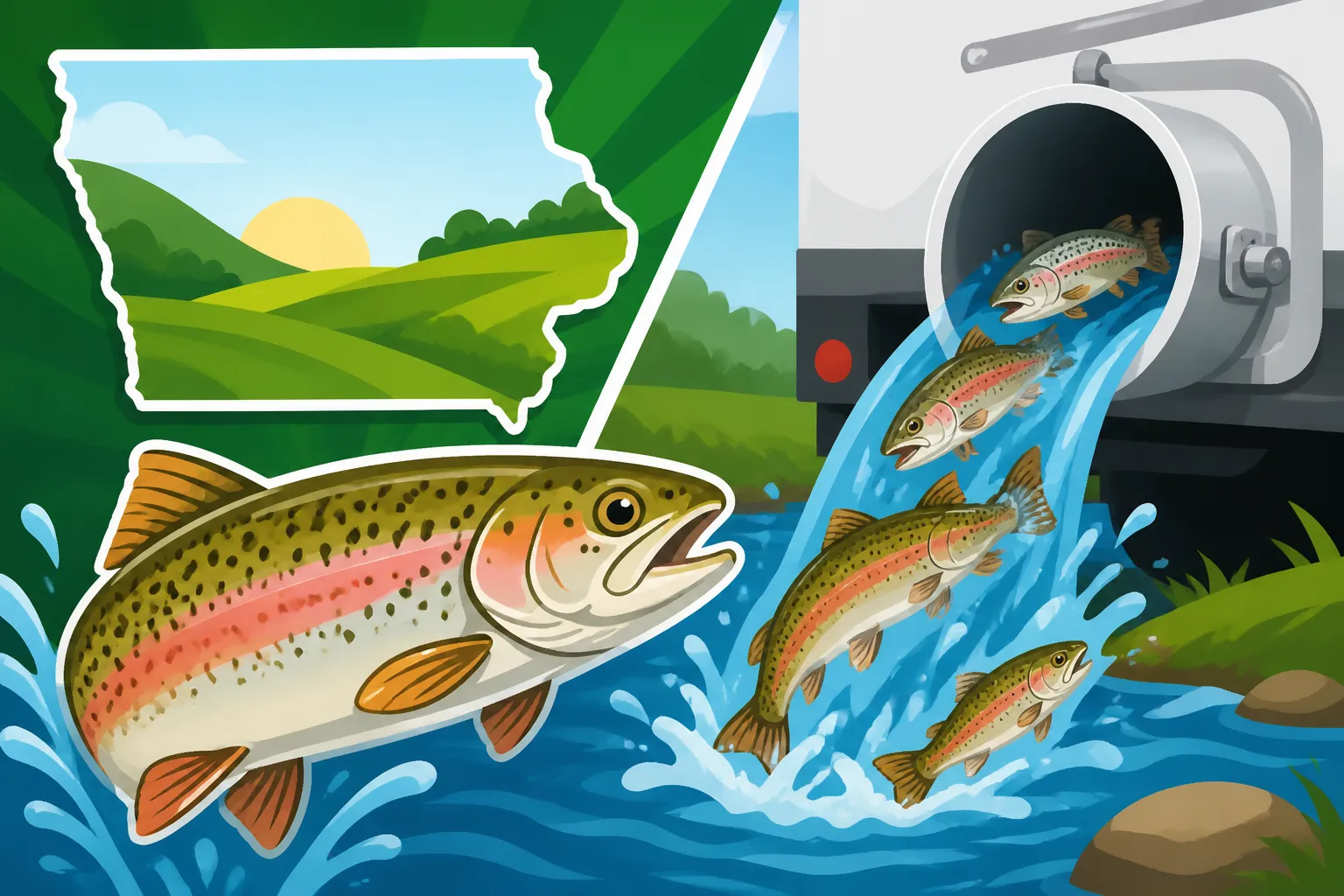
The "how" involves a carefully orchestrated logistical effort. Trout are reared to a catchable size, typically around 10-12 inches, in temperature-controlled raceways. When stocking day arrives, they're loaded into specialized trucks equipped with aerated tanks. These trucks then traverse the often winding and sometimes challenging roads of northeast Iowa, delivering thousands of trout to specific access points along the designated streams. It's truly a marvel to witness the DNR staff at work, ensuring these fish get into the water as quickly and stress-free as possible. Understanding this process helps us appreciate the efforts and also gives us clues on where fish might be initially concentrated – usually near these easy access points.
Species Stocked and Their Characteristics
When you hit an Iowa trout stream in the spring, you're most likely going to encounter Rainbow Trout. These vibrant, silver-sided fish with a distinctive red band along their lateral line are the workhorses of Iowa's stocking program. They are known for their willingness to bite and spirited fight, making them a favorite among anglers of all skill levels. Rainbow trout adapt relatively well to the transition from hatchery life to stream life, and they tend to be quite active right after stocking, readily taking a variety of baits and lures.
While rainbows dominate, you might also find Brown Trout in some streams. Brown trout are a bit more elusive and wary than rainbows, often preferring to hide under cover and striking at more natural presentations. They are also less tolerant of warmer water, so their presence usually indicates a healthier, colder stream environment. Some streams also see occasional stockings of Brook Trout, though these are less common in the general spring stocking rotation and are more often associated with specific conservation efforts for native populations. Each species has its own personality, and understanding these subtle differences can help you tailor your approach. For example, a freshly stocked rainbow might hit a bright powerbait, while a brown trout might prefer a more subtle nymph pattern. The Rainbow Trout Stocking Program in Iowa is a fantastic resource for learning more about these specific stocking efforts.
Key Stocking Locations and Schedules
Iowa's trout stocking efforts are primarily concentrated in the beautiful driftless region of northeast Iowa, where natural cold springs and groundwater seeps create the necessary cold-water habitat. Counties like Allamakee, Clayton, Fayette, Jackson, Jones, Winneshiek, and Delaware are hotspots for these streams. Popular streams include Spring Branch, Bloody Run Creek, French Creek, and the Yellow River. Beyond these natural streams, the DNR also stocks "urban" or "community" trout ponds in various cities across the state, bringing trout fishing opportunities closer to population centers, often during the early spring and late fall. These urban ponds, while less scenic, offer excellent opportunities, especially for families and beginner anglers, as they are typically stocked heavily.
The critical information for any angler is knowing when and where these stockings occur. The Iowa DNR is commendably transparent with its stocking schedules. They typically announce a weekly schedule online, detailing which streams and ponds will receive fish in the coming days. These schedules are usually posted on the DNR website, and you can even sign up for email notifications. It's important to remember that these schedules can sometimes change due to weather, water levels, or other unforeseen circumstances, so always double-check before heading out. Knowing the schedule is half the battle; arriving shortly after a stocking can significantly increase your success rate due to the fish being less wary and more congregated. Check out the Trout Streams Near Decorah for specific spots if you're planning a trip to that popular area.
Decoding the Iowa DNR's Stocking Strategy
Understanding the DNR's thought process behind their stocking decisions can give you a significant advantage. It's not just about dumping fish; it's a strategic effort to provide the best possible angling experience while managing resources effectively. Their strategy involves a delicate balance of ecological considerations, angler access, and fish health.
Timing and Frequency of Spring Releases
Spring releases generally kick off as soon as ice thaws and weather conditions stabilize, often beginning in March and continuing through May, sometimes even into early June depending on water temperatures. The frequency varies by location. Some heavily fished streams and urban ponds might receive weekly or bi-weekly stockings during the peak spring season, ensuring a continuous supply of catchable trout. Other, more remote streams might only be stocked a few times throughout the spring. The goal is to distribute fish across the state's designated trout waters to meet demand and provide diverse angling experiences.
The specific timing within a week can also be strategic. Many stockings happen midweek, giving the fish a day or two to acclimate before the weekend rush. However, urban ponds might see stockings closer to the weekend to cater to family outings. Water temperature is a huge factor; if stream temperatures climb too high, stocking might be paused to prevent undue stress on the trout. This is why paying attention to local weather and stream conditions is just as important as checking the stocking schedule. Catching the fish soon after they're released, before they get too used to their new surroundings and the presence of anglers, is often the most productive strategy.
Factors Influencing Stocking Decisions
Several key factors drive the DNR's stocking decisions beyond just providing fish. First and foremost are water quality and temperature. Streams must meet specific criteria for cold water and oxygen levels to ensure the survival of the stocked trout. Drought conditions or unusually warm springs can delay or alter stocking plans. Another significant factor is angler access and demand. Heavily trafficked areas or streams with excellent public access, such as those found through the Iowa Fishing Atlas Access Points, often receive more frequent stockings. The DNR aims to distribute fish where they can be most easily enjoyed by the public.
Furthermore, biological considerations play a role. The health of the hatchery fish, potential disease concerns, and the overall capacity of the hatcheries dictate how many fish can be produced and released. The DNR also considers the impact on native fish populations in certain streams, ensuring that stocked trout don't negatively affect existing wild trout or other species. Finally, funding, which is often supported by fishing license sales and the Iowa Trout Fishing Fee and Stamp Guide, influences the scale of the program. Every dollar spent on a trout stamp directly contributes to keeping these stockings going, highlighting the importance of responsible angling and supporting the program. Understanding these factors can help anglers anticipate potential changes or seasonal shifts in the stocking calendar.
Accessing Current Stocking Information
The most reliable and up-to-date source for Iowa's trout stocking information is the Iowa DNR's official website. They maintain a dedicated page for trout stocking, which is updated regularly throughout the spring season. Here, you'll find a detailed schedule listing the specific streams and ponds slated for stocking, along with the date and sometimes even the time of the release. It's a goldmine of information for anyone planning a trout trip.
Beyond the website, many local bait shops and outdoor retailers in northeast Iowa often have printed schedules or stay very current with the DNR's announcements. Social media groups and online forums dedicated to Iowa fishing can also be a good place to find real-time updates and hear from other anglers about recent stockings or stream conditions. However, always cross-reference information with the official DNR site to ensure accuracy. Setting up email alerts from the DNR is an excellent way to get stocking notifications delivered straight to your inbox, giving you a head start on planning your outing. Remember, having an Iowa Fishing License Guide in hand and knowing How Much the Iowa Trout Fee Costs are prerequisites before hitting these waters.
Pre-Fishing Preparation for Stocked Trout
Successful trout fishing, especially for newly stocked fish, isn't just about showing up; it's about preparation. Having the right gear, understanding bait preferences, and knowing how to approach the water can make all the difference between a productive day and a frustrating one.
Essential Gear and Tackle for Spring Trout
When targeting stocked trout in Iowa, you don't necessarily need highly specialized gear, which is great for beginners! A lightweight spinning rod, typically in the 5 to 6.5-foot range with a light to ultra-light action, paired with a small spinning reel (size 1000 or 2000), is perfect. Spool your reel with 4 to 6-pound test monofilament or fluorocarbon line. Lighter line is less visible to wary trout and allows for better bait presentation. For those interested in the art of fly fishing, a 3-weight or 4-weight fly rod with a matching reel and floating line is ideal for most Iowa trout streams. You can find excellent starter combos on sites like Amazon, making it easy to get into the sport without breaking the bank.
Beyond the rod and reel, a few other items are non-negotiable. A small tackle box with a variety of hooks (size 8 to 14 bait holder or treble hooks), small split shot weights, and swivels is essential. A pair of needle-nose pliers or a dedicated hook remover is crucial for safely extracting hooks, especially if you plan to release fish. A small landing net with a fine mesh is also highly recommended to minimize stress on the fish. Lastly, comfortable, waterproof boots or even Do You Need Waders for Iowa Trout Streams? are often necessary, as you'll likely be wading in shallow areas or navigating muddy banks. Don't forget a vest or small backpack to carry all your essentials, keeping them accessible while you're on the move.
Best Baits and Lures for Freshly Stocked Trout
Freshly stocked trout, having just come from a hatchery environment, often respond well to baits that are familiar to them or highly attractive. PowerBait, in various colors and scents, is a perennial favorite and incredibly effective. Bright colors like chartreuse, orange, and rainbow are often irresistible. Corn, although not always allowed in all waters (check regulations!), is another classic. For natural baits, small red worms or wax worms are excellent choices. They are easy to rig and universally appealing to trout.
When it comes to lures, small inline spinners (like Mepps Aglias or Panther Martins) in silver, gold, or black with bright accents are incredibly effective. Their flash and vibration can mimic fleeing baitfish, triggering a predatory response. Small spoons, such as Little Cleos or Kastmasters, also work wonders. For fly anglers, fresh stockings can be a great time to use attractor patterns like bright Mop Flies or Squirmy Wormies, as well as classic nymph patterns like a Prince Nymph or Pheasant Tail. The key is often to start with something bright and active, then scale back to more subtle presentations if the fish become shy. Consider having a diverse selection, which you can easily build by checking reviews on Amazon for popular trout fishing tackle.
Here's a quick reference table for common spring trout baits and lures:
| Bait/Lure Type | Description | Ideal Conditions | Notes |
|---|---|---|---|
| PowerBait | Moldable, scented dough bait, often brightly colored. | All conditions, especially after stocking. | Variety of colors; floatable versions popular. |
| Worms (Red/Wax) | Natural live bait, irresistible to many fish. | Anytime, versatile. | Great for finicky fish; easy to rig. |
| Inline Spinners | Lures with a spinning blade that creates flash and vibration. | Active fish, clear to slightly stained water. | Mepps, Panther Martin are popular brands. |
| Small Spoons | Metal lures that wobble and flash when retrieved. | Active fish, deeper pools. | Kastmaster, Little Cleo are common. |
| Nymph Flies | Subsurface fly patterns mimicking aquatic insect larvae. | All conditions, especially for more wary fish. | Pheasant Tail, Prince Nymph are staples. See Nymphing Techniques for Iowa Trout Streams. |
| Attractor Flies | Bright, often un-natural fly patterns designed to grab attention. | Freshly stocked, aggressive fish. | Mop Flies, Squirmy Wormies. Find patterns at Best Fly Patterns for Iowa Trout Streams. |
Reading the Water and Choosing Your Approach
Once you arrive at a stocked stream, don't just blindly cast. Take a moment to "read the water." Look for key features where trout might congregate: deep pools, slow eddies behind rocks or fallen trees, undercut banks, and areas where the current breaks. Newly stocked fish often stick together and seek out any available cover or deeper water to feel secure. In urban ponds, look for aerators, submerged structures, or deeper sections near the dam.
Your approach depends on these observations. If you see fish actively rising or flashing, they might be feeding on insects or small baitfish near the surface, calling for a float-and-fly or a spinner. If the water is deep and still, a bottom-fished PowerBait or nymph might be more effective. Consider the fishing pressure too. If a spot is crowded, move to a less accessible area where fish might have scattered to escape the commotion. Remember to move slowly and quietly along the banks, as trout are easily spooked by sudden movements or shadows. A stealthy approach greatly increases your chances, especially in smaller streams. For more on how to effectively fish these beautiful waters, check out our guide on Trout Fishing Techniques for Iowa Streams.
Effective Fishing Techniques Post-Stocking
Catching stocked trout often requires a slightly different approach than targeting wild, native fish. These fish are used to a controlled environment, and while they're often eager to bite initially, they can quickly become wise to common tactics.
Targeting Active Trout in the Stocking Zone
The moments immediately following a stocking are often the most productive. The trout are disoriented, actively seeking cover, and sometimes still in a "feeding frenzy" from their hatchery routine. Focus your efforts near the stocking points. These are usually designated access areas, bridge crossings, or well-maintained paths along the stream. The fish will be concentrated here before they have a chance to disperse.
Start with aggressive, attention-grabbing presentations. Brightly colored PowerBait fished off the bottom with a small split shot or a light-wire egg sinker can be incredibly effective. For lure anglers, casting small inline spinners or spoons upstream and retrieving them with the current, or across current, often triggers immediate strikes. Keep your retrieves varied; sometimes a steady reel works, other times a stop-and-go retrieve can entice a bite. Don't be afraid to experiment with different colors and sizes until you find what they're hitting. Remember that freshly stocked trout are less wary, so they're often willing to hit a wider range of offerings.
Adapting to Pressure and Spooked Fish
Within a day or two of stocking, especially on popular streams, trout can become "pressured." They've seen countless lures, smelled numerous baits, and been caught and released (or kept) by many anglers. This makes them much warier and harder to catch. When you encounter pressured fish, you need to change your strategy. First, consider moving away from the immediate stocking points and explore sections of the stream that require a bit more walking to reach. These areas often hold fish that have dispersed and haven't seen as much angling pressure.
Your presentation also needs to become more subtle. Ditch the bright PowerBait for natural baits like small pieces of nightcrawler or wax worms. For lure anglers, switch to smaller, more natural-colored spinners or spoons. Fly anglers should transition to realistic nymph or emerger patterns. Focus on presenting your bait or lure as naturally as possible, drifting it along current seams, through deep pools, or under undercut banks where fish might be hiding. Light line, long leaders (for fly fishing), and precise casting become critical. Remember, these fish are trying to blend in, so you need to present your offering in a way that doesn't scream "trap."
Mastering Presentation in Different Water Conditions
Water conditions in spring can change rapidly in Iowa, from crystal clear flows after a dry spell to muddy torrents after heavy rains. Mastering your presentation means adapting to these conditions. In clear water, trout have excellent visibility, meaning your line, leader, and even your approach need to be as stealthy as possible. Use lighter line (2-4 lb test), longer leaders, and natural-colored baits or lures. Casting upstream and letting your offering drift naturally downstream, using the current to your advantage, is often the most effective technique. Avoid heavy weights that cause an unnatural plunk.
In stained or murky water, visibility is reduced for both you and the fish. Here, flash, vibration, and scent become more important. Use brighter colored baits or lures that create a lot of movement, like chartreuse PowerBait, shiny spinners, or scented worms. While stealth is still good, you can sometimes get away with heavier line since the fish won't see it as easily. Focus on fishing slower and closer to cover, as trout will often hug the bottom or structure in off-colored water. After a heavy rain, the water might be too high and fast, making fishing difficult and dangerous. In such cases, it's often best to wait a day or two for the water to drop and clear slightly. This adaptability is key to consistent success throughout the Iowa spring trout season.
Post-Stocking Etiquette and Conservation
Beyond catching fish, being a responsible angler is paramount, especially on frequently stocked streams. Our actions directly impact the quality of the fishery and the experience of fellow anglers. Conservation isn't just a buzzword; it's a practice that ensures these opportunities remain for years to come.
Practicing Catch and Release Responsibly
Many anglers choose to practice catch and release, especially when fishing for trout, to help sustain the fishery or simply for the sport of it. If you plan to release fish, it's vital to do so responsibly. Handle trout as little as possible. If you must touch them, wet your hands first to protect their protective slime coat, which is crucial for disease prevention. Avoid squeezing the fish, especially around their gills or belly. Use a pair of forceps or needle-nose pliers to quickly remove the hook. If a fish is deeply hooked, it's often better to cut the line as close to the hook as possible rather than tearing vital organs trying to extract it.
When releasing, gently place the fish back into the water, head first, in a current where it can easily revive. Support it upright until it swims away on its own. Don't just toss it back. This careful handling greatly increases the fish's chances of survival, allowing it to potentially be caught another day or even contribute to future populations in the rare cases of natural spawning. Our article on Iowa Fishing Regulations Explained delves deeper into specific rules regarding catch and release for various species.
Respecting Fellow Anglers and the Environment
Iowa's trout streams can get crowded, especially on weekends after a fresh stocking. Being mindful of other anglers is crucial for a positive experience for everyone. Maintain a respectful distance from other anglers; don't crowd into their fishing spot. If you arrive at a popular hole and someone is already there, ask if it's okay to fish nearby or move to another spot. Common courtesy goes a long way.
Beyond respecting people, respect the natural environment. Pack out everything you pack in—and then some. Pick up any discarded line, bait containers, or trash you find. Don't leave behind tangled lines or hooks that can harm wildlife. Avoid trampling stream banks, which can lead to erosion and damage delicate ecosystems. Stick to established paths whenever possible. This responsible behavior helps preserve the beauty of these streams and ensures they remain healthy habitats for trout and other wildlife. Always check local signs for specific rules or closures, especially in state parks or wildlife management areas.
Understanding Bag Limits and Regulations
Even with frequent stocking, strict adherence to Iowa's fishing regulations is crucial. The Iowa DNR sets daily bag limits and possession limits for trout, which can vary by stream or even specific sections of a stream, especially those designated as special regulation waters. For instance, some streams might have a "no-kill" or "catch-and-release" only section, while others allow for harvest. It's your responsibility as an angler to know these rules before you cast a line. You'll find specific details in the annual Iowa Fishing Regulations booklet, available online or at license vendors.
The daily bag limit for trout in most Iowa waters is 5, with a possession limit of 10. However, special regulations on certain streams might alter this, so always confirm. The Iowa Fishing Daily Bag Limits Guide provides detailed information. Remember that you also need a valid Iowa fishing license and an Iowa trout stamp to legally fish for trout in these designated waters. When the Trout Fee Needs to Be Renewed is also an important detail to keep in mind so you don't accidentally fish without the proper credentials. Ignorance of the rules is not an excuse, and violations can result in fines and loss of fishing privileges. By following these regulations, you contribute to the sustainable management of Iowa's treasured trout fishery.
Disclaimer
Fishing conditions and regulations in Iowa can change. Always consult the official Iowa Department of Natural Resources (DNR) website or their current fishing regulations booklet for the most up-to-date and accurate information before planning your fishing trip. This guide is for informational purposes only and should not be considered a substitute for official DNR publications.