Freshwater Species Unique to the Mississippi River
When you think about fishing in Iowa, your mind might immediately go to serene lakes or picturesque trout streams. But for those of us who venture to the mighty Mississippi River, there's a whole different world waiting beneath the surface. It's easy to assume a big river just has bigger versions of common fish, but the truth is, the Mississippi is a unique ecosystem harboring species you won't typically find in your local farm pond or even most other Iowa waterways. This guide will dive deep into these special freshwater species, helping you appreciate the diverse aquatic life of Iowa's eastern border.
The Mississippi River: A Unique Aquatic Tapestry
The Mississippi River isn't just a large body of water; it's a dynamic, ever-changing ecosystem that supports an incredible array of fish species, many of which are rarely, if ever, seen in Iowa's interior lakes and rivers. Its vastness and varied habitats create conditions perfect for certain species to thrive.
The River's Dynamic Flow and Diverse Habitats
What makes the Mississippi so special for fish is its sheer complexity. Unlike a static lake, the river is a constantly flowing system with diverse habitats ranging from deep, swift main channels to calmer backwaters, sloughs, and intricate wing dam structures. These different environments provide specific niches for a wide variety of fish. For instance, the main channel current is ideal for species that prefer fast-moving water and can utilize its power for feeding and travel. Think about the incredible strength and adaptability needed to live in such a robust environment.
Then you have the quieter backwaters and sloughs – these areas offer refuge from the strong currents, acting as nurseries for young fish and feeding grounds for larger predators. These calmer spots often have different vegetation and bottom compositions, attracting species that wouldn't thrive in the turbulent main flow. The man-made structures like wing dams also play a huge role, creating current breaks and scour holes that attract various fish. Understanding these different habitats is key to appreciating the unique species that call the Mississippi home. You'll find that where you choose to drop your line drastically changes what you might reel in. If you're looking for guidance on fishing this unique waterway, check out our Mississippi River Pool 10 Fishing guide.
How Border Status Influences Fish Populations and Regulations
Another crucial aspect of the Mississippi River in Iowa is its status as a border water. This isn't just a political boundary; it significantly impacts fish populations and, importantly, the regulations that govern fishing. Iowa shares the Mississippi with states like Wisconsin and Illinois, and while many rules are reciprocal, there can be subtle differences that affect how certain species are managed. This often leads to more robust, healthier populations of certain fish, as management efforts are sometimes coordinated across state lines, or varying regulations might inadvertently create stronger natural protections.
For anglers, this means you need to be extra vigilant about understanding the specific rules for the stretch of river you're on, especially concerning protected or unique species. Bag limits, size restrictions, and even open seasons can sometimes vary slightly based on which state's water you're fishing. It’s a nuanced situation, and getting caught unaware can be a real headache. Make sure you're always up to date by checking out our Iowa Fishing Regulations on the Mississippi River Border post. This border dynamic adds another layer to the Mississippi's unique appeal for both fish and those of us who love to chase them.
Highlighting True Mississippi River Specialties
Now, let's get down to the truly fascinating part: the specific fish species that stand out as unique to the Mississippi River within Iowa. These aren't your everyday panfish; they're often ancient, impressive, and require a different kind of respect and understanding.
The Fascinating World of Sturgeons and Paddlefish
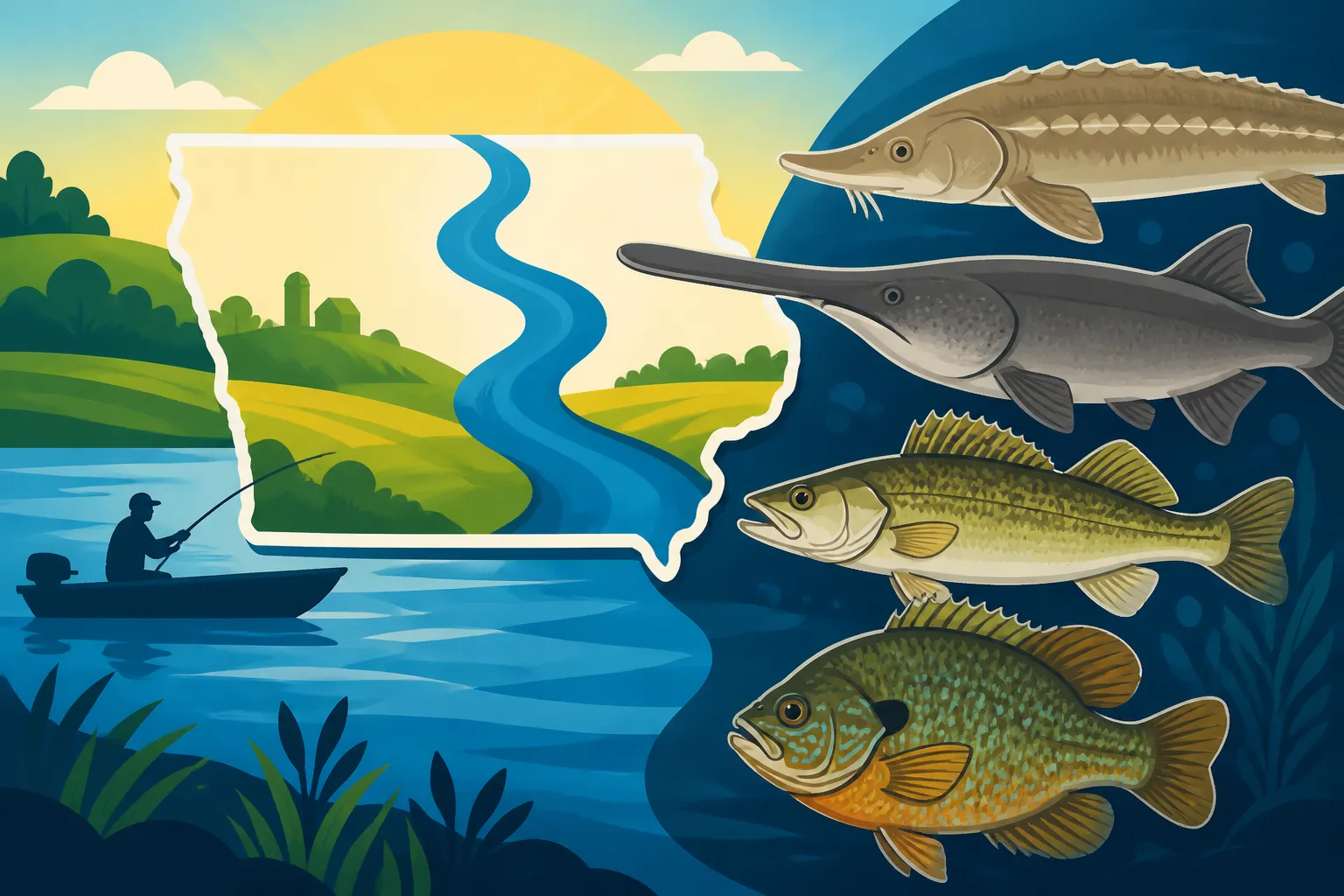
When you talk about unique freshwater species, the sturgeons and paddlefish immediately spring to mind. These fish are living fossils, with an ancient lineage that predates the dinosaurs.
Shovelnose Sturgeon: This is perhaps the most common sturgeon you'll encounter on the Mississippi. They're often mistaken for catfish due to their bottom-dwelling habits and barbels, but their elongated, shovel-like snout and bony plates (scutes) along their body are dead giveaways. Shovelnose sturgeon are built for life on the river bottom, sifting through substrate for insects and small organisms. Catching one is a truly exciting experience, as they fight hard. While they are catchable, it's vital to know the Shovelnose Sturgeon Season and Limits as conservation is always a priority. If you're curious about identifying these unique fish, our Shovelnose Sturgeon in Iowa Rivers article has more details.
Lake Sturgeon: While once abundant, Lake Sturgeon populations faced significant declines due to overfishing and habitat degradation. Today, they are a federally protected species and critically endangered in many areas, including much of the Mississippi River in Iowa. Catching a Lake Sturgeon is incredibly rare and, if it happens, it must be immediately released unharmed. These magnificent fish can live for over 100 years and grow to immense sizes, making them a true marvel of the river. Their protection is paramount, and understanding their plight is part of being a responsible angler. We've got more information about these protected giants in our Can You Keep a Lake Sturgeon in Iowa? article.
Paddlefish: Another incredible ancient species, the Paddlefish, is unmistakable with its long, flattened, paddle-like snout. This unique appendage is covered in electroreceptors, allowing them to detect plankton, their primary food source, even in murky water. Paddlefish are filter feeders and, as such, are typically caught by snagging rather than traditional bait fishing. This requires a specific technique and a deep understanding of the regulations, as they are a managed sport fishery with strict seasons and methods. They are a truly primitive and captivating fish, a testament to the river's rich history. For more on these remarkable creatures, check out Paddlefish in Iowa Waters.
Unique Catfish Varieties and Their River Lifestyles
While Channel Catfish are widespread across Iowa, the Mississippi River introduces anglers to other impressive members of the catfish family that truly thrive in its vastness.
Blue Catfish: The undisputed king of the Mississippi's catfish, Blue Catfish are renowned for their immense size. While they aren't as prevalent as Channel Cats in all Iowa waters, the Mississippi River provides the perfect habitat for them to grow into true giants. They prefer stronger currents and deeper holes, often congregating around structures. Landing a big Blue Cat is an epic battle, requiring heavy-duty gear and plenty of patience. They have a forked tail and a distinct "blue" or slate-gray coloration, different from the spots on a Channel Cat or the mottled pattern of a Flathead. If you're dreaming of a trophy cat, the Mississippi is where it's at.
Flathead Catfish: These incredible predators are ambush hunters, preferring to lie in wait in submerged timber, rock piles, or deep scour holes. Flatheads are easily identified by their broad, flattened heads, small eyes, and lower jaw that protrudes past the upper. They primarily feed on live fish, making them a challenging and rewarding catch for those who enjoy using live bait like sunfish or suckers. The Mississippi's abundant structure and forage make it prime Flathead territory, and these fish can also grow to truly staggering sizes, pushing well into the double digits and beyond. Our Flathead Catfish Habitat and Behavior article details where to find these elusive beasts.
Channel Catfish: While not exclusive to the Mississippi, the sheer abundance and size of Channel Catfish in the river system are noteworthy. The rich food sources and varied habitats allow them to grow larger and be more plentiful than in many smaller Iowa waterways. You'll find them everywhere from swift currents to calm backwaters, making them a consistent and delicious target. Be aware of the Channel Catfish Daily Limit in Iowa when planning your catch!
Lesser-Known Bottom Dwellers and Forage Fish
Beyond the headline species, the Mississippi is home to a host of other unique fish that play crucial roles in the ecosystem, even if they aren't always targeted by anglers.
Freshwater Drum (Sheepshead): Often overlooked or dismissed, the Freshwater Drum is a fascinating fish that's perfectly adapted to river life. They get their "drum" name from the drumming sound males make during spawning, produced by vibrating muscles against their swim bladder. They're bottom feeders, crunching on mussels, snails, and insects with their powerful pharyngeal teeth. While not always a glamour fish, they put up a surprisingly strong fight on the line and are actually quite good to eat, especially the smaller ones. Many anglers release them, but they're a unique part of the Mississippi's bounty.
Gars (Longnose, Shortnose, Spotted): Gars are another ancient fish species, easily recognizable by their long, cylindrical bodies, hard, bony scales, and alligator-like jaws filled with sharp teeth. While they might look intimidating, they're typically more curious than aggressive. Longnose Gar are the most common in the Mississippi, often seen basking near the surface or cruising slowly in calm areas. They're primarily piscivores, feeding on other fish, and catching them often involves specialized techniques due to their bony mouths. They're fascinating creatures and a true testament to the river's wild character. Ever wondered What a Gizzard Shad Is? It's often a prime food source for these gars!
Buffalo (Bigmouth, Smallmouth, Black): These large, carp-like fish are native bottom feeders, using their specialized mouths to filter plankton or scrape algae and invertebrates from the bottom. They are powerful swimmers and can grow very large, sometimes into the tens of pounds. While often confused with invasive carp, buffalo are native and an important part of the river's food web. They are a strong fighting fish and are increasingly targeted by bowfishing enthusiasts or those using specialized techniques.
This table gives you a quick overview of some of the unique species you might encounter on the Mississippi:
| Species | Key Identifying Features | Typical Habitat | Protection Status/Angling Note |
|---|---|---|---|
| Shovelnose Sturgeon | Shovel-like snout, bony scutes, fringed barbels | River bottom, moderate current | Regulated sport fish, know limits |
| Lake Sturgeon | Bony plates, five rows of scutes, round snout | Deep channels, slow currents | Federally protected (release immediately) |
| Paddlefish | Long, paddle-like snout, filter feeder | Open water, slow current | Specialized snagging season (if allowed) |
| Blue Catfish | Forked tail, slate-gray/blue color, larger size | Deep holes, strong current | Trophy potential |
| Flathead Catfish | Broad, flattened head, small eyes, protruding jaw | Woody cover, deep holes | Ambush predator, prefers live bait |
| Freshwater Drum | High back, large scales, can make "drumming" sound | Bottom, varied flow | Strong fighters, edible |
| Gars (Longnose) | Long, slender body, bony scales, long snout with teeth | Calm surface, vegetation | Primarily game fish, often bowfished |
| Buffalo Fish | Deep body, small downturned mouth, silvery scales | Bottom, varied habitats | Native, often confused with carp |
Beyond the Usual Suspects: Understanding Rare and Protected Species
When you're out on the Mississippi, it's not just about what you can catch, but also what you shouldn't or can't. The river is a vital corridor for many species, and some are particularly vulnerable.
The Importance of Conservation for Mississippi River Fish
The Mississippi River's ecosystem is vast, but it's also incredibly complex and, in many areas, sensitive. Pollution, habitat alteration (like dredging or damming), and even climate change can significantly impact fish populations. Species like the Lake Sturgeon are a stark reminder of past challenges and the ongoing need for careful stewardship. Conservation isn't just a fancy word; it's the practice of ensuring these incredible fish continue to thrive for future generations.
This means more than just following the rules; it's about adopting an ethos of respect for the resource. It's about minimizing your impact, properly disposing of trash, and being aware of invasive species. The health of the entire river system relies on a delicate balance, and every angler plays a part in maintaining it. Sometimes, the frustration of strict regulations on certain species can feel like a burden, but it's often a necessary step to protect these rare and unique fish.
How to Safely Identify and Release Protected Species
Encountering a protected species on the Mississippi can be a thrilling experience, but it also comes with a significant responsibility: ensuring its safe release. Many anglers, especially those new to river fishing, might struggle with distinguishing a protected Lake Sturgeon from a catchable Shovelnose Sturgeon, or knowing if that odd-looking fish is a Gar or something rarer. It's a valid concern, and a mistake can lead to serious consequences for both the fish and the angler.
Key Identification Tips:
- Sturgeons: The easiest distinction between Lake Sturgeon and Shovelnose Sturgeon is their snout shape and barbels. Lake Sturgeon have a more conical snout and four smooth barbels in a straight line. Shovelnose Sturgeon have a flatter, shovel-like snout and fringed barbels that are not in a straight line. Always err on the side of caution if you're unsure – if it looks like a sturgeon, and you can't positively identify it as a Shovelnose, assume it's protected.
- Paddlefish: These are generally unmistakable due to their paddle-like snout. If caught by accident (not snagging), they must be released.
Safe Release Practices:
- Minimize Handling Time: Get the fish back in the water as quickly as possible.
- Use Wet Hands or Gloves: Dry hands can remove the fish's protective slime coat, making it vulnerable to disease.
- Support the Fish's Body: If you must lift a large fish for a photo, support its weight horizontally, especially its belly, to avoid internal organ damage. Avoid holding it vertically by the head or gills.
- Use Barbless Hooks: This makes hook removal much easier and less damaging. You can pinch down the barb on most hooks.
- Cut the Line: If a hook is deeply embedded or the fish is stressed, cutting the line close to the hook is often better than trying to forcefully remove it. The hook will eventually rust away.
- Revive if Necessary: For stressed fish, hold them gently in the water, facing into a mild current, until they can swim away on their own.
Having a good fish identification guide, maybe even a waterproof one you can get on Amazon, is invaluable. Knowing your fish before you go fishing is the ultimate responsibility. If you ever witness someone violating fishing rules, our guide on How to Report a Fishing Violation in Iowa is a helpful resource.
Fishing for the Uncommon: Techniques for Unique Mississippi Catches
Targeting the unique species of the Mississippi River often requires a slightly different approach than your typical lake or pond fishing. You're dealing with current, large fish, and specialized behaviors.
Gear and Tactics for Riverine Giants
Fishing the Mississippi for its larger, more unique inhabitants isn't just about luck; it's about preparation and technique. The sheer power of the river and the potential size of its fish demand appropriate gear. You wouldn't bring a butter knife to a sword fight, right? It's the same principle here.
Rods and Reels: For targeting large catfish, sturgeon, or even powerful drum in current, you'll want heavy to medium-heavy action rods, typically 7-9 feet long, paired with robust spinning or baitcasting reels. A good reel should have a smooth drag system and ample line capacity. Look for brands known for durability, and you can often find great options on Amazon that can withstand the demands of river fishing.
Line: Braided line, with its high strength-to-diameter ratio and minimal stretch, is a favorite for river fishing. It provides excellent sensitivity for feeling subtle bites and the power needed to pull fish from heavy cover. Line weights ranging from 30-80 pound test are not uncommon. For leaders, a strong monofilament or fluorocarbon can offer abrasion resistance against submerged timber and rocks.
Terminal Tackle: Heavy sinkers (pyramid, no-roll, or flat styles) are essential for holding your bait in the current. You'll need an assortment, often from 1 ounce up to 6 ounces or more depending on the current. Circle hooks are highly recommended for catfish and sturgeon as they are largely self-setting and typically hook in the corner of the fish's mouth, making for easier and safer release. Sizes 5/0 to 10/0 are common. Swivels and heavy-duty snaps complete your rig. Check out our Best Tackle for Bank Fishing on Iowa Rivers for more detailed advice.
Bait: Live bait is king for Flathead Catfish – consider bluegills, shad, or suckers. For Channel Catfish and Blue Catfish, fresh cut bait (shad, skipjack, carp), stink baits, or even large nightcrawlers can be effective. Knowing what the river's unique species prefer means tailoring your bait.
Specialized Tools: A large, sturdy landing net, like some of the robust models you can find on Amazon, is crucial for safely landing and handling big fish. Think about nets designed for muskie or salmon. You'll also want long-nose pliers or a hook remover, and maybe even a jaw gripper for toothy species like gars. Don't forget a pair of heavy-duty fish handling gloves for those especially spiny catfish or if you plan on releasing a large sturgeon. Our guide on Best Landing Net Size for Catfish has some great recommendations.
Respecting the Resource: Best Practices for Anglers
Beyond the gear and techniques, responsible angling on the Mississippi comes down to respect for the fish and their environment. The unique species of this river are part of Iowa's natural heritage, and it's up to us to protect them.
Catch and Release Ethic: For protected species like Lake Sturgeon, catch and release is not just a suggestion; it's the law. For other species, practicing selective harvest – keeping only what you'll eat and releasing the rest, especially larger breeding fish – helps maintain healthy populations. If you're targeting trophy fish, consider releasing them after a quick photo.
Minimize Your Footprint: The Mississippi River is wild, and we want to keep it that way. Pack out everything you pack in, and if you see litter, consider picking it up. Be mindful of fragile shorelines and vegetation when accessing fishing spots.
Stay Informed: Regulations can change, especially for dynamic border waters and managed species. Always check the latest Iowa fishing regulations before you head out. Being informed is your best tool for protecting these unique species and avoiding accidental violations. This commitment ensures that the Mississippi River remains a vibrant and thrilling fishery for generations to come, full of those incredible, unique species that make it so special.
Disclaimer
This article is for general informational purposes only and does not constitute professional advice. Laws, prices and regulations vary by location and change over time. Consult a qualified professional for guidance on your specific situation.