Most Common Fish in Iowa Lakes
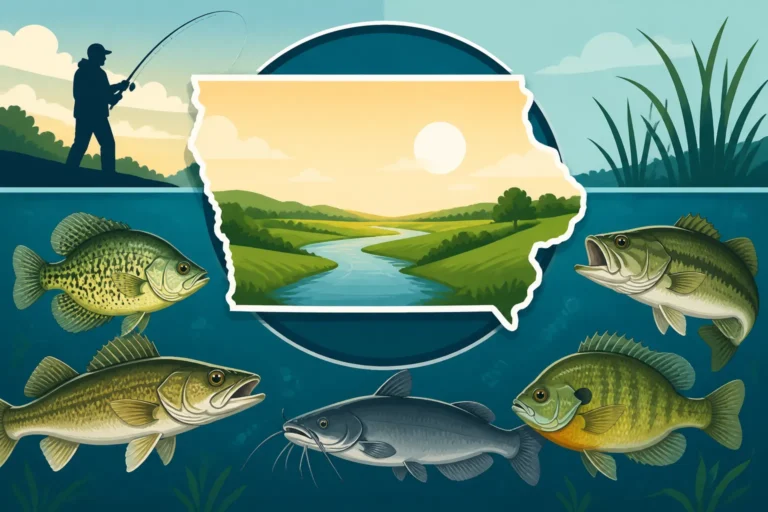
If you've ever stood on the shore of an Iowa lake, gazing at the water and wondering what finned friends might be lurking beneath, you're not alone. It can be a real head-scratcher trying to figure out which fish are common and how best to target them. This guide is here to demystify the aquatic world of Iowa's lakes, giving you the inside scoop on the most frequently encountered fish species, where they like to hang out, and what makes them tick.
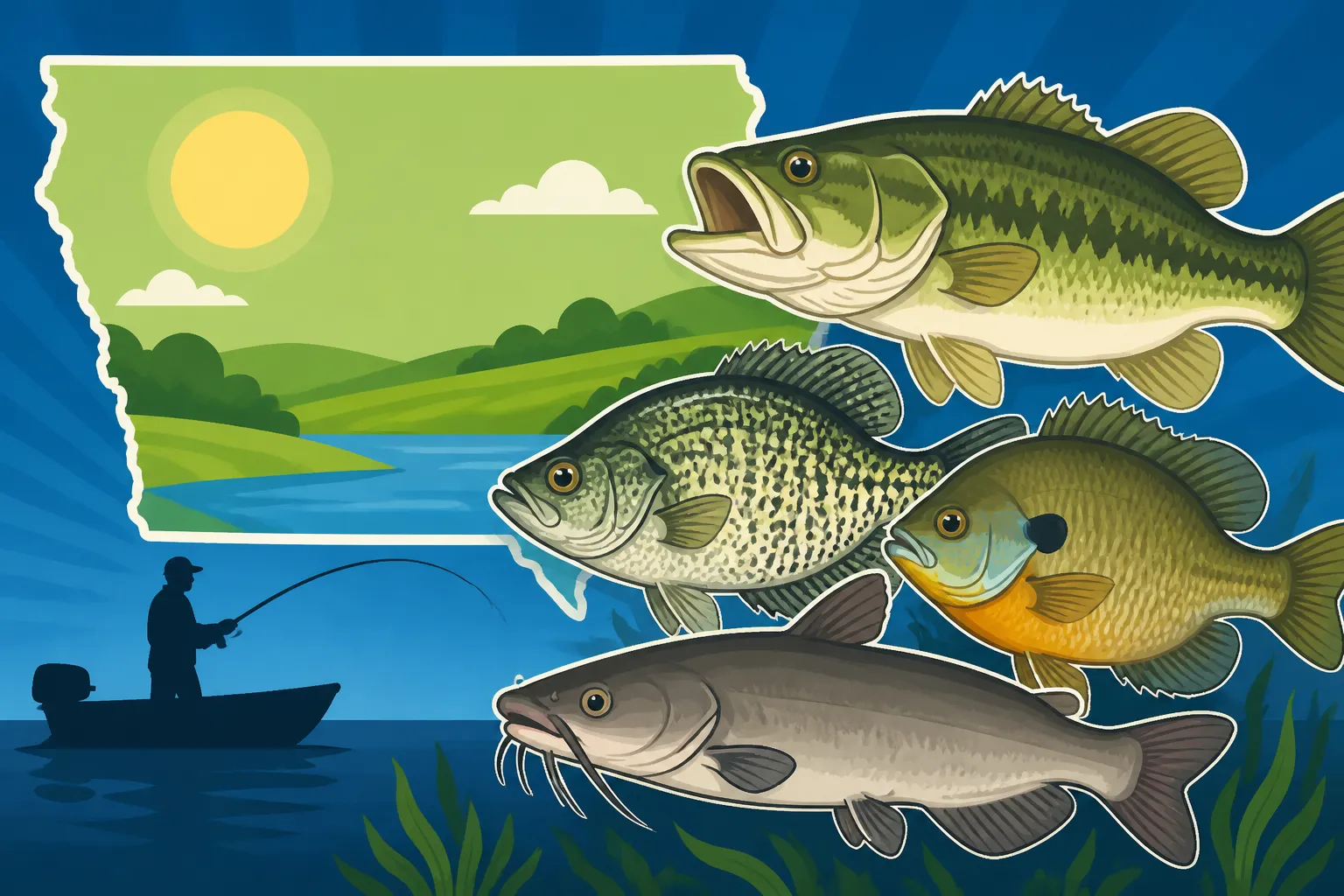
The Panfish Powerhouses: Bluegill and Crappie
When you talk about common fish in Iowa lakes, panfish are almost always at the top of the list. These little fighters are abundant, fun to catch, and absolutely delicious on the dinner plate. They're a fantastic target for anglers of all ages and skill levels, making them a true cornerstone of the Iowa fishing experience.
Bluegill: The Little Fighters with Big Hearts
Ah, the humble bluegill! This isn't just a fish; it's often an angler's first fish, sparking a lifelong passion for the sport. You'll find bluegill in practically every single Iowa lake and pond, from the smallest farm pond to the sprawling Clear Lake Walleye Fishing waters. They're recognized by their distinctive dark spot on the gill flap (it looks like an "ear" tag, hence the "gill" in their name) and their bluish-green iridescent bodies.
Bluegill absolutely love structure. Think weed beds, lily pads, submerged timber, and brush piles. They hang out in these spots for protection from larger predators and to ambush the small insects, larvae, and tiny crustaceans that make up their diet. During the spring, when water temperatures start to climb into the 60s, bluegill move into shallower waters to spawn. You'll often see their tell-tale "beds" – small, circular depressions on the bottom, usually in sandy or gravelly areas. This is when they're particularly aggressive and easy to catch. Even in summer, you can often find them cruising the edges of weed lines or in shaded areas. For gear, a light action spinning rod and reel is perfect. Small hooks, tiny jigs, and a piece of worm or a small insect imitation are usually all you need. Many anglers will head to Amazon to pick up a variety of small, colorful jigs to see what the bluegill are biting on that day. If you're looking for more detailed advice, check out our guide on Bluegill Fishing in Iowa.
Crappie: Speckled and Slabs, a True Delicacy
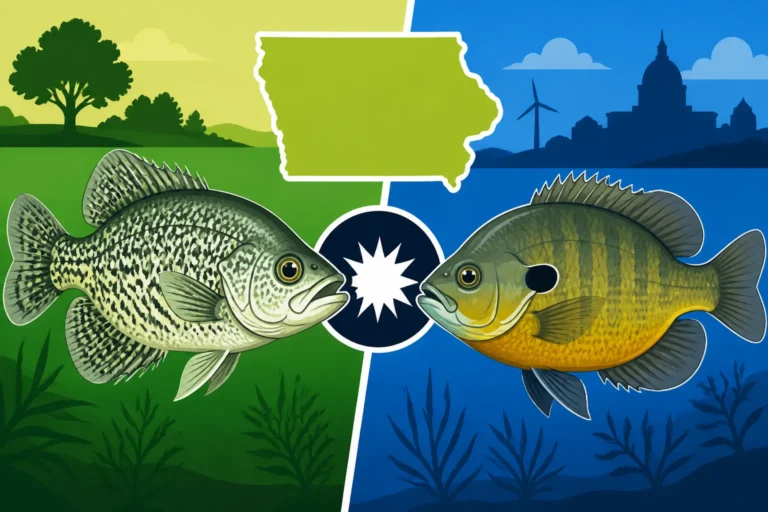
Crappie, both black and white varieties, are another immensely popular panfish in Iowa lakes, revered for their delicious fillets. While they share some similarities with bluegill, crappie tend to be a bit larger and often swim in schools, which means if you find one, you've likely found a whole mess of them! Black crappie are usually found in clearer, weedier waters, while white crappie tolerate murkier conditions and are more common in larger reservoirs and rivers. You can learn more about how these two species differ in Black Crappie vs White Crappie in Iowa.
Crappie are masters of structure, much like bluegill, but they often prefer deeper water structure like submerged brush piles, standing timber, rock piles, and bridge pilings. They love to suspend in the water column around these features, waiting for small minnows, insects, and crustaceans to drift by. In early spring, during their pre-spawn and spawn phases, crappie move into shallower coves and creek arms, often holding around fallen trees or brush. This is a prime time for anglers to target them with small jigs, minnows, or even tiny crankbaits. Come summer, they often retreat to deeper, cooler waters, suspending over structure or along drop-offs. When they're really biting, you might even consider a good electronics setup to pinpoint those submerged brush piles; a quick search on Amazon for "crappie fishing electronics" will show you just how many options are out there. Our Crappie Fishing in Iowa guide dives even deeper into how to catch these speckled beauties.
The Fierce Predators: Largemouth Bass and Walleye
For many anglers, the thrill of the catch comes from battling a hard-fighting game fish. Iowa's lakes don't disappoint, offering up two incredible predatory species that are high on many anglers' target lists: the aggressive largemouth bass and the elusive, yet rewarding, walleye.
Largemouth Bass: Green Giants of the Weeds
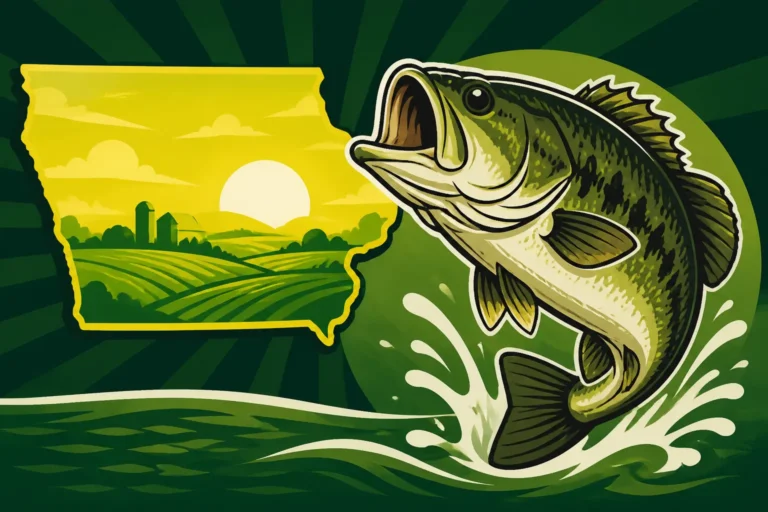
The largemouth bass is arguably one of the most iconic sport fish in North America, and Iowa's lakes are no exception. These "greenbacks" are renowned for their explosive strikes and powerful fights, making them a favorite among those who love a challenge. They're easily identified by their large mouth, where the jaw extends beyond the eye, and the dark, often broken, lateral line running along their sides. You'll find healthy populations of largemouth bass in nearly all of Iowa's public and private lakes, especially those with ample aquatic vegetation and submerged cover. Our Largemouth Bass Fishing in Iowa article offers even more details.
Largemouth bass are ambush predators, meaning they love to hide in cover and dart out to strike unsuspecting prey. Their preferred habitats include dense weed beds, lily pad fields, fallen trees, docks, and rock piles. They feed on a wide variety of prey, including baitfish, crawfish, frogs, and even small birds or rodents that fall into the water. In spring, as water temperatures rise, bass move into shallow coves for their spawning rituals, becoming highly territorial and aggressive. This is a fantastic time to use artificial lures like spinnerbaits, crankbaits, and soft plastics. As summer progresses, they might retreat to slightly deeper, cooler waters during the day, returning to shallow cover in low light conditions. Topwater lures fished at dawn or dusk can be incredibly exciting! If you're building a bass fishing tackle box, you'll want a good selection of soft plastic worms and jigs, which are readily available to browse on Amazon. Knowing the Best Technique for Pre-Spawn Bass can also make a huge difference in your success.
Walleye: Golden Ghosts of the Depths
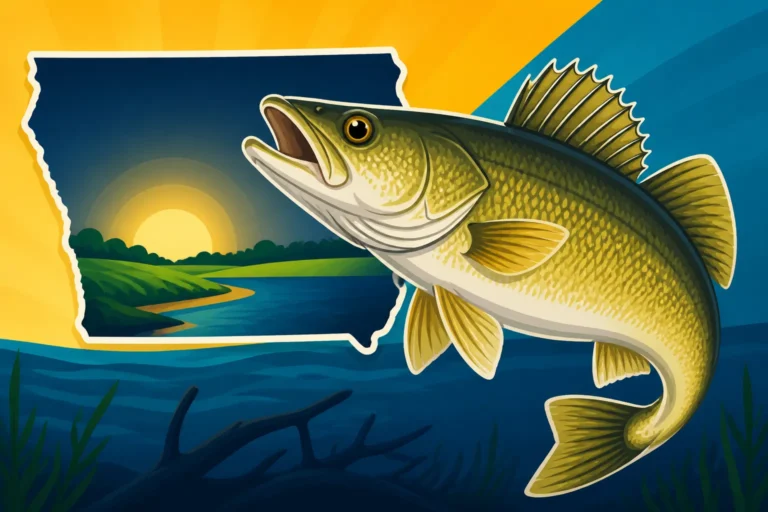
For many serious Iowa anglers, the walleye is the ultimate prize. Known for their delicious, flaky white meat and their notoriously finicky bite, walleye are a challenging but highly rewarding fish to pursue. They get their name from their large, glassy, light-sensitive eyes, which are perfectly adapted for low-light conditions, making them particularly active at dawn, dusk, and even at night. Walleye are most common in Iowa's larger natural lakes, such as the Iowa Great Lakes, Clear Lake Walleye Fishing, and some of our larger reservoirs like Rathbun Lake Walleye Fishing and Saylorville Reservoir Catfish Spots.
Walleye prefer cool, clear water and often relate to specific bottom structures. They'll frequent rock humps, submerged points, ledges, and transition areas between different bottom types (like mud to gravel). Their diet consists primarily of baitfish such as shad, minnows, and shiners. During the spring, after ice-out, walleye move to shallower, rocky areas to spawn. This is a popular time to target them with jigs and minnows. As the season progresses, they'll often move to deeper structures, though they'll still venture shallow during low light to feed. Trolling with crankbaits or live bait rigs (like a bottom bouncer with a crawler harness) are highly effective techniques in deeper water. Finding the right bait can sometimes be tricky; many seasoned anglers will search on Amazon for specific walleye crankbait brands or colors that have a reputation for success in their local waters. Our comprehensive Walleye Fishing in Iowa guide offers tons of tips and tricks for landing these elusive beauties.
Bottom Dwellers and Brawlers: Channel Catfish and Bullheads
While panfish and game fish often steal the spotlight, Iowa's lakes are also home to some incredibly robust bottom-dwelling species that provide fantastic fishing action, especially for those who enjoy a strong fight and a good meal. These include the widespread channel catfish and the ever-present bullhead.
Channel Catfish: Whiskered Wonders of the Mud
Channel catfish are incredibly popular throughout Iowa, gracing virtually every lake, river, and larger pond in the state. They are known for their distinctive whisker-like barbels around their mouth, a deeply forked tail, and a generally sleek, streamlined body that ranges in color from silvery-gray to olive-brown. They are tenacious fighters and are highly prized for their excellent taste. Our article on Channel Catfish Fishing in Iowa is a must-read for anyone targeting them.
Catfish are opportunistic feeders with an incredible sense of smell, which they use to find food in murky water or low light. They'll eat just about anything, including insects, crawfish, baitfish, and even decaying organic matter. In lakes, they tend to relate to deeper channels, drop-offs, submerged timber, and points, but they will venture into shallower areas to feed, especially at night or after a rain. Spring and early summer are prime times to target them, as they become more active in warming waters. Common baits include cut bait, chicken livers, stink baits, and nightcrawlers. Simple bottom rigs are usually the most effective setup. If you're planning a fishing trip, stocking up on a variety of baits from local tackle shops is a good idea, or even checking out some specialized catfish scents or bait enhancers on Amazon.
Bullheads: The Muddy Water Mainstays
Bullheads, particularly the black bullhead, are another incredibly common fish found in many Iowa lakes, especially those with muddier bottoms and abundant vegetation. While often overlooked by anglers targeting more glamorous species, bullheads offer consistent action, can grow to a respectable size, and are surprisingly tasty if cleaned properly. They are characterized by their relatively blunt snout, rounded tail (not forked like a channel catfish), and dark, often mottled coloration.
Bullheads are incredibly hardy fish, capable of tolerating poor water quality and low oxygen levels that might send other species packing. They're typically found rooting around on the bottom in shallow, vegetated areas, feeding on insects, worms, and small crustaceans. They are particularly active during warmer months and can provide excellent fishing on slow days for other species. Nightcrawlers, cut bait, and even corn are all effective baits for bullheads. A simple bobber rig or a bottom rig fished directly on the lakebed is all you need. They're often found in large schools, so if you catch one, keep fishing the same spot!
Essential Tips for Lake Fishing in Iowa
Understanding what's swimming in our lakes is just the first step. To really make the most of your Iowa fishing adventures, a few practical tips can go a long way.
Knowing Your Local Waters
Every lake is unique, even within Iowa. What works at West Okoboji Lake Fishing Guide might not be the best approach for Rathbun Lake Fishing in Iowa. Take some time to research the specific lake you plan to fish. Look for public fishing maps, ask local bait shop owners for current conditions, and even use online satellite imagery to identify potential fishing hotspots like coves, points, or weed lines. The Iowa Department of Natural Resources (DNR) often provides detailed surveys and stocking information for many public lakes, which can give you insights into fish populations and habitat.
Adapting Your Approach by Season
The behavior of fish changes dramatically with the seasons. What works in spring won't necessarily work in fall.
- Spring: Many fish, like bass and crappie, move into shallower waters for spawning. This is a prime time for active fishing, often with artificial lures or live bait near visible cover. You can find more details in our Spring Fishing in Iowa guide.
- Summer: Fish often move to deeper, cooler waters during the heat of the day, becoming more active during low-light hours (dawn, dusk, night). Look for them around deeper structures or thermoclines.
- Fall: As waters cool, many species go on a feeding frenzy, bulking up for winter. This can be a fantastic time for aggressive presentations, especially for walleye and bass. Our Fall Fishing in Iowa guide has more information.
- Winter (Ice Fishing): When lakes freeze over, a whole new world of angling opens up. Ice fishing requires specialized gear and safety precautions, but it can be incredibly rewarding for panfish, walleye, and even pike. Don't miss our Ice Fishing in Iowa guide.
Understanding Regulations and Safety
Before you ever cast a line, always make sure you're up-to-date on the current Iowa Fishing Regulations Explained. This includes understanding daily bag limits for specific species, size restrictions, and any special rules that might apply to the particular lake you're visiting. For instance, some lakes might have protected slot limits for bass or different daily limits for crappie. You'll also need an Iowa Fishing License Guide, which is mandatory for most anglers over a certain age. It’s also crucial to prioritize safety, especially if you're out on the water in a boat or even fishing from shore on uneven terrain. Always tell someone where you're going and when you expect to return, and never take unnecessary risks.
Common Fish in Iowa Lakes: A Quick Reference
To help you keep track of these common species, here's a handy table summarizing some key characteristics:
| Fish Species | Typical Size (in.) | Preferred Habitat | Common Baits/Lures | Best Time to Fish (General) |
|---|---|---|---|---|
| Bluegill | 6-10 | Weed beds, docks, brush piles, lily pads | Worms, small jigs, insect imitations | Spring (spawn), Summer |
| Crappie | 8-12 | Submerged brush, standing timber, deep structure | Minnows, small jigs, tiny crankbaits | Spring (spawn), Fall |
| Largemouth Bass | 12-20 | Dense weeds, fallen trees, docks, rock piles | Spinnerbaits, soft plastics, crankbaits | Spring, Summer (low light), Fall |
| Walleye | 14-22 | Rock humps, points, ledges, deep channels | Jigs, minnows, crawler harnesses, crankbaits | Spring, Fall, Night |
| Channel Catfish | 15-25 | Deep channels, submerged timber, muddy flats | Cut bait, chicken livers, stink baits, worms | Spring, Summer (night) |
| Bullhead | 8-12 | Shallow, muddy bottoms, vegetated areas | Worms, cut bait, corn | Summer, Night |
Iowa's lakes are brimming with incredible fishing opportunities for everyone. Whether you're chasing the next state record walleye or just hoping to fill a bucket with panfish for a family fish fry, understanding these common species will undoubtedly boost your chances of success. Good luck out there, and tight lines!
Disclaimer
This article is for general informational purposes only and does not constitute professional advice. Laws, prices and regulations vary by location and change over time. Consult a qualified professional for guidance on your specific situation.