How Big Rainbow Trout Get in Stocked Streams
There's nothing quite like the anticipation of a tug on your line, especially when you're targeting trout in Iowa's beautiful coldwater streams. But for many anglers, especially those new to trout fishing or even seasoned pros trying a new stream, a common question pops up: just how big do those rainbow trout actually get in our stocked Iowa waters? It's a fair question, because knowing what to expect can really help shape your expectations and even your tackle choices. This guide is all about giving you the realistic picture of rainbow trout sizes in Iowa's stocked streams, from your average catchable fish to those surprising holdovers that really make a day special.
Understanding Iowa's Trout Stocking Program
Iowa might not be the first state that comes to mind when you think of trout, but our Department of Natural Resources (DNR) does an incredible job maintaining a vibrant trout fishery, primarily through an extensive stocking program. It's truly a gem for anglers looking for that coldwater experience right here in the Hawkeye State.
The Purpose of Stocking
The primary goal of the Iowa DNR's trout stocking program is to provide readily available fishing opportunities in streams that wouldn't naturally support a self-sustaining trout population. Many of Iowa's beautiful spring-fed streams have the cold water that trout need, but they lack the consistent natural reproduction for a healthy fishery. That's where stocking comes in. The DNR raises thousands upon thousands of rainbow trout, along with brook and brown trout, in hatcheries and releases them into designated streams across the state. This means that year-round, anglers have a chance to experience the thrill of trout fishing, even in areas where these fish wouldn't otherwise thrive. It's all about access and enjoyment for the public, making trout fishing accessible to everyone, from families with young kids to serious fly anglers. You can learn more about this by checking out Rainbow Trout Stocking Program in Iowa.
Common Stocking Sizes
When you hear "stocked trout," you might envision tiny fingerlings, but that's often not the case in Iowa's put-and-take streams. The DNR aims to stock fish that are already of a "catchable" size, which means they're typically ready to be caught and enjoyed shortly after release. For rainbow trout, this usually means fish ranging from 10 to 12 inches long. These are healthy, robust fish that put up a good fight and are a respectable size for the dinner table. Occasionally, depending on hatchery production and specific stream goals, you might encounter a batch of slightly smaller 8-9 inch fish, or even some larger "trophy" sized fish mixed in to spice things up. It's a fantastic way to ensure that when you head out, you're not just hoping for a bite, but expecting one from a fish that's worth the effort.
Factors Influencing Trout Growth
Once those rainbow trout hit the cold, clear waters of an Iowa stream, their growth isn't just a matter of time; it's influenced by a whole host of environmental factors. While they don't reproduce naturally in most stocked streams, meaning you won't see generations growing up, the individual fish that survive and "hold over" can definitely pack on some pounds. The availability of natural food sources, like aquatic insects, minnows, and crustaceans, plays a huge role. Streams with abundant forage will allow fish to grow faster and bigger. Water temperature is also critical; while trout need cold water, excessively cold temperatures can slow metabolism and growth. Additionally, the amount of fishing pressure and habitat quality – things like deep pools, undercut banks, and fallen timber that provide cover – all contribute to how well a stocked trout can thrive beyond its initial release size. A fish that finds a good hideout with a steady food supply has a much better chance of becoming a true lunker.
What to Expect: Average and Trophy Sizes
So, when you wade into one of Iowa's beautiful trout streams, what's a realistic expectation for the size of rainbow trout you might encounter? Let's break it down.
Typical Catchable Sizes
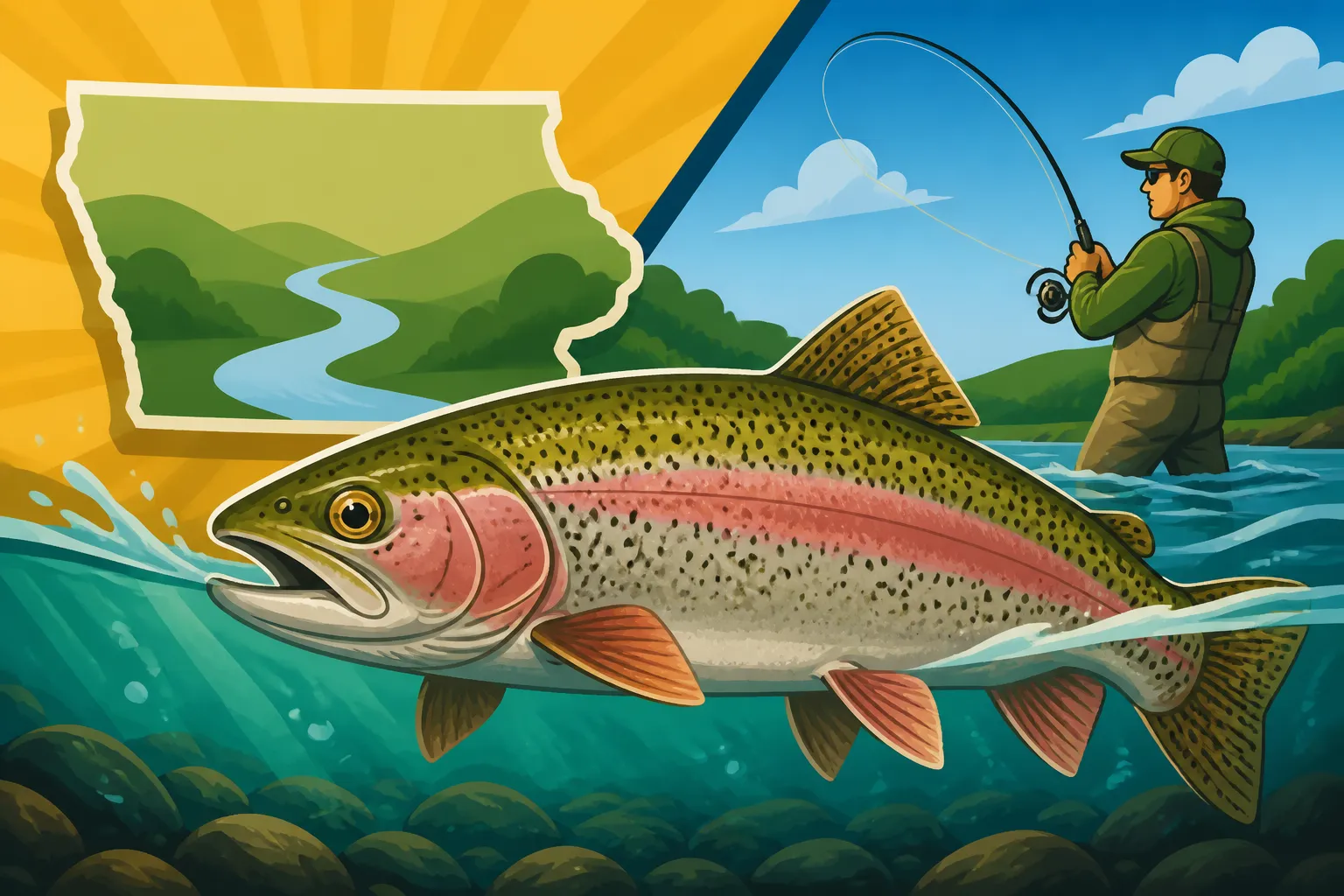
Most of the rainbow trout you'll encounter on a given day in an Iowa stocked stream will be in that 10-14 inch range. These are the fish that were stocked at a catchable size and haven't been in the stream for an extended period. They're strong, vibrant, and incredibly fun to catch, especially on light tackle. For a casual outing, catching several fish in this size class is a fantastic day. They're perfect for introducing kids to trout fishing, providing a consistent challenge, and are often the ones you'll take home for a delicious meal. Don't underestimate the fight in a 12-inch rainbow – they can leap and run with surprising power! It's this reliable size that makes Iowa's trout program so popular, providing a consistent reward for anglers. You can often find great deals on basic spinning gear perfect for these sizes on Amazon, making it easy to get started.
| Rainbow Trout Size Category | Typical Length (Inches) | Description |
|---|---|---|
| Recently Stocked | 10-12 | Healthy, robust fish, primary target size, put up a good fight. |
| Small Holdover | 12-14 | Fish that have survived a few weeks to months, showing some growth. |
| Medium Holdover | 14-16 | More elusive, have adapted to stream life, grown significantly beyond stocking. |
| Trophy/Large Holdover | 16+ | Rare, but present. True stream survivors that have found ample food and cover. |
The "Holdover" Phenomenon
This is where things get really exciting for dedicated anglers! While many stocked trout are caught shortly after release, some manage to evade anglers, predators, and environmental challenges. These fish are known as "holdovers." Over weeks, months, or even a full year or more, these holdover trout can grow significantly beyond their initial stocking size. With a steady diet of natural insects and baitfish, a 10-inch rainbow stocked in spring could easily be 14-16 inches by fall or the following spring. I've personally seen some absolute tanks come out of Iowa's supposedly "stocked" streams that looked and fought like wild fish. These holdovers are smarter, more wary, and often have richer coloration, resembling their wild cousins. They present a fantastic challenge and are a testament to the quality of Iowa's coldwater resources. Targeting holdovers often requires a bit more finesse and a deeper understanding of trout behavior. It's definitely worth checking out How Long Rainbow Trout Live in Stocked Waters to understand this phenomenon better.
Record-Breaking Opportunities
While Iowa isn't known for world-record rainbow trout, the possibility of catching a truly impressive fish from a stocked stream is definitely real. The state record for rainbow trout is a testament to what can happen when a fish finds optimal conditions and ample time to grow. For dedicated anglers, chasing a trophy-sized rainbow—say, one over 18 inches—becomes a thrilling quest. These larger fish are typically the oldest holdovers, wise to the ways of anglers, and require patience, skill, and sometimes a bit of luck to entice. While you're not likely to break a state record on every trip, knowing that those opportunities exist adds an extra layer of excitement to every cast. Focus on the best Trout Fishing Streams in Northeast Iowa if you're looking for these larger, more elusive fish.
Maximizing Your Chances for Bigger Trout
If your goal is to hook into one of those larger, elusive holdover rainbow trout in Iowa, you'll need to adapt your approach. They aren't going to jump on just any offering, and finding them requires a bit more strategic thinking.
Effective Techniques for Larger Fish
Trout that have been in the stream for a while become much more wary. They've seen countless PowerBait blobs and bright spinners. To catch bigger holdovers, you'll often need to scale down your presentation and be more subtle. Fly fishing is a fantastic option, utilizing realistic nymph patterns, emergers, or dry flies that mimic the natural insects in the stream. Consider trying patterns like those discussed in Best Fly Patterns for Iowa Trout Streams. For spin anglers, small, natural-looking lures like tiny inline spinners (think subtle colors like black, brown, or olive), very small jerkbaits, or even micro jigs tipped with a wax worm can be incredibly effective.
Presentation is key: cast upstream and allow your bait or lure to drift naturally downstream without any drag. Think about stealth; bigger trout spook easily. Wade carefully, keep a low profile, and avoid casting shadows over the water. Sometimes, simply using lighter line, like 4lb fluorocarbon, can make all the difference, as it's less visible in the clear water. Don't be afraid to experiment with different depths and retrieves until you find what triggers a bite.
Essential Gear for Targeting Bigger Trout
To successfully pursue those larger rainbow trout, having the right gear can certainly give you an edge. You don't need to break the bank, but investing in a few key items will pay dividends.
- Rod and Reel: A light to ultralight spinning rod (5-6 feet) paired with a small, smooth spinning reel (size 1000-2000) is ideal. This setup allows for precise casts with small lures and provides fantastic feel for subtle bites. For fly anglers, a 3- or 4-weight fly rod, about 7.5 to 9 feet long, is perfect for Iowa's smaller streams. You can find excellent quality setups on Amazon that won't empty your wallet.
- Line: As mentioned, lighter line is crucial. 4lb test monofilament or fluorocarbon is a great all-around choice. Fluorocarbon is less visible underwater and offers good abrasion resistance against rocks.
- Waders and Boots: If you're serious about accessing prime trout lies, waders are essential for navigating colder streams comfortably. Breathable waders with sturdy wading boots offer mobility and protection. Check out Best Waders for Iowa Trout Stream Fishing for more details.
- Net: A good quality, rubberized landing net is highly recommended. It protects the fish if you plan to release it and makes landing a lively trout much easier, especially if you're fishing alone. A rubberized net prevents scales and slime from being removed, which is crucial for fish health.
- Tackle Selection: Beyond the basic lures, consider carrying a variety of small jigs, soft plastics, and an assortment of split shot and small indicators if you're nymphing. A good tackle box or bag that keeps everything organized is key.
Remember, the goal isn't just to catch a fish, but to catch it responsibly, especially if you're hoping those big holdovers can continue to thrive.
Reading the Stream for Prime Locations
Bigger trout are generally smarter and more particular about where they live. They seek out areas that offer three things: food, cover, and favorable water conditions. Learning to "read the water" is perhaps the most important skill for finding them.
Look for classic trout lies:
- Deep Pools: Especially pools with submerged logs, rock piles, or undercut banks. These provide safety from predators and a place to rest out of the current.
- Current Seams: The edges where fast-moving water meets slower water. Trout will sit in the slower water, waiting for food to be carried past in the faster current.
- Riffles and Runs: Areas of broken water can oxygenate the water and dislodge insects, providing a conveyor belt of food. Trout will often position themselves at the head or tail of these sections.
- Overhanging Vegetation/Structure: Trees, bushes, or even bridges that cast shadows or provide overhead cover are often magnets for larger, more wary trout.
- Eddies and Backwaters: Pockets of slower water behind large rocks or bends in the stream can also hold feeding trout, especially if they have some depth.
Spend time observing the stream before you start casting. Watch for rises, look for potential holding spots, and think about how a fish would position itself to conserve energy while still having access to food. The more you understand these patterns, the better your chances of encountering one of those impressive holdover rainbow trout. Also, familiarize yourself with Trout Stream Regulations in Northeast Iowa to ensure you're fishing legally and responsibly.
Managing Expectations and Enjoying the Experience
While it's thrilling to chase after those bigger trout, it's also important to embrace the overall experience of fishing Iowa's beautiful trout streams. Not every day will yield a lunker, and that's perfectly okay.
The Thrill of the Catch, Regardless of Size
Let's be honest, any fish that bites and puts a bend in your rod is a victory. The majority of trout fishing in Iowa is about enjoying the serene beauty of the streams, the crisp air, and the satisfying feeling of a well-placed cast. A 10-inch rainbow trout caught on light tackle can provide just as much excitement and a memorable fight as a larger fish. These smaller, freshly stocked trout are perfect for practice, for honing your presentation skills, and for building confidence. They're also often more cooperative, making them ideal for kids or beginners. There's a profound joy in just being out on the water, connecting with nature, and feeling that distinct tug on the line, no matter the size of the fish attached to it. The focus shouldn't solely be on the biggest fish, but on the entire journey. You can gain more insight into this sport by reading Rainbow Trout Fishing in Iowa.
Conservation and Responsible Angling
Part of being a veteran lifestyle blogger for Iowa Fishing is emphasizing responsibility. As anglers, we have a vital role to play in conserving these precious resources. This means adhering to all Iowa Fishing Regulations Explained, including daily bag limits and any special regulations for specific trout streams. It also means practicing catch and release properly, especially for those larger holdover trout that you hope will continue to grow and provide sport for others.
Here are a few tips for responsible angling:
- Handle Fish Gently: If you plan to release a fish, minimize its time out of water.
- Wet Your Hands: Always wet your hands before handling a fish to protect its protective slime coat.
- Use Barbless Hooks: Crushing the barb on your hooks (or buying barbless ones from your local tackle shop or Amazon) makes it much easier to remove the hook with minimal damage to the fish.
- Proper Release: Hold the fish gently in the water, facing upstream, until it swims away under its own power. Don't just toss it back.
By taking these steps, we ensure that Iowa's trout streams remain vibrant and productive for generations of anglers to enjoy. Remember, the DNR does an amazing job with the Iowa Trout Fishing Fee and Stamp Guide and Iowa Fishing License Guide, but it's up to us to be good stewards of the environment. Every fish, big or small, deserves our respect and care.
Disclaimer
This article is for general informational purposes only and does not constitute professional advice. Laws, prices and regulations vary by location and change over time. Consult a qualified professional for guidance on your specific situation.