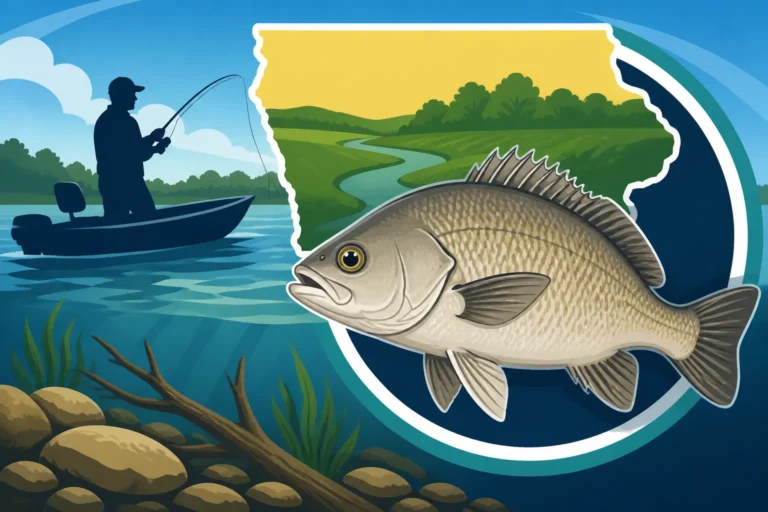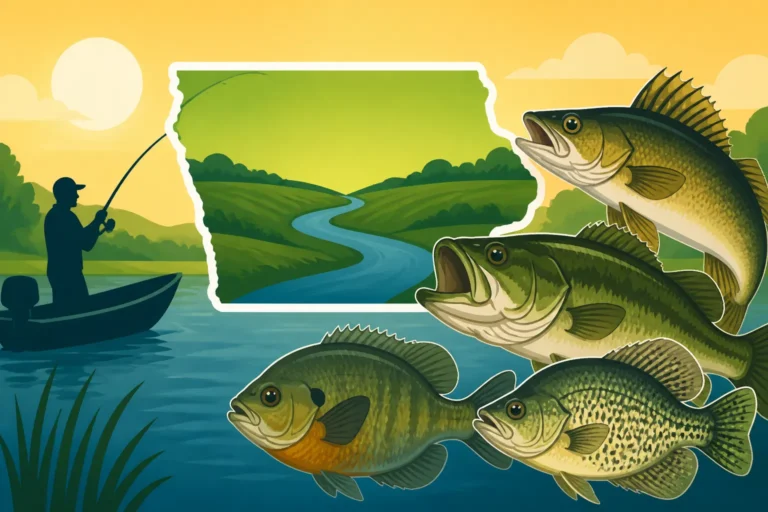
Black Crappie vs White Crappie in Iowa
One of the most common head-scratchers for Iowa anglers, especially those just getting into the wonderful world of panfishing, is telling the difference between a black crappie and a white crappie. You're out on the lake, you've landed a beautiful slab, and you think, "Okay, this is a crappie, but which one?" It's not just about bragging rights; knowing the subtle distinctions between these two popular species can significantly improve your fishing strategy, helping you pinpoint their preferred habitats and choose the right techniques to fill your livewell. This comprehensive guide is here to untangle the nuances, offering clear identification tips, diving into their unique behaviors, and arming you with the knowledge to confidently identify and successfully target both black and white crappie across Iowa's diverse waterways.
Understanding the Crappie Family in Iowa
Crappie are undeniably a beloved staple of Iowa fishing, bringing joy to countless anglers with their willingness to bite and their delicious table fare. But beneath the surface, there are two distinct species, each with its own quirks and preferences. Knowing these subtle differences is key to becoming a more effective and knowledgeable angler.
Why Distinguishing Crappie Matters
You might wonder, "Does it really matter if it's a black crappie or a white crappie? They both taste great!" And you're not wrong about the taste! However, understanding the specific species you're targeting can make a huge difference in your success rate. These two crappie, while similar in many ways, often prefer different types of cover, water conditions, and even react differently to certain presentations. Imagine you're spending hours fishing shallow, murky backwaters, only to find out the crappie you're really after prefer deeper, clearer water with submerged timber. That's a lot of wasted time and effort!
Beyond just fishing efficiency, being able to identify your catch contributes to a deeper understanding of the ecosystem you're enjoying. It allows you to appreciate the subtle ecological niches each species fills and helps you follow specific regulations that might pertain to certain areas or times of year. For instance, while general Crappie Daily Limit in Iowa often apply, certain specific lakes or rivers might have special rules based on the predominant crappie species present. Knowing what you've caught ensures you're always fishing within the rules and doing your part for conservation.
A Quick Look at Iowa's Crappie Population
Iowa is truly blessed with fantastic crappie fishing. From our vast reservoirs like Saylorville and Rathbun to countless smaller lakes, farm ponds, and even sections of the mighty Mississippi River, crappie populations are generally robust and provide excellent angling opportunities. Both black and white crappie are widespread throughout the state, often coexisting in the same bodies of water, which is part of what makes identification so interesting and sometimes challenging.
The Iowa Department of Natural Resources (DNR) actively manages these populations, conducting surveys, setting limits, and implementing stocking programs where needed. This dedication ensures that we continue to have healthy and thriving crappie fisheries for generations of anglers to enjoy. Whether you're a seasoned veteran or just starting your journey into Crappie Fishing in Iowa, you'll find plenty of opportunities to encounter both of these fantastic panfish. Understanding what makes each one tick is your next step to unlocking even more memorable days on the water.
Black Crappie: The "Stonewaller" of Iowa Waters
The black crappie, often affectionately called "paper mouth" by some (though that nickname is perhaps more fitting for its white cousin), is a formidable and beautiful fish. Known for its deeper body profile and often more pronounced spotting, it's a highly sought-after species by anglers throughout Iowa. If you're looking for a challenging but rewarding catch that often hangs out in some of the prettiest spots, the black crappie might just be your target.
Key Identification Features of Black Crappie
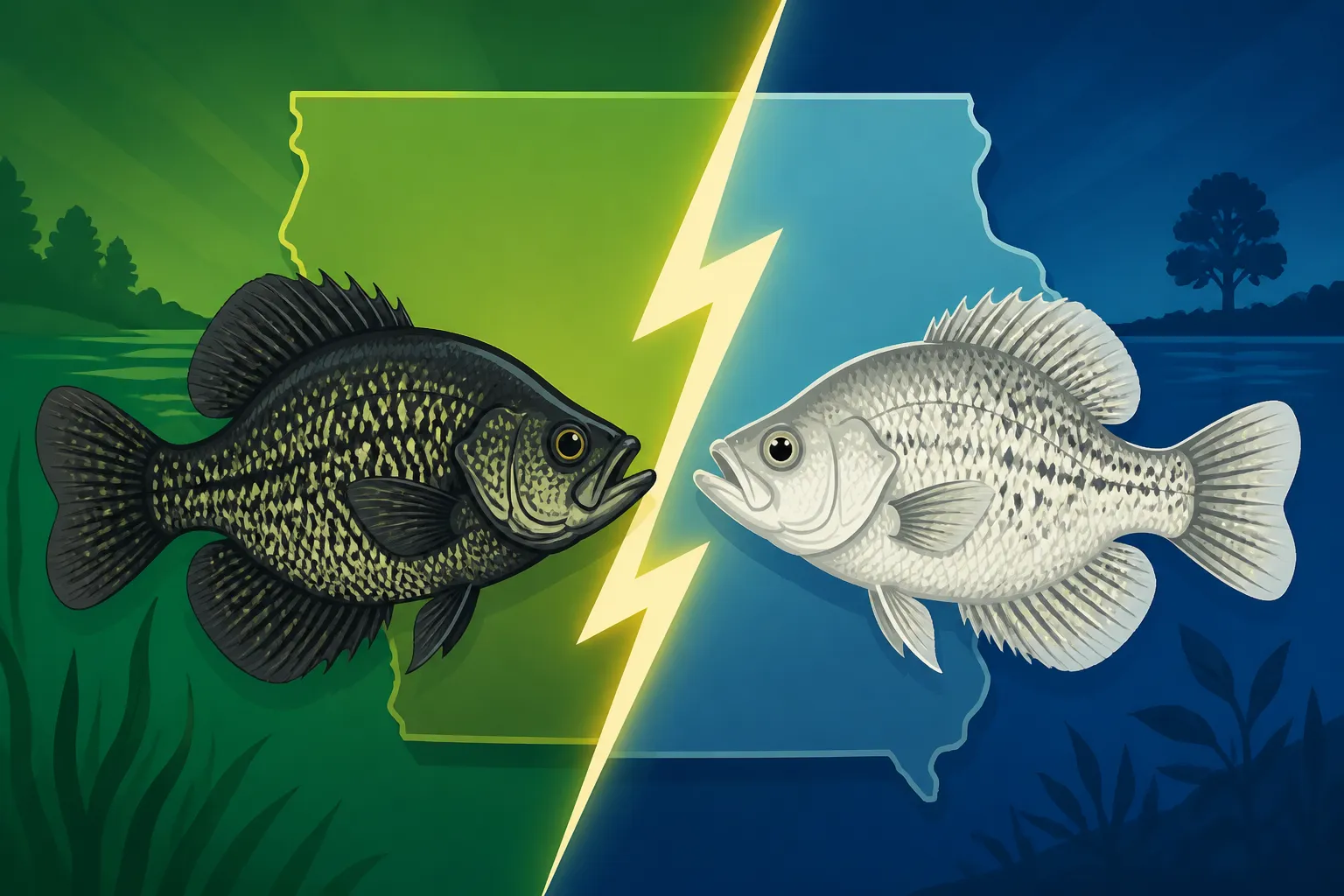
When you pull a crappie from the water, there are a few tell-tale signs that will quickly tell you if you've got a black crappie on your line. The most prominent feature to look for is the number of dorsal spines. Black crappie typically have 7 or 8 dorsal spines, which is a crucial differentiator from their white crappie cousins. These spines are the sharp, stiff rays at the front of the dorsal fin on their back. A quick, careful count can settle any debate.
Beyond the spines, black crappie also tend to have a deeper, more compressed body shape, making them look a bit more "round" or "disk-like" compared to the elongated white crappie. Their coloration is usually a mosaic of darker spots and blotches irregularly scattered over a silvery-olive background, often giving them a "peppered" appearance. These spots are usually more random and distinct, not arranged in vertical bars. Finally, their mouth usually appears a bit smaller, with the jaw not extending past the middle of the eye. A quick mental checklist of these features, from spine count to body shape and spotting, will help you accurately identify them almost every time. You might even consider bringing a laminated fish identification guide on your fishing trips, easily found on a platform like Amazon, to double-check in the moment.
Preferred Habitat and Behavior
Black crappie are often described as "stonewallers" because they have a preference for clearer, cooler water and abundant structure. You'll typically find them congregating around submerged timber, brush piles, rock piles, weed beds, and even man-made structures like bridge pilings and docks. They love to relate to cover that offers both ambush points for prey and protection from predators. If you're fishing a lake with good water clarity, focus your efforts on these types of areas.
Their behavior is often a bit more stationary than white crappie, especially when they've found a comfortable piece of cover. They tend to hold tight to structure, waiting for baitfish or insects to pass by. During the spawn, black crappie will move into shallower waters, usually in protected coves or bays with some sort of woody debris, but they quickly retreat to deeper haunts once the spawning ritual is complete. Understanding their preferred hangouts and general demeanor is half the battle when trying to entice a bite.
Fishing Tips for Black Crappie
Targeting black crappie successfully often means adopting a more precise, finesse-oriented approach. Because they tend to hold tight to cover in clearer water, subtle presentations are often key. Light tackle is almost always preferred, allowing you to feel those delicate bites. Think about a 4 to 6-pound test monofilament or fluorocarbon line on a sensitive spinning rod.
One of the most effective strategies is vertical jigging or slow-trolling small jigs right next to submerged brush or timber. Tiny tube jigs, hair jigs, or small plastic grubs in natural colors like black, brown, or olive, often tipped with a minnow or a crappie nibble, are deadly. During the spawn, when they move shallow, casting small jigs or bobber-fishing with live minnows near woody cover can be incredibly productive. Remember, they love structure, so don't be afraid to cast right into the thick stuff, just be prepared for snags! For finding these structure-rich spots, you might consider picking up a good fish finder; there are many excellent, portable options available on Amazon that can pinpoint those hidden brush piles where black crappie love to hide. How to Find Crappie Brush Piles can offer more guidance on this.
White Crappie: The "Paper Mouth" of Iowa Waters
The white crappie, true to its "paper mouth" moniker, is another fantastic panfish species that graces Iowa's waters. While it shares many similarities with its black crappie cousin, its distinct features, habitat preferences, and behavior make it a unique target for anglers. Often found in slightly different environments, mastering the art of catching white crappie can open up a whole new dimension to your fishing adventures.
Key Identification Features of White Crappie
When you're trying to figure out if you've landed a white crappie, the first thing you'll want to do is count those dorsal spines, just like with the black crappie. White crappie typically have 5 or 6 dorsal spines. This is the most reliable and straightforward way to distinguish them from black crappie. It's a quick count, and once you get the hang of it, you'll be able to tell the difference in a flash.
Beyond the spine count, white crappie usually have a more elongated, torpedo-shaped body compared to the deeper, more rounded black crappie. Their coloration is generally lighter, with silvery sides and distinct vertical bars or stripes running down their body. These bars are usually more organized and less blotchy than the random spots of a black crappie. Their mouth is also typically larger, with the jaw extending beyond the middle of the eye, sometimes even past the back edge of the eye, giving them that classic "paper mouth" look when you consider their delicate mouth structure. Knowing these visual cues will make you a confident crappie identifier in no time. If you're ever in doubt, having a copy of the Iowa fishing regulations booklet (which often includes illustrations of common fish species) can be a great backup, or refer to detailed online guides.
Preferred Habitat and Behavior
White crappie tend to be more tolerant of murkier, warmer, and slower-moving water compared to black crappie. This doesn't mean they exclusively live in muddy water, but they are generally more adaptable to varying conditions. You'll frequently find them in larger rivers, shallower reservoir sections, and areas with more turbid water. They still appreciate structure, but they might relate to it differently. Instead of always burying themselves deep within a brush pile, they might hold on the edges or suspend nearby.
Their behavior is often more nomadic than black crappie. White crappie are known to school up in large numbers and roam open water, especially when chasing schools of baitfish. They can be found suspending at various depths, often relating to creek channels, submerged humps, or old riverbeds in reservoirs. During the spawn, they'll also move into shallow cover, typically favoring areas with emergent vegetation or flooded timber. This roving nature means that if you find one white crappie, there's a good chance you've found a whole school!
Fishing Tips for White Crappie
Given their preference for slightly different habitats and their more nomadic behavior, targeting white crappie often requires a different approach. Because they frequently suspend or roam, trolling or spider rigging with multiple rods can be incredibly effective, allowing you to cover more water and find those actively feeding schools. Using small crankbaits, jigs under floats, or minnows can be very productive.
When they are concentrated around structure, however, methods similar to black crappie fishing work well, but you might find them a bit more aggressive. Small jigs (1/32 to 1/16 ounce) in bright colors like chartreuse, pink, or orange can attract attention in murkier water. Live minnows fished under a slip bobber are almost always a winner for white crappie, especially when you're trying to present bait at a specific depth where a school is suspending. Don't be afraid to experiment with retrieve speeds; sometimes a faster, more erratic retrieve can trigger a strike from a schooling white crappie. Consider a specialized crappie net for landing these fish, which you can easily purchase from a retailer like Amazon, as their "paper mouths" can tear easily. Many anglers also find success using specialized Crappie Jig Fishing Techniques for these plentiful fish.
Side-by-Side Comparison: Black vs. White Crappie
Alright, let's put it all together! Sometimes, seeing the differences laid out side-by-side makes all the distinction crystal clear. While both species offer fantastic angling experiences in Iowa, understanding their unique traits allows for more informed decisions on the water, whether you're choosing a fishing spot or a particular lure.
Visual Cues for Quick Identification
When you've got a crappie in hand, here's a quick rundown of the main visual identifiers to help you decide if it's black or white:
| Feature | Black Crappie | White Crappie |
|---|---|---|
| Dorsal Spines | 7 to 8 | 5 to 6 |
| Body Shape | Deeper, more compressed (disk-like, rounder) | More elongated, slender (torpedo-shaped) |
| Color/Markings | Darker, irregular spots/blotches (peppered look) | Lighter, distinct vertical bars/stripes |
| Mouth Size | Jaw typically doesn't extend past middle of eye | Jaw typically extends past middle of eye |
| Overall Feel | Often feels a bit "stockier" for its length | Often feels a bit more "fragile" due to mouth |
This table provides a handy checklist you can run through in your head or with a friend while you're out fishing. The dorsal spine count is truly the most definitive, but combining that with the body shape and pattern will give you a nearly foolproof way to tell them apart. It's like learning to distinguish different bird calls – at first, they all sound similar, but with practice, you start to pick out the subtle, consistent variations.
Habitat Differences and How They Impact Fishing
The distinct habitat preferences of black and white crappie are perhaps the most important factor for anglers to consider. This is where your pre-fishing homework or on-the-water observations really pay off.
-
Black Crappie (Clear Water Lovers): If you're on a lake known for clearer water, with lots of standing timber, deep brush piles, or prominent rock structures, you're likely in prime black crappie territory. They tend to stick tighter to this cover, often suspending within or just on the edges of the densest parts. This means your fishing approach should often be more precise: vertical jigging directly over or into cover, using lighter line and smaller baits to avoid spooking them in the clearer water. Focus on areas with good visibility and complex underwater structure. They also prefer cooler water temperatures.
-
White Crappie (Adaptable Roamers): Conversely, if you're on a larger reservoir with more turbid water, or targeting the slower backwaters of a big river, you'll likely encounter more white crappie. They are more comfortable in these conditions and often follow schools of baitfish in open water, suspending over submerged channels or humps. Your strategy here might shift to covering more water: trolling small crankbaits, spider rigging with multiple rods and minnows, or casting and retrieving jigs over broader areas. While they still use cover, they might not be as tightly glued to it as black crappie, often holding just off the edges or above it. They are more tolerant of warmer water.
Understanding these habitat distinctions is crucial. It’s the difference between blindly casting and purposefully targeting a high-percentage area. If you know Where Walleye Spawn in Iowa you're already thinking about habitat, apply that same critical thinking to crappie!
Behavioral Variations and Angling Approaches
Beyond habitat, there are subtle behavioral differences that can influence your success.
-
Black Crappie (Finesse and Patience): Black crappie are often perceived as a bit more finicky, especially in clear water. Their bites can be incredibly subtle – sometimes just a slight tick on the line or the feeling of extra weight. This demands sensitive rods, light line, and a patient, methodical approach. They tend to be ambush predators, waiting for prey to come to them. This means you might need to drop your bait right into their strike zone and let it sit or move it very slowly. Techniques like "tight-lining" or feeling for the weight of your bait are essential. Crappie Jig Fishing Techniques that focus on subtle movements and a slow retrieve are often ideal.
-
White Crappie (Aggression and Schooling): White crappie can be more aggressive, especially when they're actively schooling and feeding on baitfish. When you find a school of white crappie, the action can be fast and furious! They are often more willing to chase a moving bait or hit a jig with more conviction. Their tendency to roam and school means that if you're getting bites, you should work that area thoroughly, as there are likely many more fish around. Trolling or drifting can be very effective for finding these schools, and once found, you can often stay on them for extended periods. They might also be more forgiving of slightly heavier line or a slightly less subtle presentation in murkier water. When considering What Crappie Eat, remember that minnows are almost universally loved by both, but presentation varies.
By keeping these distinctions in mind, you can adapt your approach on the fly. If you're not catching fish using a black crappie strategy, consider switching to a white crappie approach, or vice-versa. This flexibility is what separates a good crappie angler from a truly great one.
Why Both Crappie Species Thrive in Iowa
Iowa might be known for its cornfields, but beneath the surface of our lakes and rivers, a thriving aquatic ecosystem supports a fantastic crappie fishery for both black and white species. Their continued abundance isn't accidental; it's a testament to the diversity of our waterways and dedicated conservation efforts.
The Role of Iowa's Diverse Waterways
Iowa's geography, though seemingly flat in parts, offers an incredible range of aquatic environments that perfectly suit both crappie species. We have vast impoundments and reservoirs like Rathbun Lake and Saylorville, which feature large expanses of open water, submerged creek channels, and varying degrees of turbidity. These types of waters are often ideal for the more adaptable and schooling white crappie, providing ample space for them to roam and chase baitfish, especially in areas like Rathbun Lake Crappie Hotspots.
Then, we have countless smaller natural lakes, oxbows, and sections of the Mississippi River with clearer backwaters, abundant natural woody cover, and deeper, cooler pockets. These are the havens where black crappie thrive, finding the precise conditions they need for ambush and spawning. Even within a single large lake, you might find different bays or arms that favor one species over the other, creating a mosaic of crappie habitats. This natural diversity is a huge reason why both Crappie Species Found in Iowa have found a comfortable home here.
Conservation Efforts and Healthy Populations
The continued health of Iowa's crappie populations is also a direct result of thoughtful management and conservation practices. The Iowa Department of Natural Resources (DNR) plays a crucial role in monitoring fish health, conducting surveys to assess population numbers and growth rates, and implementing stocking programs where beneficial. They regularly adjust Iowa Fishing Daily Bag Limits Guide and size restrictions to ensure sustainable fishing pressure, allowing crappie to reach maturity and reproduce successfully.
Anglers themselves are also a vital part of this conservation effort. By adhering to regulations, practicing responsible catch-and-release when appropriate, and reporting any suspicious activity, we all contribute to keeping our crappie fisheries robust. Investing in quality fishing gear, such as durable tackle boxes or advanced electronics for responsible fish finding from a reputable dealer like Amazon, can also help ensure you're fishing effectively and sustainably without over-harvesting. These combined efforts ensure that future generations can enjoy the thrill of reeling in both black and white crappie for years to come.
Maximizing Your Crappie Fishing Success
Understanding the nuances between black and white crappie isn't just academic; it's about putting more fish in your boat or on the bank. By internalizing these differences, you can significantly enhance your crappie fishing success across Iowa.
When you arrive at a new body of water, take a moment to assess the conditions. Is the water clear or murky? Is there abundant timber or more open, deeper water? Your answers should immediately start to guide your species prediction and, in turn, your fishing strategy. If you're encountering mostly black crappie, you'll know to stick to that tighter, more precise structure-oriented approach. If white crappie are the dominant catch, you can switch to covering more water, perhaps with a trolling presentation, to find those roaming schools. Remembering Best Bait for Spring Crappie or other seasonal tips is always important, but combining that with species-specific knowledge is even better. This adaptive thinking is key to becoming a truly versatile and consistently successful crappie angler.
By embracing this deeper understanding of black crappie vs. white crappie, you're not just fishing; you're engaging with the intricate natural world of Iowa. Each crappie you identify adds to your knowledge, making every trip a learning experience and every catch a testament to your growing expertise. So grab your gear, pay attention to the details, and get ready to enjoy some fantastic Iowa crappie fishing!
Disclaimer
This article is for general informational purposes only and does not constitute professional advice. Laws, prices and regulations vary by location and change over time. Consult a qualified professional for guidance on your specific situation.