Best Technique for Pre-Spawn Bass
That moment when the water temperature is teasing the higher 40s and low 50s, and you know the bass are starting to think about moving up, but they just aren't committing—it's a frustration every Iowa angler knows during the pre-spawn. They're fat, they're hungry, but they're still playing hard to get. This guide is all about cutting through that confusion, giving you the best techniques to consistently entice those big pre-spawn bass out of their cold-water hideouts and onto your line.
Understanding Pre-Spawn Bass Behavior in Iowa
Before you even think about casting, you've got to get inside a bass's head during the pre-spawn period. This isn't your typical aggressive summer bite or sluggish winter deep-water slog. Pre-spawn bass are in a transition phase, driven by warming water but still cautious and often lethargic, making them notoriously finicky. Understanding their habits is the first step to unlocking success.
The Timing and Water Temperature Sweet Spot
In Iowa, the pre-spawn period typically kicks off when ice leaves the lakes and reservoirs, and water temperatures begin their slow, steady climb. You're generally looking at surface temperatures in the range of 45 to 55 degrees Fahrenheit. Anything colder, and the bass are likely still in their deep wintering holes, conserving energy. Once it consistently hits the mid-40s, a few adventurous bass might start to scout shallow areas, especially north-facing banks that warm up faster due to direct sun exposure. The real magic, though, starts closer to that 50-degree mark, especially when you consider specific patterns like those discussed in Best Water Temperature for Spring Bass.
It's not a hard and fast rule, as local conditions can vary wildly. A sunny week can heat up a shallow bay quickly, while a cold snap can push bass back to deeper water for days. This constant flux means you need to be adaptable and observant. I've had days on Lake Rathbun where a 3-degree water temperature rise in a protected cove made all the difference between an empty livewell and a solid limit of fish. Keep an eye on weather forecasts and historical trends for your chosen lake, as knowing the typical Iowa Bass Season Opening Day can give you a good starting point.
Where Bass Hold During Pre-Spawn
During this transitional period, bass aren't usually in their shallow spawning beds yet, but they're also not in the absolute deepest parts of the lake. They're staged. Think about staging areas as midway points – places where they can quickly move shallow to feed or deep to seek refuge from cold fronts. These locations often include points, secondary ledges, channel swings, and submerged cover like brush piles or rock formations close to deeper water.
For largemouth bass, especially in many of Iowa's smaller lakes and farm ponds, they'll gravitate towards submerged timber, riprap, or weed lines on main lake points or in the mouths of larger coves. These areas provide both cover and access to deeper water. Smallmouth bass, more common in rocky reservoirs like Coralville or the Mississippi River, will often stack up on rocky main lake points, bluff ends, or even current breaks in river systems. Identifying these transitional zones is key. Without them, you're just casting into open water, hoping for a miracle, and that's no fun for anyone.
Why They're So Finicky
The finicky nature of pre-spawn bass can drive you absolutely mad. One day they're biting everything, the next they seem to have lockjaw. This is primarily due to fluctuating water temperatures and atmospheric pressure changes. Their metabolism is speeding up, but not consistently. They're starting to feed heavily to build energy reserves for the strenuous spawning process, but they're still easily spooked by sudden changes or presentations that are too fast or aggressive.
Imagine you're trying to warm up after being outside in the cold; you're not going to sprint a marathon, right? You'd take it easy. Bass are similar. A bright, sunny day might encourage them to move up and feed, while a sudden cold front will send them retreating to deeper, more stable temperatures. This makes How Weather Affects Bass Fishing a critical study point. The goal is often to present a meal that looks easy, requires minimal chase, and stays in their strike zone for an extended period, which leads us nicely into techniques.
Top Techniques for Targeting Pre-Spawn Bass
Now that we understand their mood swings, it's time to talk about how to get those pre-spawn bass to bite. The overarching theme for this period is often slow and deliberate. These aren't the bass you burn spinnerbaits for in summer. We're looking for subtle cues and methodical presentations.
Slow Presentations: Jigs and Jerkbaits
When bass are still a bit sluggish, slower presentations often reign supreme. Two of my absolute favorites for this are jigs and jerkbaits.
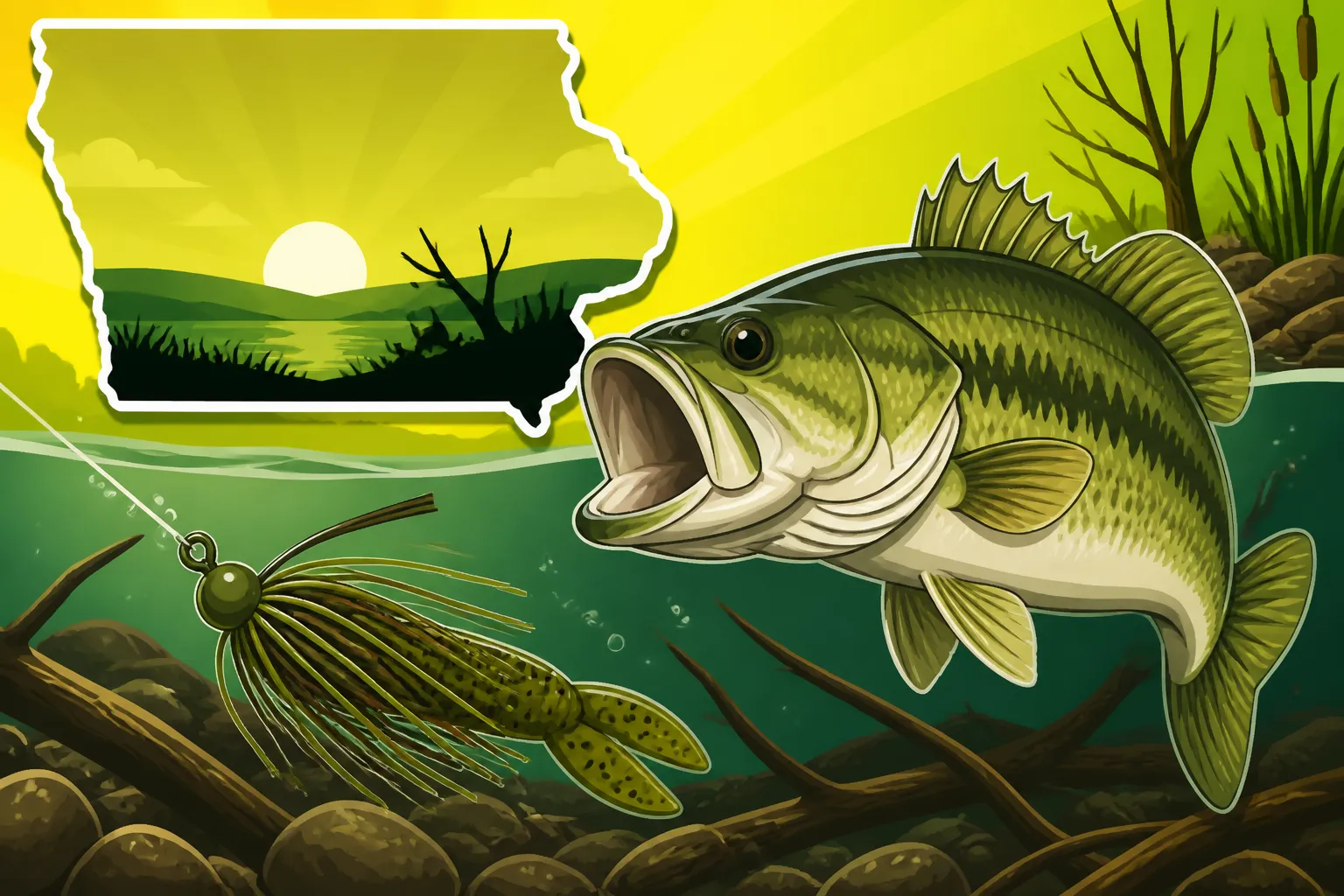
Jigs: A good old football or casting jig, often paired with a crawfish-imitating trailer, is an absolute killer for pre-spawn bass. These baits mimic crawfish, a primary food source for bass in early spring, and they allow for a slow, bottom-hugging presentation. The key is to work them excruciatingly slowly. Cast it out, let it sink to the bottom, and then subtly hop or drag it a few inches at a time, pausing frequently. Many of your bites will come on the pause as the jig settles. Pay close attention to your line for any slight twitch or unnatural movement – that's often a bass picking it up. Colors like black and blue, green pumpkin, or brown are consistently effective. You can find a huge selection of quality jigs and trailers on Amazon, perfect for stocking up before the season.
Jerkbaits: Hard plastic jerkbaits, especially suspending models, are another pre-spawn powerhouse, particularly when bass are suspended off structure or chasing baitfish. The beauty of a suspending jerkbait is that you can get it down to a certain depth, twitch it, and then let it just hang there in the water column, imitating a stunned or dying baitfish. This prolonged hang time can be irresistible to a cold, hesitant bass. Work them with a "twitch-twitch-pause" retrieve, with the pause lasting anywhere from 3 to 10 seconds, or even longer on colder days. Experiment with different pause lengths until you find what triggers a bite. For larger lakes like the Iowa Great Lakes, a jerkbait can be deadly around rocky points or submerged humps where baitfish might be congregating.
Crankbaits and Spinnerbaits for Active Fish
While slow is often the rule, there are definitely times when pre-spawn bass get a burst of energy and respond to more aggressive offerings. This is where crankbaits and spinnerbaits shine, especially on those warmer, post-front days when the water temperature is steadily climbing.
Crankbaits: Medium-diving crankbaits (those that run 8-12 feet deep) that mimic baitfish can be incredibly effective when bass are actively foraging along channel swings or secondary points. The key here is not necessarily burning them, but rather working them to deflect off submerged cover like rocks, stumps, or ledges. That sudden deflection often triggers a reaction strike from a wary bass. Colors that imitate shad or bluegill are excellent choices. Look for models with a tight wobble in colder water, as this often appears more natural to less active fish. For deeper staging areas, even a deep-diving crankbait can be effective, especially if you're trying to cover water quickly.
Spinnerbaits: A thumping spinnerbait, especially one with large Colorado or willow leaf blades, can be fantastic for covering water and eliciting reaction strikes, particularly in stained or muddy conditions. The flash and vibration can draw bass from surprisingly far away. Work them with a slow-roll retrieve, just fast enough to keep the blades turning and the bait ticking off the bottom or through cover. Pay attention to how the bass are biting; sometimes they want it slow, other times they want a slightly faster retrieve to chase. White, chartreuse, or combinations of these colors are consistently good in Iowa's diverse waters. When largemouth bass are lurking in flooded timber or near weed edges, a spinnerbait can navigate through cover effectively, making it a great tool for Largemouth Bass Fishing in Iowa.
Soft Plastics and Finesse Rigs
When all else fails, or when the bass are particularly pressured and shut down, turning to finesse tactics with soft plastics can be a game-changer. These baits offer incredibly natural presentations that can tempt even the most reluctant pre-spawn bass.
Wacky Rigs and Ned Rigs: These are two absolute staples for finesse fishing. A wacky rigged Senko-style bait, allowed to slowly flutter down, creates an enticing action that bass often can't resist. Cast it to likely holding areas, let it sink on a semi-slack line, and watch for that subtle line jump. The Ned Rig, a small mushroom-head jig paired with a short, buoyant soft plastic worm, is another incredible finesse tool. It stands straight up on the bottom, mimicking a foraging baitfish or crawfish, and can be deadly when dragged or hopped slowly. These rigs are fantastic for targeting bass that are tucked tight to cover or holding on subtle changes in bottom contour. Many anglers prefer to use lighter line and a spinning rod for these setups for maximum sensitivity.
Creature Baits and Worms: Texas-rigged creature baits or soft plastic worms are excellent for pitching into dense cover like brush piles, submerged trees, or thick weeds. The Texas rig is weedless, allowing you to get your bait into places where other lures would snag. Again, a slow, deliberate retrieve is key. Let the bait sink, then slowly drag or hop it, feeling for any subtle resistance or tap. For Smallmouth Bass Fishing in Iowa on the Mississippi River, a drop shot rig with a small worm or minnow imitation can also be devastating when fish are deep and suspended or hugging rocky bottom. Having a variety of soft plastic colors and shapes on hand, which you can easily order from Amazon, ensures you're ready for any condition.
| Pre-Spawn Bass Lure Guide | Ideal Conditions | Retrieve Style | Key Features |
|---|---|---|---|
| Jigs (Football/Casting) | Cold/Stained Water, Bottom | Slow hop, drag, pause | Mimics crawfish, good cover penetration |
| Suspending Jerkbaits | Clear Water, Suspended Bass | Twitch-twitch-pause (long pause) | Imitates dying baitfish, long hang time |
| Medium Crankbaits | Warmer Water, Cover | Steady retrieve with deflections | Triggers reaction strikes, covers water |
| Spinnerbaits | Stained/Muddy Water, Cover | Slow roll, varying speeds | Flash and vibration, weedless |
| Wacky Rigs (Senko) | Clear Water, Finicky Bass | Slow fall, subtle twitches | Natural flutter, enticing action |
| Ned Rigs | Ultra Finesse, Rocky Bottom | Drag, subtle hops, long pauses | Stands up on bottom, subtle profile |
Essential Gear for Pre-Spawn Bass Fishing
Having the right techniques is crucial, but you also need the right tools for the job. Pre-spawn fishing often calls for a blend of power and finesse, so your gear selection can make a real difference in landing those big, lethargic bass.
Rod and Reel Combinations
For pre-spawn bass, versatility is key. You'll likely want at least two rod and reel setups: one for heavier, power-fishing techniques and another for lighter, finesse presentations.
Power Fishing Setup: For throwing jigs, spinnerbaits, and crankbaits, a medium-heavy to heavy action casting rod, typically 6'6" to 7'4" in length, is ideal. This gives you the backbone needed to drive a hook into a bass's mouth and pull them out of cover. Pair this with a baitcasting reel with a gear ratio in the 6.1:1 to 7.1:1 range. A lower gear ratio (like 6.4:1) can be great for crankbaits, making it easier to slow down your retrieve, while a slightly faster one (7.1:1) is excellent for jigs and spinnerbaits for quickly taking up slack. For general purpose, a 7' medium-heavy rod is a fantastic option, often recommended in guides like Best Rod Length for Iowa River Walleye Fishing, which can be adapted for bass as well.
Finesse Fishing Setup: When you're using Ned rigs, wacky rigs, or small jerkbaits, a medium-light to medium action spinning rod, around 6'8" to 7'2" long, is paramount. Sensitivity is the name of the game here. Pair it with a high-quality spinning reel in the 2000-3000 size range. This setup allows for precise casting of lighter baits and superior feel for those subtle pre-spawn bites. A good quality spinning combo doesn't have to break the bank; many anglers find excellent options, even if they start with something like the Best Budget Spinning Combo for Panfish and adapt it for bass.
Line Selection for Different Baits
Your fishing line is the direct connection to the fish, and choosing the right type and pound test is critical for maximizing your chances.
Fluorocarbon: For jigs and jerkbaits, fluorocarbon line is often preferred. Its low stretch offers excellent sensitivity, helping you detect those light bites, and its near-invisibility underwater is a huge advantage in clear water conditions. For jigs, I'll typically use 12-17 lb fluorocarbon, while for jerkbaits, 8-12 lb is common. The added sensitivity helps you feel those subtle "thunks" or "ticks" when a bass inhales your bait.
Braided Line with Fluorocarbon Leader: For spinnerbaits or fishing around heavy cover, braided line, typically 30-50 lb test, is a fantastic choice due to its strength, durability, and lack of stretch. However, because braid is highly visible, I almost always tie on a fluorocarbon leader (10-20 lb test, depending on water clarity and cover) using a strong knot like an FG or Alberto knot. This gives you the best of both worlds: the power and casting distance of braid, combined with the invisibility and abrasion resistance of fluorocarbon at the business end.
Monofilament: While less common for dedicated pre-spawn bass tactics, monofilament line still has its place, especially for topwater baits later in the season (when the bass are more active) or certain crankbait applications where its stretch can be beneficial. For pre-spawn, its visibility and stretch often make it less ideal for sensing those subtle bites.
Must-Have Lures for Your Tackle Box
You don't need to empty your wallet, but having a well-rounded selection of pre-spawn specific lures is essential. When gathering your tackle, think about the different presentations we've discussed. You can find many of these items readily available on Amazon, making it easy to build your arsenal.
- Jigs: Several casting jigs (1/4 to 1/2 oz) in black/blue, green pumpkin, and brown, with matching craw trailers.
- Jerkbaits: A few suspending jerkbaits (3-5 inches) in shad, chrome, or clear finishes.
- Crankbaits: One or two medium-diving crankbaits in shad or bluegill patterns.
- Spinnerbaits: A couple of 3/8 to 1/2 oz spinnerbaits in white, chartreuse, or white/chartreuse combinations.
- Soft Plastics: A pack of Senko-style baits (5-inch) in green pumpkin or black/blue, some small Ned Rig worms, and a few creature baits for Texas rigging.
- Hooks and Weights: Appropriate EWG (Extra Wide Gap) hooks for Texas rigging, mushroom head jigs for Ned rigs, and various bullet weights (1/8 to 3/8 oz).
This selection gives you options for various water conditions, depths, and bass activity levels, ensuring you're ready to tackle the challenges of How to Catch Bass in Iowa during this tricky time of year.
Reading the Water and Weather for Pre-Spawn Success
Successfully targeting pre-spawn bass isn't just about the right bait; it's also about understanding the environment. The weather, water clarity, and specific structures all play a massive role in where bass will be and how they'll react. Ignoring these factors is like trying to navigate without a compass – you'll eventually get lost.
Impact of Cold Fronts and Pressure Changes
Few things shut down a pre-spawn bass bite faster than a sudden cold front. One day the bass are biting, the next they've vanished. This is a common frustration. A strong cold front usually brings with it clear skies, high barometric pressure, and dropping air temperatures, which in turn cools the shallow water the bass were just starting to explore. When this happens, bass will often retreat to the nearest deep water or dense cover, becoming lethargic and less willing to chase.
Your best bet during a post-front scenario is to slow down even more. Focus on the slowest presentations, like jigs or Ned rigs fished painstakingly slowly right on the bottom. Target deeper staging areas or thick cover that offers stability. Sometimes, waiting a day or two for the water temperatures to stabilize and for the bass to adjust is the best strategy. Conversely, a warm, stable period with low, steady pressure can activate bass significantly, making them more receptive to faster moving baits. For deeper insights into how weather patterns affect fish behavior, articles like How Water Temperature Affects the Walleye Bite can offer general principles applicable across species.
Identifying Key Structure and Cover
Bass are drawn to structure and cover like magnets, especially during pre-spawn when they're looking for both feeding opportunities and protection. Structure refers to changes in the bottom contour, like points, ledges, humps, or channel swings. Cover refers to physical objects like submerged timber, rocks, brush piles, or docks.
During pre-spawn, focus on the "transition zones" where deeper structure meets shallower water. Main lake points that extend into deep water are classic spots, as are secondary points inside larger coves. Look for any kind of submerged wood – brush piles, standing timber, fallen trees – as these offer excellent ambush points and protection. Rocky bottoms or riprap banks, especially those that absorb and radiate heat, can also be hotspots for Smallmouth Bass Fishing in Iowa as they provide shelter and attract baitfish. Don't overlook old roadbeds or submerged foundations if you have access to good mapping. These often act as highways for bass moving between wintering and spawning grounds. The Iowa DNR's fishing atlas can provide insights into potential access points and contours, helping you find these sweet spots.
Water Clarity and Color Considerations
Water clarity plays a huge role in lure selection and presentation speed. In Iowa, water conditions can range from crystal clear in some smaller ponds to heavily stained or muddy in river systems or after significant rain events.
Clear Water: In clear water, bass rely heavily on their eyesight, so natural colors and subtle presentations are often most effective. Fluorocarbon line is a must, and baits in natural shad, green pumpkin, or brown tones are preferred. Finesse techniques like wacky rigs, Ned rigs, and suspending jerkbaits excel here because they look incredibly realistic. Any unnatural movement or bright, obnoxious colors can easily spook cautious bass.
Stained or Muddy Water: When the water is stained or muddy, bass rely more on their lateral line (to detect vibrations) and their sense of smell. This is when you can get away with brighter colors and more aggressive presentations. Chartreuse, white, and black/blue jigs and spinnerbaits create a strong visual contrast and plenty of vibration. Scented soft plastics can also be a huge advantage. You might need to upsize your baits slightly to create more displacement and make them easier for bass to find. Don't be afraid to experiment with brighter hues, as the guide on Best Lure Color for Muddy Water would suggest. Remember, in darker water, it's about making your presence known without being overly aggressive.
By meticulously understanding these environmental factors and pairing them with the right techniques, you'll dramatically increase your odds of catching those hard-to-find pre-spawn bass in Iowa. It's a challenging time, but incredibly rewarding when you crack the code.
Disclaimer
The information provided in this guide is for general informational purposes only. Fishing regulations, season dates, and license requirements can change. Always consult the most current Iowa Department of Natural Resources (DNR) regulations before heading out to fish. Adherence to all local and state laws is your responsibility.