How Big Walleye Get in Iowa
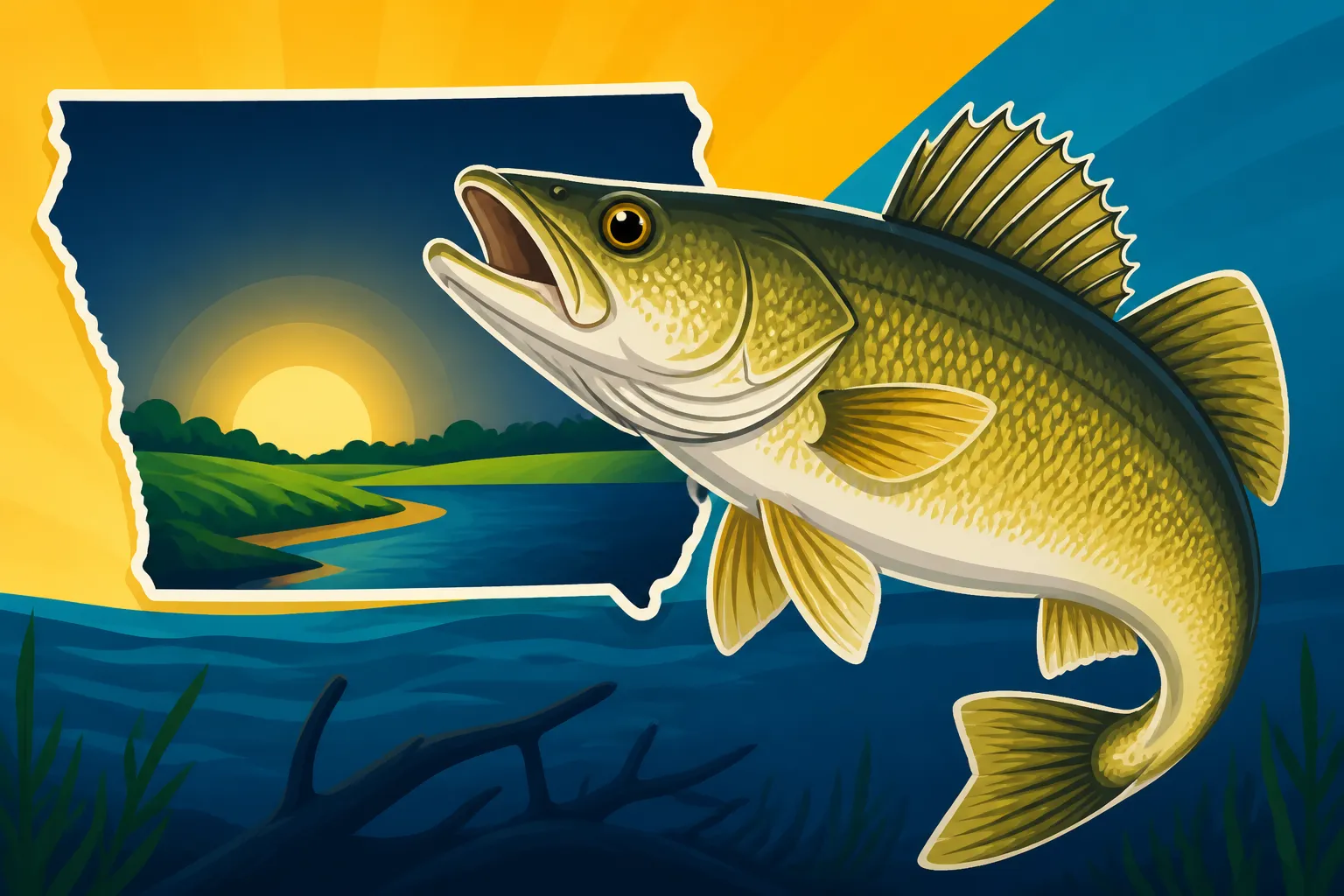
It's a question that echoes across Iowa's lakes and rivers: just how big do walleye really get around here? Every angler dreams of reeling in that monster fish, the kind that makes your heart pound and gives you bragging rights for years. But the reality of what's common versus what's truly exceptional can sometimes be a bit of a mystery, leading to a lot of speculation and occasional disappointment. This guide is here to cut through the chatter and give you a realistic picture of walleye size in Iowa, from the average dinner plate-sized fish to those legendary giants that only show up when conditions are just right.
What Defines a "Big" Walleye in Iowa?
When we talk about walleye, "big" can be a subjective term. What might be a trophy for one angler, perhaps a newcomer to the sport, could be just another good catch for a seasoned veteran who spends every weekend on the water. However, there are some generally accepted benchmarks that help us categorize walleye sizes here in the Hawkeye State.
The Typical Iowa Walleye: A Baseline
For most recreational anglers in Iowa, a typical walleye catch will fall somewhere in the 15 to 20-inch range. These are your bread-and-butter fish, the ones that are fun to catch, offer a good fight on light to medium tackle, and make for an absolutely delicious meal. You'll find plenty of these fish in most of Iowa's productive walleye waters, from smaller community lakes to the vast stretches of the Mississippi River. They represent the healthy, reproducing backbone of our walleye populations.
These average-sized walleye are usually a few years old, having successfully navigated their early life stages. Their size is a testament to the lake or river's ability to support a good population, providing enough forage and suitable habitat for them to grow. While they might not be headline-grabbing, they offer consistent action and are often what anglers are aiming for when filling their stringers for a family fish fry.
Catching these consistently sized fish means the ecosystem is in balance. If you're new to walleye fishing, these are the fish you'll likely encounter most often. Don't underestimate the joy of landing a feisty 18-incher; it's a solid catch that signifies a successful outing. Many anglers, myself included, find immense satisfaction in simply getting out there and catching a good number of these healthy, active fish.
Stepping Up to "Good-Sized" Walleye
Now, when you start hearing anglers talk about a "good-sized" walleye, they're often referring to fish in the 20 to 24-inch class. These are the ones that take a little more effort to find, often requiring a bit more skill, a better understanding of walleye behavior, or fishing in specific locations known for producing slightly larger specimens. A walleye in this range already has a bit of girth to it, feels substantial on the line, and truly begins to embody the predatory nature of the species.
These fish are older and wiser, having survived more fishing pressure and evaded more predators. They've likely figured out prime feeding times and locations, making them more challenging to entice. Landing a walleye over 20 inches feels like a real accomplishment. It's the kind of fish that puts a deeper bend in your rod and makes you wonder if you've hooked into something truly special.
When you consistently start catching walleye in this size class, you know you're doing something right. It means you're either on a highly productive body of water, employing advanced techniques, or both. These "good-sized" walleye are often what motivates anglers to upgrade their gear, maybe investing in a more sensitive rod or a specialized fish finder available on Amazon to better locate those deeper structures where these larger fish tend to lurk. They represent the stepping stone towards the truly exceptional catches.
The Elusive Iowa Trophy Walleye
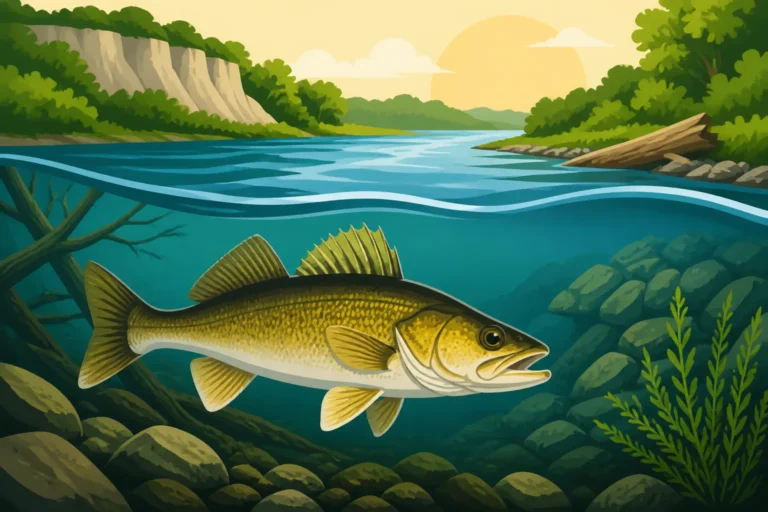
Ah, the Iowa trophy walleye – the stuff of legends and the goal of many dedicated anglers. In Iowa, a walleye is generally considered a true "trophy" when it breaks the 25-inch mark, with many serious anglers looking for fish closer to 28 inches or even larger. In terms of weight, a walleye over 8 pounds is certainly in trophy territory, and anything pushing double-digits (10 pounds or more) is exceptionally rare and represents a lifelong memory. Trophy Walleye Size in Iowa
Catching one of these giants is not an everyday occurrence; it's often the culmination of years of effort, precise technique, and a healthy dose of luck. These fish are usually quite old, having reached a mature age where they've had ample time to grow to impressive proportions. They are smart, elusive, and require particular conditions and presentations to fool. The battle they put up is unforgettable, testing both your tackle and your resolve.
While the state record for walleye is considerably larger than the typical trophy, those fish are truly once-in-a-lifetime catches. For most of us, landing a 26 or 27-inch walleye feels like winning the lottery. It's a testament to the health of Iowa's fisheries and the potential that exists in our waters. Many anglers practice catch-and-release with these larger, older fish, understanding their value as spawners and as part of the genetic pool that will produce future generations of big walleye.
Here’s a rough breakdown of walleye sizes you might encounter in Iowa:
| Category | Length Range (inches) | Weight Range (pounds) | Typical Age (years) | Notes |
|---|---|---|---|---|
| Typical/Average | 15 – 20 | 1 – 3 | 2 – 5 | Most common catch, good eating size. |
| Good-Sized | 20 – 24 | 3 – 6 | 5 – 8 | Solid fish, takes more effort, great fight. |
| Trophy | 25+ | 8+ | 8 – 15+ | Rare, challenging to catch, often released to ensure future spawners. |
| Exceptional | 28+ | 10+ | 10 – 20+ | True giants, very few caught each year, often record contenders. |
The Lifespan and Growth Factors for Iowa Walleye
Walleye growth isn't just about how much they eat; it's a complex interplay of environmental factors, genetics, and even the management practices in place. Understanding these elements can help you appreciate why some waters produce bigger fish than others, and what it takes for a walleye to reach truly impressive sizes.
How Long Do Walleye Live in Iowa Waters?
The lifespan of a walleye in Iowa can vary significantly depending on the specific water body, but generally, they can live anywhere from 8 to 15 years, with some exceptional individuals surviving into their late teens or even early twenties. Just like in humans, a longer life often translates to a larger size, assuming they have access to adequate food and a healthy environment. A 28-inch walleye you reel in today has likely been swimming in that lake or river for a decade or more, making its survival and growth all the more remarkable. How Long Walleye Live
Factors such as water temperature, food availability, predation pressure, and fishing mortality all play a role in a walleye's longevity. In waters with high fishing pressure or abundant natural predators, walleye might have a shorter average lifespan. Conversely, in well-managed lakes with plenty of forage and less pressure, they have a better chance of living longer and, consequently, growing larger. It’s a delicate balance that contributes to the overall health and size potential of the walleye population.
Think of it this way: a walleye in a stable, food-rich environment with moderate fishing pressure has a much better shot at reaching a ripe old age and a substantial size. These older, larger fish are not only fantastic to catch but are also vital for the population, as they are often the most prolific spawners, contributing to the next generation of walleye. That’s why many anglers make the conscious decision to release those truly big walleye, giving them a chance to continue their important work.
Key Environmental Influences on Growth
Walleye are opportunistic predators, and their growth rate is heavily tied to the availability and quality of their food sources. Waters that boast a healthy population of baitfish like gizzard shad, yellow perch, ciscoes, or even abundant panfish species like bluegill and crappie, tend to produce larger, faster-growing walleye. If a walleye has to expend a lot of energy searching for scarce food, it won't grow as quickly or as large as one that lives in a literal smorgasbord.
Water temperature also plays a crucial role. Walleye are cool-water fish, and they thrive and grow most efficiently within a specific temperature range. When water temperatures are optimal, their metabolism is high, and they feed aggressively, converting that food into growth. Conversely, during extreme heat or bitter cold, their metabolism slows, and growth can either stall or even reverse as they burn more calories than they consume just to survive. Good water quality, including adequate oxygen levels and minimal pollution, also contributes significantly to overall fish health and growth potential.
Beyond just food and temperature, the physical habitat of a lake or river provides essential elements for growth. Abundant submerged structure, rock piles, weed beds, and current breaks offer ambush points for walleye to hunt, as well as protection from predators. Lakes with diverse structures and depths often hold more consistent populations of larger walleye because they provide everything a walleye needs to grow from a tiny fry into a formidable predator.
Genetic Potential and Stocking Programs
It might sound strange, but even fish have genetic predispositions that can influence how large they get. Just like some people are naturally taller, some walleye strains might have a genetic makeup that allows them to grow faster or larger than others, even under similar environmental conditions. While it's not something anglers directly control, it's a fascinating aspect of fish biology that contributes to the overall potential size of a population.
Iowa's extensive walleye stocking programs play a critical role in shaping the size potential of our fisheries. The Iowa Department of Natural Resources (DNR) works tirelessly to raise and release walleye fry and fingerlings into various lakes and rivers across the state. These stocking efforts not only maintain healthy populations where natural reproduction might be limited but can also introduce genetics that help bolster the overall growth potential of the fish in those waters. For instance, specific strains might be chosen for their resilience or growth rates in certain environments.
The success of these stocking programs, combined with regulations like Iowa Fishing Daily Bag Limits Guide, directly impacts the number and size of walleye available to anglers. By carefully managing populations through stocking and harvest limits, the state helps ensure that enough walleye survive to reach larger sizes, giving everyone a shot at that elusive trophy. It's a continuous effort to create and maintain thriving walleye fisheries for current and future generations of Iowa anglers.
Where Iowa's Biggest Walleye Are Found (and Why)
While walleye can be found in many Iowa waters, certain lakes and river systems have earned reputations for consistently producing larger, even trophy-sized, walleye. Understanding why these spots are so productive can greatly improve your chances of hooking into that fish of a lifetime.
Lakes Renowned for Larger Walleye Populations
When you talk about big walleye in Iowa, a few names immediately come to mind. The Iowa Great Lakes, particularly West Okoboji and Spirit Lake, are legendary. These deep, clear natural lakes offer cold, oxygen-rich water and a rich forage base, including yellow perch and ciscoes, which are highly nutritious for growing walleye. The abundant deep-water structure, sharp breaks, and extensive weed lines in these lakes provide ideal ambush points and protective cover for big walleye. Fishing these lakes often requires specific tactics and a good understanding of deep-water presentations. Fishing the Iowa Great Lakes
Clear Lake in North Central Iowa is another perennial favorite, especially for walleye. While not as deep as the Great Lakes, its immense productivity and strong walleye population regularly kick out impressive fish. It's known for its abundant gizzard shad, a high-energy food source that fuels rapid walleye growth. Similarly, Rathbun Lake in Southern Iowa, often called "Iowa's Ocean," is a large reservoir that produces a fantastic number of walleye, many reaching good sizes due to its vast open water and plentiful baitfish. These lakes aren't just about quantity; they have the quality to grow substantial walleye year after year.
These specific lakes aren't just good because they're big; they're managed intensively, and their ecosystems are particularly well-suited for walleye. The combination of ample food, suitable habitat, and strong management efforts creates an environment where walleye can truly thrive and grow to their maximum potential. The challenge for anglers is often figuring out the unique patterns and presentations that work best in these diverse waters.
River Systems and Trophy Walleye Opportunities
Don't count out Iowa's river systems when it comes to trophy walleye. The Mississippi River, forming Iowa's eastern border, is an absolute powerhouse for walleye fishing. Its vastness, diverse habitats like wing dams, deep navigation channels, side channels, and expansive backwaters, provide an incredibly complex and productive environment. The constant flow of the river, coupled with its immense forage base, allows walleye to grow large and strong. Finding the productive spots often involves understanding current breaks and structure. Where Walleye Live in Iowa Rivers
Other major river systems, such as the Des Moines River and the Missouri River (on Iowa's western border), also hold significant walleye populations, with the potential for trophy catches. River walleye often exhibit slightly different behaviors than their lake counterparts, tending to be leaner and incredibly powerful due to constantly fighting currents. They often follow seasonal movements based on water levels and baitfish migration, requiring anglers to adapt their strategies throughout the year.
Fishing river systems for big walleye demands a different approach. You might be targeting current seams, eddy lines behind wing dams, or deep holes where fish stack up. Heavy jigs, crankbaits, or even substantial live bait rigs are often the ticket. Boats equipped with powerful trolling motors and reliable anchors (some excellent options found on Amazon for securing in current) are essential for holding your position in the flow. The reward, however, is often a hard-fighting, larger walleye that has honed its predatory skills in a challenging environment.
The Impact of Fishing Pressure and Regulations
Fishing pressure is an undeniable factor that influences the average size of fish in any given water body. If a lake or river experiences extremely high fishing pressure, especially from anglers who keep every legal fish, it can potentially reduce the number of older, larger walleye in the population. It simply means fewer fish survive long enough to reach those trophy sizes. However, Iowa's regulations are designed to help mitigate this.
The Iowa DNR employs various management strategies, including length limits and daily bag limits, to protect walleye populations and allow more fish to grow to larger sizes. For example, some lakes might have "slot limits," where fish within a certain size range must be immediately released. This protects both the young, immature fish and the large, important spawners, allowing them to continue growing and reproducing. These rules are crucial for maintaining a healthy age structure in the walleye population. Iowa Fishing Regulations Explained
Angler behavior also plays a massive role. The growing trend of "catch and release," especially for those truly big walleye, is incredibly beneficial. When a 28-inch female walleye is released, she can go on to spawn many more times, contributing hundreds of thousands of eggs to future generations. By letting those big ones go, we're investing in the future of Iowa's walleye fisheries, increasing the chances that someone else, or even ourselves, might catch an even larger fish down the line.
Strategies for Increasing Your Chances at a Big Iowa Walleye
Chasing big walleye isn't just about luck; it's about smart strategy, persistence, and a willingness to adapt. If you're serious about landing a truly impressive Iowa walleye, there are definite steps you can take to tilt the odds in your favor.
Targeting Larger Fish with Specific Baits and Techniques
One of the most fundamental shifts you need to make when targeting larger walleye is to think big with your baits. While smaller jigs and worms will catch plenty of average-sized fish, trophy walleye often prefer a more substantial meal. This means moving up to larger crankbaits, bigger swimbaits, heavier jigging spoons, or using a full-sized shiner or creek chub on a slip bobber or live bait rig. Big baits imitate the larger forage fish that trophy walleye prefer, and they also tend to deter smaller, less desirable fish.
Technique also becomes critical. Trolling large crankbaits over deep structure, precisely jigging heavy spoons on specific contours, or slow-trolling substantial live bait rigs requires practice and patience. You'll often be working slower, more deliberately, and focusing on fewer, but potentially larger, bites. Consider researching specialized lures and tackle, many of which can be conveniently found and reviewed on Amazon, to give yourself an edge. How to Catch Walleye in Iowa
It’s also about fishing with confidence. If you're presenting a big bait in a proven big-fish area, you have to believe that the bite will come. Those big walleye didn't get big by being reckless; they're often more wary and require a near-perfect presentation to strike. Don't be afraid to experiment with retrieve speeds, pauses, and different depths until you find what triggers a reaction strike from these older, more experienced fish.
Understanding Structure and Seasonal Movements
Big walleye are creatures of habit and prefer specific types of structure. In lakes, this might mean deep humps, main lake points, sharp breaks leading to deep water, or the outer edges of extensive weed beds. In rivers, look for current breaks created by wing dams, bridge pilings, deep holes, or the mouths of feeder creeks. These spots offer ambush points, protection, and proximity to forage. Learning to read your electronics is paramount here; a good fish finder, perhaps one you've researched and purchased from Amazon, will help you identify these key structures and mark baitfish or even individual walleye. How to Read a Fish Finder for Walleye
Seasonal movements are another huge piece of the puzzle. Walleye behave differently in spring, summer, fall, and winter. In spring, they're often shallower for spawning or feeding aggressively on post-spawn baitfish. As summer heat arrives, they'll retreat to deeper, cooler water. Fall often brings a "feeding frenzy" as they bulk up for winter, and winter means finding them concentrated in deep holes or under the ice. Knowing these patterns means you're not just fishing, you're hunting based on their predictable behaviors. Best Month to Catch Walleye in Iowa
Understanding the spawn is particularly important. While the exact timing can vary, knowing when and where walleye are congregating for reproduction can offer prime opportunities for larger fish. However, it’s always important to respect closed seasons or regulations during these vulnerable times. Patience and persistence in following these seasonal and structural patterns are key ingredients to consistently hooking into bigger walleye.
Patience, Persistence, and Proper Handling
Let's be realistic: landing a truly big walleye in Iowa isn't an everyday occurrence for most of us. It requires immense patience and persistence. You might spend hours, or even entire days, without a bite, only to have that one glorious strike that makes all the waiting worthwhile. The mental game of walleye fishing, especially for big ones, is often as challenging as the technical aspects. Don't get discouraged by slow fishing; big fish are inherently less numerous and harder to find.
When that big walleye finally hits, knowing how to handle it properly is crucial, both for landing it and for its survival if you plan to release it. Use a stout rod that can absorb the shock of powerful runs and a net with a rubberized mesh (to protect fins and slime coat). Once landed, if you're releasing it, handle it minimally. Support its belly, avoid gripping it by the gills, and get it back into the water quickly. A quick photo is fine, but prioritize the fish's health.
Practicing careful catch and release, especially with those larger, older breeding fish, is the ultimate gesture of respect for the fishery. It ensures that the genetic potential for big walleye remains strong in Iowa's waters and that future generations of anglers will also have the chance to experience the thrill of a truly massive walleye. Your responsible angling today directly contributes to the size of walleye in Iowa tomorrow.
Disclaimer
This article is for general informational purposes only and does not constitute professional advice. Laws, prices and regulations vary by location and change over time. Consult a qualified professional for guidance on your specific situation.