West Okoboji Lake Fishing Guide
Oh, West Okoboji Lake! If you've ever dreamt of battling a trophy smallmouth bass or reeling in a hefty walleye, only to feel overwhelmed by the sheer size and depth of this magnificent Iowa gem, you're not alone. Its clear, cold waters are legendary, but they can also be intimidating. This comprehensive guide is here to break down the mysteries of West O, helping you unlock its incredible fishing potential and make your next trip a resounding success.
Unveiling West Okoboji Lake's Angling Allure
West Okoboji isn't just another lake; it's a spectacle, a natural wonder, and a mecca for Iowa anglers. Located in Dickinson County, it's one of the few natural lakes in the state, carved by glaciers and boasting depths that feel more at home in Minnesota or Wisconsin. Many anglers feel a mix of excitement and trepidation when approaching West O – excitement for the incredible fishing opportunities, and trepidation because its unique characteristics demand a different approach than many other Iowa waters.
The Deep Blue Gem of the Iowa Great Lakes
What sets West Okoboji apart from its neighboring lakes in the Iowa Great Lakes chain is its remarkable depth. Plunging over 130 feet in some areas, it’s one of the deepest natural lakes not just in Iowa, but throughout the Midwest. This depth creates a thriving cold-water fishery, making it a prime habitat for species that prefer cooler temperatures, even through the height of summer. The water clarity is also exceptional, often allowing you to see your lure many feet below the surface. This crystal-clear water, while beautiful, can also make fish more wary, requiring subtle presentations and lighter lines, especially on bright, sunny days. It’s a challenge, but one that rewards patience and skill with truly memorable catches.
Why West O is a Trophy Fisher's Dream
For many seasoned anglers, West Okoboji is synonymous with "trophy fish." While other lakes might offer consistent action for smaller panfish, West O has a reputation for producing truly massive specimens of certain species. We're talking about walleye that push into the double digits, smallmouth bass that fight like fish twice their size, and northern pike that can stretch well over 30 inches. The abundance of forage, combined with the deep, oxygen-rich waters, allows these fish to grow large and healthy. However, catching these giants isn't always easy. They are often less numerous than their smaller counterparts, and their clear-water environment means they are finely tuned to their surroundings. This is where strategic planning, understanding fish behavior, and sometimes, a little help from platforms like FishingBooker to find experienced local guides, can really make a difference. The pursuit of these elusive trophies is what keeps anglers coming back, year after year, to test their skills against West Okoboji's formidable residents.
Popular Fish Species to Target in West Okoboji
West Okoboji is a diverse fishery, offering a range of species to pursue, each with its own quirks and challenges. Knowing what to target and when can significantly improve your success. This lake caters to different angling preferences, from those who love a good fight to those seeking a tasty dinner.
Walleye: The Elusive Golden Catch
Ah, the walleye. The undisputed king of the dinner table and a challenging quarry for any angler. In West Okoboji, walleye are present in good numbers and can grow to impressive sizes, with 20-inch fish being common and true giants always a possibility. Their preference for deeper, cooler water makes West O an ideal home for them. During the day, especially in summer, you'll often find them lurking near deep structure – ledges, humps, and submerged points. As evening approaches, they tend to move shallower, cruising along weed lines or rocky flats to feed. Patience is key when targeting these fish; they can be finicky eaters, often just "thumping" your bait rather than aggressively striking. Many local experts consider West Okoboji one of the premier spots for Walleye Fishing in Iowa.
Smallmouth Bass: Pound-for-Pound Fighters
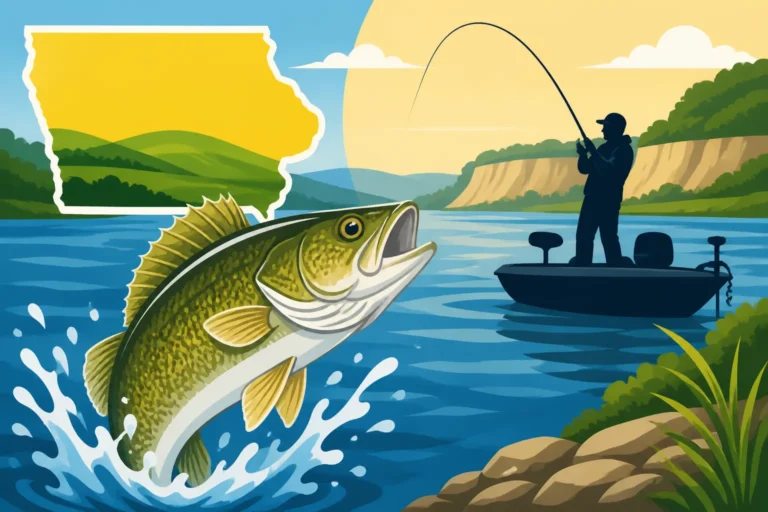
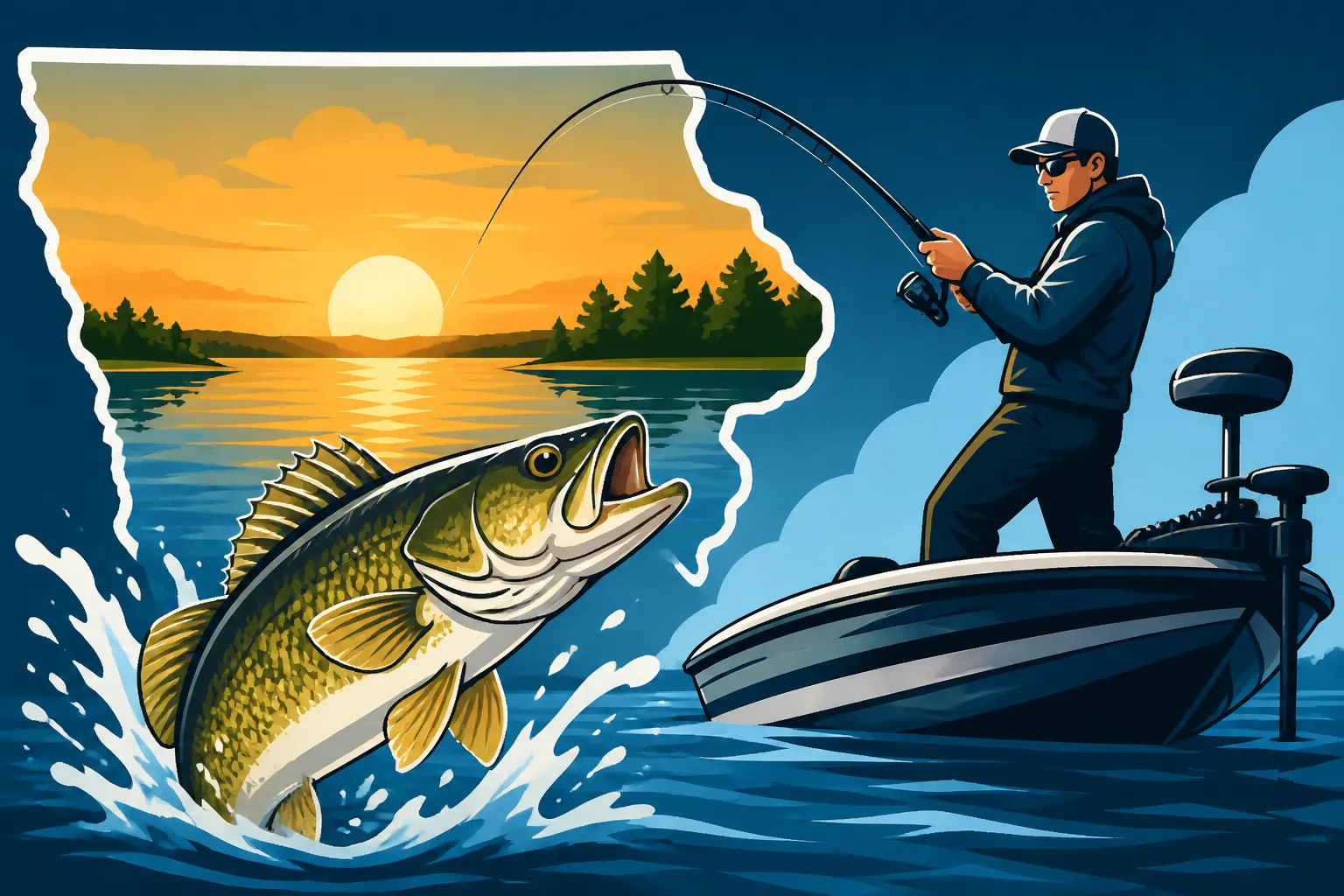
If you crave a fight, West Okoboji's smallmouth bass population will deliver. These bronze bombers are known for their incredible strength, acrobatic jumps, and relentless tugs. West O's rocky shorelines, boulder fields, and deep drop-offs provide perfect habitat for smallmouth. Unlike largemouth bass that prefer dense cover, smallmouth are structure-oriented, often relating to submerged rocks, ledges, and transition areas where hard bottom meets softer sediment. Anglers often find success by targeting specific rock piles or casting along steep banks. The clear water here also means you might often spot these fish cruising, adding an exciting visual element to the hunt. For tips on catching these incredible fighters, check out our guide on Smallmouth Bass Fishing in Iowa.
Northern Pike: Aggressive Predators
For those who enjoy a toothy battle, northern pike are abundant in West Okoboji and can reach substantial sizes. These aggressive predators lurk in and around weed beds, especially in the shallower bays and along the edges of deeper flats where they can ambush unsuspecting prey. Pike are less shy than walleye or smallmouth, often hitting lures with a jarring strike. While they are sometimes seen as a bycatch when targeting other species, many anglers specifically pursue them for their fighting prowess. Just be sure to use a steel leader – their sharp teeth will make short work of monofilament or fluorocarbon.
Panfish Perfection: Perch, Bluegill, and Crappie
While the trophy species get a lot of attention, West Okoboji also offers fantastic panfishing opportunities. Yellow perch are particularly popular here, growing to excellent sizes and providing steady action, especially through the ice. Bluegill and crappie also inhabit the lake, though often in less concentrated numbers than the perch. You'll typically find these panfish relating to weed beds, docks, and submerged brush piles. They're a great target for family outings or when you just want consistent bites. A simple bobber rig with a worm or small jig can yield a cooler full of delicious panfish.
Prime Fishing Locations and Structures on West Okoboji
West Okoboji's deep, clear waters are beautiful, but they can feel like an endless expanse if you don't know where to start. Success often boils down to understanding the lake's unique underwater topography and how different species relate to it. It's not about finding a spot, but finding the right spot at the right time.
Navigating the Deep Holes and Drop-offs
The true secret to West Okoboji's trophy potential lies in its profound depths and dramatic underwater contours. This isn't your average shallow prairie lake. Huge basins plummet quickly to over 100 feet, and the sharp drop-offs and ledges that line these deep holes are absolute magnets for walleye and smallmouth bass, especially during the warmer months and midday hours. You’ll want to pay close attention to contour maps, using your electronics to identify underwater points that extend into the abyss, steep breaks where the bottom falls rapidly, or isolated humps that rise from the deep. These areas create current breaks and ambush points for predatory fish.
For instance, the area around Miller's Bay or the deep water near Pillsbury Point on the east side are known for their significant depth changes. Drifting live bait, like shiners or leeches, on a slip bobber or a lindy rig along these transition zones can be incredibly effective for walleye. Smallmouth bass will often suspend just off these drop-offs, waiting for baitfish, or cling tightly to rocky ledges. Vertically jigging spoons or dropshotting soft plastics can entice strikes from these deep-dwelling fighters. Remember, the clear water means you might need to stay a bit farther off your target structure to avoid spooking fish.
Finding Fish Along the Reeds and Weed Beds
While the deep water gets a lot of hype, West Okoboji also features extensive shallow areas with vibrant weed beds and reeds, particularly in bays and along flatter shorelines. These areas are crucial nurseries and feeding grounds, especially in spring and fall. Think about places like Little Millers Bay, Emerson Bay, or the shallower portions of the north shore. These aquatic jungles provide cover, oxygen, and a buffet of smaller baitfish and invertebrates, attracting northern pike, panfish, and even some largemouth bass (yes, West O has a few!).
Targeting these areas requires a different approach. Shallow-running crankbaits, spinnerbaits, or topwater lures can be deadly for pike and aggressive bass patrolling the weed edges. For panfish like perch and bluegill, a simple jig tipped with a worm, a piece of corn, or a small plastic grub fished near the weed lines can provide steady action. Early morning and late evening are often the best times to fish these shallower zones, as the fish become more active under low light conditions. Keep an eye out for submerged weed pockets or lanes within the thicker vegetation; these are prime ambush points.
Structure Fishing Near Points and Sandbars
Points and sandbars are classic fish magnets on any lake, and West Okoboji is no exception. These features act like underwater highways and resting areas for fish moving between different depths and feeding grounds. A point that tapers into deeper water, especially if it has rocky outcroppings or scattered boulders, can hold a variety of species. Smallmouth bass will often stack up on these points, particularly on the wind-blown side where baitfish are concentrated. Walleye will also use points as staging areas before moving onto shallower feeding flats or as ambush spots during low-light periods.
Popular examples include the points around Fort Dodge Point, Gull Point, or even the main lake points on the west side. Fishing these areas involves casting jigs, crankbaits, or even vertical presentations like blade baits. If there's a submerged sandbar, especially one with a sharp drop-off on one or both sides, walleye might cruise along its edges, and panfish could be found relating to any sparse vegetation growing on it. Many anglers consult local guides found on services like FishingBooker to learn the nuances of fishing these productive structures, especially for the elusive West Okoboji walleye. Understanding how to read the structure and adapt your presentation to the specific conditions of each point or bar is crucial for consistent success.
Seasonal Strategies for West Okoboji Lake Fishing
The Iowa Great Lakes, especially West Okoboji, offer incredible fishing year-round, but the tactics you'll use change dramatically with the seasons. What works in spring won't necessarily produce results in the dead of winter. Adapting to water temperature, fish behavior, and available forage is the hallmark of a successful West O angler. For a deeper dive into how the entire calendar impacts your fishing, explore our general guide on Iowa Fishing Seasons Explained.
Spring's Awakening: Pre-Spawn and Early Bites
As the ice finally recedes from West Okoboji, usually in late March or early April, the lake awakens with a flurry of activity. This early spring period is all about the pre-spawn bite. Water temperatures are slowly climbing, triggering various species to move into shallower areas, often around points, bays, and hard-bottom flats, as they prepare to spawn. Walleye will start congregating near rocky spawning grounds, and this can be a fantastic time to target them with shallow-running crankbaits, lipless crankbaits, or jigs tipped with live minnows. The period right after ice-out is notoriously good for aggressive walleye.
Smallmouth bass also become highly active in spring, moving closer to rocky shorelines and shallow reefs. Jerkbaits and small crankbaits are excellent choices for covering water and triggering these hungry fish. Northern pike, eager to feed after winter, will be found in shallow, newly vegetated bays. Remember, spring weather in Iowa can be fickle, so be prepared for anything from warm sunshine to cold, blustery days. The fish's activity will often mirror the weather, with warmer spells bringing them shallower and cold fronts pushing them deeper.
Summer's Bounty: Deep Water and Night Fishing
Once summer truly sets in and the lake warms up, West Okoboji's depth becomes its greatest asset. The warmer surface temperatures push many species, especially walleye and smallmouth bass, into the cooler, oxygen-rich deep water. This means focusing your efforts on those deep basins, major drop-offs, and submerged humps we talked about earlier. Bottom-bouncing with spinner rigs tipped with crawlers, deep-diving crankbaits trolled over structure, or vertical jigging with spoons and blade baits become very effective.
Night fishing for walleye can be particularly productive during the summer. As the sun sets, walleye often migrate from their deep daytime haunts to shallower feeding flats and weed lines under the cover of darkness. Casting shallow crankbaits, floating jig heads with leeches under a slip bobber, or slowly trolling stickbaits are popular and effective nighttime strategies. Furthermore, panfish will be found in deeper weed beds or under docks, offering consistent action. Consider using a guide from FishingBooker during peak summer to efficiently navigate the deep water and locate active schools.
Fall Turnover: Locating Active Fish
Fall is a beautiful time to fish West Okoboji, with cooler temperatures, vibrant foliage, and often very aggressive fish. However, this season also brings the phenomenon of "fall turnover." As surface water cools, it becomes denser and sinks, mixing with the deeper, warmer water. This process can temporarily disorient fish and scatter them throughout the water column, making them a bit harder to pattern. Once turnover is complete, however, the lake settles, and fishing can become phenomenal.
During fall, walleye will often move back to shallower rock reefs and main lake points, feeding heavily in preparation for winter. Trolling crankbaits, casting jigs, or using live bait rigs are all productive. Smallmouth bass will also gorge themselves on baitfish, making them susceptible to crankbaits, jigs, and even larger soft plastics fished around rocky structures. Northern pike remain active in and around remaining green weed beds. This is often the time to target some of the biggest fish of the year, as they bulk up for the colder months.
Winter Wonderland: Ice Fishing on West Okoboji
When West Okoboji finally freezes over, usually by late December or early January, a whole new world of fishing opens up. Ice fishing here is incredibly popular and productive. The clear water and deep basins make it an excellent choice for targeting walleye, perch, and northern pike through the ice. Early ice can be particularly good, as fish are often still in transition zones and relatively aggressive.
For walleye and perch, focus on main lake points, humps, and the edges of deep basins. Small spoons, horizontal jigs tipped with a minnow head, or a lively minnow on a tip-up are standard fare. For northern pike, target shallower weed beds and bays with larger spoons or tip-ups baited with larger shiners or chubs. Safety is paramount on the ice; always check ice thickness regularly. Many anglers find the hard water bite to be one of the most exciting times to be on West O. If you're new to the sport, our guide to Ice Fishing in Iowa is a great place to start.
Essential Techniques and Baits for West Okoboji
Fishing West Okoboji successfully isn't just about where you go, but how you fish once you're there. The clear water and deep structure demand a thoughtful approach, often favoring finesse over brute force. Having the right techniques and bait presentations in your arsenal will give you a significant edge.
Mastering Live Bait Presentations
Live bait is a time-honored tradition and often the most consistent producer on West Okoboji, especially for walleye and perch. The natural action and scent of live bait can entice even the most finicky fish in these clear waters.
- Minnows: Shiners and fathead minnows are staples. For walleye, a lively shiner fished on a slip bobber rig, a Lindy rig, or a jig-and-minnow combination is incredibly effective. The slip bobber allows you to present the minnow at a precise depth over deep structure or weed edges without spooking fish with a boat directly overhead. Lindy rigs are excellent for drifting along contours, letting the minnow swim naturally just off the bottom.
- Leeches: Leeches are another walleye favorite, particularly in late spring and summer. They're hardy, stay on the hook well, and have an irresistible undulating action. Fish them on a slip bobber, Lindy rig, or even plain with a small hook.
- Nightcrawlers: While perhaps not as popular for West O walleye as minnows or leeches, nightcrawlers (or just pieces of them) are a go-to for panfish and can tempt an opportunistic walleye or bass. Rig them on a plain hook under a small bobber for bluegill and crappie in weed beds. For active yellow perch, a small piece of crawler on a small jig head can be deadly.
When using live bait, always prioritize natural presentation. Avoid heavy weights that inhibit movement, and use hooks that match the size of your bait. Sometimes, just a small split shot or no weight at all is all you need.
Effective Artificial Lures for Different Species
While live bait often shines, artificial lures offer versatility, allowing you to cover water more efficiently and target aggressive fish. The key is choosing the right lure for the species, depth, and conditions.
- Crankbaits: Both shallow-diving and deep-diving crankbaits are essential. Shallow-runners are excellent for targeting walleye and pike in spring and fall, especially over flats or along weed edges. Deep-diving models, like those from Rapala (e.g., Shad Raps or Down Deep Husky Jerks) or Berkley, are perfect for trolling for walleye and smallmouth over deep humps and along drop-offs in summer. Match colors to local forage, but natural patterns (perch, shiner) or bright colors (firetiger, chartreuse) often work well.
- Jigs: Jigs are perhaps the most versatile lure. Light jigs (1/16 to 1/8 oz) tipped with a soft plastic grub, tube, or minnow are fantastic for smallmouth bass and panfish. Heavier jigs (1/4 to 3/8 oz) with larger plastics or live minnows are deadly for walleye, especially when jigged vertically over deep structure or cast and retrieved along breaks. Colors like white, chartreuse, black, or natural baitfish patterns are good starting points.
- Soft Plastics: Tubes, grubs, swimbaits, and dropshot worms are indispensable for smallmouth bass. Tubes rigged internally and hopped along the bottom mimic crayfish, a smallmouth favorite. Dropshotting tiny worms or creature baits is incredibly effective for vertical presentations to deep, suspended smallmouth. Swimbaits are great for covering water and mimicking baitfish.
- Spoons and Blade Baits: These are workhorses for vertical jigging, especially for walleye and perch in deep water or through the ice. Spoons like the Johnson Silver Minnow or the Northland Forage Minnow Spoon, and blade baits like the Sebile Vibrato or the Rapala Jigging Rap, generate flash and vibration that can trigger reaction strikes.
Trolling and Jigging: Key to Success
These two techniques are fundamental to West Okoboji fishing, each effective in different scenarios.
- Trolling: Trolling allows you to cover vast amounts of water and present lures or live bait at specific depths for extended periods. This is particularly effective for walleye and northern pike, especially during the summer months when fish are scattered or holding to deep contours. Using planer boards can help spread out your lines and target fish away from the boat's path. Pay close attention to your speed and depth, adjusting often until you find what the fish are responding to. A good fish finder is invaluable for identifying productive trolling passes.
- Jigging: Jigging is a more precise, vertical presentation that's incredibly effective when you've located fish on specific structure, whether it's a deep hump, a sharp break, or through the ice.
- Vertical Jigging: Dropping a jig, spoon, or blade bait directly down to fish you see on your sonar and working it with short, sharp lifts and drops can provoke strikes. This is a go-to technique for walleye and smallmouth in deep water.
- Casting Jigs: For shallower fish, casting a jig with a soft plastic or live minnow and slowly hopping or swimming it back along the bottom or through weed edges can be deadly for smallmouth, walleye, and panfish.
Understanding the subtleties of jigging – the pause, the height of the lift, and the speed of the fall – can make all the difference. Sometimes, a subtle quiver is all it takes to trigger a bite.
| Species | Best Seasons | Primary Techniques | Recommended Baits/Lures |
|---|---|---|---|
| Walleye | Spring, Summer, Fall, Winter | Lindy Rigging, Trolling, Jigging, Slip Bobbering | Live Minnows, Leeches, Nightcrawlers, Deep-diving Crankbaits, Jigs, Blade Baits, Spoons |
| Smallmouth Bass | Spring, Summer, Fall | Casting (Jerkbaits, Soft Plastics), Dropshotting | Tubes, Grubs, Swimbats, Dropshot Worms, Jerkbaits, Crankbaits |
| Northern Pike | Spring, Summer, Fall, Winter | Casting (Spinnerbaits, Spoons), Trolling, Tip-ups | Large Shiners, Spoons, Spinnerbaits, Large Crankbaits |
| Yellow Perch | All Year, esp. Winter | Jigging, Bobber Fishing | Small Minnows, Waxworms, Small Jigs, Spoons, Ice Jigs |
| Bluegill/Crappie | Spring, Summer, Fall | Bobber Fishing, Small Jigs, Trolling (Crappie) | Worms, Crickets, Small Jigs, Tiny Plastics, Small Crankbaits |
Navigating West Okoboji: Access, Facilities, and Regulations
Getting on the water and knowing the rules are just as important as knowing where and how to fish. West Okoboji is a popular destination, so being prepared for busy periods is a good idea.
Public Boat Ramps and Shoreline Access
West Okoboji offers several excellent public boat ramps, making it easy to launch everything from a small fishing boat to a larger cruiser. Some of the most popular access points include:
- Pillsbury Point State Park: Offers a launch and shoreline access with stunning views.
- Arnolds Park City Beach: While popular for swimming, there's also access for launching smaller craft and shoreline fishing opportunities.
- Emerson Bay State Park: A fantastic launch point with ample parking, providing easy access to prime fishing areas.
- Gull Point State Park: Another excellent state park with boat launching facilities and shoreline fishing.
Parking can fill up quickly, especially on summer weekends, so arriving early is always a good strategy. Many of these parks also offer picnicking areas and other amenities, making them great for a full day out. If you're wondering about specific ramp conditions or amenities, checking our guide on Public Boat Ramps on the Iowa Great Lakes could provide useful, up-to-date information. For those who prefer to fish without a boat, many of the state parks and public areas around the lake offer excellent shoreline access, fishing piers, and jetties, providing opportunities to cast for panfish, bass, and even walleye.
Understanding Lake-Specific Rules and Limits
Fishing in West Okoboji, like all Iowa waters, requires adherence to specific regulations designed to protect fish populations and ensure sustainable angling for everyone. Before you even cast your first line, make sure you have your Iowa Fishing License Guide in hand. The Iowa Department of Natural Resources (DNR) sets specific length limits and daily bag limits for various species, and these can sometimes vary between water bodies.
For West Okoboji, pay close attention to the following:
- Walleye: Often have a minimum length limit and a daily bag limit. It's crucial to measure your catch accurately.
- Smallmouth Bass: Similarly, smallmouth often have a specific minimum length and daily creel limit to protect trophy potential.
- Northern Pike: While generally more lenient, it's always good to confirm any specific regulations.
- Panfish (Perch, Bluegill, Crappie): These typically have generous combined daily bag limits, but check for any exceptions.
It's your responsibility as an angler to know and follow these rules. You can find the most current and detailed information in the official Iowa Fishing Regulations booklet, available at most bait shops, license retailers, or on the Iowa DNR website. Ignoring these rules can lead to fines and other penalties, so always be informed! Remember, these regulations are in place to ensure that West Okoboji remains a fantastic fishery for generations to come.
Disclaimer
The information provided in this guide is for general informational purposes only and is subject to change. Fishing regulations, seasons, and conditions can vary. Always consult the official Iowa Department of Natural Resources (DNR) regulations and local authorities before fishing. Engage in safe boating practices and exercise caution when on or near the water.