Fall Fishing in Iowa
As the vibrant greens of summer begin to surrender to a riot of gold, crimson, and rust across Iowa, many anglers might be tempted to hang up their rods for the season. It’s easy to think that the best fishing is behind you once the lazy days of August fade, but that couldn't be further from the truth. In fact, autumn ushers in some of the most exciting, challenging, and often rewarding fishing opportunities the Hawkeye State has to offer. This comprehensive guide will help you understand the unique dynamics of fall fishing in Iowa and equip you with the knowledge to make the most of this spectacular, often overlooked, season.
Why Fall is a Prime Time for Iowa Anglers
There's a magic to fall fishing in Iowa that goes beyond the stunning foliage. It's a combination of biological imperatives for the fish and a more peaceful, comfortable experience for us anglers. Don't underestimate the power of those crisp mornings and golden afternoons – they set the stage for some truly memorable catches.
The "Autumnal Turnover" and What It Means for Fish
One of the most significant changes impacting fish behavior in fall is what we call the "autumnal turnover." Throughout summer, many deeper lakes develop a thermocline – a distinct layer where warm, oxygen-rich surface water meets colder, denser water below. Fish often stratify themselves above or below this layer depending on their preferred temperature and oxygen levels.
However, as the air temperatures drop in late summer and early fall, the surface water cools. Eventually, this cooler surface water becomes denser than the water below, causing it to sink. This sinking action, often aided by wind, mixes the entire water column, breaking down the thermocline. This process essentially "resets" the lake, distributing oxygen and nutrients more evenly from top to bottom. For fish, this means their previous thermal and oxygen barriers are gone, and they can roam freely throughout the lake. Initially, this can make fish harder to locate as they spread out, but soon, as temperatures stabilize and continue to drop, they’ll start to follow baitfish into new, often predictable, areas as they prepare for winter. On larger bodies of water like Clear Lake or Rathbun Lake, understanding this turnover can be the key to unlocking consistent bites.
Cooler Temperatures and Less Crowded Waters
Let's be honest, sweltering summer days on the water can be beautiful, but the intense heat often makes for less comfortable fishing. Fall offers a welcome reprieve. Those cooler temperatures make for a much more pleasant experience, whether you're casting from shore, wading a trout stream, or cruising a reservoir in your boat. You can wear layers, enjoy the fresh air, and often find yourself sharing the water with far fewer people. Many fair-weather anglers pack it in after Labor Day, leaving prime spots open for those willing to brave the crisp air. The serenity of fishing surrounded by Iowa's changing leaves is an experience in itself, a perfect backdrop for a peaceful day on the water.
The Pre-Winter Feeding Frenzy
Perhaps the most compelling reason to fish in the fall is the fish themselves. As water temperatures continue to drop, fish sense the approaching winter. Their metabolism, which slows down significantly in the coldest months, tells them it's time to bulk up. This instinct triggers what anglers affectionately call the "fall feeding frenzy." Most game fish, from bass and walleye to muskie and panfish, become incredibly active and aggressive. They're trying to consume as many calories as possible, making them more willing to strike lures and baits. This aggressive behavior often means stronger bites and the potential for catching larger, heavier fish that have been gorging themselves. It’s a fantastic opportunity to land a personal best before the ice sets in.
General Fall Fishing Strategies Across Iowa
Successful fall fishing isn't just about showing up; it's about understanding the subtle shifts in the environment and adapting your approach. Fish aren't in their summer patterns, nor are they in their winter hibernation yet. They're in transition, and so should your techniques be.
Adapting to Changing Water Levels and Flows
Iowa's weather in the fall can be a mixed bag, often bringing more precipitation. This can lead to fluctuating water levels and increased flows in rivers, and even changes in lake levels as reservoirs manage water for flood control or winter drawdowns. On rivers like the Mississippi River or the Des Moines River, increased current can push fish into more protected areas like eddies, current breaks behind wing dams, or deep holes where the flow is reduced.
Conversely, falling water levels in lakes can concentrate fish in shrinking pockets or expose new shoreline features that were previously submerged. It’s crucial to pay attention to these changes. Look for areas where fish can find both refuge from strong currents and ambush points for baitfish. Structure that was productive in summer might still hold fish, but they could be deeper, tighter to cover, or on a different side of a point where they can avoid the main current. A good portable fish finder can be an invaluable tool for scouting these changes.
Locating Fish in Fall Transition Zones
As fish move from their summer haunts to their deeper, more stable wintering areas, they often stage in "transition zones." These are typically areas that offer access to both shallow feeding flats and deeper water escape routes. Think about major points that extend into the main lake, humps or submerged islands with sharp drop-offs, or the deep edges of expiring weed lines.
In rivers, these zones might be where a tributary meets the main channel, or the edges of scour holes near bridge pilings. Fish will follow baitfish into these areas, so finding schools of bait on your electronics is often the first step to finding hungry game fish. They're often less scattered than during the summer turnover phase but haven't settled into their tight winter aggregations yet. This means covering water effectively and using your boat's electronics to scan for concentrations of bait and game fish is vital. Remember to check out resources like the Iowa Fishing Atlas Access Points to find new areas to explore!
Bait and Lure Selection for Cooler Water
As water temperatures cool, fish generally become a bit more sluggish, even during a feeding frenzy. Their metabolism slows, meaning they might not chase a fast-moving bait as readily as they would in summer. This calls for a shift towards slower presentations and sometimes larger, more enticing profiles that offer a big meal with less effort.
Jigs, especially those tipped with live bait like minnows or worms, become incredibly effective. Blade baits, jigging spoons, and lipless crankbaits can mimic dying baitfish, a prime target for fall predators. Deep-diving crankbaits that can reach fish holding in deeper water or along break lines are also excellent choices. Don't be afraid to experiment with larger jerkbaits or swimbaits, especially when targeting trophy-sized bass or muskie. The key is to slow down your retrieve, incorporate pauses, and focus on delivering your bait directly into the strike zone. You can find a vast array of these effective fall baits and lures on Amazon.
Targeting Walleye in Iowa's Autumn Waters
Walleye are one of Iowa's most prized game fish, and fall offers some of the best opportunities to catch a true Hawkeye State trophy. Their pre-winter feeding binge can be incredibly intense, but you need to know where to find them and what they're biting on.
Lake Walleye Tactics: Deep Structure and Trolling
On Iowa's larger lakes and reservoirs, like the Iowa Great Lakes (West Okoboji, East Okoboji, Spirit Lake) or Saylorville Reservoir, walleye in the fall will often concentrate around deeper structure. This includes main lake points, submerged humps, rock piles, and deep break lines that transition into even deeper water. They'll often move up onto these structures to feed during low light conditions or when baitfish are present, then retreat to deeper water during bright daylight.
Trolling remains a highly effective method, especially for covering large areas and finding active fish. Use deep-diving crankbaits (such as the popular Rapala Shad Raps or Berkley Flicker Shads) that can reach depths of 15-30 feet or more, depending on the structure. Vary your trolling speed until you find what triggers bites. For a more vertical approach, consider jigging spoons or blade baits directly over marked fish or concentrations of bait. Pay close attention to your electronics, looking for schools of baitfish, which walleye will be actively pursuing. If you want to dive deeper into annual patterns, check out our guide on Iowa Walleye Season Opening Strategies.
River Walleye Strategies: Current Seams and Dams
River walleye behavior is heavily influenced by current. In the fall, they'll often relate to current seams, eddies, and slack water areas where they can ambush baitfish without expending too much energy. Look for them below wing dams on the Mississippi River, behind bridge pilings, or in deeper scour holes in bends of rivers like the Des Moines or Cedar River. These locations provide refuge from the main current and are natural congregation points for both bait and predators.
Jigging is a classic and highly effective river walleye technique. Use lead head jigs tipped with live minnows, plastic grubs, or paddle tails. Experiment with different jig weights to ensure your bait is consistently hitting the bottom in the current. Another productive method is dragging live bait (like a large fathead minnow or shiner) on a bottom bouncer rig or a three-way swivel setup. The slower, more natural presentation can be irresistible to hungry walleye. Remember to check local rules on Iowa Fishing Regulations Explained for specific river sections, especially border waters.
Best Baits and Colors for Fall Walleye
When it comes to fall walleye, live bait is often king. Large fathead minnows, shiners, or even small suckers can be incredibly effective, especially when fished on a jig or a slip bobber. For artificials, paddle tail jigs in natural baitfish colors (perch, emerald shiner, silver) or more aggressive patterns (firetiger, chartreuse) are great choices.
Deep-diving crankbaits in similar natural patterns or brighter colors for stained water are also essential. Blade baits and jigging spoons in chrome or gold finishes can imitate a dying shad or injured baitfish, triggering aggressive reaction strikes. The key is often to match the hatch – identify what baitfish are present in the system and try to mimic them in size, profile, and color. Don't forget that on Amazon, you can find a wide variety of these popular walleye lures to stock your tackle box for the autumn bite.
Chasing Bass (Largemouth & Smallmouth) in Fall
Both largemouth and smallmouth bass offer fantastic fall fishing in Iowa, but their preferred habitats and feeding patterns will differ slightly as temperatures drop. Understanding these nuances can help you put more fish in the boat.
Largemouth Bass: Shallow to Deep Movements
In early fall, particularly after the initial cool fronts, largemouth bass might still be found in and around shallow weed lines, lily pads, and other cover where they spent the summer. They'll often be actively feeding on baitfish that are still shallow. Topwater lures can still produce exciting strikes on warmer days, especially at dawn and dusk.
However, as water temperatures continue to plummet, largemouth will begin their migration towards deeper wintering holes. They'll often stage on structure like submerged points, brush piles, rock formations, and ledges that lead to deeper water. During this phase, jigs (especially football or flipping jigs with craw trailers), jigging spoons, and deep-diving crankbaits become highly effective. Slower presentations are key, as fish might be a bit lethargic but still eager for a meal. Farm ponds and smaller lakes across Iowa can be particularly productive for this pattern.
Smallmouth Bass: River and Lake Rock Piles
Smallmouth bass, often called "bronze backs," thrive in cooler, clearer waters and are especially active in the fall. In Iowa's rivers, like the Mississippi, Cedar, or Iowa River, they'll congregate around rocky banks, riprap, current breaks, and gravel bars. These areas provide excellent ambush points for crayfish and baitfish, which are staple foods for smallmouth.
On the Iowa Great Lakes, look for smallmouth relating to rocky points, humps, and steep drop-offs. They'll often move shallower to feed during specific times and then retreat to deeper rock piles. Deep-diving crankbaits that mimic crawfish or baitfish, tube jigs, and swimbaits are incredibly effective. A slow, methodical retrieve, often bouncing your bait off the bottom, can trigger powerful strikes from these aggressive fighters. Remember to adhere to Bass Season and Size Limits which can vary by water body.
Fall Bass Lure Arsenal
A well-stocked fall bass tackle box should include a variety of lures to cover different depths and conditions. Jigs, whether football jigs for rocky bottoms or flipping jigs for heavy cover, are indispensable. Pair them with craw or creature baits for added bulk and action. Jerkbaits (like those from Rapala or Strike King) are fantastic for suspended fish, mimicking dying baitfish with their erratic darting action and seductive pauses. Deep-diving crankbaits in natural colors (crawfish, shad patterns) are crucial for reaching fish on deep breaks.
Spinnerbaits can still be effective, especially on days with some wind or for covering water quickly along weed edges. Don't overlook soft plastics rigged on a drop shot or shaky head for finicky bass or when the bite is tough. These allow for a subtle, natural presentation in deeper water. Having a good selection of these lures available from retailers like Amazon can make a huge difference in your fall success.
Finding Aggressive Fall Crappie and Panfish
While much of the fall fishing hype focuses on walleye and bass, panfish — especially crappie — offer some of the most consistent and exciting action. They school up tightly, making it possible to catch a large number of fish once you locate a productive spot.
Crappie Schooling and Deep Water Haunts
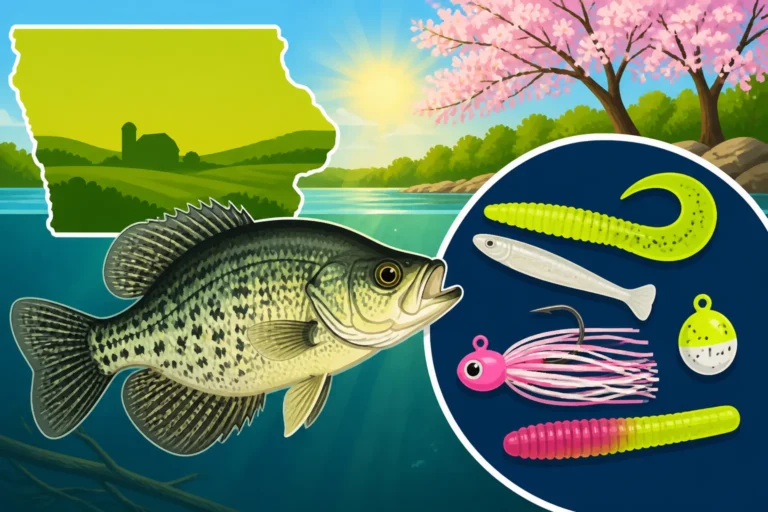
As water temperatures drop, crappie transition from their scattered summer patterns to forming large, tight schools. These schools often congregate around specific structures in deeper water. Look for them holding to brush piles, submerged timber, bridge pilings, and creek channel drop-offs in lakes and reservoirs like Rathbun Lake or Coralville Reservoir. They'll often suspend over these structures or along drop-offs rather than sitting directly on the bottom.
Your fish finder becomes your best friend here. Spend time idling over likely areas, looking for "clouds" of fish on your sonar screen. Once you locate a school, vertical jigging directly into them with small jigs or live minnows is incredibly effective. Sometimes, crappie will also stage along the edges of deep weed lines before the weeds completely die off. Understanding Crappie and Sunfish Limits in Iowa is essential, as these can be generous but still need to be followed.
Bluegill and Perch: Sticking to Structure
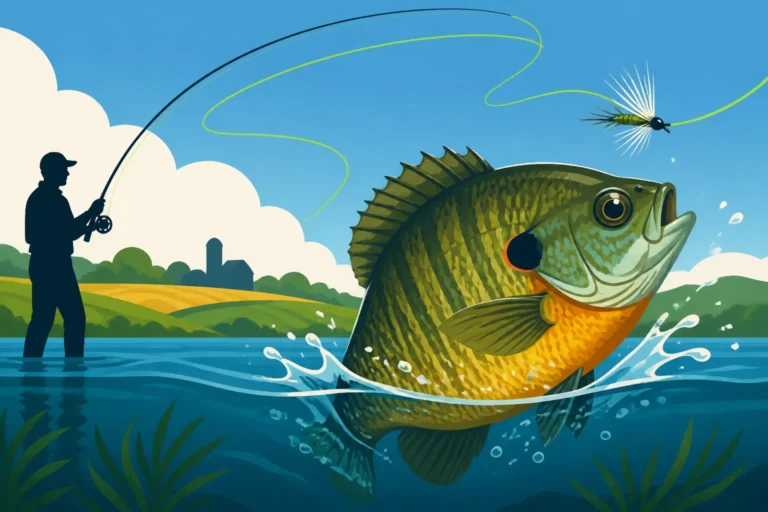
Bluegill and perch, while not always as dramatic as crappie, also offer fantastic fall opportunities. Bluegill tend to relate to the remaining weed edges, docks, and submerged brush in slightly shallower water than crappie, but still seeking out deeper pockets as the season progresses. They'll often be found in areas where they can easily dart into cover.
Perch, especially in the Iowa Great Lakes (West Okoboji, Spirit Lake), will school up and can be found on deep humps, along break lines, and near rock piles. They're often voracious feeders in the fall. Small jigs tipped with wax worms, spikes, or even tiny pieces of nightcrawler are deadly for both bluegill and perch. Fishing with a simple slip bobber setup can be very effective, allowing you to present your bait at a precise depth.
Techniques for a Panfish Bonanza
The key to a fall panfish bonanza is precision and persistence. Once you find a school, stay on them. Vertical jigging with tiny jigs (1/32 to 1/16 ounce) tipped with plastics (like a Mylar tube or tiny grub) or live bait (wax worms, spikes, minnows) is often the most productive method. Use light line, typically 2-4 lb test monofilament or fluorocarbon, to get the most natural presentation.
A slip bobber rig is also excellent for suspending live bait or jigs at a specific depth above crappie or bluegill schools. If fish are scattered or you're trying to locate them, slow trolling with a small jig or spinner can sometimes work, especially for crappie. Don't be afraid to experiment with different depths until you find where the fish are holding, and remember that Best Fishing Piers in Iowa State Parks can offer great fall panfish access.
Catfish Action in the Colder Months
Catfish are often seen as a warm-weather fish, but they remain active and catchable well into the fall in Iowa. While their metabolism slows, they still need to feed, and the cooler water can sometimes make for a more comfortable and less buggy experience for the angler.
Channel Catfish: Deeper Holes and Current Breaks
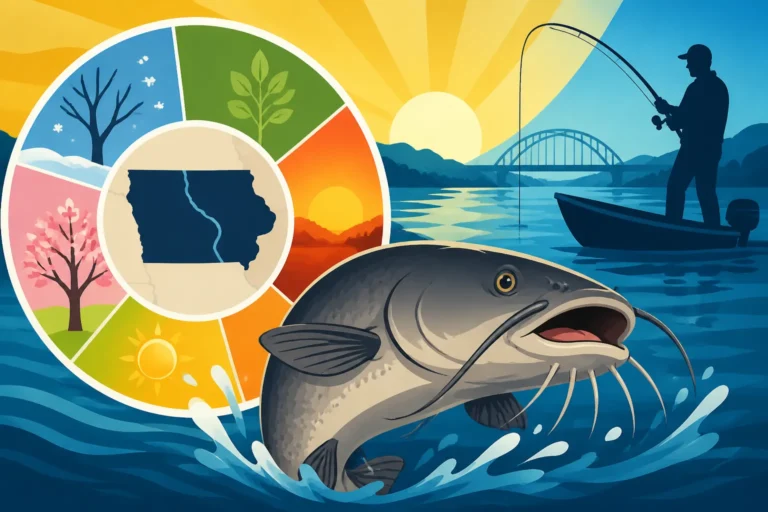
As temperatures drop, channel catfish will move out of their summer shallow water feeding grounds and begin to congregate in deeper holes, particularly in rivers. Look for them in scour holes below dams, in deep bends of the river, near log jams, or in the deepest sections of creek channels in reservoirs. They'll often be found in large groups, packing into these wintering areas.
Your bait choice will remain similar to summer, but the presentation might need to be slower. Stink baits, cut bait (like shad or carp), and nightcrawlers are all excellent choices. Fish these baits directly on the bottom using a slip sinker rig, allowing the fish to pick up the bait without feeling too much resistance. Concentrate your efforts in the slack water adjacent to currents or in the deepest, most stable parts of the water body. For specific insights, check out Catfish Possession Limits for Iowa.
Flathead Catfish: Patience and Big Baits
Flathead catfish are more predatory than channel cats and prefer live bait. While they become more sluggish in colder water, they will still feed, especially in early to mid-fall. Targeting flatheads in the fall requires patience and larger live baits such as bluegills, sunfish, or suckers.
Look for flatheads in the deepest, nastiest cover you can find – massive log jams, undercut banks, and deep rock piles in the Mississippi River or other major river systems. These fish are territorial and will often stay put once they find a suitable ambush point. Present your live bait on a heavy-duty bottom rig, ensuring it stays alive and active. Night fishing, a summer staple for flatheads, can still be productive in early fall, but as temperatures really drop, daytime efforts in their deep holding areas might be more fruitful.
Rigging for Robust Fall Cats
When fishing for fall catfish, especially bigger flatheads, heavy tackle is a must. A stout rod, a reel spooled with strong braided or monofilament line (20-50 lb test), and heavy-duty circle hooks (sizes 3/0 to 8/0) are essential. Circle hooks are particularly good because they typically hook the fish in the corner of the mouth, making for easier release and less harm to the fish, which is important if you're not planning to keep your catch.
Use a slip sinker rig for bottom fishing, with enough weight to hold your bait in place against any current. A 2-4 ounce egg sinker or similar can be appropriate, depending on current conditions. Adding scent to your cut bait or using highly aromatic stink baits can also help attract sluggish fish. A good headlamp from Amazon is invaluable if you're fishing into the evening, allowing you to tie knots and handle fish with ease.
Specialty Species: Trout and Muskie in Fall
Iowa might not be famous for its trout streams or muskie fishing, but for those in the know, fall offers unique and exciting opportunities for these specific species.
Northeast Iowa Trout Streams: Autumn Colors and Active Bites
Northeast Iowa's spring-fed trout streams are a hidden gem, and fall offers some of the most picturesque fishing imaginable. The crisp air, vibrant fall colors, and active trout make for a truly special experience. The Iowa DNR regularly stocks these streams with rainbow and sometimes brown trout, ensuring a consistent population. The cooler water temperatures are ideal for trout, making them more active and less stressed than during the warmer summer months.
Fly fishing can be exceptional, with trout readily taking nymphs, small streamers, and even occasional dry flies on warmer days. Spin anglers will find success with small spinners (like Mepps or Rooster Tails), spoons, or by drifting live worms or corn. Focus on pools, undercut banks, and areas where the current creates natural holding lies. Wading these scenic streams is an immersive experience. If you're new to the area, our guide on Trout Fishing Streams in Northeast Iowa is a must-read for prime locations. Remember that even with stocked trout, a valid Iowa Fishing License Guide and an Iowa Trout Fee are required.
Muskie: The Last Hurrah
Muskie, the "fish of 10,000 casts," can be notoriously difficult to catch, but fall is arguably the best time to target these apex predators in Iowa. As winter approaches, muskie go on an intense feeding binge, trying to pack on weight for the lean months ahead. This makes them more aggressive and willing to strike larger lures. Lakes like Clear Lake and the Iowa Great Lakes are prime muskie waters in Iowa.
This is the time to throw your biggest bucktails, jerkbaits, and gliders. Think large, attention-grabbing baits that mimic the substantial meals muskie are looking for. Cover water thoroughly, focusing on deep weed edges, rocky points, and areas where large baitfish (like northern pike or suckers) might be congregating. Persistence is key, but the reward of a massive fall muskie is unparalleled. Always be prepared with a large landing net and long-nose pliers for safe handling and release, as Muskie Season and Bag Limit rules often emphasize catch and release for these trophy fish.
Unique Challenges and Rewards
Fishing for trout or muskie in the fall presents its own set of challenges. Trout streams can be slippery with fallen leaves, and muskie fishing requires specialized, heavy-duty gear and immense patience. However, the rewards are equally unique. Landing a beautifully colored fall trout against a backdrop of autumn leaves or battling a colossal muskie that's put on its pre-winter bulk are experiences that stick with you forever. It's a testament to dedication and understanding the nuanced behaviors of these special fish.
Essential Gear and Safety for Fall Fishing
Fall fishing brings specific considerations for both your comfort and safety. Temperatures can fluctuate wildly, and cold water poses serious risks. Being prepared is not just smart; it's essential.
Dressing for Success: Layering is Key
One of the biggest challenges of fall fishing in Iowa is the unpredictable weather. A morning that starts crisp and chilly can quickly warm up to a comfortable afternoon, only to drop back down as the sun sets. The solution is layering. Start with a moisture-wicking base layer, add an insulating mid-layer (like fleece), and top it off with a waterproof and windproof outer shell. This allows you to shed or add layers as conditions change, ensuring you stay comfortable.
Don't forget warm socks, waterproof boots, and a good hat and gloves, especially for early mornings or late evenings. Your extremities are the first to get cold. Brands like Columbia, Simms, and even popular options you can find on Amazon offer excellent performance fishing apparel designed for varying conditions. Proper attire makes all the difference between a miserable trip and an enjoyable, productive day on the water.
Boat and Bank Safety Considerations
Cold water is a serious hazard. Even if the air temperature feels mild, the water temperature can be dangerously low. Cold water immersion can quickly lead to hypothermia and loss of motor skills. Always wear a life jacket when on the water in fall, regardless of whether you're in a boat or wading. It's much harder to put one on if you suddenly find yourself in the water.
Check the weather forecast meticulously before heading out, paying attention to wind advisories and sudden temperature drops. If fishing from the bank, be aware of slippery, leaf-covered shores, especially near steep drop-offs. Tell someone where you're going and when you expect to return. Consider carrying a thermos with hot coffee or soup to help stay warm and vigilant. For general boating guidelines, you might want to review Iowa Boat Registration Requirements.
Must-Have Fall Fishing Tackle Upgrades
Beyond your general fishing gear, a few specific items can enhance your fall success. As fish move deeper, having a good selection of heavy jigs, jigging spoons, and deep-diving crankbaits is crucial. Consider adding a few larger jerkbaits for bass and muskie. A quality headlamp with a strong beam is invaluable for rigging up in the dark or navigating after dusk.
You might also want to invest in some line conditioner to keep your fishing line supple and manageable in colder temperatures, as monofilament can become stiff. A reliable pair of polarized sunglasses will help you cut through glare on the water, spotting subtle structure or even schooling baitfish. And, for your comfort, a durable cooler or insulated bag to keep your catch fresh (and perhaps a warm lunch or beverage for yourself) will make your fall outings much more enjoyable. Think about those specialized lures and comfort items available on Amazon. For broader tackle advice, consult our Iowa Fishing Gear Guide.
| Fish Species | Best Fall Locations | Key Techniques | Recommended Baits/Lures |
|---|---|---|---|
| Walleye | Deep lake points, humps, river current breaks | Trolling crankbaits, jigging spoons, live bait | Large minnows, Rapala Shad Raps, Berkley Flicker Shads |
| Largemouth Bass | Deep weed edges, brush piles, ledges | Jigs, deep-diving crankbaits, jerkbaits | Football jigs w/ craws, Strike King crankbaits |
| Smallmouth Bass | Rocky banks, riprap, river current seams | Deep-diving crankbaits, tube jigs, swimbaits | Crawfish crankbaits, Googan Baits tubes |
| Crappie | Submerged timber, brush piles, bridge pilings | Vertical jigging, slip bobber w/ minnows | Small jigs (1/32-1/16 oz), live minnows, Mylar tube jigs |
| Bluegill/Perch | Deeper weed edges, docks, lake humps | Small jigs, slip bobbers, wax worms | Wax worms, spikes, small jigs, small spinners |
| Channel Catfish | Deep river holes, log jams, creek channels | Bottom rigs, slip sinkers | Stink bait, cut bait, large nightcrawlers |
| Flathead Catfish | Deep log jams, undercut banks, rock piles | Live bait on heavy bottom rigs | Live bluegill, sucker minnows |
| Trout | Spring-fed pools, riffles, undercut banks | Fly fishing (nymphs/streamers), small spinners | Worms, corn, small spinners (Mepps), nymphs |
| Muskie | Deep weed lines, rocky points, main lake basins | Large bucktails, jerkbaits, gliders | Cowgirl bucktails, Shallow Raider jerkbaits |
Disclaimer
Fishing regulations in Iowa are subject to change. Always consult the latest Iowa Department of Natural Resources (DNR) fishing regulations booklet or their official website before heading out on the water. This guide is for informational purposes only and does not supersede official DNR regulations. Ensure you have the proper licenses and stamps.