Best Eating Fish in Iowa
One of the most satisfying parts of a successful fishing trip isn't just the thrill of the catch, but the promise of a delicious meal afterward. Yet, many Iowa anglers struggle with knowing which fish truly make for the best eating, sometimes tossing back perfectly good table fare or bringing home fish that end up disappointing. This guide is here to clear up that confusion, helping you identify Iowa's top eating fish and offering advice on how to get them from the hook to your plate with maximum flavor.
What Makes a Fish "Good Eating"? Understanding the Factors
You’ve probably heard people say, “This fish tastes muddy” or “That one is too bony.” These aren’t just random complaints; they speak to the core factors that determine whether a fish is considered "good eating." It’s a combination of several elements, and understanding them can greatly enhance your dining experience.
Flavor Profile: From Mild to Bold
Just like beef or poultry, fish have distinct flavor profiles. Some are incredibly mild, almost delicate, allowing subtle seasonings to shine, while others possess a more robust, sometimes "fishy" or "gamey" taste that can stand up to stronger spices. The flavor of a fish is influenced by a few key things:
- Diet: What a fish eats plays a huge role. Fish that feed on crustaceans, insects, or smaller, cleaner fish tend to have a sweeter, cleaner flavor. Bottom feeders, especially those in silty or muddy environments, can sometimes acquire an earthy or "muddy" taste.
- Habitat: The water body itself can affect flavor. Fish from cold, clear, well-oxygenated lakes and rivers often taste cleaner than those from warm, stagnant, or nutrient-rich waters. If you’ve ever caught a fish from a clear, rocky stream versus a murky farm pond, you've likely noticed this difference firsthand.
- Species: Fundamentally, different species are just built differently. A walleye's flesh is inherently different from a carp's, even if they come from the same water. This is why some species are universally praised for their taste, while others require more specific preparation or are enjoyed by a more acquired palate.
We validate those frustrations when a fish doesn't taste quite right. It's often not your cooking, but these underlying factors influencing the fish itself.
Texture and Fillet Quality
Beyond taste, the texture of a cooked fish fillet is incredibly important. Do you prefer something firm and flaky, or soft and delicate? This, too, varies by species and influences how you might want to cook it.
- Flaky vs. Firm: Most popular eating fish, like walleye or crappie, are known for their beautiful, white, flaky flesh that separates easily. Other fish, like some catfish or bass, can have a firmer, denser texture that holds up well to grilling or frying.
- Lean vs. Oily: Lean fish, like most panfish or cod, have lower fat content and a dryer, flakier texture. Oily fish, such as some trout or salmon (though not common in Iowa's wild trout streams), have a richer flavor and a smoother, more succulent texture. For Iowa anglers, we're generally dealing with lean to moderately oily freshwater species.
- Bone Structure: This is a big one for many anglers. Fish with easily removable bones or those that fillet cleanly, leaving boneless portions, are often favored for ease of eating. Species with a lot of small, intramuscular bones (like northern pike with their notorious Y-bones) can be a challenge and deter some from keeping them for the table, despite good flavor.
Size and Management: Finding the Sweet Spot
When it comes to keeping fish for dinner, size absolutely matters, but not always in the way you might think. While a trophy-sized fish is exciting, it’s not always the best for eating.
- The "Eating Size" Sweet Spot: Many anglers find that medium-sized fish within a species' range offer the best balance of flavor, texture, and meat yield. Very large, older fish can sometimes develop tougher flesh or accumulate more contaminants. Smaller fish, while tasty, might offer less meat, making filleting a more tedious task.
- Sustainable Harvest: Always be mindful of Iowa Fishing Daily Bag Limits Guide and Iowa Fishing Season Dates and Limits. These regulations aren't just for conservation; they help ensure a healthy fishery with a good balance of sizes, which in turn means better eating opportunities for everyone. Taking only what you need and adhering to length and creel limits is a crucial part of responsible angling and ensuring quality fish for future generations.
Top Contenders: Iowa's Premier Table Fare
Alright, let's get down to business. When it comes to consistently delicious fish you can catch in Iowa, a few species stand head and shoulders above the rest. These are the ones most anglers dream of bringing home for dinner.
Walleye: The Golden Standard
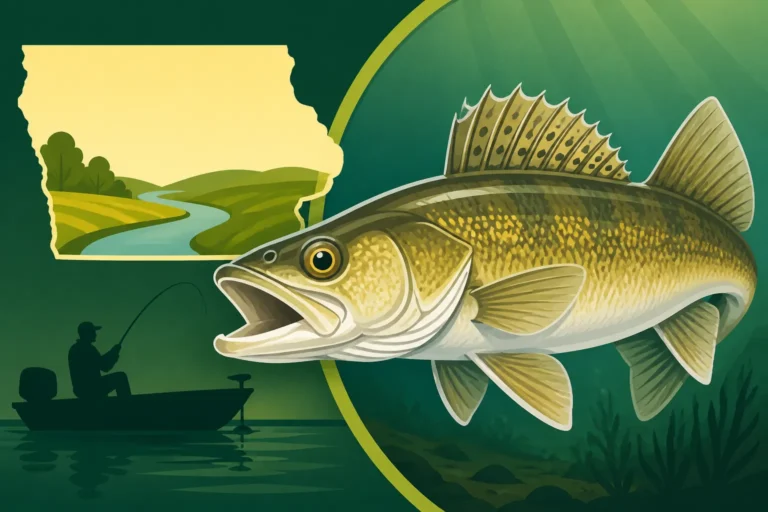
It's almost a universal truth among freshwater anglers that walleye is king when it comes to table fare. If you've ever had a fresh walleye fillet, you know exactly why it holds such a revered spot.
- Unmatched Flavor and Texture: Walleye boast incredibly mild, sweet, white, and flaky meat. It's delicate enough that it doesn't need much seasoning to shine, but it also holds up beautifully to a light breading and pan-frying. There's a reason why so many restaurants feature "walleye" on their menus. Its texture is firm enough to not fall apart, yet perfectly tender when cooked.
- Versatile Preparation: While often pan-fried to a golden crisp, walleye fillets are also excellent baked with a squeeze of lemon and a pat of butter, or even grilled if you're careful not to overcook them. The versatility makes it a fantastic choice for any home cook.
- Where to Find Them: Walleye are prized in many Iowa waters. You'll find them in large natural lakes like the Iowa Great Lakes, including Spirit Lake and the Okobojis, as well as clear water reservoirs and rivers. Dedicated walleye anglers often target specific spots; for example, if you're looking to catch some for dinner, you might want to explore articles like Walleye Fishing in Iowa or Clear Lake Walleye Fishing for prime locations. The Mississippi River also holds a strong walleye population, especially in certain pools like Mississippi River Pool 9 Fishing.
Panfish: Crappie, Bluegill, and Perch
When it comes to sheer numbers, accessibility, and delightful taste, you simply cannot beat Iowa's panfish. These smaller fish are often the first species kids catch, and they remain a favorite for anglers of all ages looking for a tasty meal.
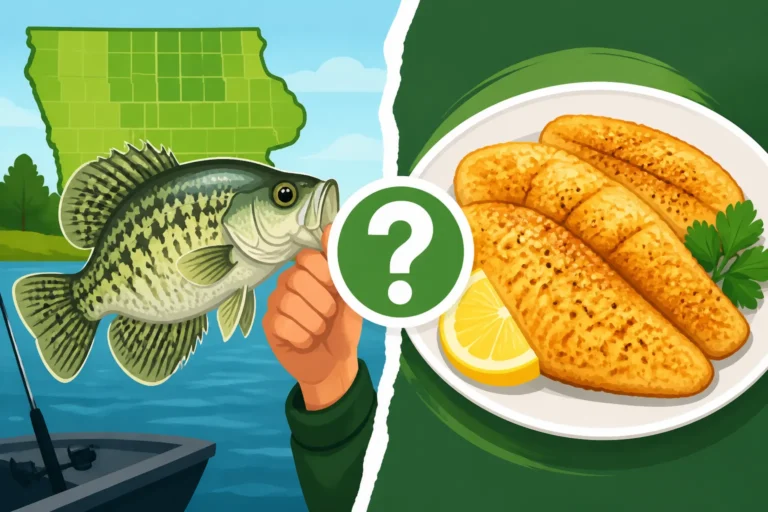
- Sweet and Delicate Flavor: Crappie, bluegill, and yellow perch all share a wonderfully sweet and delicate flavor. Their white meat is tender and flakes apart easily. While they might be small, what they lack in size, they more than make up for in flavor.
- The Perfect Fry: Panfish, as their name suggests, are absolutely perfect for pan-frying. A light cornmeal or flour breading, quickly fried in hot oil, turns these small fillets into crispy, delicious bites. Yes, cleaning a bucket full of panfish can be a bit more work than a few large walleye, but most anglers agree it’s a labor of love well worth the effort. You can cook them whole after scaling and gutting, or quickly fillet them into small, boneless morsels.
- Abundant and Widespread: Iowa is blessed with excellent panfish populations in countless lakes, ponds, and slower river sections. If you're targeting specific panfish species, resources like Crappie Fishing in Iowa or Bluegill Fishing in Iowa can point you in the right direction. Just remember to keep an eye on regulations like Crappie Daily Limit in Iowa to ensure sustainable fishing.
Catfish: A Midwest Favorite
For many Iowans, especially those who grew up fishing rivers, catfish holds a special place in their culinary hearts. Channel catfish, in particular, are a staple of fish fries and summer cookouts.
- Robust and Versatile: Channel catfish offer a firmer, more robust flavor than walleye or panfish, which can vary depending on the water quality. They are incredibly versatile, lending themselves well to frying, grilling, baking, or even smoking. Flathead catfish tend to have a denser, slightly oilier, and often milder flavor than channels, making them another popular choice for the table.
- Proper Preparation is Key: The key to delicious catfish often lies in proper cleaning. Catfish have thick skin that needs to be removed, not scaled. Many anglers also trim off any dark or fatty meat along the lateral line, as this can contribute to a stronger flavor. After skinning and cleaning, the firm, white meat is ready for your favorite recipe.
- Where to Catch Them: Catfish are abundant throughout Iowa's rivers and many lakes. The Mississippi, Missouri, and Des Moines rivers are prime spots for Channel Catfish Fishing in Iowa. For those intrigued by the larger, more elusive flatheads, understanding Flathead Catfish Habitat and Behavior can be helpful, though they are often pursued more for sport than for their eating qualities by many anglers.
From Water to Plate: Maximizing Flavor and Freshness
Catching the best eating fish is only half the battle; how you handle and prepare your catch once it's out of the water makes all the difference in its final flavor and quality. Proper care ensures that delicious taste makes it all the way to your dinner plate.
Immediate Care is Key
The moment a fish comes out of the water, its quality for eating begins to degrade. Acting quickly and correctly can preserve that fresh-caught taste.
- Get 'Em on Ice, Stat! This is perhaps the single most important step. As soon as a fish is caught, it should be placed into a cooler filled with ice, ideally an ice-water slurry. This rapid chilling stops bacterial growth and keeps the flesh firm. Leaving fish to flop around in a livewell without ice, or worse, in a warm bucket, can quickly lead to soft, off-tasting meat.
- Bleeding Your Catch: For certain species, especially larger ones like walleye or catfish, bleeding the fish immediately after catching can significantly improve flavor. This removes blood from the flesh, which can otherwise impart a "fishy" or metallic taste. A quick slit to the gills and letting the fish bleed out in a bucket of water or directly on ice (ensuring the blood drains away) is all it takes. This simple step, though a bit messy, is a secret weapon for maximizing the eating quality of your catch.
Cleaning and Filleting
Once your fish are chilled, it’s time to clean them. This can seem daunting at first, but with a little practice and the right tools, it becomes second nature.
- Tools of the Trade: A sharp fillet knife is non-negotiable. It makes the job easier, safer, and yields better results. You can find excellent, durable fillet knives from brands available on platforms like Amazon. A good cutting board, ideally one that won't slip, and a bucket for scraps are also essential.
- To Fillet or Not to Fillet: For larger fish like walleye, bass, or larger catfish, filleting is the preferred method. This provides boneless, skinless portions perfect for cooking. Smaller panfish like crappie and bluegill can be either filleted or, if you prefer, scaled and gutted, then cooked whole (head and tail removed if desired). For catfish, remember you'll be skinning them, not scaling.
- Practice Makes Perfect: Don't get discouraged if your first few fillets aren't perfect. Watch some videos, be patient, and practice. You'll quickly get the hang of separating that delicious meat from the bones. The goal is to maximize meat yield and ensure no scales or unwanted parts end up on your plate.
Simple Cooking Methods to Savor the Flavor
With your fresh, clean fillets ready, it's time to cook them! The best methods are often the simplest, allowing the natural flavor of the fish to shine.
- The Classic Pan-Fry: This is arguably the most popular and often the best way to cook most Iowa freshwater fish. A light dredge in seasoned flour, cornmeal, or a cracker crumb mixture, then fried in hot oil or butter until golden brown and flaky. This method is especially perfect for walleye, crappie, bluegill, and catfish.
- Baking for a Healthier Option: For those looking for a lighter touch, baking is a fantastic choice. Place fillets on a baking sheet, drizzle with olive oil or butter, season with salt, pepper, and your favorite herbs (lemon and dill are always winners), and bake until the fish flakes easily with a fork. This works wonderfully for walleye, trout, and bass.
- Grilling for a Smoky Twist: Grilling can add a fantastic smoky flavor, especially to firmer fish like catfish or larger walleye fillets. Be sure to oil your grill grates well and don't overcook, as fish can dry out quickly on the grill. A fish basket can be a lifesaver for delicate fillets.
No matter the method, the golden rule of cooking fish is don't overcook it. Fish cooks quickly, and overcooked fish becomes dry and tough, losing all its delicate flavor and texture.
Beyond the Usual Suspects: Exploring Other Iowa Edibles
While walleye, panfish, and catfish often steal the culinary spotlight, Iowa's waters hold other fish species that, with the right approach, can also make for a delightful meal. Don't overlook these options, especially if you're looking to expand your fishing and cooking horizons.
Bass: Largemouth and Smallmouth
Bass are undeniably fantastic sport fish, celebrated for their aggressive strikes and powerful fights. Many anglers practice catch-and-release, especially for trophy-sized specimens. However, both largemouth and smallmouth bass are absolutely edible, and can be quite good when properly handled.
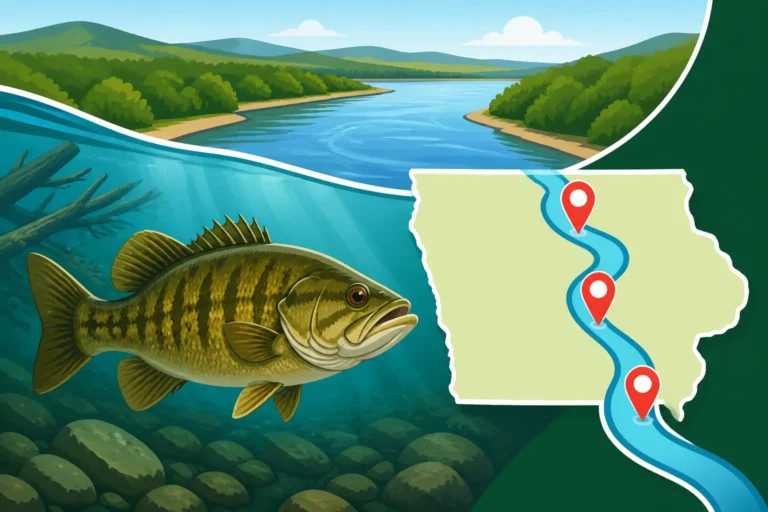
- Flavor and Texture: Bass meat is typically white and firm, with a moderate flavor. It can sometimes be described as slightly "gamey," especially in larger fish or those from warmer, murkier waters. However, don't let that deter you! With proper care, they can be excellent.
- Improving the Taste: To minimize any strong flavors, ensure you bleed your bass immediately after catching and get them on ice quickly. When filleting, it's also a good practice to trim away any dark red meat along the lateral line, as this is where stronger flavors can concentrate.
- Preparation: Bass fillets hold up well to pan-frying, baking, or grilling. Their firm texture makes them less prone to falling apart than some flakier fish. If you're targeting Largemouth Bass Fishing in Iowa or Smallmouth Bass Fishing in Iowa, consider keeping a few smaller, legal-sized fish for dinner, rather than always releasing them.
Trout: A Delicate Delight
While not as widespread as other species, Iowa's northeast corner is home to beautiful cold-water streams stocked with trout, primarily rainbow trout. These fish offer a unique and highly prized culinary experience.
- Exquisite Flavor and Flesh: Rainbow trout have delicate, very mild, and often pinkish flesh. Their flavor is clean and fresh, making them incredibly desirable for a special meal. The meat is tender and flakes beautifully.
- Ideal Preparation: Trout are often cooked whole (scaled and gutted), simply baked with lemon and herbs, pan-fried, or even smoked. Their small size and delicate nature make them quick to cook.
- Where to Find Them: To enjoy trout, you'll need to head to Iowa's designated trout streams, mostly found in the driftless region of Northeast Iowa. Rainbow Trout Fishing in Iowa and Trout Fishing Streams in Northeast Iowa can guide you to these scenic fishing destinations. Remember, trout fishing often requires a special trout fee in addition to your regular fishing license.
Northern Pike and Muskie: Handling with Care
These toothy predators offer an exciting challenge on the water, but their culinary reputation can be a bit more complicated. While both are edible, preparing them requires a bit more knowledge.
- Northern Pike and the "Y-bones": Northern pike have delicious, white, flaky meat that tastes similar to walleye. The major challenge, however, is the notorious "Y-bones" – a series of small, tricky bones running through the fillet. Learning how to properly remove these bones (often called "five-fillet method") is essential if you plan to keep pike for the table. Once mastered, you'll be rewarded with boneless fillets. Northern Pike Fishing in Iowa can provide more information on catching these fascinating fish.
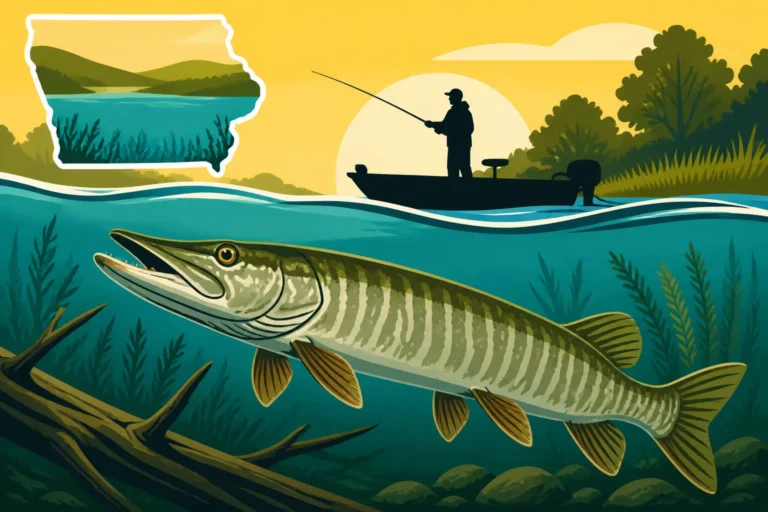
- Muskie: A Trophy First: Muskellunge are the apex predators of Iowa's waters, known for their immense size and legendary status. For most anglers, muskie fishing is almost exclusively catch-and-release, aiming for that "fish of a thousand casts" trophy. While muskie meat is white and flaky, similar to pike, their rarity, slow growth, and immense fighting power mean they are overwhelmingly seen as a sport fish rather than table fare. If you're pursuing these giants, check out Muskie Fishing in Iowa for more on their pursuit.
| Fish Species | Flavor Profile | Texture | Typical Preparation | Ease of Cleaning |
|---|---|---|---|---|
| Walleye | Mild, slightly sweet, clean | Flaky, firm | Pan-fry, bake | Easy fillets |
| Crappie | Sweet, delicate | Flaky, tender | Pan-fry | Moderate (small size) |
| Bluegill | Sweet, delicate | Flaky, tender | Pan-fry | Moderate (small size) |
| Channel Catfish | Mild to moderate, sometimes earthy | Firm, moist | Pan-fry, grill, bake | Moderate (skinning required) |
| Largemouth Bass | Moderate, can be slightly "gamey" | Firm, dense | Pan-fry, bake, grill | Easy fillets (trim dark meat) |
| Smallmouth Bass | Moderate, can be slightly "gamey" | Firm, dense | Pan-fry, bake, grill | Easy fillets (trim dark meat) |
| Rainbow Trout | Very mild, fresh, delicate | Delicate, tender | Bake, pan-sear, smoke | Easy (often cooked whole) |
| Northern Pike | Mild, white, clean | Flaky, firm | Pan-fry, bake | Difficult (Y-bones) |
| Muskie | Mild, white, clean | Flaky, firm | Typically catch-and-release | Very difficult (Y-bones) |
Disclaimer
This article is for general informational purposes only and does not constitute professional advice. Laws, prices and regulations vary by location and change over time. Consult a qualified professional for guidance on your specific situation.