Where Smallmouth Bass Live on the Mississippi River
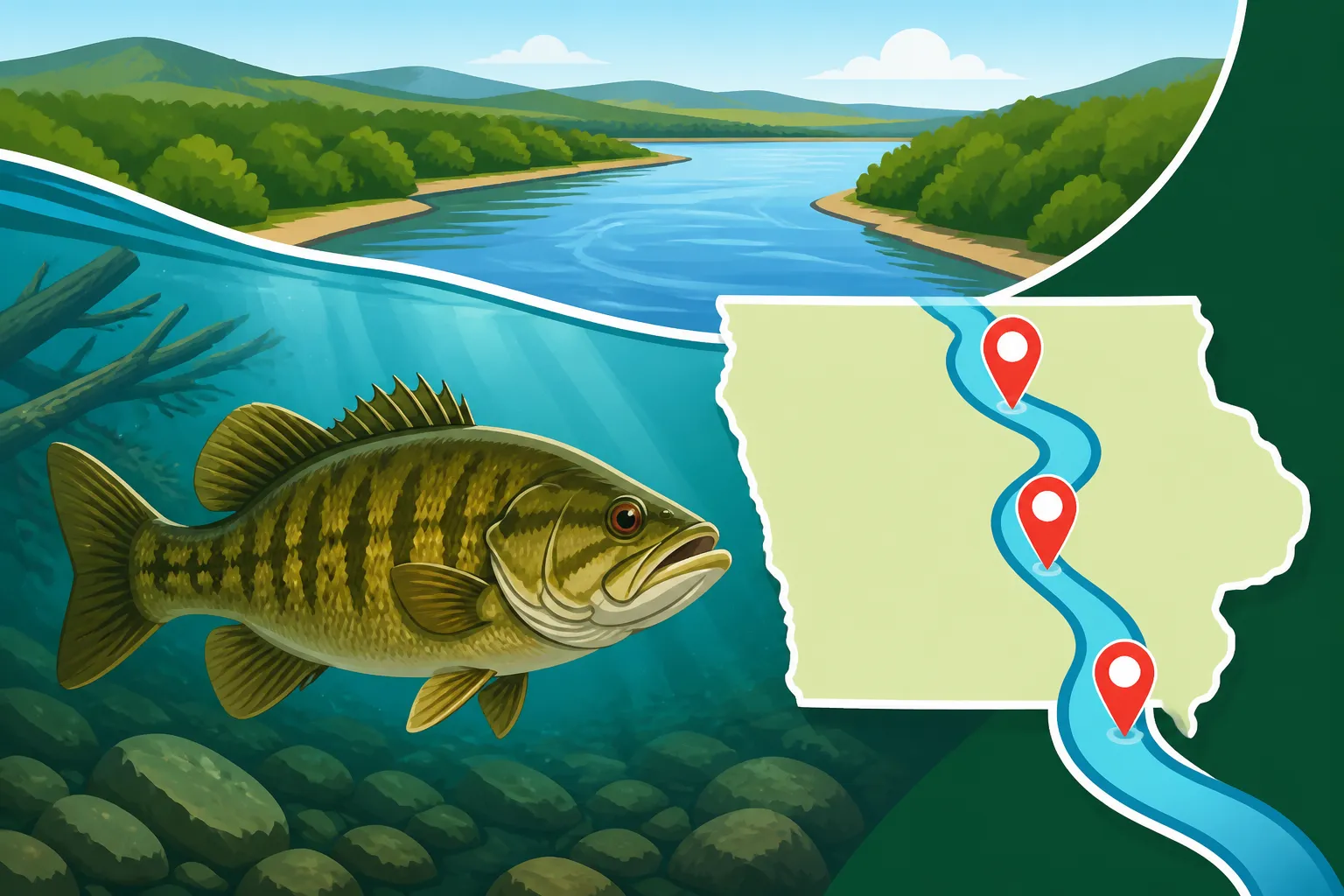
Many anglers dream of battling a hard-fighting smallmouth bass, but finding these elusive brown bombers on the vast and powerful Mississippi River in Iowa can feel like searching for a needle in a haystack. It's not like still-fishing a farm pond; the river is a dynamic, ever-changing beast. This guide is here to cut through the confusion and show you exactly where these incredible fish make their homes along Iowa's majestic eastern border, helping you pinpoint those prime smallmouth hotspots.
Understanding Smallmouth Bass Preferences in the Mississippi
When you're trying to locate any fish species, the first step is always to understand what makes them tick. Smallmouth bass, often affectionately called "bronze backs" or "brown fish," aren't just anywhere in the Mississippi River. They have very specific tastes when it comes to habitat, and if you learn to recognize these key characteristics, you'll dramatically improve your chances of a successful outing. It's all about thinking like a smallmouth.
Current and Structure: The Smallmouth's Comfort Zone
Smallmouth bass are quintessential river fish, which means they absolutely love current. But it's not just about being in the current; it's about being near current that brings them food, while also providing a break from its relentless force. Think of it like a buffet line with a cozy armchair nearby. They want to be close enough to ambush prey that drifts by, but they don't want to expend all their energy fighting the flow. This is why you'll often find them lurking in current seams, eddies, and behind various forms of structure that break up the flow.
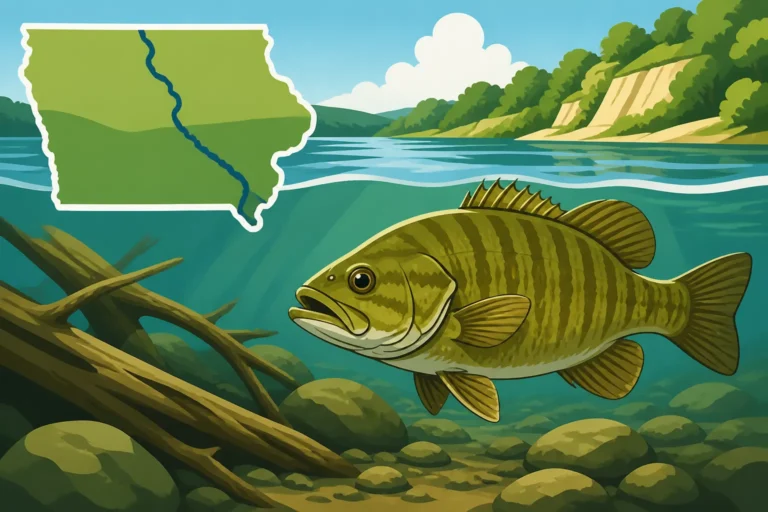
This "structure" can be anything from natural rock piles and submerged timber to man-made features like riprap banks and wing dams. These features create crucial current breaks where water slows down, allowing smallmouth to hold without constant effort. These breaks also concentrate baitfish, making them prime ambush points. If you're not actively looking for areas where the current changes or where something obstructs the flow, you're likely missing the best smallmouth spots. Learning How to Catch Smallmouth Bass Near Rocky Structure is a game-changer for river anglers.
Water Clarity and Temperature: Key Factors
Compared to their largemouth cousins, smallmouth bass generally prefer clearer, cooler water. While the Mississippi can certainly get muddy after heavy rains, smallmouth will often seek out areas where the water has had a chance to settle, or where tributaries bring in cleaner flow. This doesn't mean you can't catch them in slightly stained water, but ultra-muddy conditions usually send them deeper or into less affected backwater areas.
Temperature plays an equally vital role. Smallmouth bass are more active in water temperatures ranging from the mid-50s to low 70s Fahrenheit. In spring, as water warms, they move to shallower rocky areas to spawn. In the heat of summer, they'll often retreat to deeper, cooler stretches or seek out aerated, current-heavy areas. When fall arrives and water temperatures drop again, they can offer some incredible fishing as they feed heavily before winter. Understanding these seasonal shifts in Best Time to Catch Smallmouth Bass on the Mississippi River is crucial for consistent success.
Prime Mississippi River Habitats for Smallmouth Bass in Iowa
Now that we understand what smallmouth bass like, let's talk about where you can find those ideal conditions on Iowa's stretch of the Mississippi River. The river is a complex system of main channels, backwaters, sloughs, and dammed pools, and each offers different opportunities depending on the specific features present. Knowing these key habitat types will allow you to scan the river and instantly identify potential smallmouth goldmines.
Wing Dams, Scour Holes, and Riprap Banks
These three features are arguably the absolute holy trinity for smallmouth bass on the Mississippi River. Wing dams are man-made rock structures built perpendicular to the main channel, designed to direct current and maintain channel depth. They create incredible current breaks, eddies, and often deep scour holes at their tips or alongside them as the current digs out the riverbed. Smallmouth love to sit in the slower water behind or beside a wing dam, waiting for food to be washed over or around the structure. Wing Dam Fishing on the Mississippi River is a popular and productive technique.
Riprap banks, which are shorelines reinforced with loose rock, offer similar benefits. The irregular surface of the rocks creates countless small pockets, crevices, and current breaks where smallmouth can hide and ambush prey. These banks often run for miles, providing ample cover and feeding opportunities. Look for variations in the riprap, like larger boulders or areas with submerged logs, as these offer even more prime real estate. These areas are particularly good for smallmouth in pools like Mississippi River Pool 9 Fishing and Mississippi River Pool 10 Fishing.
Tributary Mouths and Rocky Shoals
The mouths of smaller rivers, creeks, and even larger drainage ditches that flow into the Mississippi are often overlooked smallmouth havens. These inflowing waters can bring in cleaner, cooler, or more oxygenated water, and they frequently carry a fresh supply of baitfish and insects. The confluence of these waters creates dynamic current patterns and often deposits gravel or rock, forming natural shoals or bars that smallmouth patrol.
Rocky shoals, whether natural or formed by historical river changes, are essentially underwater rock piles or reefs. They can be found in various depths and often hold significant numbers of smallmouth, especially during low light conditions or when the fish are actively feeding. These areas provide excellent cover and foraging grounds. Using your fish finder to locate these submerged rock gardens can be incredibly effective, and you can find various models on platforms like Amazon.
Lock and Dam Systems: Concentrating Fish
The lock and dam systems along the Mississippi River are absolute magnets for fish, including smallmouth bass. The turbulent water immediately below the dams is highly oxygenated and creates chaotic current breaks, eddies, and powerful current seams. Baitfish are often stunned or disoriented in this churned-up water, making them easy targets for opportunistic smallmouth. Fish will stack up in these areas, especially when the gates are open and a strong current is flowing.
Just above the dams, in the calmer waters leading into the locks, smallmouth can also be found, often relating to current near the lock walls or in any rocky sections. These areas provide both feeding opportunities and deeper, stable habitat. However, always exercise extreme caution and follow all navigation and safety regulations when fishing near locks and dams. You can find excellent tackle and safety gear for fishing these areas on Amazon. Mississippi River Pool 12 Fishing is a prime example of an area influenced by a lock and dam system.
Gear and Techniques for Mississippi River Smallmouth
Catching smallmouth bass on the Mississippi requires a specific approach and the right tools for the job. You can't just show up with any old rod and reel and expect consistent success against these feisty river dwellers. Let's talk about what you need and how to use it effectively.
Essential Tackle for River Smallmouth
For river smallmouth, you'll want a medium-light to medium-heavy spinning or baitcasting setup. A 6'6" to 7' fast-action rod is generally ideal, offering the sensitivity to detect subtle bites and the backbone to fight strong fish in current. Best Rod Length for Iowa River Walleye Fishing principles often apply to smallmouth too. Pair this with a reliable spinning reel in the 2500-3000 size range or a quality baitcaster.
When it comes to line, a good fluorocarbon leader (6-10 lb test) tied to braided mainline (10-20 lb test) is a fantastic combination. The braid offers incredible sensitivity and casting distance, while the fluorocarbon leader provides invisibility and abrasion resistance against rocks and mussels. If you prefer mono, stick to a high-quality 8-12 lb test. As for lures, river smallmouth are suckers for crankbaits, jigs with soft plastics (tubes, grubs, swimbaits), spinnerbaits, and topwater lures during low-light conditions. You can find a huge variety of these on Amazon, often with helpful reviews from other anglers.
Best Strategies for Approaching Mississippi Hotspots
When fishing wing dams or riprap, positioning your boat is key. You'll often want to anchor or use your trolling motor to slowly drift past the structure, casting upstream or cross-current. This allows your lure to drift naturally into the strike zone, mimicking baitfish caught in the current. Always cast beyond your target, letting the current carry your lure down to the fish. Focus on the current seams, the eddy lines, and the calm water pockets immediately behind rocks or dams.
For tributary mouths and rocky shoals, a more exploratory approach might be necessary. Use your electronics to locate submerged rocks and depth changes, then fan-cast the area thoroughly. Crankbait Fishing for Iowa Smallmouth Bass is particularly effective here, as crankbaits can bounce off rocks, triggering reaction strikes. If you're Kayak Fishing Techniques in Iowa, remember that stealth is your friend, allowing you to approach these spots quietly.
Seasonal Considerations for Smallmouth Success
The smallmouth bite on the Mississippi changes with the seasons. In spring, as water temperatures climb into the mid-50s, smallmouth move shallow to spawn. Look for them on rocky flats and riprap banks in 2-5 feet of water. Jigs, tubes, and shallow crankbaits are excellent choices. As summer progresses, they'll often retreat to deeper current-filled areas, like the tips of wing dams, deep scour holes, and along cooler, shaded riprap. Early mornings and evenings can also bring them shallower to feed on topwater.
Fall is a fantastic time for trophy smallmouth, as they feed aggressively to put on weight for winter. They'll be found in many of the same places as summer, but often deeper and more concentrated. Vertically jigging spoons or heavy jigs can be very effective when they're hunkered down. Once winter sets in, smallmouth become much less active, often holding in the deepest pools with minimal current. However, if you are interested in Iowa Fishing Seasons Explained, you'll find there are opportunities year-round for other species.
Navigating Challenges and Maximizing Your Catch
Fishing the Mississippi River is an incredible experience, but it comes with its own set of challenges. The river's dynamic nature means conditions can change rapidly, and you need to be prepared. A smart angler is a safe and successful angler.
Dealing with River Fluctuations and Current
The Mississippi River is constantly changing. Water levels can rise and fall dramatically due to rainfall or dam operations, and the current can be incredibly strong, especially after heavy rains. These fluctuations directly impact where smallmouth bass will be. High, muddy water will push fish into calmer, clearer backwater areas or deeper holes where the current is less severe. Low water can concentrate fish in remaining channels or expose previously submerged structure. Always check river levels and forecasts before you head out.
Strong current also demands heavier tackle and specific boat control. You might need heavier jigs or crankbaits to get your lure down to the fish. When boating, understand how current affects your drift and always be aware of submerged hazards. Safety is paramount, especially on such a powerful river. Familiarize yourself with all Iowa Fishing Regulations on the Mississippi River Border, as some rules can differ slightly in border waters.
Conservation and Responsible Angling
Smallmouth bass are a prized sportfish, and we want to ensure their populations remain healthy for future generations. While limits do exist, many dedicated smallmouth anglers practice catch-and-release, especially for the larger, older fish that are vital for reproduction. Handle these fish with care, minimize their time out of the water, and release them gently. A good pair of pliers from Amazon can help quickly remove hooks and reduce stress on the fish.
Beyond catch and release, responsible angling also means leaving no trace. Pack out everything you pack in, and be respectful of other anglers and the environment. Learning about Smallmouth Bass Fishing in Iowa in a broader sense helps foster an appreciation for this incredible species. By being mindful of our impact, we can ensure the Mississippi River continues to be a fantastic fishery for smallmouth and many other species.
| Habitat Type | Description | Key Features for Smallmouth | Best Lure Types |
|---|---|---|---|
| Wing Dams | Rock structures extending into the main channel to direct flow. | Current breaks, eddies, scour holes at tips/sides, concentrated baitfish. | Jigs, crankbaits, spinnerbaits |
| Riprap Banks | Shorelines reinforced with rocks/boulders. | Numerous current breaks, crevices for ambush, consistent food source. | Jigs, tubes, shallow crankbaits, topwater (low light) |
| Tributary Mouths | Where smaller rivers/creeks flow into the Mississippi. | Inflowing cleaner/cooler water, current transitions, gravel/rock deposits, baitfish. | Crankbaits, jigs, spinnerbaits |
| Rocky Shoals/Reefs | Submerged rock piles or ledges. | Ambush points, deep water access nearby, thermal stability, cover. | Jigs, crankbaits, grubs, swimbaits |
| Lock & Dam Systems | Areas immediately above and below navigation dams. | Extreme current breaks, highly oxygenated water, concentrated baitfish. | Heavy jigs, swimbaits, deep-diving crankbaits |
| Main Channel Eddies | Swirling, slower water pockets adjacent to strong current. | Resting areas with easy access to food lane, often associated with structure. | Jigs, grubs, spinnerbaits, crankbaits |
| Submerged Timber/Brush | Downed trees, log jams, brush piles in slower water areas. | Cover, shade, ambush points, often near current seams. | Jigs (weedless), soft plastics (Texas-rigged) |
| Bridges & Pilings | Structure from bridge supports and concrete pilings. | Current breaks, shade, vertical cover, often deep water access. | Jigs, crankbaits, vertically jigged baits |
Disclaimer
This article is for general informational purposes only and does not constitute professional advice. Laws, prices and regulations vary by location and change over time. Consult a qualified professional for guidance on your specific situation.