Crappie Daily Limit in Iowa
It's incredibly frustrating when you're out on a beautiful Iowa lake, the crappie are biting, and you're having the time of your life, only to suddenly second-guess yourself about the daily limit. Did you remember the number correctly? Does this lake have special rules? This common anxiety can really put a damper on an otherwise perfect fishing trip. This guide aims to clear up all the confusion around the crappie daily limit in Iowa, making sure you're well-informed, compliant, and ready to enjoy your fishing adventures without a nagging doubt in the back of your mind.
Understanding the Statewide Crappie Daily Limit in Iowa
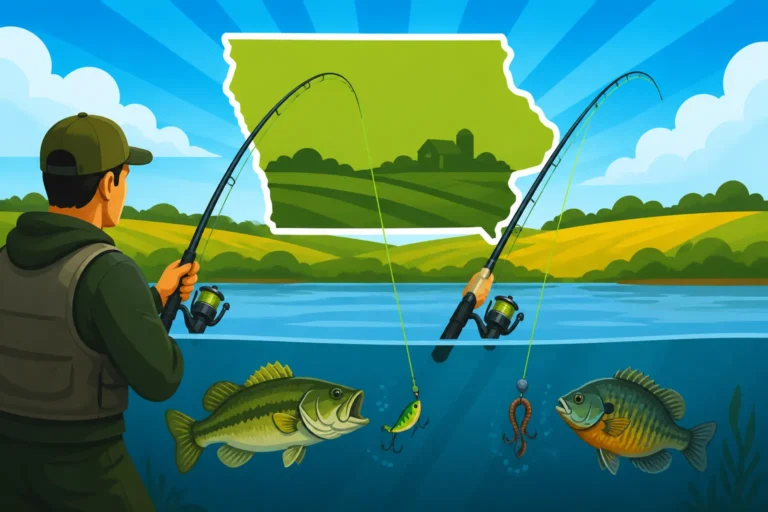
For the vast majority of Iowa's public waters, the Iowa Department of Natural Resources (DNR) sets a straightforward daily bag limit for crappie: 25 fish. However, and this is a crucial point, this isn't just for crappie in isolation. This limit is combined with other popular panfish species, including bluegill, sunfish (like pumpkinseed and green sunfish), yellow bass, and perch. So, if you're having one of those incredible days where you're pulling in a mix of slabs, remember that your total haul of all these species combined cannot exceed 25. For example, if you land 15 crappie and 10 bluegill, you've hit your combined daily limit, and it's time to either switch to catch-and-release or head home to clean your well-deserved catch.
This combined panfish limit is a thoughtful management strategy implemented by the Iowa DNR. Crappie, bluegill, and their panfish cousins often share similar habitats and food sources, and they are incredibly popular targets for anglers across the state. By grouping these species under a single limit, the DNR helps prevent the overharvesting of any one particular species, especially during peak seasons when the bite is on. It ensures that these valuable fisheries remain healthy and productive for years to come, providing consistent opportunities for anglers of all skill levels. This forward-thinking approach means we can all continue to enjoy excellent panfishing, whether it's the thrill of the spring crappie bite or the consistent action of summer bluegill. Knowing the local fish behavior can also help, so check out our article on the Best Month to Catch Crappie in Iowa to fine-tune your timing.
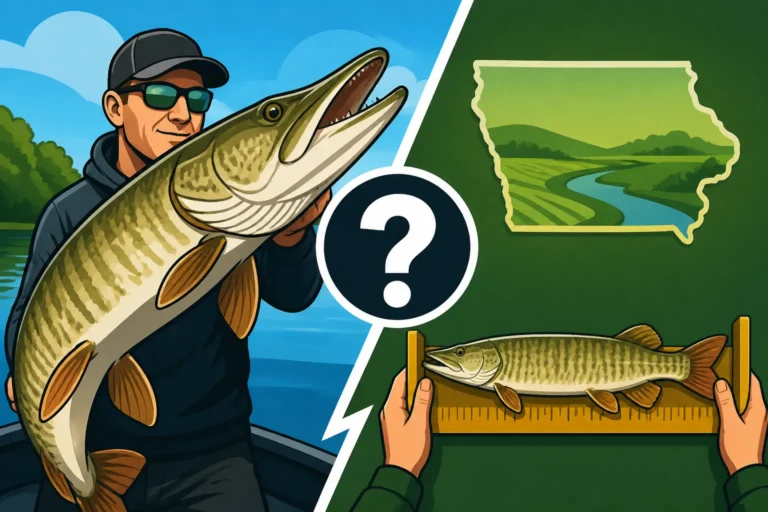
It's also worth noting that for crappie, specifically, there isn't a statewide minimum size limit in Iowa. This means that if a crappie meets the legal requirements (i.e., it's not an illegally caught fish, and you're within your daily bag limit), you can keep it regardless of its length. This differs significantly from species like walleye or bass, which often have strict length regulations designed to protect specific age classes. However, even without a size limit, responsible angling encourages keeping only what you'll eat and releasing smaller fish to grow. Understanding these fundamental rules is a cornerstone of responsible fishing, which we cover more broadly in our guide to Crappie Fishing in Iowa.
Identifying Crappie and Distinguishing Them from Other Panfish
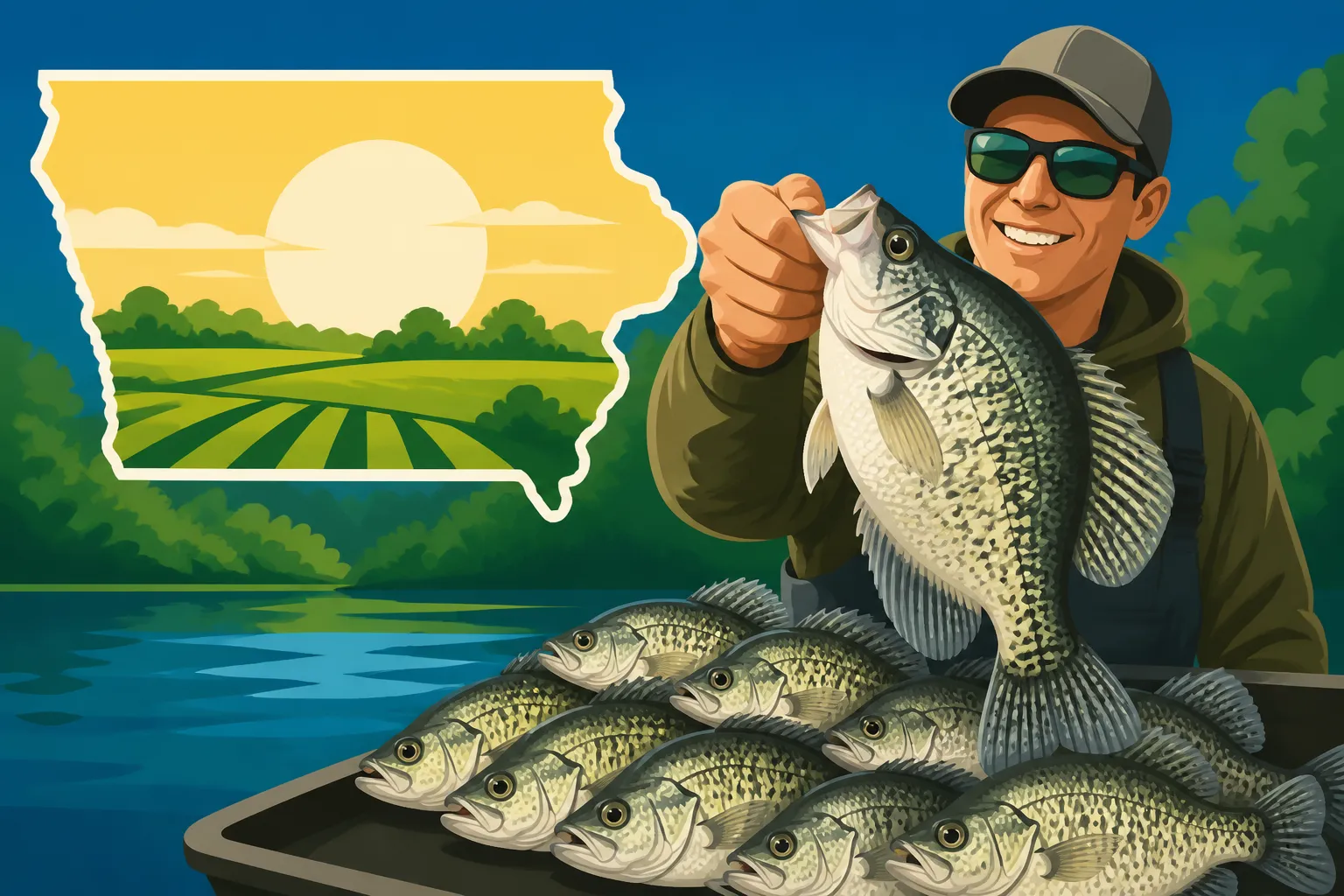
When you're out on the water, especially if you're new to Iowa fishing, accurately identifying your catch is super important. In Iowa, you'll primarily encounter two species of crappie: the black crappie and the white crappie. While both fall under the same combined panfish daily limit, knowing their distinct features can enhance your angling knowledge. Black crappie typically have a darker, more mottled appearance with irregular black spots scattered across their silvery-green or golden bodies. A key identifier for black crappie is their dorsal fin, which usually has seven or eight spines, and the distance from their eye to the front of their mouth is shorter than the eye's diameter.
White crappie, by contrast, tend to be lighter in color with more distinct, often faint, vertical bar patterns along their sides. Their dorsal fin typically has five or six spines, and the distance from their eye to the front of their mouth is usually longer than the eye's diameter, giving them a slightly more elongated appearance. Both species are fantastic table fare and highly sought after by Iowa anglers. For a deeper dive into their characteristics, you might find our specific articles on Crappie Species Found in Iowa and Black Crappie vs White Crappie in Iowa incredibly helpful. A good fishing field guide, easily found on Amazon, can also be an invaluable tool to keep in your tackle box for quick reference.
Sometimes, especially for beginners, distinguishing crappie from other similar-looking panfish like bluegill or even some sunfish can be a bit tricky. The most reliable way to tell them apart is by their body shape and mouth structure. Crappie have a much more compressed, disc-shaped body, almost like a thin oval, and their mouths are relatively large, extending back to at least the middle of their eye, sometimes even past it. Bluegill, on the other hand, typically have a rounder, thicker body profile and a smaller mouth that doesn't extend much beyond the front of their eye. Their dorsal fins also differ in shape and spine count. Taking the time to properly identify your catch not only ensures you're adhering to the correct regulations but also deepens your connection to the fish and the natural environment.
Navigating Special Regulations for Crappie in Specific Iowa Waters
While the statewide daily limit of 25 crappie (combined with other panfish) is widely applicable, it's absolutely paramount to understand that some specific water bodies in Iowa can, and often do, have special regulations. These exceptions are never arbitrary; they are carefully put in place by the DNR to manage fish populations, enhance specific fisheries, or address unique ecological conditions of a particular lake, river, or stream. Failing to check these localized rules is one of the most common mistakes anglers make, and it can quickly turn a fun day into a costly one.
For instance, border waters like the Mississippi River often operate under reciprocal agreements or unique regulations that can differ significantly from inland Iowa lakes. The Panfish Limit on the Mississippi River might have its own specific nuances that require your attention. Similarly, popular crappie destinations such as Rathbun Lake Crappie Hotspots or Clear Lake Panfish and Crappie Spots could, at any given time, be under a special management plan. While crappie size limits are rare statewide, a specific lake might have an experimental slot limit for another panfish species or specific rules about bait that affect your overall angling strategy. This is why a quick check before you launch is non-negotiable. Our comprehensive Iowa Fishing Regulations Explained and Iowa Daily Bag Limits Guide are fantastic resources to start with, but always drill down to the specifics of your chosen fishing hole.
The best way to stay informed is to always consult the most current Iowa Fishing Regulations booklet, which you can often pick up for free at bait shops, county recorder offices, or DNR offices. Even better, the Iowa DNR website is an excellent, always up-to-date resource. Many anglers find it convenient to download the PDF version to their smartphone or tablet, ensuring they have the regulations literally at their fingertips, even when out on the water. Another tip is to get a measuring decal for your boat or tackle box, easily available on Amazon, which can help you quickly verify lengths if you're fishing waters with size limits for other species. Always prioritize confirming the rules for your exact fishing location. For detailed instructions on how to access these resources, refer to our guide on How to Check Current Iowa Fishing Regulations Online.
Ensuring Compliance and Ethical Angling Practices
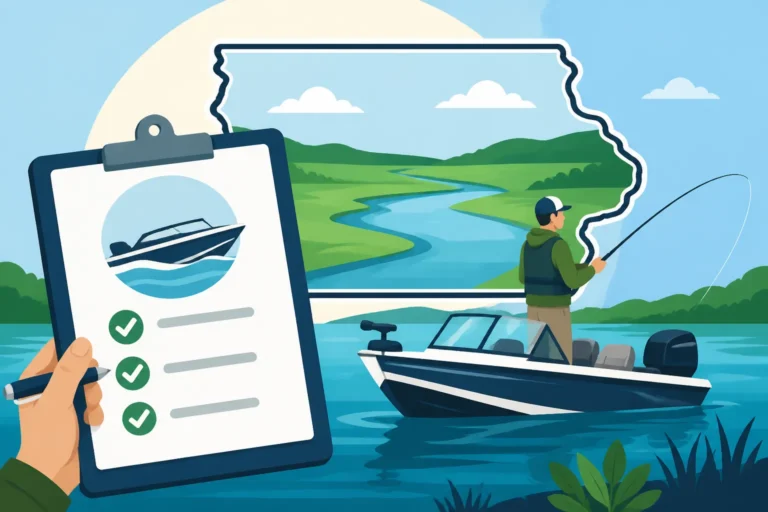
Understanding the crappie daily limit in Iowa is just the first step; actively ensuring compliance on the water is where responsible angling truly shines. When the crappie are biting fast and furious, it can be easy to lose count. A simple, practical tip is to keep a stringer or a cooler with an accurate count of your keepers as you go. For panfish, which typically don't have size limits in Iowa, you won't need to constantly measure them. However, if you're also targeting other species that do have length restrictions, make sure you have a reliable measuring device like a bump board or a measuring tape, which you can easily order from Amazon. Getting into the habit of counting and measuring as you fish will prevent any accidental over-harvesting or violations.
Beyond just the numbers, ethical angling means understanding the impact of your actions on the fishery. If you've reached your daily limit of crappie and you're still getting bites, consider switching to catch-and-release. This allows you to continue enjoying the thrill of fishing without putting undue pressure on the local fish population. Ensure you handle released fish with care, minimizing their time out of water and using appropriate release techniques, especially if you're using specific methods like those discussed in our Crappie Jig Fishing Techniques guide. A proper landing net can also help ensure a gentle release.
The consequences of exceeding daily bag limits in Iowa are not to be taken lightly. Fishing without adhering to these regulations is a violation and can lead to serious repercussions. These can include significant monetary fines, the confiscation of your fishing equipment and catch, and even the suspension of your fishing privileges for a period of time. Conservation officers are out there to protect our natural resources, and they take these violations seriously. By consciously following the rules, you're not only avoiding legal trouble but also contributing to the longevity and health of Iowa's precious aquatic ecosystems. It's a small effort that yields huge benefits for everyone who loves to fish.
| Panfish Species (Combined Limit) | Statewide Daily Bag Limit | Statewide Size Limit | Common Locations | Notes for Crappie Anglers |
|---|---|---|---|---|
| Crappie (Black & White) | 25 | None | Lakes, Rivers, Ponds | Included in the combined panfish limit of 25. |
| Bluegill | 25 | None | Lakes, Rivers, Ponds | Combined with crappie and other listed panfish. |
| Sunfish (other species) | 25 | None | Lakes, Rivers, Ponds | Combined with crappie and other listed panfish. |
| Yellow Bass | 25 | None | Lakes, Reservoirs | Combined with crappie and other listed panfish. |
| Perch | 25 | None | Lakes, Reservoirs | Combined with crappie and other listed panfish. |
Disclaimer
Please note that fishing regulations can change. While this guide provides current information regarding the crappie daily limit in Iowa, it is always your responsibility to verify the most up-to-date regulations with the Iowa Department of Natural Resources (DNR) before you go fishing. This content is for informational purposes only and should not be considered legal advice.