Are There Closed Seasons for Panfish in Iowa?
It's a common question that pops into every angler's mind, especially when you're used to strict calendars for big game fish: "Are there closed seasons for panfish in Iowa?" It can be confusing trying to keep track of all the rules, and no one wants to accidentally break a regulation. This guide will cut through the confusion and explain Iowa's approach to panfish seasons, daily limits, and how you can enjoy these abundant fish responsibly year-round.
Panfish: An Open Invitation Year-Round in Iowa
One of the great joys of fishing in Iowa, particularly for beginners or families looking for consistent action, is the accessibility of panfish. Unlike some other popular species that have very specific opening and closing dates, panfish generally offer a continuous fishing opportunity throughout the year. This flexibility is a huge bonus, allowing anglers to hit the water whenever the mood strikes, or the weather permits!
Why the "No Closed Season" Approach for Panfish
The primary reason Iowa doesn't enforce a traditional "closed season" for panfish species like crappie, bluegill, and sunfish comes down to their biology and population dynamics. Panfish tend to be prolific spawners, producing large numbers of offspring, and their populations are typically robust across a wide range of habitats. This natural abundance makes them quite resilient to continuous angling pressure. The goal of regulations is always to sustain healthy fish populations, and for panfish, managing harvest through daily and possession limits is generally more effective than shutting down fishing for specific periods. It means you can plan a fishing trip in January or July and still expect to target panfish legally.
Daily and Possession Limits: The Real Controls
While there isn't a closed season, it's absolutely crucial to understand that there are still very specific limits on how many panfish you can keep. These daily and possession limits are the primary tools used by the Iowa Department of Natural Resources (DNR) to manage panfish populations and ensure sustainable fishing for everyone. A "daily limit" refers to the maximum number of fish of a certain species you can keep in a 24-hour period. A "possession limit" is the total number of fish you can have on hand at any given time, whether they are freshly caught or in your freezer at home. Exceeding these limits, even without a closed season, is a serious violation. You can always check the most current regulations in the official Iowa Fishing Regulations Explained guide or a similar resource to stay informed.
Common Panfish Species and Their Regulations in Iowa
Iowa boasts a fantastic variety of panfish that are eager to bite, offering fun for anglers of all skill levels. Understanding the specific regulations for each type is key to a successful and legal outing. While most panfish fall under similar general rules, there can be subtle differences or special area regulations to be aware of.
Crappie: A Year-Round Favorite
Crappie, both black and white varieties, are incredibly popular in Iowa, known for their delicious fillets and willingness to bite. They can be found in many of Iowa's lakes, reservoirs, and river backwaters. Since there's no closed season, you can target crappie during their spring spawn in shallow bays, find them suspended over deeper brush piles in summer, or even jig for them through the ice in winter. The consistency of crappie fishing makes them a staple for many Iowa anglers. However, it's vital to remember their daily and possession limits. For specific details, make sure you look up the Crappie Daily Limit in Iowa before you head out. A quick search on Amazon for a good set of crappie jigs and a current regulation guide can get you set up quickly!
Bluegill and Other Sunfish: Abundant Opportunities
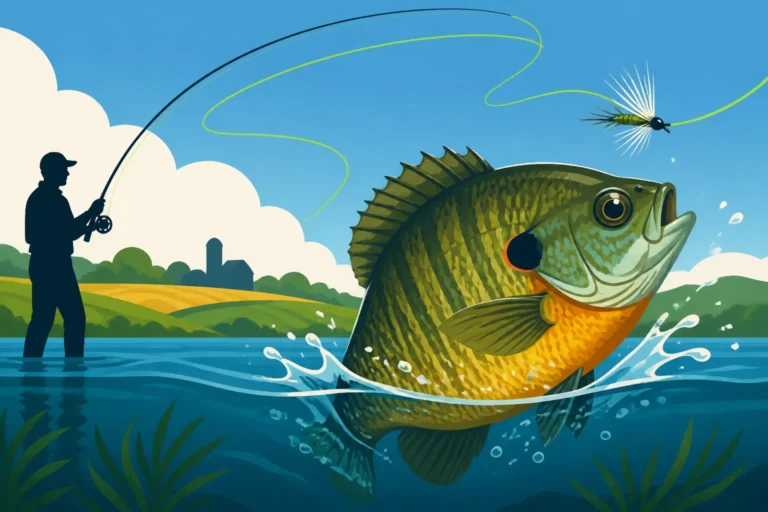
Bluegill, along with other sunfish species like redear sunfish and green sunfish, are perhaps the most common and accessible panfish in Iowa. They thrive in virtually every pond, lake, and slow-moving river segment. Just like crappie, there's no closed season for bluegill and other sunfish, providing continuous angling enjoyment. They are especially popular with kids due to their aggressive bites and ease of capture. Whether you're using a simple bobber and worm or fly fishing with tiny poppers, bluegill are usually willing participants. You'll find specific details on their combined limits by searching for Bluegill and Sunfish Combined Limit, which is an important distinction since multiple sunfish species often share the same bag.
Yellow Bass and Perch: Regional Nuances
While crappie and bluegill are widespread, species like yellow bass and perch often have more localized populations or specific regulations tied to certain bodies of water. Yellow bass, for instance, are particularly abundant in some of Iowa's larger natural lakes, like Clear Lake, where they can provide incredible action. Perch are another fantastic panfish, especially prized for ice fishing, and are often found in the Iowa Great Lakes region. Again, no specific closed season applies to these, but their daily and possession limits are carefully managed. For example, if you're planning a trip to Clear Lake, it's wise to specifically check the Yellow Bass Limit at Clear Lake to ensure you're compliant. Always consult the Iowa DNR's current regulations, which you can often find digitally or via a physical booklet—I've even seen digital versions available for purchase on Amazon for easy reference on your phone or tablet.
Here’s a quick overview of common panfish limits in Iowa, but remember to always check the latest regulations for any changes or special exceptions for specific water bodies:
| Species Group | General Daily Limit | General Possession Limit | Notes |
|---|---|---|---|
| Crappie | 25 | 50 | Can vary on specific lakes; check local rules. |
| Bluegill/Sunfish | 25 | 50 | Combined limit for all sunfish species. |
| Yellow Bass | 25 | 50 | Often abundant where present, check Clear Lake rules. |
| Perch (Yellow Perch) | 25 | 50 | Key ice fishing species in northern lakes. |
Panfish Season Compared to Other Iowa Fish Species
It's helpful to contrast the continuous panfish season with the more structured seasons for other popular game fish in Iowa. This highlights why the "no closed season" aspect for panfish is such a unique and angler-friendly feature.
Walleye and Bass: Structured Seasons
When you think about walleye or bass fishing in Iowa, specific season dates often come to mind. For instance, Walleye Season and Size Limits are carefully set, especially in critical spawning areas or during certain times of the year to protect the reproductive cycle of these fish. Similarly, Bass Season and Size Limits may have periods of closure or catch-and-release only rules, particularly during their spawning periods to ensure future generations. These regulations are in place because walleye and bass often have slower growth rates, different spawning behaviors, or are simply managed more intensely as premier sportfish. Anglers planning to target these species must be diligent about checking opening and closing dates and minimum length requirements, which stand in stark contrast to the year-round panfish opportunities.
Trout: Special Regulations and Fees
Trout fishing in Iowa, predominantly found in the cold-water streams of the northeast, also operates under a unique set of rules. While there isn't a traditional "closed season" in the same way as some other game fish, trout streams have specific stocking schedules, catch limits, and often require an additional Iowa Trout Fishing Fee and Stamp Guide beyond your general fishing license. Some streams might have special catch-and-release only sections or specific tackle restrictions. The management of trout is focused on maintaining a put-and-take fishery supported by regular stocking, along with protecting the limited wild trout populations. This specialized approach further emphasizes the general flexibility given to panfish anglers.
Ethical and Responsible Panfish Angling
Even with no closed season, practicing ethical and responsible angling is paramount to ensure healthy panfish populations for years to come. Your actions on the water contribute directly to the quality of fishing for everyone.
Practicing Selective Harvest
"No closed season" doesn't mean "keep everything you catch." Smart anglers practice selective harvest, which means being thoughtful about which fish you keep and which you release. For panfish, this often involves keeping a good number of medium-sized fish for a meal, while releasing the smallest ones to grow and the very largest "breeder" fish to continue spawning. Taking out too many of the biggest fish can actually harm the genetics and overall health of a panfish population over time. You might want to consider using a fish measuring board, easily found on Amazon, to help you make these decisions on the water. It’s also important to know How Many Fishing Poles You Can Use in Iowa as responsible angling also covers compliance with gear rules.
Understanding Local Exceptions and Signs
While the general rule is no closed season for panfish across Iowa, there can always be localized exceptions or special regulations. These might be posted at specific lakes or ponds, especially those managed for youth fishing, urban fishing programs, or conservation efforts. Always keep an eye out for signs at boat ramps, fishing piers, or park entrances that might indicate special length limits, reduced daily limits, or even temporary closures for specific species if a population is struggling. The Iowa DNR website is an invaluable resource, but nothing beats paying attention to local signage. For example, some community ponds might have stricter rules to ensure consistent opportunities for all, including children. Before you head to a new spot, a quick check of the current Iowa Fishing Season Dates and Limits online or in the official booklet is always a good idea. Looking into resources like Best Lures for Panfish can also enhance your ethical angling by allowing you to choose tackle that minimizes harm to released fish.
So, while you don't need to worry about a "closed season" for panfish in Iowa, being a responsible angler means understanding and adhering to the daily and possession limits, practicing selective harvest, and staying informed about any localized rules. Happy fishing!
Disclaimer
This article is for general informational purposes only and does not constitute professional advice. Laws, prices and regulations vary by location and change over time. Consult a qualified professional for guidance on your specific situation.