Best Barometric Pressure for Fishing
It's incredibly frustrating, isn't it? You plan a perfect fishing trip to one of Iowa's beautiful lakes or rivers, the sun is shining, the boat is loaded, and yet, the fish just aren't biting. You scratch your head, wondering what's going on. Often, an invisible force is at play: barometric pressure. This guide will dive deep into how atmospheric pressure impacts fish behavior and how you can use this knowledge to significantly improve your angling success right here in Iowa.
Understanding Barometric Pressure and Its Impact on Fish
Barometric pressure is something many of us vaguely remember from a science class, but for anglers, it's a critical piece of the puzzle. It refers to the weight of the air pressing down on the earth's surface, and by extension, on our waterways. Just like a changing forecast influences our mood or energy levels, it profoundly affects fish and their willingness to bite.
What is Barometric Pressure, Anyway?
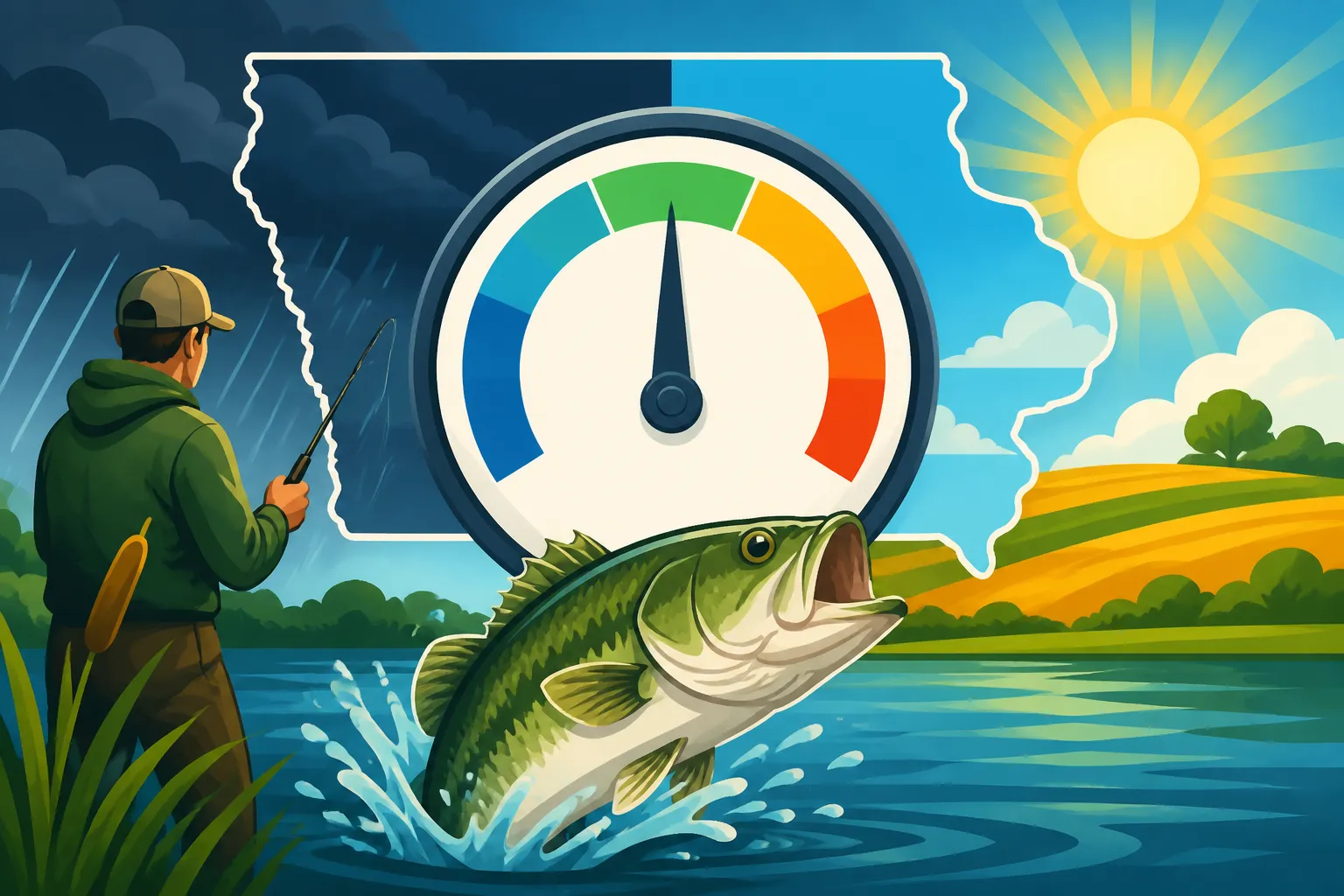
Think of it this way: the entire atmosphere of the Earth is like a giant blanket of air, and that blanket has weight. Barometric pressure is simply the measurement of that weight at a given point. It's measured in inches of mercury (inHg) or millibars (mb). When we talk about a "high-pressure system," it means there's more air pressing down, often associated with clear skies, calm winds, and stable weather. Conversely, a "low-pressure system" means less air is pressing down, often bringing cloudy, stormy, and unstable weather. These shifts aren't just about precipitation; they're about the fundamental force acting on the water column and everything in it.
For Iowa anglers, understanding these weather patterns is crucial. Our state experiences a wide range of weather conditions, from crisp, clear days to intense thunderstorms, and each of these brings a distinct barometric pressure scenario. If you're not paying attention to these shifts, you're missing a major clue about where fish might be and how active they'll be.
How Fish Sense Pressure Changes
Fish don't have a weather app, but they have an incredibly sensitive internal barometer: their swim bladder. This gas-filled organ helps them maintain buoyancy in the water column. As atmospheric pressure changes, the pressure on the water's surface changes, which in turn affects the pressure exerted on the fish's swim bladder.
- Rising Pressure: When the pressure increases, it compresses the fish's swim bladder. To compensate, fish often feel more comfortable in deeper water where the external water pressure helps equalize the internal pressure on their bladder. This can make them less active on the surface or in shallow areas. They might still feed, but often slower and deeper.
- Falling Pressure: As pressure drops, the swim bladder expands. This can make fish uncomfortable, causing them to ascend to shallower depths where there's less external water pressure. They might become more active, sometimes feeding aggressively right before a storm hits, sensing the imminent change and wanting to fill up before conditions get rough.
- Stable Pressure: During periods of stable pressure, fish are generally in their most comfortable and predictable state. Their swim bladders are stable, and they can move freely throughout the water column, often sticking to their typical feeding patterns and habitats. This is often when you'll find them most willing to bite.
Understanding this physiological response is key. It's not just a myth; fish genuinely react to these environmental shifts, moving to find their comfort zone and adjusting their feeding behavior accordingly.
Ideal Barometric Pressure for Fishing Success in Iowa
While there's no single "magic number" for barometric pressure, certain trends and ranges tend to correlate with better fishing days in Iowa. It's less about a specific reading and more about the change in pressure and whether it's stable, rising, or falling.
Stable or Rising Pressure: The Golden Window
The absolute best scenario for fishing is generally when the barometric pressure is stable and high, or when it's steadily rising.
- High and Stable Pressure: Imagine a beautiful, clear Iowa summer day, perhaps after a cold front has passed through and settled everything down. The barometer reads steady, often above 30.00 inHg. In these conditions, fish tend to be comfortable, actively feeding, and predictable. They are often found in their preferred feeding lies, whether that's weed lines, submerged structure, or current breaks. This is a prime time to target species like walleye on the Iowa Great Lakes or largemouth bass in smaller farm ponds. They feel good, and they're usually hungry.
- Rising Pressure: A slowly rising barometer after a period of low pressure or stormy weather can also trigger a feeding frenzy. As the weather clears and conditions stabilize, fish shake off the discomfort of the low-pressure system and become very active. This upward trend often signals improving weather and a return to more favorable conditions. This is a great time to be on the water, whether you're chasing Walleye Fishing in Iowa on the Mississippi River or trying your hand at Trout Fishing Streams in Northeast Iowa. Fish often move from deeper holding patterns into shallower feeding areas as the pressure stabilizes, offering excellent opportunities for anglers.
During these periods, fish are generally more aggressive and willing to chase a variety of baits and lures. You might find success with faster retrieves, more active presentations, and a wider range of techniques.
Falling Pressure: Proceed with Caution
A falling barometer, especially a rapid drop, usually signals an approaching weather front, often bringing rain, thunderstorms, or even snow. This is where things get interesting for anglers.
- Pre-Frontal Bite: Sometimes, right before a major low-pressure system moves in, fish can go on an intense feeding binge. They seem to sense the incoming storm and gorge themselves, knowing that active feeding might become difficult during the rough weather. This can be an incredible time to be on the water, with fish hitting almost anything. This often happens when the pressure starts to drop from a stable point. If you see the barometer beginning to fall, but the weather is still calm, this could be your golden hour. This is a fantastic time to try for Catfish Fishing in Iowa on the Des Moines River, as they often get very active before a storm.
- During the Drop: As the pressure continues to fall and the storm front arrives, fishing usually becomes much tougher. Fish often retreat to deeper, more protected areas, become lethargic, and are far less inclined to feed. Their swim bladders are expanding, making them uncomfortable. During a thunderstorm, for instance, fish will seek shelter and become inactive. Trying to force a bite during these conditions can be a fruitless effort, so it's often best to seek shelter yourself!
Observing the speed of the drop is important. A slow, steady fall over hours might still offer opportunities, whereas a sudden plummet usually means a tough bite is ahead.
Low Pressure: The Toughest Bite
When the barometric pressure is low and stable, or during the lowest point of a severe low-pressure system (like during a persistent rain event or heavy cloud cover), fishing generally becomes very challenging.
- Low and Stable Pressure: These days are often characterized by overcast skies, light drizzle, or simply a dreary, uniform weather pattern. The barometer might hover around 29.50 inHg or lower. Fish during these times are often inactive, sulking at the bottom, or tightly schooled in deep-water cover. They are less likely to chase fast-moving lures and prefer a slow, subtle presentation, if they bite at all. Anglers targeting species like crappie might find them suspended tight to brush piles, requiring precise vertical jigging.
- Post-Frontal Lull: Immediately after a strong cold front passes and the barometer has bottomed out and then starts to rise, there can be a brief period of very slow fishing. The fish are recovering from the shock of the weather change, and it might take a few hours or even a day for them to resume normal activity. Patience is key during these periods, and often, fishing smaller, slower baits is the only way to entice a bite. Think about how you feel after a big storm; fish feel similar.
This doesn't mean you can't catch fish, but you'll need to adjust your approach significantly. It often calls for finesse techniques, smaller baits, and focusing on areas where fish might seek maximum comfort or minimal effort for feeding.
Here's a quick reference table to help visualize these pressure trends:
| Barometric Pressure Trend | Associated Weather | General Fish Activity | Recommended Tactics |
|---|---|---|---|
| High & Stable | Clear, calm, sunny | Active, predictable | Standard patterns, varied lures, faster retrieves |
| Rising Steadily | Improving weather | Increasingly active | Aggressive presentations, targeting known feeding areas |
| Falling Slowly | Approaching front | Pre-frontal bite possible | Active feeding, target shallow areas, consider larger baits |
| Falling Rapidly | Incoming storm | Often shut down or pre-front frenzy | Very difficult, seek cover, target deep structure |
| Low & Stable | Overcast, dreary | Inactive, lethargic | Finesse, slow retrieves, small baits, target cover |
Reading the Barometer and Adapting Your Iowa Fishing Strategy
Knowing what barometric pressure does is one thing; actually using that information on your Iowa fishing trips is another. It requires a bit of planning and a willingness to adapt.
Tools to Track Barometric Pressure
Thankfully, you don't need a fancy scientific instrument to keep tabs on the barometer. Here are some common ways to monitor it:
- Weather Apps and Websites: Most modern weather apps (like AccuWeather or The Weather Channel) provide barometric pressure readings and trends. This is often the easiest and most accessible way to check. Many even offer hourly forecasts, allowing you to see if the pressure is rising or falling throughout your planned fishing window.
- Dedicated Portable Barometers: For those who want more precise, on-the-spot readings, portable digital barometers are available. These small devices can give you real-time pressure data right on your boat or by the bank. You can find a good selection of these, some integrated with other weather functions, on Amazon.
- Fishing-Specific Apps: Some fishing-focused apps integrate weather data, including barometric pressure, with fishing forecasts, suggesting optimal times to fish based on a combination of factors. While not always 100% accurate, they can provide a useful general outlook.
- Good Old-Fashioned Observation: Even without a device, you can often infer pressure trends. Clear, blue skies and light winds often mean high or rising pressure. Dark, heavy clouds, increasing wind, and approaching storms scream low or falling pressure. While not as precise, it's a good habit to tune into the overall weather picture.
Always check the forecast for your specific fishing location, whether you're heading to Fishing Saylorville Reservoir in Iowa or a local community pond. Local conditions can vary.
Adjusting Your Tactics for Different Pressure Systems
The beauty of understanding barometric pressure is that it empowers you to adjust your Iowa Fishing Techniques Guide rather than just hoping for the best.
- High or Rising Pressure:
- Location: Fish will be more spread out and active. Target known feeding areas like points, submerged humps, weed lines, and current breaks. For walleye, consider working shallower flats or trolling crankbaits. For bass, try pitching jigs or working topwater lures in mornings and evenings.
- Lures & Presentation: You can often get away with more aggressive presentations. Faster retrieves, larger lures, and more commotion can draw strikes. Don't be afraid to experiment with brighter colors, especially when visibility is good.
- Depth: Fish might be comfortable at a wider range of depths, but don't shy away from exploring shallower areas, especially early and late in the day. Our guide on How Deep to Fish for Walleye in Spring offers more specific depth advice depending on the season.
- Falling Pressure (Pre-Frontal):
- Location: If you hit it right, fish can be surprisingly aggressive in shallower water, stocking up before the storm. Target transition areas where fish might move from deep to shallow.
- Lures & Presentation: Use reaction baits like spinnerbaits, crankbaits, or even swimbaits to trigger those pre-storm bites. Sometimes a larger bait mimicking a last meal can be very effective.
- Depth: Focus on the upper parts of the water column and shallower feeding grounds.
- Low or Falling Pressure (During/Post-Frontal):
- Location: Fish will often retreat to deeper water, heavy cover, or vertical structure where they feel more protected. Think deep timber, brush piles, channel edges, or even the base of steep drop-offs.
- Lures & Presentation: Slow down significantly. Finesse techniques are often key. Small jigs tipped with plastic, Ned rigs, shaky heads, or slow-moving live bait presentations are often more effective. Our article on Best Live Bait for Iowa Walleye can give you ideas for these tough conditions. Light line and subtle movements become your best friends.
- Depth: Stick to deeper water, often near the bottom, where fish are seeking refuge.
Remember, the goal isn't to not fish during bad pressure, but to adjust your expectations and techniques.
Combining Pressure with Other Weather Factors
Barometric pressure isn't the only factor, of course. It works in concert with other environmental variables to create the overall fishing conditions.
- Wind: Wind can concentrate baitfish and create current, which can override some pressure effects. A strong wind during stable pressure can create a killer bite on a particular bank. You can learn more about this in How Wind Direction Affects Walleye Location.
- Temperature: Water temperature dictates fish metabolism and comfort. Even with ideal pressure, if the water is too cold or too hot for a particular species, they won't be active. Combine a rising barometer with rising water temperatures in spring, and you've got a recipe for success during Spring Fishing in Iowa.
- Cloud Cover: Overcast conditions, especially under stable or rising pressure, can extend low-light feeding periods, making fish more active throughout the day than on a bright, sunny high-pressure day.
- Precipitation: While rain itself often brings falling pressure, a light, steady rain during stable pressure can surprisingly improve fishing, especially for bass or catfish, by breaking up the surface and washing in nutrients. Conversely, heavy downpours associated with rapidly falling pressure almost always shut down the bite. Our piece on How Weather Affects Bass Fishing goes into more detail about how these elements intertwine.
By considering barometric pressure alongside these other elements, you build a much more complete picture of what the fish are likely doing. It's all about stacking the odds in your favor, one piece of the puzzle at a time, to make your Iowa Fishing Season Dates and Limits as productive as possible.
Disclaimer
This article is for general informational purposes only and does not constitute professional advice. Laws, prices and regulations vary by location and change over time. Consult a qualified professional for guidance on your specific situation.