Best Season to Catch Trophy Walleye in Iowa
If you've spent countless hours on Iowa's beautiful lakes and rivers, dreaming of hooking that monster walleye, you know the frustration of coming up empty or only landing smaller fish. The quest for a true "trophy" walleye can feel like a lifelong puzzle, but understanding the best seasons to target these elusive giants in Iowa can dramatically improve your odds. This guide is here to unravel that mystery for you, helping you plan your next big adventure.
Understanding Trophy Walleye Behavior in Iowa
Catching a trophy walleye isn't just about luck; it's deeply rooted in understanding their lifecycle, habits, and how they react to the changing seasons in Iowa. These fish are smart, migratory, and often creatures of habit, especially the older, larger individuals. Knowing what drives them – whether it's reproduction, hunger, or seeking comfort – is your first step to success.
What Defines a "Trophy" Walleye in Iowa?
When we talk about a "trophy" walleye here in Iowa, we're generally aiming for something truly special. While any walleye is a blast to catch, a trophy typically means a fish that measures upwards of 25 inches, often pushing into the 28 to 30-inch range or even larger. In terms of weight, you're looking at something in the 8-pound plus category, with some true giants breaking the 10 or even 12-pound mark. These are the fish that hang on your wall or become the subject of legendary fish tales.
These larger fish have survived many seasons, learned to avoid common pressures, and usually have very specific preferences for habitat and feeding. They're often solitary or found in smaller, less aggressive pods than their younger counterparts. The challenge, and the reward, of targeting these behemoths is immense.
Walleye Seasonal Movements and Feeding Patterns
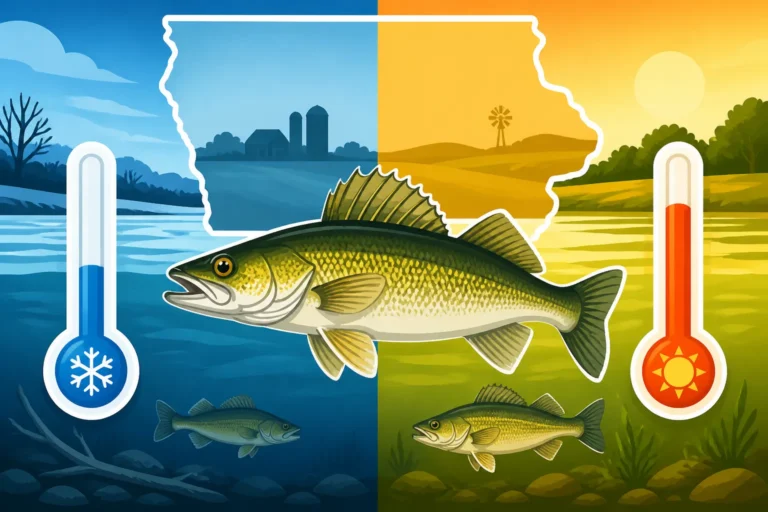
Walleye are constantly on the move, driven by water temperature, spawning urges, and the availability of food. Their behavior changes dramatically from the icy grip of winter to the dog days of summer. In general, colder water tends to concentrate them, making them somewhat predictable, while warmer water can scatter them, making them harder to find.
Understanding these macro-level movements is crucial. For instance, in colder months, walleye might hold to deep structures or channels, conserving energy. As waters warm, they might move shallower to spawn, then disperse to feed aggressively before retreating to deeper, cooler water when the heat of summer sets in. Each of these transitions offers unique opportunities, but some are far better for those elusive giants.
Spring: The Prime Window for Trophy Walleye
Hands down, if you're serious about catching a trophy walleye in Iowa, spring is your golden ticket. This is when the biological imperative to reproduce kicks in, bringing large, mature walleye into more accessible waters. The combination of pre-spawn aggression and post-spawn recovery creates a powerful one-two punch for anglers.
Pre-Spawn Aggression and Opportunities
As the ice retreats and water temperatures begin to climb into the low 40s Fahrenheit, mature walleye, especially the females laden with eggs, start staging near their spawning grounds. They're building up energy reserves, and while their primary focus isn't eating everything in sight, they are incredibly opportunistic. This period, often from late March through April, is characterized by big fish that are concentrated and actively moving towards their spawning areas.
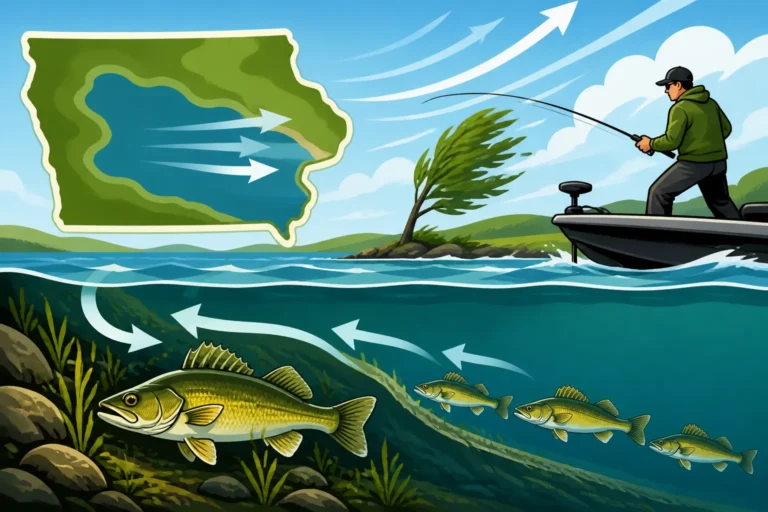
Look for these fish in transition zones: river bends, channel edges, current seams, and the mouths of tributaries leading into lakes. They'll often hold just off current breaks or along deep drops near shallower spawning flats. Techniques that cover water efficiently, like jigging with soft plastics or pulling crankbaits, can be incredibly effective. Consider checking out tips on "Spring Walleye Run Techniques in Iowa" for more specific methods. This is when a strong graphite rod paired with a sensitive line can help you detect those subtle bites from a wary giant.
The Post-Spawn Feast and Recovery
After the rigors of spawning, which typically occurs when water temperatures hit the mid-40s to low 50s, walleye are often exhausted and hungry. The big females, having expended massive amounts of energy, enter a recovery phase where feeding becomes a top priority. This post-spawn period, usually from late April into May, offers another fantastic opportunity for trophy walleye.
Fish will move from the immediate spawning sites to nearby feeding areas, often shallower flats, weed lines, or current breaks where baitfish are abundant. They're trying to regain weight and strength, making them much more willing to strike a lure. This is a great time to present a variety of baits, from live bait rigs using minnows or leeches to aggressive crankbaits and jigs. You'll want to review the "Iowa Walleye Season Opening Strategies" to align your efforts with the season's start and peak activity. A good selection of lures for this period can often be found on Amazon, ready to ship for your next outing.
Fall: The Second Best Bet for Giants
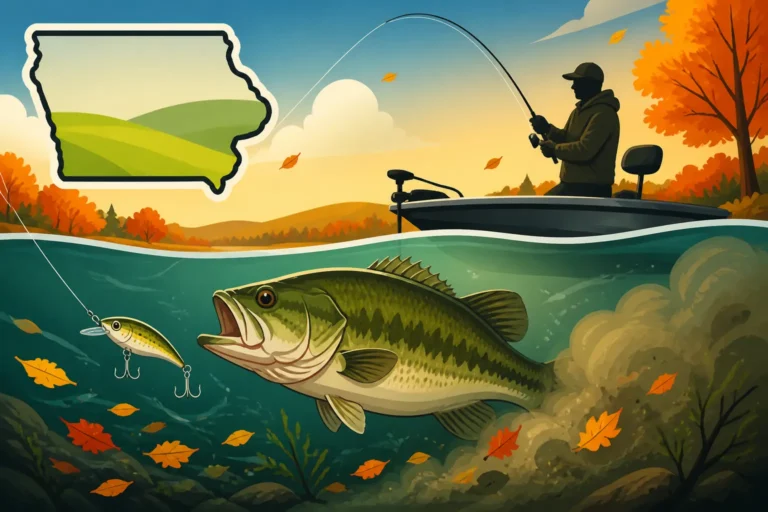
While spring undeniably holds the top spot, don't underestimate the potential for trophy walleye in the fall. As the days shorten and water temperatures begin their gradual decline, Iowa's walleye enter another intense feeding period, often referred to as the "fall turnover" or the "fall bite." This period can extend from September through November, depending on how quickly winter sets in.
Autumnal Feeding Frenzy for Winter Prep
Just like in spring, the drive for survival fuels the fall bite. Walleye know that a long, lean winter is coming, and they need to pack on as much weight as possible. This means they're often more aggressive and willing to chase down larger baits. Baitfish are also grouping up in preparation for winter, creating ideal conditions for walleye to ambush. This concentration of both predators and prey can lead to some truly epic days on the water.
Look for walleye to be less scattered than in summer, often moving from deep summer haunts to structure-rich areas like humps, points, and reefs, especially those adjacent to deep water. River walleye will key in on deeper pools, current seams, and timber. This intense feeding window makes it a prime time to use larger crankbaits, swimbaits, or even larger jigging spoons. Techniques described in the "How to Catch Walleye in Iowa" guide are particularly effective now.
Deep Water Transitions and Structure Reliance
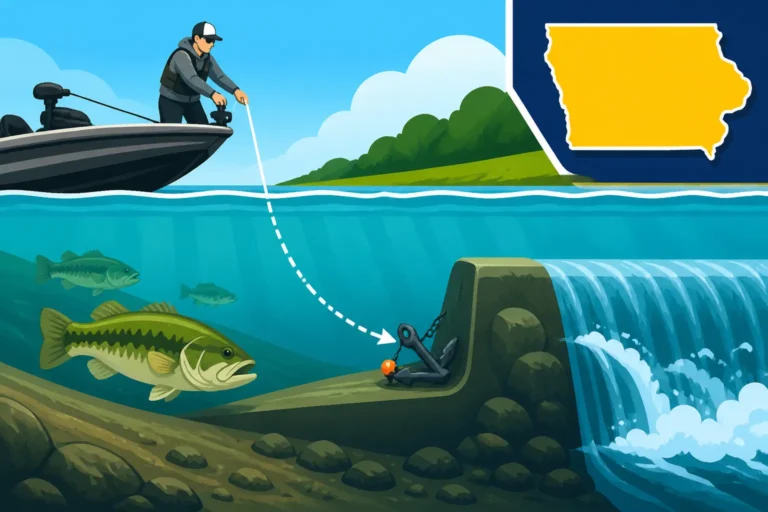
As autumn progresses and water temperatures drop further, walleye will transition to deeper water, often relating tightly to distinct underwater structures. This can include rock piles, submerged timber, humps, and steep breaks. Fish finders become indispensable tools during this period, helping you locate these precise spots and the fish holding to them. Many anglers find great deals on reliable fish finders and other electronics on Amazon.
The fish might not be as active or aggressive as in early fall, but they're still there and can be enticed with slower, more methodical presentations. Vertical jigging, slow-trolling deep diving crankbaits, or using live bait rigs (like slip bobbers with large minnows) can be highly productive. This is when knowing "How to Read a Fish Finder for Walleye" becomes a true game-changer, allowing you to pinpoint those specific ambush points where a trophy might be lurking. The "Fall Fishing in Iowa" article offers more generalized advice that can be applied to walleye too.
Less Productive Seasons for Trophy Walleye (and why)
While spring and fall are undeniably the champions for trophy walleye, that's not to say you can't catch a big one in summer or winter. However, these seasons present more challenges and generally yield fewer "trophy" class fish consistently. It's often a trade-off between targeting numbers versus targeting size.
Summer Challenges for Big Walleye
Summer in Iowa can be tough for consistent trophy walleye fishing. As water temperatures climb into the 70s and 80s, walleye tend to scatter and move to deeper, cooler water where oxygen levels are sufficient. They might suspend over deep basins, or relate to offshore humps and thermoclines. While they're still eating, their feeding windows can be shorter, often concentrated during low-light periods (dawn, dusk, and night).
The sheer volume of recreational boat traffic on many popular Iowa lakes can also make summer fishing challenging. Trophy walleye, being older and wiser, often shy away from excessive noise and activity. Fishing techniques often involve deep trolling with crankbaits or crawler harnesses, or focusing on low-light periods with shallow crankbaits or live bait. While you might catch a big one, it often requires more effort and specific knowledge of "Walleye Fishing Techniques for Iowa Lakes" to find them in their summer retreats.
Winter Ice Fishing for Size vs. Numbers
Ice fishing for walleye in Iowa is incredibly popular, and for good reason—it can be incredibly productive for numbers of fish. However, consistently catching trophy-sized walleye through the ice can be a greater challenge. While large walleye certainly bite in winter, they are often less active and can be harder to coax into striking. Their metabolism slows down, and they're generally conserving energy.
Most ice anglers targeting walleye will focus on areas near deep structure, main lake points, or deeper basins with access to shallow feeding flats. Jigging spoons, aggressive Rippin' Raps, or deadsticking a minnow are common presentations. While you might stumble upon a true giant, many anglers find the winter season more geared towards catching a good meal rather than breaking personal bests. You can delve deeper into general "Ice Fishing in Iowa" practices for successful winter outings, keeping in mind that the largest fish might require a bit more patience and specialized tactics.
Here's a quick overview of the best seasons for trophy walleye:
| Season | Trophy Potential | Key Behavior | Optimal Locations | Primary Techniques |
|---|---|---|---|---|
| Spring | High | Pre-spawn staging, post-spawn recovery/feeding | River bends, channel edges, spawning flats, weed lines | Jigging, crankbaits, live bait rigs |
| Summer | Moderate | Dispersed, deeper, low-light feeding | Deep water, thermocline, offshore humps | Deep trolling, night fishing, live bait |
| Fall | High | Intense feeding for winter preparation | Humps, points, reefs, deep pools, current seams | Larger crankbaits, swimbaits, vertical jigging |
| Winter | Moderate | Reduced metabolism, energy conservation | Deep structure, main lake points, basin edges | Jigging spoons, deadsticking minnows |
Conclusion
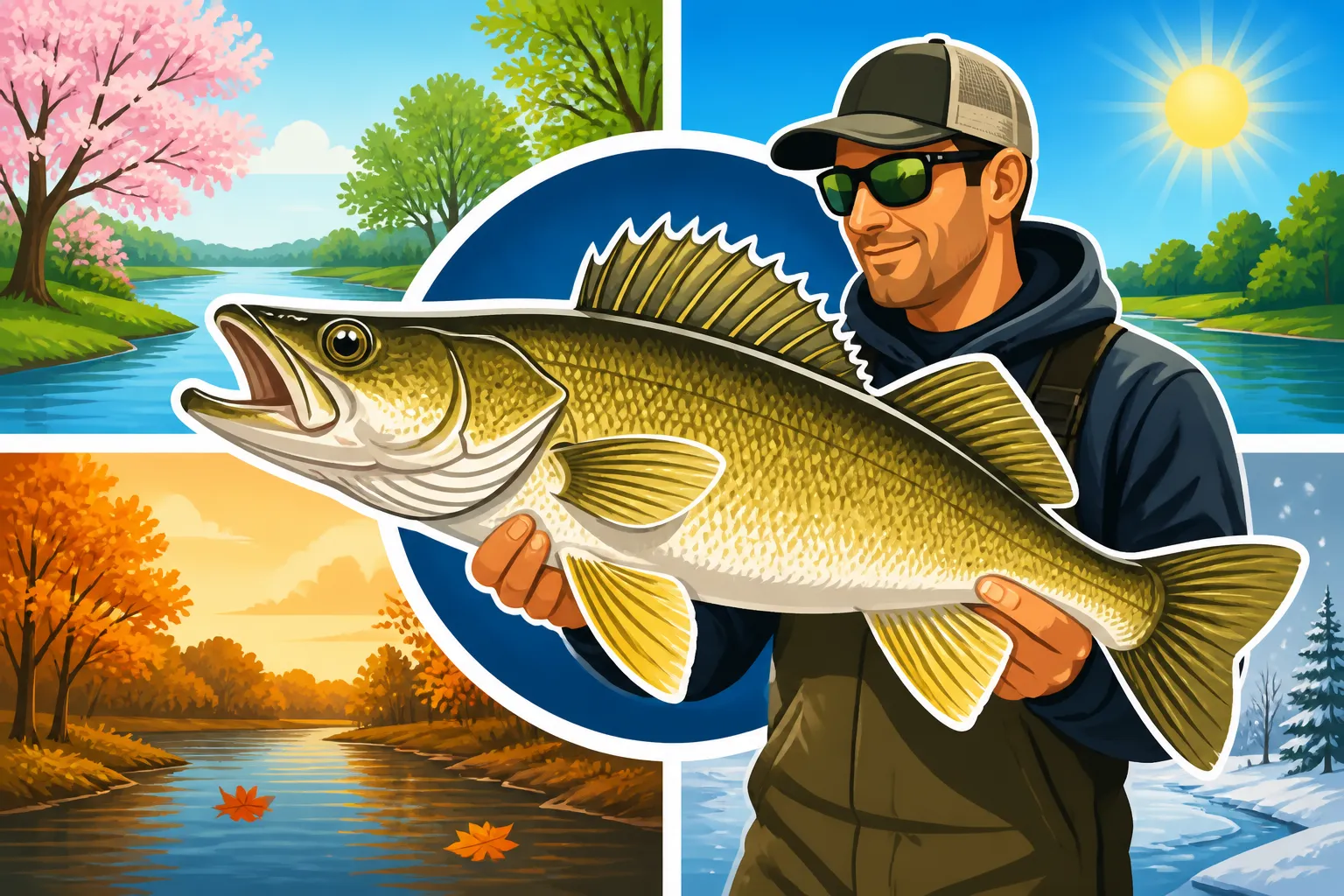
The pursuit of a trophy walleye in Iowa is a rewarding endeavor, and by understanding the seasonal patterns, you can significantly tip the odds in your favor. While a big walleye can surprise you at any time, spring and fall stand out as the absolute best seasons for consistently targeting those truly massive fish. Spring offers the explosive pre-spawn bite and the subsequent post-spawn feeding frenzy, driven by reproductive urgings and recovery. Fall brings a powerful feeding binge as walleye bulk up for winter. Equip yourself with the right knowledge, the right gear (maybe even some new lures from Amazon!), and head out to those prime locations during these key times. Your next Iowa fishing story could very well be about that trophy walleye you've always dreamed of!
Disclaimer
This article is for general informational purposes only and does not constitute professional advice. Laws, prices and regulations vary by location and change over time. Consult a qualified professional for guidance on your specific situation.