Walleye Fishing Techniques for Iowa Lakes
It can feel incredibly frustrating to spend hours out on an Iowa lake, diligently casting and trolling, only to come back with nothing but an empty cooler while others seem to haul in walleye after walleye. The truth is, walleye fishing in Iowa's diverse lakes isn't just about luck; it's about understanding their behavior, knowing the right techniques, and adapting to the specific conditions of the water. This comprehensive guide is designed to equip you with the knowledge and strategies you need to turn those frustrating outings into rewarding experiences, helping you consistently find and catch walleye in Iowa's beautiful lake systems.
Understanding Iowa Walleye Behavior in Lakes
Before you even think about dropping a line, truly understanding the walleye you're targeting is paramount. These aren't just any fish; they have distinct preferences, habits, and reactions to their environment that, once understood, can drastically improve your success rate. Iowa's lakes offer a variety of habitats, and walleye adapt to each one in their own way.
Habitat and Preferred Structure
Walleye are masters of camouflage and ambush, preferring structured environments that provide cover and easy access to prey. In Iowa lakes, this means they're often found near underwater features like rock piles, humps, ledges, and drop-offs. These areas offer ideal ambush points where they can hide from the sun and wait for unsuspecting baitfish to swim by. Deeper water access is also crucial for walleye, especially during brighter parts of the day or in warmer summer months, as they are light-sensitive and prefer cooler temperatures. You'll often find them lurking at the base of a sharp break, moving shallower during low light conditions or when actively feeding. Knowing where to look is half the battle, and these structural elements are key. For a broader overview of their habits, check out our guide on Walleye Identification and Habitat in Iowa.
Forage and Feeding Patterns
The diet of a walleye largely consists of smaller fish, making them efficient predators. In Iowa's lakes, their menu can include a variety of baitfish such as yellow perch, cisco, shiners, and juvenile panfish like crappie and bluegill. Understanding what they're eating in a particular lake can help you select the most effective lures and baits. Walleye are most active during low light periods – dawn, dusk, and even after dark – when their superior eyesight gives them an advantage over their prey. However, don't rule out daytime fishing, especially on cloudy days or in deeper, stained waters. Their feeding patterns are also heavily influenced by water temperature, oxygen levels, and available forage, often forming schools and moving together to hunt.
Walleye vs. Sauger in Lakes
While similar in appearance and often found in the same waters, understanding the subtle differences between walleye and sauger can be beneficial for anglers. In Iowa lakes, you'll primarily be targeting walleye, but sauger might occasionally turn up, especially in larger systems or those connected to rivers like the Mississippi. Walleye generally prefer clearer, cooler lake waters and tend to grow larger. Sauger, on the other hand, are often more tolerant of turbid, warmer waters and are typically smaller. Visually, walleye have a distinct white tip on their lower tail fin, which sauger lack. Sauger also have distinct dark spots on their dorsal fins that walleye don't. While both are excellent table fare and fun to catch, knowing which species you're reeling in helps in adhering to specific Iowa Fishing Daily Bag Limits Guide and understanding their typical behavior.
Essential Gear and Tackle for Lake Walleye
To consistently catch walleye in Iowa lakes, you need the right tools for the job. Having suitable rods, reels, lines, and an appropriate selection of lures and baits can make a world of difference. It's not about having the most expensive gear, but rather the most effective for the techniques you'll be employing.
Rod, Reel, and Line Selection
For lake walleye fishing, a medium-light to medium power spinning rod, typically 6'6" to 7' in length, is a versatile choice. This provides enough backbone for solid hooksets and fighting larger fish, while still being sensitive enough to detect subtle walleye bites. Pair it with a 2000 or 2500 series spinning reel, spooled with 6-10 pound test braided line. Braided line offers superior sensitivity and casting distance, which is crucial for feeling those faint taps. To make your presentation nearly invisible to wary walleye, always tie on a fluorocarbon leader of 6-10 pound test, usually 3-6 feet long. The low visibility and abrasion resistance of fluorocarbon are distinct advantages in clear lake waters. Many excellent options for these setups can be found readily on Amazon, offering a wide range for various budgets.
Lure and Bait Essentials
The world of walleye lures is vast, but a few core types will cover most lake fishing scenarios.
- Jigs: From 1/8 to 1/2 ounce, dressed with soft plastics (grubs, minnow imitators) or live bait (minnows, nightcrawlers) are indispensable. Jig colors like chartreuse, white, perch, and purple are often highly effective.
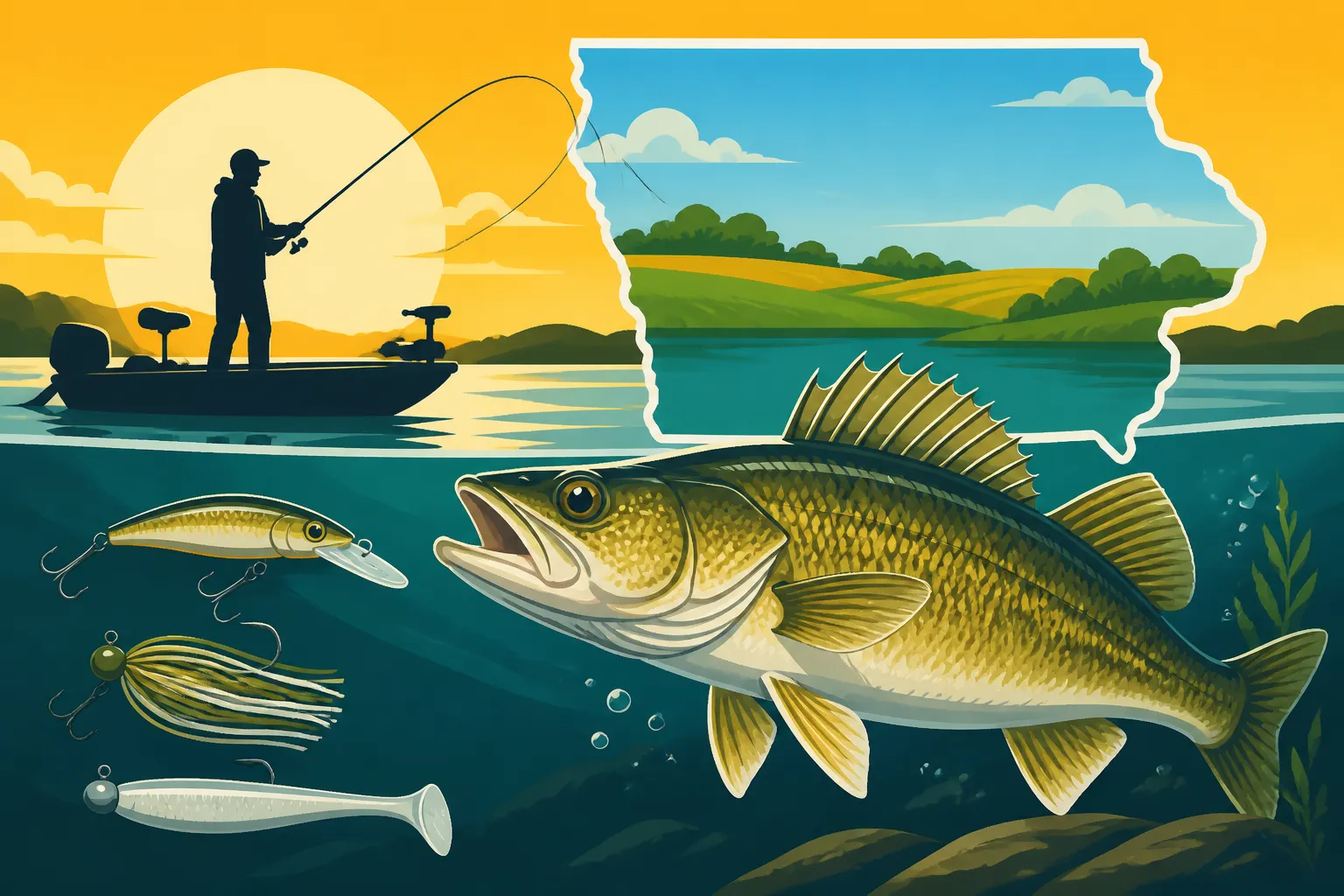
- Crankbaits/Stickbaits: These are workhorses for trolling or casting. Shallow-diving models (e.g., Rapala Shad Raps, Berkley Flicker Shads) excel in spring and fall, while deeper-diving baits are crucial for summer trolling. Colors that mimic local baitfish (perch, shad, shiner) or bright attractor colors (firetiger, hot pink) are good starting points.
- Crawler Harnesses: Also known as Snell rigs or Lindy Rigs, these are incredibly effective for slow trolling or drifting live nightcrawlers. The spinner blade adds flash and vibration, irresistible to walleye. Our guide on How to Rig a Crawler Harness for Walleye provides a detailed walkthrough.
- Live Bait: Minnows (especially shiners or fatheads), nightcrawlers, and leeches are often unbeatable. Minnows fished under a slip bobber or tipped on a jig are classic presentations. Nightcrawlers on a crawler harness or a plain hook are also walleye magnets. Leeches are particularly effective in warmer water during summer months. For more on this, check out our guide on Best Live Bait for Iowa Walleye.
Electronics for Lake Walleye
In modern walleye fishing, electronics are no longer a luxury but a powerful advantage, especially on larger Iowa lakes.
- Fish Finders/Sonar: A quality fish finder helps you identify depth, locate structural elements like humps and drop-offs, and even mark schools of baitfish and individual walleye. Units with down imaging and side imaging capabilities offer an even clearer picture of the underwater world, allowing you to "see" fish hiding in cover or along contours. Brands like Humminbird and Garmin offer excellent units that provide detailed views of the lakebed, critical for finding those hidden walleye hangouts.
- GPS/Chartplotters: Integrated GPS is invaluable for marking waypoints where you've found fish or key structure. This allows you to return to productive spots with precision, troll specific contours, or navigate safely, especially on unfamiliar water. Many modern fish finders come with this built-in, or you can use dedicated units.
- Trolling Motors with Spot-Lock: For boat anglers, a quality electric trolling motor with GPS-enabled spot-lock technology (like those from Minn Kota or Motorguide) can be a game-changer. It allows you to hold your boat precisely over a productive area in windy conditions, without having to drop an anchor, leaving your hands free to fish. This is particularly useful for jigging or slip bobber fishing a specific piece of structure.
Top Techniques for Catching Walleye in Iowa Lakes
Now that you're geared up and understand walleye behavior, it's time to dive into the most effective techniques for reeling them in from Iowa's lakes. Each method has its time and place, and mastering a few will significantly increase your odds.
Trolling Strategies
Trolling is perhaps one of the most popular and effective ways to cover water and locate active walleye in Iowa lakes, especially on larger bodies of water like West Okoboji Lake or Rathbun Lake.
- Crankbait Trolling: This involves dragging crankbaits behind your boat at specific speeds (typically 1.0 to 2.5 mph) to imitate swimming baitfish. The key is to select crankbaits that dive to the desired depth where walleye are holding. Using a combination of different lure colors and running depths can help you dial in what the fish prefer on a given day. Precision in boat speed and direction is crucial; often, a slight S-turn or pause can trigger a strike. Using planer boards can help spread out your lines, cover a wider swath of water, and target shallower walleye away from the boat's disturbance.
- Crawler Harness Trolling: When walleye are less aggressive or concentrated on bottom-hugging forage, a crawler harness presentation can be deadly. These rigs typically consist of a weight (bottom bouncer or in-line sinker), a snelled hook with a spinner blade, and a live nightcrawler. Slow trolling (0.5 to 1.5 mph) along contours, weed lines, or subtle breaks allows the harness to tantalize walleye with flash, vibration, and natural scent. The depth is controlled by the weight of your bottom bouncer and the speed of your boat. This technique is often incredibly effective during summer months when walleye might be a bit lethargic due to warmer water temperatures.
Jigging and Pitching
Jigging is a highly versatile and interactive technique, excellent for targeting walleye on specific structures or when they're concentrated in smaller areas.
- Vertical Jigging: This method is ideal when you've located a school of walleye directly beneath your boat using your fish finder. Drop a jig (often tipped with a minnow or soft plastic) directly down to the fish's depth. A sharp, short snap of the rod tip lifts the jig, mimicking a struggling baitfish, followed by a controlled fall. Most bites occur on the fall or as the jig rests briefly on the bottom. Pay close attention to your line for any subtle "tick" or unnatural slack. This is particularly effective over rock piles, sunken islands, or deep-water humps.
- Pitching Jigs to Structure: When walleye are holding tight to cover like docks, submerged timber, or weed edges, pitching jigs can be very productive. Cast your jig beyond the target, allow it to sink, and then retrieve it with a series of hops and pauses, keeping it near the structure. This technique allows you to present a bait quietly into areas where walleye might be ambushing prey. Soft plastic paddle-tail or curly-tail grubs on brightly colored jig heads (e.g., chartreuse, orange, or white) are common choices, often available from retailers like Amazon.
Slip Bobber Fishing
Slip bobber fishing is a simple yet incredibly effective technique, especially for suspended walleye or those holding just above cover. It allows you to present live bait at a precise depth, which is critical when walleye are finicky.
- Setting Up a Slip Bobber: A slip bobber rig involves a bobber stop (a small piece of string or rubber) on your main line, followed by a bead, the slip bobber itself, a small weight (split shot or bullet sinker), and finally a hook baited with a live minnow or leech. The bobber stop allows you to adjust your bait's depth by simply sliding it up or down your line, while the bobber slides freely up and down the line for easy casting.
- Targeting Depths and Structure: This technique shines when walleye are holding at a specific depth, such as along a thermocline in summer, suspended over a deep basin, or right on top of a submerged weed bed. By precisely setting your depth, you can keep your bait right in the strike zone. Watching the bobber for any subtle movement, a slow drag, or a complete disappearance will signal a bite. This method is often preferred for targeting larger, more cautious walleye who might be hesitant to chase a fast-moving lure.
Seasonal Strategies for Lake Walleye Success
Walleye behavior in Iowa lakes changes dramatically with the seasons, driven primarily by water temperature and their spawning cycle. Adapting your techniques and locations to these seasonal shifts is fundamental to consistent success. For a detailed look at statewide changes, refer to our Iowa Fishing Season Dates and Limits guide.
Spring Spawning and Post-Spawn
As ice recedes and water temperatures climb into the 40s and 50s Fahrenheit, walleye begin their annual spawning migration. In Iowa lakes, this typically occurs in shallow, rocky areas, along rip-rap shorelines, or near river inlets where current is present.
- Pre-Spawn Staging: Before spawning, walleye will stage in deeper areas adjacent to their spawning grounds. This is a prime time to target them with jigs and minnows, or slowly trolled shallow-diving crankbaits. They are actively feeding to build energy for the spawn. Look for rock piles or gravel points leading into known spawning areas.
- Post-Spawn Recovery: After the spawn, which usually peaks when water temperatures are in the low to mid-40s, walleye become lethargic and dispersed. As temperatures rise into the 50s and 60s, they recover and begin to feed aggressively again. Focus on areas where they can easily access both shallower feeding grounds and deeper resting spots. Trolling crankbaits or fishing with live bait under a slip bobber in transition areas can be highly effective. Understanding How Deep to Fish for Walleye in Spring can be crucial here.
Summer Deep Water Tactics
Summer in Iowa brings warmer lake temperatures, pushing walleye into deeper, cooler, and more oxygenated waters. The key is to find these deeper havens and present your bait effectively.
- Thermocline Fishing: In many Iowa lakes, a thermocline forms a distinct layer of cooler water below warmer surface water. Walleye often suspend just above or within this thermocline. Using a fish finder to locate this layer is essential. Trolling deep-diving crankbaits, jigging spoons, or using bottom bouncers with crawler harnesses or live bait at these specific depths will be your most productive strategy.
- Relating to Structure: Even in deep water, walleye will relate to structure. Target deep humps, main lake points, sunken islands, and the deep edges of weed lines. These areas provide cover and concentrate baitfish. Early mornings and late evenings can still see walleye moving shallower to feed, but during the bright mid-day hours, expect them to be holding tight to deep structure.
Fall Feeding Frenzy
As water temperatures begin to drop in autumn, signaling the approach of winter, walleye engage in a pronounced feeding frenzy to build up fat reserves. This can be one of the most productive times of year to target them in Iowa lakes.
- Shallow and Deep Movement: In early fall, walleye might still be found in deeper areas, but as temperatures continue to fall into the 50s and 40s, they often move shallower, especially during overcast days, actively chasing baitfish. Look for them on main lake points, rock reefs, and extended flats where baitfish are abundant.
- Aggressive Presentations: Trolling large crankbaits at higher speeds or casting aggressively retrieved stickbaits can provoke strikes from hungry walleye. Jigs tipped with large minnows or soft plastics also become highly effective. The key is to cover water and find these actively feeding schools. This period offers some of the best opportunities for catching trophy-sized walleye before the ice sets in.
Winter Ice Fishing for Walleye
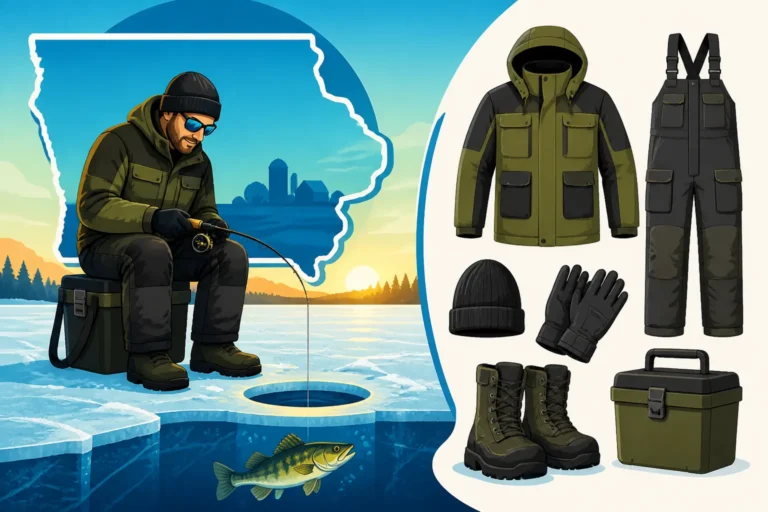
When Iowa lakes freeze over, a whole new world of walleye fishing opens up. Ice fishing for walleye is a beloved tradition for many Iowans, offering a unique challenge and reward.
- Location, Location, Location: On the ice, finding walleye often means drilling many holes. Focus on classic walleye structures: main lake points, rock humps, break lines, and areas with access to both shallow and deep water. Early ice and late ice often find walleye in shallower areas, while mid-winter might push them deeper.
- Effective Ice Fishing Techniques: Jigging spoons (like Northland Forage Minnows or Jigging Raps), often tipped with a minnow head or waxworm, are extremely effective. Active jigging motions, followed by pauses, can entice bites. Dead sticking a live minnow under a tip-up or a second rod is also a potent strategy. Always be mindful of ice safety. Our guide on Ice Fishing in Iowa covers crucial safety tips and techniques.
Navigating Popular Iowa Walleye Lakes
Iowa boasts several fantastic lakes renowned for their walleye fishing. Understanding the unique characteristics of each can help tailor your approach for optimal success.
Fishing the Iowa Great Lakes
The Iowa Great Lakes region, encompassing Spirit Lake, East Okoboji Lake, and West Okoboji Lake, is a premier walleye destination. These natural glacier-carved lakes offer diverse structures and abundant forage.
- West Okoboji Lake: Known for its deep, clear waters and complex structure, West Okoboji is a challenge but also holds some of Iowa's largest walleye. Deep trolling with crankbaits and crawler harnesses along pronounced breaks and submerged humps is a go-to. Vertical jigging over deep rock piles or targeting suspended fish with a slip bobber near the thermocline are also effective. Early mornings and evenings are often best, with walleye moving to shallower points and reefs to feed. Knowing the Best Time of Year to Fish the Iowa Great Lakes can help you plan your trip.
- Spirit Lake & East Okoboji Lake: These shallower, more fertile lakes tend to warm faster and offer excellent fishing in spring and fall. Look for walleye on weed edges, rock reefs, and sand flats. Trolling shallow-diving crankbaits or casting jigs and plastics can be highly productive. Ice fishing can also be exceptional on these lakes, particularly during early and late ice periods when walleye are often found in shallower areas adjacent to drop-offs.
Clear Lake Walleye Fishing
Clear Lake, located in north-central Iowa, is another walleye gem. This shallower, fertile lake with a mix of hard bottom, rock, and vegetation offers excellent walleye opportunities.
- Seasonal Hotspots: In spring, walleye are often found along the rock reefs and main lake points, especially near the north shore. Trolling small crankbaits or pitching jigs and minnows are effective. As summer progresses, walleye move to the deeper holes and the edge of the expansive weed beds, where crawler harnesses and deeper-running crankbaits shine. Fall brings them back to shallower structures as they feed heavily.
- Trolling the Flats: Clear Lake is famous for its productive flats. Trolling crankbaits or crawler harnesses across these expansive, relatively shallow areas (8-15 feet) can intercept schools of actively feeding walleye. The key is to find the subtle transitions or scattered rock within these flats that hold baitfish. For more detailed tips, refer to our specific guide on Clear Lake Walleye Fishing.
Rathbun Lake and Saylorville Reservoir Tactics
These large impoundments in southern and central Iowa, respectively, offer different challenges and opportunities for walleye anglers.
- Rathbun Lake: Known for its excellent crappie and channel catfish fishing, Rathbun also holds a respectable walleye population. Target the main lake points, submerged roadbeds, and the extensive brush piles. Trolling crankbaits along the old creek channels and break lines can be effective, as can jigging spoons or plastics when fish are found on structure. The stained water often allows walleye to remain shallower during the day compared to clearer lakes.
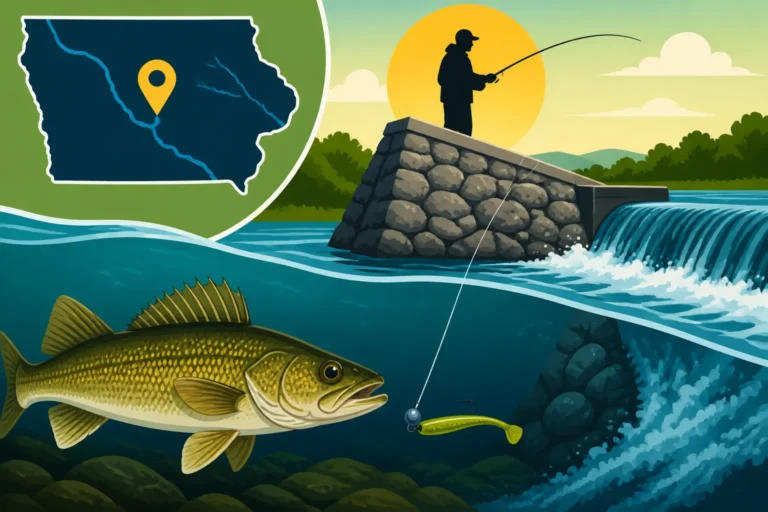
- Saylorville Reservoir: This flood-control reservoir on the Des Moines River features fluctuating water levels, making walleye location challenging but rewarding. Focus on the main river channel, submerged timber, and the rip-rap along the dam. Trolling long-lining crankbaits or using bottom bouncers with crawler harnesses along the old river channel edges are popular methods. Vertical jigging around submerged timber or pitching jigs to the rip-rap can also produce, especially during periods of stable water levels.
Advanced Tips for Consistent Lake Walleye Catches
Becoming a consistently successful walleye angler in Iowa lakes goes beyond just knowing the basic techniques. It involves honing your observational skills, understanding environmental factors, and continuously adapting your approach.
Reading the Water and Weather
Walleye are highly sensitive to environmental changes, and a keen angler pays attention to these subtle cues.
- Water Clarity and Color: Clear water often means walleye will be deeper or more spread out, and require stealthier presentations with natural bait colors. Stained or turbid water, on the other hand, can make walleye more aggressive and willing to hit brighter, more vibrant lures. It can also encourage them to move shallower during the day.
- Wind and Current: Wind can be your friend! A moderate chop on the water surface breaks up light penetration, making walleye more comfortable in shallower water. It also pushes baitfish, creating feeding lanes for walleye. Focus on the windblown side of structures. In reservoirs with current (like Saylorville), walleye will often position themselves just out of the main flow, in current breaks, waiting to ambush prey.
- Barometric Pressure: Stable or rising barometric pressure often corresponds with active feeding periods, while rapidly falling pressure (often before a storm) can shut down the bite. Planning your trips around favorable weather patterns can greatly increase your chances of success. Understanding How Water Temperature Affects the Walleye Bite is also critical throughout the year.
Adjusting to Pressure and Conditions
Walleye in heavily fished Iowa lakes can become wary and conditioned to certain presentations. Being able to adapt is key.
- Changing Lures and Baits: If your go-to lure isn't producing, don't be afraid to switch it up. Experiment with different sizes, colors, and actions. Sometimes a subtle change, like going from a paddle-tail grub to a curly-tail, or changing a crankbait color from firetiger to a natural shad pattern, can make all the difference. Keep a good selection of various lure types, which you can easily stock up on through retailers like Amazon.
- Varying Retrieval Speeds and Depths: Walleye can be very specific about how they want a bait presented. One day they might want a fast-trolled crankbait, the next they might prefer a slow, methodical jigging retrieve. Continuously experiment with speed, pauses, and the depth at which your lure is running. Small adjustments can lead to big results.
- Going "Finesse": When fishing pressure is high or walleye are particularly lethargic, a finesse approach can be the ticket. Downsizing your line, using smaller jigs, or opting for a more natural live bait presentation under a slip bobber can entice bites from finicky fish. Sometimes, doing less is more.
Conservation and Best Practices
As stewards of Iowa's natural resources, it's our responsibility to practice ethical angling and conservation.
- Respecting Limits: Always be aware of and adhere to current Iowa Fishing Regulations Explained, including daily bag and possession limits for walleye. These regulations are in place to ensure healthy fish populations for future generations.
- Proper Release Techniques: If you're practicing catch and release, especially with larger, older walleye that are valuable spawners, handle fish gently. Minimize their time out of the water, support their body weight, and use a de-hooking tool to remove hooks cleanly.
- Leave No Trace: Always pack out everything you pack in, and leave the lakeshore or boat ramp cleaner than you found it. Respect private property and be considerate of other anglers and lake users. Your commitment to these practices helps preserve the fantastic fishing opportunities Iowa lakes offer.
Disclaimer
Fishing conditions and regulations in Iowa can change. Always consult the latest Iowa Department of Natural Resources (DNR) fishing regulations booklet or website before heading out. This guide is for informational purposes only and should not replace official DNR guidelines.