Bluegill and Sunfish Combined Limit
It can be incredibly confusing trying to keep track of all the different fishing regulations in Iowa, especially when it comes to panfish. You're out there having a great day, catching a mix of bluegill and various sunfish, and suddenly you start to wonder: do these all count towards the same daily limit? It's a common dilemma that can quickly turn a relaxing outing into a moment of anxiety. This guide is here to clear up that confusion, explaining exactly how Iowa handles bluegill and sunfish limits so you can fish with confidence and stay on the right side of the law.
Understanding Iowa's Combined Panfish Limit
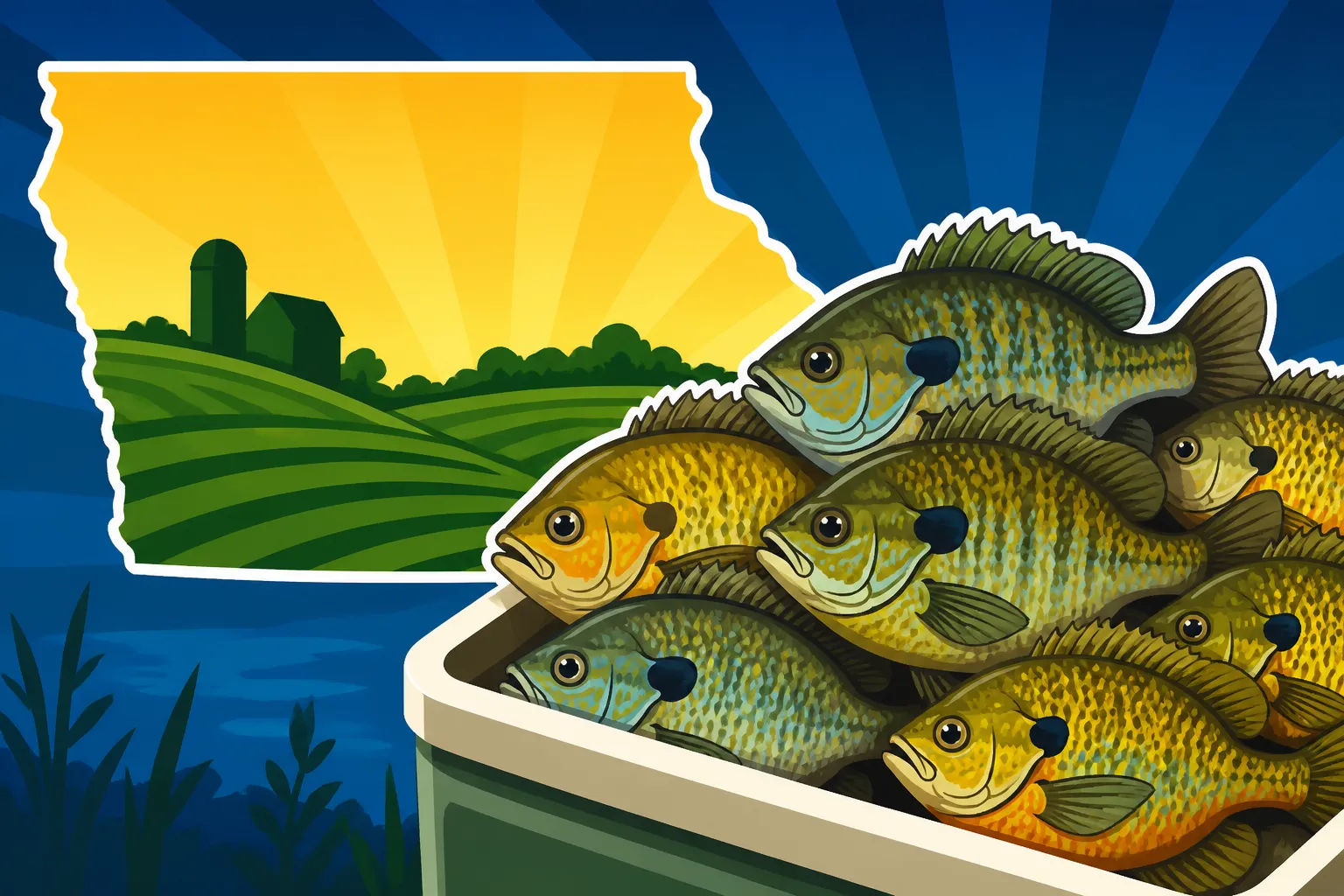
When you're out on the water in Iowa, enjoying a beautiful day catching those feisty little panfish, it's easy to lose track. The Iowa Department of Natural Resources (DNR) simplifies things for anglers by implementing a "combined daily limit" for most panfish species, including bluegill and sunfish. This means you can't just catch 25 bluegill and then go for another 25 green sunfish. Instead, all these species contribute to a single, overarching total.
Specifically, the daily bag limit for bluegill and all other sunfish species (like green sunfish, pumpkinseed sunfish, and redear sunfish) is 25. This isn't 25 of each; it's 25 total for any combination of these fish. So, if you catch 15 bluegill, you can only keep 10 more sunfish of any other type to reach your combined limit of 25. This rule is designed to protect our panfish populations and ensure sustainable fishing for everyone. It's really important to keep this in mind as you're fishing, so you don't accidentally overharvest, which can have significant consequences for future fishing opportunities. Many anglers find it helpful to have a clicker counter or a dedicated stringer for panfish to keep a running tally throughout the day.
The Rationale Behind Combined Limits
You might wonder why the DNR opts for a combined limit instead of individual species limits for panfish. It boils down to ecological balance and practical enforcement. Many sunfish species look quite similar, especially to a casual angler or a newcomer to the sport. Differentiating between a green sunfish, a pumpkinseed, or a redear sunfish on the fly, especially for a quick photo or while quickly unhooking, can be a real challenge. Having separate limits for each would create unnecessary confusion and make it incredibly difficult for conservation officers to enforce accurately.
Moreover, bluegill and other sunfish often share similar habitats and food sources. They form a crucial part of the aquatic food web, serving as prey for larger game fish like bass and walleye. If one species were overfished, it could negatively impact the entire ecosystem. The combined limit helps distribute the harvest pressure across the entire panfish population, preventing the overexploitation of any single species and promoting a healthy, diverse fishery. This approach helps maintain robust numbers, ensuring that our lakes and rivers remain vibrant ecosystems. It’s a common-sense regulation that benefits both the fish and the anglers who enjoy catching them. To learn more about various species, check out our comprehensive Iowa Fish Species Guide.
Identifying Different Sunfish Species in Iowa
While the regulations group them together, it's still fun and educational to know what kind of sunfish you're reeling in! Iowa is home to several sunfish species, each with its own subtle characteristics. The most common you'll encounter are bluegill, green sunfish, and occasionally pumpkinseed or redear sunfish. Knowing the differences isn't just for bragging rights; it deepens your appreciation for the local aquatic life.
Bluegill Characteristics
Bluegill (scientific name Lepomis macrochirus) are arguably the most popular panfish in Iowa, cherished for their feisty fight and delicious taste. They typically have a small mouth, a deep, compressed body, and a prominent dark spot at the base of their dorsal fin. Their most distinctive feature, and the one that gives them their name, is the dark blue or black "ear flap" extension on their gill cover. Males, especially during spawning season, can display vibrant orange or yellow bellies. You'll often find them congregating around submerged structure, weed beds, or docks. If you're looking for How to Catch Bluegill in Iowa, understanding their habitat is key.
Other Sunfish Species
Green sunfish (Lepomis cyanellus) are often mistaken for bluegill but have a much larger mouth, extending back to at least the middle of their eye. Their bodies are typically more elongated and less compressed than bluegill, and they often have a greenish-yellow color with irregular blue-green spots or streaks on their cheeks. Their ear flap is usually bordered in red or orange. These are tougher, more adaptable fish, often found in smaller ponds and less pristine waters where bluegill might struggle.
Pumpkinseed sunfish (Lepomis gibbosus) are quite striking, known for their vibrant iridescent markings. They have a small mouth, a deep body, and a distinctive bright orange or red spot on the tip of their black ear flap, often outlined in white. Their sides are usually adorned with wavy blue-green lines and orange spots. Redear sunfish (Lepomis microlophus), also known as shellcrackers, are another species, identifiable by a prominent red or orange margin on their opercular (ear) flap, particularly noticeable in males. They tend to have a slightly flatter body and are often found near the bottom, feeding on snails. Check out our in-depth guide on Bluegill and Sunfish Species Identification for more visual examples.
Practical Application of the Daily Limit
So, you're out fishing, the bites are coming fast, and you've got a mixed bag of panfish. How do you practically apply that 25-fish combined limit? It's simpler than it might seem, but it requires a bit of discipline. Think of it as a shared bucket for all your bluegill and other sunfish. Once that bucket is full, you need to stop keeping those species.
Let's run through a couple of common scenarios:
Scenario 1: You're primarily catching bluegill.
You're nailing bluegill one after another in a productive weed bed. You keep a running tally, and once you've retained 25 bluegill, your combined limit for bluegill and other sunfish is met. Even if you haven't seen a single green sunfish all day, you cannot keep any more bluegill or other sunfish species. You can, however, switch to targeting other species like bass or crappie, provided you haven't met their respective limits.
Scenario 2: You're catching a mix of species.
Imagine you've caught 10 bluegill, 8 green sunfish, and 7 pumpkinseed sunfish. Add them up: 10 + 8 + 7 = 25 fish. At this point, you have reached your combined daily limit for panfish. It doesn't matter that you only have 10 bluegill; the total number of all sunfish species is what counts. You must cease keeping any more bluegill or other sunfish for the day. If you continue to catch them, they must be immediately released unharmed.
Keeping track is crucial. Many anglers use a simple stringer or a cooler with ice, physically counting each fish as it's kept. Others use a simple tally counter, which can be easily found on Amazon, to click off each fish. The key is knowing your number and respecting the limit. This ensures that you comply with Iowa Fishing Daily Bag Limits Guide and contribute to sustainable fishing practices.
Consequences of Exceeding Panfish Limits
Fishing in Iowa is a privilege, and with that comes the responsibility of adhering to the regulations set forth by the Iowa DNR. Exceeding the daily bag limit for bluegill and sunfish, or any other species, is considered a violation and can lead to serious consequences. It's not just a slap on the wrist; these regulations are in place to protect our precious natural resources, and violations are taken seriously.
Legal Ramifications
If a conservation officer determines you've exceeded the combined panfish limit, you could face fines, which can be substantial depending on the number of fish over the limit. Beyond monetary penalties, you might also have your fishing license suspended or revoked. This means you wouldn't be able to fish in Iowa for a specified period, which can be a real blow to passionate anglers. The fish you illegally harvested would also be confiscated. This applies to all fishing regulations; for a broader understanding, consult the Iowa Fishing Regulations Explained.
Ethical and Ecological Impact
Beyond the legal aspect, there's an ethical obligation to respect bag limits. Overharvesting, even seemingly small panfish, can have a cumulative negative impact on local fish populations. Panfish are a vital food source for larger predatory fish and play a crucial role in the ecosystem's balance. When anglers consistently take more than their fair share, it can deplete the population, reduce the average size of fish, and ultimately diminish the quality of fishing for everyone in the future. Remember, these limits are designed by fisheries biologists to ensure healthy, self-sustaining populations for years to come. If you ever witness someone violating these limits, you should know How to Report a Fishing Violation in Iowa.
Checking Current Regulations and Waterbody Specifics
While the statewide combined limit for bluegill and sunfish is generally 25, it is absolutely critical to understand that regulations can and do change. Furthermore, specific water bodies in Iowa might have unique rules, often referred to as "special regulations" or "local regulations," that override the general statewide rules. These specific limits are usually put in place by the Iowa DNR to manage a particular fishery that might be struggling or experiencing unique ecological pressures.
Staying Up-to-Date with the DNR
The most reliable source for current fishing regulations is always the Iowa Department of Natural Resources (DNR). Before every fishing season, or even before heading out to a new lake or river, make it a habit to check their official resources.
Here's how you can do it:
- Iowa Fishing Regulations Booklet: The DNR publishes a comprehensive fishing regulations booklet annually. These are available at most places where you can buy a fishing license, such as bait shops, sporting goods stores, and county recorder offices. It's a good idea to keep a physical copy in your tackle box or boat.
- DNR Website: The Iowa DNR website (www.iowadnr.gov) is an invaluable online resource. They have a dedicated fishing section where you can find the most current regulations, stocking reports, and information on specific water bodies. A quick search will usually bring up exactly what you need.
- GoOutdoors Iowa App: For those who prefer digital access, the GoOutdoors Iowa mobile app is fantastic. It allows you to purchase and display your fishing license, and often has quick links to the latest regulations, making it super convenient to check limits on the go. Many anglers find apps like these, which can be downloaded through platforms like Amazon, extremely useful for managing their fishing licenses and staying informed.
- Signage at Fishing Access Points: Often, popular lakes or streams with special regulations will have signage posted at boat ramps or public access points detailing those specific rules. Always take a moment to read these signs before you start fishing.
Examples of Special Regulations
While not specifically common for bluegill and sunfish, some lakes might have reduced limits on panfish to allow them to grow larger, or sometimes even "no-kill" zones to protect spawning areas. For instance, specific lakes might have a Crappie and Sunfish Limits in Iowa that differs from the general statewide rule. It’s rare, but it happens, and being aware means you’re a responsible angler. Always double-check! Knowing these details ensures you're fishing legally and helping to preserve the quality of Iowa's fisheries. If you are ever unsure, it is always best to err on the side of caution and release any fish you are unsure about. For general information on licenses, refer to our Iowa Fishing License Guide.
Where to Find Great Panfish Action in Iowa
Now that you're well-versed in the combined limits for bluegill and sunfish, let's talk about where you can put this knowledge to good use! Iowa boasts an incredible array of lakes, rivers, and ponds that are absolutely teeming with panfish, offering fantastic opportunities for anglers of all skill levels. From serene farm ponds to bustling state park lakes, there's a spot for everyone to enjoy the thrill of catching these feisty species.
Premier Panfish Destinations
- Iowa Great Lakes Region: Lakes like Spirit Lake, West Okoboji, and East Okoboji are legendary for their diverse fisheries, including robust populations of bluegill and other sunfish. While these lakes are famous for walleye and muskie, the shallower bays and weed lines often hold impressive numbers of panfish. These are fantastic places to spend a weekend, with plenty of public access and boat ramps.
- Rathbun Lake: Known as Iowa's "Crappie Capital," Rathbun Lake also offers excellent bluegill and sunfish fishing. Look for them around submerged timber, brush piles, and the edges of weed beds. The size and numbers here can be truly impressive. Many of the techniques for crappie will also work for panfish, so if you're targeting Rathbun Lake Crappie Hotspots, you're likely to find bluegill too.
- Clear Lake: This beautiful natural lake in north-central Iowa is another hotspot. Its extensive weed beds and varied structure provide ideal habitat for bluegill, often producing some true slab panfish. Anglers frequently find success near docks and public fishing piers, especially during the spring and early summer.
- Farm Ponds and Smaller Community Ponds: Don't overlook the countless smaller impoundments scattered across the state. Many of Iowa's farm ponds and city-run community ponds are managed for panfish, offering easy access and less fishing pressure than the larger lakes. These can be incredible places to take kids for their first fishing experience, often yielding plenty of bluegill and green sunfish. You can often find great gear for pond fishing on Amazon, from lightweight rods to small tackle kits. For more general ideas, check out our guide on the Best Fishing Spots in Iowa.
Shoreline and Public Access Opportunities
Even if you don't have a boat, Iowa has numerous public access points perfect for shore anglers targeting panfish. State parks and county parks often feature well-maintained fishing piers and shoreline access that put you right over prime bluegill habitat. Look for areas with lily pads, cattails, or submerged brush near the shore. These spots provide cover and food for panfish, making them excellent places to cast a small jig or a worm under a bobber. For specific areas, our article on Shore Fishing Access Near Des Moines provides great local insights. Remember, no matter where you fish, understanding the regulations, like those found in our Iowa Fishing Seasons Explained, will ensure a successful and legal trip.
| Panfish Species | Description | Combined Daily Limit | Notes |
|---|---|---|---|
| Bluegill | Small mouth, deep body, dark spot on dorsal fin, black/blue ear flap. Males have orange/yellow belly. | 25 total | Most popular panfish, found in diverse habitats. |
| Green Sunfish | Large mouth extending past eye, more elongated body, greenish-yellow, irregular blue-green spots. | 25 total | Hardy, adaptable, often found in less pristine waters. |
| Pumpkinseed Sunfish | Small mouth, deep body, vibrant iridescent markings, bright orange/red spot on ear flap (often white-bordered). | 25 total | Very colorful, prefers clear, vegetated waters. |
| Redear Sunfish | Small mouth, slightly flatter body, prominent red/orange margin on ear flap. | 25 total | Often called "shellcrackers," feeds on snails near bottom. |
| All Other Sunfish | Various other sunfish species not explicitly listed. | 25 total | Contributes to the same overall daily bag limit. |
Note: Always verify current regulations with the Iowa DNR as special local rules may apply.
Disclaimer
The information provided in this guide is for general informational purposes only and is subject to change. While we strive to provide accurate and up-to-date content, fishing regulations, limits, and seasons in Iowa can be modified by the Iowa Department of Natural Resources (DNR) at any time. It is the angler's responsibility to consult the official Iowa DNR fishing regulations booklet or website prior to engaging in any fishing activity to ensure compliance with all current laws and rules. Fishing in violation of regulations can result in fines, penalties, and loss of fishing privileges.