How to Catch Yellow Bass in Schools
One of the most thrilling experiences on Iowa waters is stumbling upon a bustling school of yellow bass. It’s like hitting the jackpot – constant action, rod bending, and a cooler full of tasty fish. But finding these elusive schools and keeping them biting can sometimes feel like a real mystery, leaving many anglers frustrated. This guide is here to demystify the art of locating and successfully catching yellow bass when they're grouped up, ensuring you make the most of those exciting moments on the water.
Understanding Yellow Bass Behavior and Habitat
To consistently catch yellow bass in schools, you first need to understand what makes them tick. These feisty panfish aren't just swimming around randomly; they have specific reasons for grouping up and preferred places to hang out. If you know their "why" and "where," your chances of finding them skyrocket.
Why Yellow Bass School
Yellow bass are social creatures, and their schooling behavior is driven by a few key survival instincts. Primarily, it's about protection and efficiency. When they group together, there's safety in numbers from predators like larger walleye or northern pike. A single yellow bass is an easy target, but a swirling mass of hundreds makes it harder for a predator to single one out. Think of it like a bustling city street – harder for a pickpocket to target one person when everyone is moving and close together.
Beyond defense, schooling also makes feeding more efficient. A large group can corral baitfish, making it easier for every member to get a meal. They'll often push schools of shad or other small forage fish against structure or into open water, creating a feeding frenzy that's hard to miss. This is why when you find one, you usually find many!
Preferred Habitats and Structure
Yellow bass are often found in larger lakes and reservoirs across Iowa, particularly those with good populations of forage fish. Lakes like Clear Lake in Iowa are renowned for their robust yellow bass populations. They love structure, but not necessarily heavy cover like thick weeds that largemouth bass prefer. Instead, they gravitate towards hard bottom areas, rock piles, submerged humps, points, and even old roadbeds or foundations.
In summer, you'll often find them suspended over deeper water, especially during the brightest parts of the day, congregating around thermoclines if the lake stratifies. In cooler months, they might move shallower, especially around docks, marinas, or rocky shorelines where food might be concentrated. River systems or areas where there's a good current also attract them, as the current brings food right to them. Understanding these preferences helps narrow down your search area considerably.
Seasonal Movements of Yellow Bass
Just like most fish, yellow bass have distinct seasonal patterns. During the spring, as water temperatures rise, they'll move shallower for their spawn. This is a fantastic time to find them in massive schools near shore, often in relatively easy-to-reach areas. They're very active and aggressively feeding before and after spawning.
In the summer, when waters warm up significantly, yellow bass will retreat to deeper, cooler waters. You'll find them suspended in the water column or relating to deep structure. This is when your electronics become absolutely invaluable, as they're not typically visible from the surface. Look for them in areas where baitfish are also schooling.
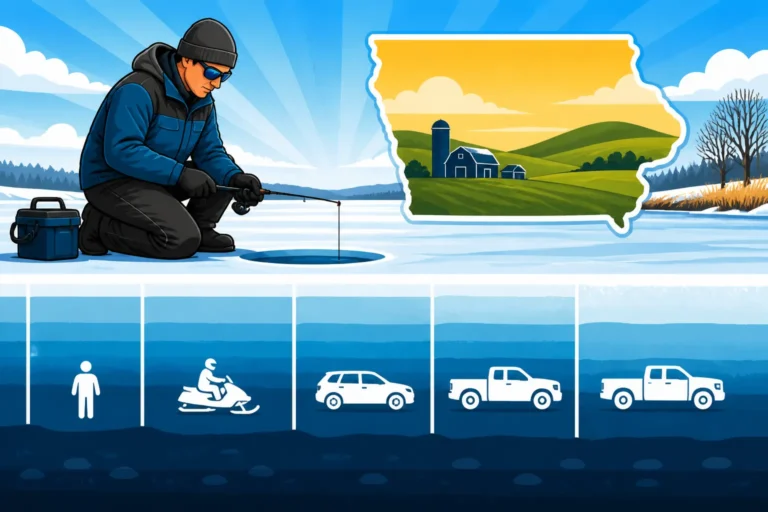
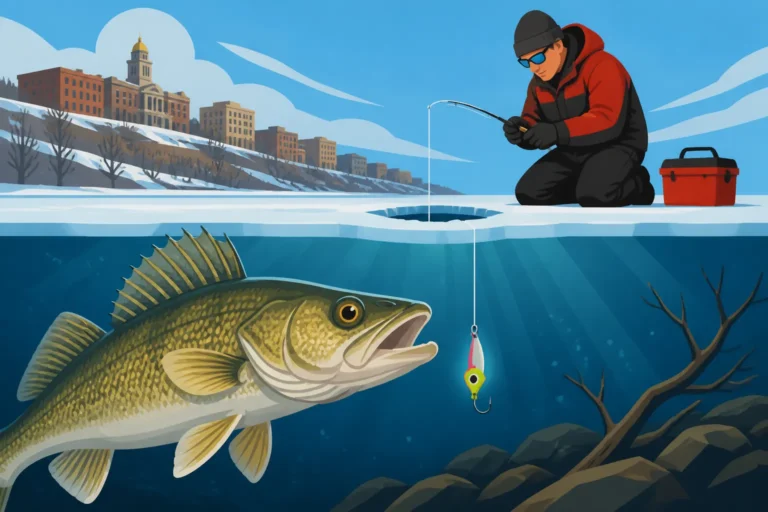
As fall approaches and water temperatures begin to drop again, yellow bass often move back into shallower to mid-depth ranges, aggressively feeding to bulk up for winter. This can be another incredible time for schooling action. And yes, you can even catch them through the ice! During winter, they'll school tightly in deeper basins or near prominent underwater structures. Learning these patterns is key to understanding Iowa Fishing Seasons Explained for yellow bass.
Locating Yellow Bass Schools
Knowing where yellow bass should be is one thing; actually finding them is another. This is where a combination of modern technology, keen observation, and good old-fashioned angling intuition comes into play. Don't get discouraged if you don't find them right away; persistence pays off.
Using Electronics (Fish Finders)
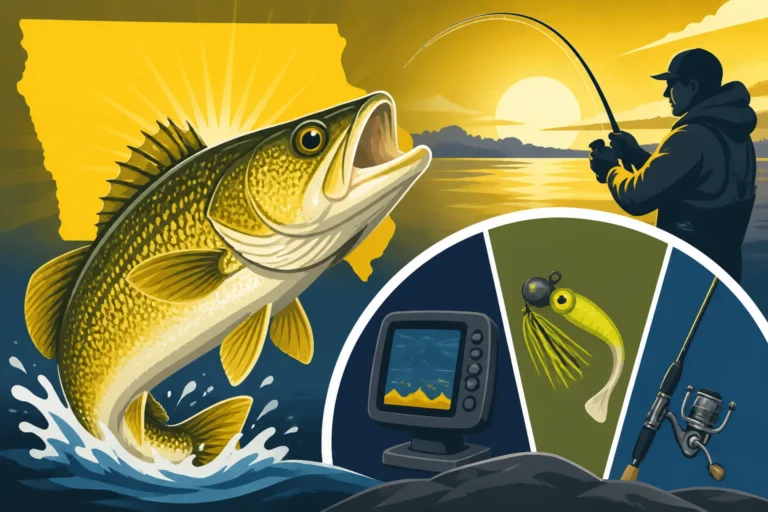
In today's angling world, a good fish finder is arguably your most important tool for locating schooling yellow bass, especially in deeper water. These devices allow you to "see" what's beneath the surface. When you're searching for yellow bass, you'll typically be looking for dense, often blob-like or Christmas tree-shaped returns on your sonar screen. These indicate a tight ball of fish, usually baitfish or the yellow bass themselves feeding on them.
Start by running over known structure or along contour lines at a moderate speed. Look for those tell-tale arches or dense clouds of fish. If you see them, slow down, mark a waypoint, and circle back. Modern side-imaging or down-imaging technology can give you even more detailed views of the bottom and the fish hugging it. If you're wondering What a Fish Finder Actually Shows, it's more than just a line; it's a window into the underwater world. Remember, a cheap but effective fish finder can be found on retailers like Amazon, offering a great starting point without breaking the bank.
Visual Cues and Observation
While electronics are powerful, don't underestimate your own eyes and ears. Sometimes, yellow bass schools betray their location with surface activity, especially when they're in a full-blown feeding frenzy. Look for:
- Diving Birds: Gulls and terns are opportunistic feeders. If you see them actively diving and swooping into the water, it's often because baitfish are being pushed to the surface by predatory fish below – and yellow bass are often part of that predator group.
- Surface Boils or Jumps: If the water is calm, you might see small "boils" or splashes on the surface as yellow bass chase bait. It's often subtle, unlike the explosive strikes of a largemouth, but it's a clear sign.
- Other Anglers: While you should always be respectful, observing where other anglers are congregating and catching fish can give you a clue. If several boats are clustered in one spot, chances are they've found something worthwhile.
These visual cues are more common during specific times of day or seasons, but always keep an eye out as you're moving between spots.
Patterning and Timing
Fish, including yellow bass, are creatures of habit. Once you find a school and catch a few, pay close attention to the conditions: depth, water temperature, type of structure, time of day, and even weather patterns. They might be in the same area tomorrow, or under similar conditions at another spot.
For instance, if you find them holding over a specific rock hump at 15 feet in the morning, try other similar humps at that depth during the same time. Keep a fishing log, even a mental one, to track these details. Understanding Iowa Fishing Techniques Guide will greatly assist in developing your own patterns. You'll notice that sometimes, the fish are only active during certain windows, such as late morning after the sun has warmed the water a bit, or just before a Best Time to Fish Before a Cold Front.
Effective Techniques and Baits for Schooling Yellow Bass
Once you've located that pulsing ball of yellow bass, the real fun begins! These fish are usually not too picky, especially when they're in a competitive feeding mood, but having the right approach and bait can make all the difference between a few fish and a full stringer.
Fast-Paced Jigging and Ripping
When yellow bass are schooled up and active, they often respond incredibly well to aggressive, fast-paced presentations. You want to mimic a fleeing baitfish or an injured critter, which triggers their predatory instincts.
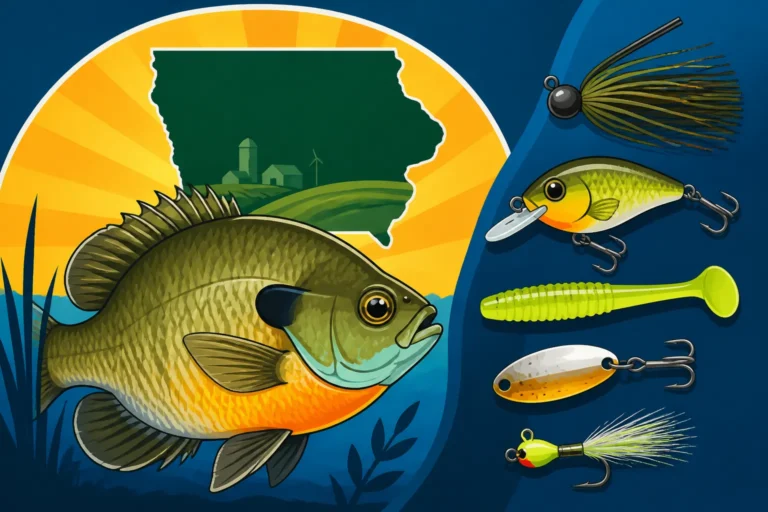
- Jigging Spoons: Small metal jigging spoons (1/8 to 1/4 ounce) are deadly. Drop them to the depth where you're seeing fish on your electronics. Then, rip the rod tip up sharply, letting the spoon flutter back down on a semi-slack line. Most bites will come on the fall, so watch your line intently for any twitch or pause.
- Small Jigs with Plastic: Tiny curly tail grubs, paddle tail swimbaits, or even just a small tube jig on a 1/16 or 1/8 ounce jig head can be incredibly effective. Cast them out, let them sink, and retrieve with short, sharp twitches of the rod tip, varying your retrieve speed until you find what they like. For panfish, lighter tackle with Best Spinning Reels for Panfish is often ideal, allowing for better feel and action control.
- Blade Baits: These vibrating lures are fantastic for aggressive yellow bass. Drop them down and rip them up quickly. The vibration and flash call fish in from a distance and elicit strong strikes.
When you get a bite, don't be afraid to keep that lure moving. Often, missing a fish on the first strike can sometimes get them even more fired up!
Live Bait Presentations
While artificials are great for active fish, sometimes a school might be a bit more lethargic, or you might be dealing with a picky bite. This is where live bait shines.
- Minnows: Small fathead minnows or crappie minnows are universally loved by yellow bass. You can rig them in a few ways:
- Under a Slip Bobber: This allows you to precisely present your minnow at the depth the school is holding without spooking them. A small plain hook (size 8-10) through the lip or back of the minnow is all you need.
- Drop-Shot Rig: This rig keeps your bait suspended off the bottom, directly in the strike zone, while your weight maintains contact with the bottom.
- Simple Split Shot Rig: A small split shot a foot or so above a hook with a minnow can be drifted or slowly reeled through the school.
- Worms/Nightcrawlers: While perhaps not as flashy as minnows, a small piece of nightcrawler or a redworm on a small hook can be very effective, especially if the fish are shallower or near the bottom. This is a classic Best Bait for Spring Crappie approach that translates well to yellow bass.
Always try to match the size of your bait to the size of the yellow bass and the forage they are likely eating.
Lure Selection for Yellow Bass
When it comes to lures for schooling yellow bass, variety is your friend, but generally, smaller is better.
| Lure Type | Best Use Case | Pros | Cons |
|---|---|---|---|
| Jigging Spoons | Aggressive fish, deeper water, fast action | Fast drop, strong vibration, mimics injured baitfish | Can snag easily in heavy cover, can be expensive |
| Small Grubs/Swimbaits | Versatile, active to neutral fish, various depths | Natural action, easy to retrieve, wide color selection | Requires matching jig head, can be light in heavy wind |
| Blade Baits | Aggressive fish, calling from a distance | High vibration, excellent flash, triggers reaction bites | Can be snagged, sometimes too aggressive for finicky fish |
| Underspins | Finesse presentation, mimic baitfish | Subtle flash, natural swimming action, good for finicky fish | Can tangle with light line, blades can get bent |
| Inline Spinners | Casting to active fish, shallower water | Constant flash and vibration, easy to use | Can twist line, limited depth control without added weight |
Beyond the lure types, color can sometimes make a difference. In clear water, natural colors like silver, white, or light greens often work well. In murkier water, brighter colors like chartreuse, orange, or even dark purples can stand out more. Don't be afraid to experiment, and you can stock up on a huge variety of affordable Best Lures for Panfish on Amazon to be ready for anything.
Best Times and Conditions to Target Schools
Even when yellow bass are schooling, certain times and conditions can make them more or less willing to bite. Understanding these factors can help you plan your trips for maximum success and avoid those frustrating days when the fish seem to have lockjaw.
Time of Day Considerations
While yellow bass can bite throughout the day, there are definitely peak times. Early morning and late afternoon/evening often produce the most consistent action. During these periods, light levels are lower, and baitfish are more active, leading to more aggressive feeding by yellow bass.
In the middle of the day, especially during bright summer afternoons, yellow bass might move deeper and become less active. However, if you can locate them suspended over deep water or relating to deep structure, they can still be caught. Sometimes, a subtle, slower presentation is key during these periods. Don't rule out night fishing either, especially for larger yellow bass, as they can sometimes feed actively under the cover of darkness, particularly during warmer months.
Weather and Water Conditions
Yellow bass, like most fish, are influenced by weather and water conditions.
- Stable Weather: Generally, stable weather patterns with consistent temperatures and barometric pressure lead to more predictable and often better fishing. The fish are more comfortable and follow their routines.
- Cloud Cover: Overcast days can be excellent for yellow bass. The reduced light penetration often keeps them shallower and more active throughout the day, extending those prime feeding windows.
- Wind: A light to moderate chop on the water can actually improve yellow bass fishing. The ripples break up the light, making it harder for fish to see you, and can also concentrate baitfish. However, strong winds can make boat control and feeling bites difficult.
- Water Temperature: As discussed in their seasonal movements, water temperature is a primary driver of yellow bass location and activity. They prefer moderate temperatures, so finding areas that match their comfort zone is key.
- Water Clarity: In clear water, fish tend to be more wary. You might need to use lighter lines, smaller baits, and longer casts to avoid spooking them. In slightly stained or murky water, fish are often less skittish, and you can sometimes get away with brighter colors or more aggressive presentations.
Remember that any rapid change in weather, such as a sudden cold front, can often shut down the bite temporarily. Fish need time to adjust to significant changes in their environment.
Adjusting to Conditions on the Water
The key to successful yellow bass fishing, especially when targeting schools, is adaptability. Don't just stick to one technique or one spot. If you're not getting bites, move on or change your presentation. Keep an eye on your fish finder – if the school is there but not biting, try different lure colors, retrieve speeds, or even switch to live bait.
Sometimes, a school might move up or down in the water column without moving horizontally. Your electronics will show you this, and a quick adjustment to your jigging depth can make all the difference. Always be learning and observing, and you'll become a yellow bass catching machine! Finding the Best Fishing Spots in Iowa for yellow bass often means understanding how these conditions play out across different bodies of water.
Disclaimer
This article is for general informational purposes only and does not constitute professional advice. Laws, prices and regulations vary by location and change over time. Consult a qualified professional for guidance on your specific situation.