How Many Fishing Poles You Can Use in Iowa
It's incredibly frustrating when you just want to enjoy a peaceful day on the water, but the rules and regulations feel like a tangled mess, especially when it comes to something as seemingly simple as how many fishing poles you can use. You're not alone in wondering if that extra rod you brought along is going to land you in hot water instead of a fish. This comprehensive guide is here to untangle those lines, clear up the confusion surrounding Iowa's fishing pole limits, and help you understand the specific rules so you can fish with confidence, whether you're on a local pond or the mighty Mississippi.
Understanding the Basic Iowa Fishing Pole Regulations
Let's dive into the core rules first, because knowing the default sets the stage for understanding any exceptions. Iowa, like many states, aims to balance angler opportunity with conservation, and pole limits are a key part of that strategy.
General Rule for Most Iowa Waters
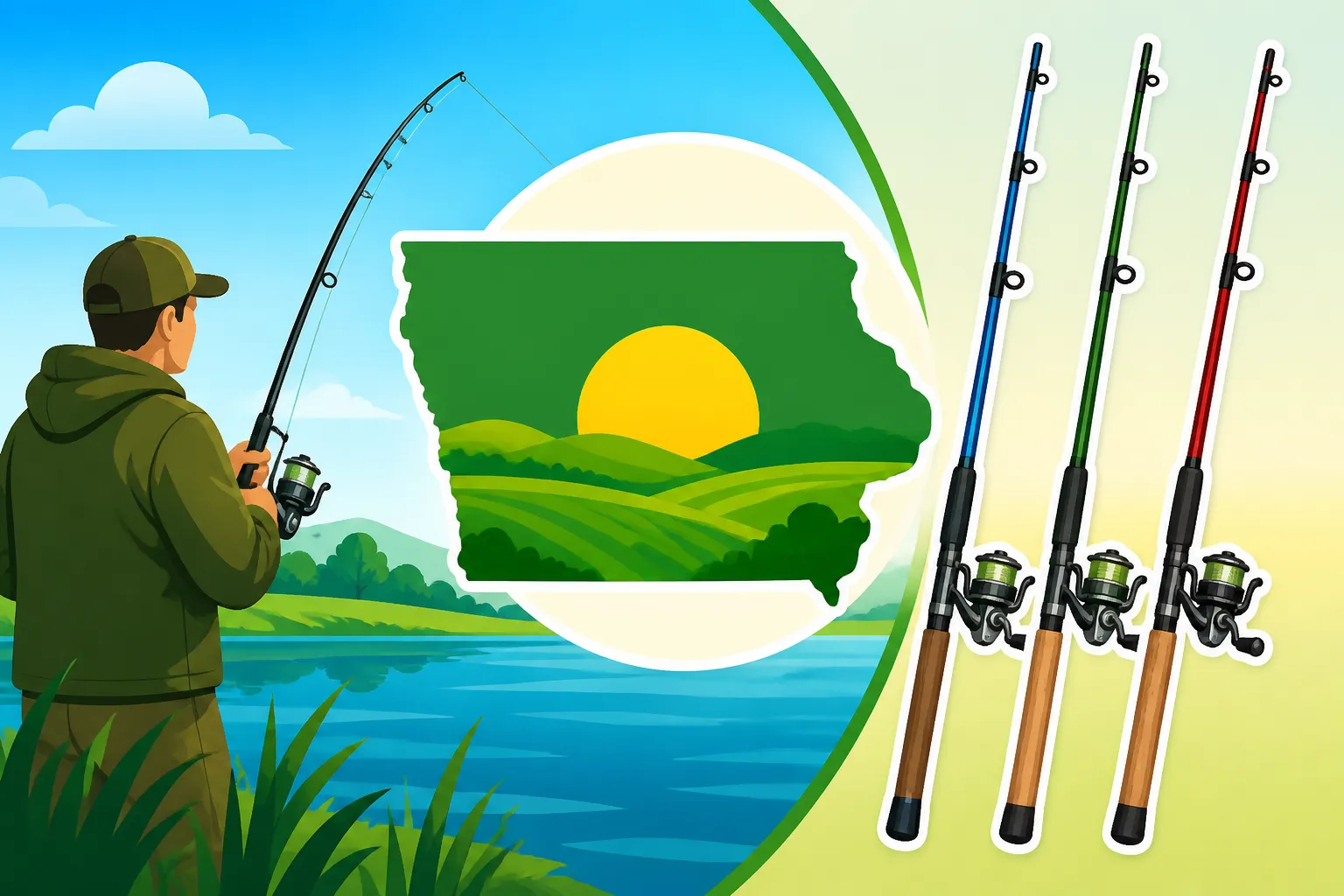
For the vast majority of public lakes, reservoirs, and inland rivers across our beautiful state, the rule is pretty straightforward: an angler may use two lines. Now, what does "two lines" really mean? It generally means two rods and reels that you are actively attending. You can't just set up five rods and walk away to read a book! The expectation is that you are present and able to manage your fishing lines. This regulation helps prevent overharvesting and ensures that everyone has a fair shot at the fish, especially in popular spots. Imagine a busy weekend at Lake Macbride, and everyone had five lines out – it would be a tangled mess, wouldn't it? This basic rule is designed to keep things enjoyable and sustainable for all. For a deeper dive into the general rules, check out our guide on Iowa Fishing Regulations Explained.
What Constitutes a "Line" in Iowa
This is where some folks get tripped up. When the Iowa Department of Natural Resources (DNR) says "two lines," they're talking about the full setup: a rod, a reel, and a line with hooks attached. It's not about how many hooks you have on one line. The standard allowance is no more than two hooks per line. So, if you're using a single rod and reel, you can have a main line with a couple of hooks rigged up, or a lure with two treble hooks, and that still counts as one line.
However, this definition doesn't necessarily extend to other specialized fishing methods without additional clarification. For instance, trotlines and jug lines fall under separate, often more restrictive, regulations. If you're interested in those methods, you'll want to review our specific article on Trotline Fishing Rules and Tips in Iowa, because they operate under a different set of allowances and often require special tagging or licenses. But for your standard rod and reel angling, it’s typically two lines, two hooks per line.
Special Circumstances and Exceptions to the Rule
Just when you think you've got it figured out, Iowa throws a few curveballs. Certain waters and fishing scenarios come with their own unique rules, and knowing these can save you a lot of headache (and potential fines!).
Fishing on Border Rivers Mississippi, Missouri, and Big Sioux
This is one of the most common areas of confusion, and for good reason! When you're fishing on border waters like the majestic Mississippi River, the Missouri River, or the Big Sioux River, the rules can change due to reciprocal agreements with neighboring states. It's not just about Iowa's regulations anymore; you have to consider what's allowed on the other side of the invisible line.
For anglers casting a line into the Mississippi River and its connected backwaters, the rule thankfully becomes a bit more generous: you are allowed to use three lines. This applies whether you're an Iowa resident or one of our valued Iowa Fishing Rules for Out-of-State Anglers visiting from Wisconsin or Illinois. This additional line can make a big difference, especially when you're targeting different species or trying various baits. However, it's always crucial to double-check the current year's regulations because these agreements can sometimes be tweaked. Our comprehensive guide on Iowa Fishing Regulations on the Mississippi River Border provides even more detail on what to expect, including specific considerations for reciprocal rules on the Reciprocal Fishing Rules on the Mississippi River Border. Always remember, if you're fishing from the Iowa side, you're generally following Iowa's rules unless a specific reciprocal agreement states otherwise.
Ice Fishing and Other Unique Situations
Ice fishing is a cherished winter tradition in Iowa, but it comes with its own set of guidelines regarding lines. When you're out on the hard water, bundling up and braving the cold for some panfish or walleye, the two-line rule generally still applies to your actively attended rods. However, the use of tip-ups can sometimes complicate this. In Iowa, if you're ice fishing, you are still limited to two lines total, regardless of whether they are traditional rods or tip-ups. You can't have two rods and two tip-ups going at the same time; it’s a combined total of two lines. This differs from some other states, so it's a critical distinction to remember for anyone planning an Ice Fishing in Iowa adventure.
Another specific exception to be aware of is for designated trout streams, particularly those pristine waters we cherish in Northeast Iowa. When you're targeting these elusive beauties, the rule typically becomes more restrictive: only one line and one hook are permitted. This is largely due to the delicate ecosystem of trout streams and the focus on conservation for these specific fisheries. If you're planning a trip to one of the beautiful Trout Fishing Streams in Northeast Iowa, make sure your setup adheres to this particular rule.
Kids and Anglers with Disabilities
It’s wonderful to see families getting out on the water, and often, new anglers are kids just learning the ropes. Generally speaking, the same line limits apply to youth anglers as they do to adults. There aren't specific allowances for children to use more lines. However, the good news is that kids under the age of 16 don't need a fishing license at all to fish in Iowa, making it easier for them to get started. You can find more details on this in our article about Do Kids Need a Fishing License in Iowa?.
For anglers with disabilities, Iowa provides certain accommodations related to licenses, such as free fishing licenses for qualifying disabled residents. However, these accommodations typically pertain to the licensing requirement itself, not usually an exemption from the standard fishing method regulations like pole limits. The expectation is that all anglers, regardless of age or disability status, adhere to the specified number of lines to ensure fair and sustainable fishing practices. Always refer to the latest DNR regulations booklet for specific details, as rules can occasionally be updated. If you have questions, contacting the Iowa DNR directly is always the best course of action.
Consequences of Exceeding Pole Limits and How to Stay Compliant
Nobody wants to have their fishing trip interrupted by a conservation officer, especially when you thought you were following the rules. Understanding the repercussions of exceeding pole limits and knowing how to prevent it is just as important as knowing the rules themselves.
Penalties for Fishing with Too Many Lines
Getting caught with too many lines in the water isn't just a minor slap on the wrist; it can lead to some significant downsides. Conservation officers are out there to protect our natural resources and ensure everyone is playing by the same rules. If you're found to be using more lines than allowed, you could face:
- Fines: These can vary depending on the severity and whether it's a first offense, but they can certainly put a damper on your day and your wallet.
- Confiscation of Equipment: In some cases, the excess fishing equipment, or even all your gear, could be confiscated. Imagine losing that rod you got from Amazon that's been your trusty companion for years!
- Loss of Fishing Privileges: Repeated violations or serious infractions could potentially lead to the suspension or revocation of your fishing license, meaning you wouldn't be able to fish at all for a period. This is similar to the consequences outlined in our article on What Happens If You Fish Without a License in Iowa, where violating regulations can have a cascading effect on your ability to enjoy the sport.
It’s an unfortunate reality, but ignorance of the law is generally not considered an excuse. That’s why taking the time to understand these rules is so crucial.
Tips for Managing Your Gear and Staying Within Regulations
To avoid any unwelcome surprises, here are some practical tips for keeping your lines in check:
- Read the Current Regulations: Before every season, or even before a trip to a new body of water, make it a habit to glance over the latest Iowa DNR Fishing Regulations. You can often find the official Fishing Regulations Booklet Where to Find It online or pick up a physical copy wherever you buy your Iowa Fishing License Guide. Rules can change, and it’s always best to be up-to-date.
- Count Your Active Lines: This sounds obvious, but it's easy to lose track, especially if you're fishing with friends or family from a boat. Actively count how many rods have lines in the water at any given time.
- Secure Unused Rods: If you bring extra rods for different techniques or as backups, make sure they are clearly out of commission. This means having them stowed away, unrigged, or with lines completely out of the water. For boat anglers, investing in good quality rod holders, perhaps even some sturdy clamp-on ones you can find on Amazon, can help keep extra rods organized and visibly out of play.
- Communicate with Your Fishing Buddies: If you’re fishing with a group, make sure everyone understands the pole limits. A common scenario for accidental violations is when multiple people are fishing from the same boat, and the total number of lines in the water inadvertently exceeds the limit for the vessel.
- Utilize Proper Storage: A well-organized tackle bag or box, readily available on platforms like Amazon, helps you manage your gear efficiently and prevent any confusion about what’s rigged and what’s not. Keeping your lines spooled neatly and hooks secured also prevents tangles and makes it easier to keep track of your active setups.
- When in Doubt, Ask: If you’re truly unsure about a specific body of water or technique, don't hesitate to reach out to the Iowa DNR directly. They're there to help anglers enjoy the sport safely and legally.
By being mindful and prepared, you can focus on the joy of fishing and the thrill of the catch, rather than worrying about regulatory missteps.
Here’s a quick summary table for common pole limits in Iowa:
| Fishing Location / Method | General Rod & Reel Limit | Hooks Per Line | Notes |
|---|---|---|---|
| Most Iowa Inland Waters | 2 lines | 2 | Actively attended rods. |
| Mississippi River & Backwaters | 3 lines | 2 | Reciprocal rules with border states. |
| Missouri River & Backwaters | 2 lines | 2 | Subject to reciprocal agreements. |
| Big Sioux River & Backwaters | 2 lines | 2 | Subject to reciprocal agreements. |
| Designated Trout Streams | 1 line | 1 | Often single-hook artificial lures or flies for specific streams. |
| Ice Fishing | 2 lines (total) | 2 | Includes combination of rods and tip-ups. |
Navigating Specific Gear and Methods with Pole Limits
Beyond just counting rods, understanding how different types of gear and methods interact with the pole limits is essential. It's not just about how many fishing poles you bring; it's about how you deploy them.
The Nuances of Multi-Hook Rigs and Lures
As we touched on earlier, Iowa allows for two hooks per line. This is pretty generous for most types of fishing. For instance, if you're using a common spinnerbait that has one main hook and a trailing stinger hook, that's perfectly fine—it still counts as one line. Similarly, many crankbaits and topwater lures come equipped with two or even three treble hooks. As long as these multiple hooks are part of a single, manufactured lure attached to one line, it’s generally considered compliant within the "two hooks per line" rule. The key is that the lure itself is considered a single unit on that line, even if it has several points.
However, if you start rigging up multiple baits on separate snells on a single main line, you need to be cautious not to exceed that two-hook limit. For example, a drop-shot rig with two hooks tied a foot apart is fine. But putting three or four hooks on one line for panfishing would be pushing the limit and could lead to a violation. Always consider the intent of the rule: to limit the efficiency of a single line, even if that single line is a multi-purpose beast.
Utilizing Kayaks and Small Watercraft Efficiently
Kayak fishing has exploded in popularity, and for good reason—it’s a fantastic way to access hard-to-reach spots and enjoy a more intimate fishing experience. When you're out in a kayak or a smaller craft like a canoe or paddleboard, the same two-line limit generally applies to most Iowa waters. However, the practical challenge often becomes managing those two lines effectively without tangles or losing gear overboard!
This is where smart gear management becomes paramount. Many kayak anglers utilize specialized rod holders that secure their active rods while paddling or when fighting a fish. You can find a wide variety of these, from flush-mounts to adjustable rail-mounts, on Amazon, making it easier to keep your rods safe and accessible. When you're transitioning between spots, it’s a good practice to reel in one or both lines to prevent snags and ensure you’re always in control of your active lines. Our article on Kayak Fishing Techniques in Iowa offers even more insights into optimizing your setup for smaller vessels. Remember, an unused rod stowed securely in the kayak's hull or strapped down is not an active line.
Understanding the Impact of Advanced Electronics on Pole Usage
Modern fishing electronics, like fish finders and active sonar, have revolutionized how we fish. They help us locate fish, identify structure, and even see how fish react to our baits. While these tools don't directly impact the number of poles you can use, they can certainly influence your efficiency and, by extension, how you manage your two lines.
For instance, with a high-definition fish finder, you might be able to pinpoint a school of crappie holding at a specific depth. This allows you to deploy your two lines with incredible precision, perhaps one with a jig and the other with a minnow, maximizing your chances within the legal limit. You might choose to rig one rod with a heavier setup for bottom fishing and another with a lighter presentation for suspended fish, all while remaining compliant. These tools don't give you a free pass to use more rods, but they empower you to make the most of the rods you are allowed. This strategic deployment can be particularly effective when trying to master techniques like those for How to Catch Crappie in Iowa.
It really comes down to being a responsible and informed angler. The rules are there for a reason – to protect our fisheries and ensure that everyone has a great time on the water. By understanding these regulations, you're not just avoiding trouble; you're contributing to the health of Iowa's fantastic fishing opportunities for years to come.
Disclaimer
Please remember that fishing regulations can change. While every effort has been made to provide accurate and up-to-date information, it is always your responsibility to consult the current official Iowa Department of Natural Resources (DNR) fishing regulations before heading out. This guide is for informational purposes only and should not be considered legal advice.