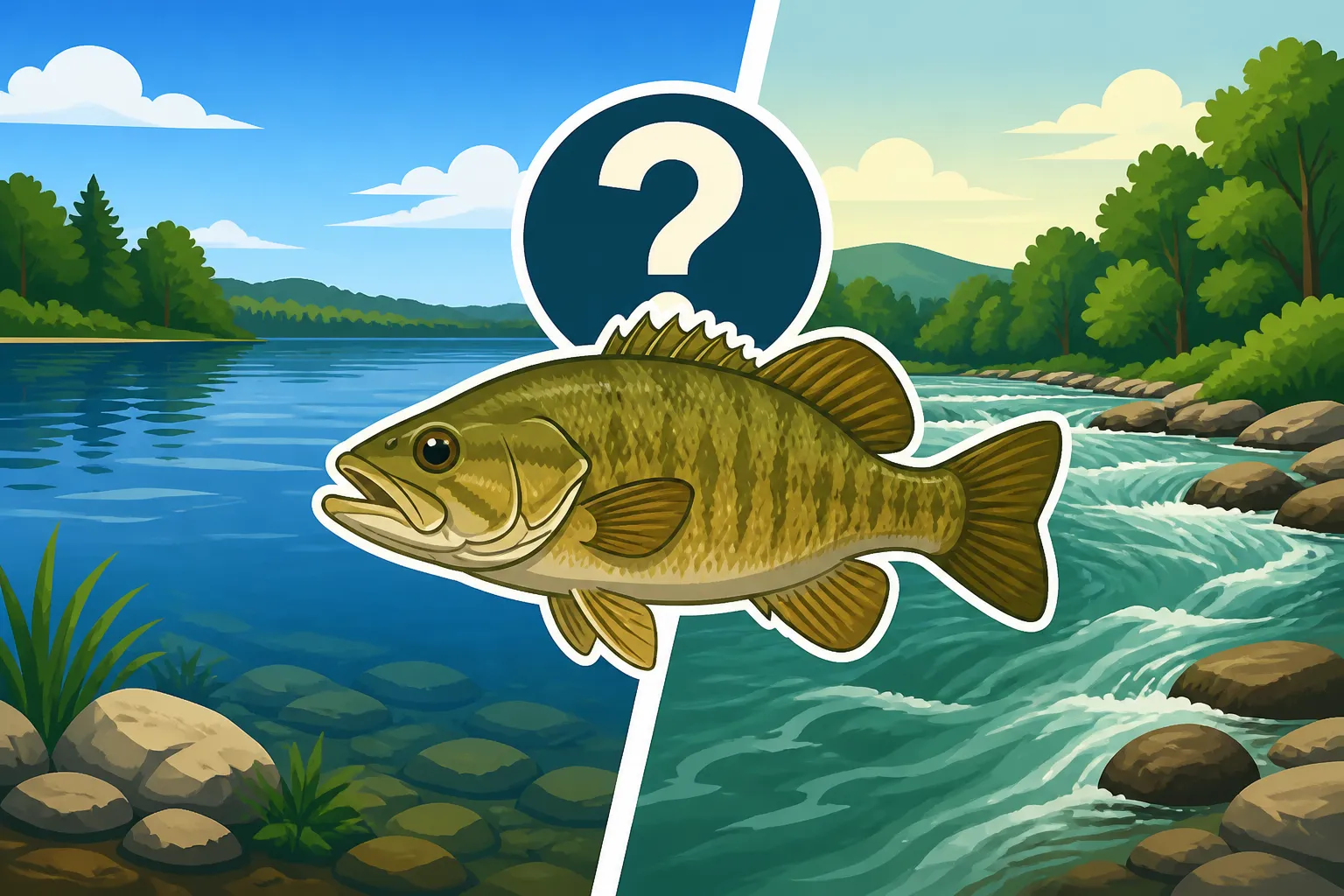
Do Smallmouth Bass Live in Lakes or Rivers?
It's a common question that pops into many an angler's mind when they think about chasing smallmouth bass: "Do these feisty fighters prefer winding rivers or sprawling lakes?" The truth is, smallmouth bass are incredibly adaptable, and while they absolutely thrive in certain types of moving water, they can also establish strongholds in specific lake environments. This guide will dive deep into the preferred habitats of smallmouth bass, particularly focusing on their presence and behavior across Iowa's diverse aquatic landscapes, helping you understand where to cast your line for that thrilling bronzeback bite.
Understanding Smallmouth Bass Habitat Preferences
Smallmouth bass, often affectionately called "bronzebacks" for their distinctive coloration, are truly a gem of Iowa's fishing scene. Unlike their largemouth cousins, who prefer warmer, weedier, and often murkier waters, smallmouth have a much more particular palate when it comes to their living arrangements. Understanding these preferences is key to consistently finding them.
The Riverine Advantage for Smallmouth
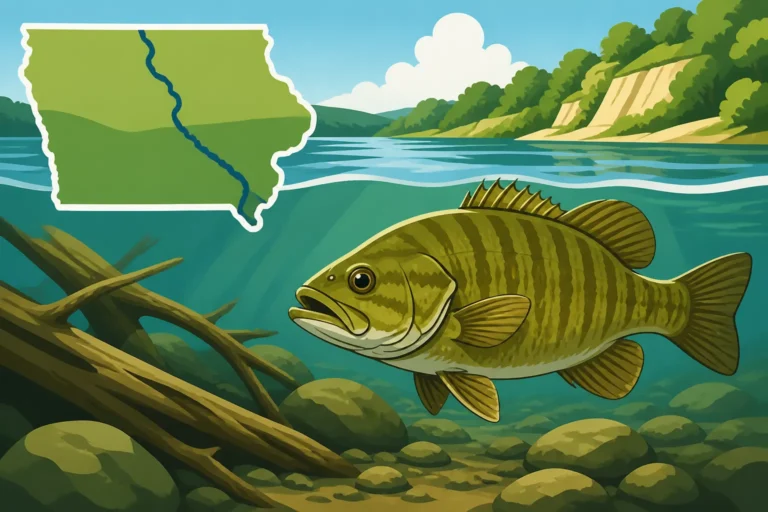
For many anglers, the classic image of a smallmouth bass is one caught from a river, and for good reason. Rivers truly represent the quintessential smallmouth habitat. They absolutely thrive in environments that offer a consistent flow of water, which helps oxygenate their surroundings and brings food right to them. Think about those clear, cool sections of a river – that’s prime real estate for a smallmouth. They love to hold in current seams, behind boulders, or near other structures where they can ambush prey without expending too much energy fighting the flow.
The bottom composition of a river is also a huge draw. Smallmouth gravitate towards rocky, gravelly, or even sandy bottoms. They use these areas for spawning, constructing nests on clean substrates, and also as places to find crayfish and other invertebrates, which make up a significant portion of their diet. Turbid, silty rivers tend to be less productive for smallmouth, as the lack of clarity can impede their sight-hunting abilities and cover up their preferred spawning grounds. If you've ever spent time on a clear, rocky Iowa river, you've likely seen firsthand how perfectly suited it is for these bronze beauties.
Lake Life for the Bronze Beauty
While rivers might be their ancestral home, smallmouth bass can and do live very comfortably in lakes, provided those lakes mimic some of their preferred riverine characteristics. It's not just any lake; we're talking about specific types of lakes that offer the right blend of conditions. Generally, smallmouth in lakes prefer clear, cool water with plenty of rocky structure. This means natural lakes with rocky shorelines, rip-rap, gravel points, and offshore humps are often excellent smallmouth fisheries. They’ll use these structures for cover, ambush points, and also for spawning, much like they would in a river.
In these lake environments, you'll often find smallmouth holding in deeper water during the heat of summer, relating to thermoclines or deep rock piles where the water stays cooler and more oxygenated. They might move shallower to feed during low light conditions or during cooler parts of the year. The key differentiator from largemouth bass in lakes is still that preference for rocky, cleaner bottom areas over dense aquatic vegetation. While a largemouth might be buried in a lily pad field, a smallmouth is more likely patrolling a rocky point nearby. Largemouth vs Smallmouth Bass Differences can be quite stark when you look at their preferred lake habitats.
Where to Find Smallmouth in Iowa Waters
Iowa, with its incredible network of rivers and diverse lakes, offers fantastic opportunities for smallmouth bass fishing. Knowing the specific types of waters where they are most likely to thrive is the first step to a successful outing.
Premier River Systems for Smallmouth Bass
When it comes to river fishing for smallmouth in Iowa, you are truly spoiled for choice. Many of the state's most scenic rivers are also fantastic smallmouth strongholds. Rivers like the Maquoketa, Upper Iowa, Wapsipinicon, Cedar, and Shell Rock are renowned for their healthy smallmouth populations. These rivers typically feature rocky runs, riffles, and pools, providing the perfect mix of current and cover that smallmouth crave. Look for areas with significant rock formations, current breaks behind large boulders, or even submerged timber that creates eddies and slack water.
The Mississippi River, particularly the upper pools that border Iowa, also holds excellent smallmouth. Here, you'll find them concentrating around wing dams, rip-rap shorelines, and rocky points where the current creates ideal ambush opportunities. These big river systems can be a bit more challenging to navigate, but the reward of a powerful Mississippi River smallmouth is well worth the effort. Knowing Smallmouth Bass Habitat on the Mississippi River can really help narrow down your search. Always remember that river conditions can change rapidly with rainfall, affecting water clarity and current, so checking local reports before you head out is always a smart move.
Finding Them in Iowa Lakes and Reservoirs
While less prevalent than in rivers, certain Iowa lakes and reservoirs do offer excellent smallmouth bass fishing. The Iowa Great Lakes region, especially West Okoboji Lake, is a prime example. West Okoboji is a deep, clear, and rocky glacial lake that provides ideal conditions for smallmouth. Here, you'll find them relating to offshore reefs, rocky points, and rip-rap along the shore. They might hold in relatively deep water during the summer, but can be found shallower during spring and fall. These lake smallmouth often grow quite large due to the abundant forage and stable environment.
Other lakes and even some larger reservoirs might occasionally surprise you with smallmouth catches, particularly if they have clear water and significant rocky or hard-bottom structure. Think about areas around dams, causeways, or bridge abutments that have been rip-rapped, or natural rock outcroppings. While they may not be the primary target species in every Iowa lake, understanding their habitat preferences will help you identify potential smallmouth zones, even in waters that are predominantly known for largemouth. Sometimes, those unexpected catches are the most memorable!
The Importance of Water Conditions and Structure
Smallmouth bass are particular about their environment, and three factors stand out as absolutely crucial for their survival and thriving: current, water clarity, and temperature. These elements work together to define ideal smallmouth habitat, whether in a flowing river or a rocky lake.
Current, Clarity, and Temperature – The Smallmouth Trifecta
Smallmouth bass are built for current. Their torpedo-shaped bodies and powerful tails allow them to navigate and hold in moving water with ease. Current brings them food, oxygenates the water, and often corresponds with the rocky, clean bottoms they prefer. In rivers, finding the seams and eddies created by obstacles in the current is often where you'll find these fish staging. In lakes, even subtle currents created by wind or inflow/outflow can attract them to certain areas. A lack of current generally means less oxygen and fewer opportunities for ambush, making it less attractive for smallmouth.
Water clarity is another non-negotiable for smallmouth. They are primarily sight feeders, relying on their keen eyesight to spot and chase down prey. Turbid, muddy water makes this difficult, and you'll find smallmouth populations diminish significantly in such conditions. This is why you rarely find robust smallmouth populations in heavily silted rivers or murky lakes. They need that clear water to hunt effectively. Lastly, temperature plays a critical role. Smallmouth prefer cooler water than largemouth, typically thriving in temperatures between 65-75 degrees Fahrenheit. During extreme summer heat, they will seek out deeper, cooler water, while in spring and fall, they can be found shallower as temperatures are more to their liking. Understanding these Iowa Fishing Seasons Explained can significantly impact your success rate.
Structure is Key: Rocks, Boulders, and Submerged Wood
No matter if they're in a river or a lake, smallmouth bass are inseparable from structure. Their world revolves around it. Specifically, they absolutely love hard, rocky cover. This includes everything from small gravel beds to large boulders, rock piles, rip-rap, and even bedrock shelves. This kind of structure provides them with critical ambush points, allowing them to hide and dart out to intercept unsuspecting baitfish or crayfish. It also offers protection from predators and strong currents, giving them a place to rest and conserve energy.
Beyond just rocks, other forms of hard structure like submerged timber, log jams, and bridge abutments can also hold smallmouth. These elements create current breaks and shaded areas that are highly attractive. When you're scouting a potential smallmouth spot, look for these features. On a river, identify those current seams behind large rocks or logs. In a lake, search for rocky points that drop off into deeper water, or expansive rock reefs. The more complex and diverse the structure, the more likely it is to hold a healthy population of smallmouth, providing both food and shelter.
Gear Up for Smallmouth: What You'll Need
Chasing smallmouth bass is an exhilarating experience, and having the right gear can make all the difference between a frustrating outing and a day filled with bronze beauty hook-ups. Because of their aggressive nature and tendency to fight hard, especially in current, specific tackle choices will serve you best.
Rods, Reels, and Lines for Riverine Smallmouth
For river smallmouth, a medium-light to medium power spinning rod, typically 6'6" to 7' long, with a fast action tip, is a fantastic all-around choice. This setup gives you enough backbone to fight powerful fish in current, but also enough sensitivity to feel those subtle bites. The fast action helps with quick hook sets. Pair this with a reliable spinning reel in the 2000-3000 size range. You want a reel with a smooth drag system, as smallmouth will make strong, head-shaking runs.
When it comes to line, a good quality 6-10 lb test fluorocarbon or braided line with a fluorocarbon leader is highly recommended. Fluorocarbon is nearly invisible underwater, which is a huge advantage in the clear waters smallmouth prefer, and it offers excellent abrasion resistance against rocks. Braided line provides incredible sensitivity and casting distance, and when paired with a fluorocarbon leader, gives you the best of both worlds. You can find a wide array of options for Fishing Rod and Reel Guide for Iowa Anglers on platforms like Amazon, often with helpful reviews from other anglers.
Lures and Baits They Can't Resist
Smallmouth bass are opportunistic predators and will hit a wide variety of lures, but some are particularly effective. Crankbaits that imitate baitfish are excellent, especially those with a natural color pattern or a bit of chartreuse for stained water. Jerkbaits are also deadly, allowing you to impart an erratic, wounded-fish action that can trigger aggressive strikes. For bottom-dwelling smallmouth, especially in deeper holes or around rock piles, jigs tipped with soft plastic crawfish imitations or tubes are incredibly effective.
Topwater lures like poppers, walking baits, and prop baits create exciting explosions when retrieved over shallow, rocky areas, particularly during low light conditions. Small spinnerbaits and inline spinners also have their place, especially when fish are active. Don't forget live bait! Crayfish are a smallmouth's favorite meal, and live shiners or minnows can also be highly productive. It's always a good idea to have a varied selection in your tackle box. If you're looking to stock up on new lures or replenish your supply, browsing the fishing section on Amazon can give you plenty of ideas and options tailored for smallmouth. Having a diverse tackle box ensures you're ready for whatever the fish are biting on that day.
| Feature | River Smallmouth Habitat | Lake Smallmouth Habitat |
|---|---|---|
| Primary Attraction | Current, rapids, riffles, oxygenated water | Deep, clear, cool water; offshore structure |
| Preferred Bottom | Rocky, gravelly, sandy substrates | Rocky points, rip-rap, gravel humps, bedrock |
| Water Clarity | High, very clear is ideal | High, clear water is essential |
| Typical Structure | Boulders, log jams, current seams, wing dams | Reefs, rock piles, steep drop-offs, docks, bridge abutments |
| Typical Depth | Varies with current; often shallower in runs/pools | Deeper during summer; shallower during spring/fall |
| Common Prey | Crayfish, minnows, insects | Crayfish, perch, cisco, minnows |
| Fighting Style | Strong, current-aided runs; often jumpy | Powerful runs, deep dives; strong initial fight |
Disclaimer
This article is for general informational purposes only and does not constitute professional advice. Laws, prices and regulations vary by location and change over time. Consult a qualified professional for guidance on your specific situation.