Mississippi River Pool 12 Fishing
The mighty Mississippi River can feel like an overwhelming expanse for any angler, and knowing where to begin, let alone consistently find success, on a specific stretch like Pool 12 can be a real head-scratcher. It's not just a big river; it's a dynamic, ever-changing environment with unique challenges and incredible rewards. This guide is here to untangle the complexities of fishing Mississippi River Pool 12, helping you understand its unique characteristics and arming you with the strategies you need to fill your cooler and make lasting memories.
Understanding Mississippi River Pool 12
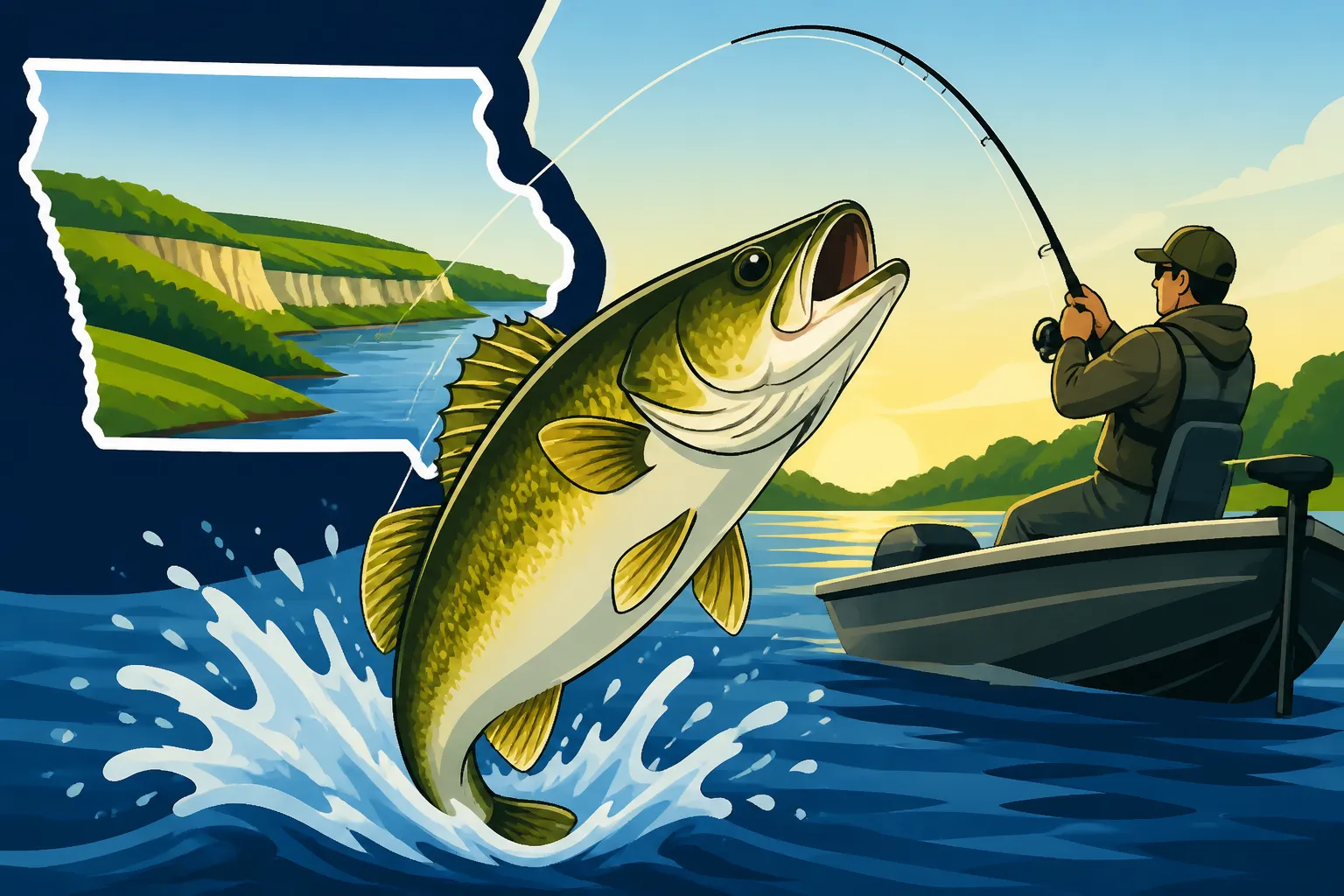
Fishing the Mississippi isn't like fishing a lake. It's a vast, flowing system, and each "pool" has its own personality, dictated by the locks and dams that manage its water levels. Pool 12, specifically, stretches for about 24 miles, starting north of Bellevue, Iowa, and extending upriver past Dubuque. It's a truly spectacular stretch of water that offers a diverse array of habitats for a multitude of fish species. If you've ever felt intimidated by its size, you're not alone, but once you break it down, its secrets become clearer.
Geographic Features and Structure
Pool 12 is a classic example of a managed river system, featuring a complex mix of habitats. You've got the main channel, which is the navigation path for barges and towboats, characterized by deeper water and stronger currents. Then there are the side channels, often shallower and with slightly less current, providing excellent cover. Perhaps the most iconic features are the wing dams – rock structures built out from shore to direct the current and scour the main channel deeper. These are absolute fish magnets, creating current breaks, eddies, and deep holes where fish stack up.
Beyond these, the pool is dotted with numerous backwaters, sloughs, and islands. These areas offer quieter, often shallower water, abundant vegetation, and submerged timber, creating crucial spawning and feeding grounds. Think about the sloughs near Sabula or the extensive backwaters around the islands north of Dubuque – these are goldmines. The varying depths and structures mean that fish can always find comfortable water, whether they're seeking refuge from strong currents, looking for food, or preparing to spawn. It's this incredible diversity that makes Pool 12 such a productive fishery, but also demands a keen understanding of where different fish prefer to hang out.
Key Towns and Landmarks
The towns bordering Pool 12 are more than just places to grab a bite; they're essential access points and offer a sense of local flavor to your fishing adventures. Dubuque, Iowa, is the largest city on this stretch, providing numerous boat launches, bait shops, and resources for anglers. It's a bustling hub with a strong river heritage. Moving downstream, you'll encounter towns like Sageville and then Bellevue, which is home to Lock and Dam 12. This dam is the downstream boundary of the pool and creates significant current breaks and deep water that are popular fishing spots, especially for species that prefer a strong current.
These towns serve as natural jumping-off points. If you're looking for a guide to help you navigate the nuances of the local waters, platforms like FishingBooker can connect you with experienced captains operating out of these communities who know Pool 12 like the back of their hand. The bridges, marinas, and even the historical markers along the river all act as subtle landmarks that experienced anglers use to orient themselves and find those productive spots. Understanding the rhythm of life in these river towns can give you an edge, as local knowledge is often the best bait.
Prime Fish Species and Where to Find Them
Pool 12 is a veritable smorgasbord for anglers, boasting a fantastic array of fish species. Each species has its preferred habitat and feeding patterns, and understanding these can dramatically improve your success rate. It's about knowing not just what you want to catch, but where that particular fish likes to hang out in this complex river environment.
Walleye and Sauger Hotspots
Walleye and their close cousins, sauger, are perhaps the most sought-after game fish in Pool 12. These toothy predators thrive in areas with current, making the main channel, its edges, and especially the wing dams prime real estate. Look for current breaks directly below or above wing dams, where walleye and sauger will stage, waiting to ambush baitfish being swept past. The rock riprap along the main channel can also hold good numbers of these fish.
During periods of higher flow, walleye and sauger will often move into the slightly less aggressive current of side channels, particularly where there's structure like submerged logs or rock piles. They also love to hold in deep holes, especially during colder months. Jigging with minnows or plastics, or trolling crankbaits along channel edges, are highly effective techniques here. Don't be afraid to fish around the Lock and Dam 12 at Bellevue; the turbulent water below the dam is notorious for attracting large numbers of these fish, though always be mindful of safety and restricted zones. For those seeking specific regulations, our guide on Iowa Fishing Regulations Explained provides comprehensive details.
Bass and Panfish Hideouts
While the Mississippi is famous for its walleye and catfish, Pool 12 also offers excellent opportunities for both largemouth and smallmouth bass, as well as a variety of panfish like crappie and bluegill. These species tend to prefer the quieter, more structured waters away from the main channel's heavy current.
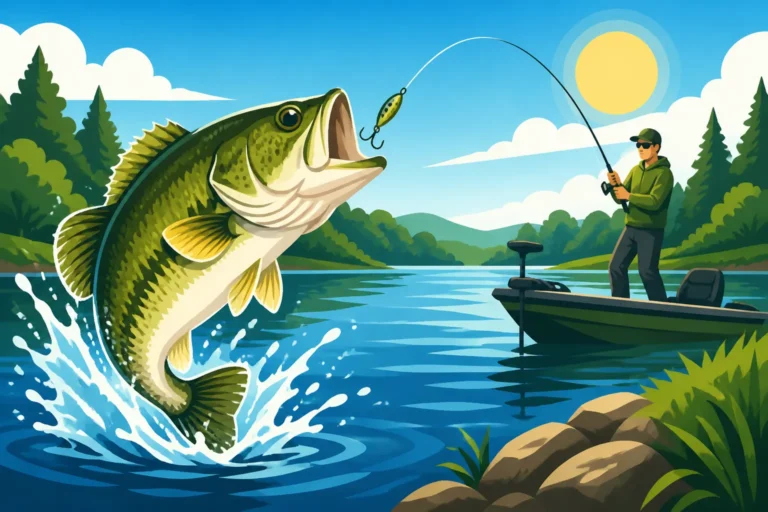
Largemouth bass will gravitate towards the extensive backwaters, sloughs, and shallow areas around islands, especially those with plenty of submerged vegetation, lily pads, or fallen timber. Think about the areas behind the larger islands where the water can warm up quickly in the spring. Smallmouth bass, true to their nature, prefer rocky areas, current breaks along side channels, and the upstream sides of wing dams, where they can ambush prey. For panfish like crappie and bluegill, look for brush piles, fallen trees, and docks in the slower-moving backwaters and bays. They often school up tightly around these structures. A good fish finder can be invaluable for locating these submerged covers. Our article on Crappie and Sunfish Limits in Iowa has more information on bag limits for these delicious panfish.
Catfish Havens
Channel catfish and flathead catfish are abundant in Pool 12, offering some truly fantastic angling. They are incredibly adaptable and can be found throughout the pool, but certain areas consistently produce bigger fish. Channel cats love deeper holes, current seams, and areas with slower current but still some flow, often near snags or fallen trees. They're scavengers, so prepared baits, cut bait, or even a simple nightcrawler can be incredibly effective.
Flathead catfish, on the other hand, are apex predators that prefer deep, snag-laden holes with plenty of cover, often near log jams or rock structures in the main channel or larger side channels. They have a particular fondness for live bait – bluegills, shiners, or suckers are often the ticket for these monsters. Night fishing for catfish can be incredibly productive, especially during the warmer months when they become more active. Look for guides on FishingBooker specializing in catfishing trips; they often know the exact honey holes for trophy flatheads. Our guide on Catfish Possession Limits offers insights into the regulations for these popular species.
Best Fishing Techniques for Pool 12
Fishing on a dynamic river system like Pool 12 requires a versatile approach. What works one day might not work the next, largely due to changing water levels, current speed, and fish behavior. Having a few go-to techniques in your arsenal will make all the difference.
River Current Tactics
The current is arguably the biggest factor when fishing the Mississippi, and understanding how to use it to your advantage is crucial. For walleye and sauger, often positioned in or near current, jigging is a highly effective method. Use heavier jigs (1/4 to 3/4 ounce, sometimes more, depending on current strength) tipped with live minnows, plastic grubs, or paddle tails. Vertical jigging directly below the boat in current breaks or along wing dams allows you to stay in the strike zone longer.
Another excellent current tactic is three-way rigging or using a "rig" with a heavy sinker to hold your bait near the bottom, letting a snelled hook with a minnow or worm drift naturally behind it. This is particularly effective when targeting fish holding tight to the bottom in moderate to strong current. Trolling crankbaits that dive to specific depths along current seams can also entice strikes from aggressive predators. When fishing a river, remember that fish often face upstream, so presenting your bait by drifting it down to them can be a highly effective ambush strategy.
Backwater and Structure Fishing
When you move out of the main current into the quieter backwaters and sloughs, your techniques will shift dramatically. Here, finesse and precision often yield better results. For largemouth bass, target submerged logs, brush piles, and weed edges with Texas-rigged worms, creature baits, or jigs. Topwater lures can be incredibly exciting in these calm waters during low-light conditions. For crappie and bluegill, light tackle is key. Small jigs (1/32 to 1/16 ounce) tipped with a tiny plastic grub, a small minnow, or a piece of nightcrawler fished under a bobber around brush piles or standing timber can be deadly.
Don't overlook the importance of structure. Any deviation from a uniform bottom—a rock pile, a stump field, a subtle depth change—can hold fish. Use your electronics to locate these features, or visually scan for clues like changes in water color or surface ripples indicating submerged structure. The backwaters can also be excellent for northern pike, which often lurk in dense vegetation, ready to ambush prey. Spoon lures or spinnerbaits are great choices for them. Our guide on How to Catch Crappie in Iowa delves deeper into panfish techniques.
Live Bait vs. Lures
The debate between live bait and artificial lures is as old as fishing itself, and on Pool 12, both have their merits. Live bait, such as minnows, nightcrawlers, and leeches, often produces consistent results, especially for finicky fish or when the bite is slow. Walleye and sauger have a hard time resisting a lively minnow, and catfish will readily take a juicy nightcrawler or a piece of cut bait. For flatheads, as mentioned, live bluegills or suckers are often mandatory. The natural scent and movement of live bait can be irresistible.
However, lures offer the advantage of covering more water quickly and allowing for varied presentations. Crankbaits, spinnerbaits, jigs, and soft plastics can mimic baitfish, frogs, or crawfish, and their color, vibration, and erratic movements can trigger reaction strikes from predatory fish. Many experienced anglers combine both, using a jig tipped with a minnow or a plastic trailer on a jig. The best approach is often to have a mix of both in your tackle box, ready to adapt to what the fish are telling you on any given day. You can find more specific recommendations in our Iowa Fishing Gear Guide.
Navigating and Accessing Pool 12
Getting out on Pool 12 requires not just fishing know-how, but also a good understanding of navigation and access. This is a working river with commercial traffic, so safety and awareness are paramount.
Public Boat Ramps and Access Points
Fortunately, Pool 12 offers numerous public boat ramps, making it relatively easy to launch your vessel. In Dubuque, you'll find several options, including the Mines of Spain boat ramp and the one near the Stone Cliff Winery, providing excellent access to the upper sections of the pool. Further downstream, the Bellevue boat ramp offers convenient access to the areas around Lock and Dam 12. These ramps typically have ample parking and good facilities.
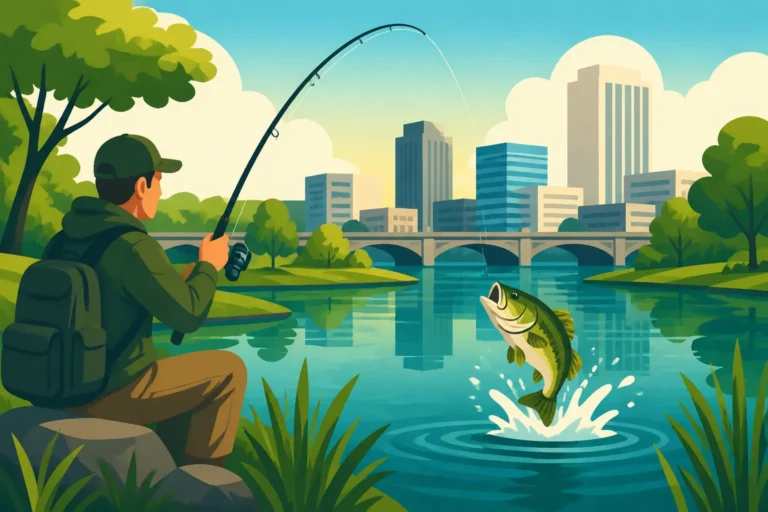
When choosing a ramp, consider where you plan to fish. If you're targeting the backwaters near Sabula, launching closer to that area might save you significant travel time on the water. Always check the river conditions before heading out, as high water or strong currents can make launching and retrieving a boat more challenging. For those who prefer to fish from shore, there are also various public access points, particularly around city parks in Dubuque and Bellevue, which offer fishing piers or bank access to certain areas of the river.
Shore Fishing Opportunities
While many anglers prefer boat fishing on the vast Mississippi, don't underestimate the potential for excellent shore fishing on Pool 12. Public parks and designated fishing areas in towns like Dubuque and Bellevue often provide easy bank access. Look for areas with current breaks, eddies, or riprap along the shoreline, as these can hold a surprising number of fish. Fishing piers are also fantastic resources, offering access to deeper water without needing a boat.
Shore anglers can still effectively target a variety of species. Catfish are a prime target from shore, often found in deep holes near banks or along current seams. Walleye and sauger can be caught from shore, especially around wing dams or bridge abutments, using jigs or live bait. Panfish will also hug shoreline cover in quieter areas. Even if you're restricted to the bank, you can still have a highly productive day by focusing on key structural elements and understanding how fish relate to them from shore. Our guide on Shore Fishing Techniques for Beginners provides excellent tips.
Navigation Hazards and Safety
The Mississippi River is undeniably beautiful, but it demands respect. Navigation hazards are common, ranging from submerged logs and sandbars, especially after periods of high water, to wing dams that are not always visible, particularly at higher water levels. Always use up-to-date navigation charts, pay attention to buoys and markers, and if you're unfamiliar with an area, proceed with caution and at a reduced speed.
Commercial barge traffic is another significant consideration. Barges have the right-of-way, cannot stop quickly, and create massive wakes. Always give them a wide berth. When encountering a barge, steer clear of the main channel and avoid crossing directly in front of or behind them. Safety equipment is non-negotiable: ensure you have enough life jackets for everyone on board, a throw cushion, a horn or whistle, navigation lights, and a fire extinguisher. Consider taking a boater education course, especially if you're new to river boating. Knowing your boat and the river rules will ensure a safe and enjoyable trip. You can learn more about requirements in our Iowa Boat Registration Requirements article.
Seasonal Fishing Strategies for Year-Round Success
The Mississippi River is a dynamic system, and fishing on Pool 12 is a year-round affair, with each season presenting its own unique opportunities and challenges. Adapting your approach to the changing conditions is key to consistent success.
Spring Spawn Strategies
Spring on Pool 12 is a time of renewal and intense fish activity, driven by spawning urges. As water temperatures begin to rise (typically from late March through May), walleye and sauger will make significant runs, often concentrating near dams and in rocky main channel areas to spawn. This is a prime time for vertical jigging or slow-drifting live bait in deeper holes and current breaks. For those specifically interested, the Iowa Walleye Season Opening Day is a highly anticipated event.
Largemouth and smallmouth bass move into shallower backwaters and protected bays as the water warms, preparing for their spawn. Look for them around submerged brush, docks, and weed edges. Crappie and bluegill will also stage in these shallower, warmer waters before moving to spawn in tight brush piles or woody cover. This is when twitching a small jig under a bobber can be incredibly effective. The key in spring is to follow the warming water and target areas where fish are staging or actively spawning.
Summer Heat Tactics
Summer fishing on Pool 12 can be fantastic, but it often requires adapting to warmer water and increased recreational traffic. Early mornings and late evenings often provide the best bite, as fish become more active during cooler periods. During the heat of the day, fish will often seek refuge in deeper, cooler waters or in shaded areas with good cover.
Catfish thrive in the summer heat and become highly active, especially at night. Targeting them in deep holes in the main channel or larger side channels with cut bait or live bait is a classic summer strategy. Walleye and sauger will often relate to current breaks, wing dams, and deeper channel edges, where they can ambush baitfish. Trolling crankbaits or deep-diving lures can be very effective for covering water and finding active fish. Bass will still be in backwaters but may move to deeper weed edges or shaded cover during midday. Think about our Summer Catfish Techniques on the Mississippi River for more insights.
Fall Feeding Frenzy
Fall is arguably one of the best times to fish Pool 12. As water temperatures cool, many fish species enter a "feeding frenzy" phase, actively bulking up for the lean winter months. This can lead to some truly epic days on the water. Walleye and sauger become incredibly aggressive, often schooling up in predictable locations around wing dams, channel bends, and rocky points. Casting crankbaits, jigging plastics, or slow-trolling live bait can all be highly productive.
Bass will also become more active, moving out of dense summer cover to feed more openly, often on points or around secondary channels. Crappie and bluegill school up in deeper backwater holes or around significant submerged structures. Look for large schools of baitfish, as predatory fish won't be far behind. The cooler temperatures and vibrant fall foliage also make for a truly enjoyable angling experience.
Winter Ice Fishing Potential
While not as famous for ice fishing as some of Iowa's natural lakes, Pool 12 can offer some unique opportunities for the adventurous ice angler, particularly in its quieter backwater areas and sloughs that develop safe ice. Always exercise extreme caution on river ice, as currents can create thin spots, even in seemingly stable areas. Focus on shallower backwaters that are well-protected from the main channel's flow.
Species like crappie, bluegill, and northern pike can be caught through the ice in these protected areas. Small jigs tipped with wax worms or minnows are typically effective for panfish, while larger spoons or tip-ups with live bait can attract pike. Always check local ice conditions and never venture out alone. Safety should always be your top priority when considering ice fishing on any body of water, let alone a river system.
Regulations and Conservation on Pool 12
Fishing on the Mississippi River, especially where it borders states, adds a layer of complexity to regulations. It's crucial to understand these rules not only to avoid penalties but also to contribute to the conservation of this incredible fishery.
License Requirements and Border Water Reciprocity
One of the most common questions about fishing the Mississippi is about licenses. If you're fishing Pool 12, you'll need a valid Iowa fishing license. However, because the Mississippi River forms a border with Wisconsin and Illinois, there are specific reciprocal agreements in place. Generally, if you possess a valid resident or nonresident fishing license from Iowa, you can fish the Mississippi River and its connected backwaters that form the border between Iowa and Wisconsin, or Iowa and Illinois, without needing an additional license from the other state. This includes fishing from a boat or from the banks within the agreed-upon border waters.
Always carry your license with you, and it's a good practice to quickly review the specific border water rules, as they can have nuances. Our guide on Reciprocal Fishing Rules on the Mississippi River Border provides in-depth information on this topic. Don't let the thought of needing multiple licenses deter you; Iowa makes it straightforward for anglers enjoying its side of the Great River. For full details on obtaining your license, consult our Iowa Fishing License Guide.
Daily Limits and Size Restrictions
Like all regulated fisheries, Pool 12 has specific daily bag limits and size restrictions for various species. These limits are designed to protect fish populations and ensure sustainable angling for future generations. For popular species like walleye, sauger, bass, catfish, and crappie, there will be a maximum number of fish you can keep per day and often minimum (and sometimes maximum) size limits. These regulations can vary slightly by species and sometimes by specific pools or even specific sections within a pool, so always check the most current Iowa Fishing Regulations Explained booklet before you head out.
For example, walleye often have a minimum length limit, and catfish might have different possession limits depending on the species and location. It's your responsibility as an angler to know and abide by these rules. Having a ruler or tape measure on your boat is essential. If a fish doesn't meet the size requirements, release it carefully and quickly back into the water. Exceeding bag limits or keeping undersized fish can result in significant fines and loss of fishing privileges, so it's simply not worth the risk.
Responsible Angling and Conservation
Beyond just following the rules, responsible angling is about practicing good conservation habits. This includes minimizing your impact on the environment, handling fish with care, and respecting other anglers and river users. When releasing fish, especially larger ones or those that are out of season or undersized, wet your hands before handling them to protect their protective slime coat. Use de-barbed hooks when possible, especially if you plan on catch-and-release fishing.
Proper disposal of fishing line, lures, and other trash is also critical. Monofilament line can be deadly to wildlife, so always pack it out. Consider using lead-free weights to protect aquatic ecosystems. By practicing these simple habits, you become a steward of the river, ensuring that Pool 12 remains a vibrant and healthy fishery for years to come. Local guides found on FishingBooker are often excellent sources of information on best practices for specific areas of the river and are great examples of how to be a responsible angler.
Disclaimer
Fishing conditions and regulations can change rapidly. Always consult the latest official Iowa Department of Natural Resources (DNR) fishing regulations before planning your trip to Mississippi River Pool 12. This guide provides general information and recommendations but is not a substitute for official sources.