What an Asian Carp Is
For any Iowa angler, few things are as disheartening, or frankly, as startling, as encountering Asian carp. These invasive species aren't just an ecological nuisance; they're a real disruption to our beloved waterways, competing with native fish, damaging habitats, and even posing a physical risk to boaters and kayakers. Understanding what Asian carp are, why they're such a concern, and what we can all do about them is crucial for preserving the future of Iowa Fishing. This guide will clear up the confusion and equip you with the knowledge you need to navigate the world of Asian carp in Iowa.
Understanding the Asian Carp Invasion in Iowa Waters
The term "Asian carp" often gets thrown around, but it actually refers to a group of different species, each with its own characteristics and impacts. They weren't always here; these fish were intentionally brought to the United States in the 1970s for aquaculture and to help control aquatic vegetation and plankton in wastewater treatment ponds. Unfortunately, through flooding and accidental releases, they escaped into the Mississippi River basin, and from there, they've spread rapidly throughout many Iowa rivers and interconnected lakes. Their presence has profoundly changed the ecosystem, and it’s something every Iowa angler needs to be aware of.
What Exactly is an Asian Carp? Species Identification
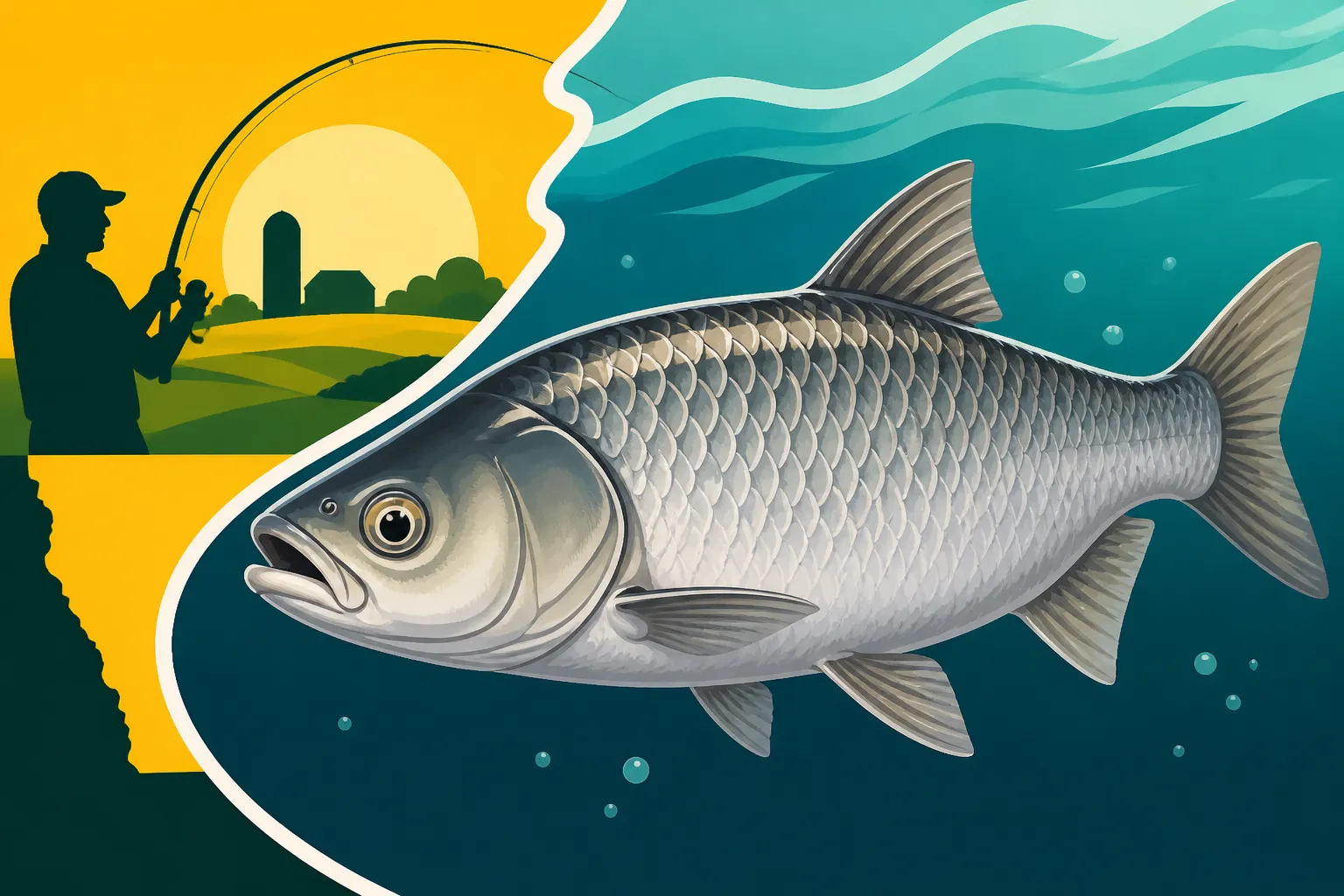
When we talk about "Asian carp," we're generally referring to four main species that have become established in the U.S.: Silver Carp, Bighead Carp, Grass Carp, and Black Carp. While they share a common lineage, each has distinct features and plays a different role in disrupting our aquatic environments. Knowing how to identify them is the first step in understanding their impact.
Silver carp, for instance, are perhaps the most infamous due to their tendency to jump high out of the water when startled by boat engines. They have small scales, a deep body, and notably, eyes set low on their head, below the midline of their body, and a prominent keel extending from their anal fin to their pectoral fins. Bighead carp, while also filter feeders, are less prone to jumping but grow to massive sizes. They're characterized by their large head (hence the name!), large mouth, and small, scattered dark blotches over their body, without the distinct keel of the silver carp. Grass carp are torpedo-shaped and feed primarily on aquatic vegetation, making them a significant threat to native plant life that provides cover and food for many desirable species. They have large, distinct scales and a terminal mouth. Finally, black carp are the newest and perhaps most insidious threat, recognized by their dark, almost black coloration and large pharyngeal teeth, which are specialized for crushing the shells of snails and mussels. This feeding habit puts our native mollusk populations, many of which are endangered, in severe peril.
Why Are Asian Carp a Problem for Iowa Anglers?
The problems associated with Asian carp are multifaceted, impacting everything from the food chain to boating safety and the overall health of our fisheries. It's not just a theoretical ecological issue; it directly affects the quality of your fishing experience.
Firstly, their sheer numbers and voracious appetites mean intense competition for food. Silver and Bighead carp are filter feeders, meaning they consume vast quantities of plankton – the base of the aquatic food web. This plankton is also what juvenile native fish, like Walleye Fishing in Iowa and Crappie Fishing in Iowa, and even adult paddlefish and mussels rely on. When Asian carp consume so much of it, there's simply less left for everyone else, leading to stunted growth, reduced reproduction, and overall decline in native fish populations. Imagine a bustling diner where suddenly a dozen new, massive customers show up and eat all the appetizers before anyone else gets a chance. That’s what’s happening in our rivers and lakes.
Beyond food competition, grass carp devastate essential aquatic vegetation. These underwater plants provide critical habitat for spawning, nursery grounds for young fish, and shelter from predators. When grass carp remove these crucial plant beds, they effectively destroy the homes and nurseries of native species, leading to further declines. And let's not forget the Black carp's threat to snails and mussels, which play a vital role in filtering water and are themselves important indicators of river health.
Then there's the very real danger to boaters. Silver carp, particularly, are notorious for leaping high into the air when startled by boat motors. This isn't just a splash; these fish can weigh up to 60 pounds or more, and a mid-air collision with an angler or boater can cause serious injury, broken bones, concussions, or even knock someone out of a boat. It’s not uncommon to see videos or hear firsthand accounts of these unsettling encounters on the Mississippi River or other major waterways. The presence of these jumping fish can make recreational activities like boating and waterskiing feel risky, impacting tourism and local economies.
Identifying Different Types of Asian Carp in Iowa
While often lumped together, each of the main Asian carp species has unique characteristics that help in identification. Recognizing these differences is important not only for understanding their specific impacts but also for adhering to any specific rules or recommendations related to them.
Silver Carp: The "Jumping Fish"
The Silver Carp ( Hypophthalmichthys molitrix) is arguably the most recognized and certainly the most startling of the Asian carp species. Their namesake silver coloration is distinct, though they can have a slightly darker back. What really sets them apart are their incredibly low-set eyes, positioned well below the midline of their head, giving them a perpetually surprised look. Another key feature is a sharp, keeled belly that runs from their anal fin all the way forward to their throat, giving their underside a knife-edge appearance. They possess a large, upturned mouth without barbels.
These fish are obligate filter feeders, meaning they strain plankton from the water. Because of this, they're typically found in vast schools in the main channels and backwaters of large rivers, especially the Mississippi and its major tributaries in Iowa. Their famous jumping behavior is a defense mechanism; they react to sudden noises or vibrations, like those from boat engines, by leaping out of the water. While fascinating to witness from a distance, it becomes a serious hazard when you're moving at speed in a boat. Imagine one of these torpedo-shaped, scaly projectiles hitting you at full force – it’s a frightening prospect that has caused many injuries.
Bighead Carp: The Filter-Feeding Giant
The Bighead Carp ( Hypophthalmichthys nobilis) shares the filter-feeding habit of the silver carp but has a different demeanor and appearance. As their name suggests, they have a disproportionately large head, which can comprise up to a quarter of their body length. Like silver carp, their eyes are set low, but they lack the prominent keel that extends to the throat. Their bodies are typically silver-grey with scattered dark blotches along the back and sides, and they have very small scales. They possess a large, somewhat downturned mouth.
Bighead carp can grow to truly enormous sizes, often exceeding 50 pounds and sometimes pushing past 100 pounds. They also consume vast quantities of plankton, directly competing with native species for this vital food source. Unlike the athletic silver carp, Bighead carp rarely jump, preferring to stay submerged. You'll find them in similar habitats – slow-moving to swift river channels, backwaters, and oxbow lakes, anywhere where rich plankton concentrations exist. Their presence has had a noticeable impact on the plankton communities in many parts of the Mississippi River Fishing in Iowa.
Grass Carp: The Vegetarian Threat
The Grass Carp (Ctenopharyngodon idella) has a different diet and, consequently, a different ecological impact. They are easily recognizable by their long, torpedo-shaped bodies, large, distinct scales, and a broad head with a short snout and a terminal (front-facing) mouth. Their coloration is typically olive-brown on the back, fading to silvery-white on the belly. Unlike their jumping cousins, they don't have low-set eyes or a keeled belly.
These carp are voracious herbivores, capable of consuming two to three times their body weight in aquatic vegetation each day. While sometimes intentionally stocked as a biological control for nuisance weeds (often as sterile "triploid" individuals, meaning they cannot reproduce), the fertile diploid grass carp have wreaked havoc on natural ecosystems. They decimate native plant beds that provide crucial food, shelter, and spawning grounds for many native fish, waterfowl, and invertebrates. The loss of these plants can also increase water turbidity, further degrading habitat. Anglers targeting bass or panfish will often notice a significant decline in cover in lakes or ponds with heavy grass carp infestations.
Black Carp: The Mollusk Menace
The Black Carp (Mylopharyngodon piceus) is the latest and arguably most concerning of the Asian carp species to spread into our waters, largely because of its highly specialized diet. They are generally dark, almost black, in coloration, with large, prominent scales and a long, cylindrical body shape. Their most distinctive feature, however, lies internally: powerful pharyngeal (throat) teeth adapted specifically for crushing the shells of snails and mussels.
This dietary preference makes them an extreme threat to native mollusk populations, many of which are already endangered or threatened in Iowa's rivers. Mussels, in particular, play a critical role in filtering water, improving water quality, and providing stability to river bottoms. A significant decline in mussel populations due to black carp predation could have cascading negative effects on the entire river ecosystem. While they are less widespread in Iowa than the other carp species, their potential for destruction is immense, and their presence is monitored with grave concern.
Here’s a quick comparison of these key Asian carp species:
| Species | Key Identifying Features | Primary Feeding Habit | Primary Ecological Threat | Boating Hazard |
|---|---|---|---|---|
| Silver Carp | Eyes low, distinct keel from throat to anal fin, small scales | Filter-feeding plankton | Competes with juvenile native fish for food | High (jumping) |
| Bighead Carp | Large head, eyes low, no keel, small scattered dark blotches | Filter-feeding plankton | Competes with juvenile native fish for food, large biomass | Low |
| Grass Carp | Torpedo-shaped, large scales, terminal mouth, no keel | Consumes aquatic vegetation | Destroys critical habitat (spawning/nursery areas) | Low |
| Black Carp | Dark body, large scales, specialized crushing throat teeth | Feeds on snails & mussels | Threatens native mollusk populations | Low |
Rules, Regulations, and Angler Responsibilities Regarding Asian Carp
Knowing what Asian carp are is only half the battle. Understanding what you, as an angler, are allowed and expected to do when you encounter them is just as important. The goal is to manage these invasive populations, not inadvertently help them spread.
Are Asian Carp Legal to Catch and Keep in Iowa?
This is a common and important question. For the most part, yes, Asian carp – specifically Silver, Bighead, and Grass carp (when diploid) – are legal to catch and keep in Iowa. In fact, the Iowa DNR generally encourages anglers to harvest these fish. There are typically no daily bag limits or size restrictions for these invasive species. This means if you catch one, you can keep it, and you're actually helping the ecosystem by removing it.
The critical distinction is that once you've caught an Asian carp, you should not release it alive back into the water. Releasing an invasive species only perpetuates the problem. While it's ingrained in many of us to release fish we don't plan to eat or that aren't of legal size, this rule is flipped for invasive species like Asian carp. You can learn more about this in resources like What Fish Are Illegal to Release in Iowa.
Black carp are a slightly different story due to their extreme threat to native mussels. While catching them isn't illegal, reporting them to the Iowa DNR is highly encouraged, especially if you believe you've found a new population.
What to Do If You Catch an Asian Carp
Encountering an Asian carp, especially a jumping silver carp, can be quite an experience. Knowing how to handle the situation safely and responsibly is key.
If you hook a Bighead or Grass carp, treat it like any other large fish. Use appropriate gear, bring it to the boat or shore, and if you intend to keep it, dispatch it quickly and humanely. For Silver carp, be prepared for a fight, and always be aware that they might jump, especially as you bring them closer to your vessel. If you're bowfishing, safety glasses are a must!
Once caught, what next? Many people wonder, Are Carp Good to Eat?. Indeed, many Asian carp, particularly the Silver and Bighead, have white, flaky meat that can be quite delicious, though they are notoriously bony. There are many recipes online for preparing them, often involving grinding the meat for patties or using it in ceviche. If you don't plan to eat it, you can use it for bait (where legal and appropriate for the target species), or dispose of it properly in the trash. Never, ever dump a dead Asian carp back into the water or transfer it to another body of water, as this could spread diseases or parasites.
If you encounter what you believe to be a Black carp, take a photo if possible, note the location, and report it to the Iowa Department of Natural Resources. This information is critical for tracking their spread and informing management strategies.
How Anglers Can Help Manage Asian Carp Populations
As anglers, we have a unique opportunity and responsibility to be part of the solution. Our actions on the water can make a difference in managing these invasive species.
One of the most direct ways is simply by harvesting them. If you enjoy the challenge of fishing for them, or if you're keen to try their meat, by all means, keep every Asian carp you catch. This active removal directly reduces their numbers. Bowfishing is an incredibly popular and effective method for harvesting large quantities of Silver and Bighead carp, and it's a thrilling sport in itself. There's a dedicated community of bowfishermen who spend countless hours targeting these fish.
Another crucial action is preventing their spread. Always remember the mantra: "Clean, Drain, Dry." Before leaving any body of water, thoroughly clean your boat, trailer, and fishing gear. Drain all water from your livewell, bilge, and motor. Allow everything to dry completely before launching in a different water body. This prevents the transfer of Asian carp eggs or larvae, as well as other invasive species like Are Zebra Mussels Affecting Iowa Fish Populations?. Never transport live Asian carp to other waters, even for bait. Be mindful of rules regarding Rules for Transporting Live Fish.
Educating yourself and others is also incredibly valuable. Share what you've learned with fellow anglers, friends, and family. The more people who understand the threat and how to respond, the better equipped our state will be to manage this ongoing challenge. Consider browsing gear for safe fish handling or bowfishing supplies on Amazon to be prepared. For broader context on fishing regulations and how they apply, check out Iowa Fishing Regulations Explained.
Fishing for Asian Carp: Techniques and Tips
While many anglers might view Asian carp as an annoyance, some have embraced the challenge of targeting them, turning a nuisance into a unique angling pursuit. The methods vary greatly depending on the species due to their different feeding habits.
Strategies for Targeting Silver and Bighead Carp
Catching Silver and Bighead carp on traditional hook-and-line gear can be incredibly frustrating for anglers used to targeting predators or bottom feeders. Remember, these fish are filter feeders, not biting at specific baits in the conventional sense. They simply swim with their mouths open, straining plankton. This means they rarely, if ever, strike a lure or intentionally eat a bait off a hook.
The most common and effective method for harvesting these species is bowfishing. This involves using specialized bows and arrows (often with barbed tips and line attached to a reel) to literally shoot the fish. It's an active, exciting way to target them, especially the jumping silver carp, and it's highly effective at removing large numbers of fish from the water. Many bowfishing tournaments are even held specifically for Asian carp, turning pest control into a competitive sport.
Another less common method for very dense populations, where legal, might involve the use of large dip nets or cast nets to physically scoop or entrap them. However, for the average recreational angler, bowfishing is the primary direct method. You can find specialized bowfishing gear on sites like Amazon, including bows, arrows, and reels designed for the sport. When conditions are right, and a school of silver carp starts jumping around your boat, it can be a truly wild experience.
Catching Grass Carp on Hook and Line
Unlike their filter-feeding cousins, Grass carp are much more susceptible to traditional hook and line fishing, as they are herbivores with a mouth designed for consuming vegetation. This makes them a more accessible target for recreational anglers.
When targeting grass carp, you'll want to use plant-based baits. Some of the most effective include:
- Corn: Canned sweet corn is a classic choice. Several kernels threaded onto a small hook can be very effective.
- Bread/Dough Balls: Pieces of bread rolled into a ball or homemade dough baits with a sweet flavor can also work wonders.
- Boilies: These are commercially prepared carp baits, often flavored, and can be quite appealing to grass carp.
- Natural Vegetation: Believe it or not, sometimes a small piece of fresh aquatic plant matter, like a soft new shoot, can entice a bite.
For rigging, a simple bottom rig with a small sinker and a single hook works well, especially in areas where they might be grazing near the bottom. Alternatively, a slip bobber rig can be effective for suspending bait at a specific depth where you've observed them feeding, such as just above a submerged weed bed. Look for areas with abundant aquatic vegetation, as this is their primary food source and where they'll naturally congregate. Casting near reeds, lily pads, or other dense plant growth will increase your chances.
Gear Considerations for Asian Carp Fishing
The gear you'll need really depends on which species you're targeting and how you plan to fish for them.
For bowfishing Silver and Bighead carp, specialized equipment is essential:
- Bow: A compound bow or a recurve bow is typically used, often with lighter draw weights than hunting bows since accuracy at close range is key.
- Bowfishing Reel: These are spooled with heavy-duty line (often braided) and designed for quick retrieval of the arrow and fish.
- Bowfishing Arrows: These are heavier than hunting arrows, with a barb that holds the fish once it's shot, and a line attachment point.
- Safety Gear: Polarized sunglasses are crucial for seeing fish underwater, and a hat can help with glare. Given the jumping nature of silver carp, some bowfishers even wear safety glasses or face shields, and life jackets are always a good idea when on the water, as emphasized in Boat Safety Equipment for Iowa Waters.
For hook-and-line Grass carp fishing, you'll need robust conventional fishing gear:
- Rod and Reel: A medium-heavy to heavy spinning or baitcasting combo is recommended. Grass carp can grow quite large and put up a strong fight, so a sturdy rod with plenty of backbone and a reliable reel with a smooth drag system are important. Many anglers prefer a longer rod (7-9 feet) for better casting distance and leverage.
- Line: Monofilament or fluorocarbon line in the 10-20 lb test range is a good starting point, providing strength and some stretch. Braided line can also be used for increased sensitivity and strength. You can find a wide range of fishing lines and other essentials at sporting goods stores or online retailers like Amazon.
- Hooks: Strong, sharp hooks in sizes 2 to 4/0, depending on the bait and fish size, are suitable. Circle hooks are often preferred as they tend to hook the fish in the corner of the mouth, making for easier release (if you mistakenly catch a non-invasive species) and better retention.
- Sinkers and Bobbers: A selection of appropriate sinkers for bottom rigs and slip bobbers for suspending baits.
Remember to always consult the Iowa Fishing Regulations Explained for any specific rules or updates regarding fishing methods or equipment for particular species or water bodies. Being prepared with the right gear not only makes the experience more enjoyable but also helps you effectively contribute to managing invasive fish populations. For a more general overview of fishing techniques, you might find Iowa Fishing Techniques Guide useful.
Disclaimer
This article is for general informational purposes only and does not constitute professional advice. Laws, prices and regulations vary by location and change over time. Consult a qualified professional for guidance on your specific situation.