Best Rod Length for Iowa River Walleye Fishing
One of the most common frustrations Iowa anglers face when targeting walleye in our state's beautiful rivers is feeling under-gunned or over-prepared with their fishing tackle. The dynamic environment of a flowing river, with its currents, snags, and varying depths, demands a nuanced approach to gear selection, especially when it comes to your fishing rod. This guide will meticulously break down how to choose the best rod length to help you conquer Iowa's river walleye, ensuring your next trip is filled with confidence and success.
Understanding Iowa River Walleye Fishing
Fishing for walleye in an Iowa river isn't quite the same as leisurely casting on a calm lake. Rivers present a whole different set of challenges and opportunities that directly influence the type of gear you need, particularly your rod length. It's easy to get frustrated when the current is pulling your line, or you can't quite cast to that perfect eddy, but with the right rod, you can turn those challenges into advantages.
The Dynamics of River Current and Structure
Iowa's rivers, like the Des Moines, Cedar, or Mississippi, are constantly in motion, and that current is a huge factor. Strong currents can make it difficult to feel subtle bites, maintain proper lure depth, and fight a feisty walleye without exhausting yourself or losing the fish. Beyond the current, rivers are often littered with submerged structure – fallen trees, rock piles, wing dams, and sudden depth changes. These are prime walleye hangouts, offering ambush points and protection, but they also mean a higher risk of snags. You're not just casting into open water; you're often targeting very specific spots near these structures, which requires precision. Ignoring these elements when picking a rod is like bringing a spoon to a knife fight – you'll quickly realize you're ill-equipped.
Why River Walleye Present Unique Challenges
River walleye are often more conditioned and stronger than their lake-dwelling cousins. They constantly battle currents, making them powerful fighters. When you hook one, especially a larger fish, it will use that current to its advantage, putting immense strain on your tackle. This means you need a rod that can handle the fight, providing enough backbone to turn the fish but enough sensitivity to detect those light bites in moving water. Moreover, river walleye can be incredibly finicky, sometimes only striking at a perfectly presented bait or lure, which, again, highlights the need for a rod that allows for precise control. Many anglers come home frustrated after a day on the river, not realizing their equipment was working against them.
Common River Walleye Habitats in Iowa
Knowing where walleye tend to congregate in Iowa's rivers can help you understand why certain rod lengths excel. Walleye often hold in current breaks, like eddies behind wing dams or bridge pilings, seams where fast water meets slow water, and along deeper channels or drop-offs. They'll also patrol gravel flats, rock reefs, and submerged timber. When fishing from a boat, you might be right on top of these spots, but if you're Shore Fishing Access Near Des Moines or along other public access points, you'll need to cast to these features. The distance to these prime spots and the need to present your lure accurately without getting snagged dictates a lot about your rod choice.
Factors Influencing Rod Length Choice
When you're standing in your local tackle shop or browsing online at Bass Pro Shops, the sheer variety of rod lengths can be overwhelming. But for Iowa river walleye fishing, each inch (or foot!) of rod can make a tangible difference in your success. It's not just about what "feels right" – there are very practical reasons why one length might be superior to another for specific situations.
Casting Distance and Accuracy in Current
Let's talk about casting. If you're trying to reach a distant current seam or the far side of a wing dam from your boat or the bank, a longer rod will generally allow for greater casting distance. Think of it like a lever; a longer rod builds more tip speed during the cast, propelling your lure further. This is crucial when fish are holding far from shore or when you need to cover a lot of water quickly. However, accuracy can sometimes suffer with excessively long rods, especially in tight quarters or windy conditions. Conversely, a shorter rod offers more precise, controlled casts, which is vital when you're trying to drop a jig into a small eddy right next to a snag. It's a delicate balance, and what you prioritize often depends on the specific spot you're fishing.
Lure Control and Presentation in Moving Water
This is where rod length truly shines for river walleye. In current, a longer rod can give you better line control. It allows you to keep more line out of the water, reducing the effect of the current pulling your line downstream and creating an unnatural drag on your lure. This is often referred to as "mending" your line or "high-sticking." By minimizing the amount of line in the current, you maintain better contact with your lure, detect subtle bites more easily, and achieve a more natural presentation. Imagine trying to jig a lure directly below your boat in strong current with a short rod; the current would immediately bow your line, making it hard to feel anything. A longer rod lets you keep that line straighter. This superior control directly translates to more bites and better hooksets.
Fighting Walleye in Strong River Currents
Once you've hooked a walleye, the battle begins, and the river current becomes an ally for the fish. A longer rod can offer a significant advantage here. It provides more leverage, which helps absorb powerful runs and allows you to steer the fish away from snags and structure. When a walleye makes a strong dash downstream, a longer rod's parabolic bend (its ability to flex deep into the blank) acts as a shock absorber, protecting your line from breaking and tiring the fish more efficiently. Trying to land a big river walleye with a short, stiff rod can often lead to pulled hooks or broken lines because there's less forgiveness and shock absorption. You need that extra length to maintain control, especially when that walleye uses the current to try and bury itself in a log jam.
Obstacles and Snags: The Reality of River Banks
Anyone who's fished Iowa rivers knows they are often lined with trees, brush, and other obstacles. If you're bank fishing or maneuvering a boat in tight areas, a super long rod can be a hindrance. It's harder to cast without getting tangled in overhead branches or whipping your line into shore vegetation. For these situations, a slightly shorter rod offers greater maneuverability and makes casting much less frustrating. You'll spend less time untangling and more time fishing. Consider the practical aspects of your fishing environment. Are you in a wide-open area on the Mississippi River, or are you tucked into a small, brushy creek mouth on the Des Moines River? Your surroundings definitely influence your ideal rod length.
Optimal Rod Length Ranges for River Walleye
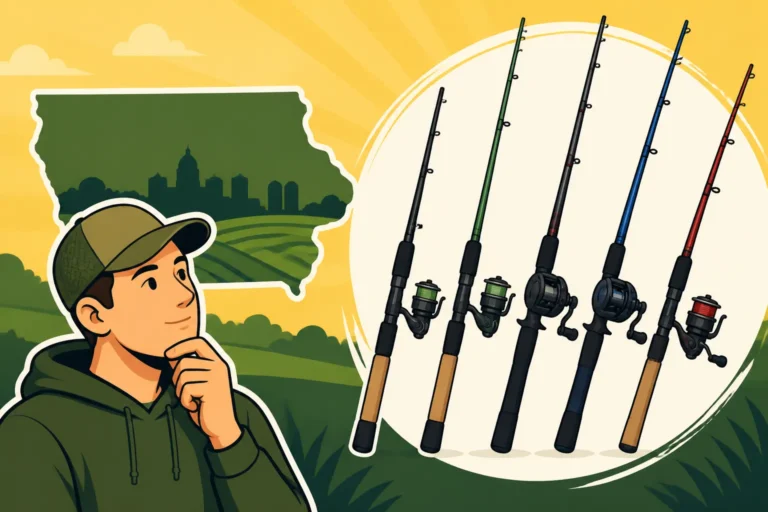
Now that we understand the 'why' behind rod length, let's dive into the 'what.' While there's no single "perfect" rod length for all Iowa river walleye situations, certain ranges excel in different scenarios. Think of these as guidelines to help you select the right tool for the job, tailored to the specific techniques you enjoy most.
Shorter Rods (6'0" – 6'6") for Precision and Close Quarters
Shorter rods, typically in the 6-foot to 6-foot 6-inch range, are fantastic for precision work and when you're fishing in tight quarters. If you're vertically jigging directly below the boat, or pitching short casts to very specific, close-range targets like bridge pilings or wing dam faces, these rods offer superior control and accuracy. They are easier to handle in smaller boats, kayaks, or areas with overhead obstructions.
- When to Use: Imagine you're in a jon boat working a current seam right next to a riprap bank on the Des Moines River Catfish Spots. You're dropping a jig straight down or making short, accurate pitches. A 6'3" rod would allow you to place that jig exactly where you want it without hitting the bank behind you or the trolling motor in front.
- Benefits: Increased accuracy, better maneuverability, and excellent sensitivity for feeling those subtle "thunks" or "ticks" that a walleye bite often feels like when jigging directly beneath you. They're also often preferred by anglers who like a very direct feel with their lure, especially when using lighter tackle.
- Drawbacks: Limited casting distance, less leverage for fighting strong fish in heavy current, and less effective for keeping line out of the water to reduce current drag.
Medium Rods (6'8" – 7'2") for Versatility and General Use
This medium range, from about 6-foot 8-inches to 7-foot 2-inches, is often considered the "sweet spot" for many Iowa river walleye anglers. These rods offer a fantastic balance of casting distance, accuracy, lure control, and fighting power. If you're only going to own one rod for river walleye, something in this range is probably your best bet for general-purpose fishing.
- When to Use: This is your go-to rod for a wide array of techniques. Whether you're casting lighter crankbaits along a current break, pitching jigs to nearshore structure, or drift fishing with a live bait rig, a 7-foot rod provides that versatility. It's long enough to give you decent casting distance and line control but not so long that it becomes cumbersome.
- Benefits: Excellent all-around performance. You get enough length for respectable casts, good line control to manage current, and sufficient leverage to handle strong walleye. Many anglers find rods in this range to be comfortable for hours of casting. They offer a good blend of sensitivity for bite detection and backbone for hooksets.
- Drawbacks: While versatile, they might not excel as much as a dedicated shorter rod for hyper-precision vertical jigging or a longer rod for extreme casting distances. They're a jack-of-all-trades, master of none, but often good enough at everything.
Longer Rods (7'4" – 8'0"+) for Long Casts and Specific Techniques
When you need to reach out and touch those distant fish, or when you're employing specific techniques that benefit from extra length, longer rods in the 7-foot 4-inch to 8-foot (or even longer) range come into their own.
- When to Use: These are ideal for covering expansive flats, casting large crankbaits a country mile, or presenting slip bobber rigs over deeper water. They also shine when you need maximum line control to reduce current drag, such as when Drift Fishing the Mississippi River or running long trolling passes. If you're bank fishing a wide river and need to reach the main channel, a longer rod is invaluable.
- Benefits: Unparalleled casting distance, superior line control to combat current, and incredible leverage for fighting big fish. The extra length also gives you a wider sweep for powerful hooksets, which can be critical when fishing at a distance or with slack line.
- Drawbacks: Can be cumbersome in tight spaces, challenging to transport, and may require more effort to cast accurately in windy conditions. Sensitivity can sometimes feel slightly diminished compared to shorter rods, depending on the rod's construction.
| Rod Length Range | Primary Use Cases for Iowa River Walleye | Key Advantages | Potential Disadvantages |
|---|---|---|---|
| 6'0" – 6'6" | Vertical jigging, short pitches, tight spaces, kayak fishing | Accuracy, maneuverability, direct feel, high sensitivity | Limited casting distance, less leverage in strong current |
| 6'8" – 7'2" | General purpose, casting jigs, light crankbaits, drift fishing | Versatile, good balance of distance/control/power | Not specialized for extreme situations |
| 7'4" – 8'0"+ | Long casts, heavy crankbaits, slip bobber, trolling, bank fishing wide rivers | Max casting distance, superior line control, excellent fighting leverage | Cumbersome in tight spots, transport issues, can reduce pinpoint accuracy |
Rod Action and Power Considerations
Rod length is vital, but it's only one piece of the puzzle. The action and power of your rod work in tandem with its length to define its overall performance. Understanding these terms will further refine your selection for targeting Iowa's river walleye and help you avoid common pitfalls.
Fast vs. Moderate Action for Walleye Sensitivity
"Action" refers to where the rod bends when pressure is applied.
- Fast Action: A fast-action rod bends primarily in the tip section. This is fantastic for walleye fishing because it offers incredible sensitivity. You can feel those subtle "taps" or "mushy" bites that walleye are famous for, even in current. The stiff backbone of a fast-action rod also allows for powerful, quick hooksets, which is crucial for penetrating a walleye's bony mouth. If you're primarily jigging or using reaction baits where bite detection is paramount, a fast action is usually preferred.
- Moderate Action (or Medium Action): A moderate-action rod bends further down the blank, closer to the middle. While less sensitive than a fast-action rod, a moderate action offers a more parabolic bend. This can be advantageous when casting lures with treble hooks (like crankbaits) as it provides more "give," preventing fish from tearing hooks out during head shakes. It also excels with certain live bait presentations, allowing the fish to take the bait more naturally before the hookset. For fishing with slip bobbers, a moderate action can also be very forgiving.
For most river walleye scenarios, especially when jigging or feeling for subtle bites, a fast action rod in the chosen length range will be your best friend. However, if you're throwing a lot of hard-bodied baits, a moderate-fast action might offer a better balance.
Medium-Light to Medium Power for River Walleye
"Power" refers to the rod's lifting strength or resistance to bending. It's about how much force it takes to flex the rod blank.
- Medium-Light Power: This power rating is excellent for lighter jigs, smaller lures, and when you need maximum sensitivity to detect the most delicate bites. It provides a good balance between finesse and the ability to handle a decent fish. It's often paired with lighter lines.
- Medium Power: A medium-power rod offers more backbone, allowing you to effectively cast heavier lures, set hooks aggressively, and put more pressure on a fighting walleye in current. It's a great all-around choice for many river walleye techniques, particularly if you're fishing with jigs in the 1/4 to 1/2 ounce range or casting mid-sized crankbaits.
For most Iowa river walleye fishing, a medium-light to medium power rod is the sweet spot. You need enough power to handle the fish and the current, but not so much that you lose sensitivity or are unable to cast lighter baits. A heavy power rod would typically be overkill for walleye and would likely lead to pulled hooks or fewer bites due to its lack of finesse.
Balancing Rod Components for Optimal Performance
Beyond length, action, and power, the overall balance and construction of the rod are crucial. A well-balanced rod, even a longer one, will feel lighter and more comfortable in your hand, reducing fatigue over a long day of casting and jigging. The quality of the guides, the reel seat, and the handle material also contribute to the rod's sensitivity and durability. For instance, a quality graphite blank will transmit vibrations much better than a fiberglass one, allowing you to feel every bump and bite. When you're selecting a rod, don't just look at the specs; hold it, feel it, and imagine yourself fishing with it for hours. A truly great rod is one that disappears in your hand, allowing you to focus entirely on the water.
Matching Rod Length to Common River Walleye Techniques
Now, let's tie it all together by looking at how specific rod lengths, actions, and powers align with the most popular techniques for catching walleye in Iowa's rivers. This practical application will help you choose the ideal rod for your preferred fishing style.
Jigging and Vertical Presentations
Jigging is arguably one of the most effective ways to catch river walleye, whether you're pitching jigs to current seams or dropping them vertically from a boat.
- Pitching Jigs: For pitching jigs, especially to specific structure from a boat or bank, a 6'8" to 7'2" medium-light to medium power, fast action spinning rod is often ideal. This length provides enough casting distance to reach key spots while maintaining accuracy. The fast action helps you feel those subtle jig bumps and bites as your lure dances in the current, and the power gives you a solid hookset. For example, if you're fishing the edges of the main channel on the Mississippi River Pool 9 Fishing spots, this rod range allows you to cast a 1/4 to 3/8 oz jig with confidence.
- Vertical Jigging: When you're directly over fish, dropping a jig straight down, a slightly shorter rod, like a 6'0" to 6'6" medium-light to medium power, fast action spinning or baitcasting rod, can offer superior control and sensitivity. The shorter length minimizes the arc of your jigging motion, giving you a more direct feel and allowing for quick, precise jig movements. This is especially true when using lighter jigs where every subtle movement matters.
Casting Crankbaits and Jerkbaits
Crankbaits and jerkbaits are fantastic for covering water and targeting aggressive walleye.
- River Crankbaiting: For casting medium to large crankbaits that dive into the current, a 7'0" to 7'6" medium power, moderate-fast action baitcasting rod is often preferred. The longer length helps with casting distance, which is crucial for covering ground, and the moderate-fast action provides a little more give to prevent trebles from pulling out. This length also helps when retrieving, allowing you to sweep the rod to impart action while maintaining consistent depth. Imagine casting along a deep current break on the Iowa River Catfish Spots where walleye might be holding; that extra casting distance with a crankbait can make all the difference.
- Jerkbaits: For twitching and pausing jerkbaits, a similar 6'8" to 7'2" medium power, fast action spinning or baitcasting rod works well. The fast action helps you impart sharp, crisp twitches to the lure, and the length allows for good casting and line control.
Slip Bobber and Live Bait Rigs
When walleye are finicky, or when you want to present live bait naturally, slip bobbers and other live bait rigs are often the answer.
- Slip Bobber Fishing: For slip bobber fishing, especially in rivers where you might need to make longer casts or keep more line out of the water to prevent current drag, a 7'6" to 8'0"+ medium-light to medium power, moderate-fast action spinning rod is excellent. The longer length allows for very long, smooth casts and provides superior line control to keep your bobber drifting naturally down current without too much line bowing. It also creates a wide sweep for setting the hook on a fish that has taken the bait and is moving away. If you're fishing a deep hole or current seam with a minnow under a slip bobber, that extra length is invaluable. Consider it for areas like the Cedar River Good for Smallmouth Bass where longer casts might be needed.
- Carolina or Lindy Rigging: For dragging live bait rigs along the bottom, a 7'0" to 7'6" medium-light to medium power, fast action spinning rod is usually a great choice. The fast action is key for feeling the subtle "tugs" of a walleye mouthing your bait, and the length provides good line control while feeling for structure.
Trolling in River Channels
While less common for walleye in smaller Iowa rivers, trolling crankbaits can be very effective in larger systems like the Mississippi or certain reservoir tailwaters.
- River Trolling: For trolling crankbaits, particularly from a boat, 7'6" to 8'6" medium to medium-heavy power, moderate action casting rods are often preferred. The longer length spreads lines out, helps absorb the shock of larger fish, and the moderate action gives the lure a good swimming action. These rods typically have stronger guides and components to handle the strain of trolling heavier lures and fighting fish at speed. This isn't about casting, but about the rod's ability to act as a shock absorber and keep the lure working correctly.
Gear Up: Where to Find Your Ideal River Walleye Rod
So, you've got a better handle on what rod length, action, and power you need. The next step is actually getting that perfect rod in your hands! It can feel like a quest, but with a bit of research and knowing where to look, you'll find exactly what you need to tackle those Iowa river walleye.
Researching and Selecting Your Rod
Before you even step into a store or click 'add to cart', do your homework. Read reviews, watch videos, and talk to other Iowa anglers. There are countless forums and local fishing groups where seasoned river walleye fishermen share their go-to setups. Pay attention to specific recommendations for rod lengths and actions for the rivers you plan to fish, as conditions can vary. You might find that a rod designed specifically for walleye is labeled as such, often falling into the length and power ranges we've discussed. Don't be afraid to ask questions; most anglers love to share their knowledge and preferences. This research phase is vital to avoid buyer's remorse later on.
Shopping for Quality and Value
When it comes to buying a fishing rod, you generally get what you pay for. A higher quality rod often means a lighter, more sensitive blank, better components (guides, reel seat), and superior craftsmanship. However, you don't necessarily need to break the bank to get a great rod for Iowa river walleye.
- Online Retailers: Websites like Amazon offer an incredible selection of rods across all price points. You can read user reviews, compare specifications side-by-side, and often find competitive pricing. Just be mindful of shipping costs for long rods and ensure the seller has a good return policy in case the rod isn't what you expected. The convenience of having a rod delivered right to your door is hard to beat.
- Specialty Outdoor Stores: Stores like Bass Pro Shops are fantastic because they allow you to physically handle the rods. You can feel the balance, test the action, and see how different lengths feel in your hand. The staff in these stores are often experienced anglers themselves and can provide personalized advice based on your local fishing conditions and target species. It's invaluable to be able to pair a reel with a rod, feel the combined weight, and get a real sense of the setup before committing. Plus, they often have a wider selection of specialized walleye rods that might not be as readily available elsewhere.
Remember, a rod isn't just about the initial cost; it's an investment in your fishing enjoyment and success. Look for a rod that feels comfortable and responsive within your budget.
Essential Companion Gear for River Walleye Anglers
Once you've picked out the perfect rod, don't forget the other crucial components of your setup.
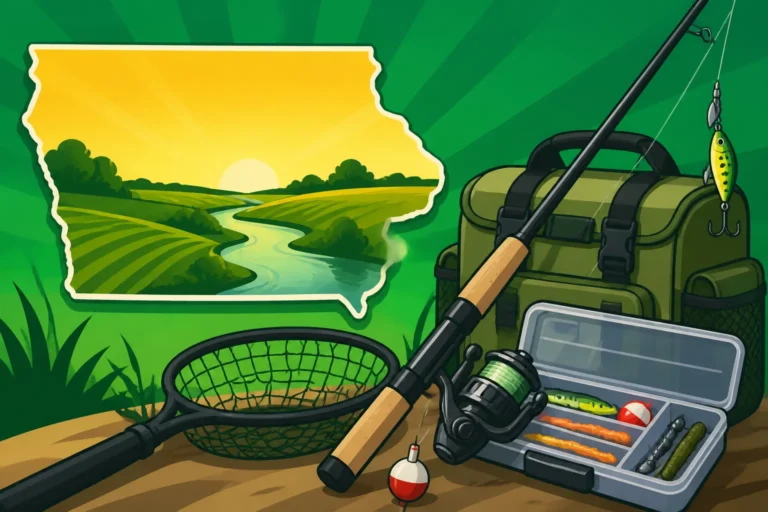
- Reel: Match your spinning or baitcasting reel to the rod's power and balance. For most walleye applications, a 2500-3000 series spinning reel or a low-profile baitcasting reel will pair well with the rod lengths discussed.
- Line: For river walleye, many anglers prefer Braided Line vs Monofilament for Walleye. Braided line offers superior sensitivity and strength for its diameter, which is great for feeling subtle bites in current and muscling fish away from snags. A 10-20 lb braid with a fluorocarbon leader is a common and effective setup.
- Lures and Baits: Make sure you have a selection of jigs (1/4 oz to 1/2 oz, in various colors), crankbaits, and live bait (minnows or nightcrawlers) suitable for the walleye you'll be targeting. Having the right bait ensures your chosen rod can perform its best.
- Net: A good landing net, especially one with a longer handle, is crucial for safely landing river walleye, particularly when fishing from a boat or high bank.
- Pliers: A sturdy pair of pliers is indispensable for removing hooks, especially from toothy walleye.
By thoughtfully considering rod length, action, and power, and pairing your new rod with the right companion gear, you'll be well-equipped to enjoy incredible success fishing for walleye in Iowa's dynamic rivers. Tight lines!
Disclaimer
This article is for general informational purposes only and does not constitute professional advice. Laws, prices and regulations vary by location and change over time. Consult a qualified professional for guidance on your specific situation.