How Long Walleye Live
It’s a question that often pops into our minds as we reel in a beautiful walleye: just how old is this fish, and how long do these incredible creatures actually live? Anglers frequently wonder about the longevity of their catches, curious about the unseen journey a fish has taken through Iowa's diverse waters. This guide will dive deep into the fascinating world of walleye lifespans, exploring what influences their years, how their environment in Iowa plays a role, and what we as responsible anglers can do to support healthy, long-lived walleye populations.
Understanding Walleye Lifespan: More Than Just a Number
When we talk about how long walleye live, it’s not a simple, static number. Just like humans, some walleye live longer, healthier lives than others, influenced by a complex web of environmental factors, genetics, and even the choices we make as anglers. It's a testament to their resilience and adaptability, particularly in a state like Iowa with its varied fishing habitats.
What Influences How Long a Walleye Lives?
Imagine a walleye hatching in the cool waters of an Iowa lake. From that moment on, its lifespan is a delicate balance of favorable conditions and challenges. Genetics play a foundational role, dictating potential growth rates and inherent hardiness. A walleye born with strong genes in a robust population might have a head start, but that's just the beginning. The environment quickly takes over as a primary driver. Water temperature, oxygen levels, and the overall health of the ecosystem are critical. A harsh winter can take its toll, or a prolonged summer drought can stress a population. Then there's the ever-present factor of predation, both from natural predators in the water and, of course, from us, the anglers. Understanding these dynamics helps us appreciate the journey of each walleye we encounter.
Average Lifespan vs. Maximum Lifespan
It’s important to distinguish between the average lifespan of a walleye and the maximum age some exceptional individuals might reach. In many Iowa waters, the average walleye you might catch could be anywhere from 3 to 7 years old. These are the fish that have successfully navigated their early, vulnerable years and have grown to a respectable, catchable size. They’ve likely spawned a few times, contributing to future generations. However, the true elders of the walleye world can live much, much longer. It's not uncommon for walleye to reach ages of 10 to 15 years in favorable conditions, and there have been documented cases of walleye pushing past 20 years old in certain pristine environments. These old giants are often the trophy fish, exhibiting slow, steady growth over many seasons. Catching one of these ancient warriors is a rare and special event, a true testament to its survival skills.
Key Factors Affecting Walleye Longevity in Iowa Waters
Iowa offers a fascinating mosaic of fishing opportunities, from large reservoirs to natural lakes and meandering rivers. Each of these environments presents unique conditions that can significantly impact how long a walleye lives. The health of these habitats is paramount, and it's something we all have a stake in protecting. For more general information on Walleye Fishing in Iowa, you can explore our detailed guide.
Habitat and Water Quality
Think about your favorite Iowa fishing spot. Is it a clear, cool lake up north, or a warmer, perhaps murkier river system? These differences dramatically affect walleye. Walleye thrive in cool, well-oxygenated water, often preferring depths where they can avoid direct sunlight. Lakes and rivers with consistent water levels and stable temperatures generally support longer-lived walleye populations because there's less environmental stress. Water quality is also non-negotiable. Clean water, free from pollution and excessive sedimentation, provides better visibility for these sight-feeding fish and supports a healthier food chain for them to thrive upon. Conversely, waters suffering from poor quality, whether from agricultural runoff or industrial discharges, can severely stunt growth, weaken fish, and shorten their lives. It's a tough reality, but healthy habitats lead to healthy, older fish.
Food Availability and Competition
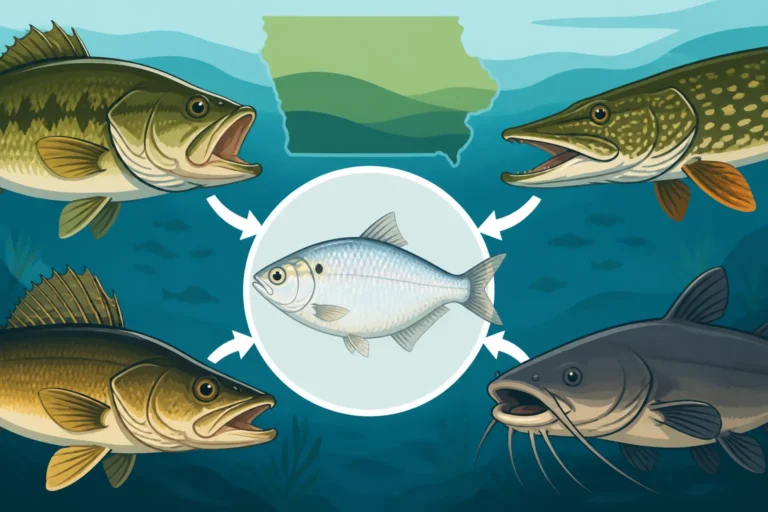
A walleye, much like any living creature, needs a consistent and abundant food supply to grow and survive. In Iowa, walleye diets typically consist of smaller fish like yellow perch, shiners, and young panfish, but they'll opportunistically feed on whatever is available. When a lake or river has a robust population of these baitfish, walleye can grow faster and maintain their health, which naturally contributes to a longer lifespan. This abundance of food also means less competition among the walleye themselves, reducing stress and increasing survival rates. However, if the forage base is scarce, walleye will struggle. They might grow slower, be less robust, and more susceptible to disease or environmental changes. Understanding what best bait for walleye in Iowa means can sometimes give us clues about what they are naturally feeding on in a particular water body.
Fishing Pressure and Regulations
Here’s where we, as anglers, directly come into play. Fishing pressure – the intensity with which a particular body of water is fished – can have a profound impact on walleye longevity. In heavily fished lakes or rivers, older, larger walleye might be removed from the population more frequently, reducing the average age. This isn't inherently bad, as regulated harvest is part of healthy fisheries management, but it's a factor. That's why Iowa Fishing Regulations Explained are so critical. Regulations, like Walleye Season and Size Limits and Iowa Fishing Daily Bag Limits Guide, are put in place by the Iowa Department of Natural Resources (DNR) to manage fish populations sustainably. Size limits, for instance, protect younger fish until they've had a chance to spawn, ensuring future generations. Bag limits prevent overharvest. These rules are designed to allow a certain percentage of walleye to reach older ages, maintaining a balanced and resilient fishery for everyone to enjoy.
Age, Growth, and Spawning: The Walleye Life Cycle
The journey from a tiny egg to a potential trophy walleye is filled with incredible transformations, each stage crucial to its overall longevity. Understanding this life cycle gives us a deeper appreciation for these fish and the efforts required to sustain them. If you're curious about where these life cycles truly begin, our article on Where Walleye Spawn in Iowa provides excellent insight.
Early Life Stages and Survival
A walleye's life begins as an egg, often laid over rocky substrates in rivers or shallow lake areas in early spring. These tiny eggs are incredibly vulnerable, subject to predation from other fish and aquatic insects, and sensitive to sudden changes in water temperature or oxygen levels. Only a small fraction will hatch into fry, which are essentially miniature, translucent versions of their parents. These fry then face the challenge of finding food and avoiding an even larger array of predators. As they grow into juveniles, their survival rates slowly increase, but they are still highly dependent on having ample cover and a readily available food source. It's a tough start, and the mortality rate in these early stages is incredibly high, which is why healthy spawning grounds are so vital for sustaining robust populations.
Sexual Maturity and Reproduction
Walleye typically reach sexual maturity between 2 to 4 years of age, though this can vary depending on the body of water and the individual fish. For instance, a walleye growing in a nutrient-rich lake with abundant food might mature faster than one in a harsher environment. Once they reach maturity, their energy is divided between growth and reproduction. Spawning itself is an exhausting process, and for the fish that participate year after year, it can certainly take a toll on their bodies, impacting their overall longevity. Female walleye, in particular, expend a tremendous amount of energy producing and laying eggs. The act of spawning often makes them more vulnerable to predation and stress. A walleye that successfully spawns multiple times over its life contributes significantly to the population, even if it might not reach the absolute maximum age possible.
Growth Rates and Size
The growth rate of a walleye is directly tied to its age and, consequently, its potential lifespan. Faster growth generally indicates a healthy environment with plenty of food, leading to a more robust fish. However, rapid early growth doesn't necessarily mean a longer life; it’s sustained, healthy growth that counts. Factors like water temperature (warmer water can mean faster metabolism and growth, but also higher stress if temperatures get too hot) and food availability play huge roles. In Iowa, a 15-inch walleye might be 3-4 years old, while a 20-inch walleye could be 6-8 years old or even older. The giants, those "trophy" walleye that spark so much excitement, are often the oldest individuals in the population, having grown slowly but steadily over many years. When you read about Trophy Walleye Size in Iowa, you're essentially reading about fish that have achieved exceptional longevity.
Walleye Lifespan & Growth Rate Comparison
To give you a clearer picture, here's a general comparison of walleye age, size, and growth. Keep in mind, these are averages, and individual fish can vary widely based on their specific habitat and conditions.
| Age (Years) | Average Length (Inches) | Average Weight (Pounds) | Key Characteristics & Survival Status |
|---|---|---|---|
| 1 | 6-10 | < 1 | Juvenile, highly vulnerable, fast growth. |
| 2-3 | 12-16 | 1-2 | Approaching/reaching sexual maturity, becoming more resilient. |
| 4-6 | 16-20 | 2-4 | Mature, active spawners, good eating size. |
| 7-10 | 20-25 | 4-8 | Prime breeding age, larger, more cautious. |
| 11-15+ | 25-30+ | 8-15+ | Mature, slower growth, trophy potential, rare. |
How Anglers Can Impact Walleye Lifespan and Population Health
As anglers, we're not just consumers of the resource; we're also its custodians. Our actions on the water can have a significant impact on the health and longevity of walleye populations. Being informed and practicing responsible angling techniques are crucial for ensuring that future generations can enjoy the thrill of catching a walleye in Iowa. Learning Iowa Fishing Techniques Guide is a great start.
Practicing Catch and Release Effectively
Catch and release has become a cornerstone of conservation, especially for species like walleye where larger, older fish are vital for spawning. However, simply releasing a fish isn't always enough; it's how you release it that truly matters. Minimizing stress and injury is key. This means handling fish gently with wet hands, supporting their body, and avoiding contact with dry surfaces or excessive squeezing. Using appropriate tackle, like circle hooks or barbless hooks, can also reduce deep hooking, making removal easier and less traumatic. When releasing a walleye, ensure it's revived properly, facing into any current until it swims away strongly on its own. Having a good quality landing net, easily found on platforms like Amazon, can greatly aid in safely handling and releasing larger fish, preventing them from flopping around on the bank or boat deck.
Understanding and Following Regulations
The regulations set forth by the Iowa DNR regarding Iowa Fishing License Guide and specific species are not arbitrary; they are the result of scientific research aimed at managing fish populations sustainably. These rules, covering everything from size limits to daily bag limits, are designed to protect younger fish, allow them to reach reproductive age, and ensure enough mature fish remain to spawn. For example, a minimum size limit on walleye ensures that fish have at least one or two spawning cycles before they can be harvested. Understanding How Many Fishing Poles You Can Use in Iowa also contributes to responsible angling, preventing over-fishing with too many lines. It's our responsibility as anglers to know and follow these rules. Not only does it help maintain healthy fish populations and allow more walleye to live longer, but it also ensures we avoid legal penalties. Ignorance of the law is never an excuse, and a quick check of the latest Iowa Fishing Regulations Explained booklet or online resources before hitting the water is always a good idea.
Disclaimer
This article is for general informational purposes only and does not constitute professional advice. Laws, prices and regulations vary by location and change over time. Consult a qualified professional for guidance on your specific situation.