What Channel Catfish Eat
One of the most common head-scratchers for any Iowa angler, whether you're a seasoned veteran or just starting out, is figuring out what bait will actually get those fish to bite. And when it comes to the ever-popular channel catfish, it can feel like a guessing game sometimes! You want to maximize your chances, right? This comprehensive guide is here to unravel the dietary secrets of channel catfish in Iowa, helping you understand their natural eating habits so you can choose the most effective baits and tactics for your next fishing adventure.
Understanding the Channel Catfish Diet: An Omnivorous Opportunist
Channel catfish are incredible survivors and thrive in a wide variety of Iowa's waters, from the mighty Mississippi to smaller farm ponds. Their secret weapon? An incredibly diverse palate. These aren't picky eaters; they're true omnivores and opportunistic feeders, meaning they'll pretty much eat whatever is available, whether it's alive, dead, or something in between! This adaptability is precisely what makes them such a fun and often predictable fish to target, once you understand what fuels them.
Natural Food Sources in Iowa Waters
In their natural habitat across Iowa's rivers, lakes, and even some deeper ponds, channel catfish have a smorgasbord of options. They're like the clean-up crew of the aquatic world, constantly sniffing out their next meal using their keen sense of smell and barbels (those whisker-like appendages) to feel around in murky waters. This means they aren't just hunting visually; scent plays a massive role in their foraging.
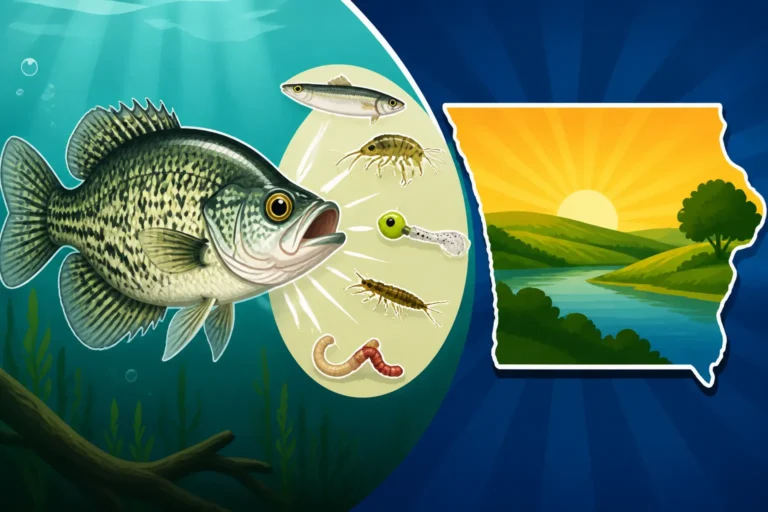
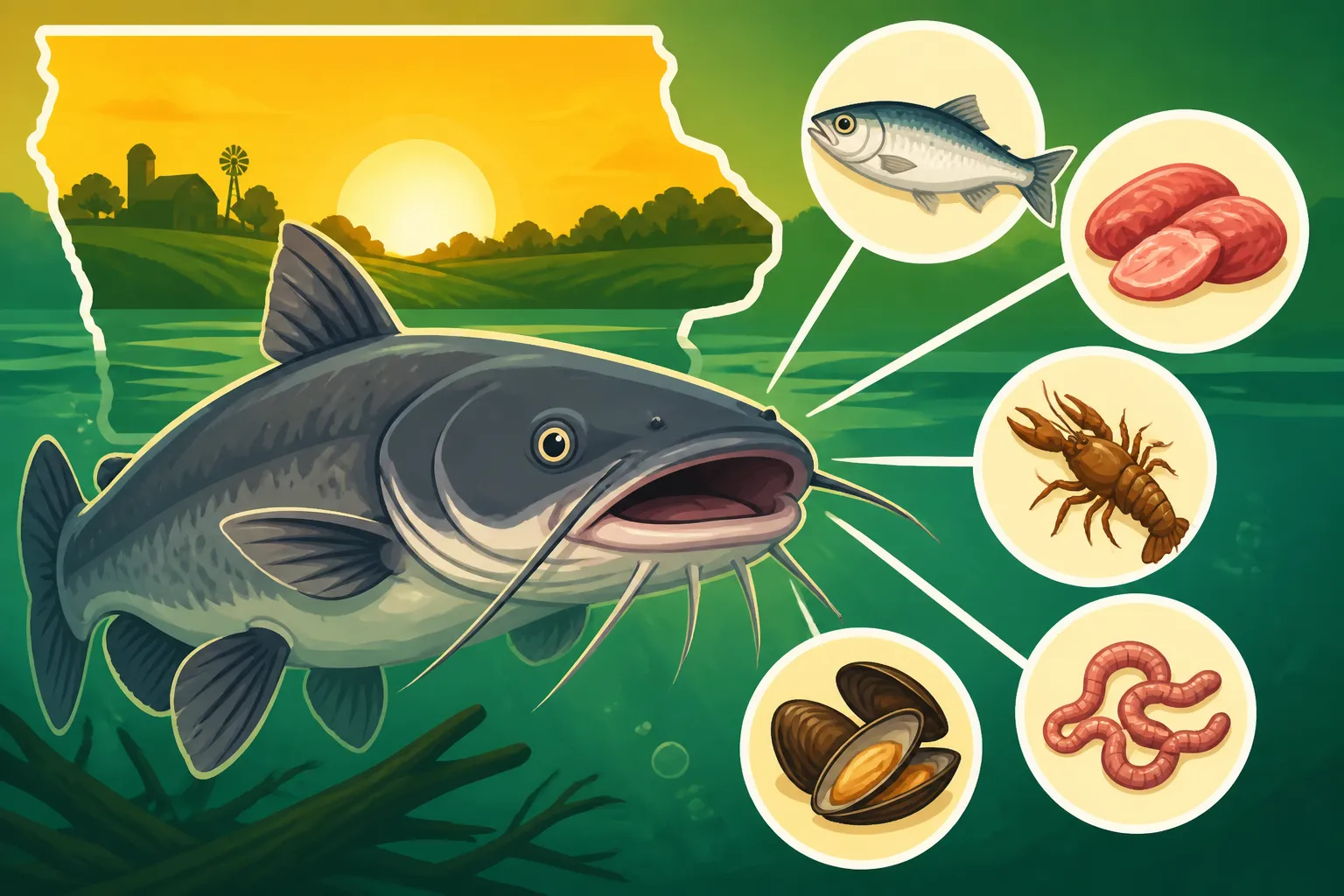
You'll find them munching on a huge variety of invertebrates, like aquatic insect larvae, which are abundant in river bottoms and lake beds. Think mayfly nymphs, caddisfly larvae, and dragonfly larvae — tiny morsels that make up a significant portion of their diet. Terrestrial insects that accidentally fall into the water, such as grasshoppers, crickets, and even ants, are also quickly scooped up. Beyond insects, they absolutely adore crustaceans, with crayfish being a top menu item, especially the smaller ones. You might be surprised to learn they also consume snails and other mollusks.
Of course, channel catfish are also predators, and small fish are definitely on their hit list. They'll readily ambush or scavenge on minnows, shad, shiners, and other smaller forage fish that might be injured or disoriented. It's not uncommon for them to feast on the eggs and fry of other fish species as well. And in a pinch, or when other options are scarce, they've been known to nibble on plant matter, seeds, and even fruits that drop into the water from overhanging trees. This wide range of food sources is why they can survive and thrive almost anywhere they find water in Iowa, making them a fantastic fish for anglers to pursue.
Seasonal Diet Shifts
Just like us, channel catfish adjust their eating habits based on the time of year and what's readily available. Understanding these seasonal shifts can give you a significant advantage when selecting your bait. Their metabolism and activity levels are heavily influenced by water temperature, which directly impacts how much and what they decide to eat.
In the spring, as water temperatures start to rise after the long Iowa winter, catfish become much more active. They're looking to recover energy after a period of dormancy and prepare for spawning. This is a time when aquatic insects are emerging, and smaller fish become more active, making them easy prey. Worms and smaller cut baits often shine here, as they mimic the natural fare. As spring transitions to summer, the water warms up considerably, and catfish are at their most active. Their metabolism is high, and they need a lot of food. This is when there's an explosion of insects, larger baitfish, and even things like berries or seeds falling into the water. Big, scent-heavy baits like cut shad, chicken livers, or strong-smelling prepared baits really come into their own during these warmer months, especially at night when the water cools slightly.
As fall approaches and water temperatures begin to drop, catfish start to bulk up for winter. They're looking for fattier, higher-calorie meals to store energy. This can be an excellent time for larger cut baits, especially oily fish like shad, or even bigger chunks of prepared bait. They're still active, but perhaps a bit more deliberate in their feeding. Finally, in winter, when ice forms on Iowa lakes and rivers, channel catfish become much more sluggish. Their metabolism slows down drastically, and they feed much less frequently. If you're ice fishing for them, smaller, subtle baits presented slowly are usually more effective, though many anglers focus on other species during this time. Understanding this ebb and flow of their appetite throughout the year is key to consistent success.
The Best Baits for Catching Iowa Channel Catfish (Mimicking Their Diet)
Knowing what channel catfish naturally eat is the first step; the next is translating that knowledge into effective bait choices. The market is flooded with options, but the best baits are usually those that either closely resemble their natural food or exploit their incredible sense of smell. From classic live options to potent prepared baits, there’s a whole world of possibilities to explore for Channel Catfish Fishing in Iowa.
Classic Live Baits and Their Appeal
Live baits are often considered the gold standard for catfish because they're natural, lively, and incredibly enticing. They provide movement and scent that can trigger a strike even from a hesitant fish.
Minnows are a perennial favorite. They are a staple food source for many fish, including channel cats. A lively minnow, hooked properly to allow for maximum movement, can be irresistible. You can often find a good selection at your local bait shop. Using a float to keep them suspended or fishing them on the bottom with a simple weight can both be effective. For those seeking variety, fathead minnows and shiners are particularly popular choices.
Worms and Nightcrawlers are perhaps the most universal freshwater bait, and channel catfish love them. Their natural squirming action and earthy scent are highly attractive. A big wad of nightcrawlers on a hook can be a fantastic offering, particularly in murky water where the visual appeal is less important than the scent and vibration. They're easy to find, whether digging in your garden or buying them by the dozen.
Crayfish are another natural delicacy for catfish. If you're targeting larger channel cats, a live crayfish can be a game-changer. These bottom-dwellers are a significant part of the catfish's diet, especially in rocky or structured areas of rivers and lakes. Hook them through the tail for maximum movement, or simply use a fresh dead one if live isn't an option.
Don't overlook terrestrial insects like grasshoppers and crickets, especially when fishing near grassy banks or areas with overhanging vegetation. Catfish will often patrol these zones, waiting for an easy meal to drop in. While not as commonly used as worms or minnows, they can be incredibly effective, particularly when fish are keyed in on surface activity. Sometimes, the unexpected bait is the one that gets the bite.
The Power of Scent: Cut Baits and Prepared Baits
If live baits appeal to a catfish's hunting instinct, then scent-heavy cut baits and prepared baits are designed to overwhelm their olfactory senses. Catfish are often referred to as "swimming noses," and these baits leverage that incredible sense of smell to draw them in from a distance, even in stained or muddy water.
Cut baits are exactly what they sound like: pieces of fish, often oily species, cut into chunks. Shad, suckers, carp, and even bluegill (check Iowa Fishing Regulations Explained for rules on using game fish as bait) make excellent cut baits. The key is freshness and oiliness. Freshly cut bait bleeds profusely, releasing a strong scent trail that catfish simply cannot ignore. Many anglers prefer to use the belly strips or sections with skin attached for better hook retention. While you can use frozen cut bait, freshly caught and cut fish often provide a superior scent and texture. These are particularly effective in rivers and larger lakes where a strong current can carry the scent far downstream.
Then there are the famous stink baits and prepared baits. These are commercially produced concoctions designed specifically for catfish, often featuring powerful, pungent odors that mimic decaying matter or concentrated food sources. You'll find them in various forms: dip baits (to be used with a bait holder or sponge), punch baits (thicker, designed to be pressed onto a treble hook), and dough baits (moldable paste). Brands like Team Catfish and Sonny's are popular, and you can often find a wide selection at local bait shops or through online retailers like Amazon, especially for specialty dip worms or bait holders. Each has its devotees, and finding your favorite often involves a bit of trial and error. Some anglers swear by the cheese-based varieties, while others prefer blood baits or liver-based concoctions. The powerful odor is what brings the catfish in, and their opportunistic nature takes care of the rest.
Unexpected and Homemade Baits
Sometimes, the best bait isn't found in a fancy package or a bait bucket. Anglers are a resourceful bunch, and over the years, many have discovered that channel catfish will hit some truly unexpected items, often found right in your kitchen or at a local grocery store. These can be great budget-friendly alternatives or simply fun experiments to try when the bite is tough.
Chicken livers are a classic for a reason. Their super strong, bloody scent is an undeniable attractant for catfish. The main challenge is keeping them on the hook, as they can be quite soft. Many anglers wrap them in a bit of mesh or pantyhose to help them stay put, especially if casting a distance or in current. They're cheap, readily available, and incredibly effective, particularly for those actively feeding fish in warmer waters.
Believe it or not, common household items like hot dogs and even marshmallows have landed their fair share of catfish. Hot dogs, especially inexpensive brands, have a unique scent that some catfish find irresistible. They're firm enough to stay on the hook and can be cut into perfect bite-sized pieces. Marshmallows, on the other hand, provide a visual appeal (they float) and slowly dissolve, creating a sweet, gooey cloud that can draw in curious cats. While not a primary bait, they can be surprisingly effective in calmer waters or as a novelty.
Some old-school anglers even swear by chunks of plain, unscented bar soap, like Ivory. The theory is that the natural fats in the soap slowly leach into the water, attracting catfish with their keen sense of smell. While this might sound a bit outlandish, it speaks to the truly omnivorous and opportunistic nature of these fish. For the adventurous angler, creating DIY concoctions is another path. Blending strong-smelling cheeses, garlic, fish scraps, and even some fruit can lead to unique homemade "stink baits" that might just be the secret sauce for your local honey hole. Experimentation is a huge part of the fun with Catfish Bait Guide for Iowa Anglers!
Factors Influencing Catfish Feeding Behavior in Iowa
Choosing the right bait is crucial, but even the best bait won't work if you're not presenting it to an active, feeding fish. Understanding the environmental factors that influence when and where channel catfish feed in Iowa is just as important as knowing what they eat. These factors dictate their activity levels, metabolism, and ultimately, their willingness to bite.
Water Temperature and Oxygen Levels
Water temperature is perhaps the most critical factor influencing catfish feeding behavior. As we discussed, these fish are cold-blooded, meaning their metabolism directly correlates with the water temperature. In warmer water during the late spring, summer, and early fall, catfish are highly active. Their metabolism is roaring, and they need to consume a lot of food to sustain themselves. This is when they'll be most aggressive and responsive to a wide variety of baits. You'll find them searching actively for food, often patrolling edges, drop-offs, and structured areas.
Conversely, in cold water conditions during late fall and winter, their metabolism slows dramatically. They become sluggish and feed much less frequently. It's not that they don't eat at all, but their feeding windows are shorter and less intense. If you're fishing in colder water, a slower presentation with a subtle bait is often more effective.
Oxygen levels also play a significant role. Catfish need oxygen to survive, and while they can tolerate lower oxygen levels than some other species, extremely low levels will make them lethargic and suppress their appetite. This can happen in stagnant ponds during hot spells or after heavy organic decomposition. Highly oxygenated water, often found near inflows, current breaks, or during windy conditions, tends to make fish more active and willing to feed. Understanding these dynamics helps you find the prime feeding zones.
Current and Structure
In river systems like the Des Moines River or the Mississippi River, current is a major factor for channel catfish. They are masters of using current to their advantage, often positioning themselves just out of the main flow behind structure, waiting for food to be swept past them. Think of them like lions waiting at a watering hole. They won't expend unnecessary energy fighting strong currents but will use eddies, seams, and current breaks as ambush points. Presenting your bait in these zones where food naturally collects or drifts by is incredibly effective.
Structure, whether in rivers or lakes, provides cover, ambush points, and often concentrates baitfish – making it prime catfish territory. This can include submerged logs, brush piles, rock formations, drop-offs, ledges, and even man-made structures like bridge pilings or wing dams in rivers. Catfish love to hide in these areas, both for protection and to lie in wait for an easy meal. When you're fishing a new spot, look for these types of features using sonar or even by observing the shoreline. The presence of good cover and breaks in the current often means you've found a catfish hangout. This is particularly true for Summer Catfish Techniques on the Mississippi River.
Time of Day and Weather Conditions
Channel catfish are often thought of as primarily night feeders, and there's a good reason for that reputation. During the hotter months of summer, they often become much more active after the sun goes down, as water temperatures cool slightly and light levels decrease. This makes them feel more secure and encourages them to move into shallower feeding areas. Many dedicated catfish anglers swear by Night Fishing Techniques for Catfish, finding their biggest catches under the cloak of darkness.
However, they certainly feed during the day too, especially during low light conditions like dawn, dusk, or heavily overcast days. Periods before a storm or after a significant rainfall can also trigger a feeding frenzy. Rain washes insects and other food into the water, and the increased turbidity can make catfish bolder. Conversely, bright, sunny days, especially in clear water, might see catfish retreating to deeper, shadier areas, making them harder to entice. Keeping an eye on the weather forecast and adjusting your fishing times accordingly can dramatically improve your success.
| Bait Type | Primary Appeal | Best for Conditions | Notes |
|---|---|---|---|
| Live Minnows | Movement, Natural Prey | Clearer water, moderate current, all seasons (esp. spring) | Hooked through lip or back for lively action. |
| Nightcrawlers/Worms | Wriggling Movement, Scent | Any water clarity, versatile, all seasons | Easy to find, a go-to bait for many species. |
| Crayfish | Natural Prey, Scent | Structured areas (rocky bottoms), targeting larger cats | Can be caught or purchased, effective live or dead. |
| Cut Shad/Suckers | Strong Scent, Oily | Murky water, strong current, warm water seasons | Use fresh for best results, stays on hook well. |
| Chicken Livers | Intense Blood Scent | Warm water, slower current, can be messy | May need mesh/pantyhose to keep on hook, very potent. |
| Prepared Stink Baits | Extreme Scent, Long-Lasting | Murky water, active fish, stationary fishing | Various types (dip, punch, dough), experiment to find local favorites. |
| Hot Dogs | Subtle Scent, Easy to Use | Casual fishing, kids, readily available, calm waters | Cut into chunks, surprisingly effective sometimes. |
Understanding what channel catfish eat, combined with a keen awareness of how environmental factors influence their behavior, will undoubtedly elevate your Iowa fishing game. Remember, these adaptable fish are always looking for an easy meal, so mimicking their natural diet or exploiting their incredible sense of smell with a well-placed bait is your best bet for success. Whether you prefer the classic appeal of live worms or the potent aroma of a prepared stink bait, there’s a strategy for every angler to connect with Iowa's abundant channel catfish. Tight lines!
Disclaimer
This article is for general informational purposes only and does not constitute professional advice. Laws, prices and regulations vary by location and change over time. Consult a qualified professional for guidance on your specific situation.