What a Warmouth Sunfish Is
It's easy to get lost in the world of sunfish species here in Iowa, where so many panfish look a little bit alike. You're out on the water, you catch a feisty little fish, and you think, "Is that a bluegill? A green sunfish? Or something else entirely?" It can be genuinely confusing to tell them apart, especially for newer anglers or kids excited about their catch. This guide is here to clear up that confusion, specifically focusing on the often-misidentified but incredibly fun Warmouth sunfish, so you can confidently identify your catch and understand why they're such a great addition to Iowa's diverse fisheries.
What Exactly is a Warmouth Sunfish?
The Warmouth (Lepomis gulosus) is a fascinating member of the sunfish family, often overshadowed by its more famous cousins like the bluegill and crappie. But let me tell you, these little dynamos are a blast to catch, and they're incredibly common in many Iowa waters. They might not get the same press as a trophy walleye, but for a fun day on the water, especially if you're introducing someone new to fishing, the Warmouth is a true champion.
Identifying a Warmouth: Key Physical Characteristics
When you pull a Warmouth out of the water, there are a few tell-tale signs that help you distinguish it from other panfish. Think of it like this: if a bluegill is the polite, round-faced cousin, the Warmouth is the slightly more rugged, broad-shouldered one with a bit of a "don't mess with me" look.
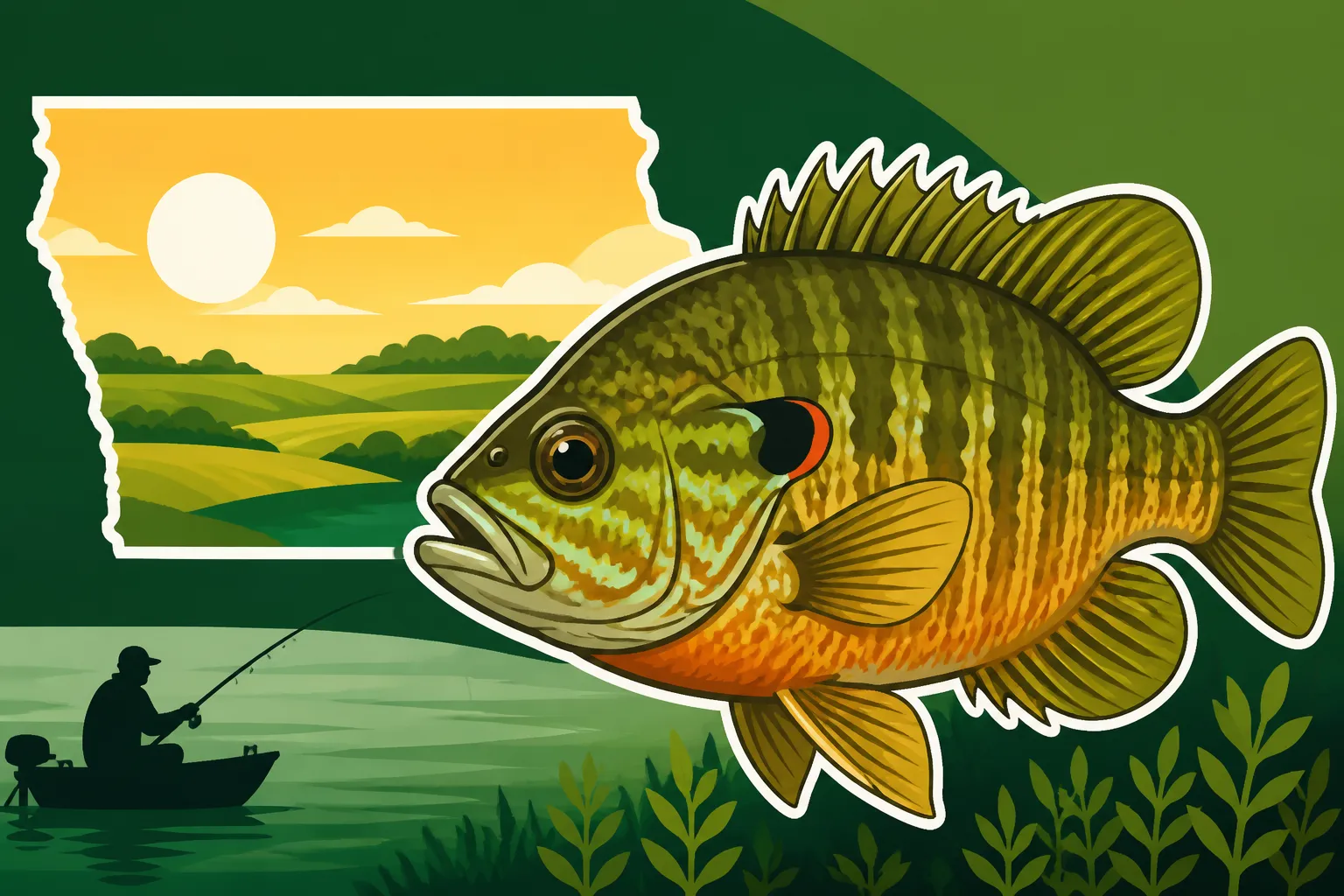
First, take a good look at its mouth. Warmouths have a noticeably larger mouth compared to a bluegill, extending back at least to the middle of the eye, sometimes even beyond. This larger mouth is a key indicator. Next, check out their eyes. They often have reddish-brown eyes, which gives them a distinct look. Then there's the body. They tend to be a bit thicker, more robust than a bluegill, and their coloration is typically a mottled brown, olive, or bronze, often with darker streaks or spots on their sides. You might see some iridescent green or gold flecks, making them quite attractive. Finally, and this is a big one, examine the gill flap (the operculum). Unlike the bluegill's solid black spot with no colored margin, the Warmouth usually has three or four reddish-brown or black stripes radiating back from its eye across its operculum. Sometimes these stripes are a bit faint, but they're often there if you look closely. They also have distinct teeth on their tongue, which is unusual for most sunfish.
Habitat and Behavior in Iowa
Warmouths aren't picky eaters, and they aren't afraid of a bit of rougher living. These fish truly thrive in warm, weedy, somewhat turbid (murky) waters – basically, the kind of places where other fish might shy away. Think slow-moving rivers, oxbow lakes, shallow natural lakes, farm ponds, and backwater areas of larger rivers. They absolutely love dense aquatic vegetation, submerged logs, brush piles, and any kind of cover where they can ambush prey. This preference for heavy cover makes them a bit more challenging, but incredibly rewarding, to target.
Behaviorally, Warmouths are known for their aggressive nature. They're not shy, and they'll readily strike at a wide variety of baits and lures. They're also quite territorial, especially when protecting their nests during spawning, which typically happens in late spring to early summer when water temperatures hit the mid-60s to low 70s Fahrenheit. You might find them creating shallow, saucer-shaped nests in colonies, often among rooted vegetation. This aggressive streak and their willingness to bite make them an excellent target for anglers of all skill levels, from seasoned pros to little ones casting for the very first time. They’re a significant part of the Iowa Fish Species Guide.
Where to Find Warmouth Sunfish in Iowa Waters
If you're looking to target Warmouth, you've got a good chance across a wide swath of Iowa, especially in areas with specific environmental characteristics they prefer. They're not quite as ubiquitous as bluegill, but once you know their preferred hangouts, you'll start spotting them more frequently.
Preferred Environments
As we discussed, Warmouths are creatures of cover and warmer, often murkier, water. This means they absolutely love areas with:
- Dense Aquatic Vegetation: Think lily pads, cattails, submerged grass beds, and coontail. These offer both ambush points for feeding and protection from predators. If you're looking at a pond or lake and see a thick mat of vegetation, that's prime Warmouth territory.
- Submerged Timber and Brush Piles: Fallen trees, old stumps, and man-made brush piles create excellent structure that Warmouths will call home. They'll hug these structures, darting out to grab a passing insect or small fish.
- Shallow, Protected Backwaters: On larger rivers like the Mississippi or the Des Moines River, look for calmer, shallower backwater areas that are shielded from the main current. These spots often have the vegetation and warmth that Warmouths crave.
- Small Lakes and Farm Ponds: Many smaller, less-pressured lakes and private farm ponds across Iowa provide ideal habitat. These waters often have the necessary cover and warmer water temperatures. You might want to check out Best Farm Ponds for Bass Fishing for some overlapping habitat ideas, as bass also like structure.
When you're approaching these spots, think stealth. While Warmouths are aggressive, you don't want to spook them from their hidey-holes. A quiet approach, perhaps by kayak or slowly wading, can make a big difference.
Common Iowa Locations
While Warmouths aren't usually the "feature" fish for a specific lake, they are widely distributed across the state in the right conditions. You won't find specific stocking programs for Warmouth as you might for trout in Trout Fishing Streams in Northeast Iowa, but they maintain healthy wild populations.
Many smaller public lakes and county park ponds, particularly those with a lot of shoreline vegetation and shallow areas, can hold good numbers of Warmouth. River systems, especially the backwaters and oxbows of the larger ones like the Mississippi River and the Skunk River, are also excellent places to find them. They are less common in the deep, clear, open waters of some of Iowa's larger Great Lakes, but even there, if you find a shallow, weedy bay, you might stumble upon a few. Consider exploring publicly accessible areas detailed in the Iowa Fishing Atlas Access Points for potential Warmouth strongholds, especially where these maps indicate significant aquatic vegetation or flooded timber.
How to Catch Warmouth Sunfish: Tips for Iowa Anglers
Catching Warmouth is genuinely one of the most fun and accessible fishing experiences you can have in Iowa. They're not finicky, they fight hard for their size, and they offer a great opportunity to hone your panfishing skills.
Tackle and Bait Recommendations
You don't need fancy gear to catch Warmouths, which is part of their charm! Keep it light and simple, especially if you're fishing with kids.
- Rods and Reels: A light action spinning rod, perhaps 5 to 6 feet in length, paired with a small spinning reel (like a 1000 or 2000 series) is perfect. This setup allows for light lines and good feel. You can find some excellent beginner-friendly combos on Amazon that are very affordable.
- Line: Opt for light monofilament line, around 4 to 6-pound test. This provides enough strength to pull them out of cover while remaining nearly invisible in the water.
- Hooks: Small, sharp hooks are key. Size 6 or 8 Aberdeen or baitholder hooks work wonderfully.
- Bobbers/Floats: A small slip bobber or fixed bobber is often all you need. It helps suspend your bait at the right depth and signals those subtle (or not-so-subtle!) bites.
- Terminal Tackle: A few split shot weights to get your bait down, and maybe some small swivels to prevent line twist, complete your basic setup.
When it comes to bait, Warmouths are not picky eaters. They're opportunistic predators, so they'll hit a wide range of offerings:
- Live Bait: This is often the most effective.
- Worms: Redworms, nightcrawlers (pinched in half), or garden worms are irresistible.
- Crabs/Crickets: These insect baits are fantastic, especially in the summer.
- Small Minnows: If you're targeting slightly larger Warmouth, a small minnow might entice them.
- Artificial Lures: Don't underestimate tiny artificials!
- Small Jigs: A 1/32 or 1/16 ounce jig head tipped with a tiny plastic grub, tube, or even a piece of real worm can be deadly. Look for these in panfish assortments on Amazon.
- Tiny Spinners: Lures like a Beetle Spin or a small inline spinner are great for covering water and triggering aggressive strikes.
- Small Crankbaits: Micro-crankbaits that dive only a foot or two can also be effective, especially around shallow weed edges.
For a comprehensive look at essential gear, check out the Iowa Fishing Gear Guide.
Effective Techniques
The key to catching Warmouths is to fish where they live: in and around cover.
- Target the Cover: Cast your bait or lure as close as possible to weed lines, lily pads, submerged logs, and brush piles. If you're not getting snagged occasionally, you're probably not fishing close enough to their habitat!
- Slow and Steady Retrieve: Whether you're using live bait under a bobber or a small lure, a slow retrieve is often best. Warmouths are ambush predators; they're not usually chasing bait across open water. Let your bait sit, twitch it, and pause.
- Vertical Jigging: If you're fishing from a boat or kayak over a brush pile, vertical jigging a small jig directly into the structure can be incredibly effective. This allows you to present the bait right in their strike zone.
- Early Morning/Late Evening: While Warmouths can be caught throughout the day, these low-light periods are often the most productive, as they become more active in their predatory hunts.
- Kids and Beginners: Warmouths are fantastic fish for introducing children to fishing. Their aggressive nature means they bite readily, and their strong fight on light tackle creates a memorable experience. Plus, they're often found in accessible shoreline areas. Consider picking up a basic tackle box and filling it with some panfish essentials from Amazon to get started.
Distinguishing Warmouth from Other Sunfish Species
This is where the rubber meets the road! Iowa waters are home to a variety of sunfish, and knowing the subtle differences can help you identify your catch correctly.
Warmouth vs. Bluegill
Bluegill (Lepomis macrochirus) are probably the most common sunfish you'll encounter, and they are frequently confused with Warmouth.
| Feature | Warmouth | Bluegill |
|---|---|---|
| Mouth Size | Large, extends to middle or past eye | Small, typically doesn't reach middle of eye |
| Eye Color | Often reddish-brown | Generally dark |
| Body Shape | Thicker, more robust, almost bass-like | Flatter, more disk-shaped |
| Opercular Flap | Black spot with a reddish or brownish margin/stripes radiating from eye | Solid black spot, no distinct colored margin/stripes |
| Coloration | Mottled brown/olive, dark streaks/spots | Olive-green to bluish-gray, often vertical bars, orange belly (males) |
| Pectoral Fin | Rounded | Pointed |
The most reliable differentiator is often the mouth size and those radiating lines on the gill cover. Once you get your eye in, it's pretty clear. You can learn more about Bluegill Fishing in Iowa if you're interested in targeting them specifically.
Warmouth vs. Green Sunfish
The Green Sunfish (Lepomis cyanellus) is another common Iowa panfish that shares some similarities with the Warmouth, and they are perhaps the most frequently mistaken for one another. Both can be found in similar habitats, and both have larger mouths than a bluegill.
| Feature | Warmouth | Green Sunfish |
|---|---|---|
| Mouth Size | Large, extends to middle or past eye | Large, extends well past middle of eye |
| Opercular Flap | Black spot, reddish/brownish stripes radiating from eye | Black spot, often with a pale yellow or orange margin |
| Coloration | Mottled brown/olive, dark streaks/spots | Olive-green to brown, often with iridescent blue/green spots on sides, sometimes dark vertical bars |
| Body Shape | Thicker, more robust | More elongated, cigar-shaped compared to other sunfish |
| Pectoral Fin | Rounded | Rounded |
| Teeth | Small patch of teeth on the tongue | No teeth on the tongue |
While both have large mouths, the Green Sunfish's mouth often appears even more exaggeratedly large, extending further back on the head. The key visual cue is often the opercular flap margin and the overall body shape; Green Sunfish tend to be a bit more torpedo-shaped compared to the Warmouth's deeper body. They are incredibly tough and can survive in very poor water conditions, making them prevalent in many smaller Iowa waterways. For anyone looking to deepen their understanding of all the small species, purchasing an illustrated fish identification guide on Amazon could be a real game-changer!
The Warmouth sunfish is truly an underrated gem in Iowa's fishing scene. They offer fantastic sport, they're beautiful in their own way, and they teach you a lot about fishing tight to cover. The next time you're out on the water, take a moment to really look at your catch. You might just find you've landed one of these feisty, mottled beauties.
Disclaimer
This article is for general informational purposes only and does not constitute professional advice. Laws, prices and regulations vary by location and change over time. Consult a qualified professional for guidance on your specific situation.