Iowa State Record Crappie
Many anglers spend a lifetime on Iowa's beautiful waters, dreaming of that one incredible catch – a fish so substantial it makes history. But what does it truly take to land a state record crappie, and how do you even begin to prove your monumental achievement? This guide is here to walk you through the world of Iowa's record crappie, from understanding what makes a lunker a legend to the precise steps required to officially claim your spot in the record books.
The Allure of the Angler's Mount: Why State Records Capture Our Imagination
There's something uniquely captivating about a state record fish. It’s more than just a big fish; it’s a symbol of persistence, skill, a bit of luck, and the raw beauty of nature. For many of us who love casting a line into Iowa's lakes and rivers, the thought of catching the biggest crappie ever recorded in the state is a powerful motivator. It speaks to the competitive spirit in all of us, yet it’s also about respect for the fish and the waters it calls home.
More Than Just Size: The Story Behind the Catch
Every record fish has a story, and often, it's far more compelling than just the weight on the scale. Was it caught on an old, trusted rod, or a brand-new setup? Was it a solo expedition at dawn, or a family outing that turned unforgettable? The narrative surrounding a record catch becomes part of its legacy, inspiring countless other anglers. Imagine telling the tale of battling a massive crappie, every head shake and dive testing your resolve, ultimately culminating in a moment that transcends a typical fishing trip. It’s these stories that get passed down, whether around a campfire or at the local bait shop. It's not just about the numbers; it’s about the unforgettable experience and the validation of countless hours spent on the water, honing your craft.
The Crappie Challenge: Why Trophy Crappie Are So Special
Crappie are already one of Iowa’s most beloved panfish. They’re plentiful, fun to catch, and absolutely delicious on the dinner plate. But a trophy crappie? That’s a different beast entirely. Crappie typically average a pound or less in most waters. A true "slab" of two pounds or more is something many anglers spend years chasing without ever encountering. These larger crappie are often older, wiser, and have survived countless fishing pressures and natural predators. They can be incredibly finicky, requiring precise presentations and a deep understanding of their habitat and feeding patterns. That's why landing one feels like such an accomplishment; it signifies that you've outsmarted a truly exceptional fish. Understanding Crappie Species Found in Iowa can help you differentiate between the black and white crappie that grow to impressive sizes.
Iowa's Crappie Record: A Glimpse into the History Books
Iowa has a rich history of angling, and the state record book is a testament to the incredible fish that swim within our borders. While specific record details can shift, the spirit of the pursuit remains constant. The state record crappie stands as a benchmark, a challenge to all who cast a line in Iowa.
The Current Crappie Monarch: Understanding the Benchmark
The Iowa state record crappie is a truly impressive specimen. It represents the largest documented crappie ever legally caught and officially verified in the state. This record isn't just about weight; it's also about validating the catch through official channels, ensuring fair play and preserving the integrity of the record books. For many years, anglers have been chasing this particular benchmark, and it’s a constant reminder that truly giant crappie exist, even in waters you might think are fished out. It sets a standard for what’s possible, encouraging everyone to keep their lines wet and their hopes high. If you're wondering how the typical Crappie Daily Limit in Iowa compares to a record, it certainly gives you perspective.
The Waters that Hold Giants: Where Record Crappie Come From
You might think that record-breaking crappie only come from secret, untouched lakes, but that's not always the case. While larger, more mature impoundments and river systems often have the stable environment needed for fish to grow old and large, a record can truly come from anywhere with healthy crappie populations and abundant forage. Lakes with extensive submerged timber, brush piles, and clear, oxygen-rich water tend to produce more consistently large crappie. However, don't discount smaller, lesser-known bodies of water. Sometimes, a lack of fishing pressure in a specific area, combined with optimal conditions, can allow a crappie to reach monumental proportions. Crappie Fishing in Iowa offers insights into many productive areas.
Decoding "Trophy Crappie": What Iowa Anglers Should Look For
So, you're out fishing, and you hook into something that feels different. It pulls harder, runs longer, and just feels heavier than any crappie you've ever tangled with. How do you know if it's truly a "trophy," let alone a potential state record?
Beyond Average: Defining a Lunker Crappie
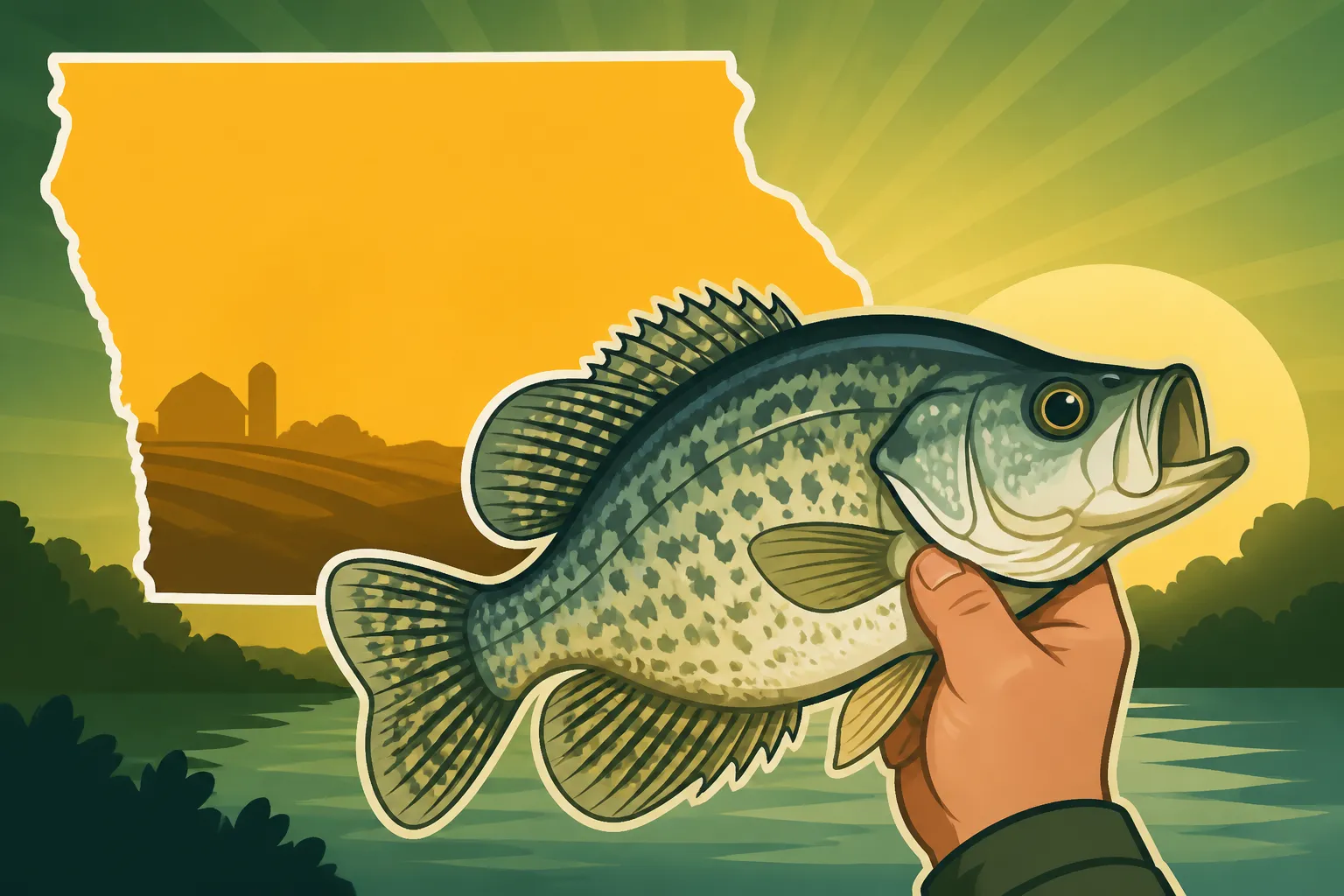
An average crappie in Iowa might weigh anywhere from a half-pound to a pound. A "lunker" or "slab" crappie typically starts at around 1.5 to 2 pounds, and anything above that is truly exceptional. What defines a record-breaker is usually a combination of significant weight and length. These fish often have a thick, deep body, a broad back, and a head that seems disproportionately large compared to their more common kin. When you see one, you just know it's special. It has a presence, an undeniable heft that sets it apart. While most anglers focus on weight, the length and girth of the fish are also critical indicators of its impressive size.
The Lifespan and Growth of Iowa Crappie
For a crappie to reach state record proportions, it needs time – a lot of it. Crappie can live surprisingly long lives, often 5 to 7 years in ideal conditions, and sometimes even longer. During their early years, they grow quickly, but that growth slows down as they age. A record crappie is almost certainly an older fish that has had access to a consistent, high-quality food source (like shad or minnows) and has managed to avoid predators, diseases, and, of course, other anglers! Optimal water temperatures, nutrient-rich environments, and ample cover to ambush prey all contribute to a crappie's ability to reach maximum size.
| Crappie Type | Average Weight (lbs) | Average Length (inches) | Typical Age (years) | Key Characteristics |
|---|---|---|---|---|
| Average Crappie | 0.5 – 1.0 | 8 – 12 | 2 – 4 | Common, good eating, smaller profile |
| "Slab" Crappie | 1.5 – 2.0 | 12 – 15 | 4 – 6+ | Noticeably larger, deeper body, stronger fight |
| Record Crappie | 2.5+ | 15+ | 6 – 8+ | Exceptionally large, thick, rare, verified by officials |
Strategies for Pursuing Your Own Record-Book Crappie in Iowa
Chasing a state record isn't something you do every day, but applying certain strategies can increase your chances of hooking into that once-in-a-lifetime crappie. It's about combining knowledge, technique, and patience.
Targeting Prime Crappie Real Estate: Structure and Cover
Big crappie, like all big fish, are often found in specific types of habitat. They love structure – anything that provides cover, shade, and an ambush point for baitfish. This includes submerged timber, brush piles, rock piles, bridge pilings, and even old sunken boats. In larger reservoirs like Rathbun Lake Fishing Guide or Saylorville Reservoir Crappie Spots, these structures can be found in deeper water, sometimes 15 to 25 feet or more, depending on the time of year. During the spring spawn, crappie move shallower, often congregating around flooded bushes and vegetation. Using your electronics to locate these hidden gems is paramount. Look for schools of baitfish nearby, as big crappie won't be far from their food source. Understanding Crappie Jig Fishing Techniques can greatly improve your success around structure.
The Right Tools for the Job: Gear and Bait for Giant Slabs
To consistently catch crappie, especially larger ones, you need the right gear. Forget heavy bass rods; crappie fishing calls for a lighter, more sensitive approach.
- Rods and Reels: A light to medium-light action spinning rod, 6 to 7 feet long, paired with a small, sensitive spinning reel (like a 1000 or 2000 series) is ideal. This setup allows you to feel the subtle bites of crappie, especially in deeper water. Many good options can be found on Amazon.
- Line: Stick to light monofilament or fluorocarbon line, typically 4 to 6-pound test. This provides better sensitivity and a more natural presentation for your baits. Braided line can be used, but consider a fluorocarbon leader for stealth.
- Baits: Live minnows are a classic choice and often irresistible to crappie. Hook them lightly through the lips or back. Small jigs (1/32 to 1/8 ounce) tipped with soft plastic bodies, often called "crappie tubes" or "grubs," are also incredibly effective. Popular colors include chartreuse, white, and black. Tiny crankbaits and spoons can also tempt larger, more aggressive crappie. You can find a vast selection of these on Amazon, often with reviews from other crappie anglers. For spring, a small jig under a bobber can be deadly. Learn more about Best Bait for Spring Crappie.
- Electronics: A good fish finder is an invaluable tool for locating submerged structure and schools of crappie. Modern side-imaging and down-imaging units can paint a detailed picture of what lies beneath your boat, helping you pinpoint those lunker hiding spots.
So You Think You've Caught a Record? The Official Reporting Process
Catching a crappie that feels like a record is one thing; getting it officially recognized is another. The process is rigorous, designed to ensure accuracy and prevent false claims, but it's absolutely necessary if you want your name in the record books.
Documenting Your Potential Record: Crucial First Steps
If you believe you’ve caught a state record crappie, the clock starts ticking. Here are the immediate steps you should take:
- Keep the Fish Alive: If possible, place the fish in a livewell or a large cooler with fresh, aerated water. This is crucial for verification by state officials.
- Locate a Certified Scale: You cannot weigh the fish on your bathroom scale! You need to find a scale that has been certified for trade, such as those found at many grocery stores, feed mills, or official meat lockers. Call ahead to ensure they have an appropriate scale and someone available to assist.
- Get it Weighed Promptly: The fish should be weighed as soon as possible after capture. Its weight can decrease over time, even in water.
- Have Witnesses: It's highly recommended to have independent witnesses (not just your fishing buddies) present during the weighing and measuring process.
- Take High-Quality Photos: Get several clear photos of the fish from multiple angles, showing its full length, width, and how it was weighed. Include a recognizable object (like a ruler or a standard item, not just your hand) for scale, if possible.
- Measure Accurately: Measure the total length (from the tip of the snout to the tip of the tail, with the tail compressed) and girth of the fish. These measurements, while not always the primary factor, provide additional supporting evidence.
Connecting with Conservation: The Iowa DNR Verification
Once you have your preliminary documentation, it’s time to contact the Iowa Department of Natural Resources (DNR).
- Contact the Iowa DNR: Reach out to the nearest DNR fisheries biologist or the central DNR office as quickly as possible. Explain your situation and that you believe you have a potential state record fish. They will guide you through the specific forms and procedures. You might also find information on How to Check Current Iowa Fishing Regulations Online.
- Submit Documentation: You'll need to submit the official weight slip from the certified scale, photos, and any other documentation they require.
- Official Identification: A DNR fisheries biologist will need to officially identify the species of your fish. This is important to ensure it's indeed a crappie and not a hybrid or another similar species.
- Verification: The DNR will review all submitted information, including witness statements, photos, and the biologist's identification. If everything checks out, they will officially certify your catch as the new state record.
This process ensures that Iowa’s state record book remains accurate and respected. While it might seem like a lot of steps, the reward of holding an official state record for your crappie is an unparalleled honor for any Iowa angler. Iowa Fishing Regulations Explained provides further details on official rules and contacts.
Disclaimer
This article is for general informational purposes only and does not constitute professional advice. Laws, prices and regulations vary by location and change over time. Consult a qualified professional for guidance on your specific situation.